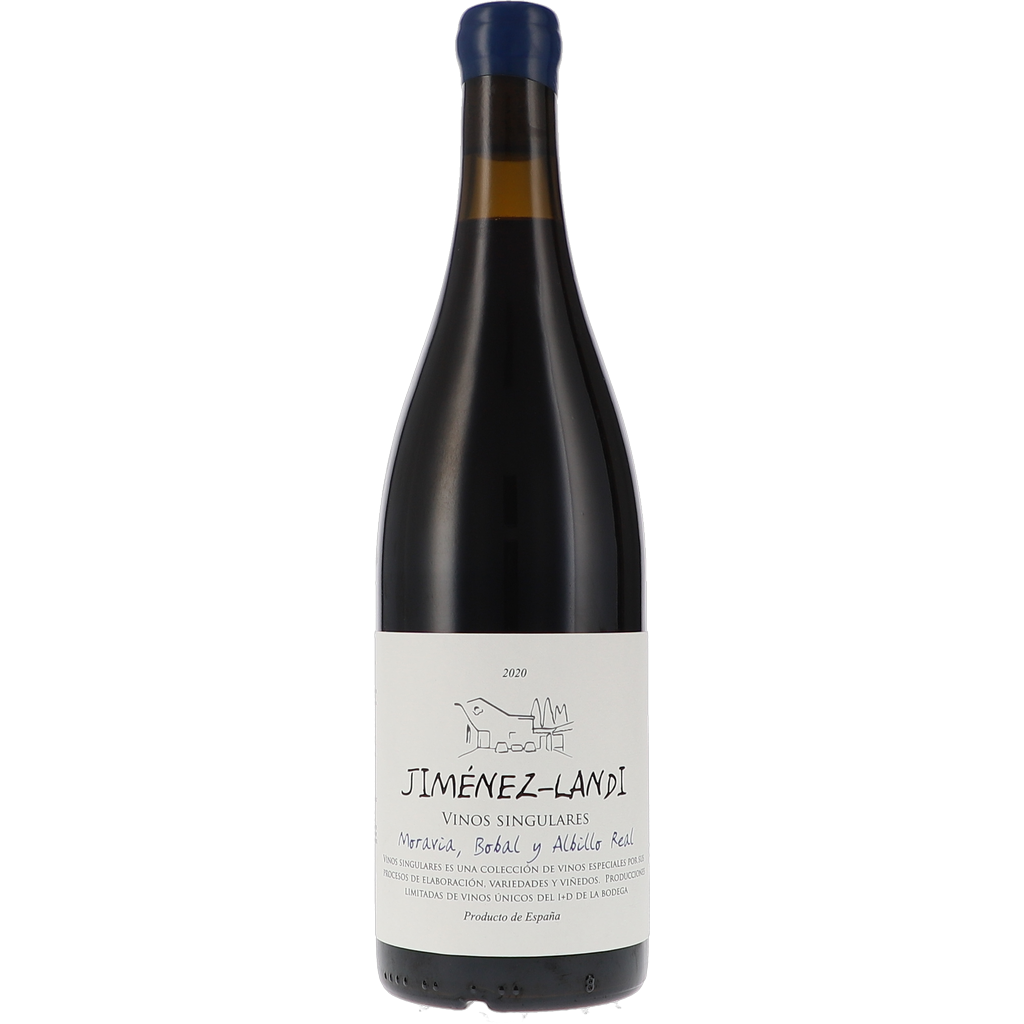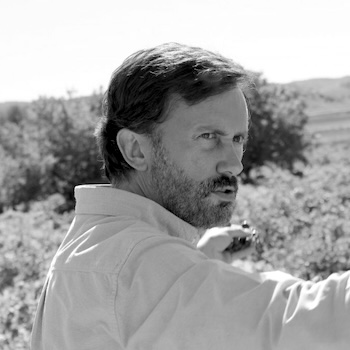
2007 was the year that changed everything. The cousins José and Daniel Jiménez-Landi poured away barrels of dark, muscular reds, exactly the kind of wine Robert Parker loved. In their place came
Garnachas with an almost Burgundian transparency: paler, cooler, mineral.
Bodegas Jiménez-Landi in Méntrida, at 550 to 850 metres above sea level, became an insider tip for anyone looking for elegance rather than extraction.
The Stylistic Turn of 2007
What José Jiménez-Landi seeks in his wines today is best described by what he no longer wants: extraction, new barriques, impenetrable depth of colour. Since the watershed year of 2007, the grapes have been fermented with their stems and rested in large used casks and concrete tanks. Spontaneous fermentation with wild yeasts goes without saying; pump-overs and punch-downs are taboo.
Minimal intervention, maximum expression of terroir – the result is at times more reminiscent of the Côte de Nuits than of central Spain.
Granite and Altitude
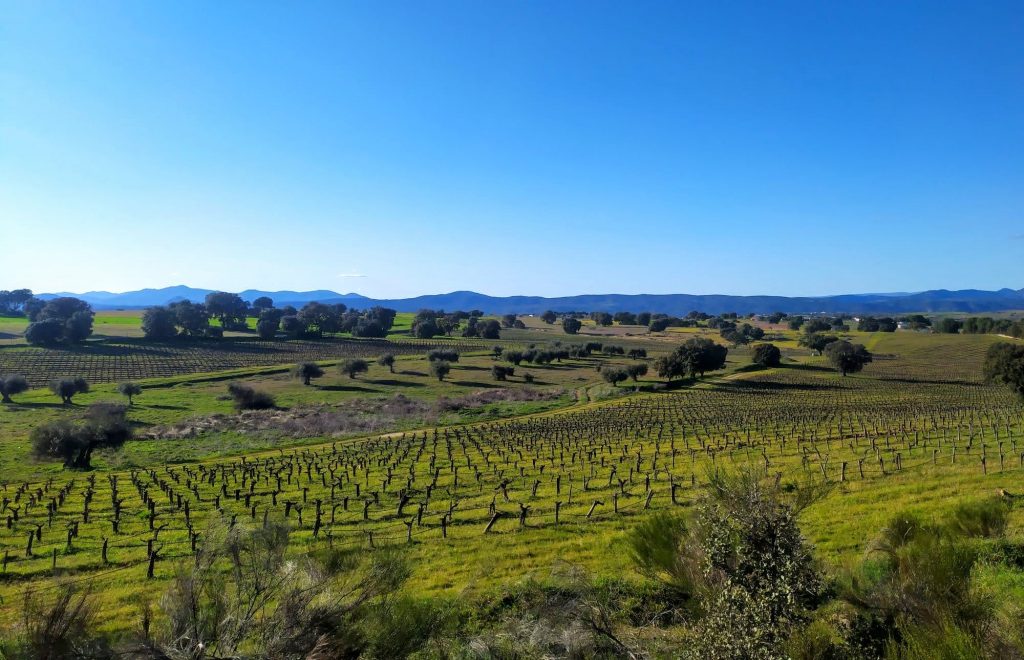
Méntrida is not a name that electrifies wine connoisseurs – not yet. For a long time, the region southwest of Madrid was little more than a supplier of bulk wine. That this is changing is down to growers like José Jiménez-Landi, and to a terroir that combines the
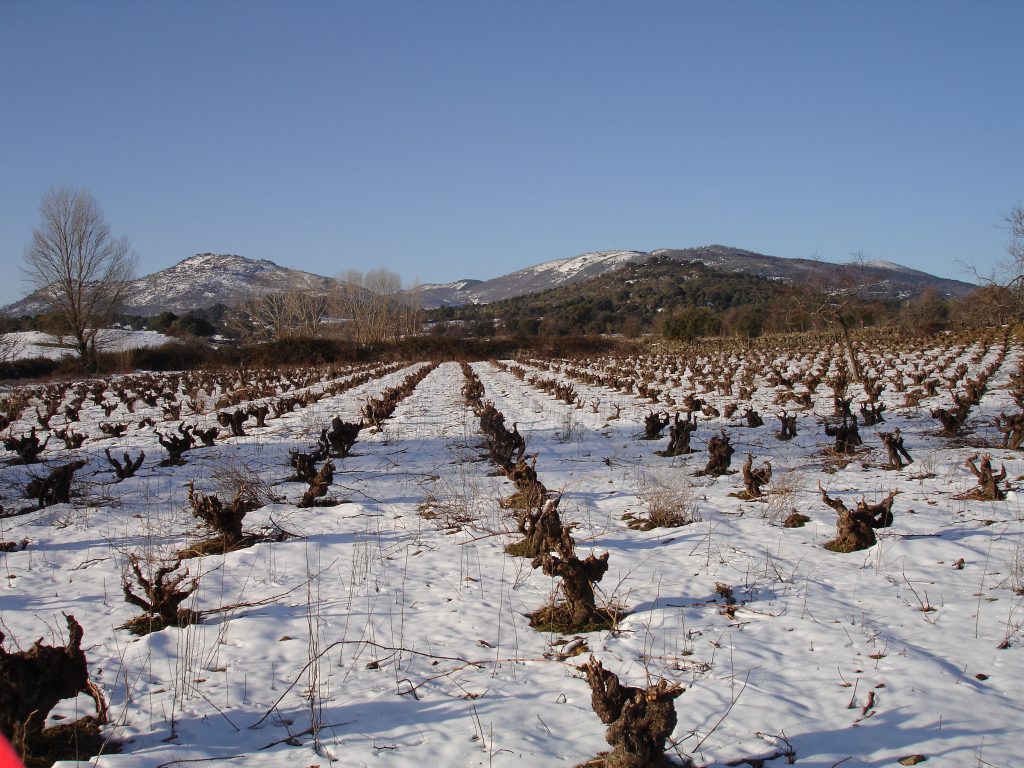
sandy granite soils of the Sierra de Gredos with extreme altitudes. José farms 15 hectares organically in the foothills, at 550 to 600 metres. Varieties such as Albillo Real and Malvar grow there for the fresh
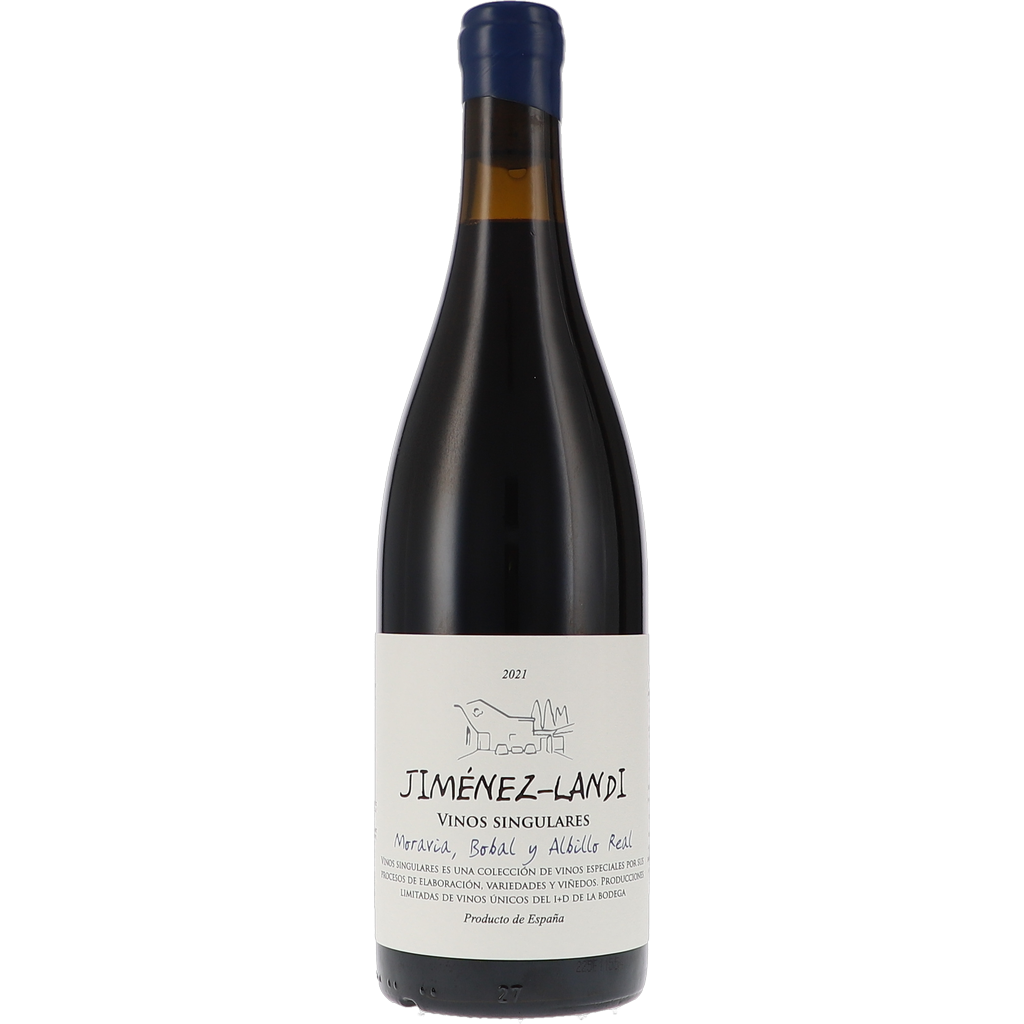
Blanco Malvar, as do the grapes for the characterful
Natural. A further five hectares lie in El Real de San Vicente at 750 to
850 metres above sea level – here José works strictly biodynamically, follows the lunar calendar and applies horn manure and horn silica.
Piélago and Ataulfos – The Burgundian Core
These high sites produce the estate's two flagships:
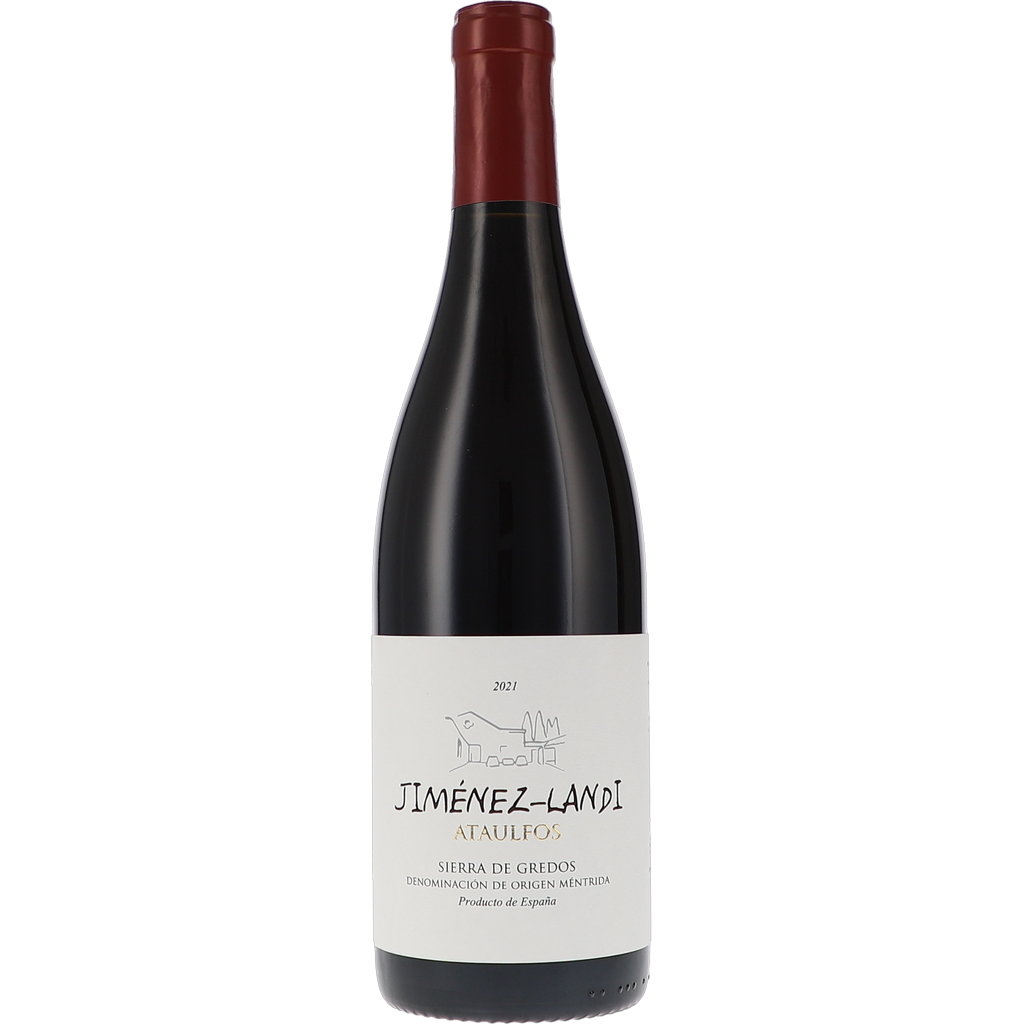
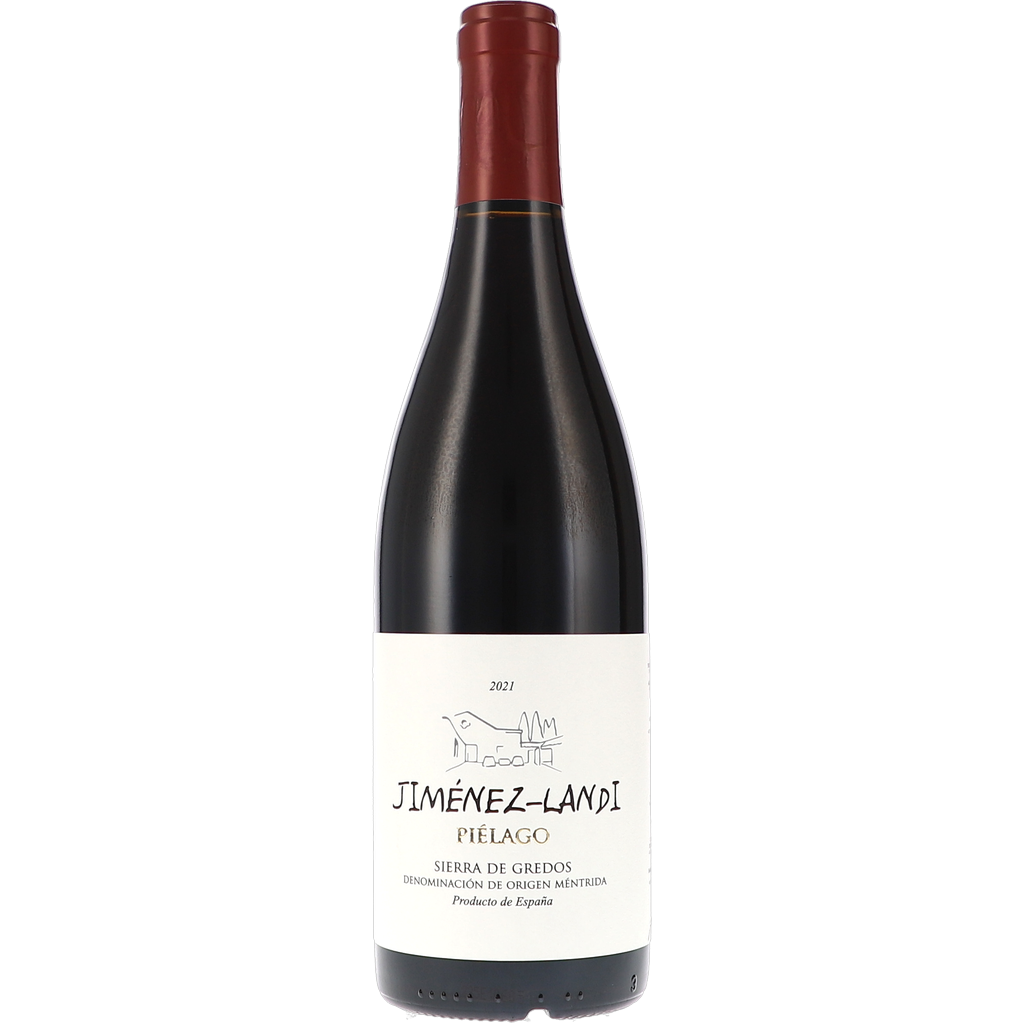
Piélago, a village wine, and Ataulfos, from a single vineyard with vines more than 80 years old. Both wines look transparent, almost pale in the glass – deceptively light. Only on the palate do
floral notes of violets and wild herbs unfold, borne by a stony minerality that the granite lends the wines. The comparison with a Chambolle-Musigny is no exaggeration. Annual production remains modest: 7,500 bottles of Piélago, just 2,500 of Ataulfos.
Two Cousins, Two Paths
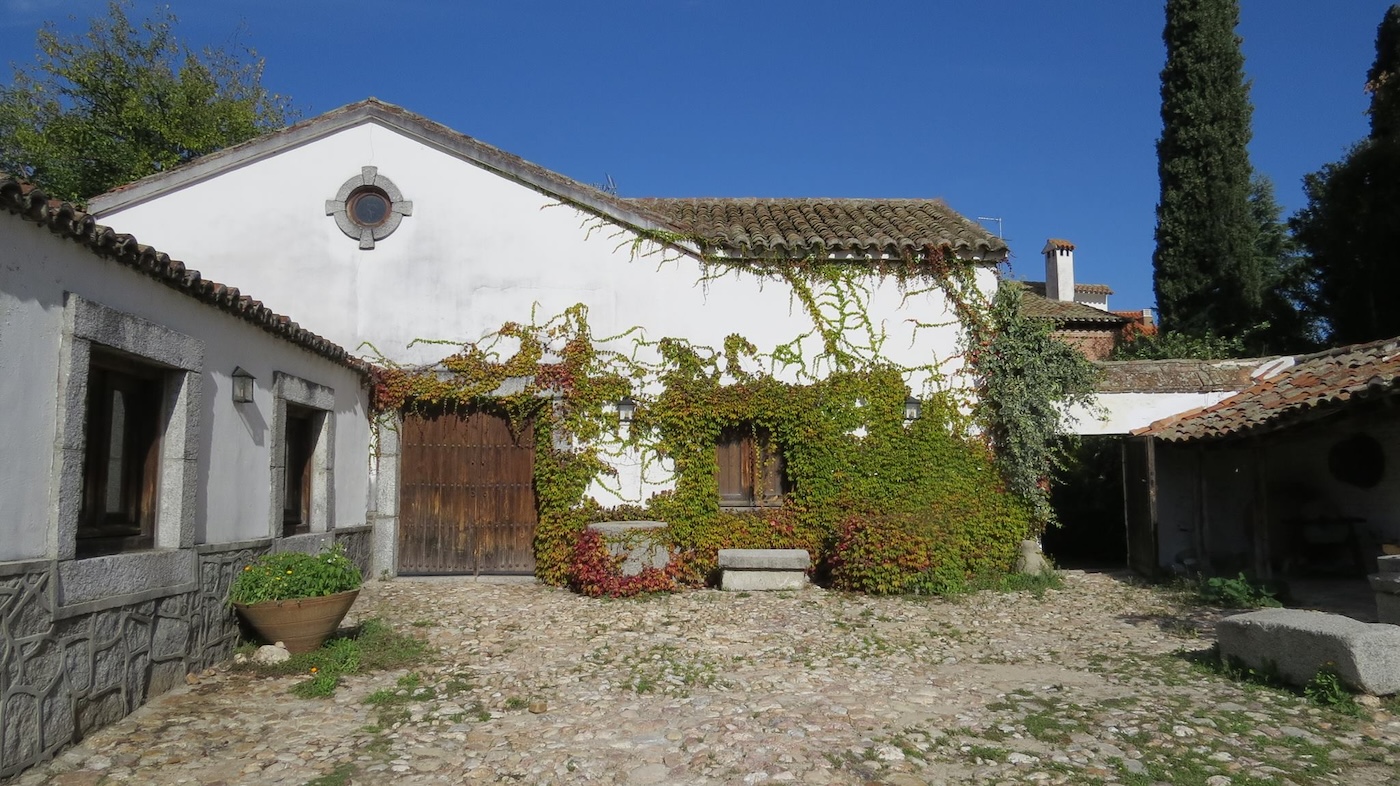
The revolution in Méntrida began as a family project. In 2004, José and his cousin Daniel took over their grandparents' winery, which had been in existence since 1963. Together they developed the new style, and together they became
pioneers of the Spanish Garnacha renaissance – much like
Trossos del Priorat in Priorat or Comando G in the Sierra de Gredos. But in 2013 their paths parted: Daniel, who had already founded the now legendary Comando G project with Fernando García in 2008, left to make his own wines, while José stayed true to the family estate. Alone, but more single-minded than ever. The cool nights at 850 metres, the meagre granite soils, the ancient vines – José Jiménez-Landi has found the perfect place for wines that speak softly and linger long.