Romanesca
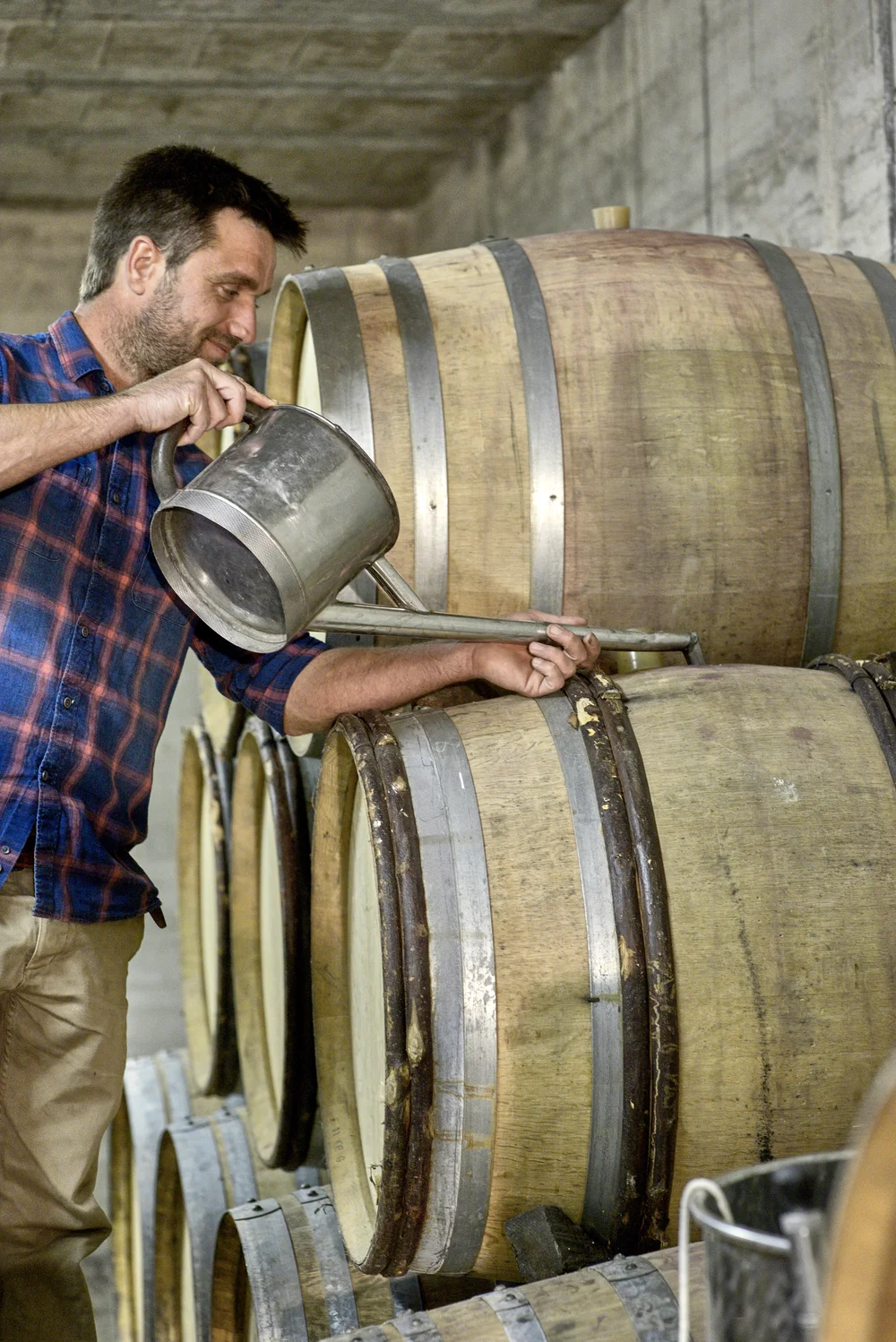
 The twin brothers Antoine and Olivier Chastel run Domaine Romanesca together with Olivier's wife Lucrèce as the second generation. After taking over in 2019, they immediately converted to organic viticulture. Seven hectares in Moulin-à-Vent, Fleurie, Morgon and Juliénas – the crème de la crème of the Beaujolais crus. Their greatest achievement: rather than blending, they vinify each parcel individually.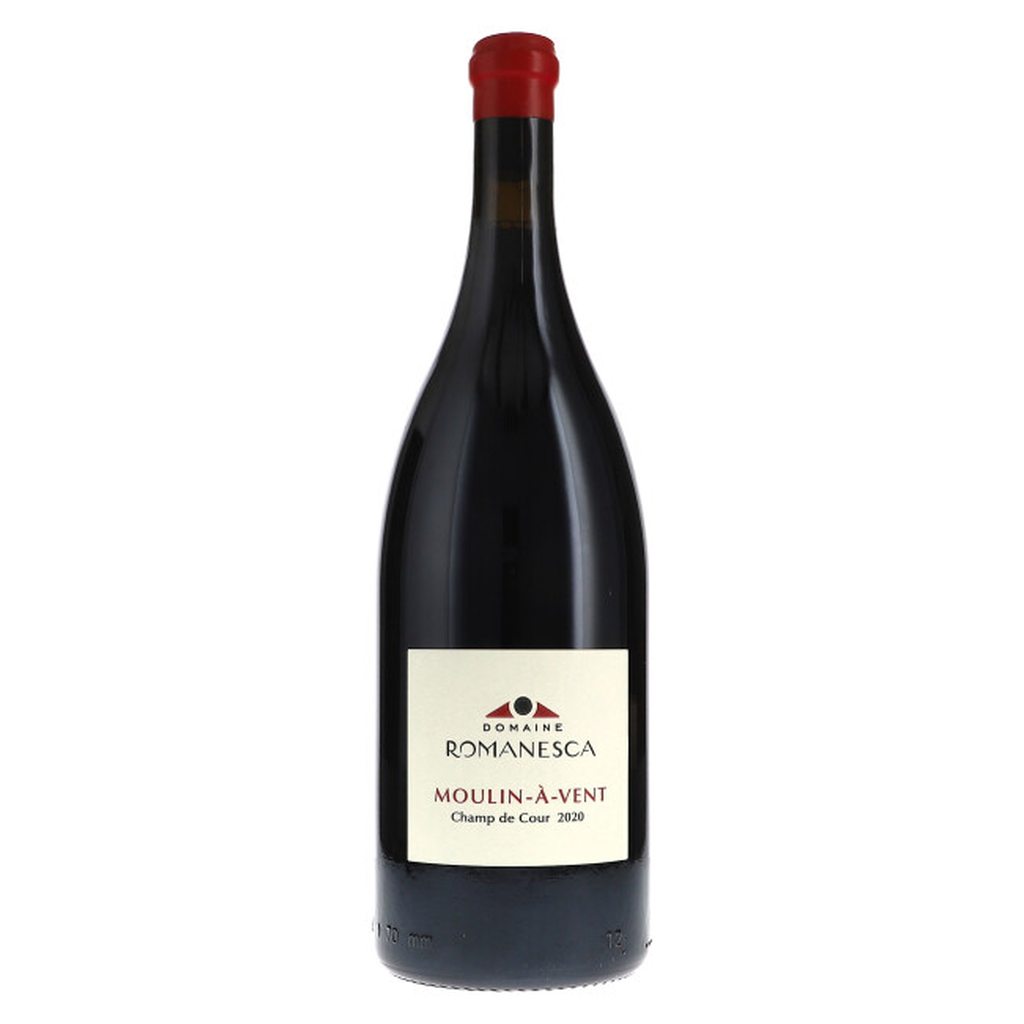
Twins, One Estate
For decades, Guy and Ferréole Chastel had farmed seven hectares in some of the finest sites in Beaujolais. In 2019 they handed over to the next generation: the twins Antoine and Olivier, supported by Olivier's wife Lucrèce. The trio had previously pursued quite different careers in Lyon and now came back to take over the family estate. Their first step was converting to organic farming, a statement that drew attention in tradition-bound Beaujolais.
The Parcel Revolution
Their father had always blended his vineyards, so wine from Moulin-à-Vent ended up in the same vat as wine from Fleurie. The brothers took a different path: every parcel is vinified separately, so each terroir speaks for itself. Champ de Cour from Moulin-à-Vent shows the depth of weathered granite. La Rochelle comes from 50-year-old vines on 2.3 hectares west of the village centre. By keeping the single sites apart, Romanesca reveals the diversity of Gamay like hardly any other estate.
The Legacy of the Roman Road
The name Romanesca refers to the Romans, who planted the first vines here 2,000 years ago. Along the strategic road from Lugdunum (Lyon) to the North Sea, vineyards grew up around the Gallo-Roman villas of Romanèche-Thorins. In the third century, amphorae carried the wines down the Saône to Lyon. The twins consciously build on this heritage with wines that combine character and sheer drinking pleasure.
Gobelet and Granite
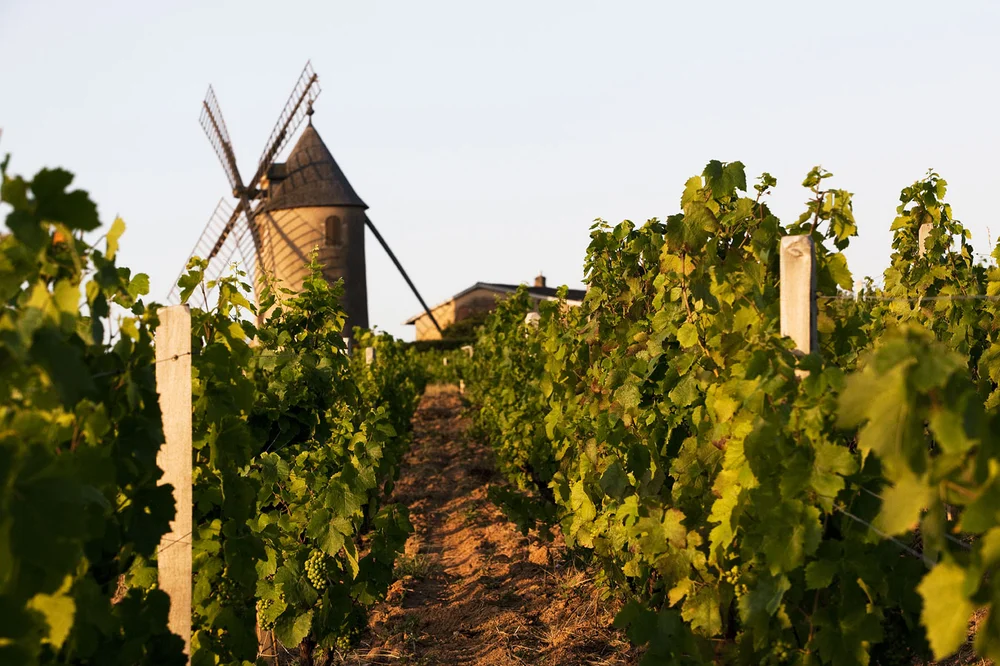
The vines are trained in the traditional gobelet system, as free-standing bush vines without trellis wires, just as they have been for centuries. High planting density and competition between the vines lead to low yields but concentrated grapes. Granite and schist shape the soils of all four appellations. Petit Aigle in Chénas takes a similarly terroir-focused approach, with old vines and organic farming.
Four Crus, One Style
The seven hectares are spread across the crème de la crème of Beaujolais appellations: four hectares in Moulin-à-Vent and one hectare each in Fleurie, Morgon and Juliénas. Each wine has its own character: Moulin-à-Vent with power and structure, Fleurie with floral elegance, Morgon with depth and Juliénas with freshness. Some of the vines are over 50 years old. The result is wines full of finesse and minerality that prove Beaujolais is far more than Nouveau. This clear focus on individual parcels makes Romanesca one of the most exciting young estates in the region.