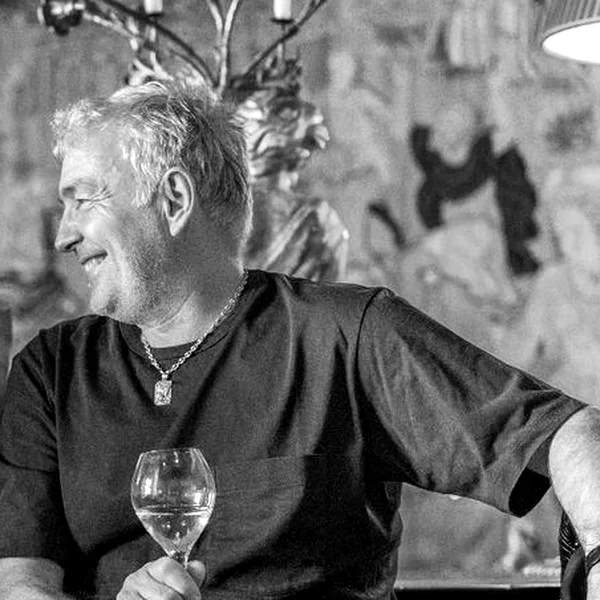
For forty years, two brothers shared the same estate in Avize. When Pascal and Fabrice Agrapart parted ways around 2020, Pascal retained the famous name Agrapart & Fils, and Fabrice started anew:
Agrapart Avize, an individual signature and a portfolio whose cuvées all begin with the letter A. Atoma, Ameunia, Anthocya. Across just over five hectares spanning seven villages in the Côte des Blancs, he produces zero-dosage Champagnes, aged in old wood, unfiltered, and low in sulphites. From every vintage, he holds back a fraction to add to a perpetual reserve started in 2020, a liquid memory of the house. In Avize, far more than just wine is taking shape right now: a cellar, an art project, and a five-star hotel costing twenty-two million euros.
Two brothers, one name
For four decades Pascal and
Fabrice Agrapart ran the family estate in
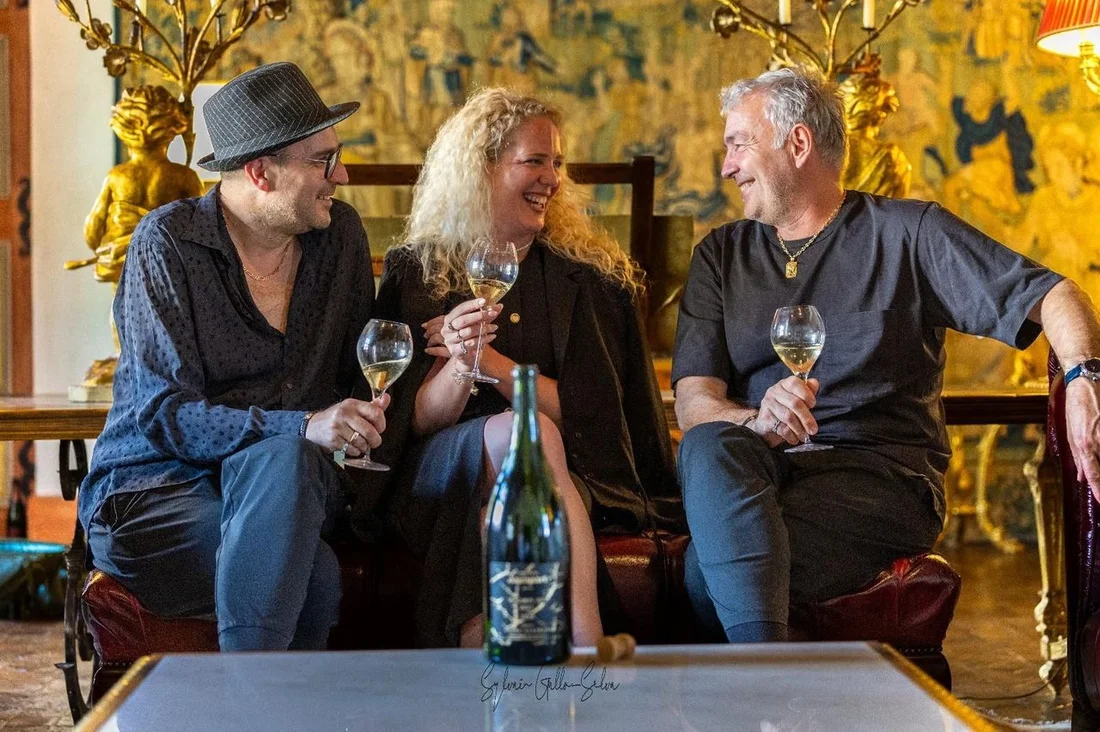
Avize together, before going their separate ways around 2020 to make room for the next generation. Pascal kept Agrapart & Fils along with its celebrated cuvées; Fabrice took a good four hectares of the family holdings, bought more in Avize and Oger and founded a house of his own. At his side are vineyard manager Emmanuel Turpin and his Swedish sales partner Johanna Bergsborn Bertilsson; his daughter Prunelle is to take over one day. Those who know the area will find close neighbours in Avize: just a few parcels away,
De Sousa has worked biodynamically on the same chalk for years.
Why every wine begins with A
The entire range bears names beginning with A, and none of them is a coincidence.
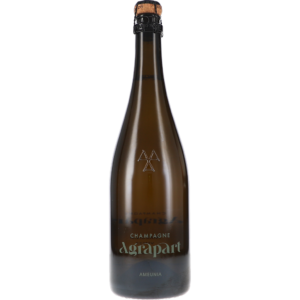
Atoma is so called because every bottle contains an atom of each vintage: a perpetual reserve that Fabrice began in 2020 and refreshes year after year. The
Atoma Brut Nature is a pure
Chardonnay from the Grand Cru chalk slopes around Avize, Cramant and Le Mesnil. Anthocya, by contrast, is a rosé whose delicate colour comes solely from the anthocyanins of Pinot Noir, extracted by a process Fabrice developed himself. No saignée, no addition of red wine, only pigment from the skins, which is why this Champagne is among the palest rosés of all.
Chalk, wood, no dosage
Fabrice's signature is the same across the range. The grapes grow on pure belemnite chalk, are picked by hand and fermented spontaneously with their own yeasts. Part of the wine matures in large wooden foudres and demi-muids, full malolactic fermentation is allowed, and after twenty to twenty-four months on the lees the wines are bottled
without fining, without filtration and with less than 50 milligrams of sulphur per litre. Nothing is dosed:
Brut Nature across the whole line. You will look in vain for certificates, as the estates are only now in conversion to organic farming; yet biodynamic practice has long been followed in the vineyards. How closely Fabrice thinks about his terroir is shown by
Ameunia: the first single-variety
Meunier in the history of the house, which he sought out specifically on the left bank of the Marne in the Vallée de la Marne.
A house that is only just beginning
The first bottles reached the market in 2024, in small quantities, and sold out quickly. What is emerging here is not a finished work but a beginning with a grand plan: in Avize Fabrice Agrapart is building a winery with tasting rooms, an art project has been announced for 2027 and a five-star hotel with restaurant for 2028. Anyone drinking these Champagnes today is following the first chapters of an estate that is in the process of rewriting its name.