Vazart-Coquart & Fils
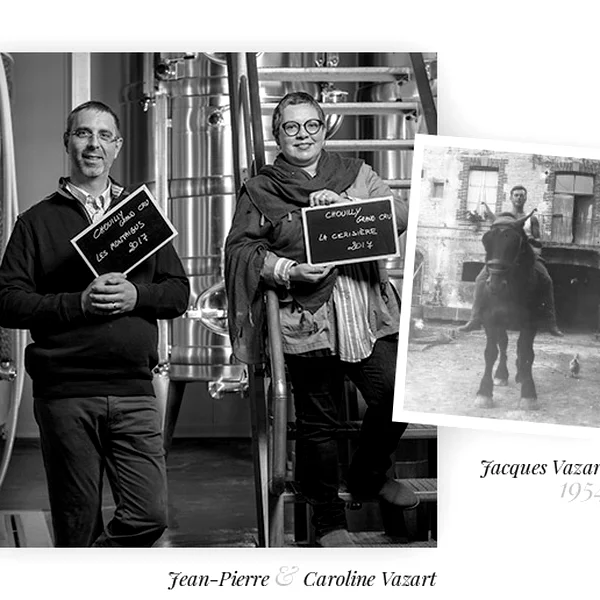
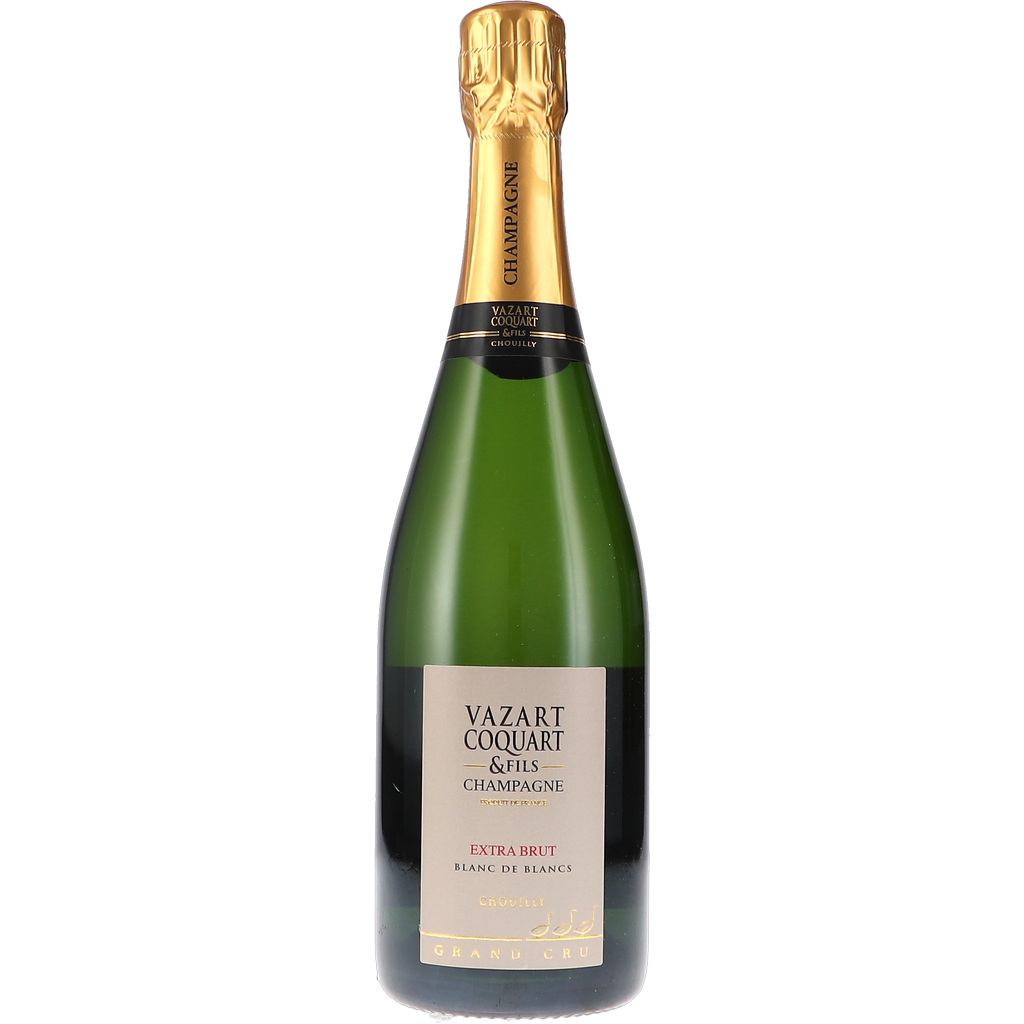
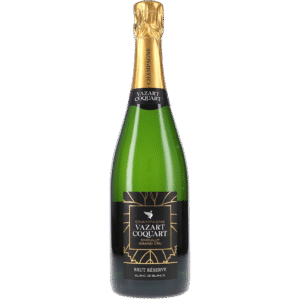
Vazart-Coquart & Fils farms eleven hectares of Chardonnay on belemnite chalk in Chouilly, the northernmost Grand Cru of the Côte des Blancs. Jean-Pierre and Caroline Vazart run the house in its third generation, from the red-brick house that Louis-Victor Coquart built in 1865. The vines are spread across thirty parcels and average 44 years of age. In 2020, Jean-Pierre Vazart converted to organic viticulture, giving up in the process the réserve perpétuelle that had underpinned his Brut Réserve since 1982. In the cellar he ferments in stainless steel and keeps dosage low; his Blancs de Blancs smell of wet chalk and retain a saline freshness.
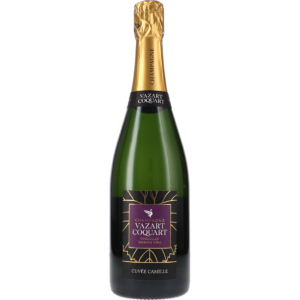
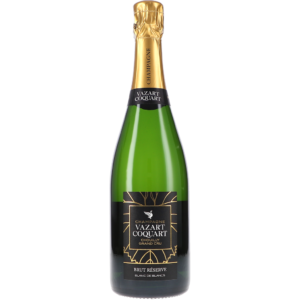
Chouilly, the northernmost Grand Cru of the Côte des Blancs
Chouilly lies at the northern end of the Côte des Blancs and is classified as Grand Cru. Vazart-Coquart & Fils farms eleven hectares there, spread across thirty parcels over the commune's hills, including sites such as Montaigu. The Chardonnay vines average 44 years of age and are rooted in belemnite chalk. Chouilly comprises many micro-terroirs that combine power and fruit, and the number of parcels gives Jean-Pierre Vazart many building blocks for his blends each year.
Jean-Pierre and Caroline Vazart
Louis-Victor Coquart built the red-brick house in 1865 that remains the family seat to this day; Jean-Pierre and Caroline Vazart run Vazart-Coquart & Fils in its third generation.
In 2020, Jean-Pierre Vazart converted the estate to organic viticulture, and that year saw the first certified organic harvest. The conversion cost him the réserve perpétuelle the family had maintained since 1982: a solera that gave depth to the Brut Réserve and could no longer be continued under organic guidelines alongside conventionally produced reserve wines. "We are the first admirers of our own champagnes – they have to be excellent," he says. Eichelmann awards four stars, and Peter Liem calls the house "Chouilly's most significant grower-champagne house."
Stainless steel, terracotta and the réserve perpétuelle
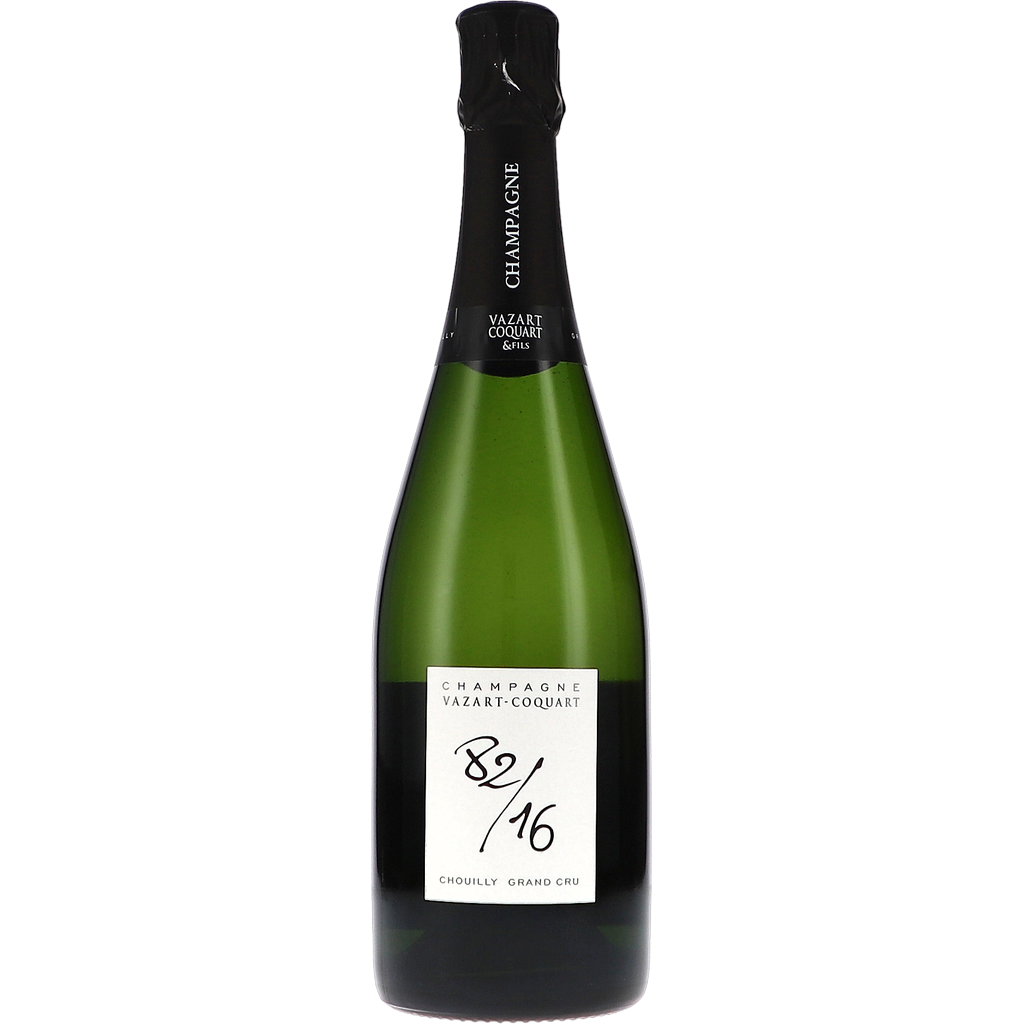
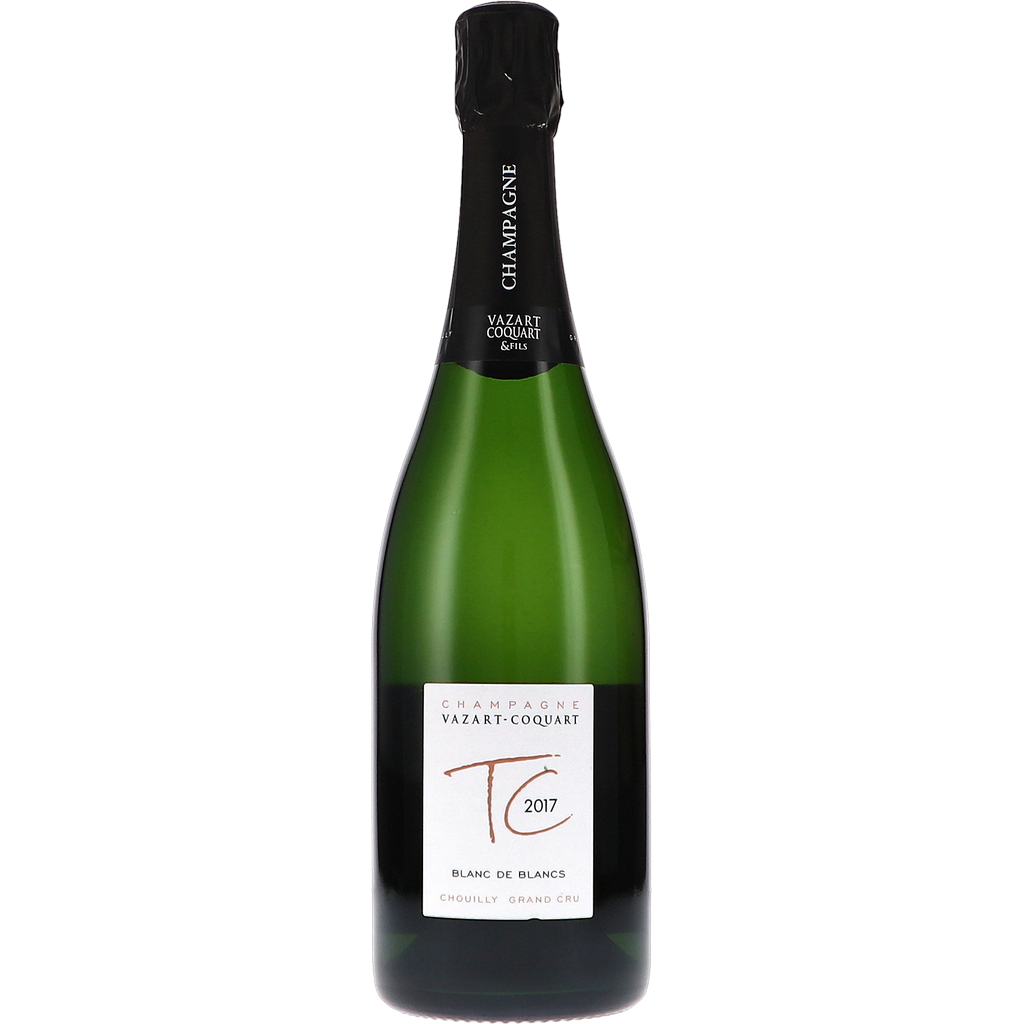
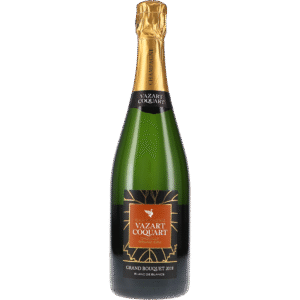
In the cellar, Jean-Pierre Vazart ferments the base wines in temperature-controlled stainless-steel tanks and keeps dosage low, mostly at extra-brut level. For the cuvée TC Extra Brut, he works with terracotta eggs, whose gentle oxygen exchange gives the champagne a silky texture. The 82/16 Extra Brut comes exclusively from the réserve perpétuelle: begun in 1982, forty percent drawn off and topped up again each year, most recently in 2016, the year from which this champagne's base wine comes. The Grand Bouquet ages roughly four years on the lees and shows ripe fruit and the roundness that Chouilly imparts.
Spécial Club and the single vineyard La Cerisière
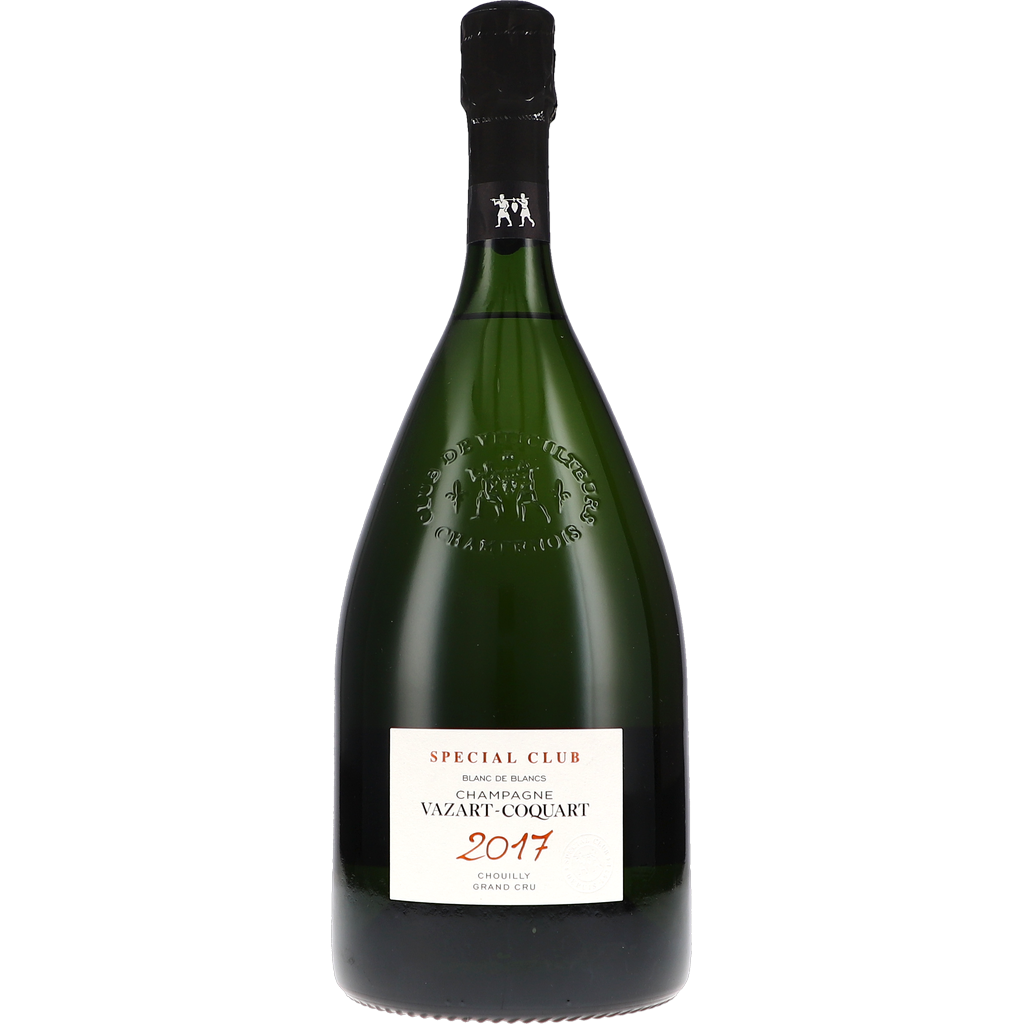
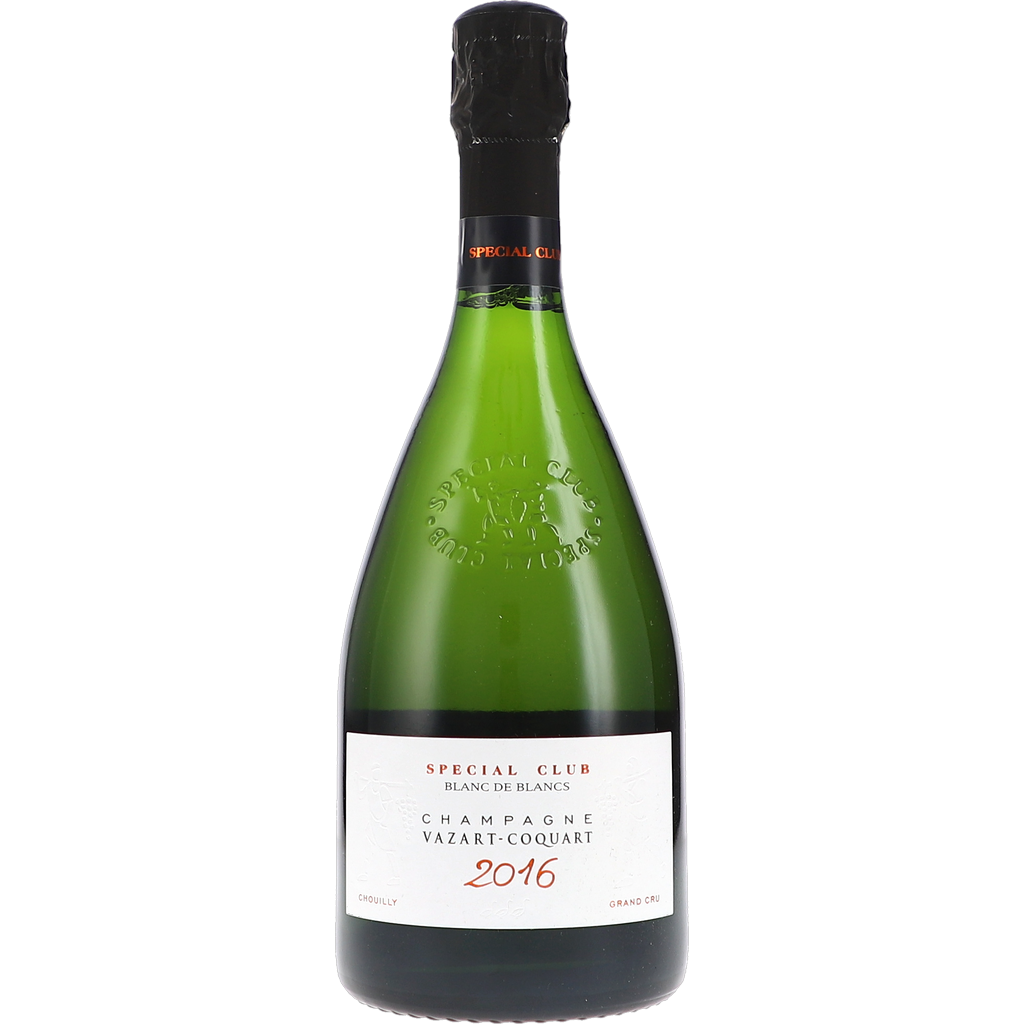
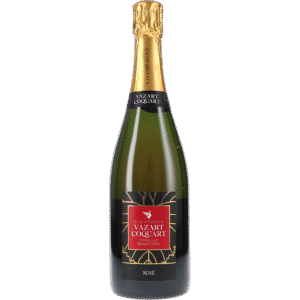
Since 1996, Vazart-Coquart & Fils has belonged to the Club Trésors de Champagne, the oldest growers' association in Champagne, founded in 1971; its members taste each other's wines and award the Spécial Club seal only to the finest vintages. The Spécial Club Rosé is made as a rosé de saignée from pure Pinot Noir from the Le Revers du Plumecoq parcel; the lightly crushed grapes macerate for two days before pressing, the base wine ferments spontaneously in stainless steel without malolactic fermentation, and disgorgement is done by hand, à la volée.
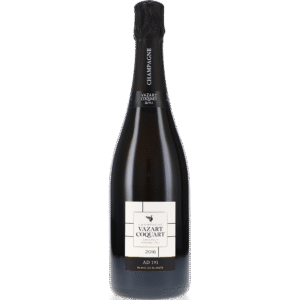
AD 191 is the land-register coordinate of the La Cerisière parcel in the Chouilly Grand Cru; AD stands for Anno Domini and does not denote a vintage year. Jean-Pierre Vazart tasted this parcel for years before bottling it separately since 2016. Its soil is shallow, chalky and calcareous, and the Chardonnay vines are vieilles vignes.