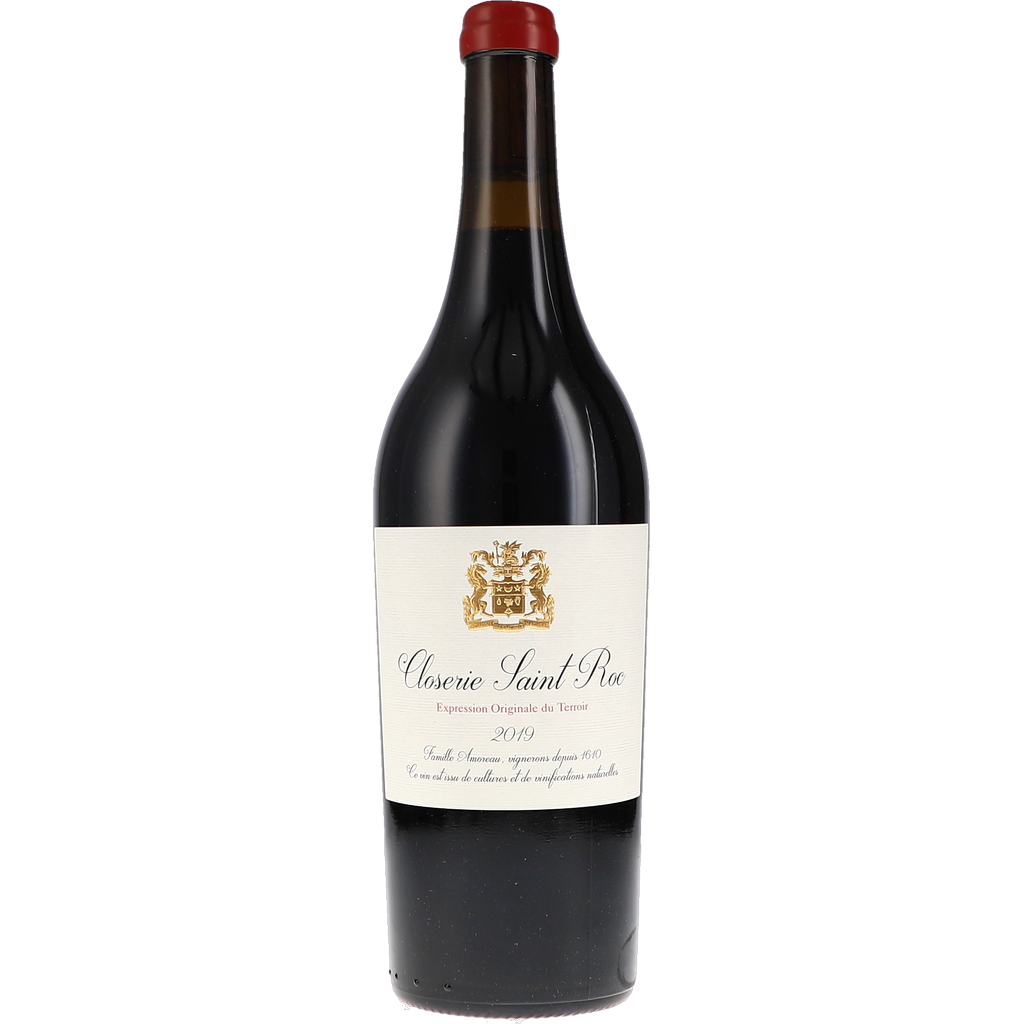
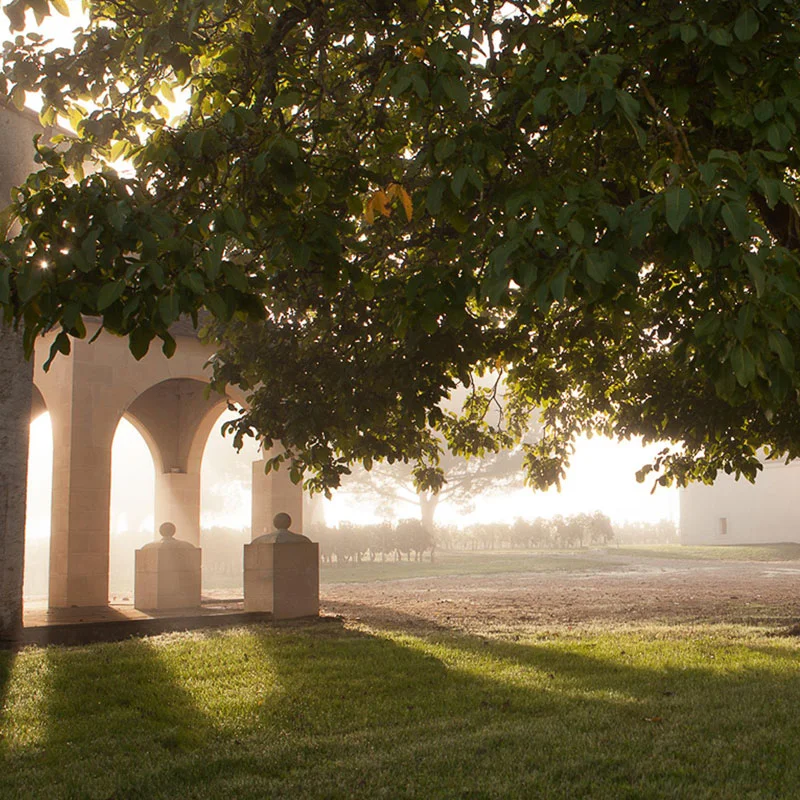
Twelve kilometres from Saint-Émilion lies a walled winery that breathes history: here, English and French soldiers once met during the medieval Aquitaine conflicts. The
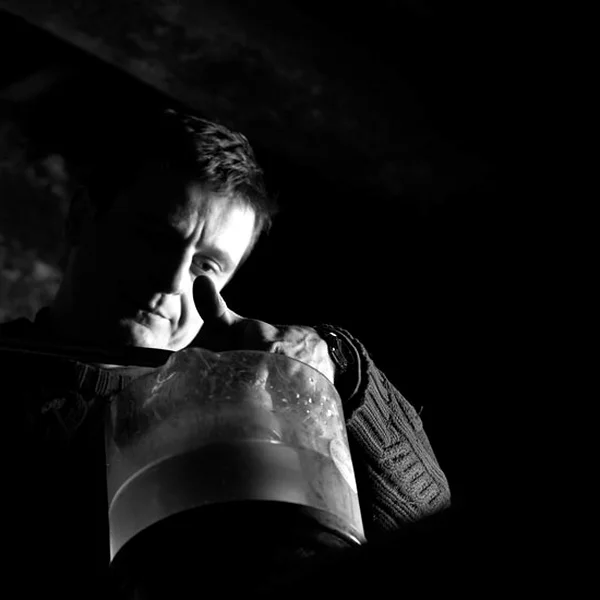
Closerie Saint Roc in Puisseguin was revived in 2013 by Pascal Amoreau – a man whose family has run the legendary
Château Le Puy since 1610. On 16 hectares of
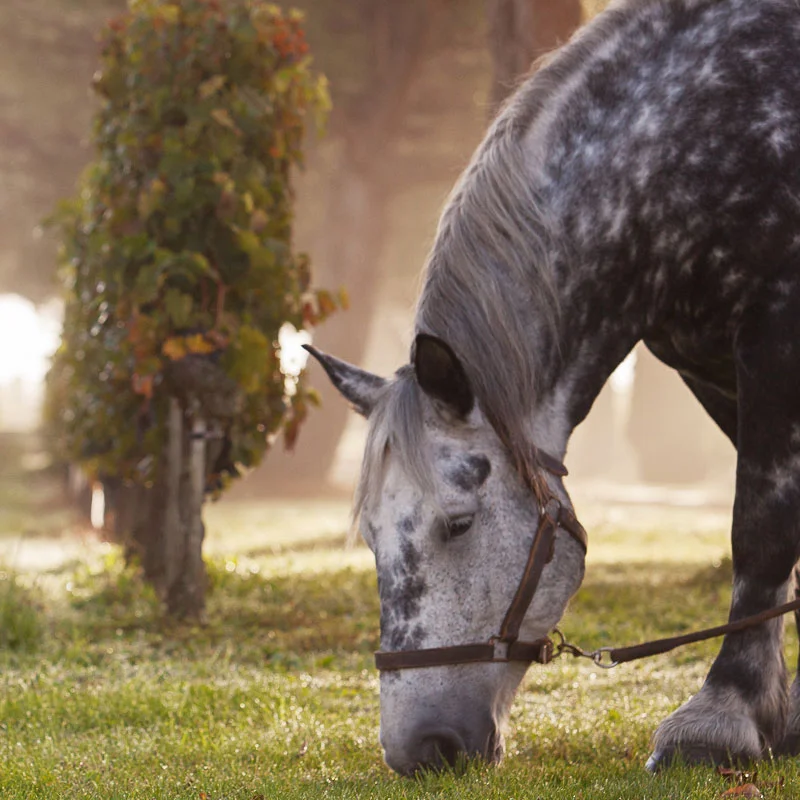
clay-limestone soils rich in fossils, biodynamic wines are produced here that combine the Amoreau family's 400-year-old winemaking knowledge with an experimental spirit. Horses plough between the vines, whilst
lunar cycles determine the dynamisation of the wine.
When cult winemakers conquer new terrain
Pascal Amoreau could have taken the easy route. As the 14th generation of the family running the
cult estate Château Le Puy for over four centuries, it would have been understandable to stick with what works. Instead, in 2013 he acquired an overgrown,
medieval property just one kilometre south of the family seat. Closerie Saint Roc became his experimental field – a place where centuries-old family tradition meets geological peculiarities. The
Merlot vines are rooted here in the same
Asterien limestone vein as in Pomerol and Saint-Émilion, enriched with fossils from primordial seas. The
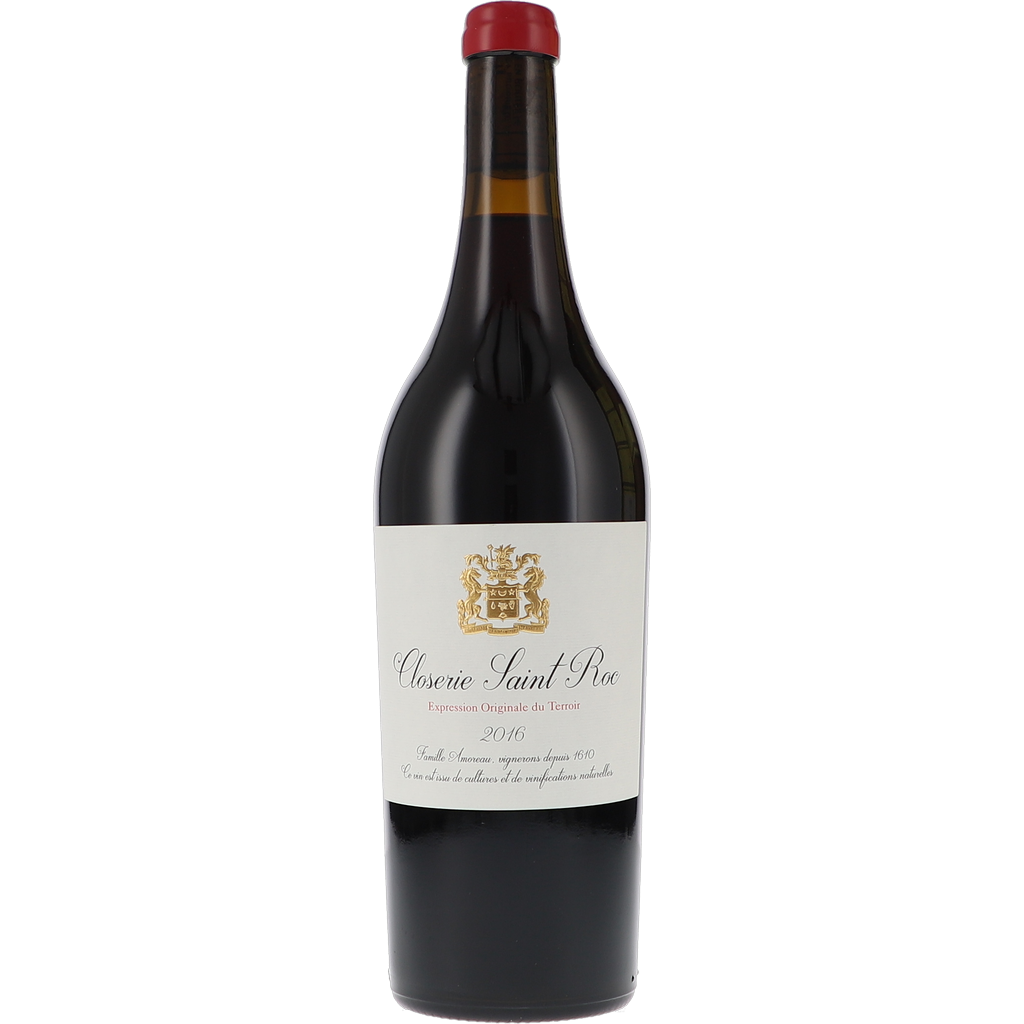
Closerie Saint Roc 2019 reflects this geological complexity in every sip.
Biodynamics with horsepower and lunar rhythm
Whilst modern winemakers rely on technology, Pascal Amoreau trusts in
horses ploughing between the vines. The 16 hectares are fully
Ecocert and Demeter certified – a philosophy that
Château Falfas on the right bank of Bordeaux pursues with similar rigour. Particularly fascinating is the "dynamisation": after fermentation, the wine is
rhythmically stirred according to the lunar calendar to activate its energy. Between the 200
blackcurrant bushes that provide biodiversity, 70% Merlot, 20% Cabernet Franc and 10% Cabernet Sauvignon thrive. Natural yeasts work without added sulphur, and the finished wine remains
unfined and unfiltered.
Burgundian single-vineyard philosophy in Bordeaux
What sets Closerie Saint Roc apart from other Bordeaux estates is its
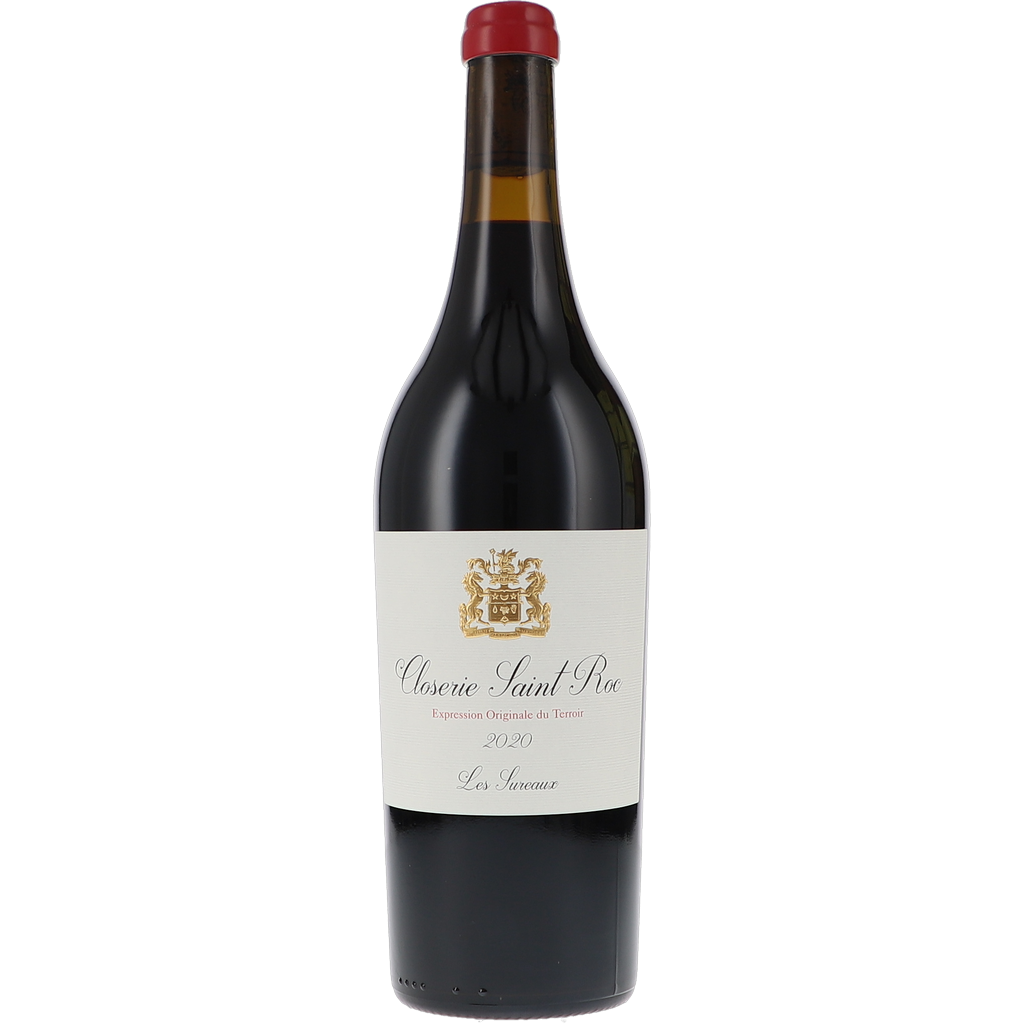
"Climat" philosophy as in Burgundy. Each parcel is vinified separately and bottled as a single-vineyard wine.
Les Noyers 2020 comes from sandier soils with 80% Merlot and 20% Cabernet Franc, whilst
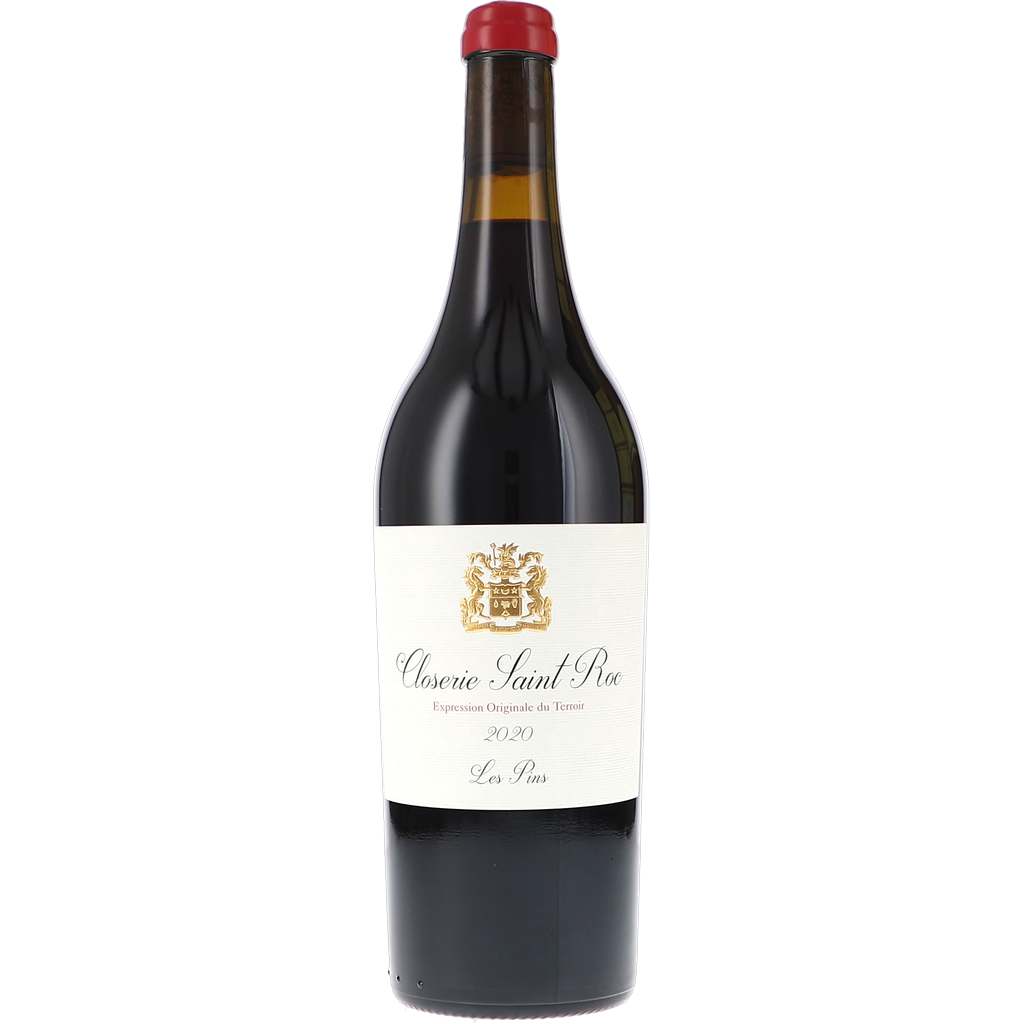
Les Pins 2020 hails from clay-silt soils and unites
fifty-fifty Merlot and Cabernet Franc. This micro-vinification allows the subtle
terroir nuances to be brought out, which would be lost in a classic Bordeaux blend. The average vine age of 35 years lends the wines additional complexity and depth.
Honoured by Decanter, celebrated by critics
The wine world quickly recognised Pascal Amoreau's vision.
Decanter named Closerie Saint Roc 2020 among the "Top 10 Bordeaux Producers to Watch", whilst Jane Anson called the estate
"A name to watch". This recognition is no accident: the wines combine the elegance of classic Bordeaux with the
vibrancy of unmanipulated natural wines. Already planned for the future are experimental plantings of Chardonnay, Chenin and Sémillon – a sign that Pascal Amoreau wishes to further explore the boundaries of traditional Bordeaux. His medieval experimental laboratory thus becomes a
window into the future of biodynamic winemaking.