Enric Soler
In 1997, he was named Spain's best sommelier. Enric Soler could have rested on his laurels – instead, he inherited a vineyard in 2004 and embraced a new beginning. At Cal Raspallet grow the oldest Xarel·lo vines in the world: planted in 1945 by his grandfather. With barely three hectares and 10,000 bottles a year, everything remains artisanal. Since 2005, he has farmed biodynamically. What drives him? The conviction that Xarel·lo can stand alongside the finest white wines in the world.
From sommelier to winegrower
Spain's best sommelier in 1997: a title that opens doors. Enric Soler ran a renowned sommelier school in Barcelona, tasted the world's great wines and knew exactly what he was missing: a vineyard of his own. When his grandfather died in 2004, he faced a choice between selling the inherited parcel or farming it himself. He chose to take the risk. In Sabanell, a hamlet in the Alt Penedès near Barcelona, he took over Cal Raspallet, a Catalan farmhouse from the late 19th century. In the cellar beneath it there was room for his first barrels. The Xarel·lo vines his grandfather had planted in 1945 were almost 80 years old, and Enric recognised their potential. A grape that usually disappears into Cava or is masked by too much oak was finally to show what it is capable of.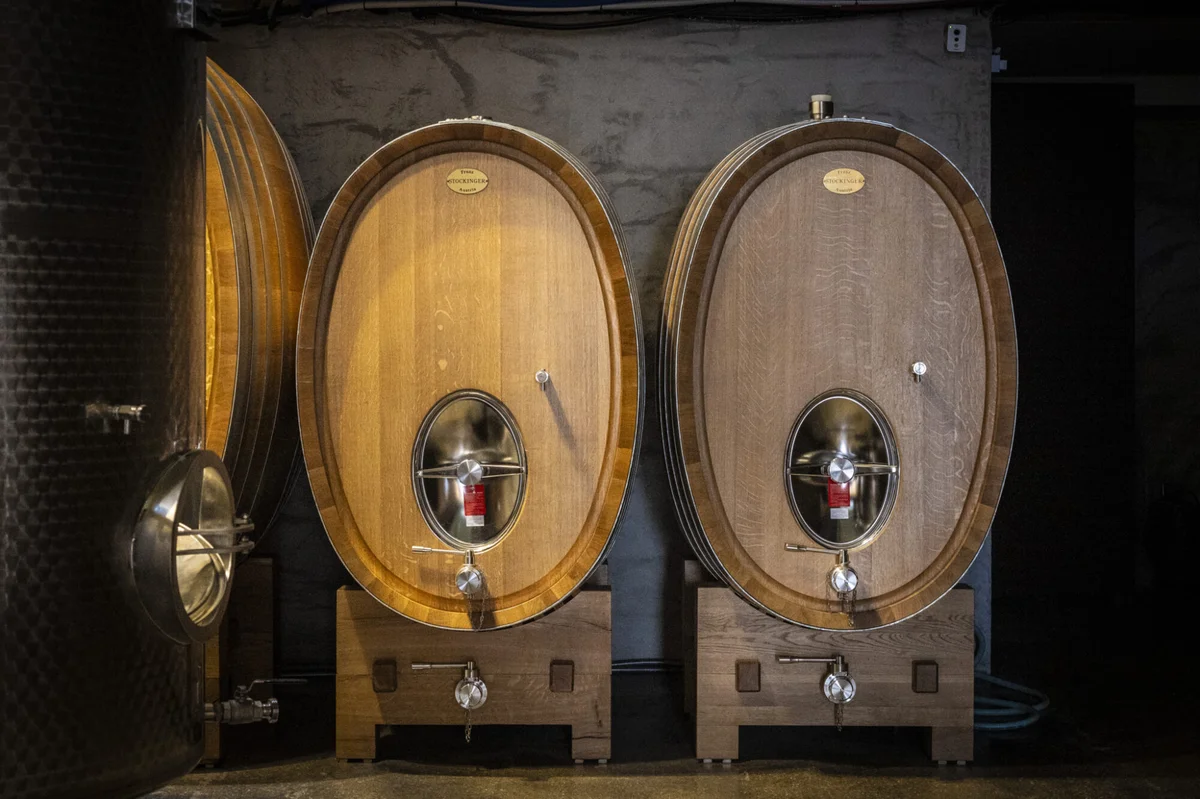
Vinya dels Taus: the vineyard of the moles
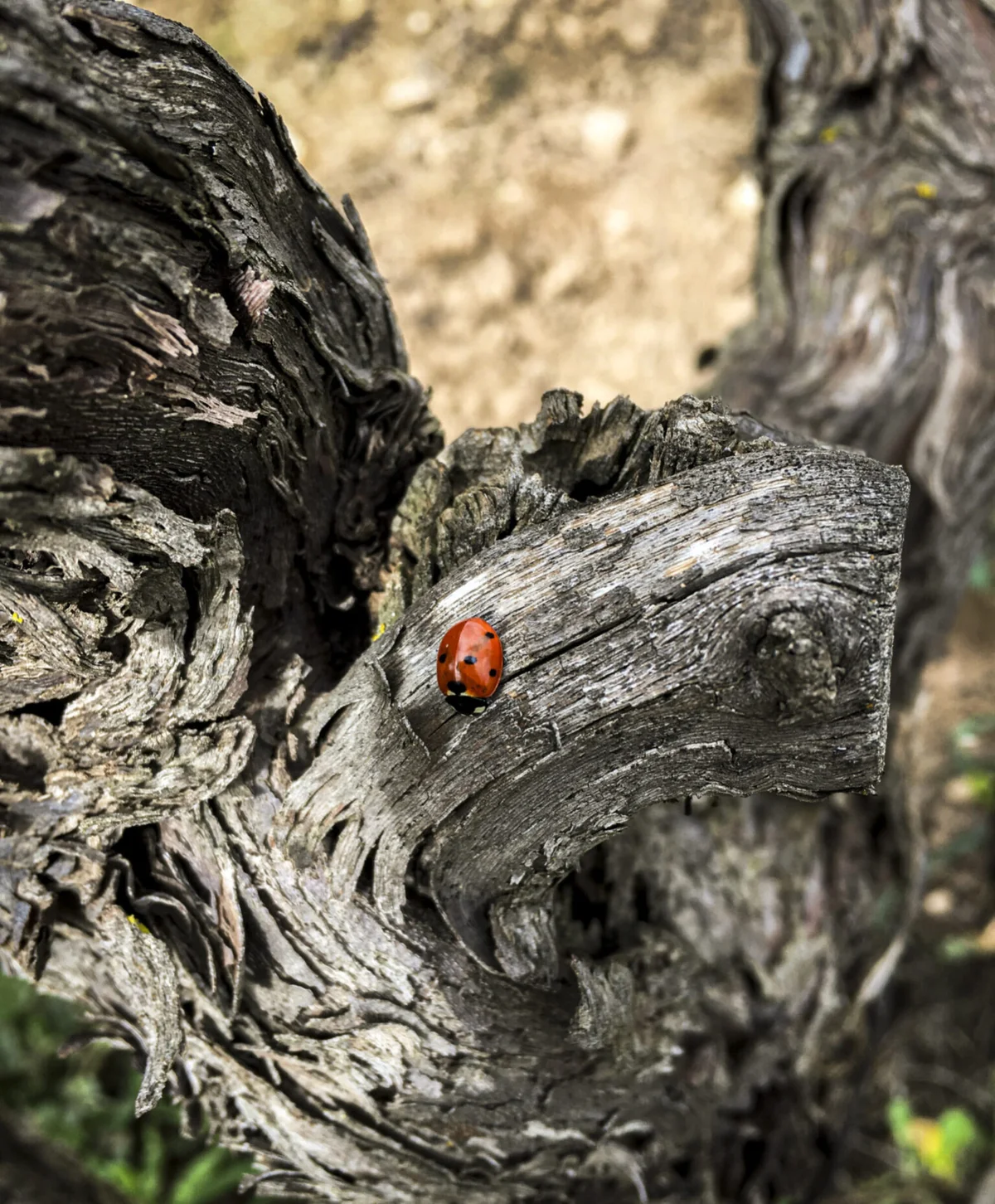
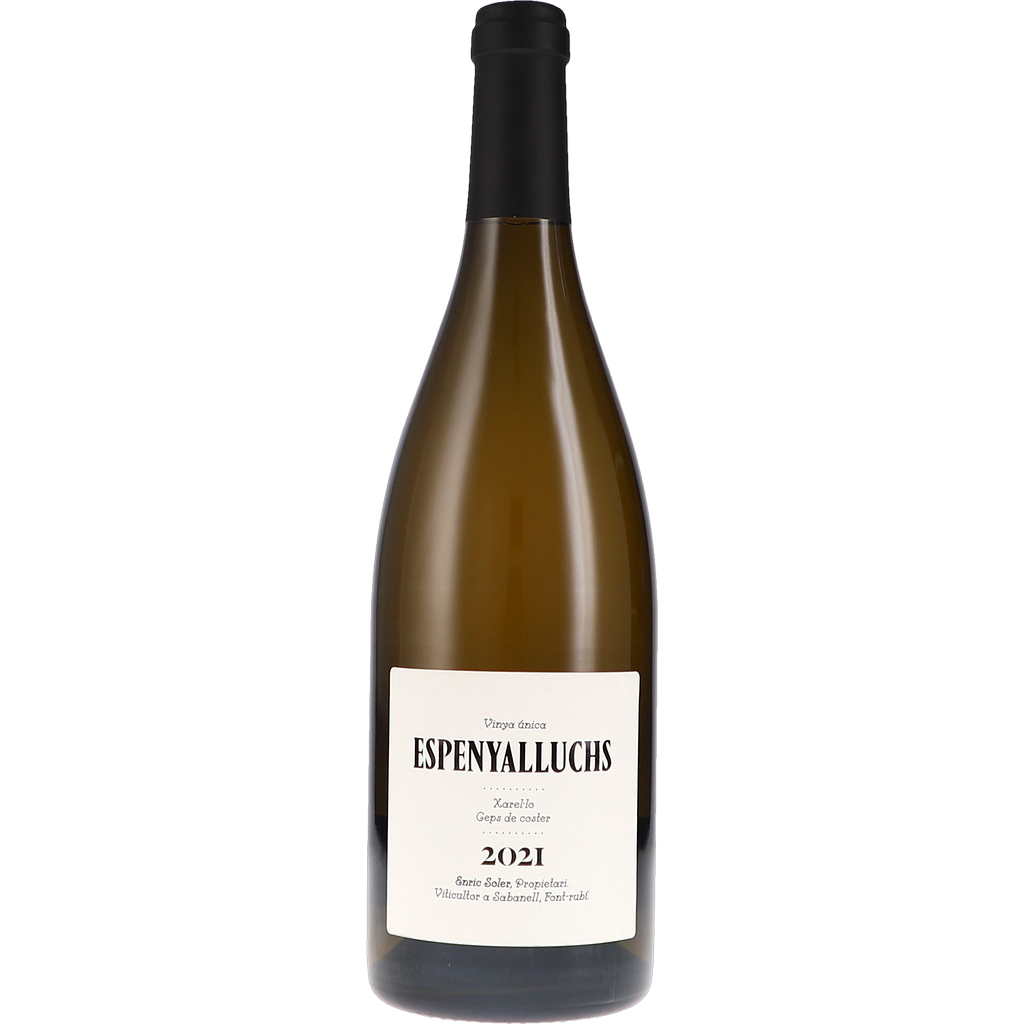
The name of his flagship wine tells a story: Vinya dels Taus means "vineyard of the molehills" in Catalan. Anyone who visits the parcel immediately understands why; at certain times of year the ground is covered in them. The old vines are unharmed. Their roots reach deep into the calcareous, sandy subsoil, where they find water and nutrients even in dry years. This vineyard covers just 0.89 hectares and offers a spectacular backdrop of the jagged Montserrat mountains. The Mediterranean, a climatic buffer, lies only 30 kilometres away. Cool nights at 400 metres preserve acidity, an advantage that Familia Nin-Ortiz in the nearby Priorat also knows how to exploit. That is no coincidence: Ester Nin, who is behind Clos Erasmus and her own estate, has advised Enric on winemaking for years.