Jestin
The divining rod over the must
Forty years of cellar experience, and then he holds a divining rod over the press lots. Jestin decides for each lot individually how much sulphur a must receives; there is no single dose for the whole vintage. Behind this lies a sober conviction: seventy to eighty per cent of an oenologist's work is done before the juice leaves the press. Everything after that is listening, and anyone who listens needs an instrument.
He calls his approach bioenergetics and means something precise by it: that the energy of a wine can be measured and increased in the course of its making. His declared aim is wines that resonate with the living world and reach the drinker emotionally. In Champagne, where recipe and consistency have been the highest good for a century and a half, that is a minor heresy.
Into the Duval-Leroy cellar at twenty-four
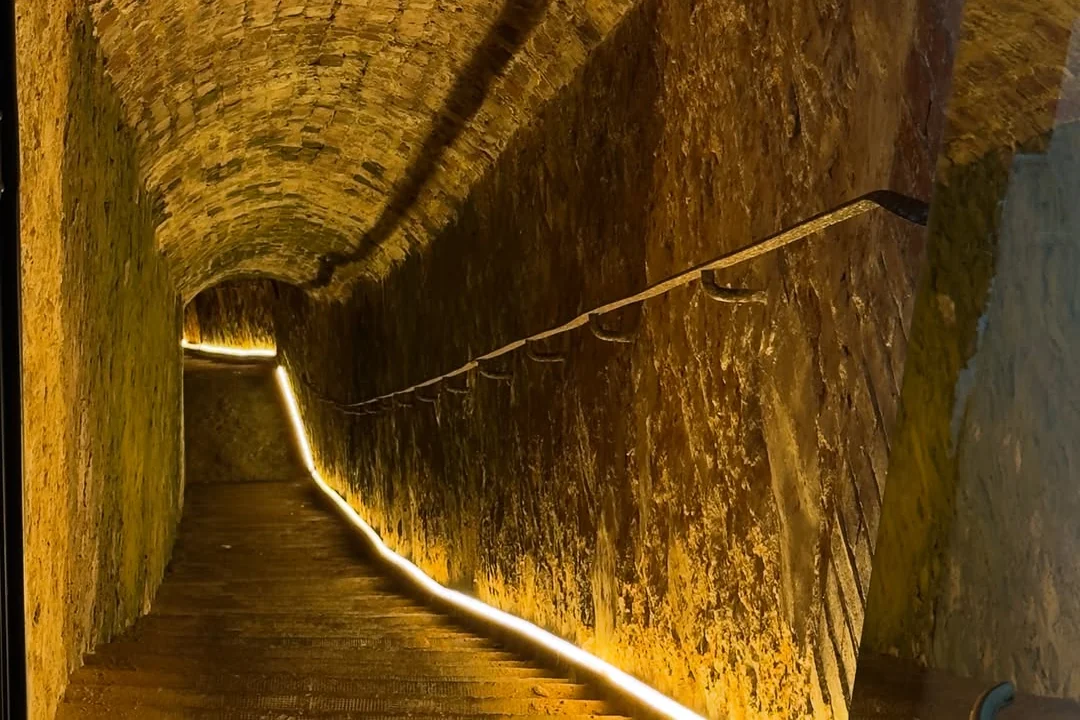
For the 1982 harvest Jestin took charge of the cellar at Duval-Leroy, and he stayed for twenty-four years. Everything from the press to dispatch crossed his desk, and at some point the manual was no longer enough for him. In the mid-nineties he pushed through biodynamic practices there, at a time when hardly anyone in Champagne took them seriously. In 1997 he bottled his first biodynamic cuvée, from grapes grown by David Leclapart in Trépail.
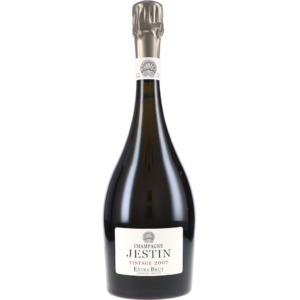
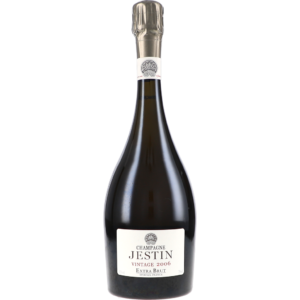
How far he takes sulphur down is shown by his own first vintage, 2006: 27 milligrams per litre, added as volcanic sulphur. In 2012 he also took over the cellars of Leclerc Briant and ventured experiments there that nobody in Champagne had attempted before him: a cuvée that matures for up to fifteen months at a depth of sixty metres off Ouessant, and another whose first fermentation takes place in a gilded barrel. Both belong to Leclerc Briant, not to his own range.
Three growers, three villages
For a long time Jestin owned no vines of his own, and for his vintage Champagne he does not need them. He buys from three growers whose work he knows: David Leclapart supplies the Chardonnay from Trépail, Benoît Lahaye the Pinot Noir from Bouzy, and Vincent Laval grows the Meunier on the two and a half hectares of Georges Laval in Cumières, farmed organically since 1971. Picking follows the biodynamic calendar.
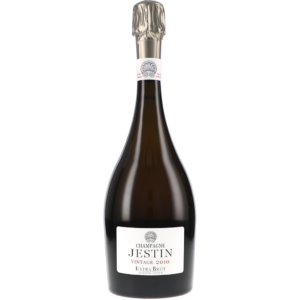
What comes of it is shown by the Jestin Extra Brut 2010: half Chardonnay from Trépail, a quarter each of Pinot Noir from Bouzy and Meunier from Cumières, ten months in oak, then fifteen years undisturbed on the lees. In the glass it glows copper, smells of bread crust, hazelnut and preserved lemon, and carries an acidity that dispatches any heaviness at once. It needs air: after twenty minutes in the glass it stands quite differently from when it was poured.
Half a hectare behind the wall
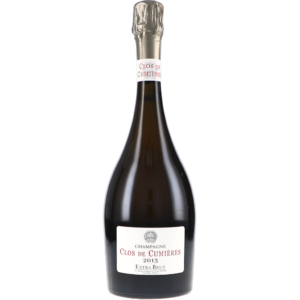
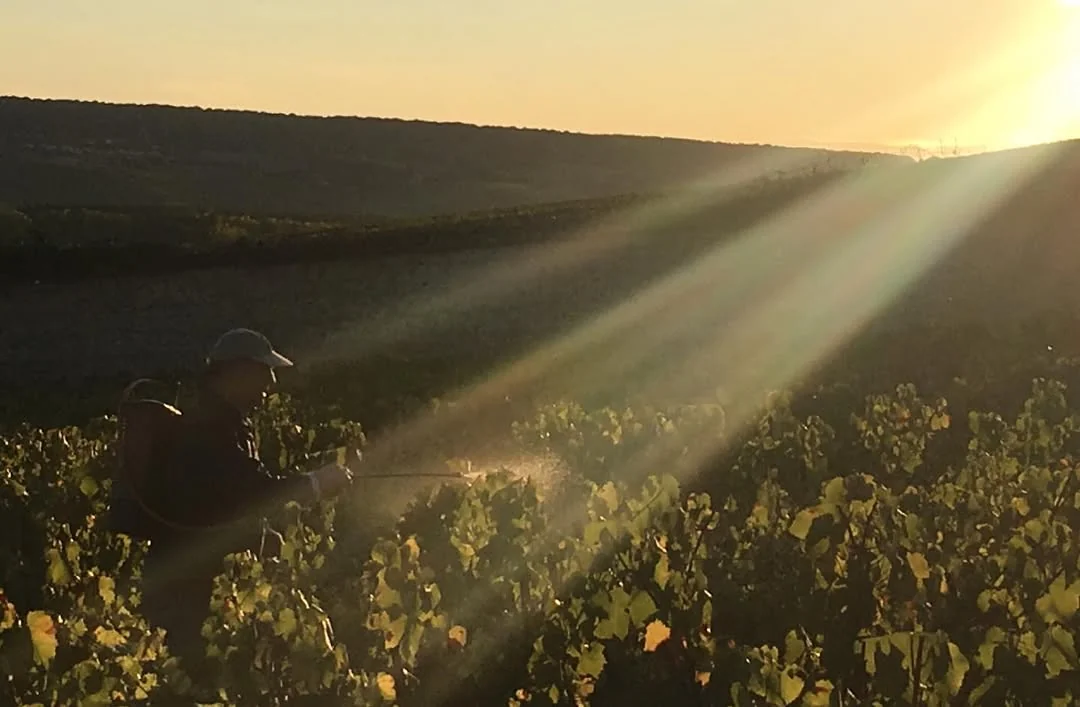
The Clos de Cumières belongs to Hervé Jestin and his brother Yann, who bought it from the Leclerc-Briant family: half a hectare planted in equal parts with Chardonnay and Pinot Noir, the vines dating from the sixties. The walls date from the 18th and 19th centuries; it is one of the oldest clos in Champagne and one of the few monopoles in the region. It was first harvested in 2012.
The Clos de Cumières Extra Brut 2013 comes from a cool, late-picked year, and that suits it well: taut acidity, stony grip, barely any dosage. Here too every decision was made individually, press lot by press lot. You rarely get more Champagne in your glass from a smaller patch of ground.