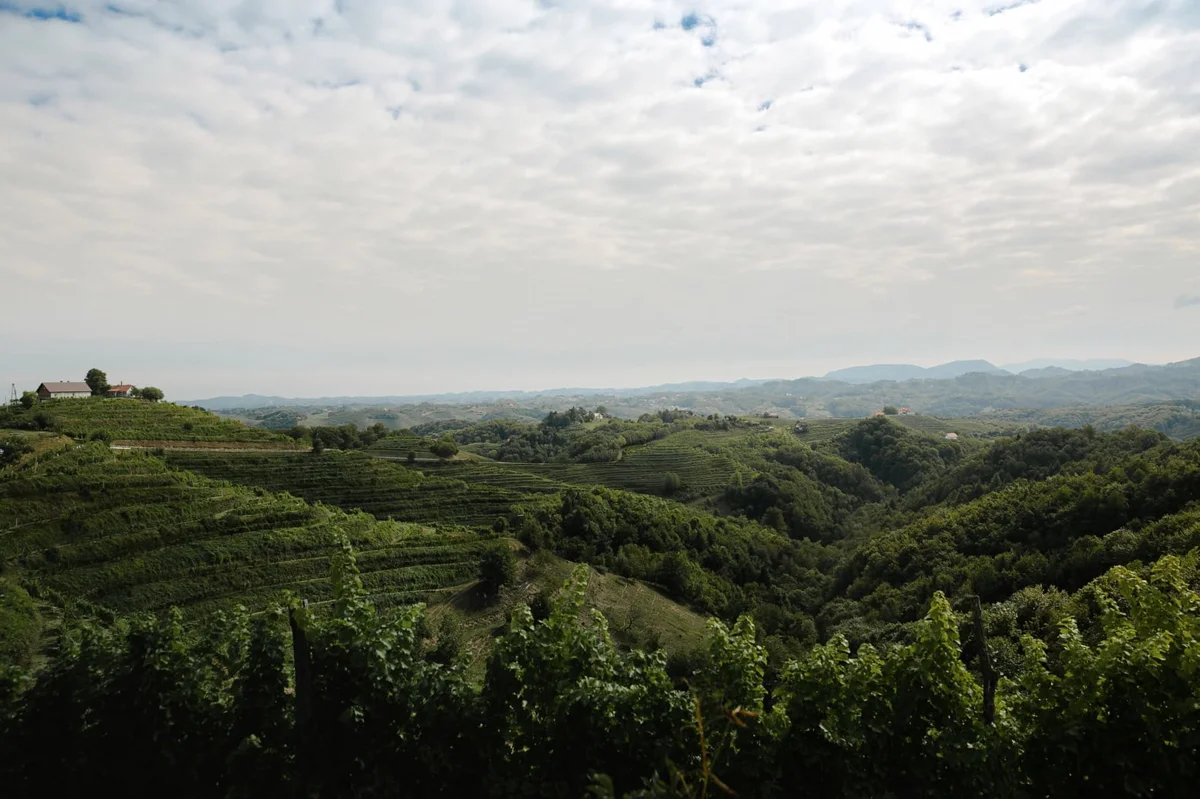
Štajerska Slovenija · Slowenien
Vino Gross
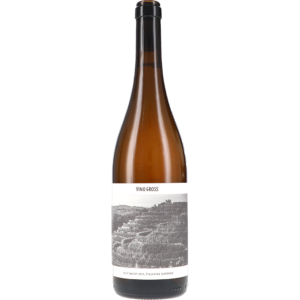
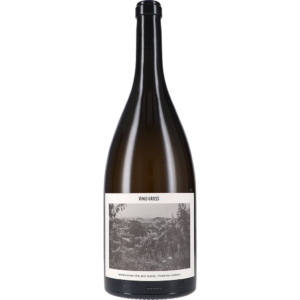
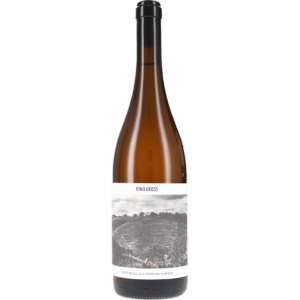
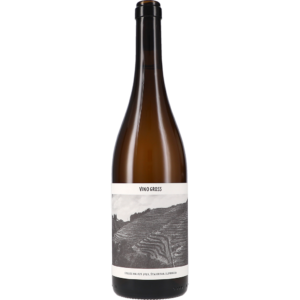
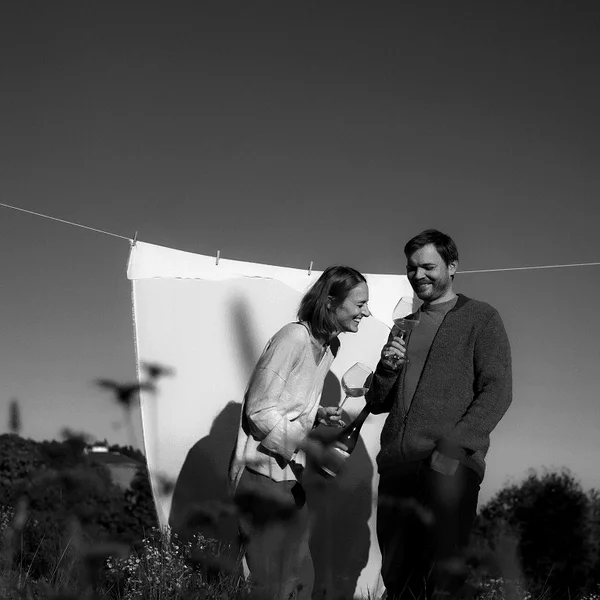 There are easier ways to make wine than seeking out the steepest and longest-forgotten terraced vineyards in Slovenia. Michael Gross did exactly that — and with Vino Gross, less than twenty kilometres from his family's estate across the Austrian border, he started again from scratch. In the Haloze, where three quarters of the vineyard area had disappeared over the course of decades, he and Maria Gross now tend slopes of up to 65 per cent gradient, every vine by hand, on a calcareous marl locally known as Opok. His passion variety is Furmint, his grandmother's grape, most often vinified without any added sulphur. What ends up in the glass is crystalline rather than wild — and critics regard it as one of the purest expressions of this style anywhere.
The dropout from across the border
The Gross family has been making wine since 1907, over in Ratsch an der Weinstraße on the steep slopes of Austria's Südsteiermark; Michael's father Alois was named Falstaff Winemaker of the Year there in 1991. In 2018 Michael withdrew entirely from the family estate, left it to his brother Johannes and committed himself body and soul to a stretch of country most people had long since written off. The Haloze, a furrowed landscape of hills south-east of Ptuj, was once planted with two thousand hectares of vines; fewer than seven hundred remained. "A hidden place", he calls it. That Michael and Maria now live a few kilometres to the north, right on the border and almost within sight of the old family estate, only makes the story better: the same soil, the same climate, just the other side of the map.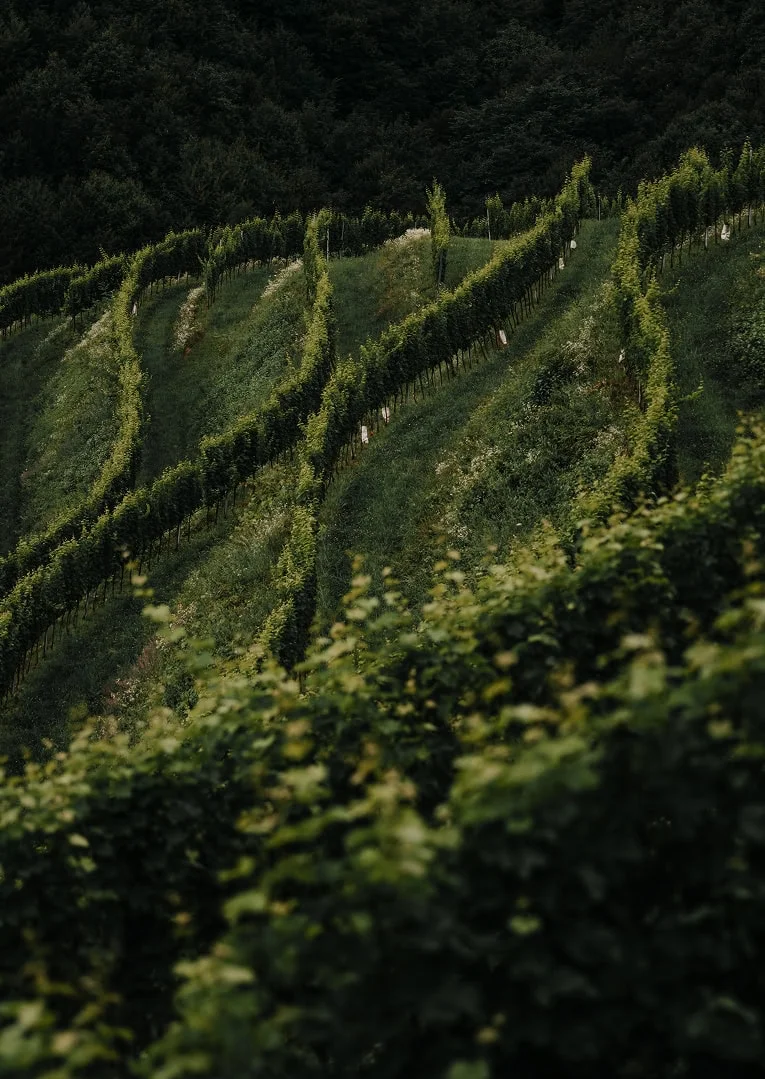
Sixty-five per cent gradient
The Haloze terraces were dug into the hillside in Tito's era, when machines played no part here, and to this day the only work possible among the vines is what two hands can manage. At the steepest points the slope drops at 65 per cent. Planting density is deliberately kept low at around two thousand vines per hectare, and each vine carries barely a kilo of grapes. Beneath lies opok, a calcareous marl with a lime content of a quarter to a third, into which the roots reach deep; it gives the wines their structure without making them heavy. A small gesture shows how seriously Michael takes this landscape: he pays his neighbours double for their grapes, so that converting to organic work pays off for them and someone tends the dying terraces again.Furmint, his grandmother's grape
Michael's grandmother knew Furmint as a sour grape that hardly ever ripened. On the opok of the Haloze he fell in love with it, even travelling to Tokaj in Hungary and to Rust in Burgenland to study it. Today Furmint is the variety that defines the estate, while Sauvignon Blanc carries on the heritage from the Austrian side. How far this Furmint can go is shown by Iglič Haloze, a single-varietal wine from the best single vineyard; Falstaff gave the 2022 vintage a proud 96 points. The crus Gorca, Iglič, Korže and Colles now bear the seal of the Slovenska Velika Lega, Slovenia's new, Burgundian-minded vineyard classification, of which Vino Gross is a founding member.