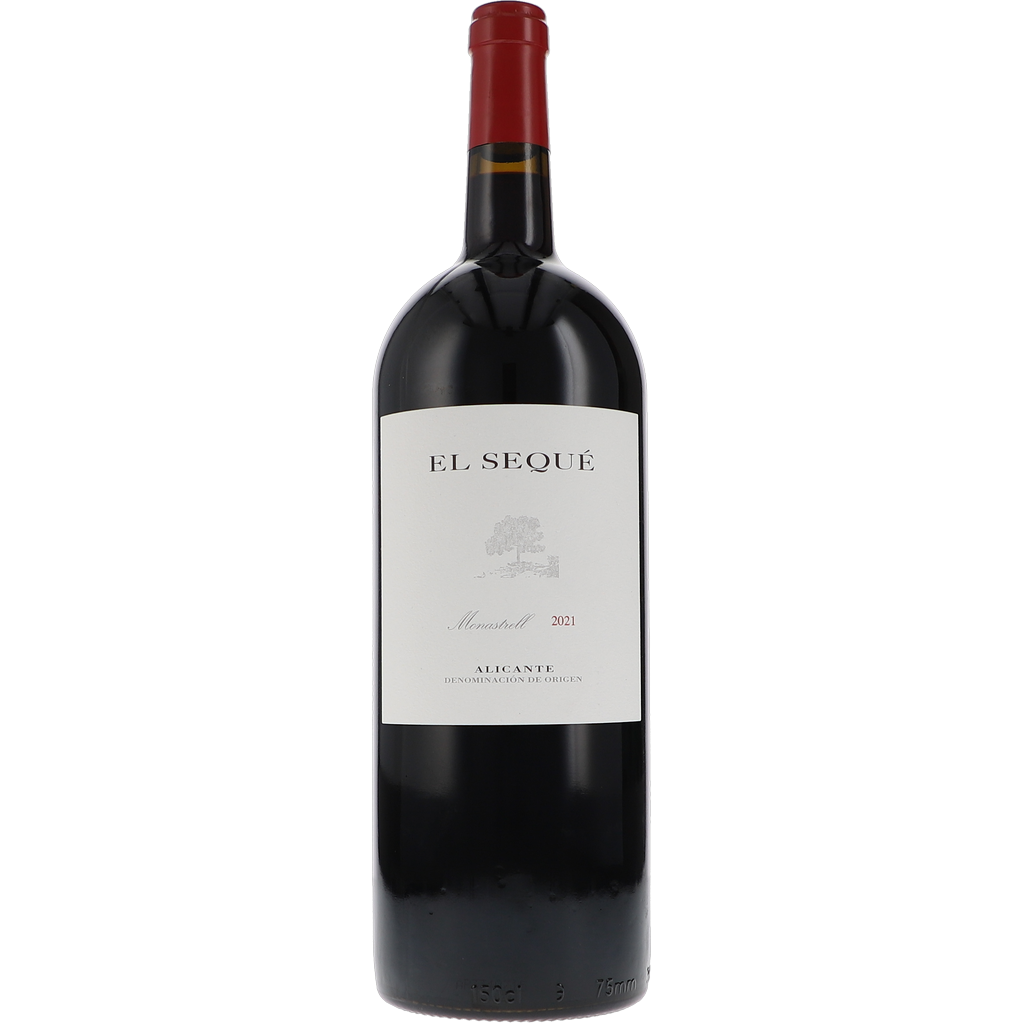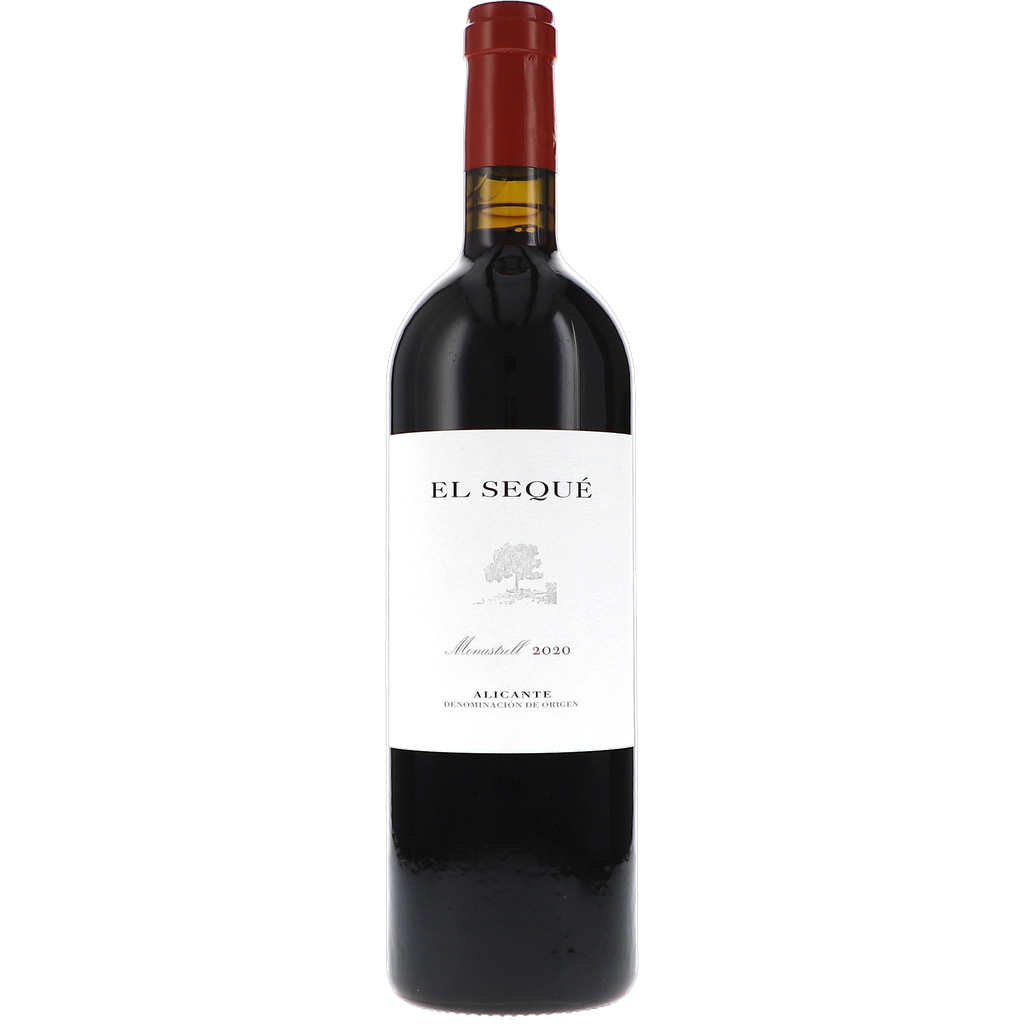
Wine-Searcher named it the best-value wine in the world.
El Sequé, from Pinoso in Alicante, shows what Mediterranean Monastrell can achieve when old vines are rooted in sandy limestone soils at 600 metres. Juan Carlos López de Lacalle, the man behind the Rioja cult estate Artadi, founded El Sequé in 1999 together with local Monastrell expert Agapito Rico. Their goal: powerful, balsamic red wines with the freshness of altitude and the depth of bush vines aged 50 to 65 years.
A Rioja pioneer's Mediterranean adventure
In 1999 Juan Carlos López de Lacalle discovered the highlands of Pinoso and with them, as he puts it, "the living trace of the Phoenicians and Romans". The man who had already made history with
Artadi was looking for a contrast to his Atlantic-influenced Tempranillo wines. He found it in the meagre, brown, chalky soils of Alicante:
100% Monastrell, the indigenous grape of the western Mediterranean.
Together with Agapito Rico, a local grower with decades of experience with Monastrell, he acquired 40 hectares of old bush vines. The oldest date from the late 1950s: ungrafted, deep-rooted and extremely low-yielding. These
pie franco vines (own-rooted plants without American rootstock) survived phylloxera because the sandy soils give the pest no foothold.
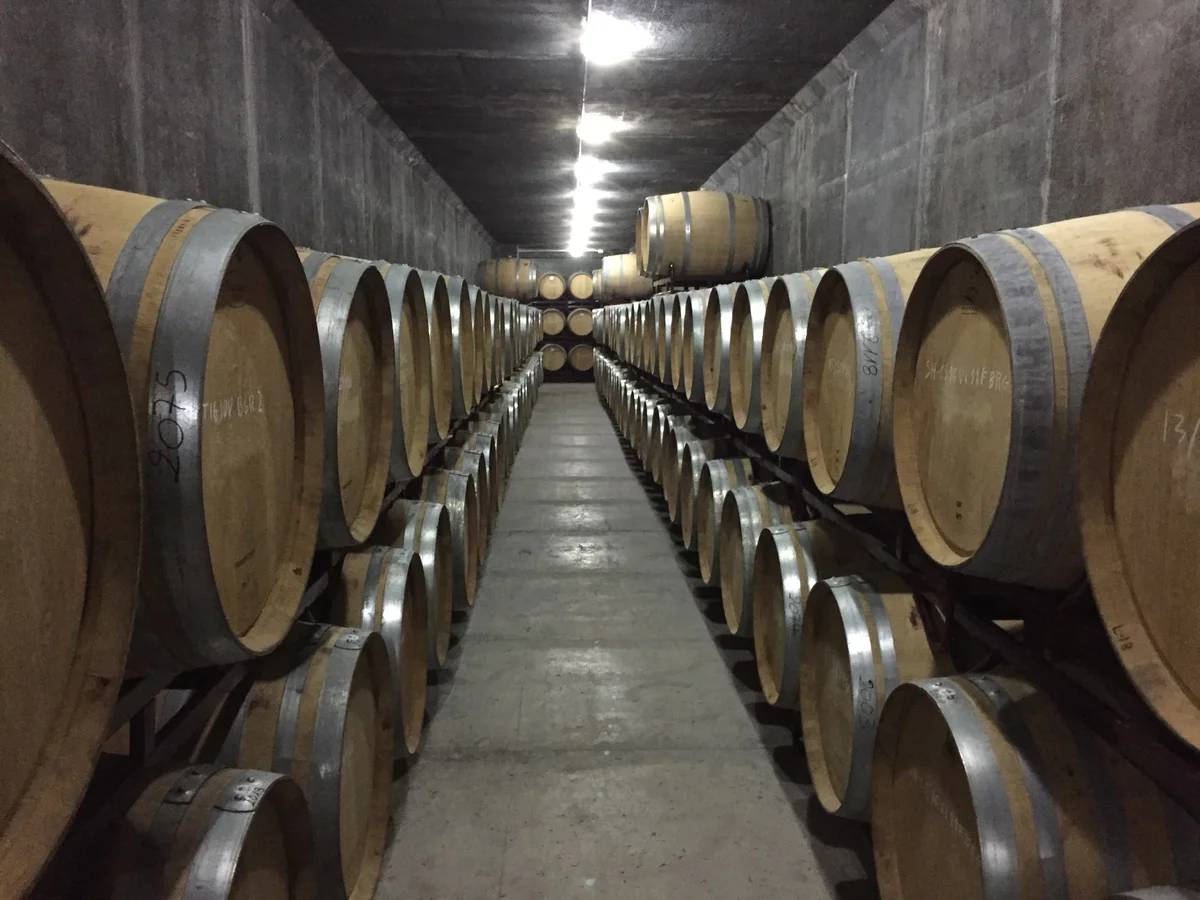
600 metres above the Mediterranean
The vineyards lie in four different zones around Pinoso, on the western edge of the DO Alicante. At
600 to 650 metres the climate is extremely continental: by day temperatures climb above 40°C, at night they drop below 15°C. This swing of up to 25 degrees within a single day preserves aroma and acidity, even when the grapes reach full physiological ripeness.
The soil tells its own story: sandy loams over a calcareous subsoil, poor in clay and organic matter. Everything here stresses the vines (heat, drought, lack of nutrients), yet it is precisely this stress that concentrates the aromas and keeps yields naturally low. Traditional bush training shields the grapes from direct sun and allows slow, even ripening.
Gentle extraction, large barrels
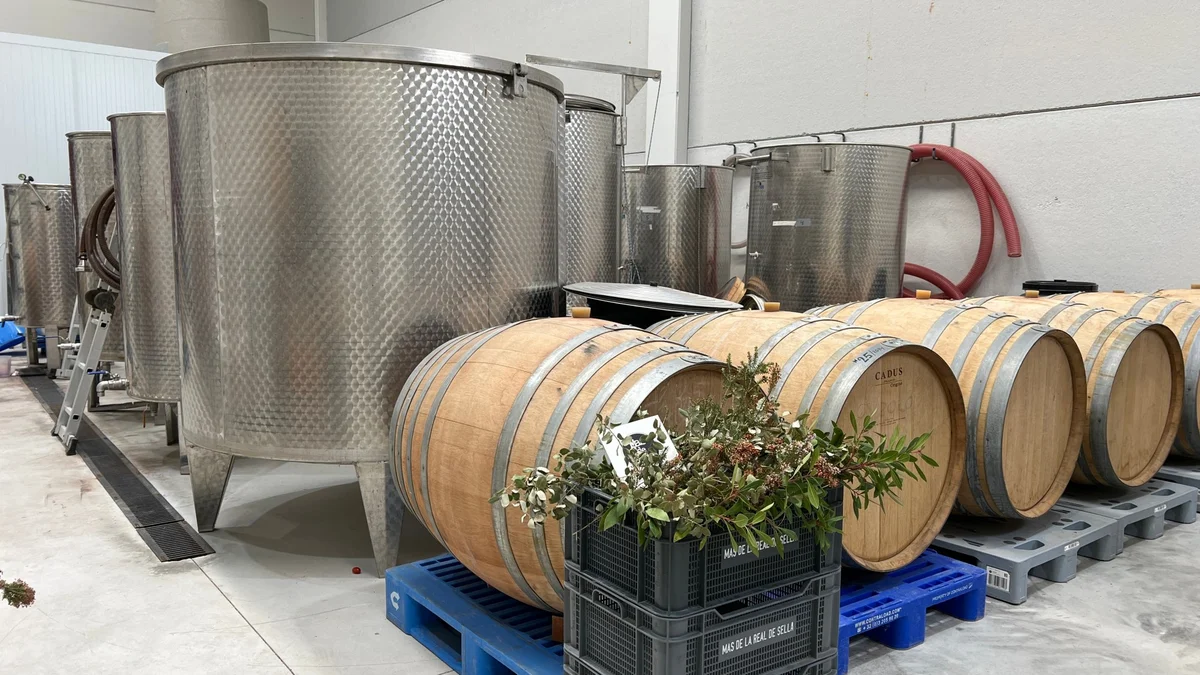
In the cellar, the team led by oenologist Vicente Milla works with deliberate restraint. The grapes are hand-picked and sorted, followed by a
cold maceration of 24 to 48 hours. Fermentation takes place in open stainless-steel tanks, with the cap punched down twice a day, a gentler approach than classic pumping over.
After malolactic fermentation,
El Sequé matures for
twelve months in 500-litre barrels of French oak. These larger casks integrate the wood more subtly than the usual barriques, ideal for
Monastrell, whose lower tannin content makes it more sensitive to oak. The result: powerful yet silky wines with notes of dark fruit, herbs and a characteristic balsamic tone.
World's best value, Spanish soul
In 2017 Wine-Searcher named
El Sequé 2014 the "World's Best Value Wine": 93 points at an average price of 24 dollars. The award confirmed what Juan Carlos López de Lacalle had known from the start: Alicante's old Monastrell vines can produce wines of international stature without demanding international prices.
El Sequé belongs to the same family as
Artazu in Navarra: three projects, three regions, one philosophy of
organic farming, respect for old vines and single vineyards, and wines that let you taste where they come from. In Pinoso that means Mediterranean power with high-altitude freshness, concentration without heaviness, character without a mask.