Artadi

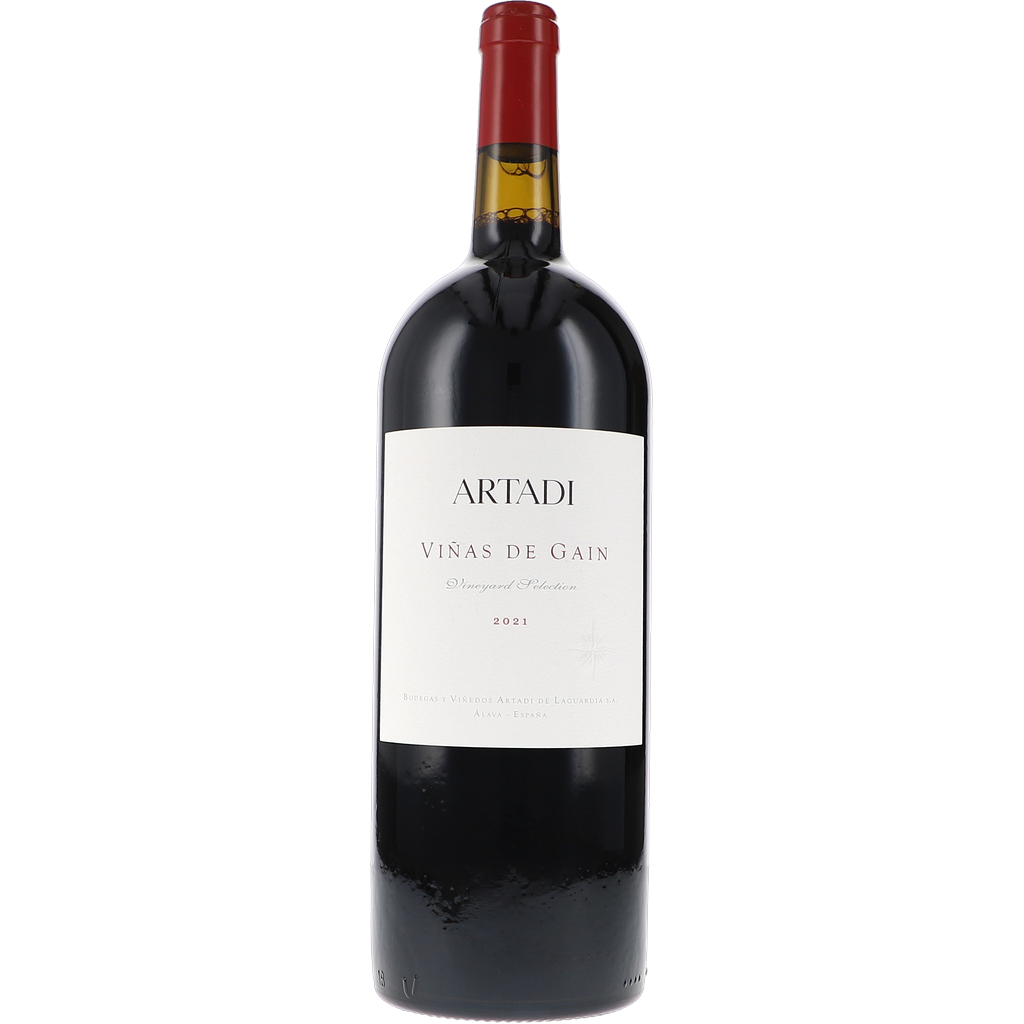
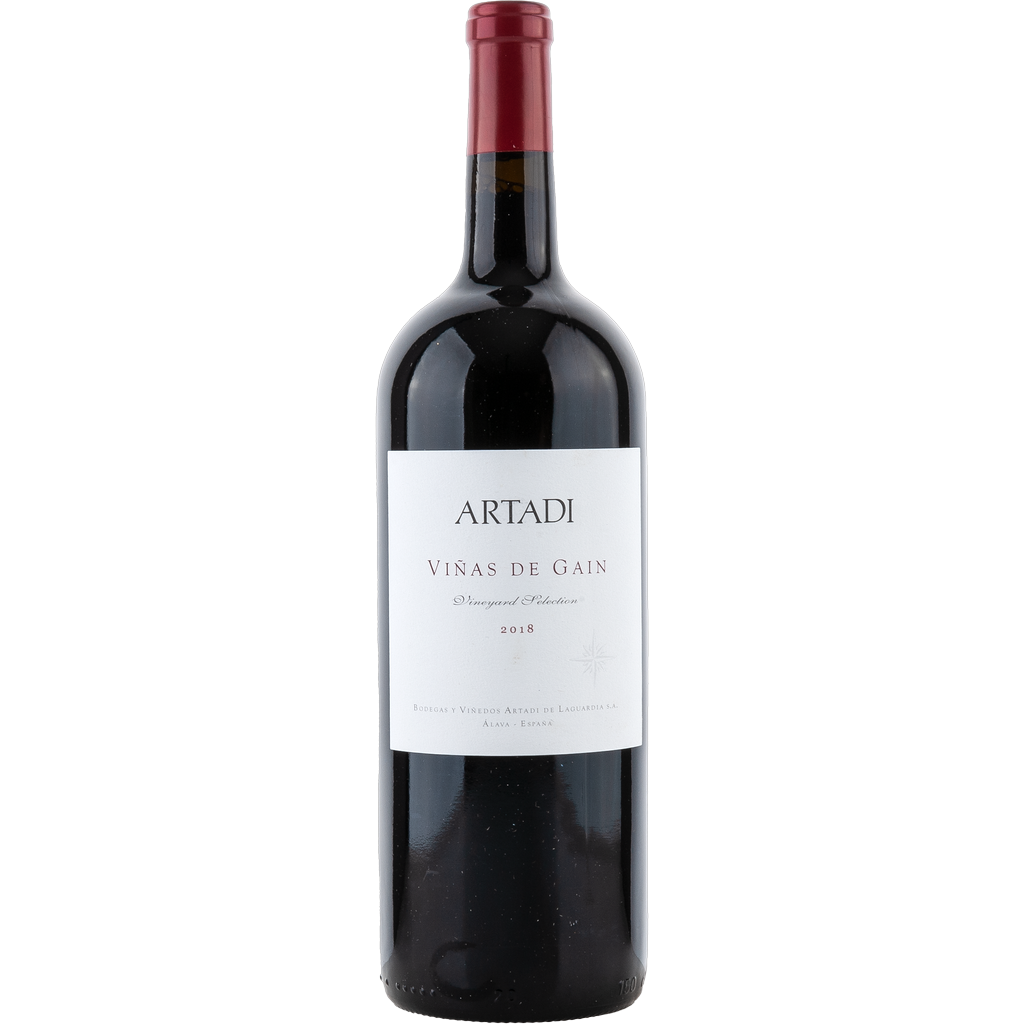
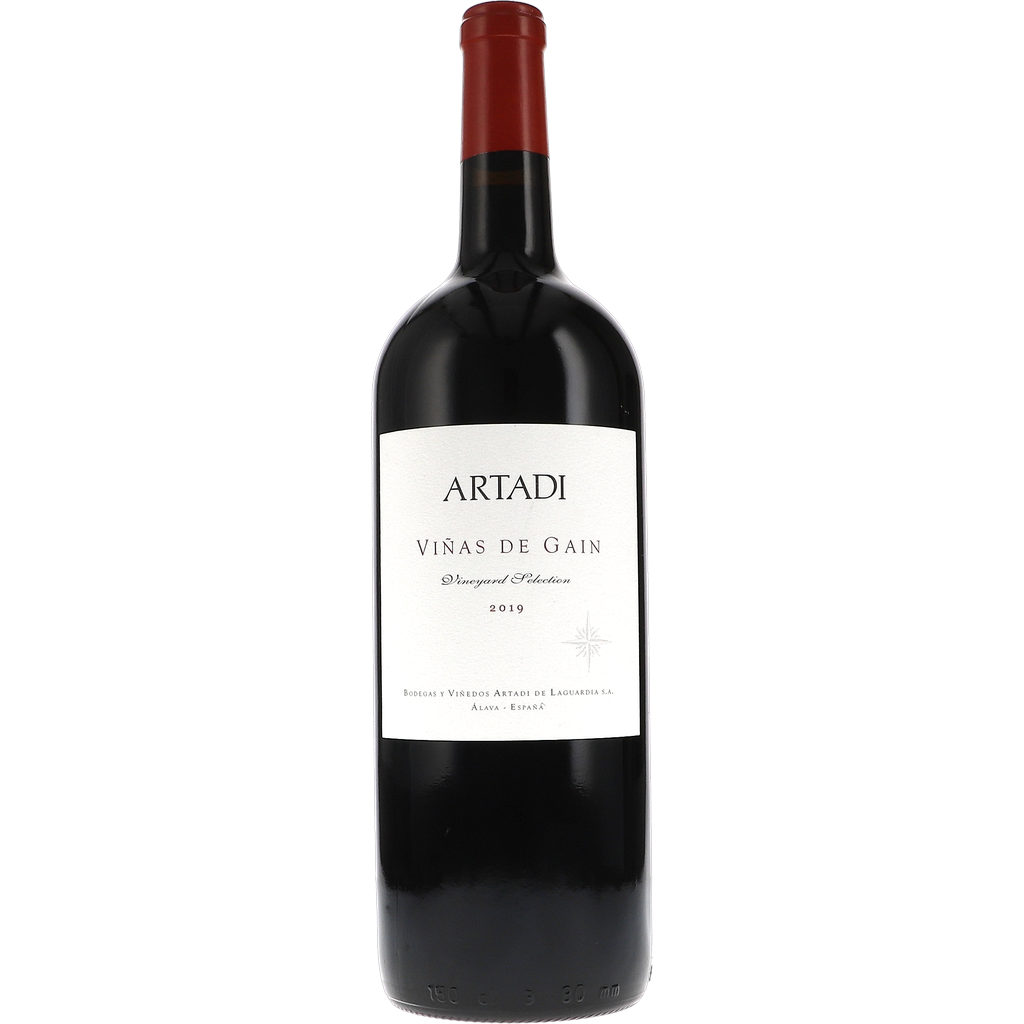
Bodegas Artadi farms 56 hectares in the Rioja Alavesa from its base in Laguardia, producing nine single-vineyard wines from them. Juan Carlos López de Lacalle founded the estate in 1985 as a cooperative and now runs it with his children Carlos and Patricia. At the end of 2015, Artadi left the DOCa Rioja, whose regulations forbade naming individual vineyards on the back label; since then the wines have carried the name of their plot. They are still vinified in Laguardia, in the same cellar as at the outset. The Tempranillo vines grow on limestone- and clay-rich soils at the foot of the Sierra Cantabria.
Laguardia and the Rioja Alavesa
Juan Carlos López de Lacalle began in 1985 in Laguardia with a cooperative and built it into a 56-hectare estate in the Rioja Alavesa. The Sierra Cantabria shelters the vineyards, and the soils are rich in limestone and clay. Today his children Carlos and Patricia work alongside him, with the work spread across nine single vineyards, located among other places in the municipalities of Laguardia and Elvillar.
The single vineyards in Laguardia and Elvillar
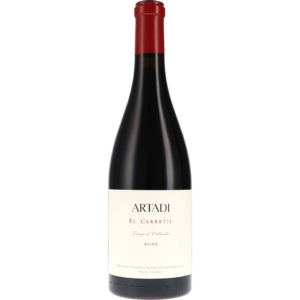
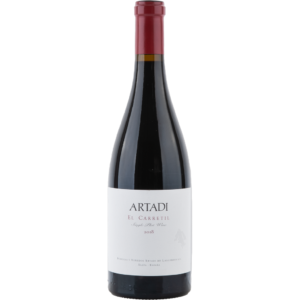
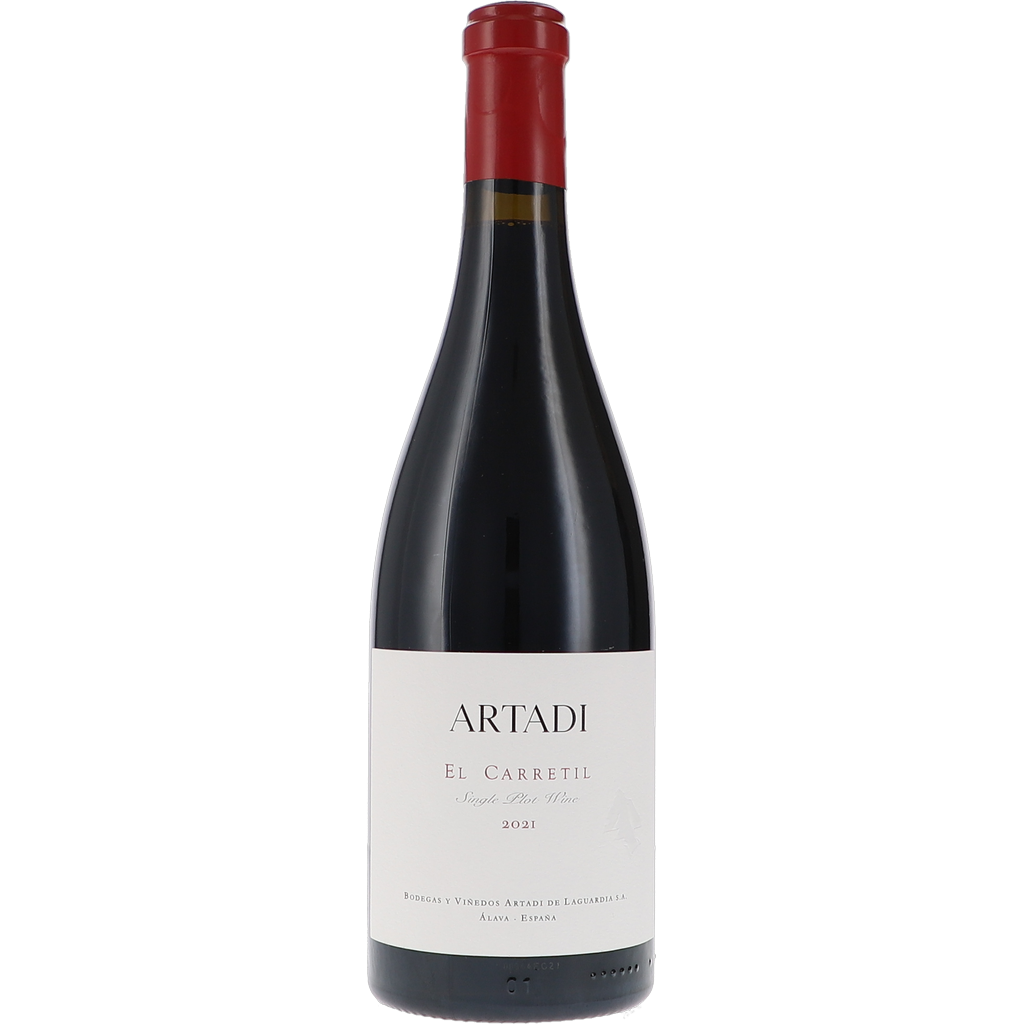
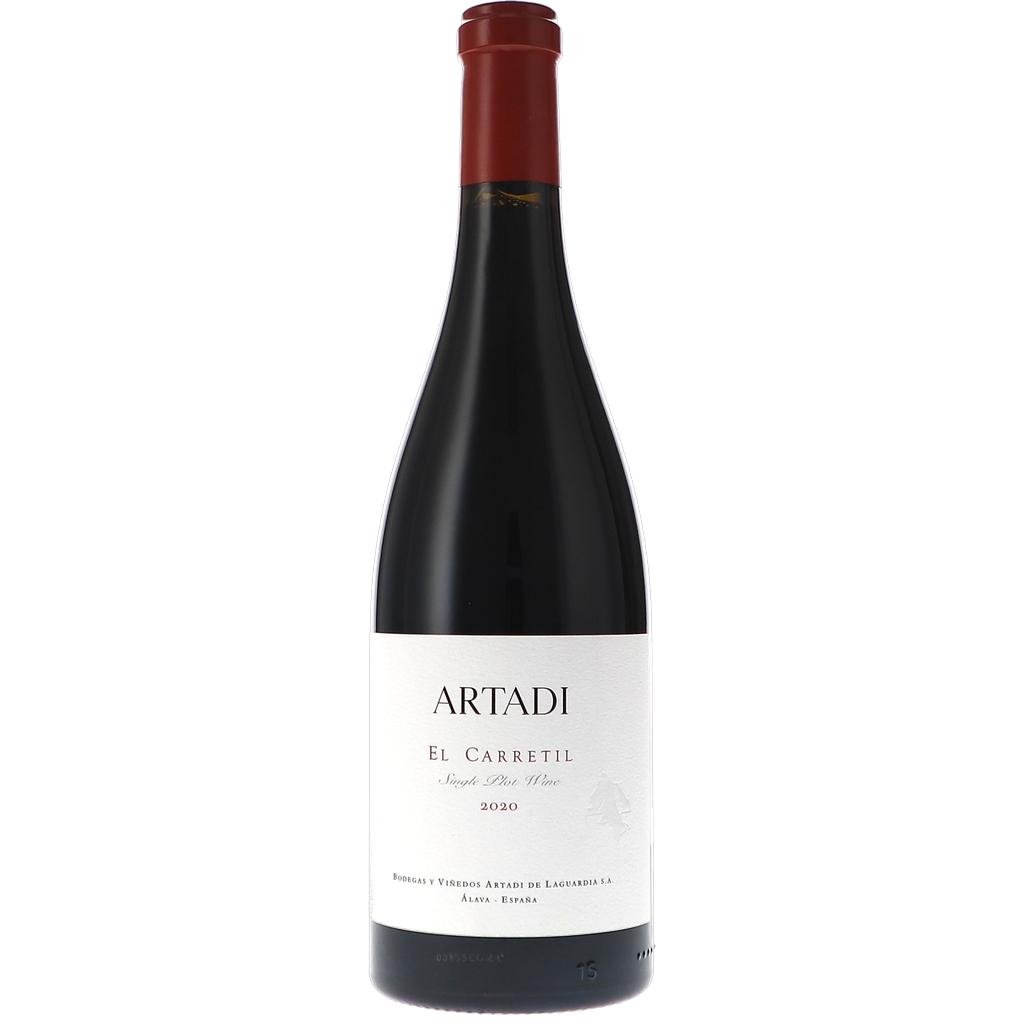
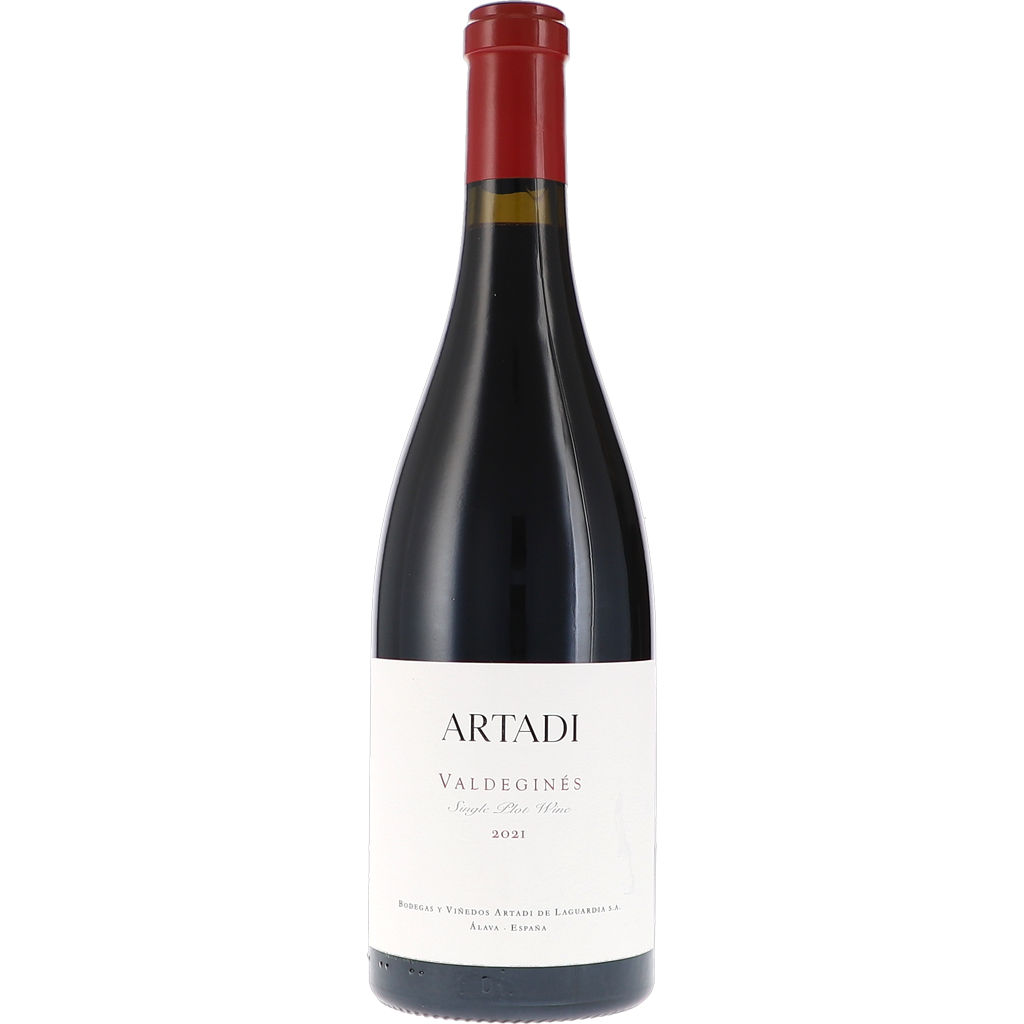
El Carretil comprises 3.5 hectares facing south at around 500 metres of altitude; the Tempranillo vines there are between 37 and 95 years old, and the soil is strongly calcareous with a high proportion of calcium carbonate. Valdegines, four hectares facing east at around 600 metres, carries 36-year-old vines on clay-limestone soil. The single-vineyard wines now include two to three percent white Viura, for added freshness, as Carlos López de Lacalle explains it. San Lázaro and Quintanilla are also among the single-vineyard wines.
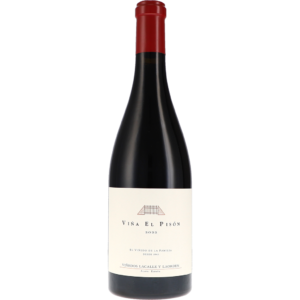
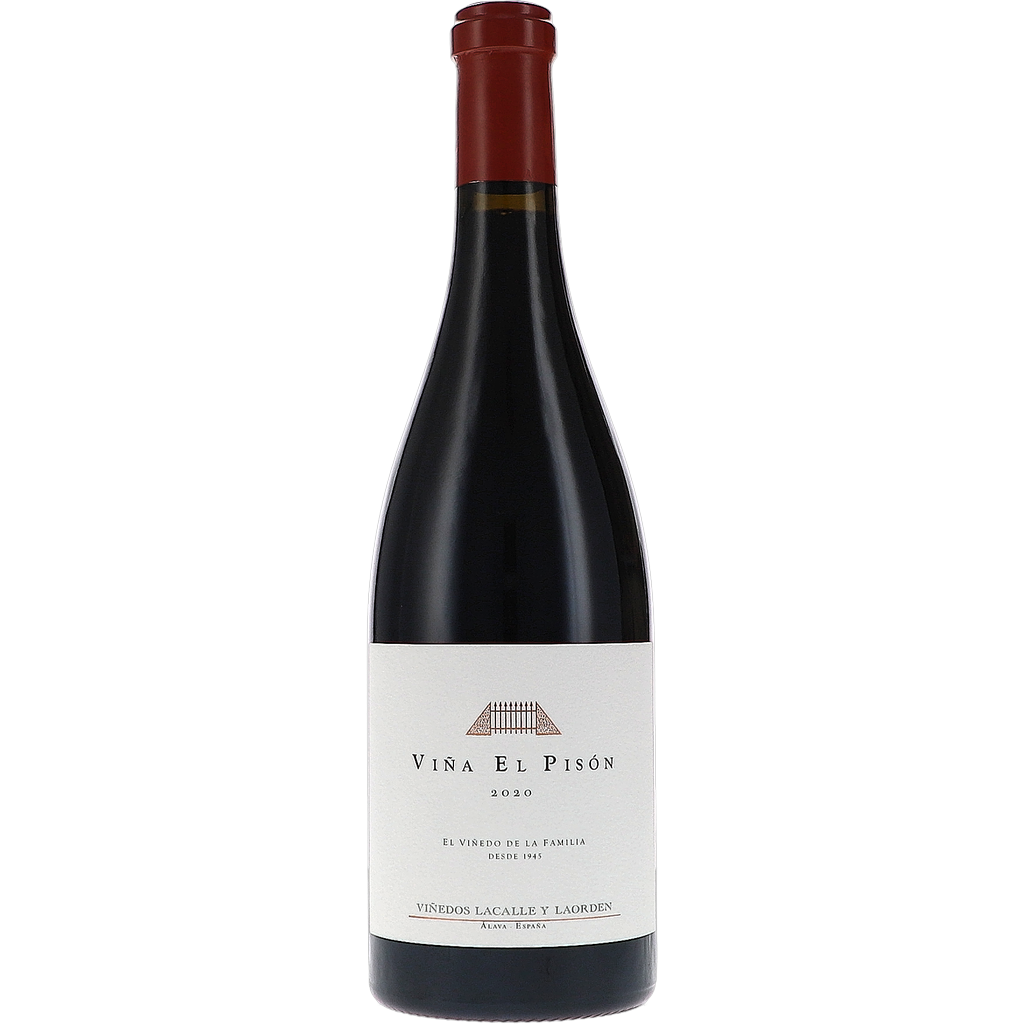
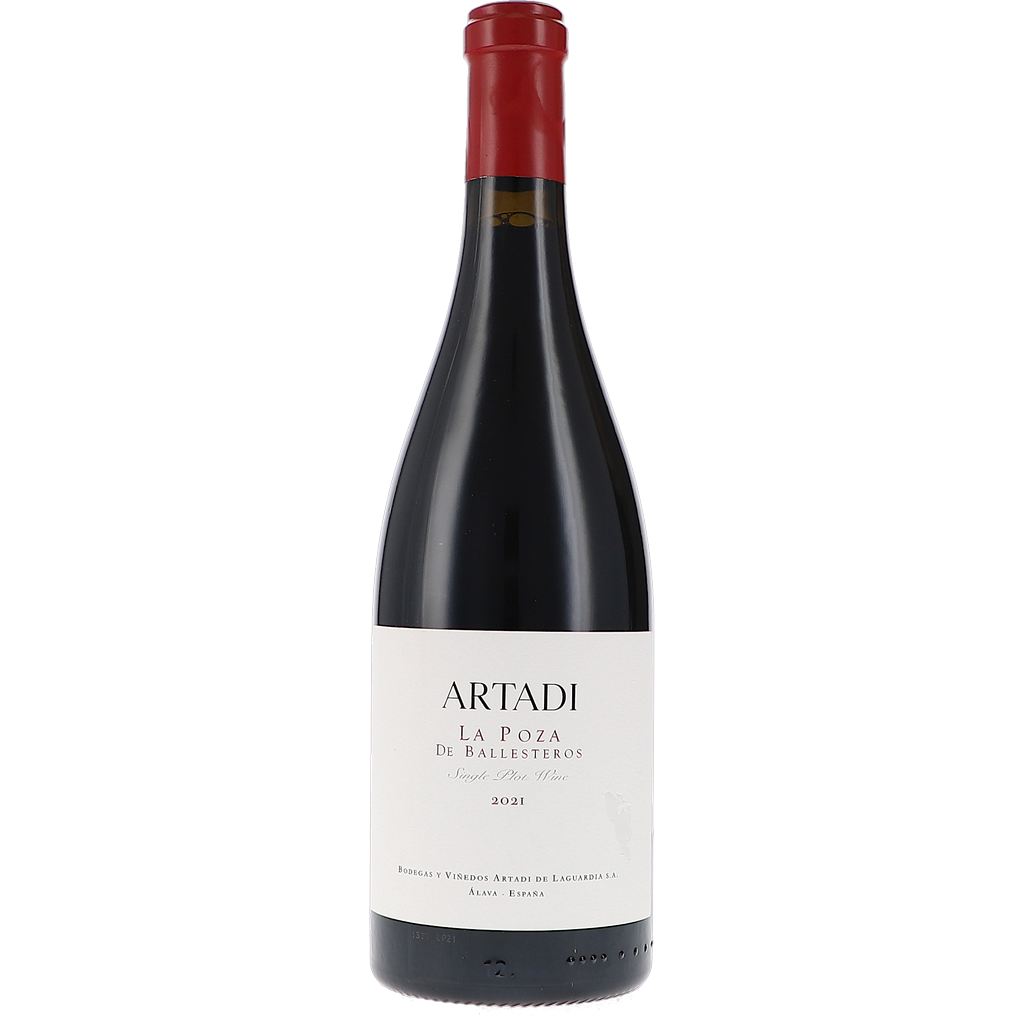
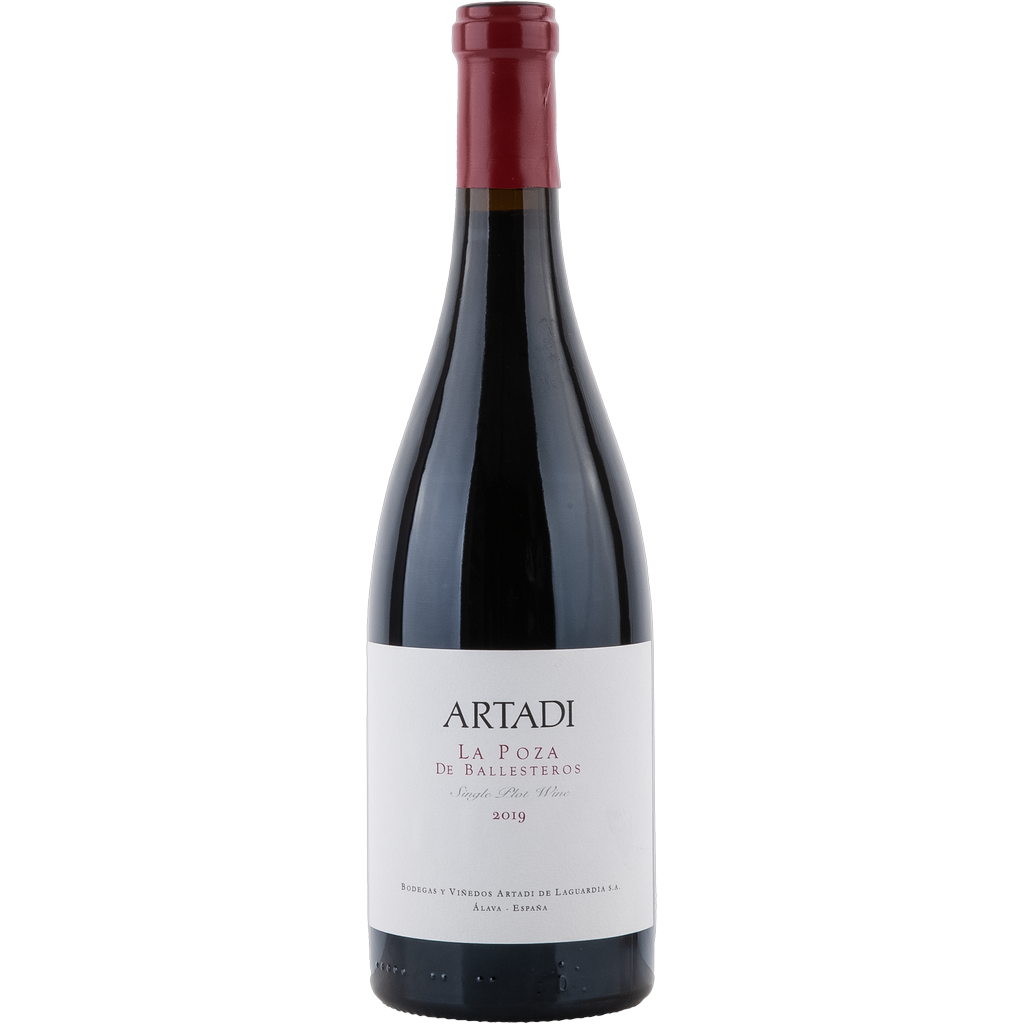
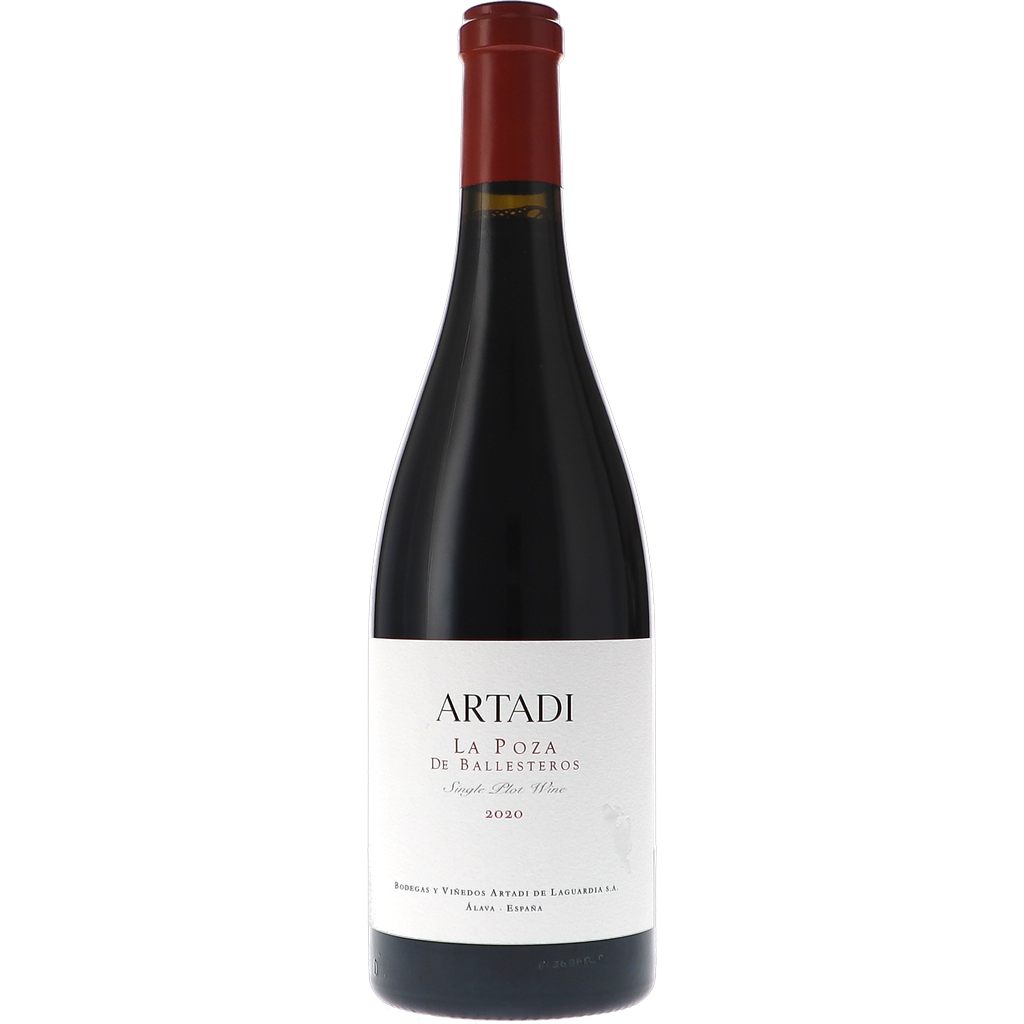
In Elvillar, in the higher, cooler part of the Rioja Alavesa, lies La Poza de Ballesteros: 1.2 hectares facing west at around 600 metres, with 65-year-old vines on sandy-clay, calcareous soil. La Hoya covers three hectares there facing east, with 60-year-old vines on limestone, sandstone and some clay. The estate's oldest plantings stand at Viña El Pisón, at 480 metres of altitude, over limestone and chalk, planted in 1945.
Vineyard and cellar
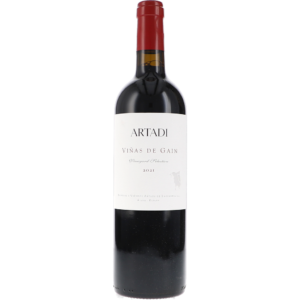
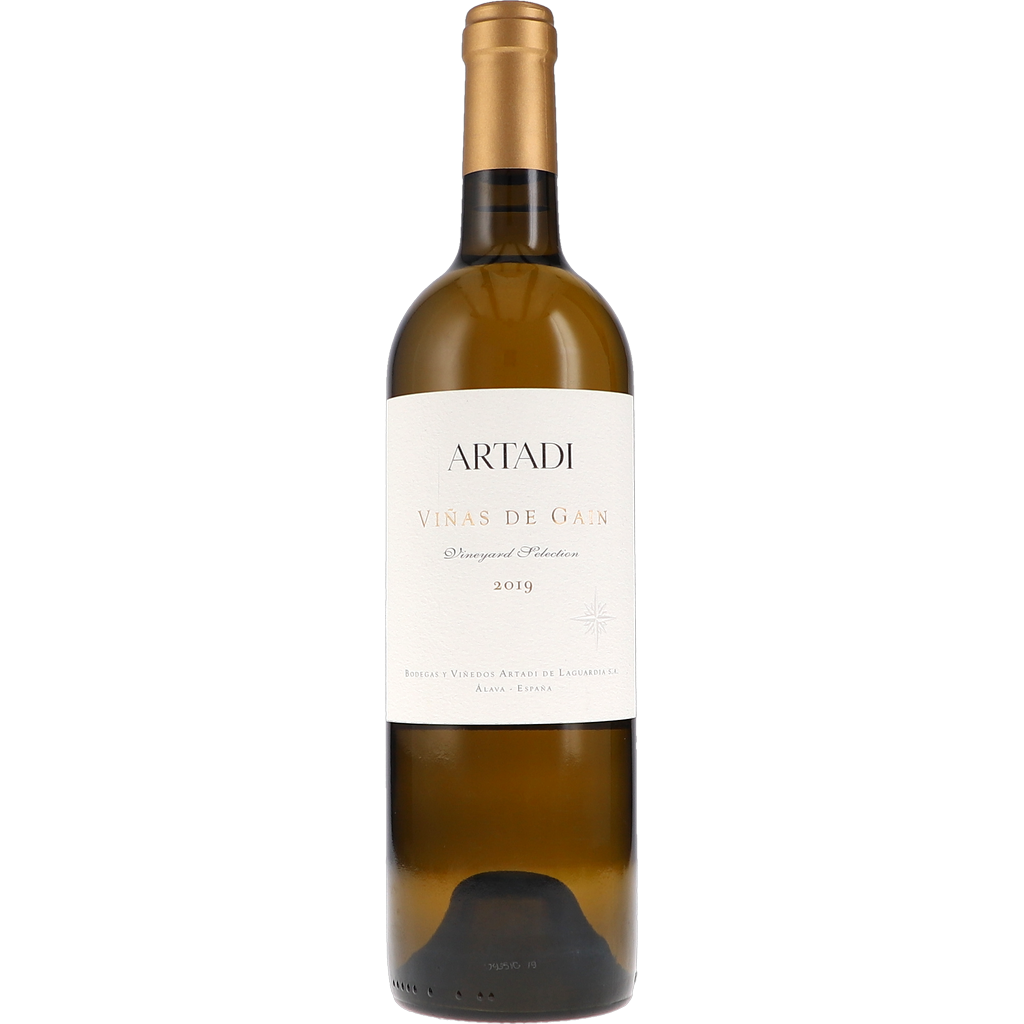
The vines are grown under organic certification, without herbicides or synthetic chemicals, and the family works part of the soil with a horse. The oldest Tempranillo vines are over eighty years old. In the cellar, the grapes are destemmed and fermented spontaneously, fermentation takes place in open vessels, and French barriques provide the structure. For ageing, Artadi increasingly favours used and larger oak casks, which gives the wines greater clarity. Viura yields the white Viñas de Gain Blanco, Tempranillo the Viñas de Gain Tinto.
Artazu, El Sequé and Izar-Leku
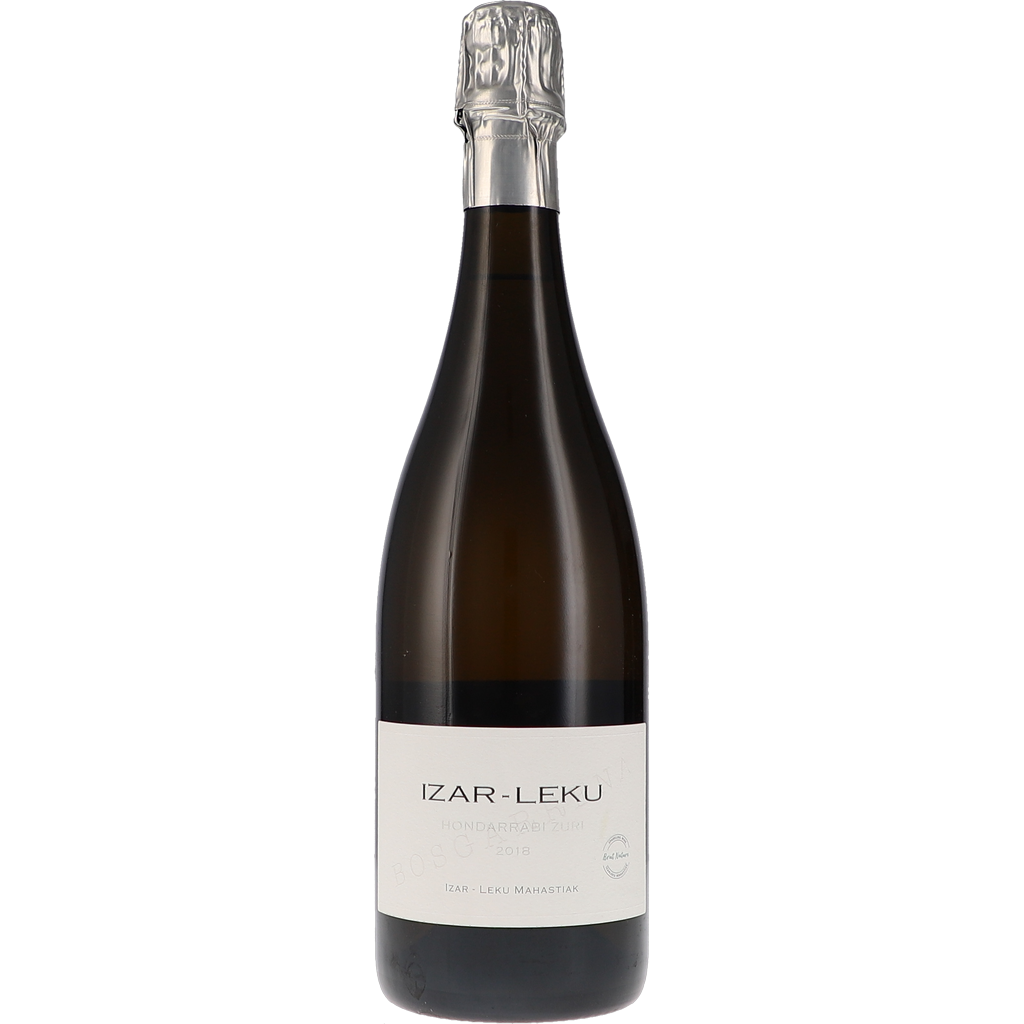
The search for old vines led Juan Carlos López de Lacalle to other regions of Spain. In 1996 he took over the Artazu estate in Navarra, where century-old Garnacha vines grow on poor soils; three years later came El Sequé in Alicante, with Monastrell on limestone. From the Basque Guipúzcoa, the centre of Txakoli production on the Atlantic coast, comes Izar-Leku, a vintage sparkling wine made by the méthode traditionelle from Hondarribi Zuri with small proportions of Hondarribi Beltza, left on the lees for a long time.