Artuke
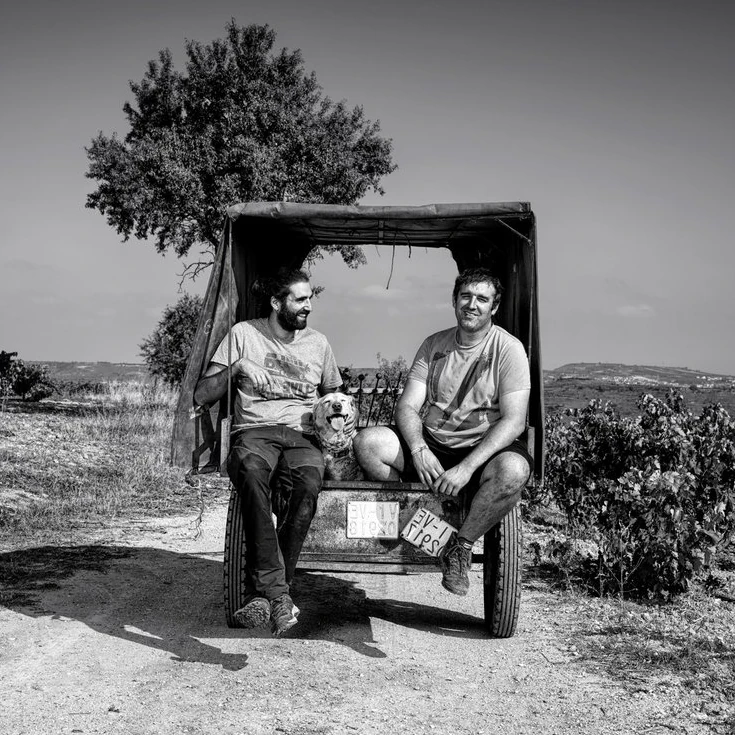
Artuke, in Baños de Ebro, farms 30 hectares in Rioja Alavesa, spread across 72 parcels between 550 and 720 metres in altitude. Brothers Arturo and Kike de Miguel Blanco run the winery; their vines grow on limestone, sandstone and gravel in the municipalities of Baños de Ebro, Ábalos, San Vicente de la Sonsierra and Samaniego. They farm organically and increasingly follow biodynamic principles. The wines are organised by origin, from village wines through single-vineyard wines to parcel-specific wines from vines over a hundred years old. In the cellar, fermentation happens spontaneously, part of the fruit stays as whole clusters, and ageing takes place mainly in 600-litre casks.
Baños de Ebro and the grandfather's plot
In the 1950s, the grandfather of Arturo and Kike de Miguel Blanco bought a fallow plot of land high above Baños de Ebro, where the Ebro flows through Rioja Alavesa. In the village it became known as El Loco, because the altitude was then considered unsuitable for vines. Today it is exactly what gives the wines their freshness. His grandsons have mapped every vineyard, analysed the soils and recorded the microclimate of each individual parcel; it is on this basis that they now work parcel by parcel.
72 parcels between 550 and 720 metres
The parcels are spread across the municipalities of Baños de Ebro, Ábalos, San Vicente de la Sonsierra and Samaniego, on soils of limestone, sandstone and gravel. The cool nights at these altitudes preserve the acidity in the grapes. Many sites are terraced and inaccessible to machinery, so every task is done by hand, with the brothers tending each vine individually.
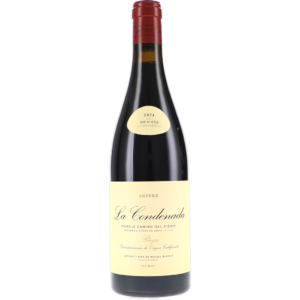
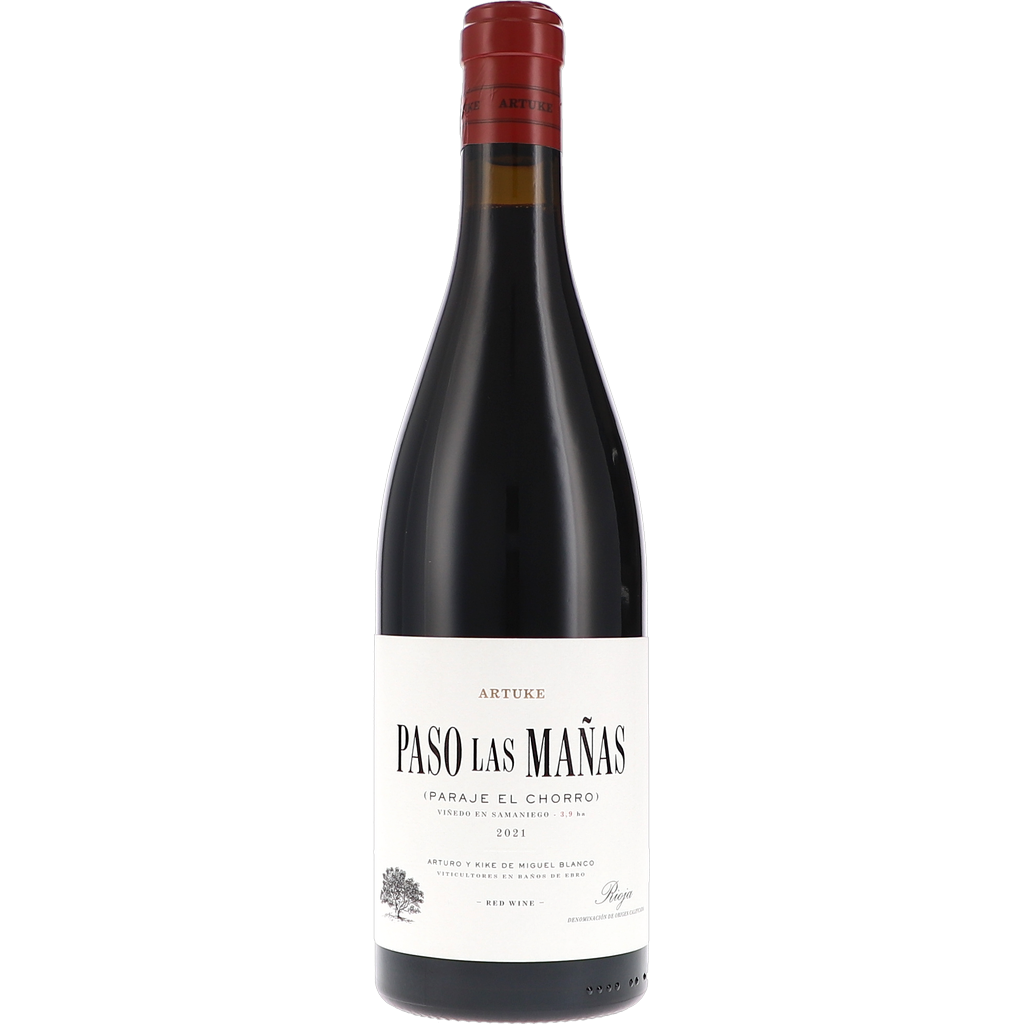
La Condenada has grown for over a hundred years in the Camino del Ciego vineyard, a mixed planting of Tempranillo, Graciano, Garnacha and the white Palomino on sandstone, which Arturo and Kike de Miguel Blanco rescued from neglect. Paso las Mañas grows at 700 metres at the foot of the Sierra Cantabria, in a limestone vineyard exposed to a lot of wind; the Tempranillo from it is gently extracted and aged in large foudres.
The work in the cellar
The grapes arrive at the cellar hand-picked, part of them as whole clusters; the brothers foot-tread some of the must. Fermentation proceeds spontaneously with native yeasts, sulphur is used sparingly, and the wines are barely filtered. Ageing takes place mainly in 600-litre casks, and for individual cuvées in 3,500-litre foudres, with ageing periods kept short.
The wines by origin
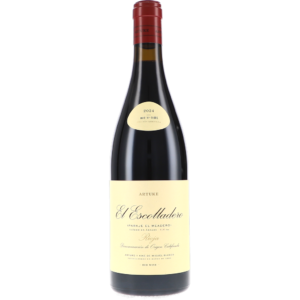
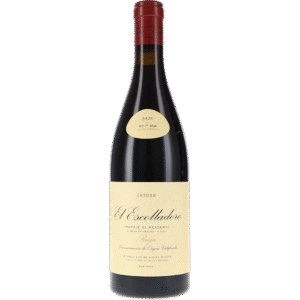
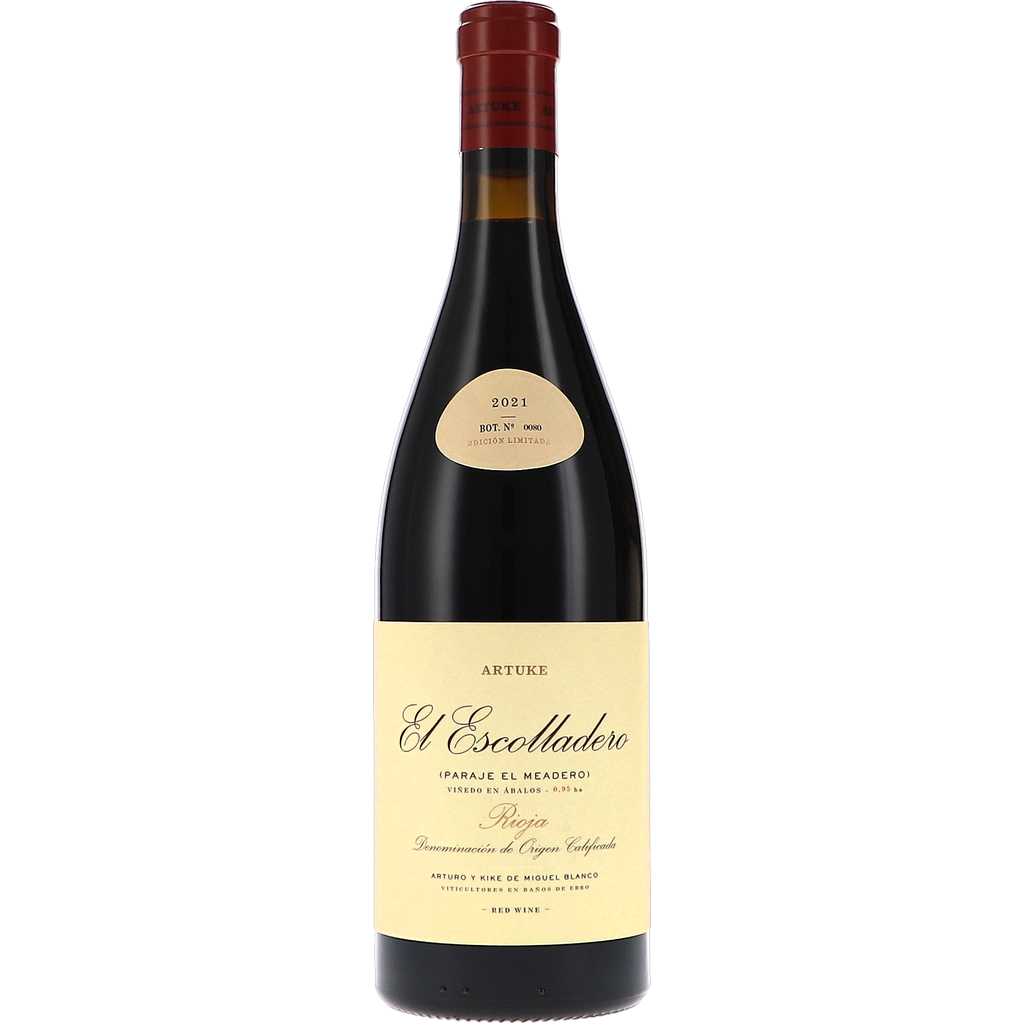
El Escolladero comes from a single vineyard in Ábalos, 85 percent Tempranillo and 15 percent Graciano from vines planted in 1950, on calcareous clay at 600 metres altitude. Finca de los Locos blends Tempranillo, Graciano and Viura, and Trascuevas is a white made from Viura, Malvasia and Palomino. Arturo and Kike de Miguel Blanco belong to the Rioja & Roll movement and the Spanish collective Futuro Vinador.