A Californian winemaker changed everything.
Bodegas y Viñedos Artazu was born in 1996, when Randall Grahm of Bonny Doon fired Juan Carlos López de Lacalle with enthusiasm for the forgotten potential of Garnacha. At a time when Navarra used the grape only for rosé, López de Lacalle bought the crumbling village cooperative of Artazu and set about rehabilitating an underrated variety.
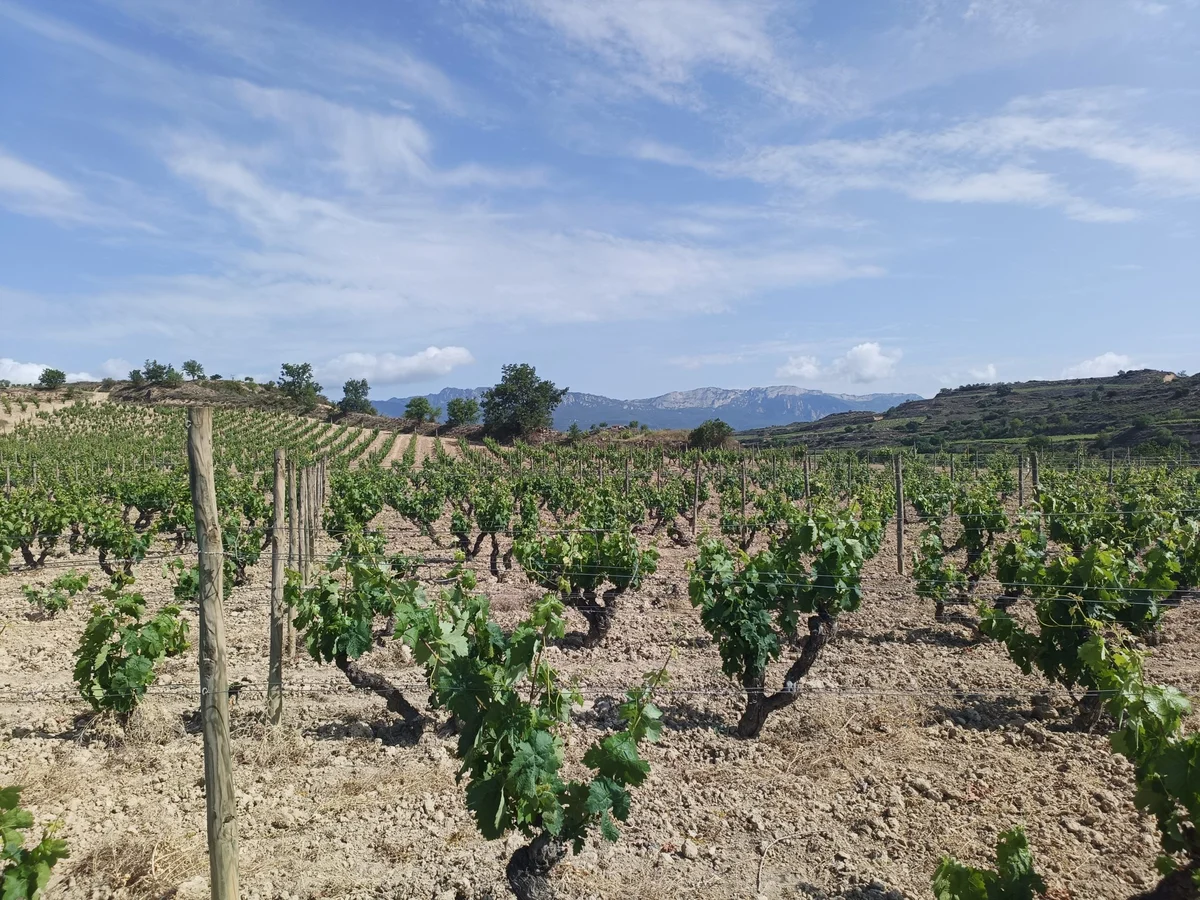
Today, bush vines more than 60 years old grow here at altitudes of up to 600 metres, among them pre-phylloxera treasures. Atlantic winds bring freshness, the calcareous soils minerality. The estate has been farmed biodynamically since 2011.
How a Californian saved Garnacha
The story begins with an unlikely duo: Juan Carlos López de Lacalle, the visionary behind the legendary
Artadi in Rioja, and Randall Grahm, the eccentric founder of Bonny Doon in California. Grahm, an ardent champion of
Rhône varieties, opened López de Lacalle’s eyes to the untapped potential of
Garnacha. In 1996 the Spaniard bought the run-down cooperative in the medieval wine village of Artazu and set off a quiet revolution.
Valdizarbe: where the Atlantic meets the Pyrenees
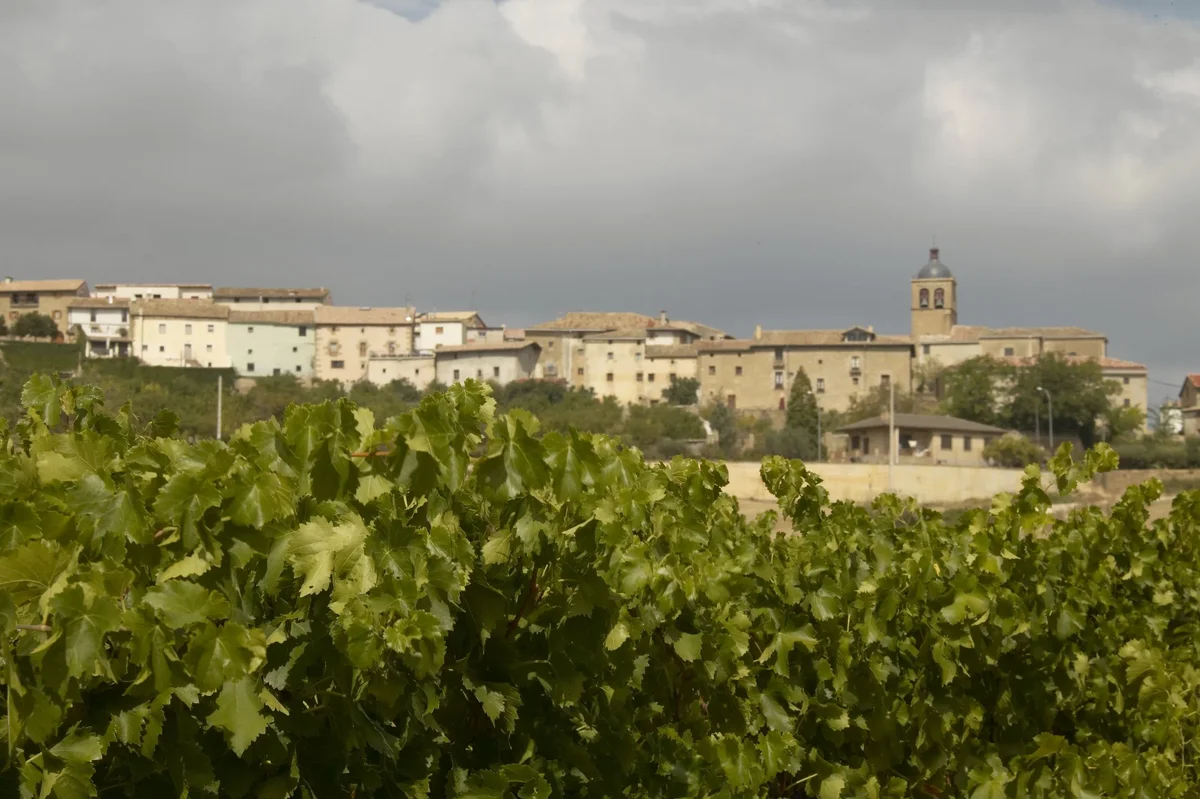
Artazu’s vineyards lie in the
Valdizarbe subzone, the northernmost tip of Navarra. Here, where Atlantic winds meet the cool air of the Pyrenees, conditions prevail that would be unthinkable elsewhere in Spain: marked swings between day and night temperatures that preserve acidity and freshness in the grapes. The
calcareous clay and sandy soils, at 450 to 600 metres, give the wines their characteristic minerality.
The Santa Cruz site holds the greatest treasure:
pre-phylloxera vines more than a hundred years old, still growing on their own roots. They yield the
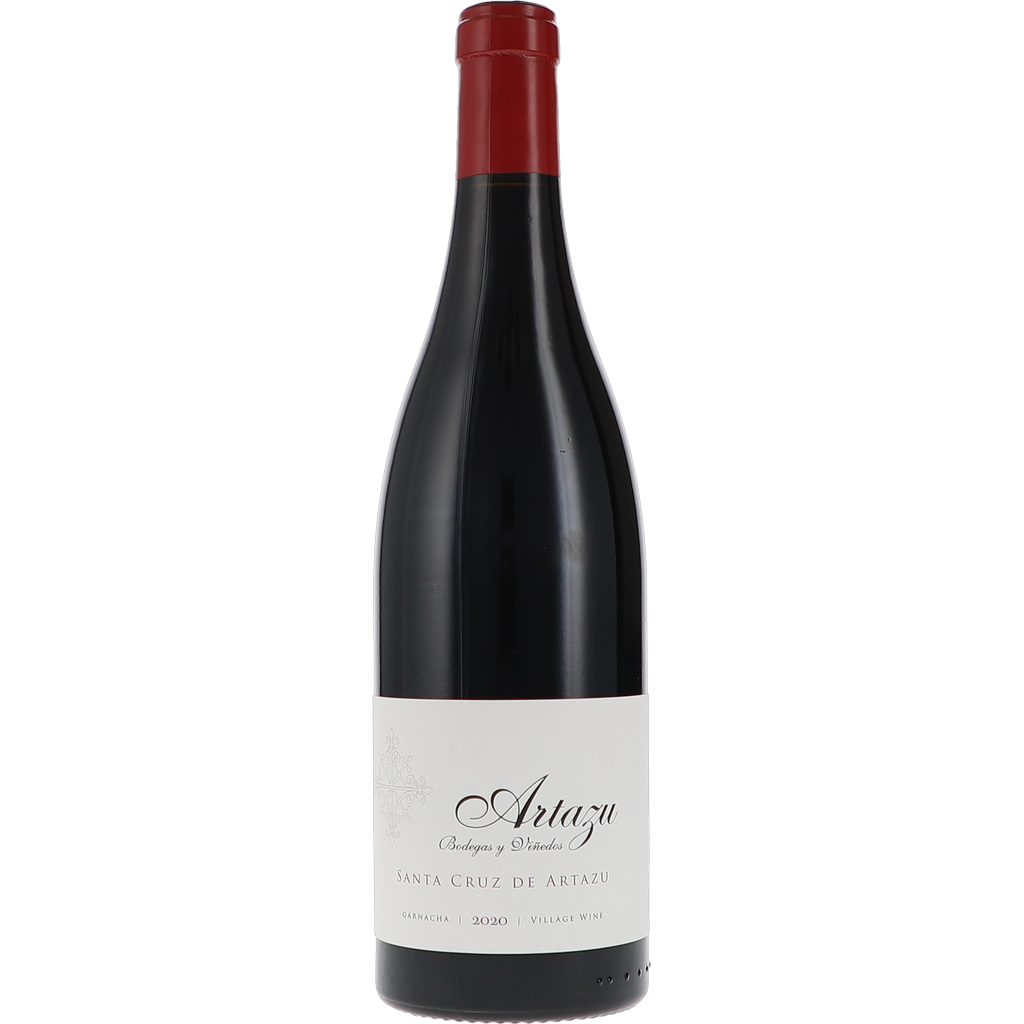
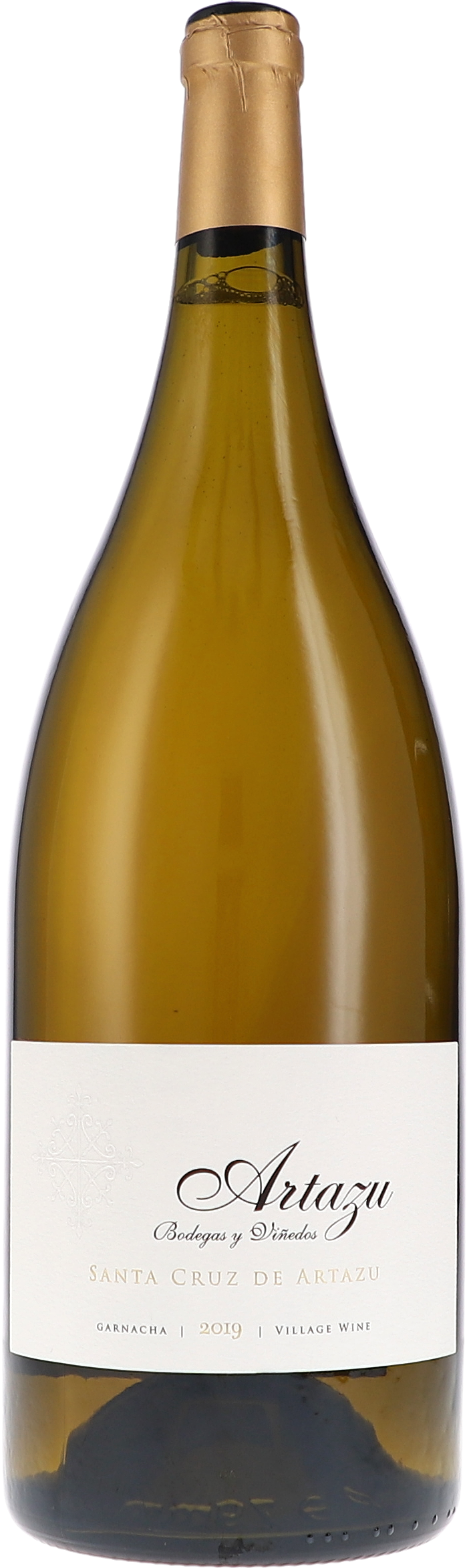
Santa Cruz de Artazu, which regularly earns over 95 points from James Suckling.
Biodynamics and 500-litre barrels
The year 2011 marked a turning point: the switch to
biodynamic farming and the purchase of 12 hectares in San Martín de Unx, where 35-year-old bush vines grow on a single slope. These vines produce the
Pasos de San Martín, named after the village.
López de Lacalle’s philosophy is clear:
“A feel for nature and tireless work will lead us to success.” He vinifies in 500-litre barrels, larger than the usual barriques, to keep the oak in the background and let the fruit speak. The results are Garnachas of an elegance and freshness rarely found in Spain.
The family grows
Artazu was only the beginning. In 1999 came
El Sequé in Alicante, where López de Lacalle is trying to do the same for
Monastrell. And the next generation, Carlos and Patricia, is already poised to carry on the legacy. They share their father’s conviction that great wines can only come from
single vineyards, farmed with respect and patience.