Loire · Frankreich · bio (AB)
Guiberteau

Some vineyards must be discovered twice. The hill of Brézé near Saumur was famous in the 19th century, then fell into almost complete obscurity — and Domaine Guiberteau is among the addresses that have brought it back.
Few people embody this return more clearly than Romain Guiberteau, who abandoned his law studies to take back into his own hands the family vines that had been leased out for two decades. Since 1996, he has been vinifying Chenin Blanc and Cabernet Franc on pure limestone — whites of uncompromising minerality, reds of cool clarity. What his grandfather Robert began in 1954 with a few parcels on the Brézé is today counted among the most sought-after estates of the Loire.
Walking out of the lecture hall
Romain Guiberteau was on his way to becoming a lawyer when the hill called him back. His great-grandfather Clément Manguin had founded the estate at the beginning of the 20th century; his grandfather Robert, a co-founder of the Saumur cooperative, bought the first parcels on the Brézé hill in 1954, among them the Clos des Carmes, which the gastronome Curnonsky ranked among the greatest sites of the Loire. When Robert retired in 1976, none of his children wanted to take over; the vines were leased out and the name disappeared from the labels.
Twenty years later Romain abandoned his studies and negotiated the vineyards back, parcel by parcel. In 1996 he bottled his first vintage. What began as an act of family defiance became, within a few vintages, one of the most strictly allocated addresses in Saumur.
A hill of tuffeau
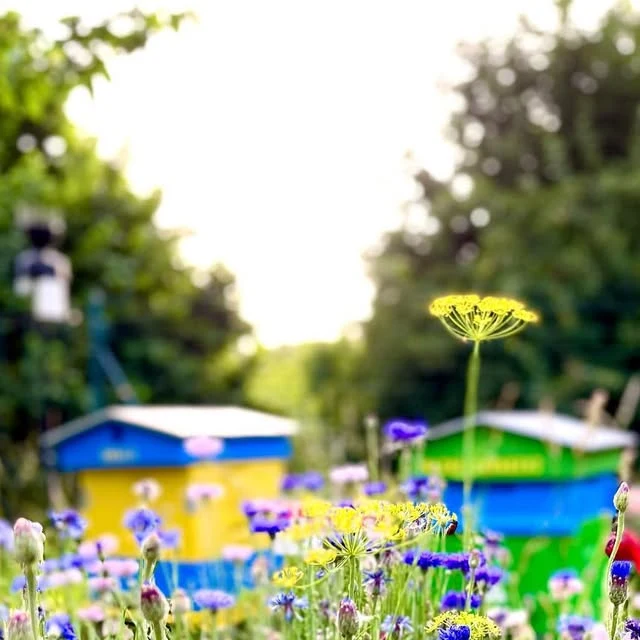
Brézé is not a village surrounded by vineyards but a single limestone ridge rising noticeably above the surrounding land. Beneath the thin topsoil lies tuffeau, the porous, chalky Turonian limestone that stores water like a sponge and releases it slowly to the vines in dry summers. More than half of the estate's nearly nineteen hectares lie on this hill, with vines between four and eighty years old.
What Chenin Blanc produces here tastes of crushed chalk and citrus peel, saline and almost cutting in youth, with a minerality that few other Loire whites reach at this intensity. Upstream in Vouvray, Huet works the same tuffeau: two estates, one rock, and in both cases Chenin as an uncompromising translator of the soil.
The Clos Rougeard school
Before Romain Guiberteau found his own style, he learned from Nady Foucault of Clos Rougeard, the estate that put Saumur back on the map of great wine in the first place. Under Foucault's guidance he made 5,000 bottles of red that sold effortlessly and showed him where the journey could lead.
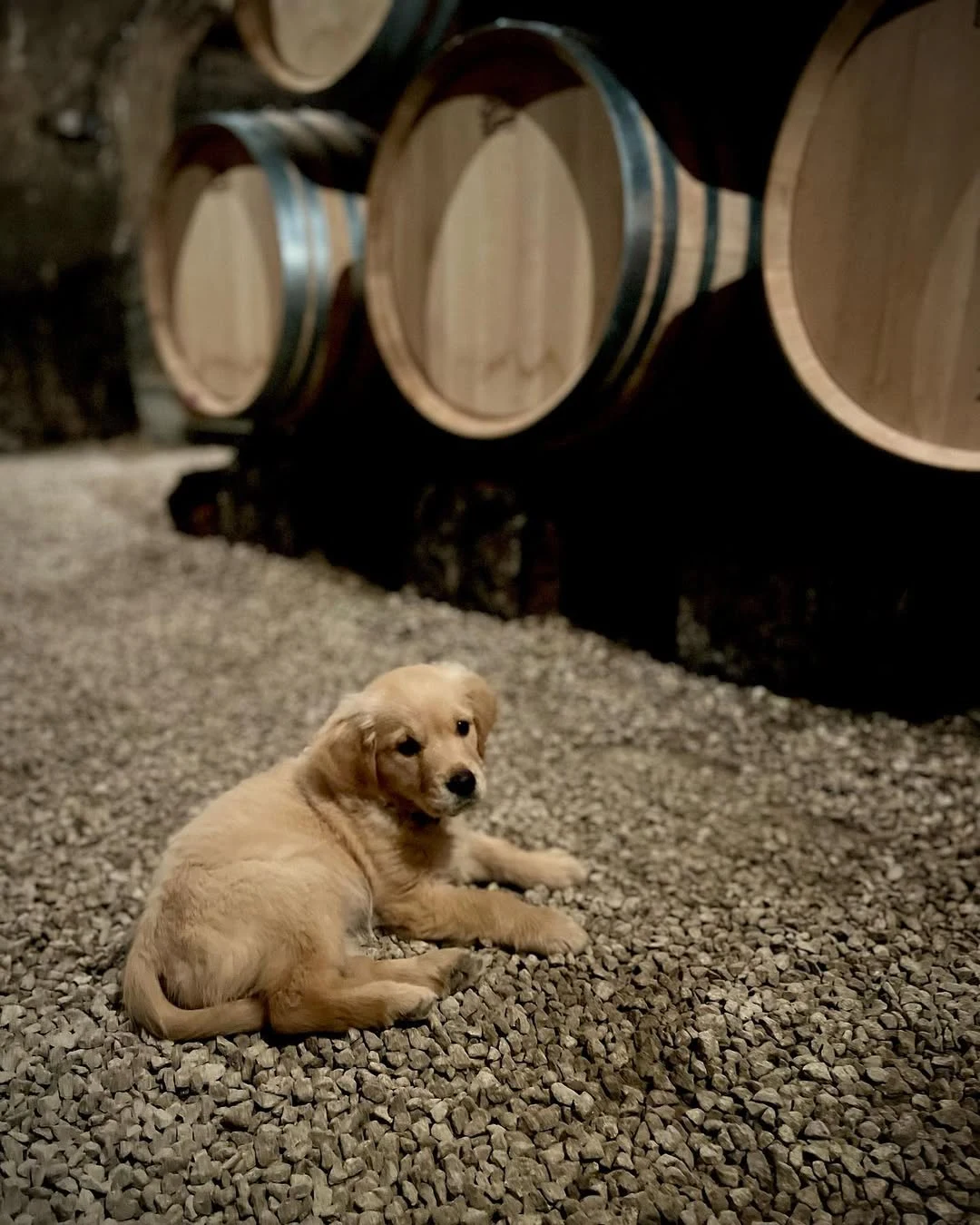
In the cellar he remains restrained. The grapes are fully destemmed, fermentation runs spontaneously with indigenous yeasts, and the wines are aged in foudres and used barriques, the whites often with blocked malolactic so the acidity keeps its contour. Romain converted to organic farming as early as 2000, and the estate has held AB certification since 2007. He keeps intervention to a minimum: the wine should taste of the hill, not of the cellar.
From entry level to monopole
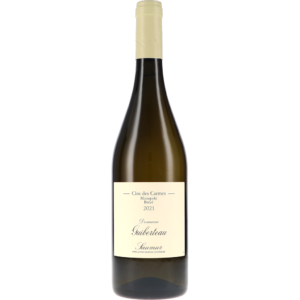
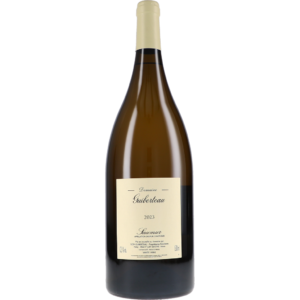
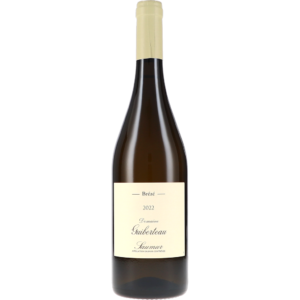
The way into this style is the Saumur blanc Brézé, a Chenin from the hill that gives it its name, bringing together fruit, salt and drive at a mid-range price. A step higher sits the Clos des Carmes, the walled monopole that Curnonsky once praised: tighter, deeper, with an almost cool finish.
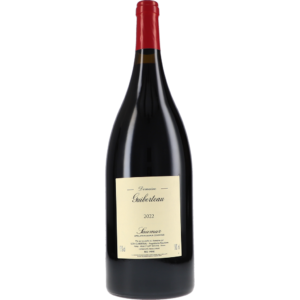
The other half of the estate belongs to Cabernet Franc. The Saumur-Champigny shows the red side of Brézé: crisp cassis and violet fruit, fine-grained tannins and not a gram too much oak. In 2024 Romain and his daughter Camille founded the négociant project Chai de la Dive, a sign that this time, unlike in the 1970s, the story of the hill will have a sequel.