Huet
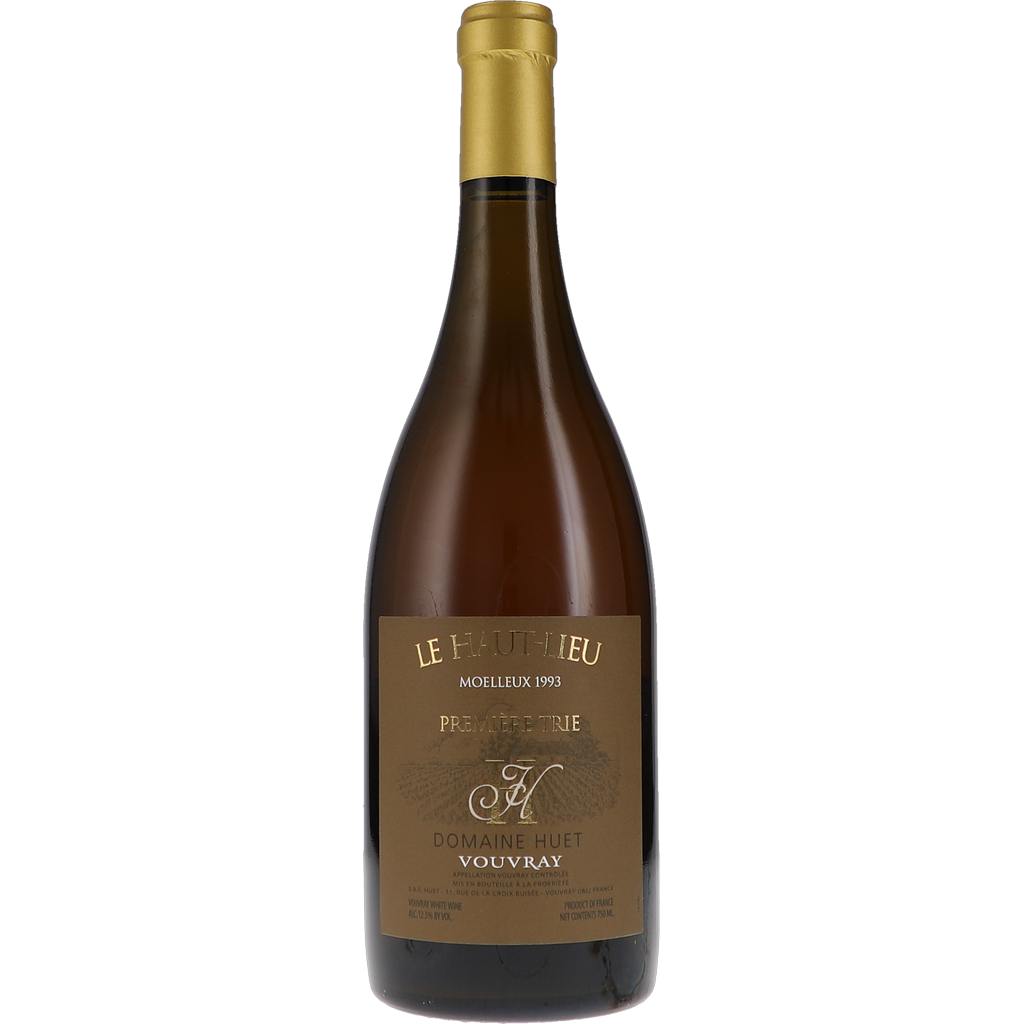
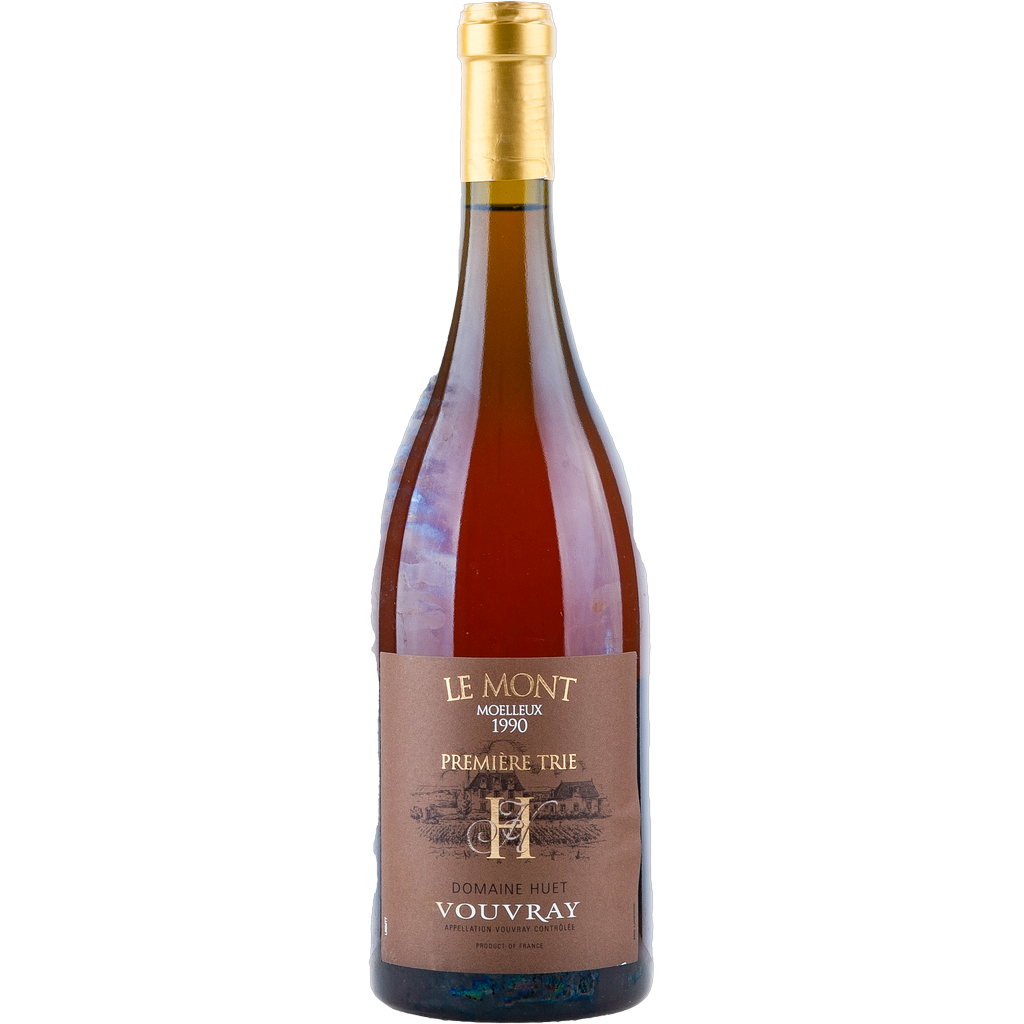
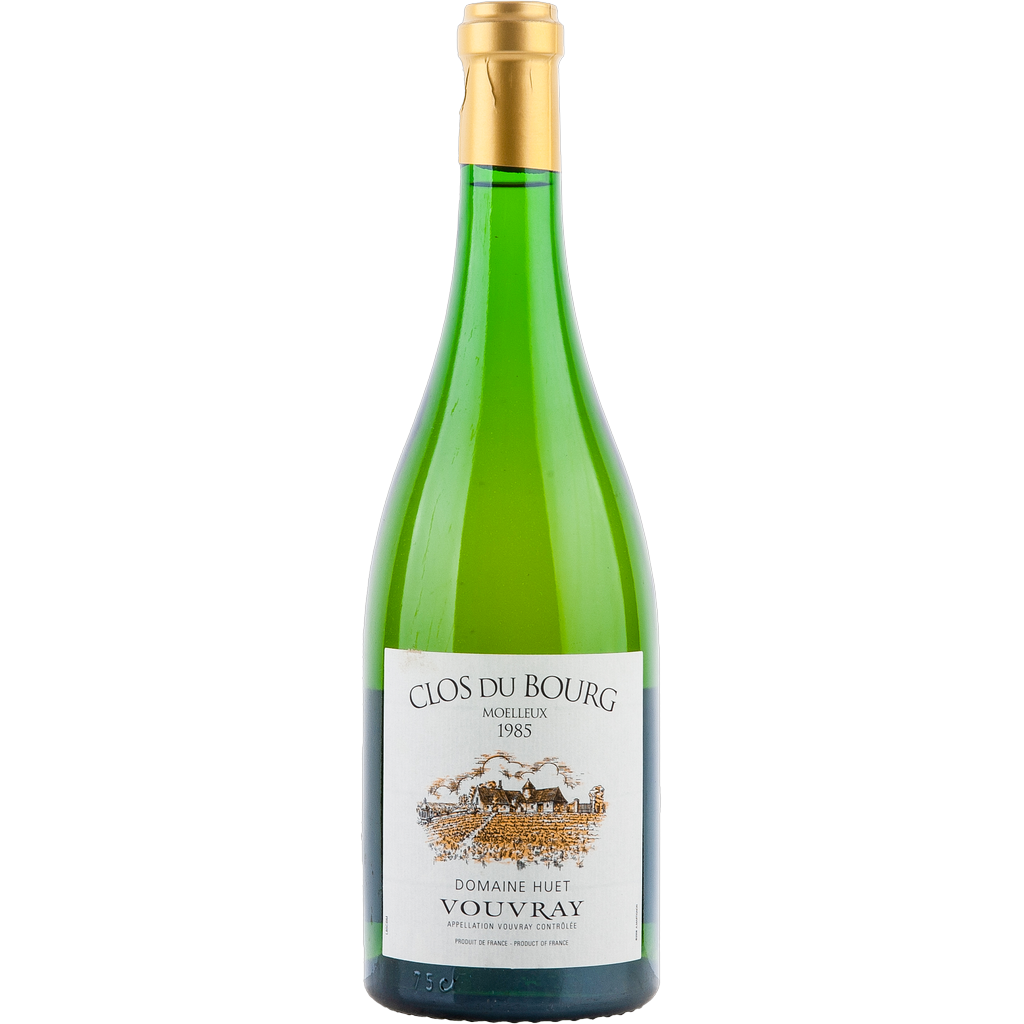
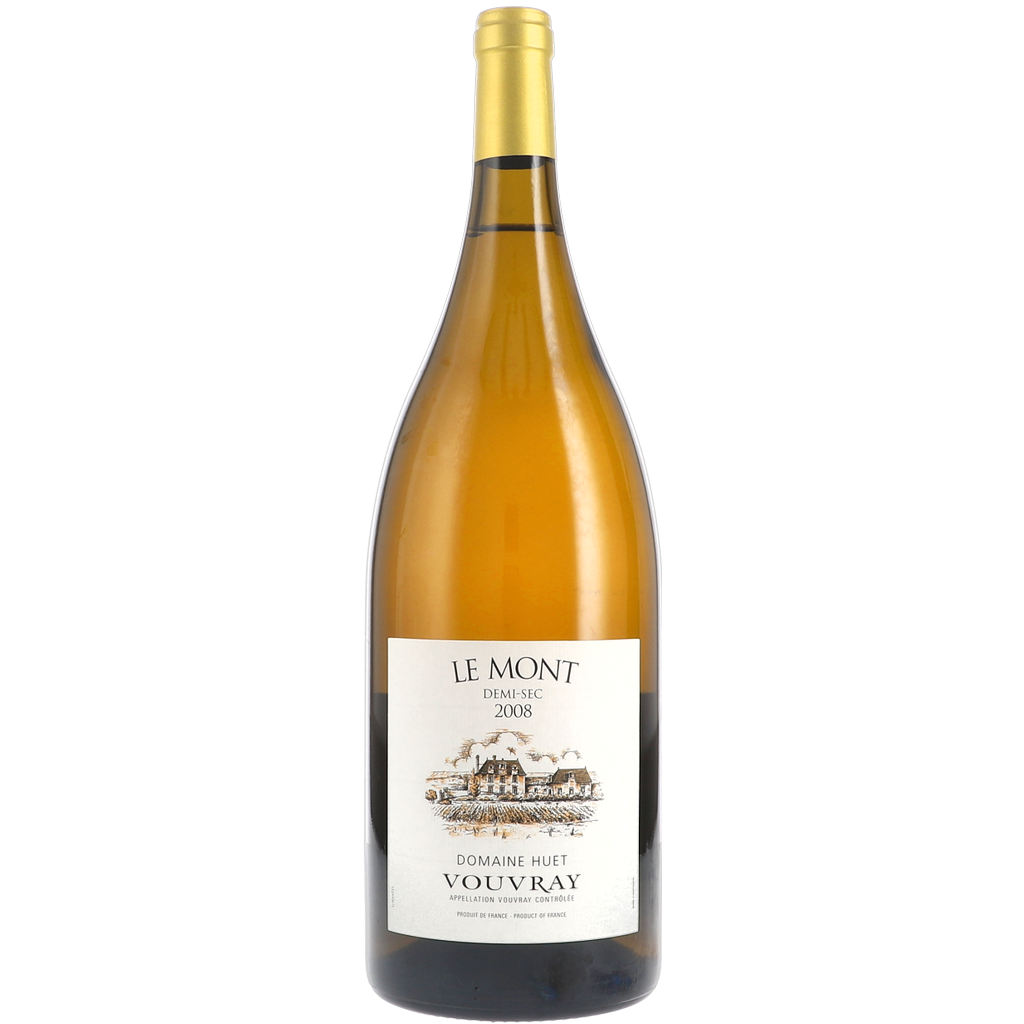
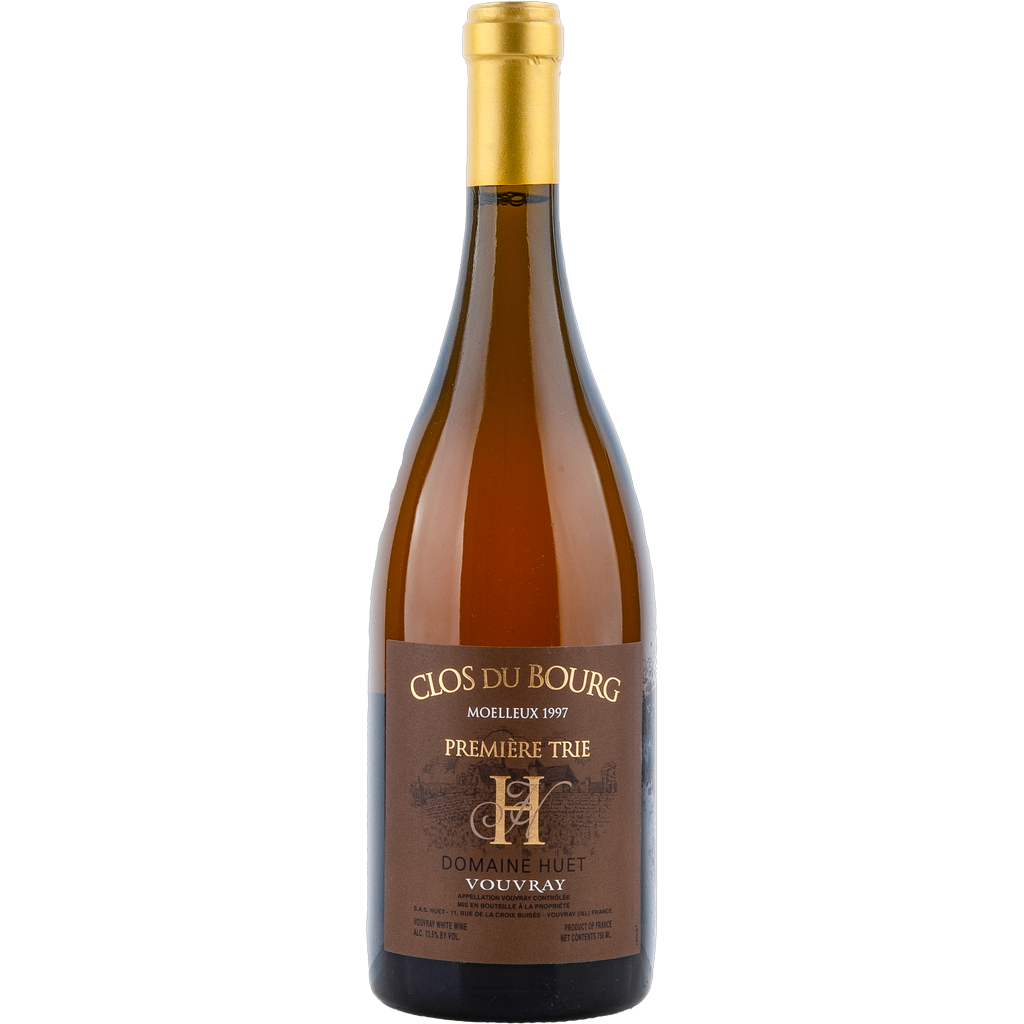
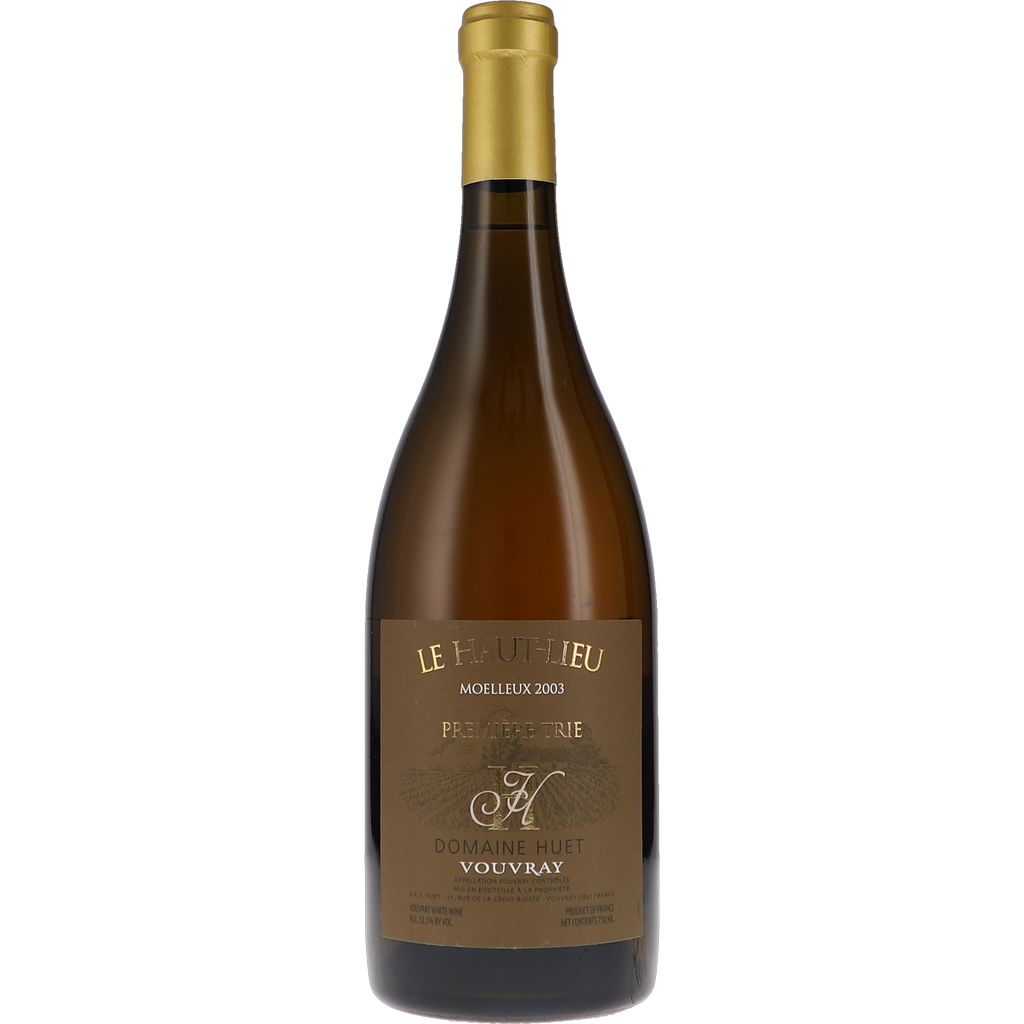
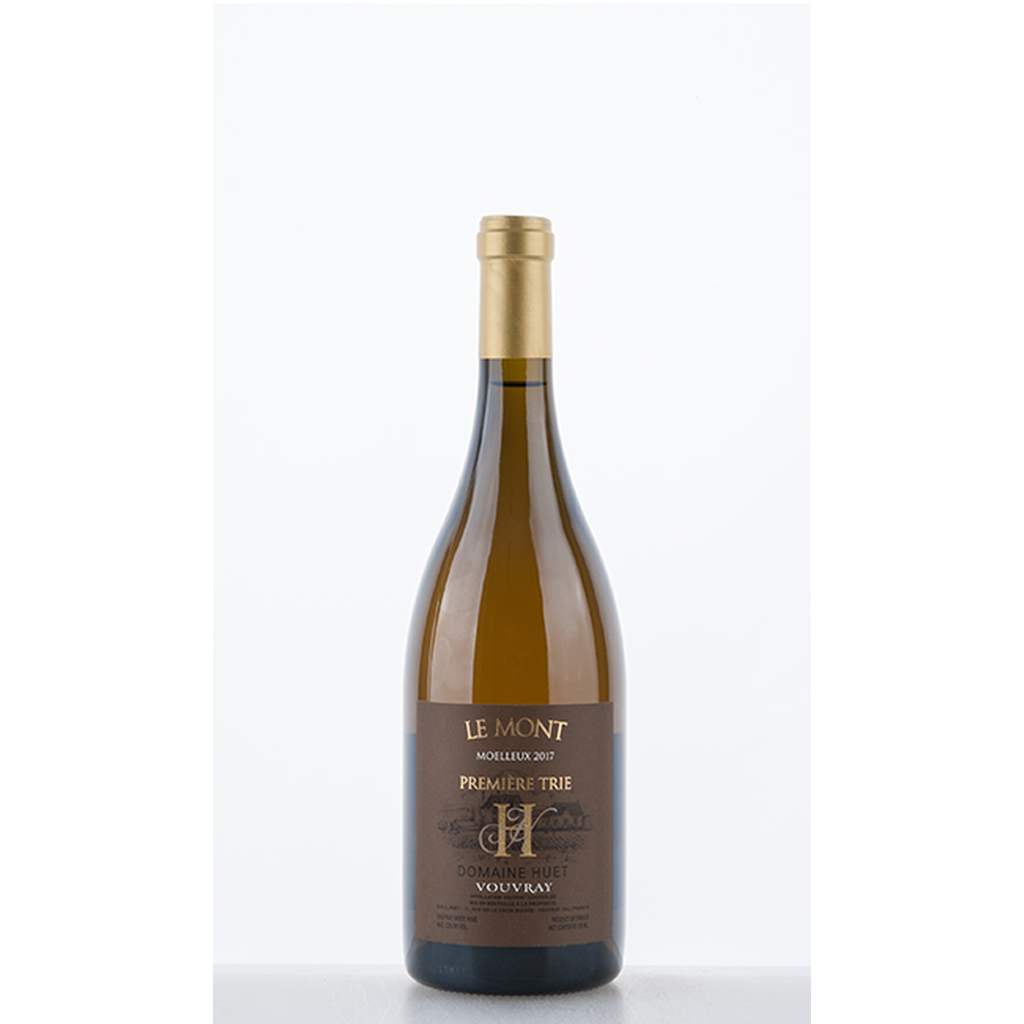
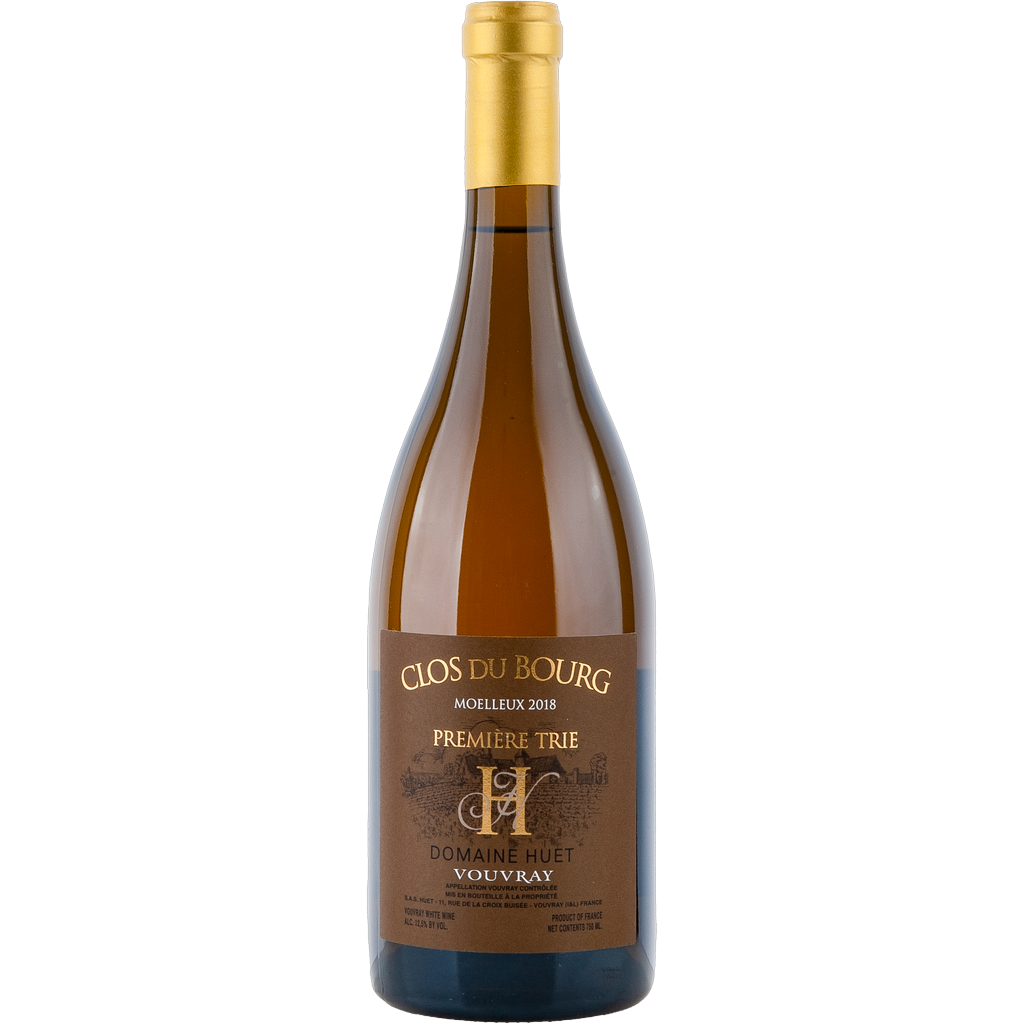
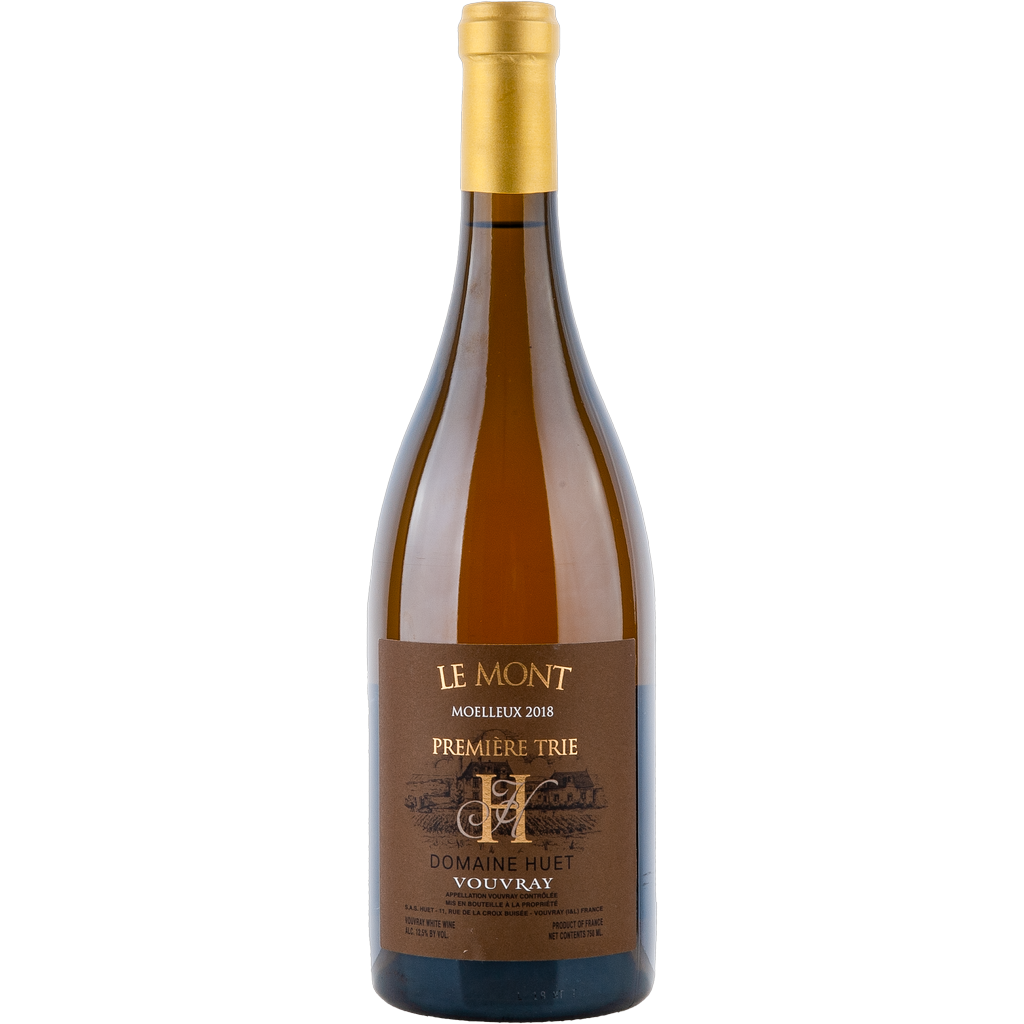
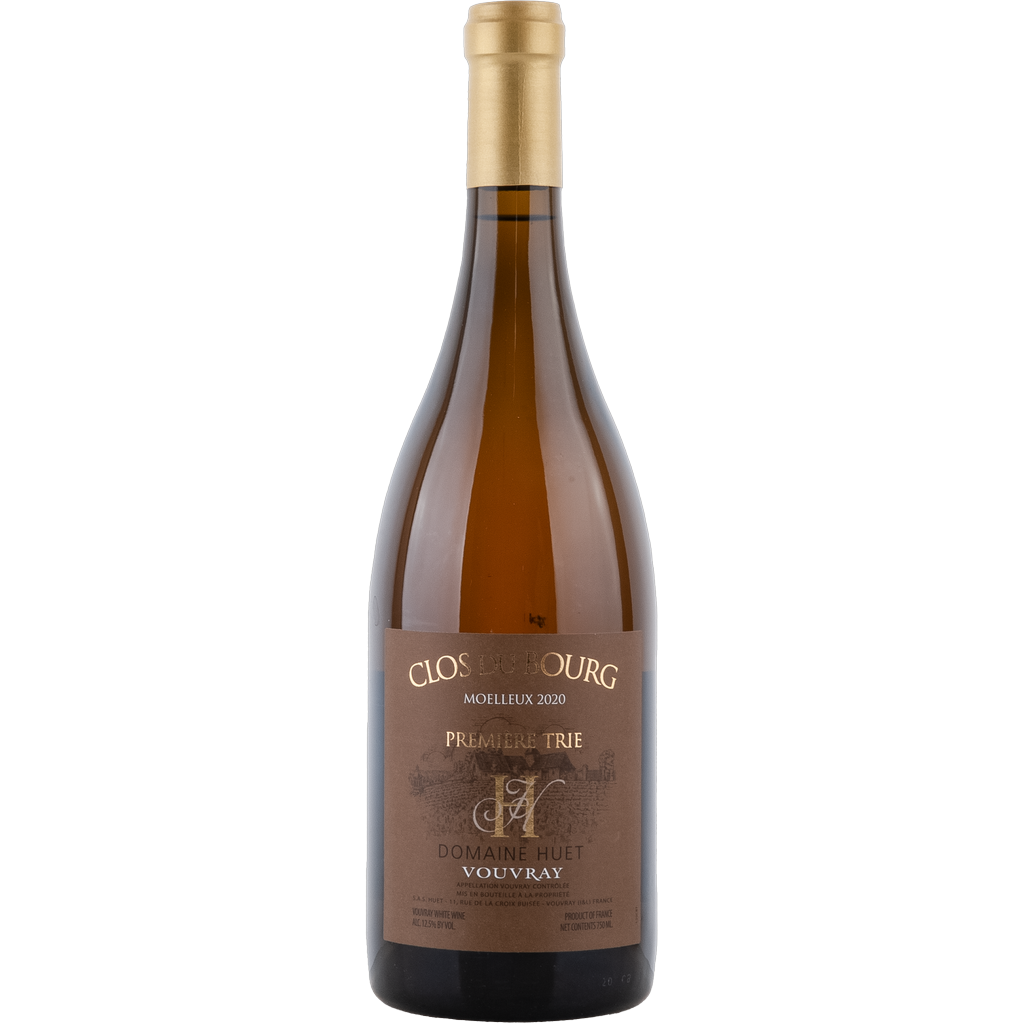
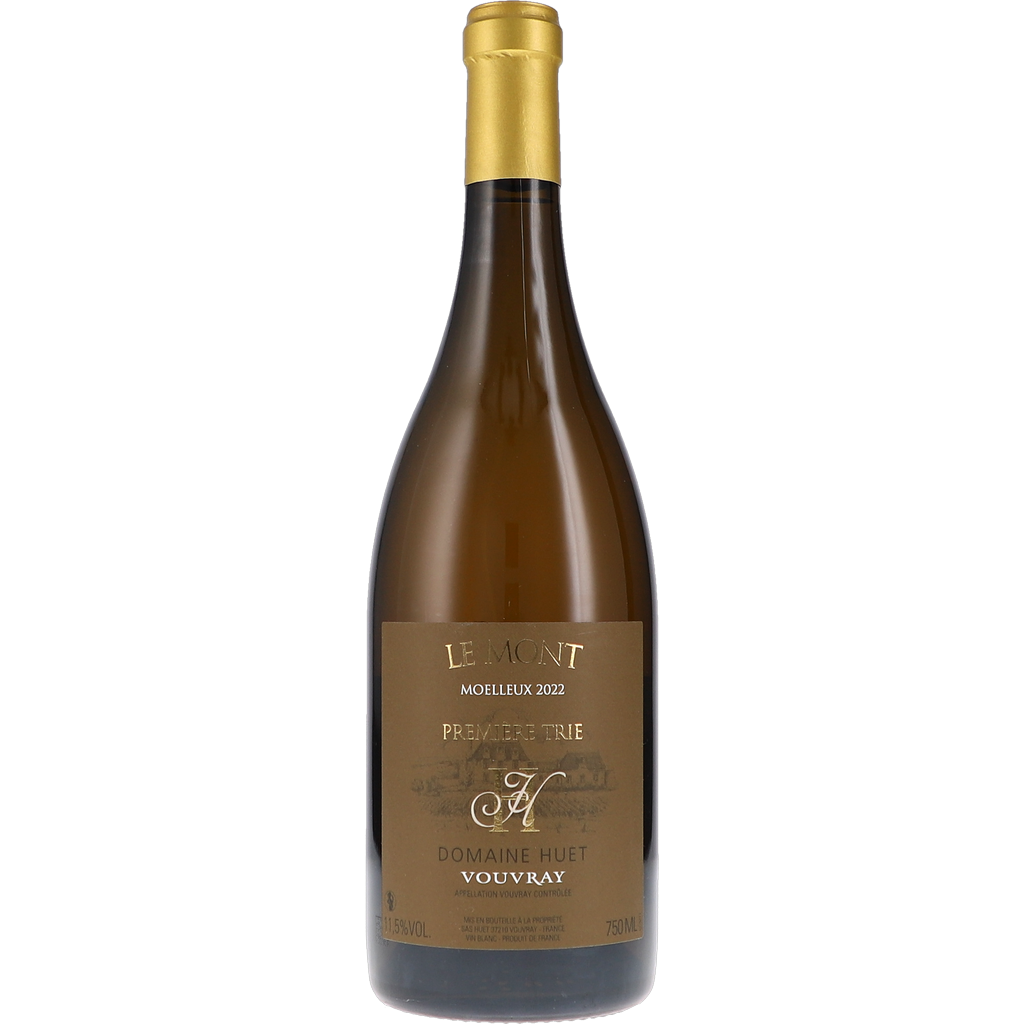
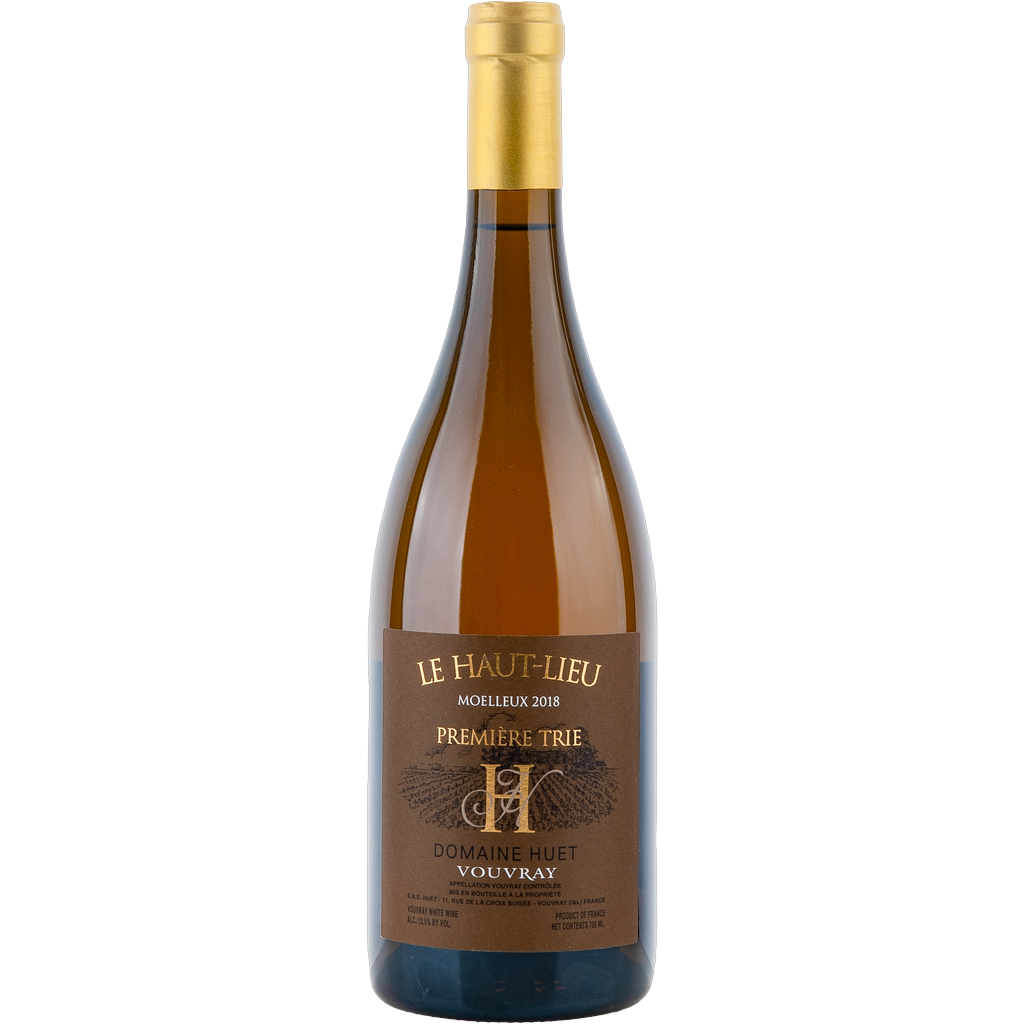
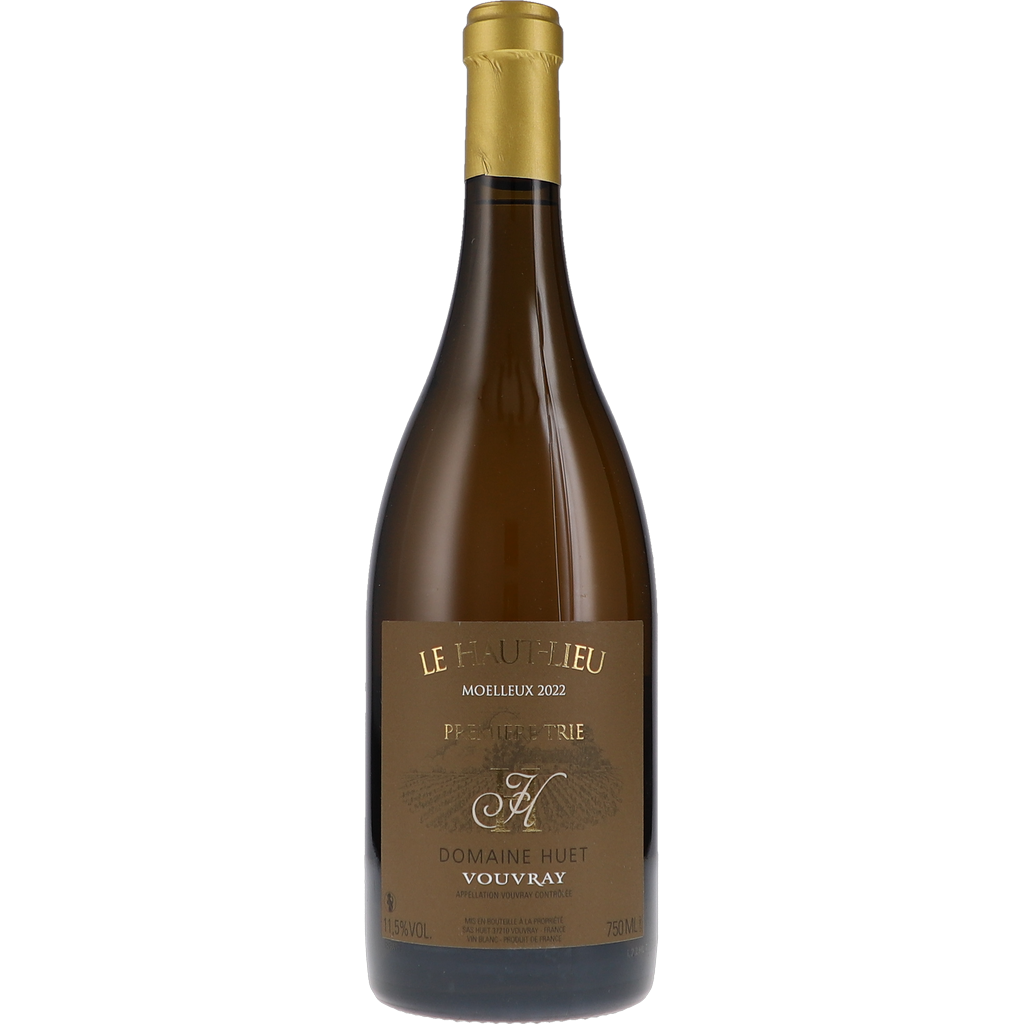
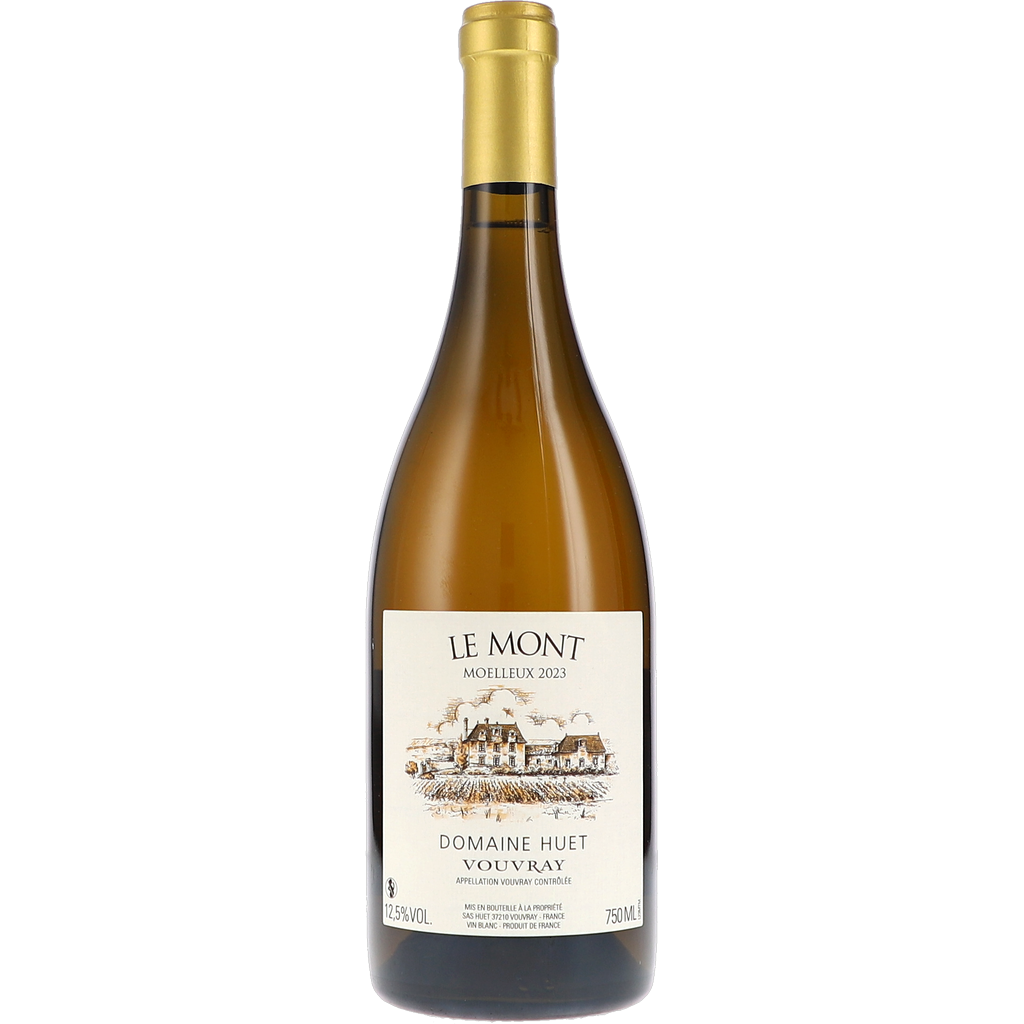
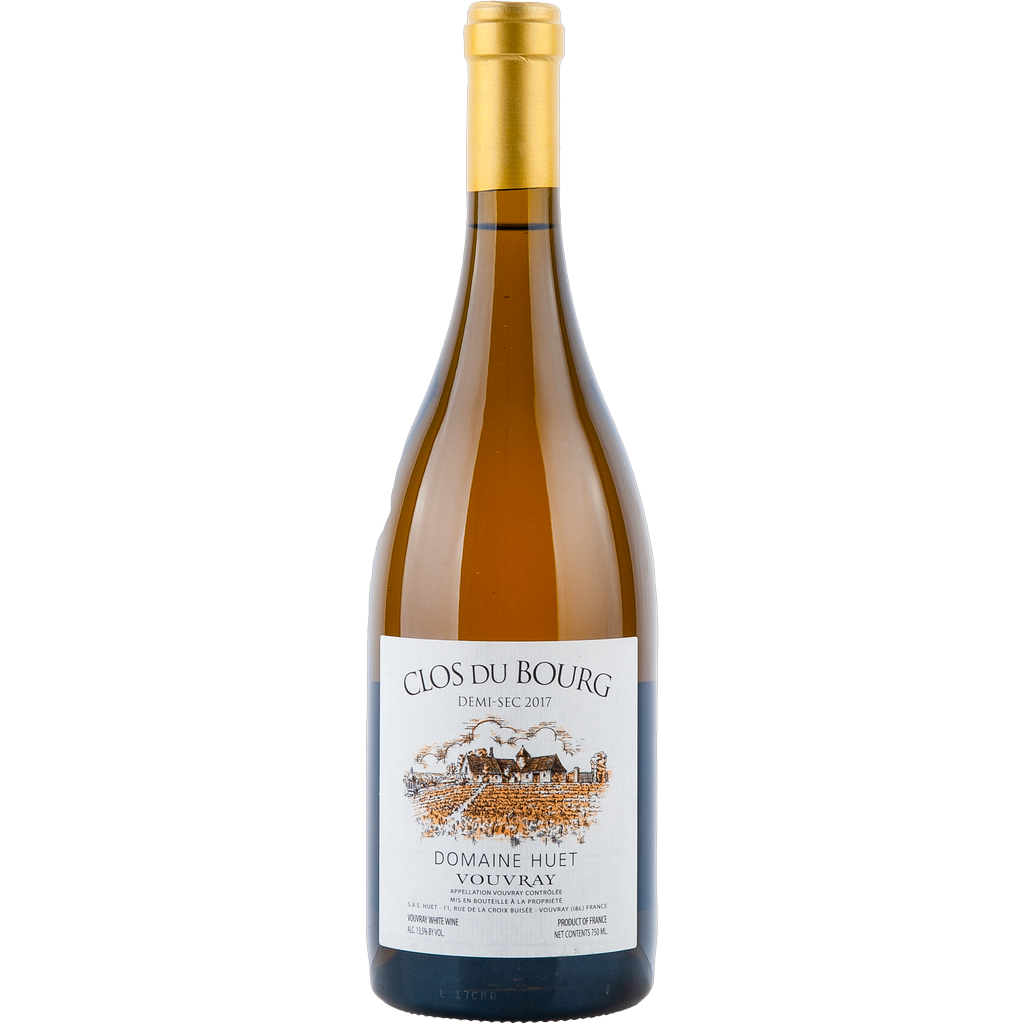
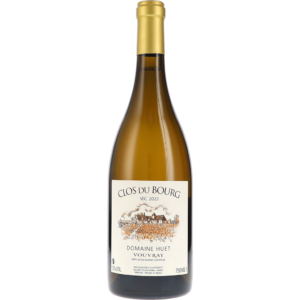
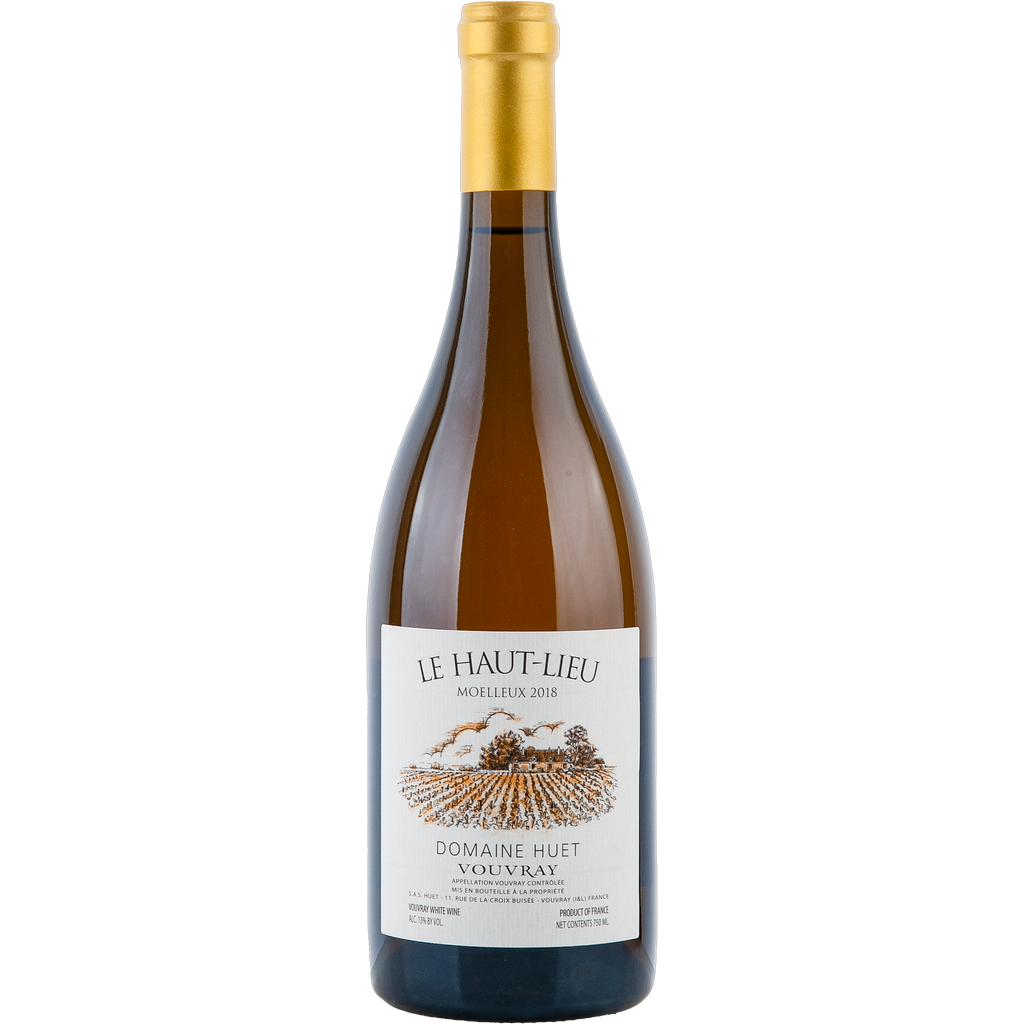
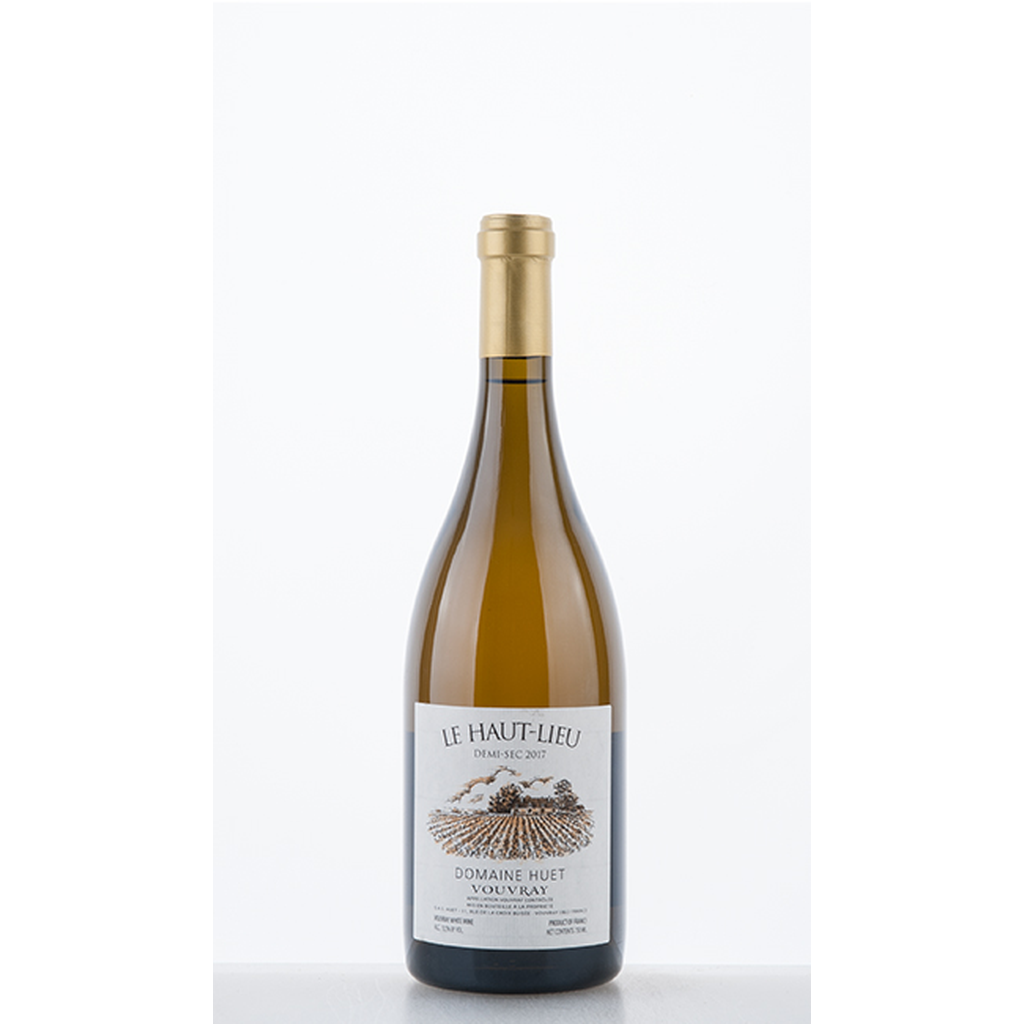
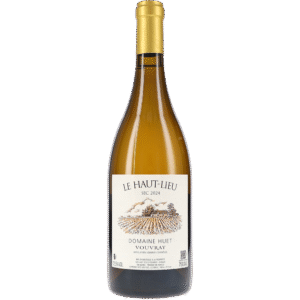
Domaine Huet in Vouvray holds three vineyards on the Première Côte in sole ownership: Le Haut-Lieu, Le Mont and Clos du Bourg, all planted with Chenin Blanc. Victor Huet founded the estate in 1928, his son Gaston Huet ran it for 55 years and converted it to biodynamic farming in the late 1980s; since 1993 the entire domaine has been Demeter-certified. Depending on the vintage, each vineyard yields several wines, ranging from dry Sec to lusciously sweet Moelleux. Benjamin Joliveau has been responsible for the wines since 2020. They age in the tuffeau-stone galleries above which Le Mont rises.
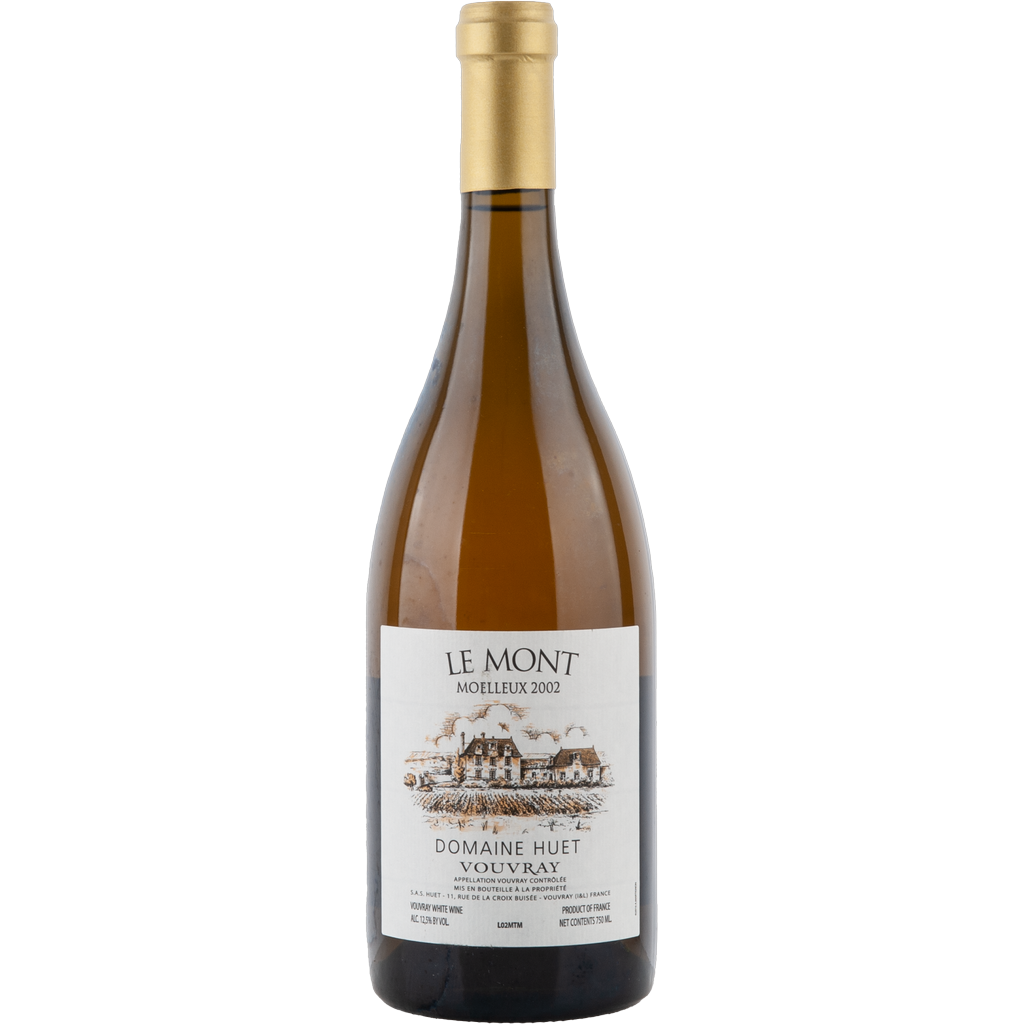
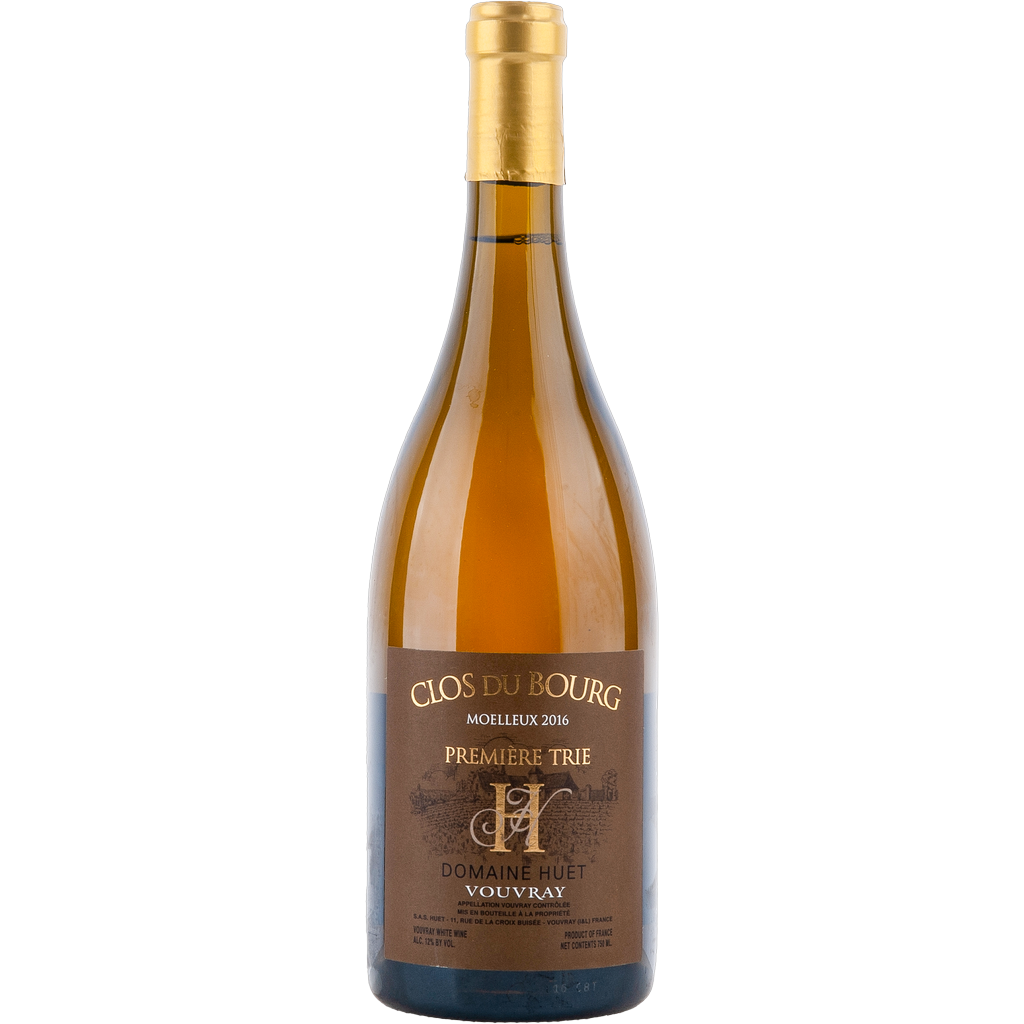
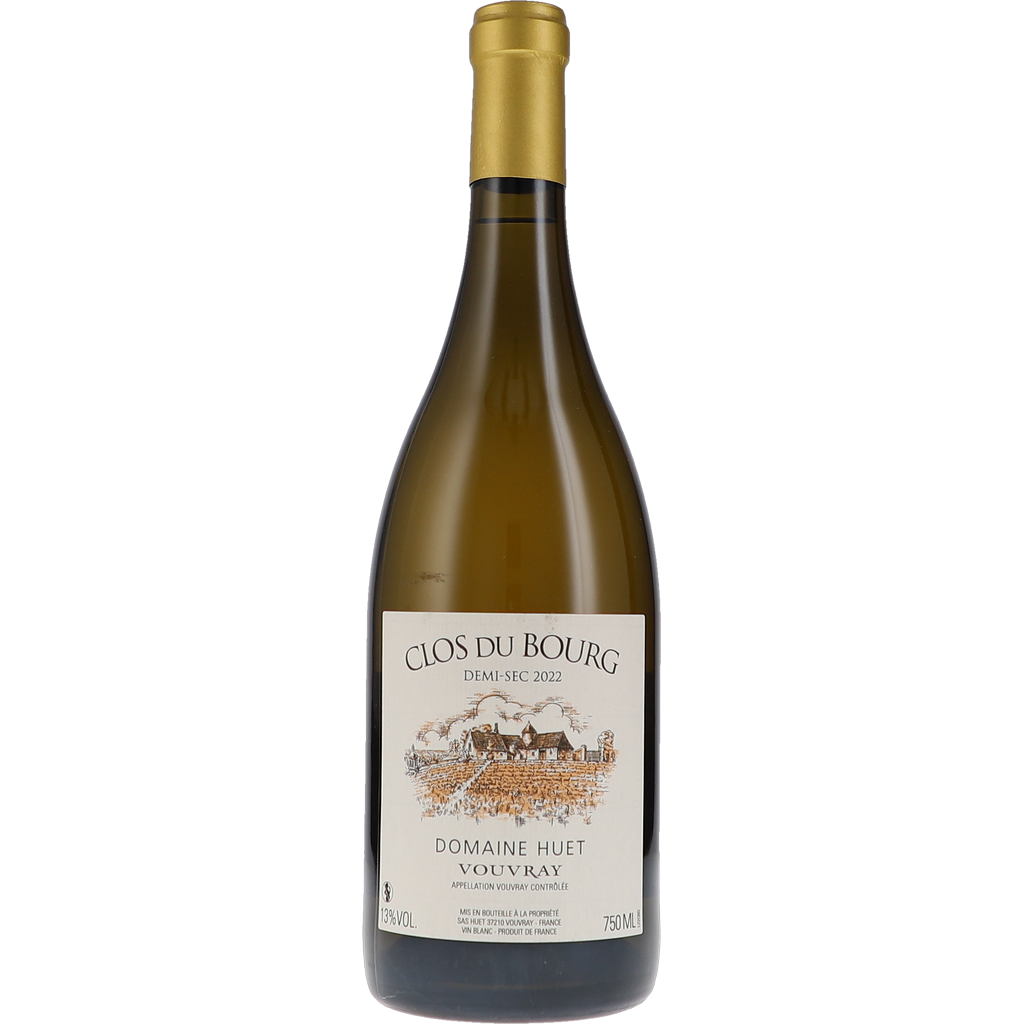
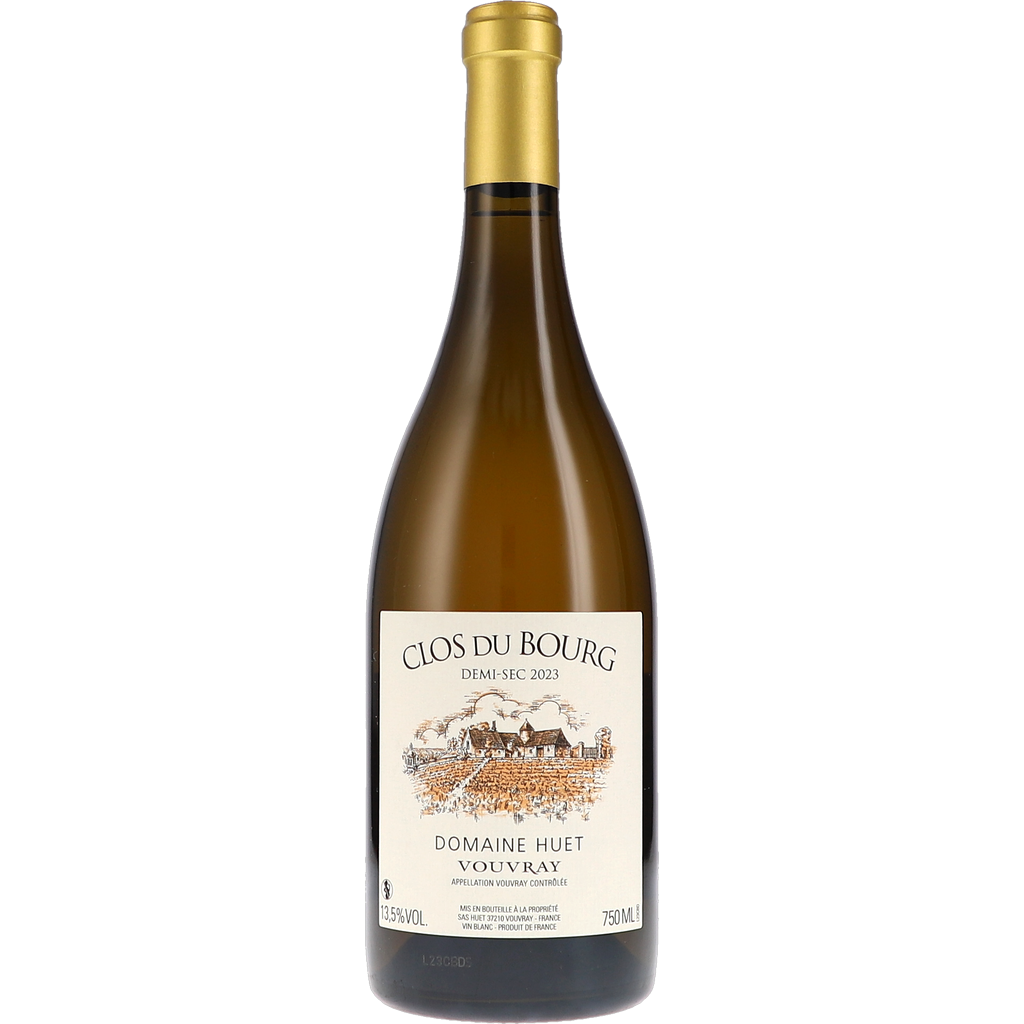
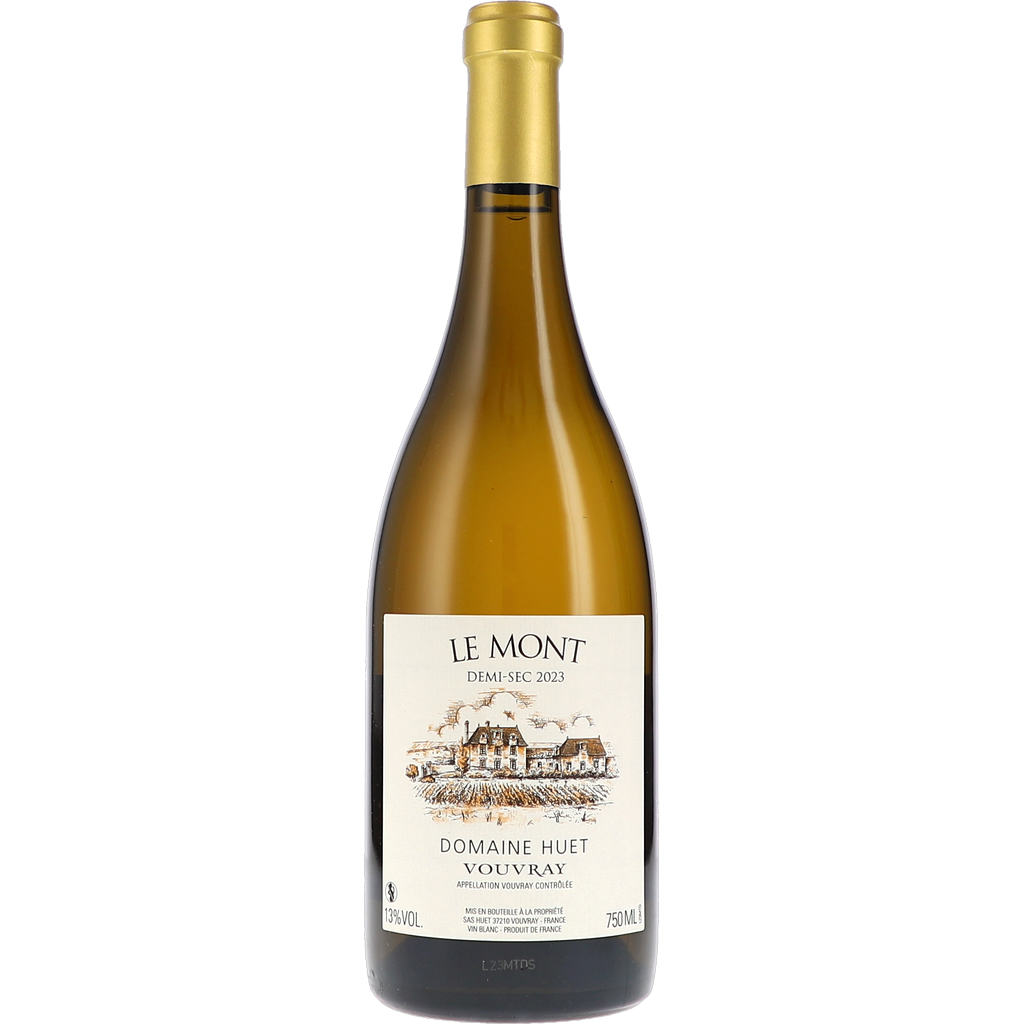
Victor and Gaston Huet in Vouvray
Victor Huet ran a bistro in Paris until the First World War destroyed his lungs. In 1928 he moved to the Loire, buying in Vouvray the property that forms the estate today, along with the vineyard Le Haut-Lieu. His son Gaston Huet took over in 1937, spent five years as a prisoner of war in Germany, and went on to shape the domaine for 55 years. He acquired Clos du Bourg in 1953 and Le Mont in 1957, the last of the three vineyards.
The three terroirs of the Première Côte
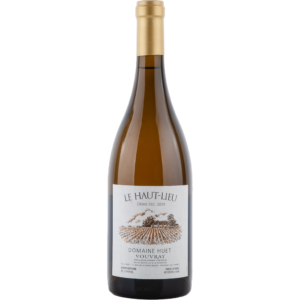
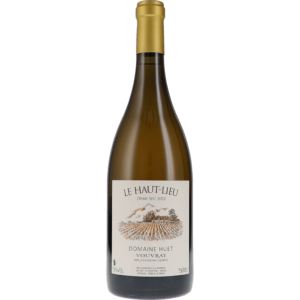
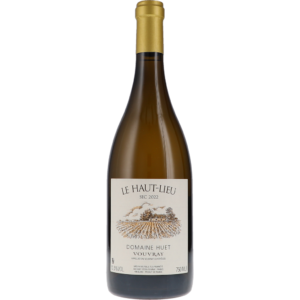
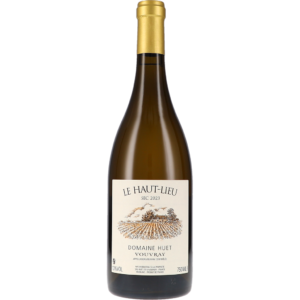
Le Haut-Lieu, the founding vineyard, lies on the plateau of Vouvray. Its topsoil of deep brown clay with flint and chalk is called Aubuis here, while the yellow tuffeau limestone beneath begins at a depth of four metres. Clos du Bourg, above the church of Vouvray, covers six hectares behind an old stone wall that gives the vineyard its name. The plot is first mentioned in the 7th century and ranks among the oldest grand cru plots in France. Its flat soil consists of clay with inclusions of flint and chalk, and the vines reach the Turonian tuffeau after just one metre. Gaston Huet considered Clos du Bourg to be the greatest vineyard in Vouvray.
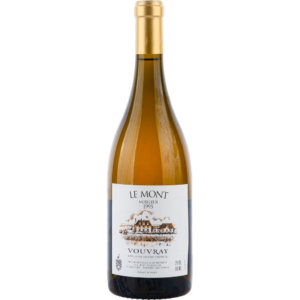
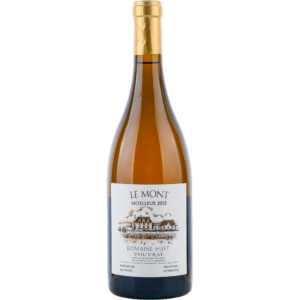
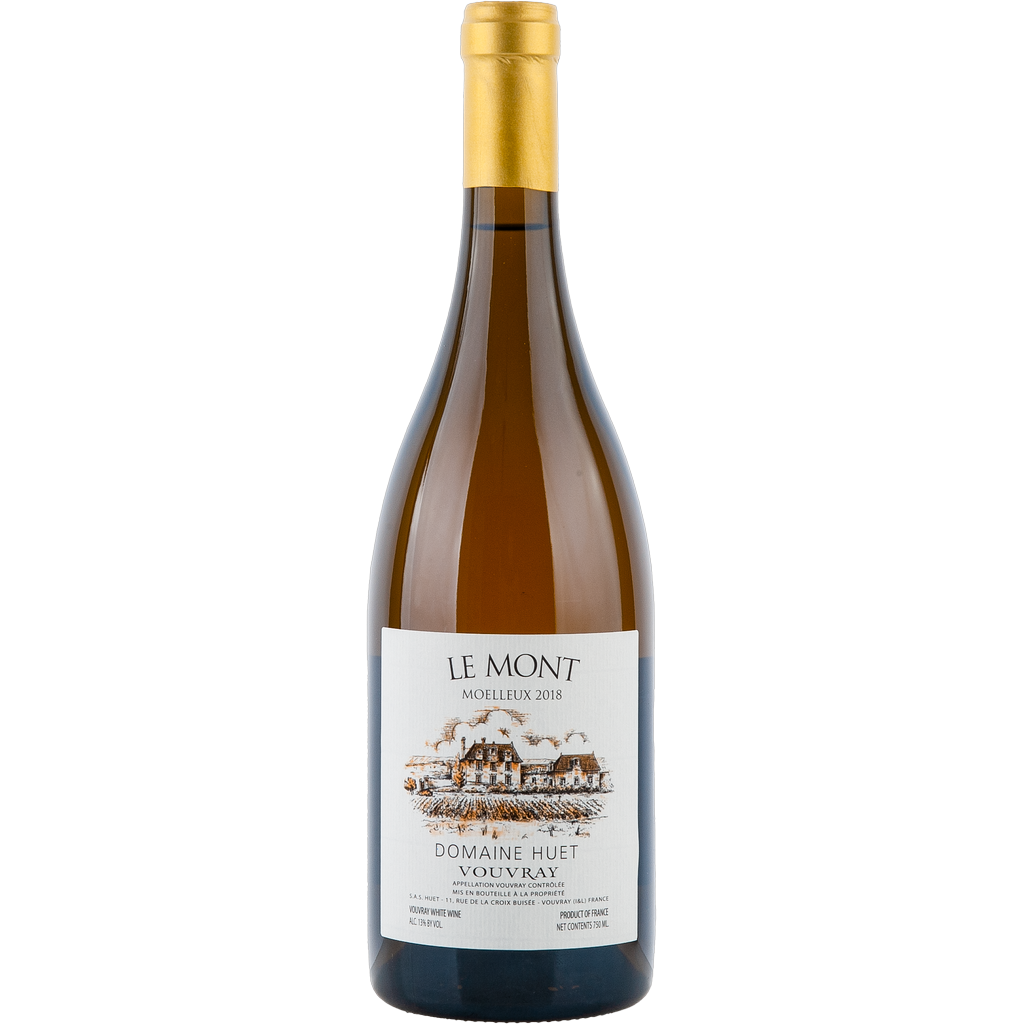
Le Mont, nine hectares east of the estate, faces south and sits directly above the historic tuffeau-stone cellars. The topsoil runs several metres deep and consists of deep green clay with flint, some pieces fist-sized, known here as Perron. Beneath lies the Turonian tuffeau limestone. This vineyard has been noted and prized since the 15th century.
Biodynamics and Demeter since 1993
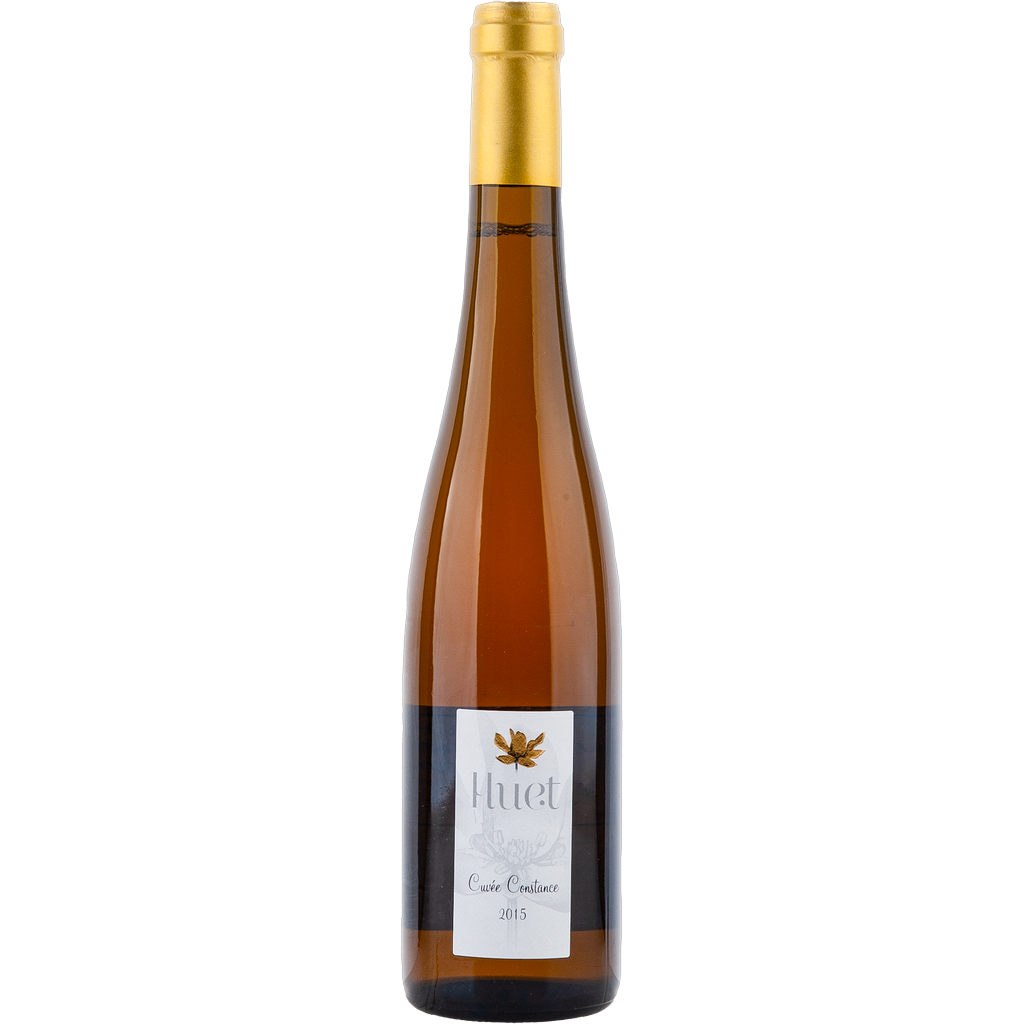
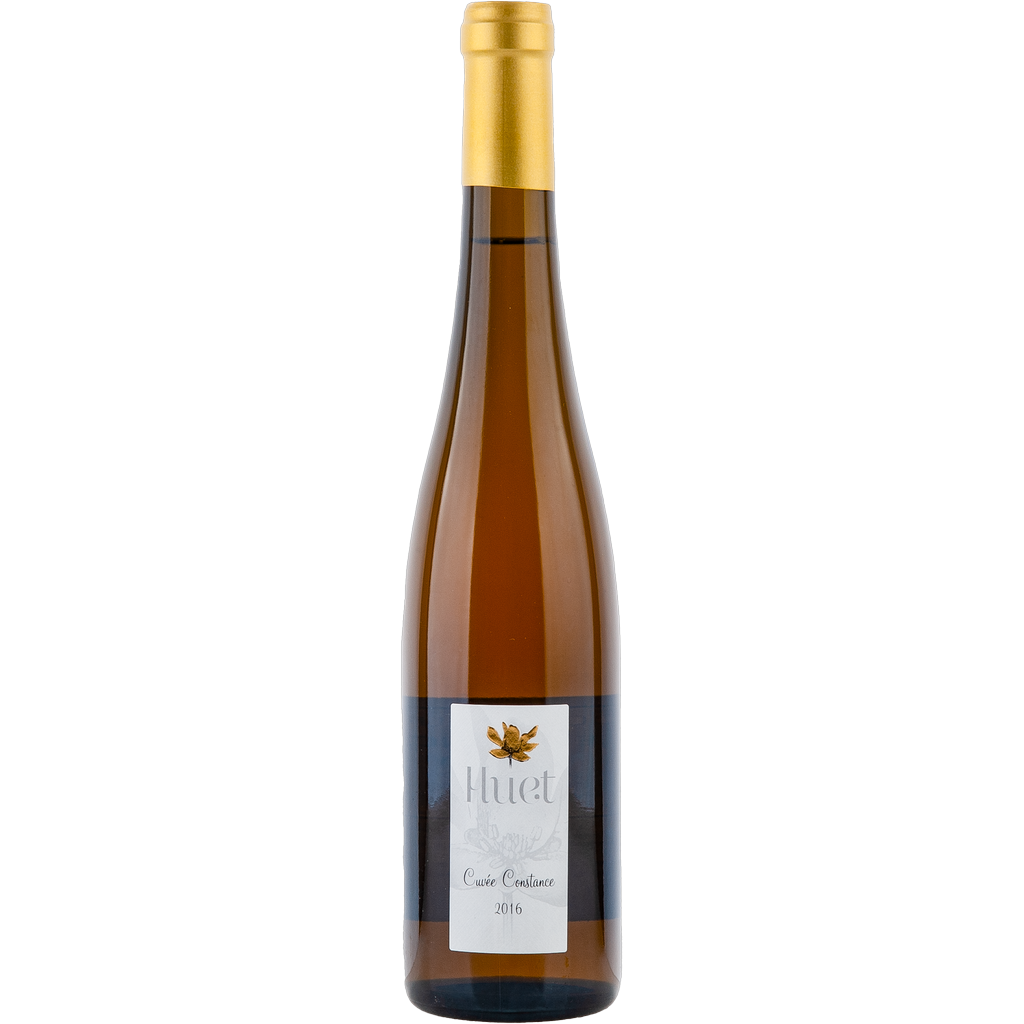
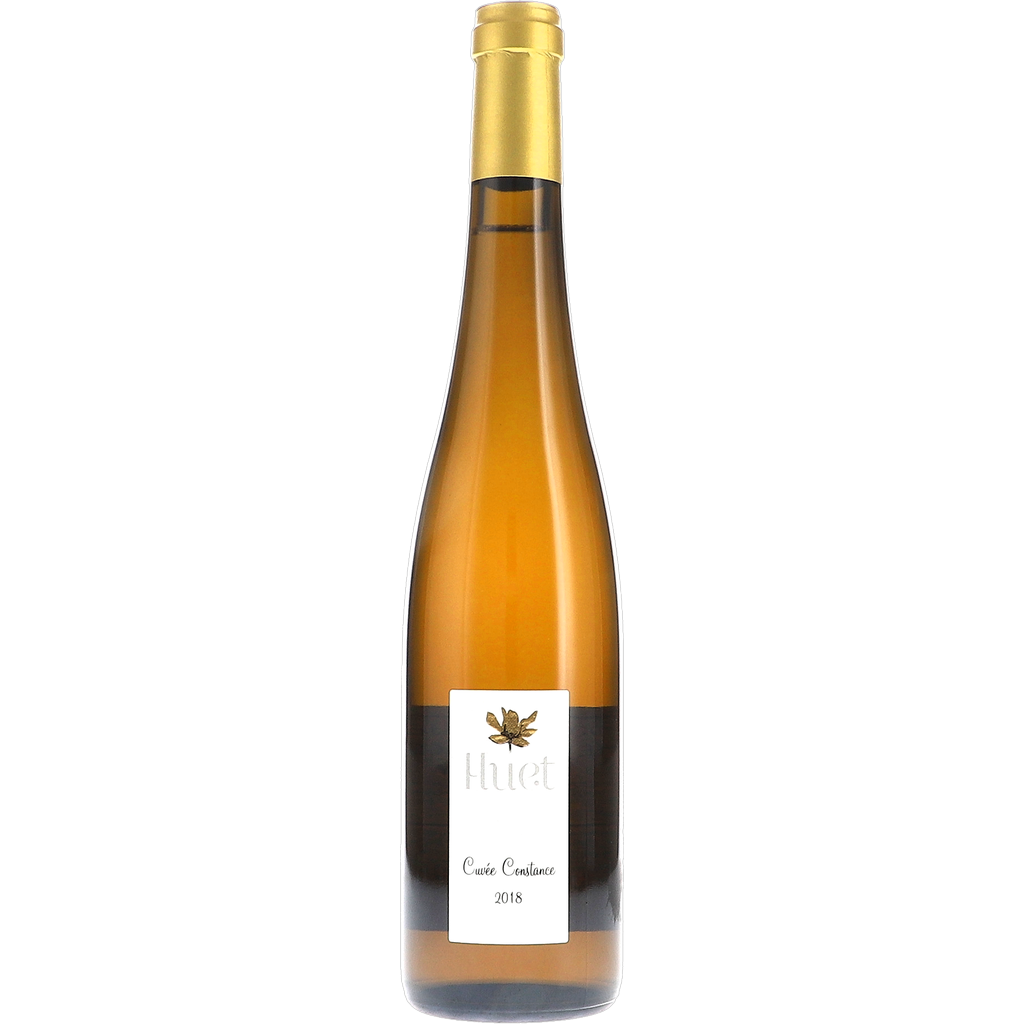
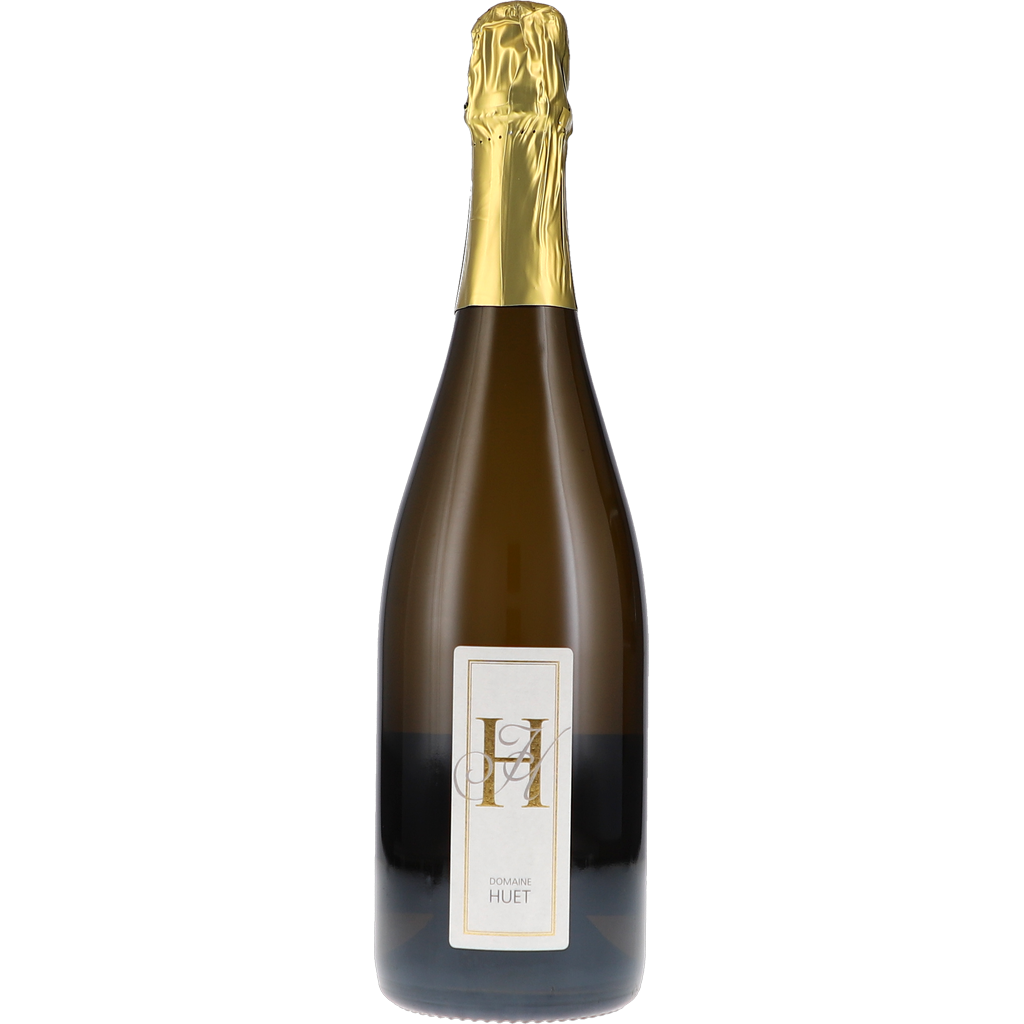
Gaston Huet introduced biodynamic farming in the late 1980s, and since 1993 the entire Domaine Huet has carried Demeter certification, making it an icon of biodynamic viticulture on the Loire. How much sweetness remains in the wines is decided by autumn: each vineyard is picked in several passes, and noble rot develops whenever the weather allows. In exceptional years, a Moelleux 1ère Trie joins the Sec, Demi-Sec and Moelleux. All three vineyards contribute to the Vouvray Pétillant Brut, and since 1989 Huet has bottled the Cuvée Constance in outstanding years.
Benjamin Joliveau and the rock-cut cellars
Since 2003 Domaine Huet has belonged to Anthony Hwang of New York; today his children Sarah and Hugo Hwang run the estate. That same year, Benjamin Joliveau, a native of Vouvray, started here as a casual hand; he trained under Jean-Bernard Berthomé, worked alongside Noël Pinguet, Gaston Huet's son-in-law, and has held full responsibility for the wines since 2020. "Chenin Blanc stands for fruit expression paired with natural acidity," he says.
The wines are raised in the deep rock-cut cellars, where the temperature stays constant throughout the year, in neutral vessels and with plenty of time. From Aubuis and Perron soils above the tuffeau, the Chenin Blanc brings quince and chamomile, backed by an acidity that carries these wines across decades.