Clau de Nell
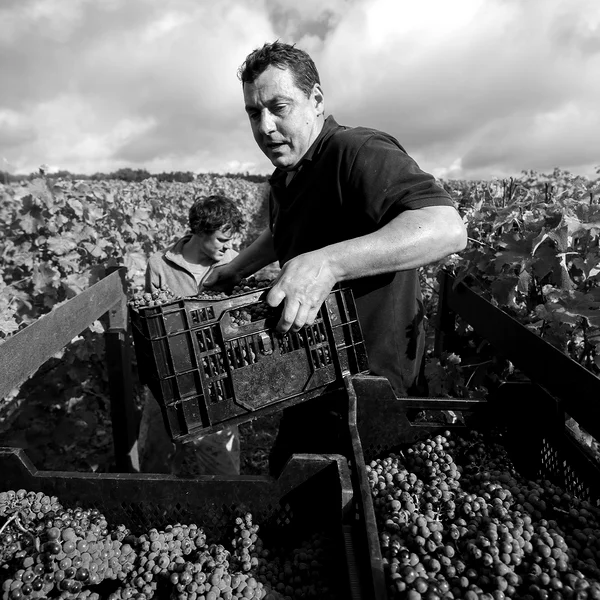
Clau de Nell is located in Ambillou-Château in Anjou, farming old vines on sandy gravel and red flint over tuffeau. Anne-Claude Leflaive from Burgundy found the estate in 2006 on a journey through the Loire, where she was looking for biodynamic projects. The vines there had been farmed biodynamically since 2000, but no wine had been made for three years. In 2008 she acquired the estate with her husband Christian Jacques; after her death in 2015, Christian Jacques and estate manager Sylvain Potin have carried on the work. The average vine age stands at sixty years, and yields remain below 30 hectoliters per hectare.
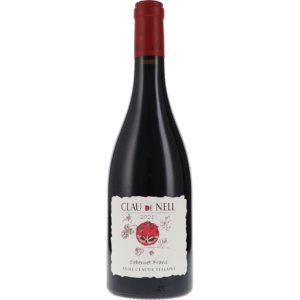
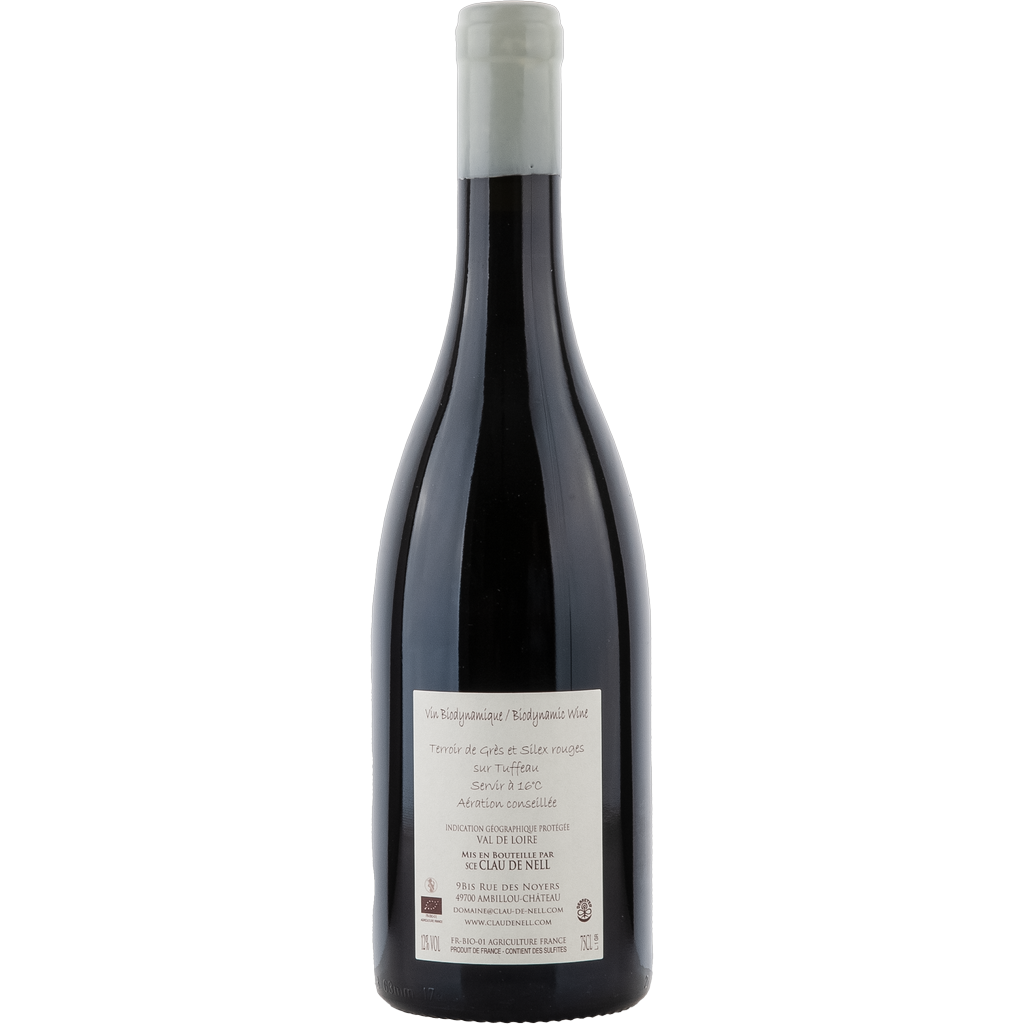
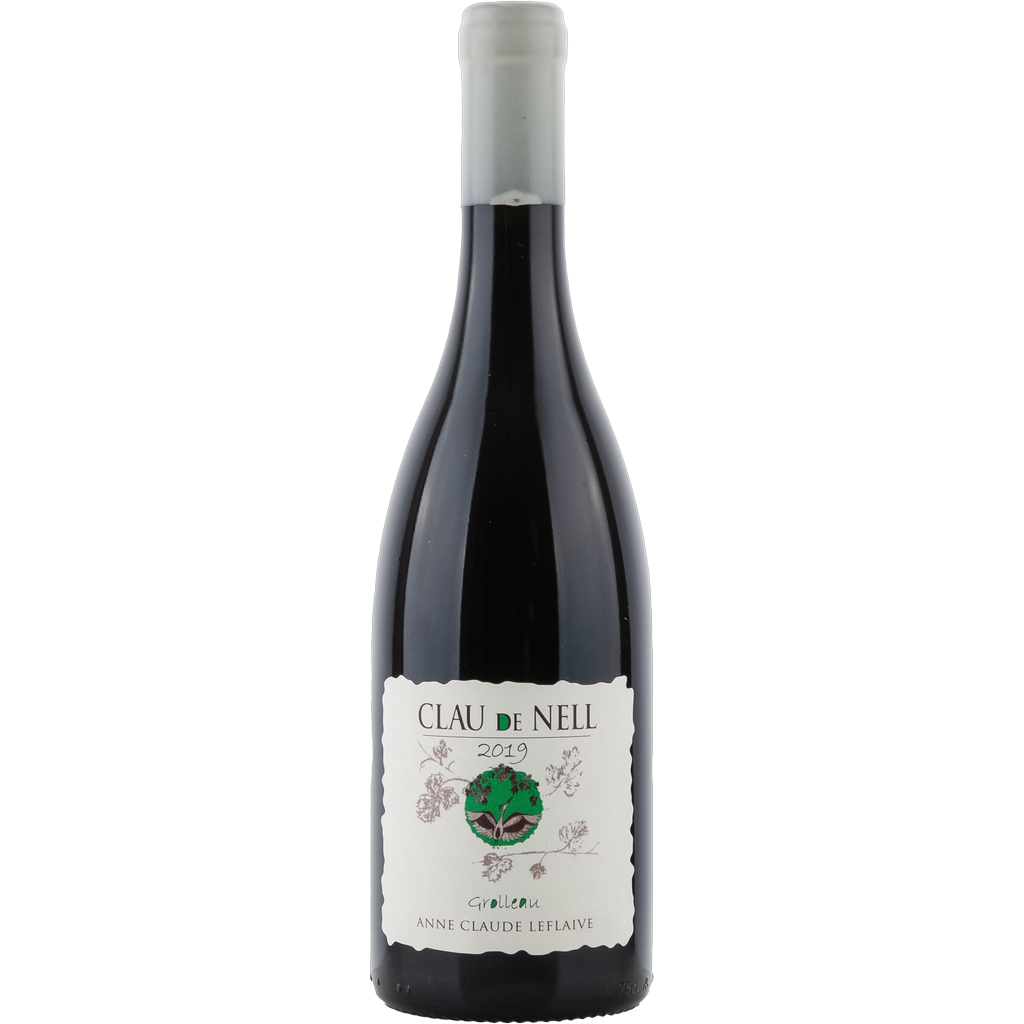
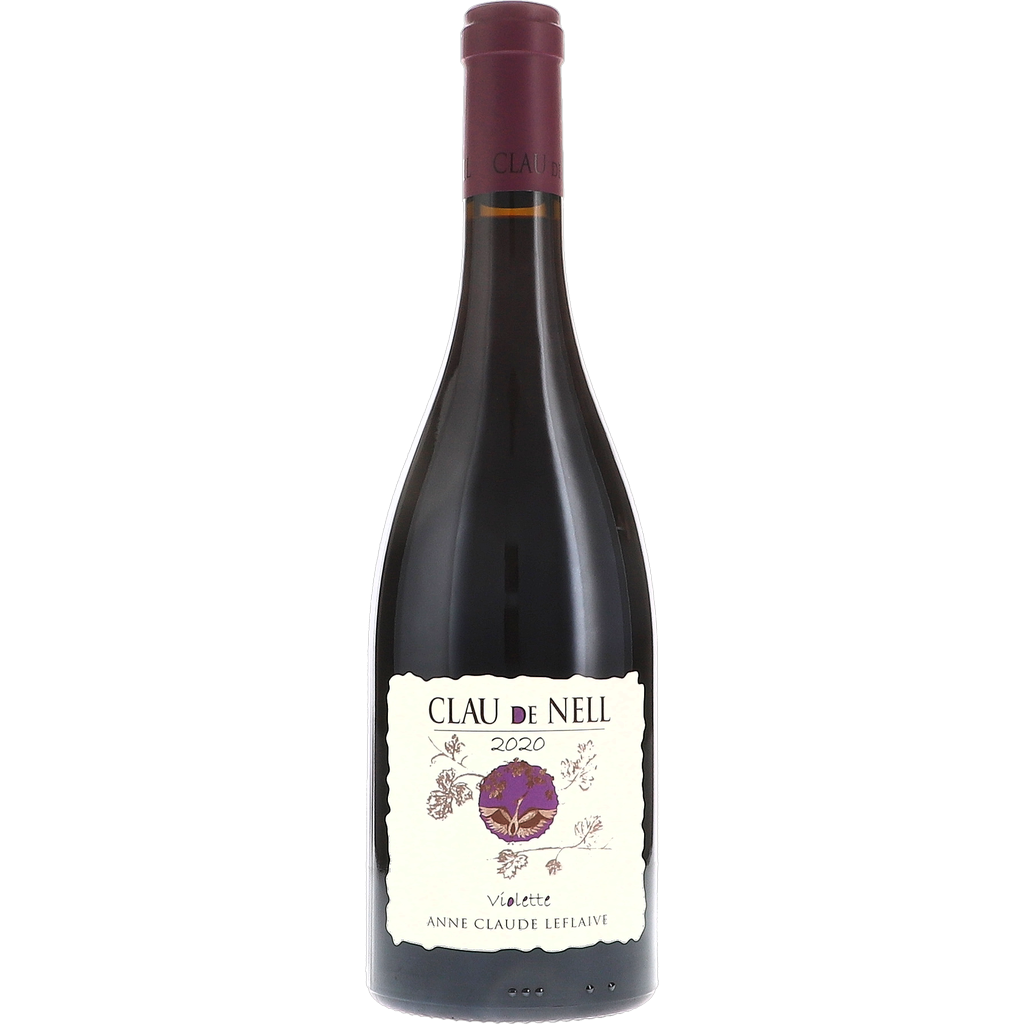
Ambillou-Château in Anjou
Ambillou-Château lies in Anjou, ninety meters above sea level and around 120 kilometers from the Atlantic. Days turn warm, nights cool down, and this shift preserves the acidity in the grapes. Beneath the plots lies tuffeau, topped by sandy gravel and red flint. In these soils are rooted vines, some of which are over a hundred years old.
Anne-Claude Leflaive and Christian Jacques
No wine had been made in Ambillou-Château for three years when Anne-Claude Leflaive traveled through the Loire in 2006, searching for biodynamic projects. The winemaker from Burgundy found old vines here on tuffeau, farmed biodynamically since 2000. In 2008 she acquired the estate together with her husband Christian Jacques. The name Clau de Nell recalls the previous owners, Claude and Nelly Pichard, and the work began anew with Cabernet Franc from sixty-year-old vines and with Chenin Blanc. Anne-Claude Leflaive died in 2015; Christian Jacques has run the estate ever since with Sylvain Potin.
Sylvain Potin, estate manager since 2009
Sylvain Potin worked as a sommelier before coming to Clau de Nell in 2009 as estate manager. He sums up what guides him in one sentence: "For us, it's about always trying to be more precise." In the vineyard, he continues the biodynamic work begun here in 2000, eight years before Anne-Claude Leflaive's purchase. In the wines, his sense of balance shows through, giving them a lean, finely structured form.
The grape varieties and their wines
Cabernet Franc covers five hectares, the largest area, followed by 4.5 hectares of Chenin Blanc, two hectares of Grolleau and one hectare of Cabernet Sauvignon. The old vines bear little fruit and yield concentrated grapes.
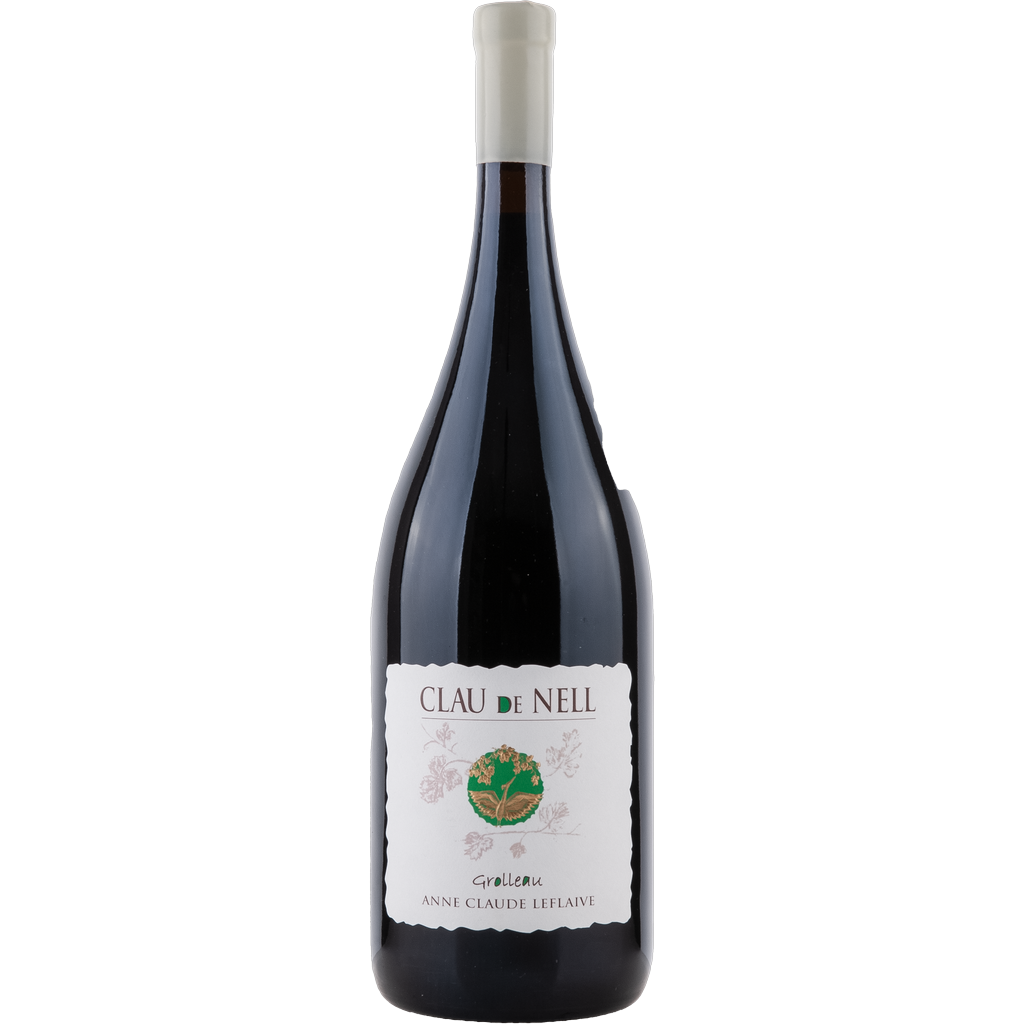
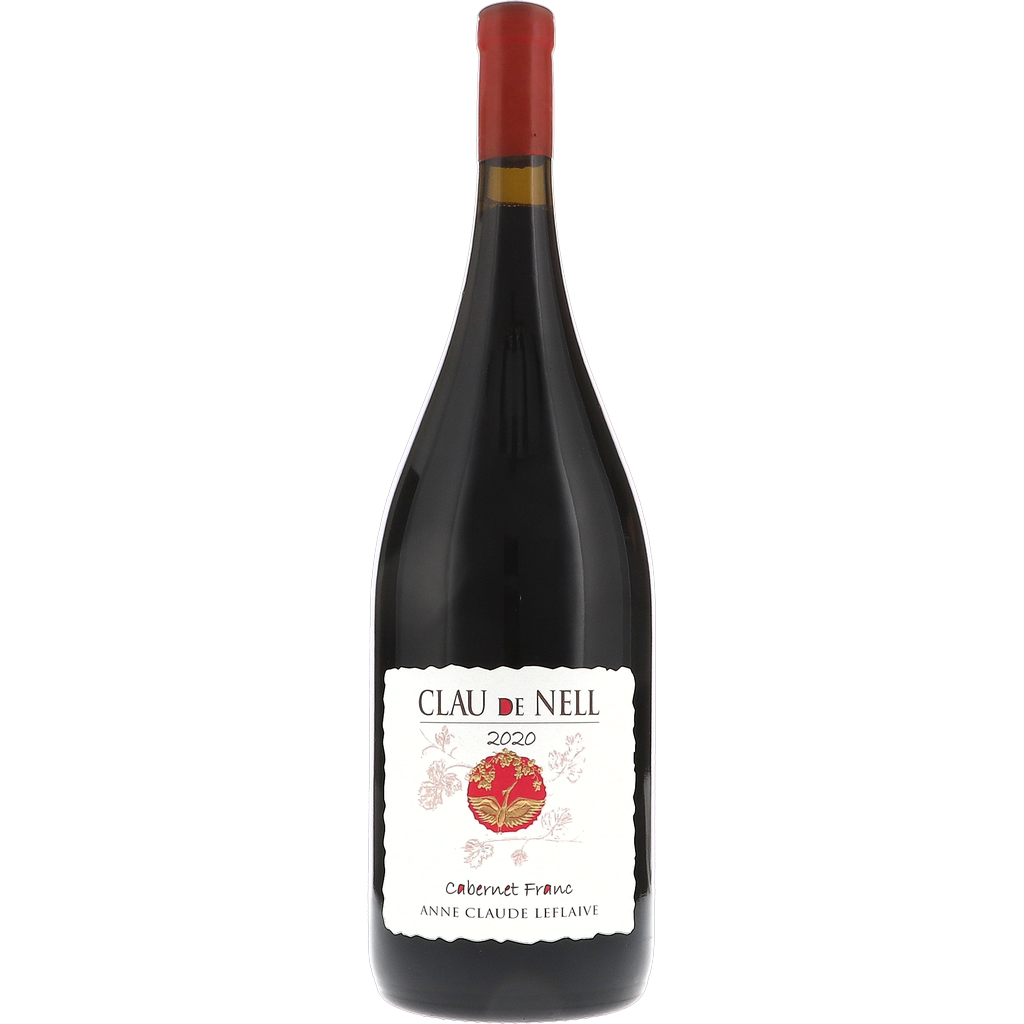
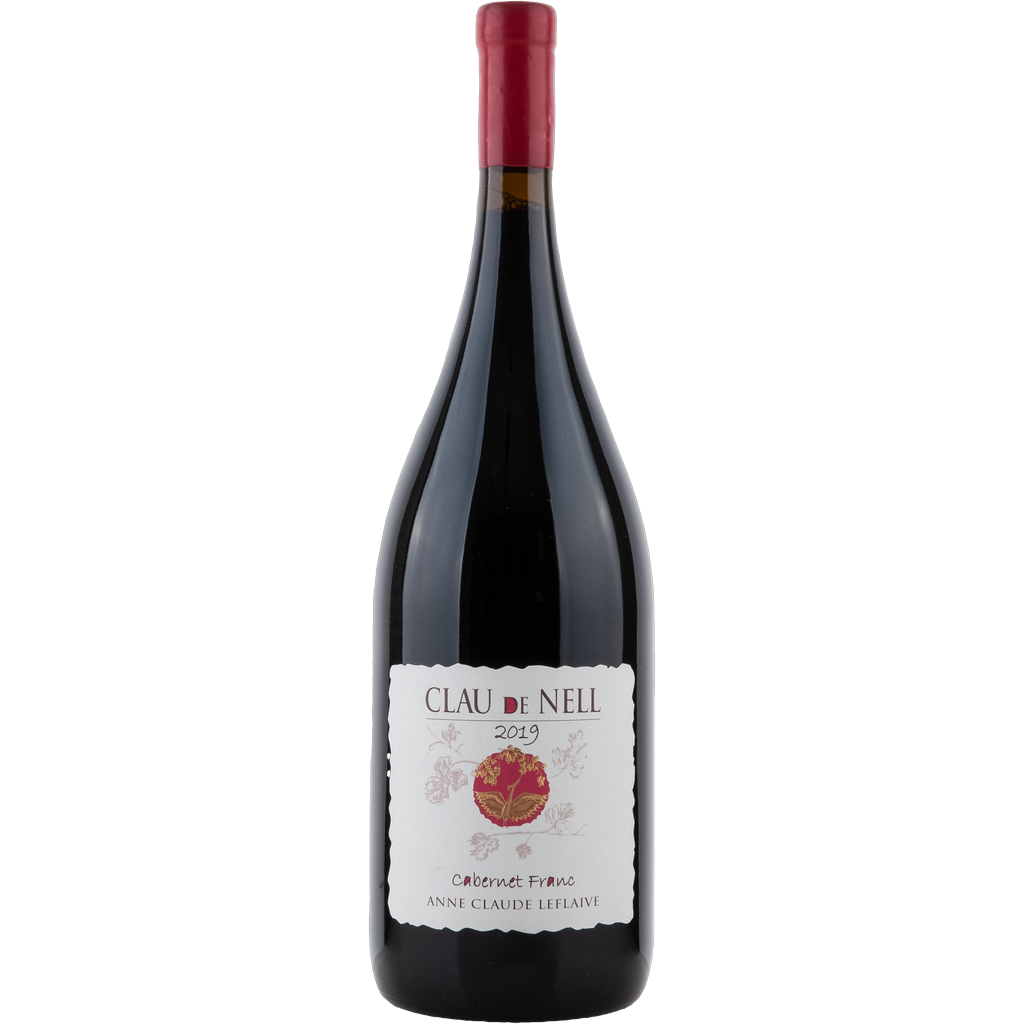
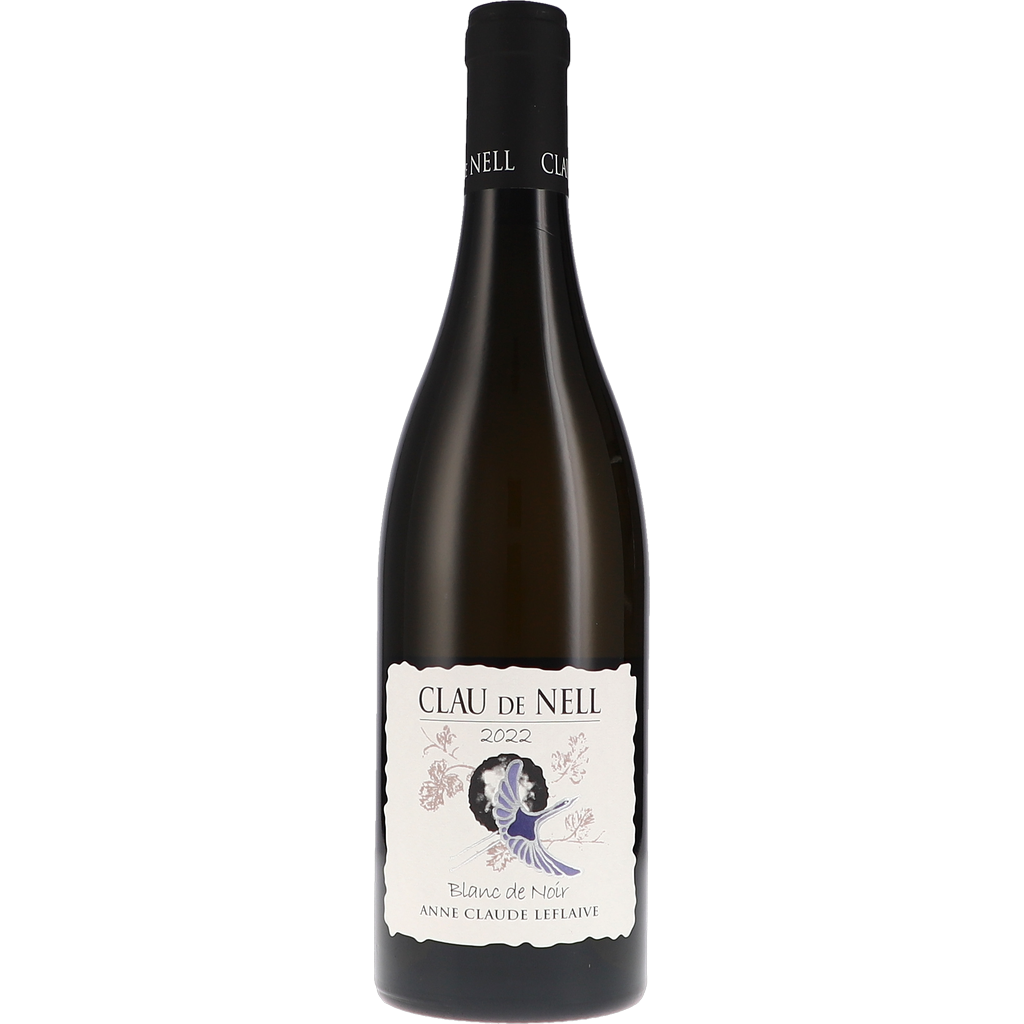
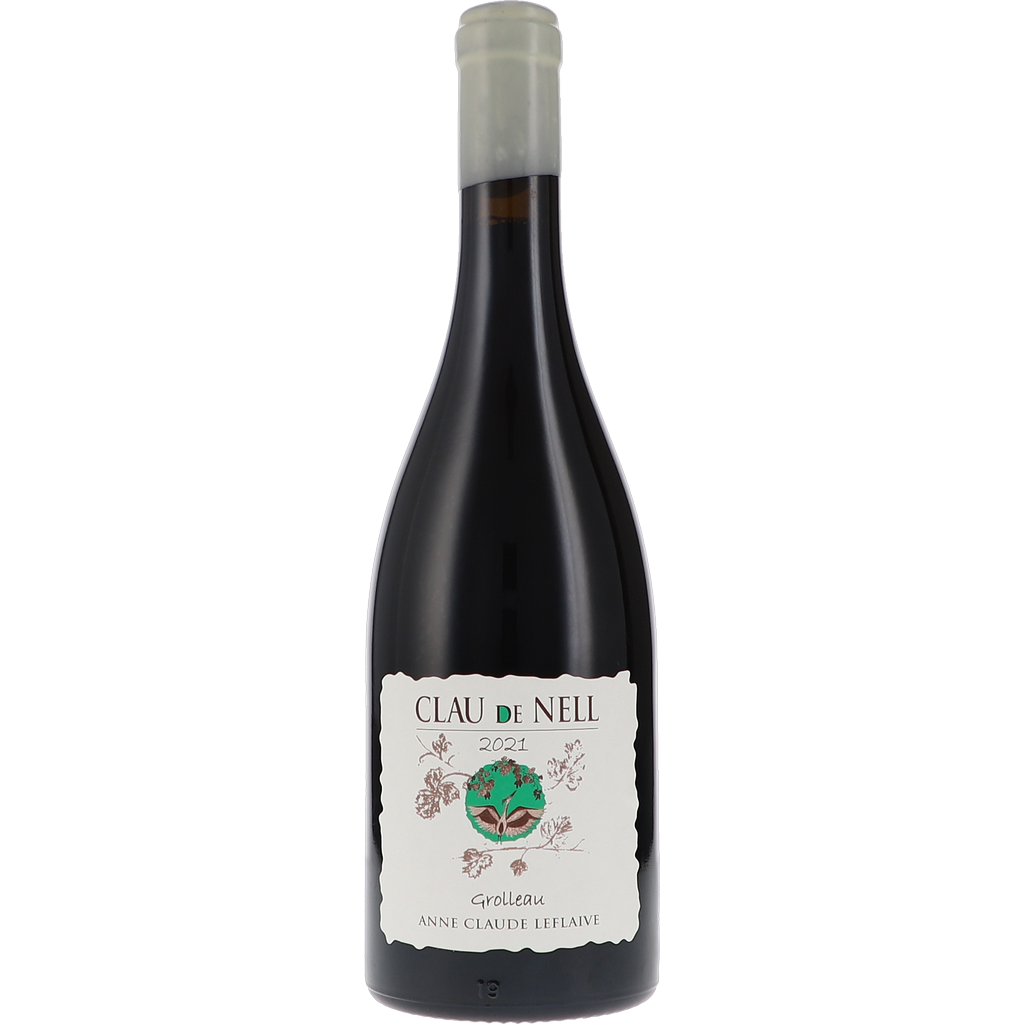
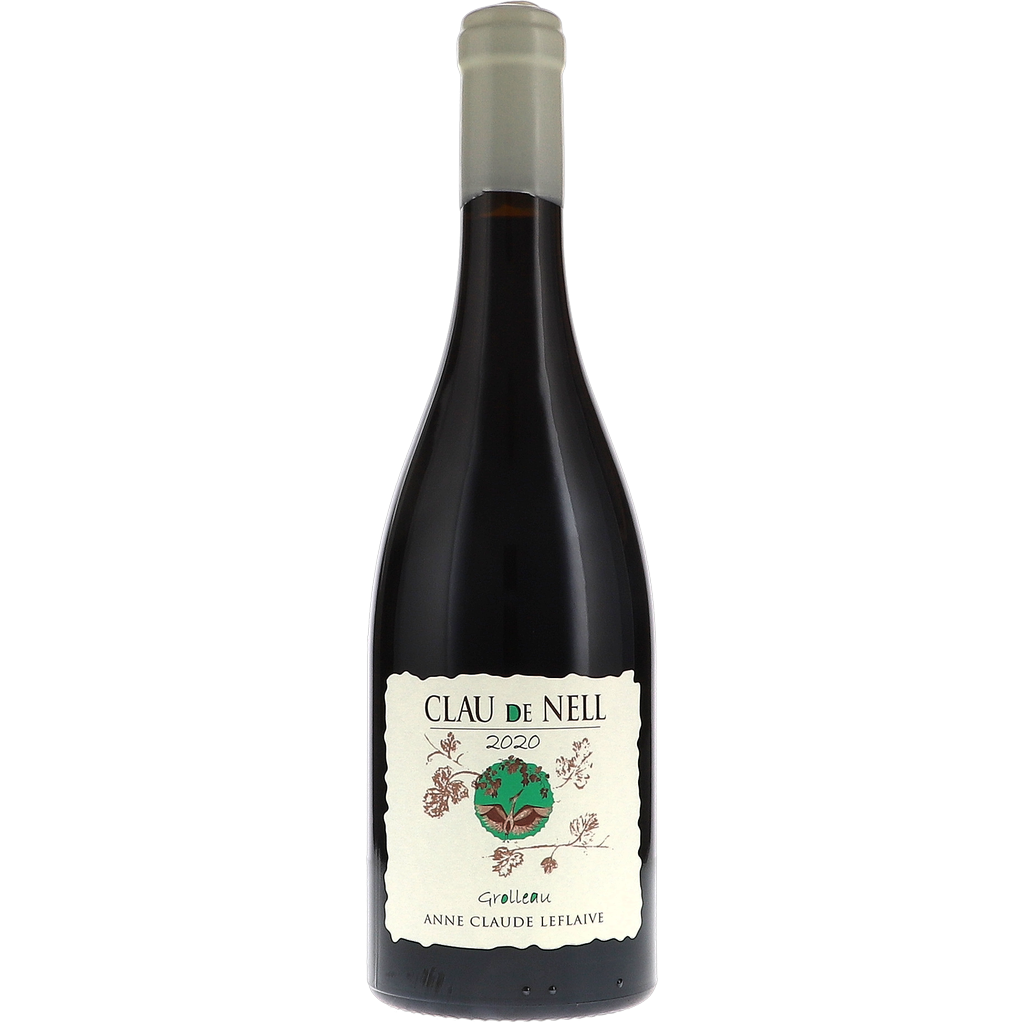
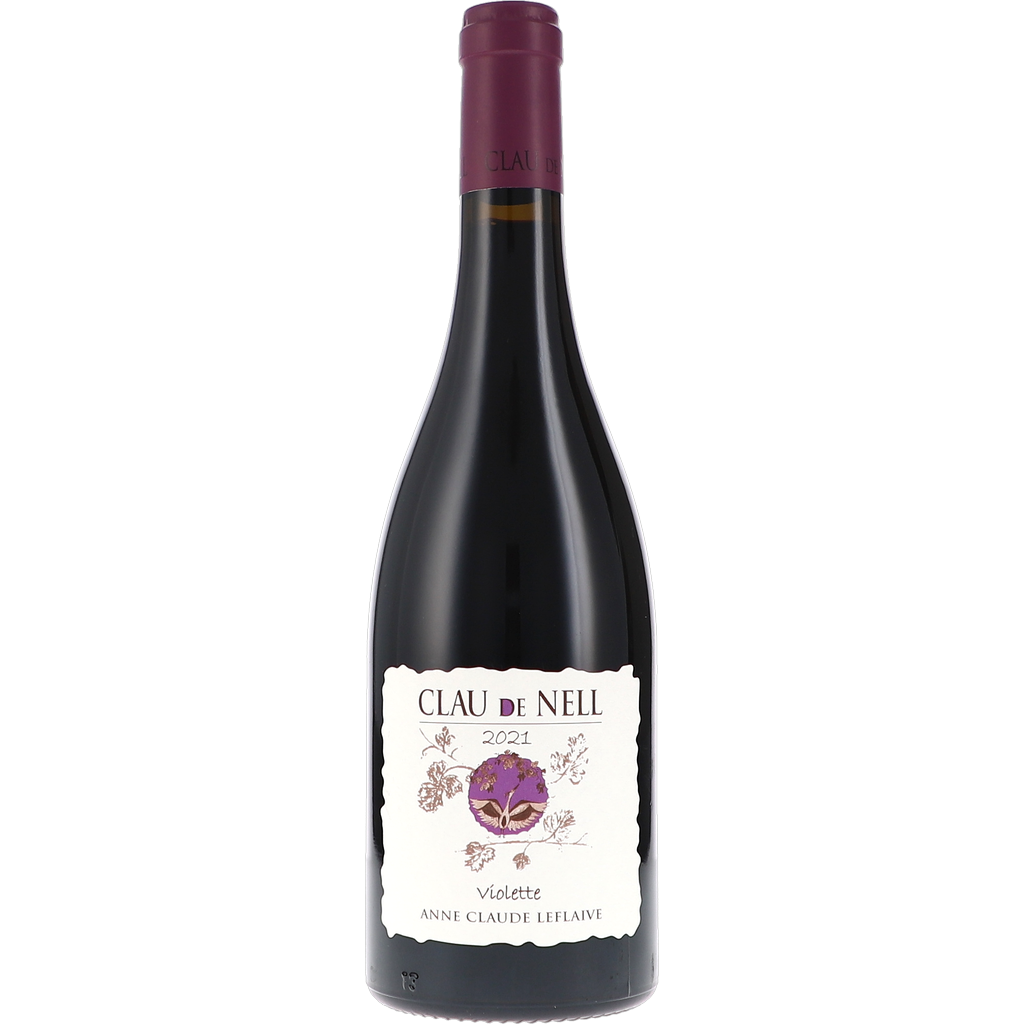
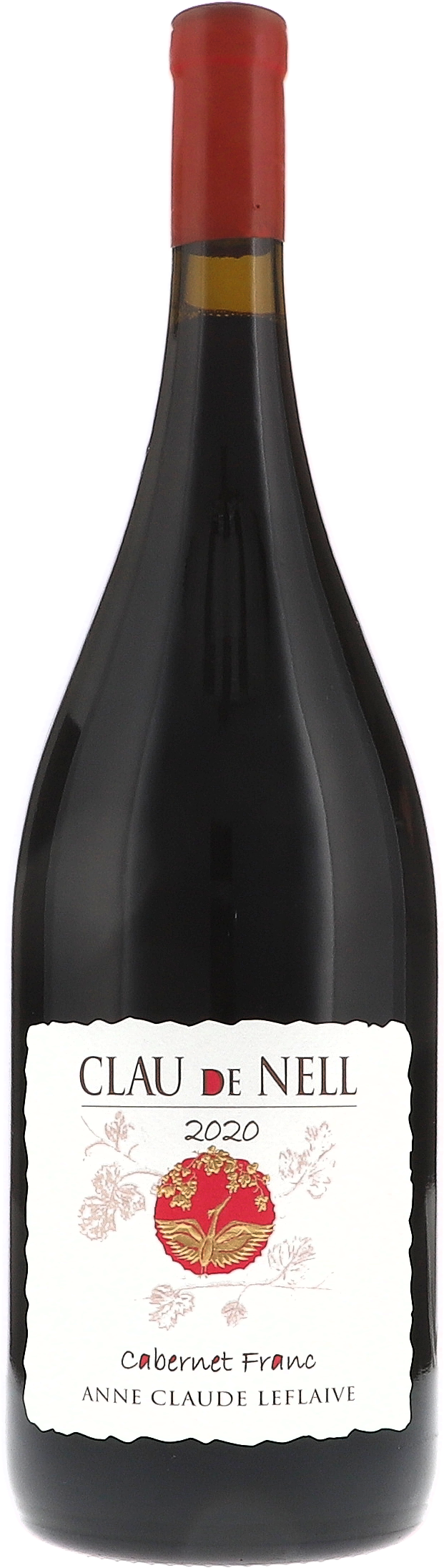
The Cabernet Franc shows dark fruit and silky tannin. In the cuvée Violette, Cabernet Franc and Cabernet Sauvignon come together, giving the wine added depth. The Grolleau appears as its own wine under the IGP, and since 2021 the Blanc de Noir has joined the range as a fifth cuvée, a white wine pressed from Cabernet Franc.