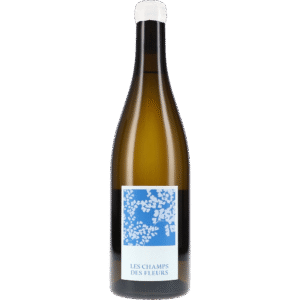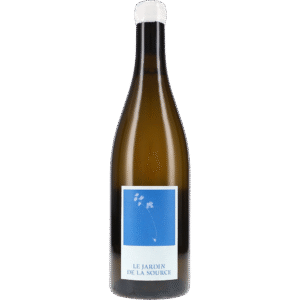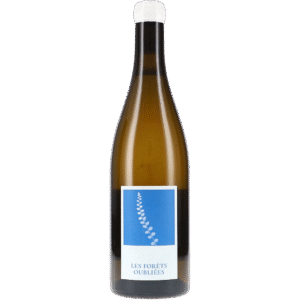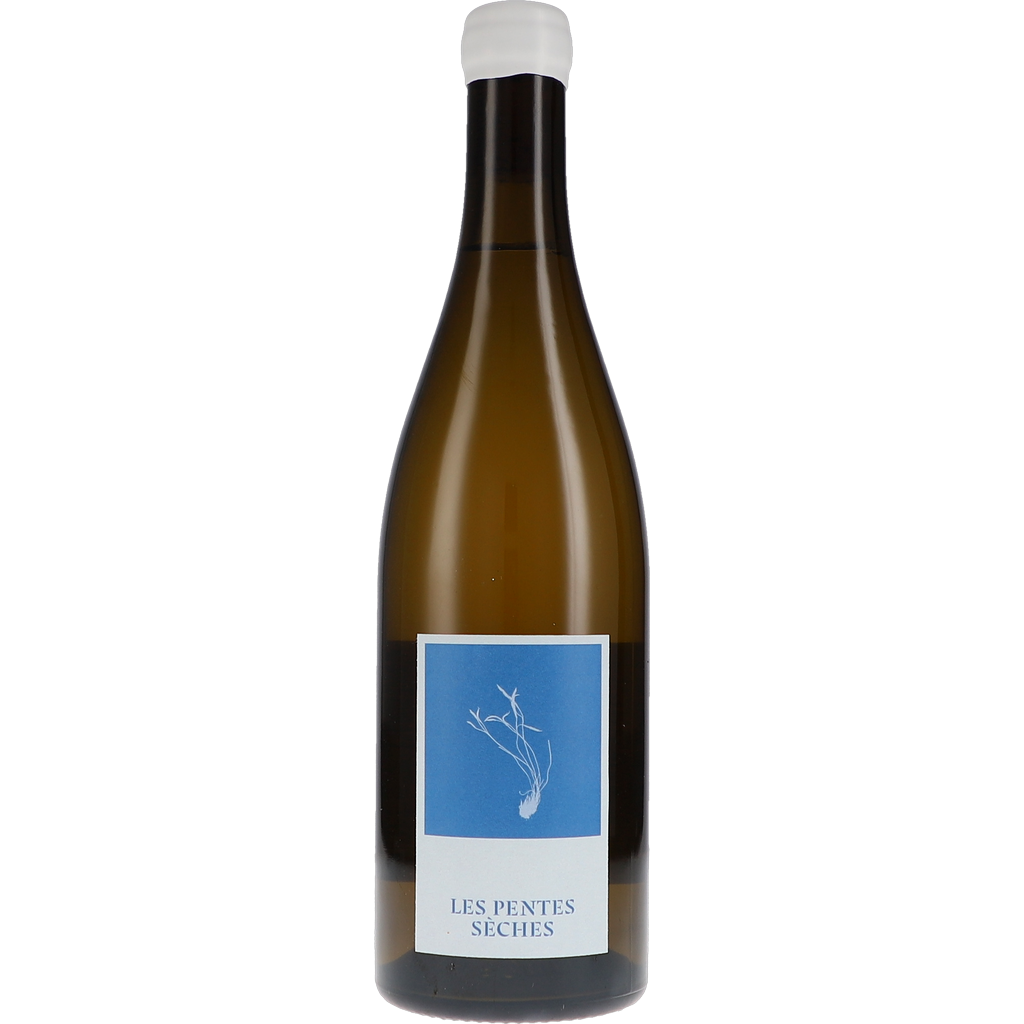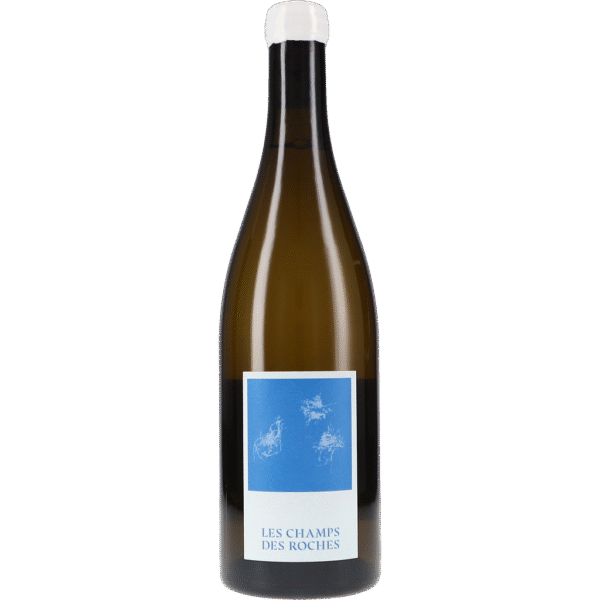
Les Champs des Roches VdF 2024
Les Champs des Roches is a dry Riesling from Zellenberg in Alsace, grown on a shallow layer of gravel over Oligocene limestone.
CHF 34.50
Prices in CHF, including customs duty and all import charges, plus shipping CHF 15 (free from 12 bottles or CHF 300) — no further charges on delivery.
Available for Switzerland
✓ On your wishlist. — View wishlist
About this wine
Character
A Riesling that holds back its fruit in youth and instead reveals structure: pale, crystal-clear yellow with silvery highlights, clear acidity, dry at 12.0% ABV.
Terroir and origin
At the eastern foot of the hill of Zellenberg lies a small rise of gravel deposits, known as Burgreben – the end of the moraine formed in the Vosges during the Mindel glaciation. At 230 metres of altitude, a gravel layer only 25 centimetres deep sits over Oligocene limestone, surrounded by heavy limestone-marl soils. Good drainage and an eastern exposure warm the soils quickly; the site ripens early and carries Riesling.
Grape variety and vinification
100 percent Riesling from vines with an average age of 45 years. Harvest is determined by pH 3.2, not by must weight. Paul McKirdy, fourteen years cellar master at Zind-Humbrecht, presses the grapes for eight hours in a hydraulic wooden press, a technique borrowed from Champagne. The must ferments spontaneously in old Burgundy barrels, with no added sulphur and no oenological aids.
On the palate
Mineral notes come first: crushed stone and seashells, alongside a hint of salty sea air. With oxygen, apricot, white peach and elderflower emerge. Elegant and filigree, the acidity precise and mouth-watering, the crystalline fruit staying in the background.
Food pairings
The pairing should be as purist and focused as the wine itself: oysters, sashimi or white fish ceviche, young Comté, green asparagus tips.
Special features
Since 2023, Jolene Hunter and Paul McKirdy have been making wine in Zellenberg on 3.5 hectares, with 14,000 vines per hectare, entirely by hand, producing a maximum of 25,000 bottles a year. It is bottled as Vin de France in Burgundy-style bottles rather than the traditional Alsace flute.