Hunter McKirdy
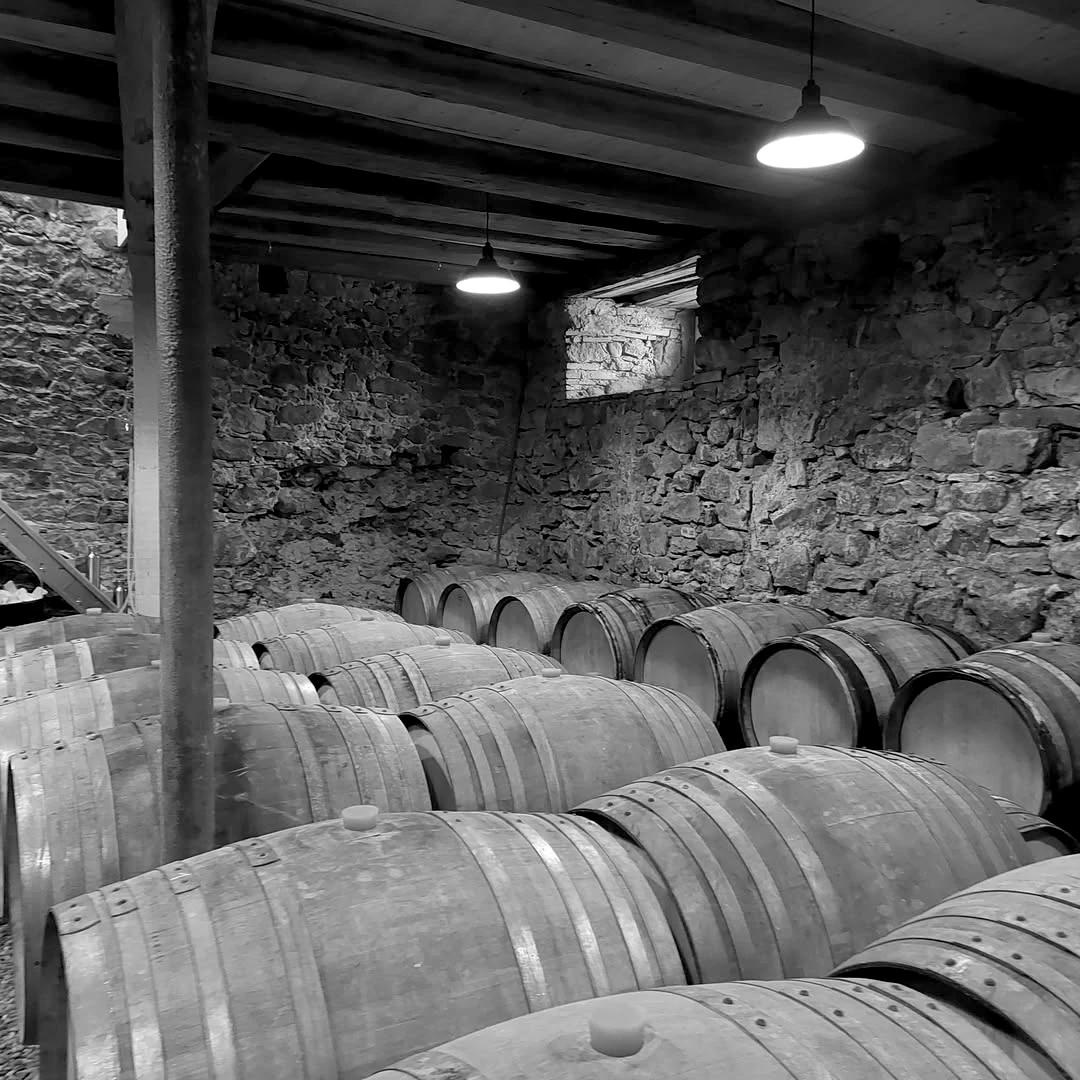
Hunter McKirdy farms 3.5 hectares of Jurassic limestone marl in Zellenberg in Alsace, with vines averaging 45 years of age. Paul McKirdy, a Scot, and Jolene Hunter, a South African viticulture expert, have vinified here under their joint names since 2023. The grapes are hand-harvested and pressed for eight hours in a hydraulic wooden basket press, the must ferments spontaneously in old Burgundy barrels, with no added sulphur. Harvest timing is determined by pH and acid ripeness, which keeps the wines at a constant 12.5% alcohol by volume. All the wines are released as Vin de France.
Paul McKirdy and Jolene Hunter in Zellenberg
For fourteen years, Paul McKirdy ran a cellar in Alsace as chef de cave, while Jolene Hunter oversaw its export business. In 2023, the Scot and the South African viticulture expert took over parcels in Zellenberg, the village between Riquewihr and Ribeauvillé, and have vinified under their joint names ever since. The 3.5 hectares lie on Jurassic limestone marl, the vines average 45 years of age, and with 14,000 vines per hectare, every task in the vineyard remains manual work.
The slopes west of the village
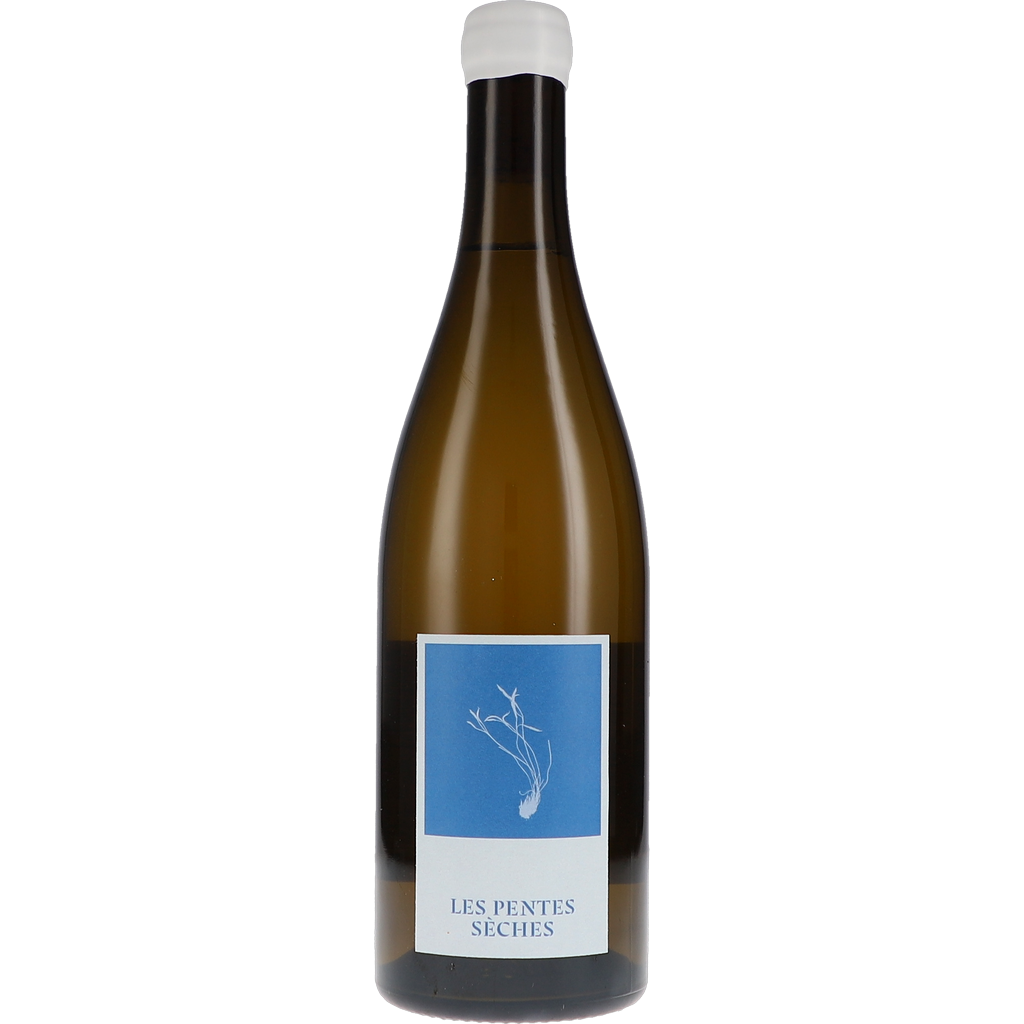
Les Pentes Sèches grows west of the village across three parcels in the lieux-dits Rimelsberg and Kronenburg, the latter part of the Grand Cru Schoenenbourg. The slopes face east and southeast, the wind dries them out, and the roughly 30-year-old vines root deep into the heavy marls of the early Jurassic; at 300 metres the nights cool down. The wine is one hundred percent Pinot Gris.
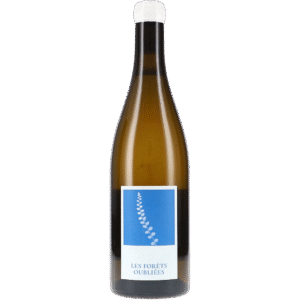
Les Forêts Oubliées comes from 30-year-old vines in the lieu-dit Harth, where a shallow layer of glacial moraine sits over Liassic marl. At 290 metres and facing east-southeast, this Auxerrois ripens late, combining crystalline fruit with spice and freshness. The name refers to the forests that once covered these hills; many lieux-dits around Zellenberg are named after trees.
The sites at the foot of the hill
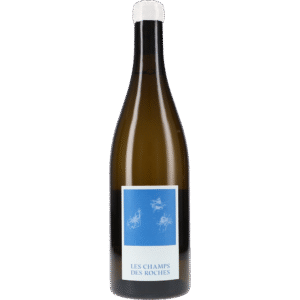
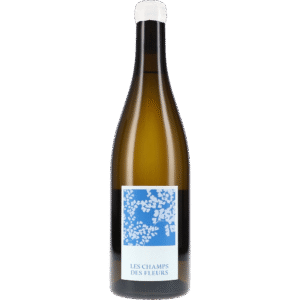
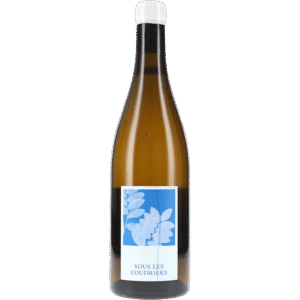
At the eastern foot of the hill lies the gravel knoll of Burgreben, a shallow 25-centimetre layer of gravel over Oligocene limestone and the endpoint of a moraine from the Mindel glaciation in the Vosges. The soils here warm quickly, the site ripens early and carries Riesling: Les Champs des Roches combines aromatic complexity with lively acidity. On the lower slopes of the hill that bears the Sonnenglanz Grand Cru, on Oligocene limestone marl, lies the 20-year-old vineyard of Sous les Coudriers, named after the hazel trees of this site; the north-facing aspect tempers the site at 230 metres, and the Pinot Gris gains breadth and texture.
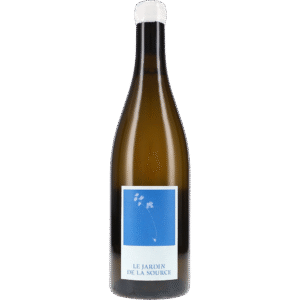
Le Jardin de la Source was a vegetable garden until the late 1960s, surrounded by trees and hedges and fed by a spring. The east-facing aspect brings morning sun, while the village above provides shade against the afternoon heat. The vines were the first planted on this terroir and are now over 50 years old; on early Jurassic limestone marl at 250 metres, the Pinot Blanc yields a linear wine with iodine notes that needs time.
Harvest by pH, ageing in old barrels
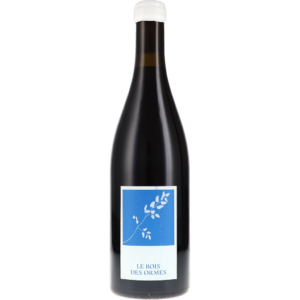
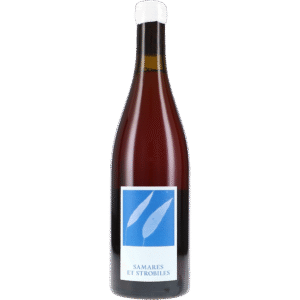
Harvest begins when the pH reaches 3.2 and the acidity is ripe; potential alcohol is disregarded, and the wines come in at a constant 12.5% alcohol by volume. Hand-picked and sorted, the grapes arrive in 10-kilo crates at the hydraulic wooden basket press, which runs for eight to ten hours. The must ferments spontaneously and ages in old Burgundy barrels, with no added sulphur and no oenological additives. All the wines carry the Vin de France designation and are bottled in Burgundy bottles. For Samares et Strobiles, Hunter and McKirdy vinify Pinot Gris as if it were a red wine; Le Bois des Ormes is a Pinot Noir.