Domaine Albert Mann
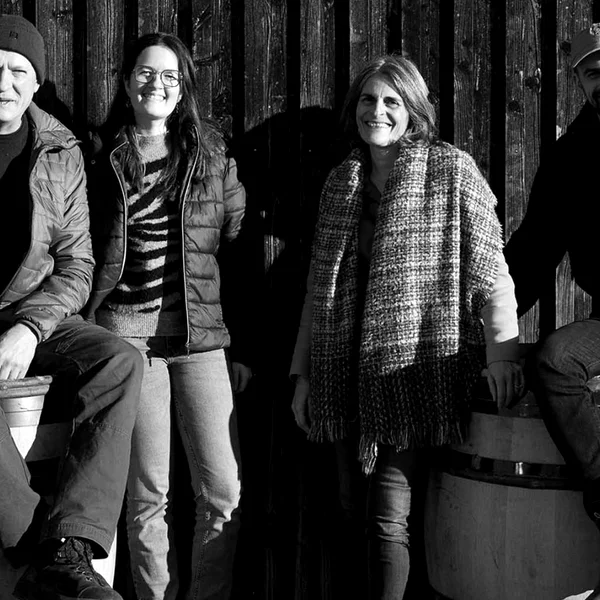
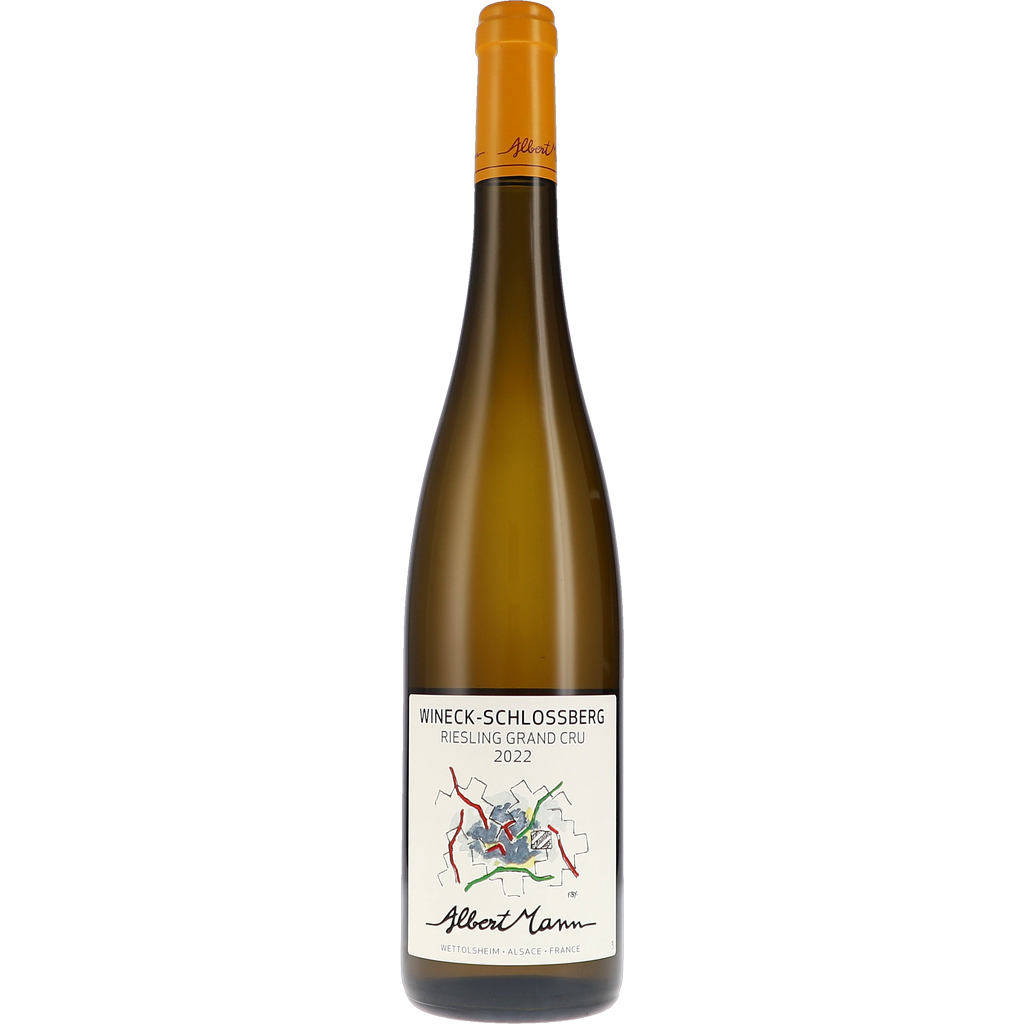
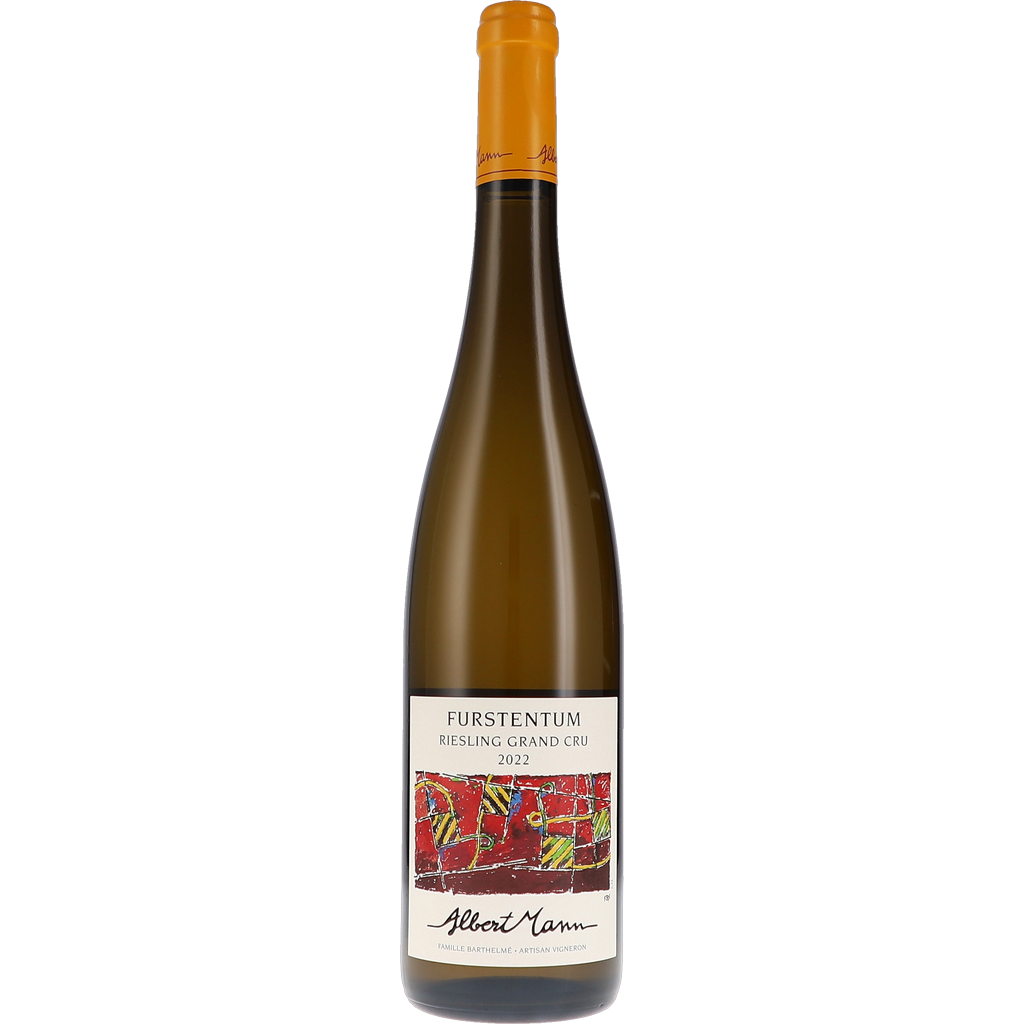
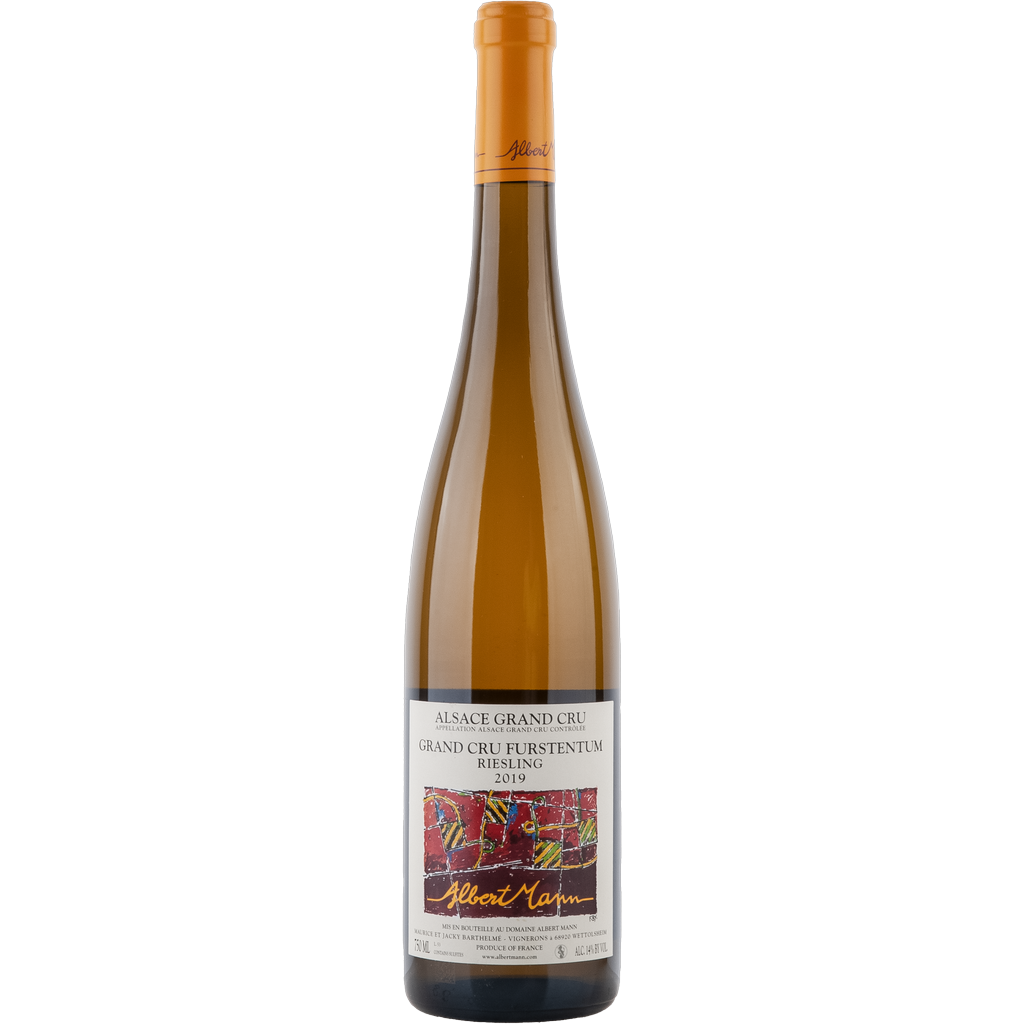
Domaine Albert Mann in Wettolsheim farms 25 hectares in Alsace, spread across nearly a hundred parcels and six Grand Cru sites: Schlossberg, Hengst, Furstentum, Steingrubler, Pfersigberg and Wineck-Schlossberg. Jacky Barthelmé runs the estate with his son Antoine, having shaped it for decades alongside his brother Maurice. Since 1997 the Barthelmés have farmed biodynamically, Demeter-certified, ploughing the steepest slopes with horses. Riesling is the flagship grape, and the granite of the Schlossberg yields a wine with saline minerality and citrus notes. Pinot Gris, Gewürztraminer and Pinot Noir complete the range; the Clos de la Faille is a monopole owned solely by the family.
Maurice and Jacky Barthelmé in Wettolsheim
The brothers Maurice and Jacky Barthelmé split the work for decades: Maurice was responsible for the vineyards, Jacky for the cellar. In 1997 they converted to biodynamics and had the estate certified Demeter. The 25 hectares are spread across nearly a hundred parcels in Wettolsheim and the neighbouring communes. On the steepest slopes, horses pull the plough so the soils stay loose and the roots can reach deeper. In 2012 the Barthelmés were named winemakers of the year. Maurice has since retired, and Jacky now runs the domaine with his son Antoine.
Six Grand Crus and the flagship grape Riesling
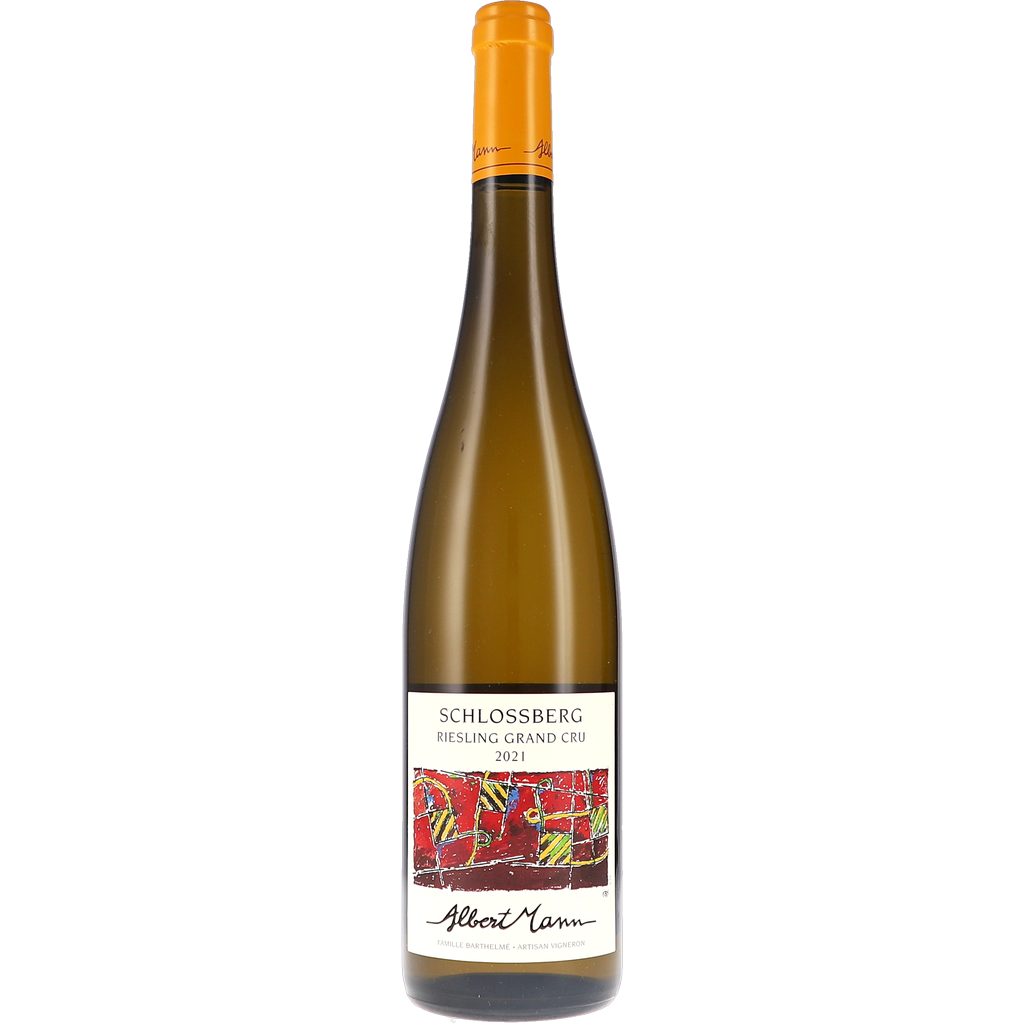
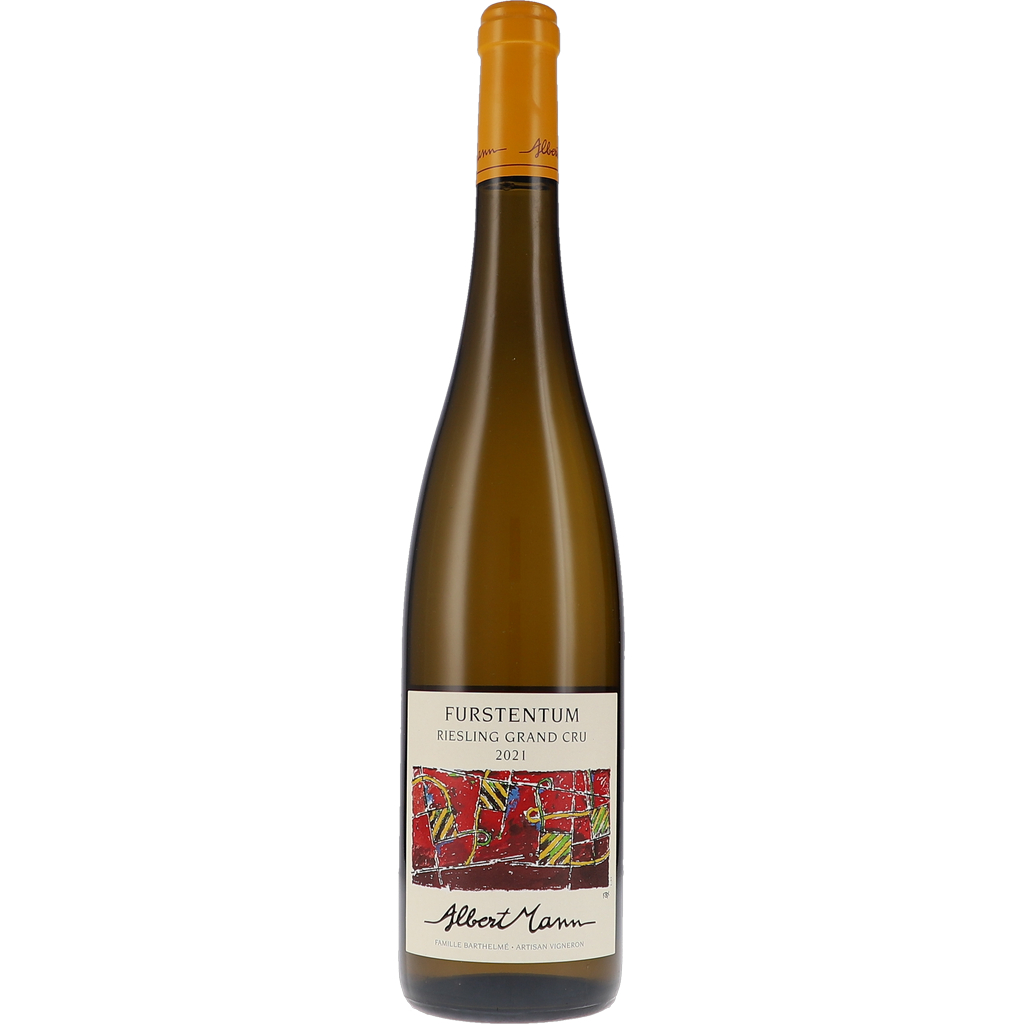
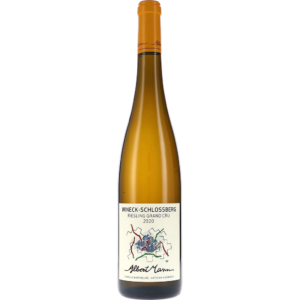
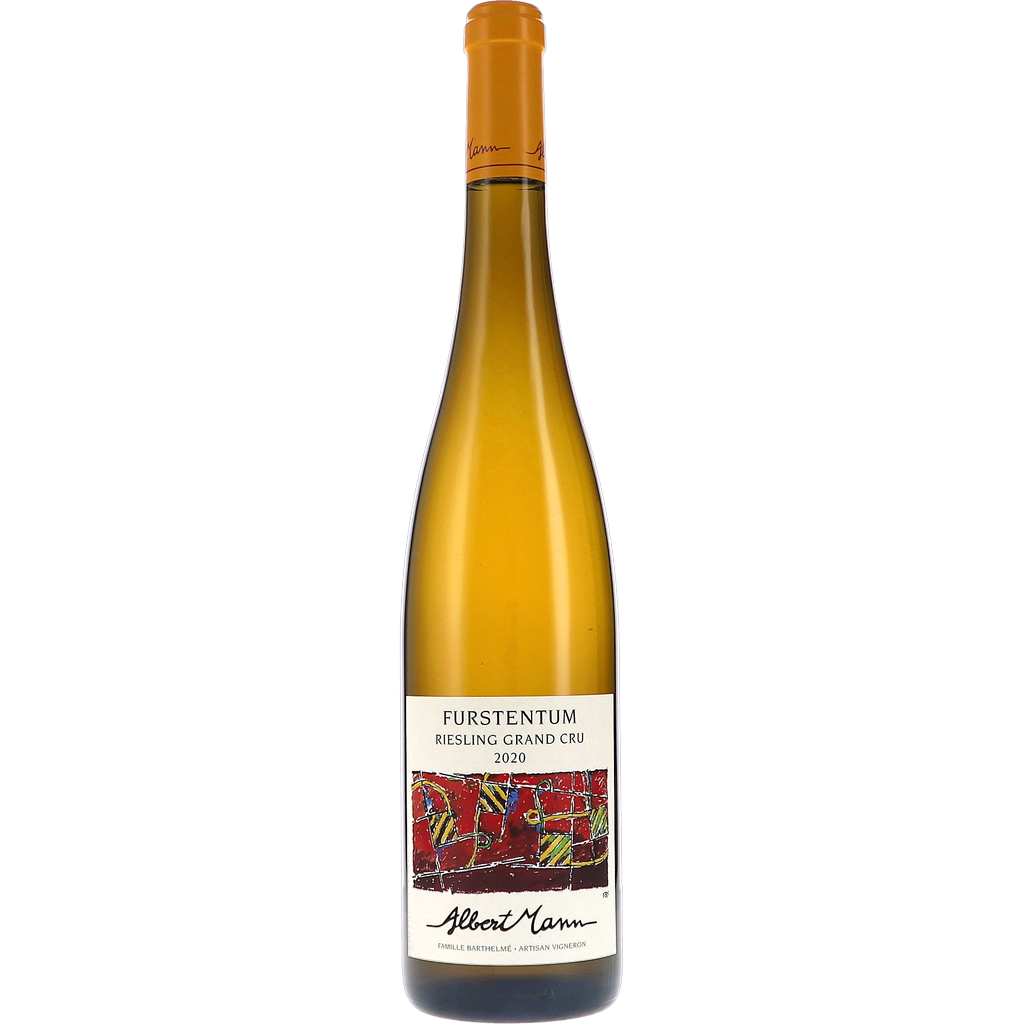
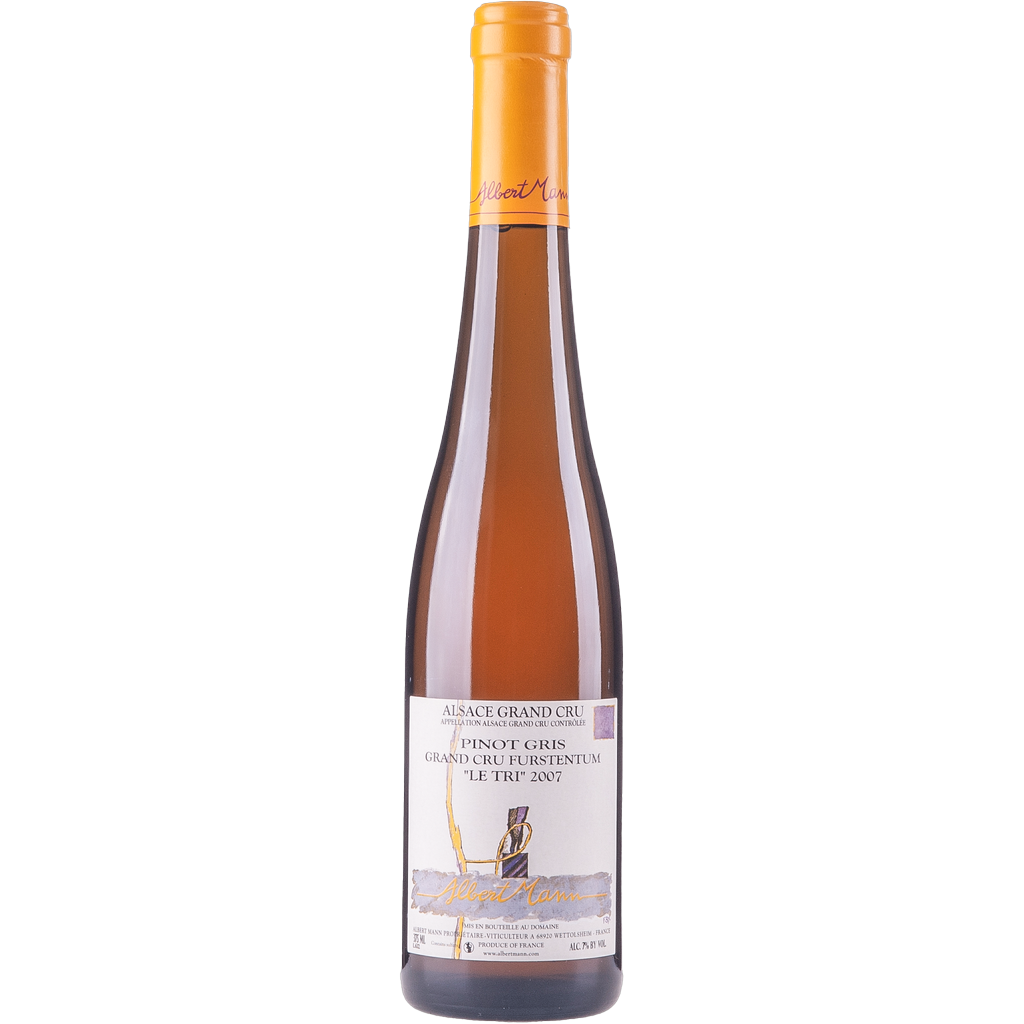
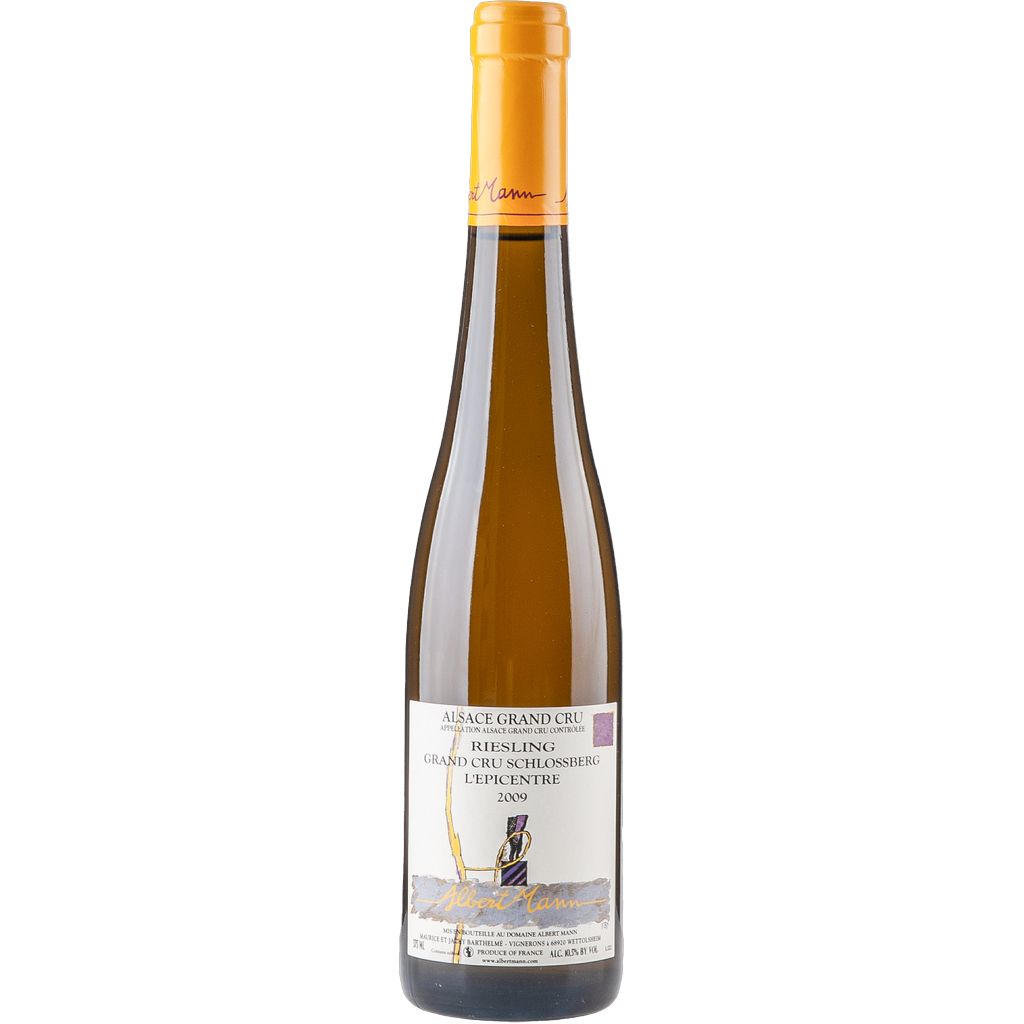
Albert Mann farms vines in six Grand Cru sites: Schlossberg, Hengst, Furstentum, Steingrubler, Pfersigberg and Wineck-Schlossberg. The Riesling Schlossberg Grand Cru grows on granite, and the soil imparts a saline minerality and citrus notes to the wine. The Schlossberg also yields the Riesling L'Épicentre, alongside Riesling from the Furstentum and from the Wineck-Schlossberg.
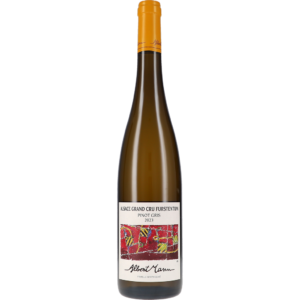
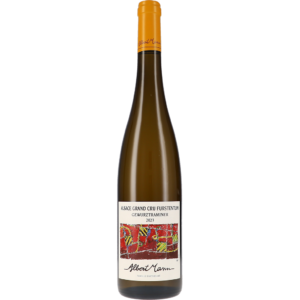
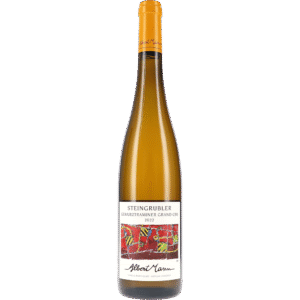
The Pinot Gris Hengst Grand Cru stands on marl with some sandstone; in its youth it shows freshness and gains gentleness and maturity with age. The Gewürztraminer Steingrubler comes from Wettolsheim, from a stony parcel at the upper end of the slope, facing southeast. The soil is marl-limestone-sandstone, the vines are thirty years old; in the Furstentum, Gewürztraminer grows on limestone. The Barthelmés have observed over decades which grape variety belongs in which parcel.
Pinot Noir from Wintzenheim and Eguisheim
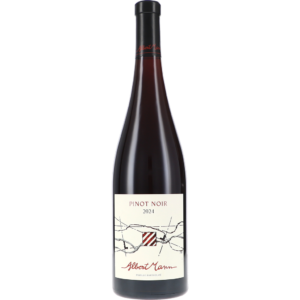
The Clos de la Faille lies in Wintzenheim as a continuation of the Grand Cru Hengst and belongs to the family alone. In the upper part lie pebbles of pink Vosges sandstone and limestone sandstone. In the middle come grey limestone pebbles from the Muschelkalk, and below a mixture of sandstone pebbles and pink quartz. The vines are 25 years old, the harvest is done by hand, and around a fifth whole clusters shape the ageing, as does a fifth new barrique.
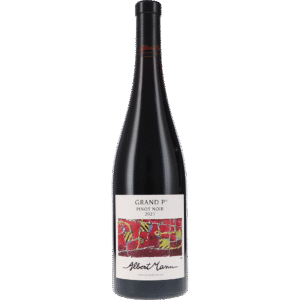
The Grand P grows in Eguisheim on the Grand Cru Pfersigberg, on calcareous marl-sandstone facing south and southwest, with vines around forty years old. Harvesting is done by hand into twenty-kilogram crates, the wine ferments by gravity in open tanks as an infusion, with 25 percent whole clusters and malolactic fermentation in spring; seventeen months in barrel follow, with eleven percent new oak, unfined. The name Pfersigberg is documented in 16th-century leasehold deeds between landlords and monasteries.
Outrevin, Crémant and sweet wines
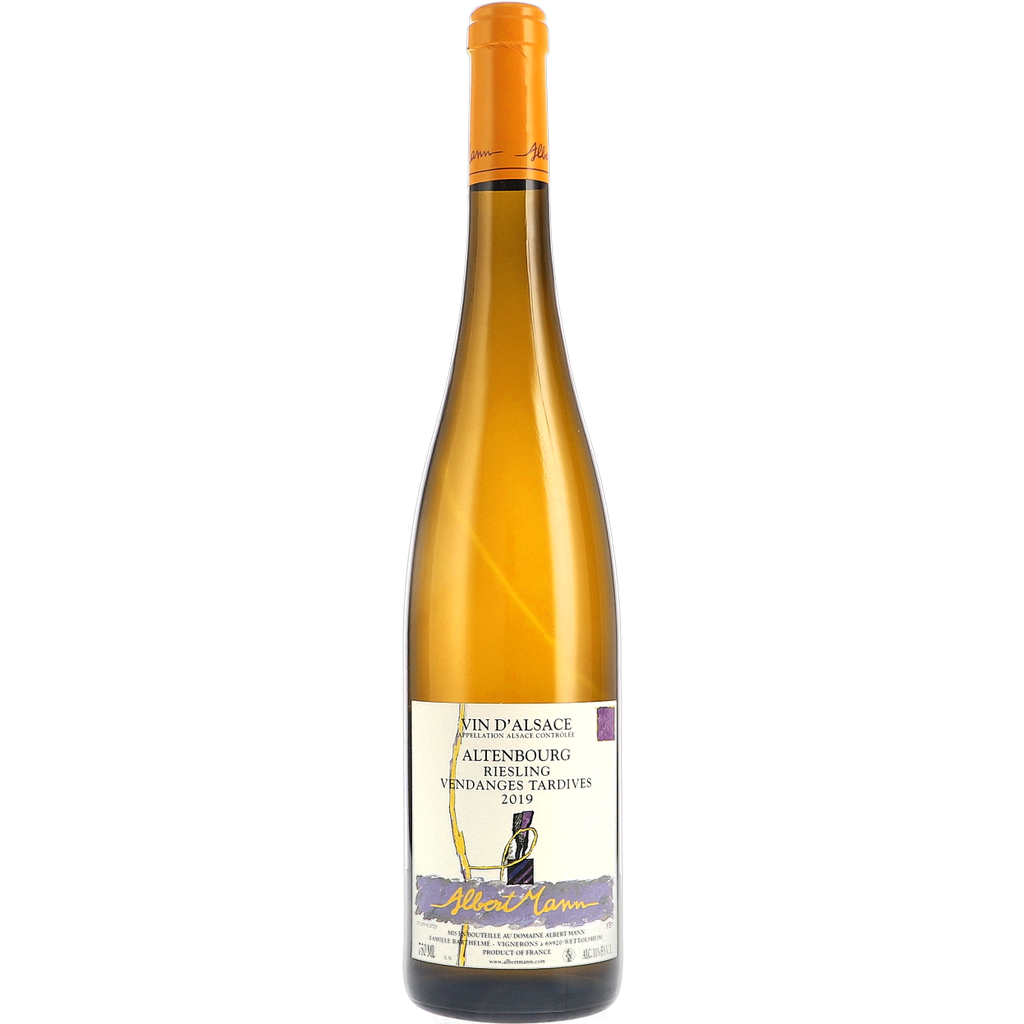
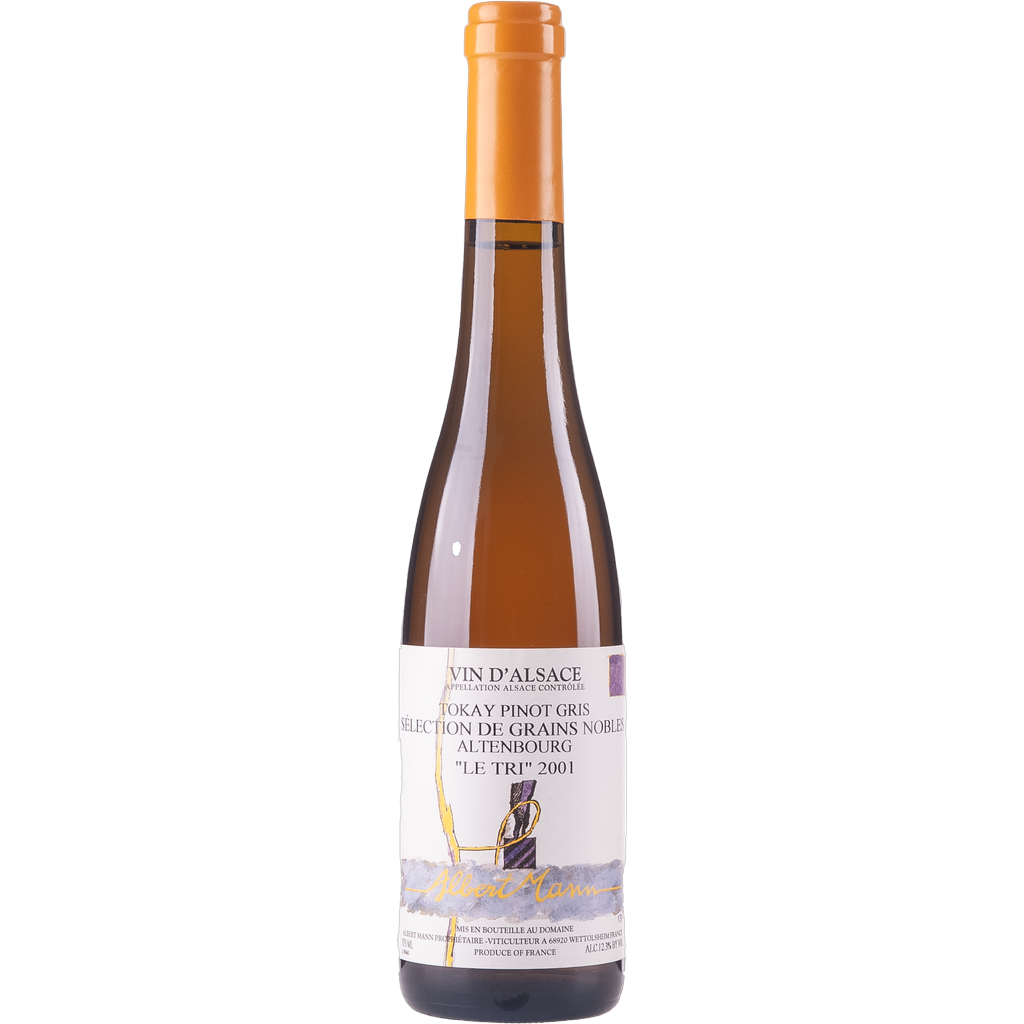
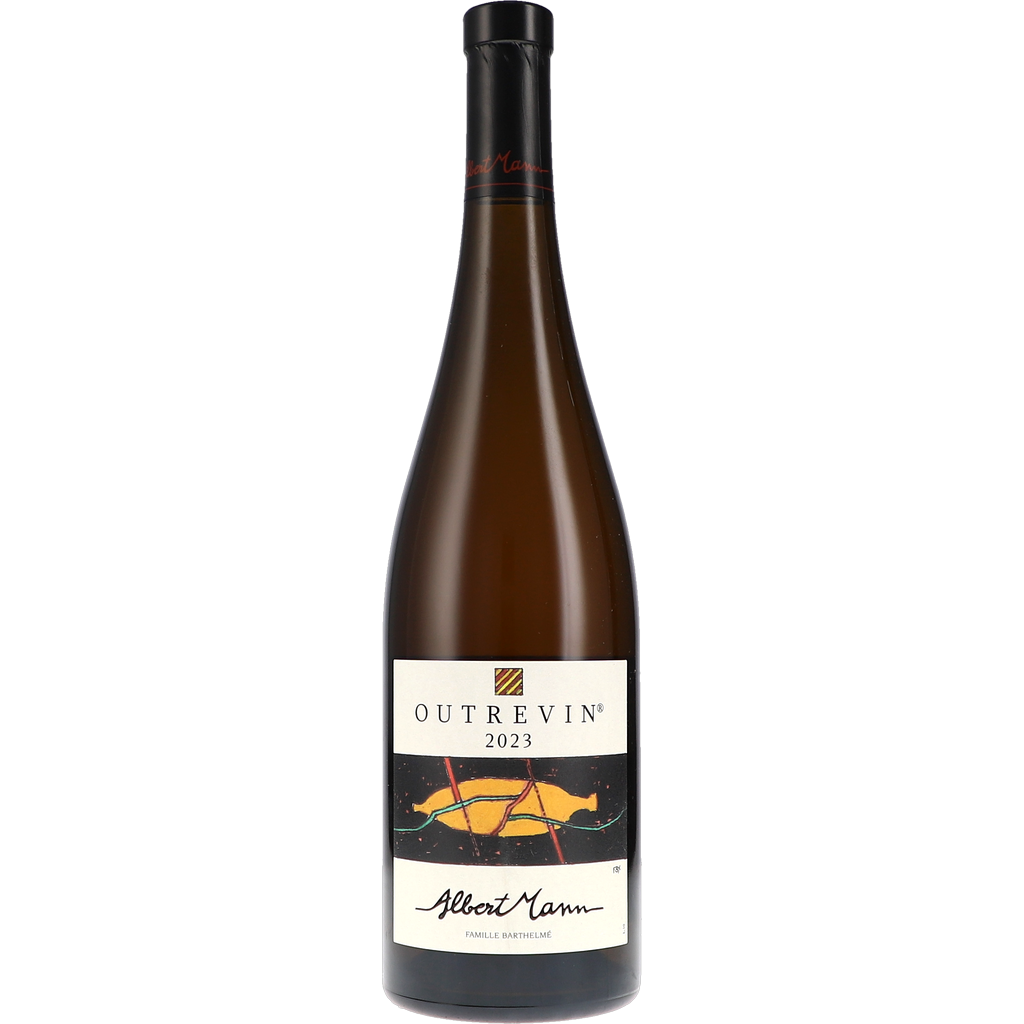
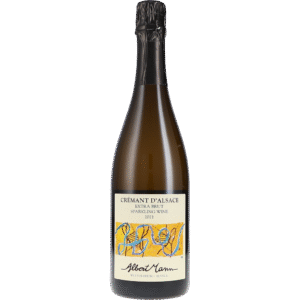
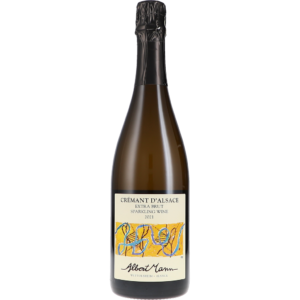
Antoine Barthelmé bottles the Outrevin, a Pinot Noir made with almost no sulphur, aged in clay vessels and classed among the orange wines; he has carried this project forward for years. The Crémant d'Alsace Extra Brut comes from Kientzheim and Wettolsheim, from 87 percent Pinot Blanc and Auxerrois, 8 percent Pinot Noir and 5 percent Pinot Gris, from thirty-year-old vines on clay-limestone, sand and gravel; it first ferments in tank, undergoes no malolactic fermentation and is disgorged after 18 to 30 months. In certain years, Vendanges Tardives and Sélection de Grains Nobles emerge, for instance from Riesling and Pinot Gris from the Altenbourg.