Domaine Zind-Humbrecht
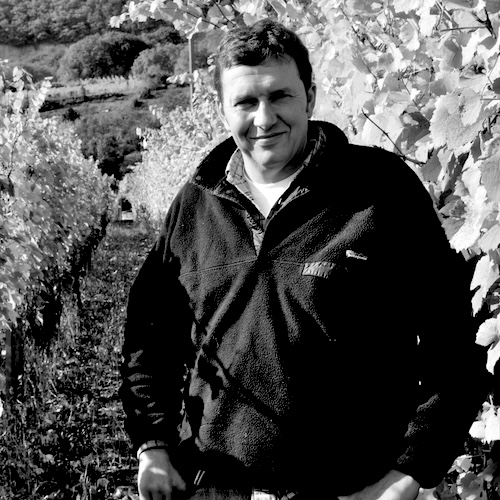
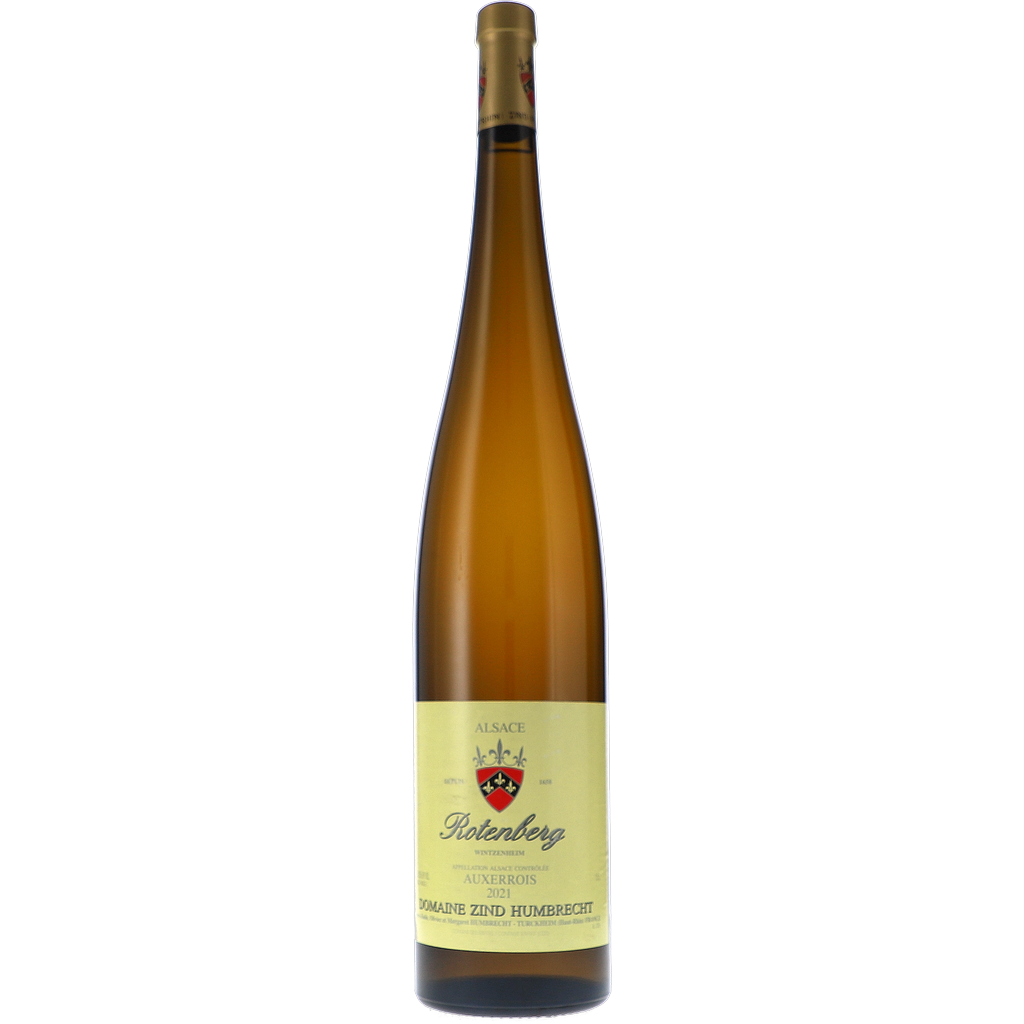
Domaine Zind-Humbrecht farms 42 hectares in Alsace, including six Grand Cru sites covering 11.5 hectares. The estate has carried this name since 1959, when Léonard Humbrecht and Geneviève Zind married, bringing together the Humbrecht estate in Gueberschwihr and the Zind estate in Wintzenheim. Olivier Humbrecht, Master of Wine, took over in 1989 and converted the first five hectares to biodynamic farming in 1996; today the entire estate is run this way. The wines ferment and age in large wooden casks with extended lees contact and remain in the cellar for one to two years before leaving the estate. The wine names Roche Calcaire and Roche Volcanique refer to the rock on which the vines grow.
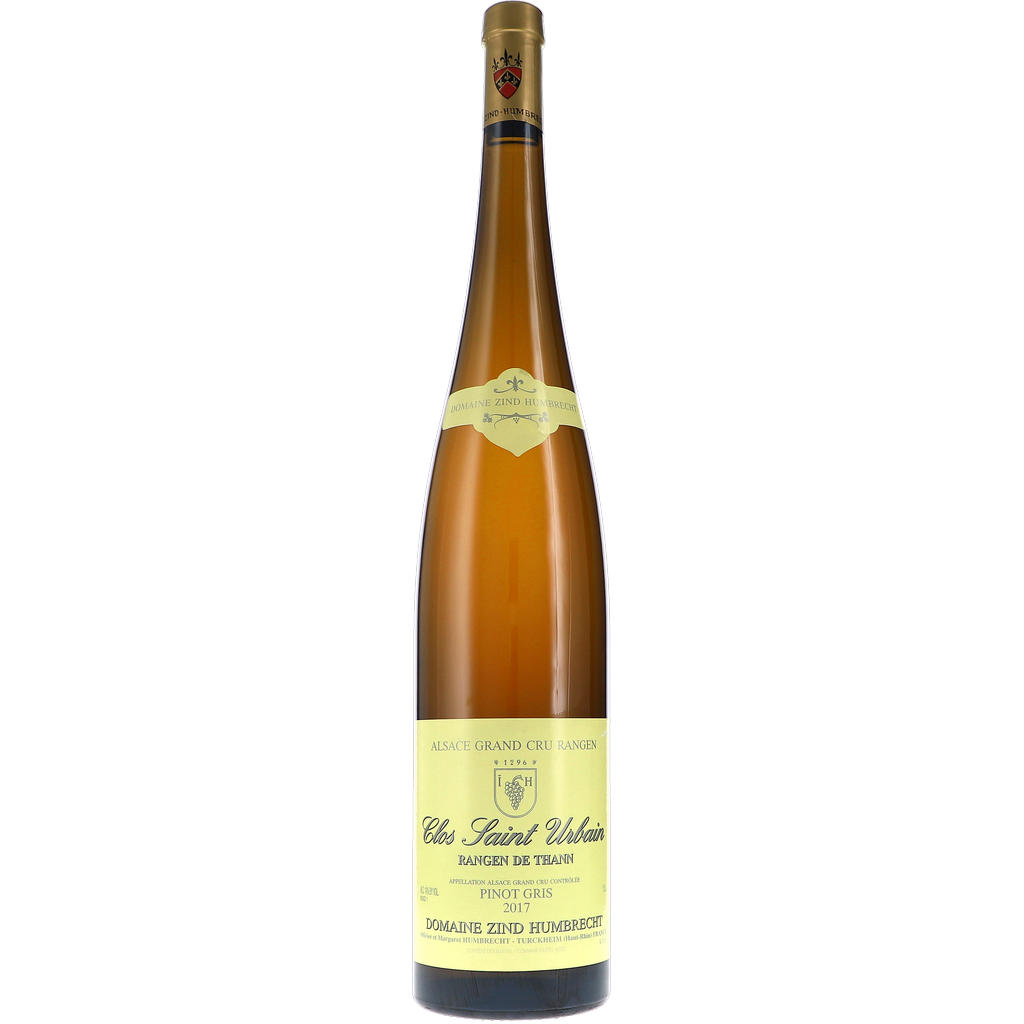
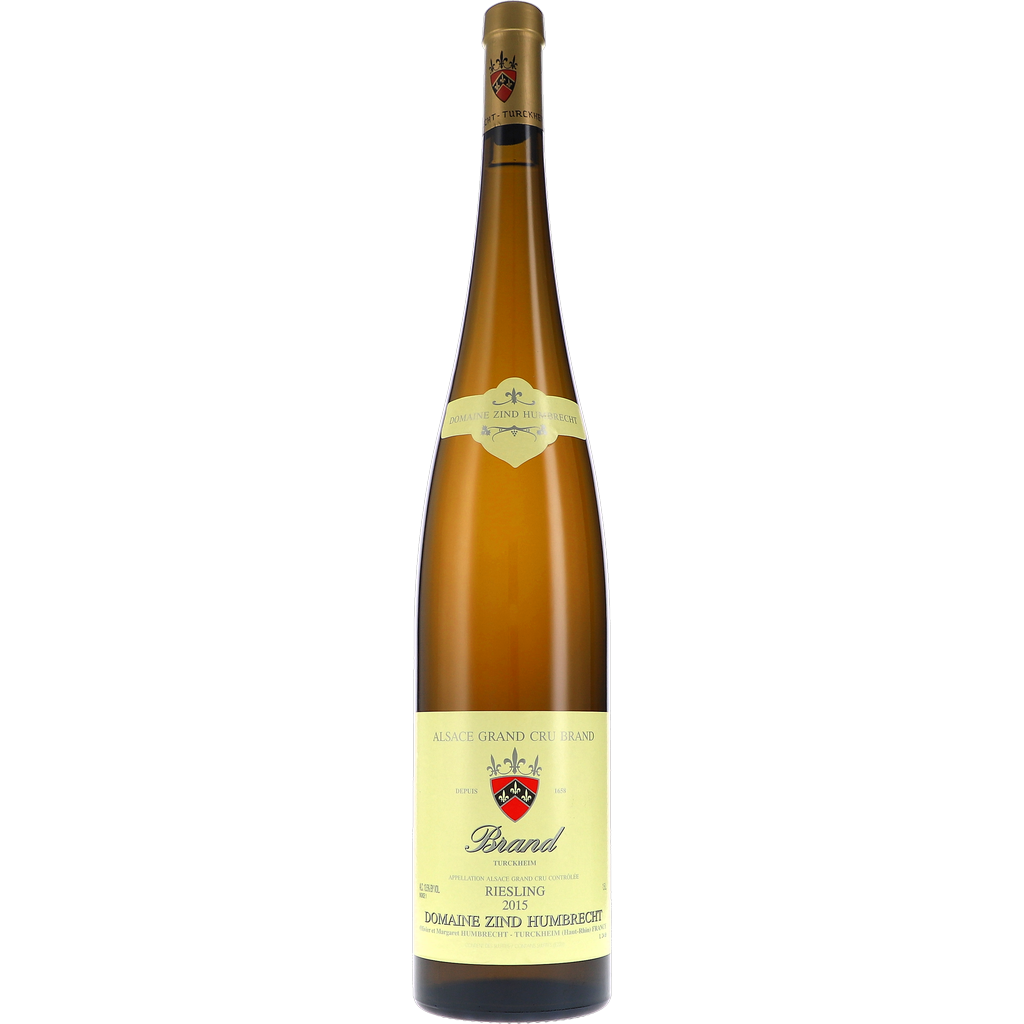
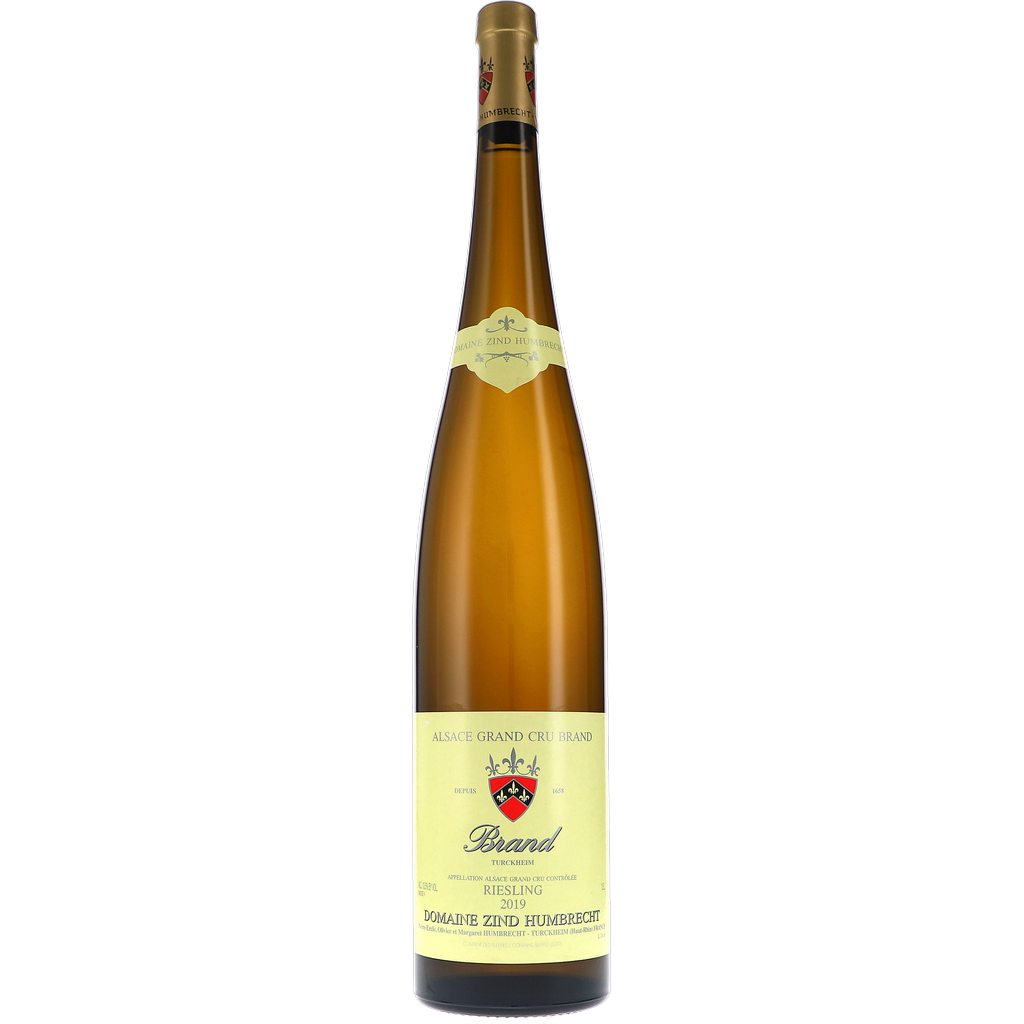
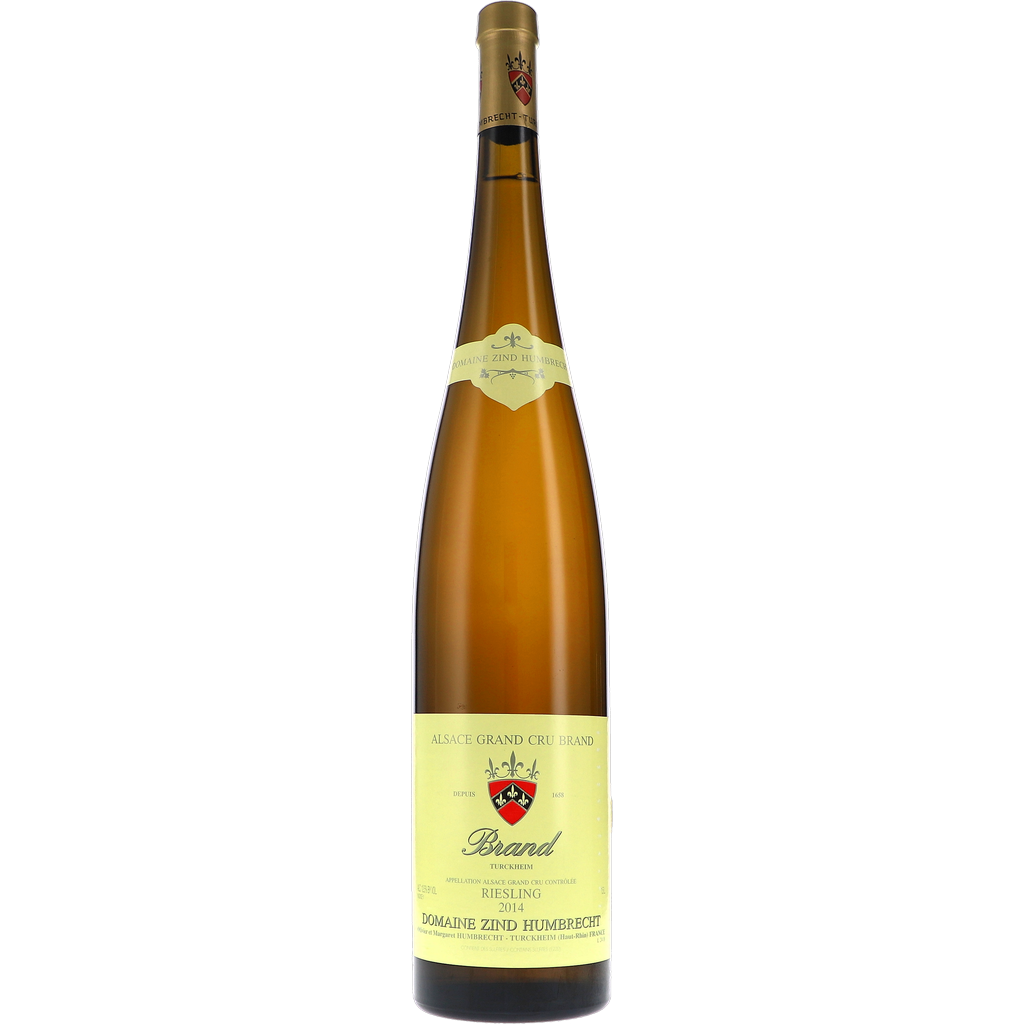
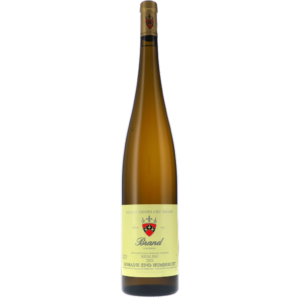
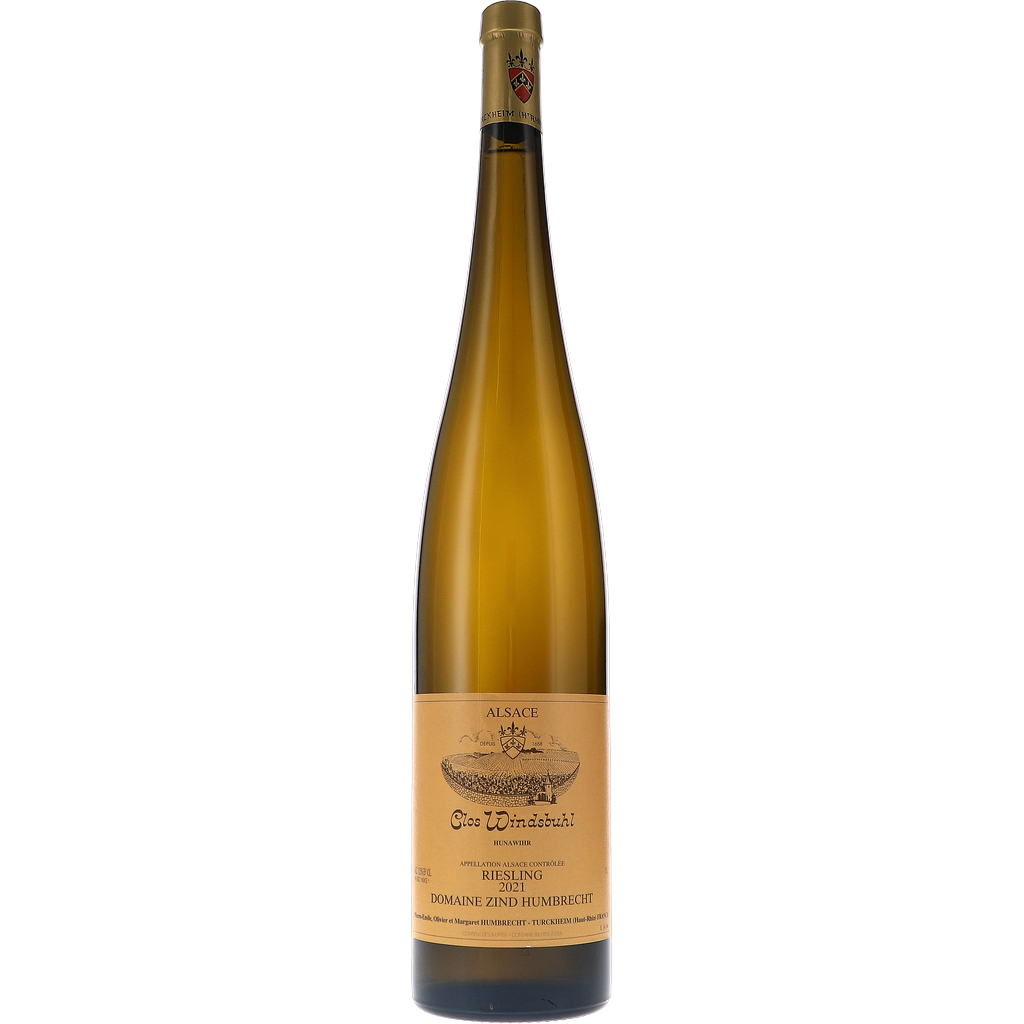
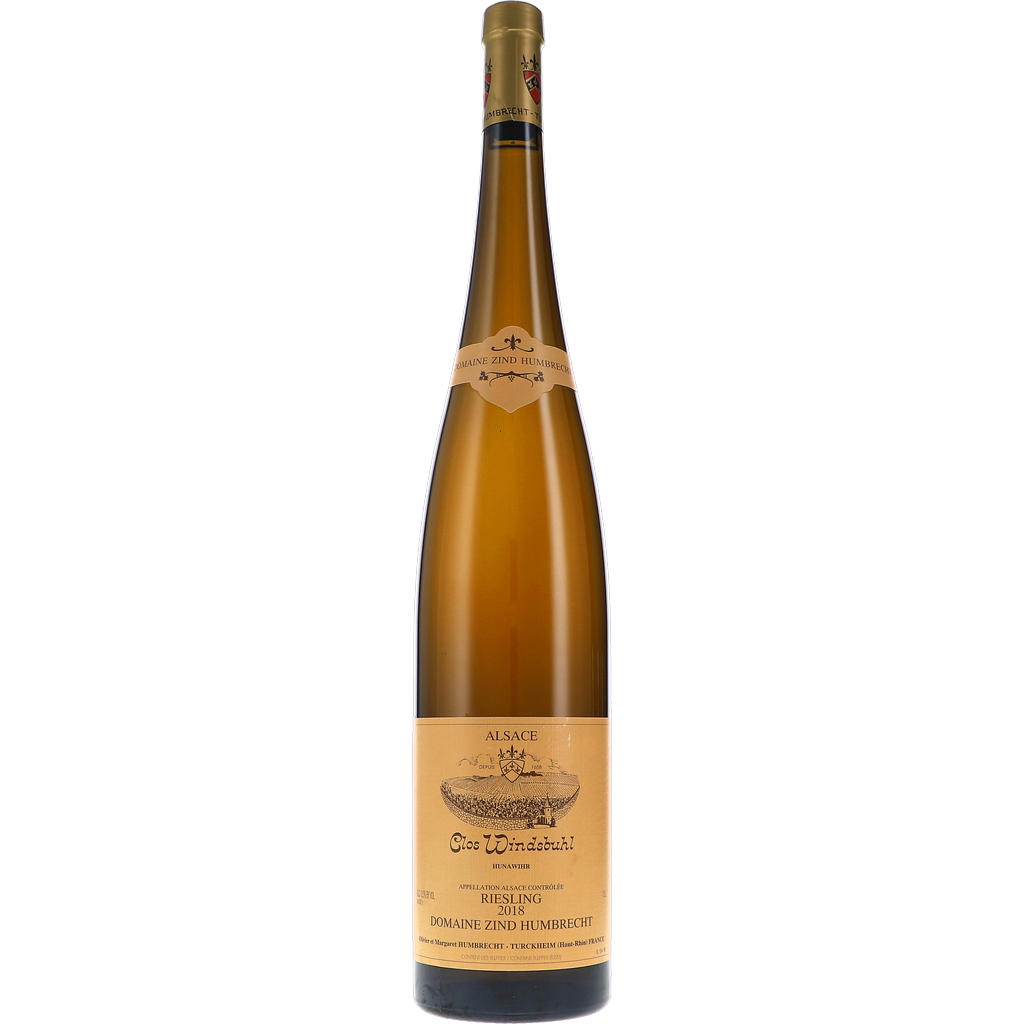
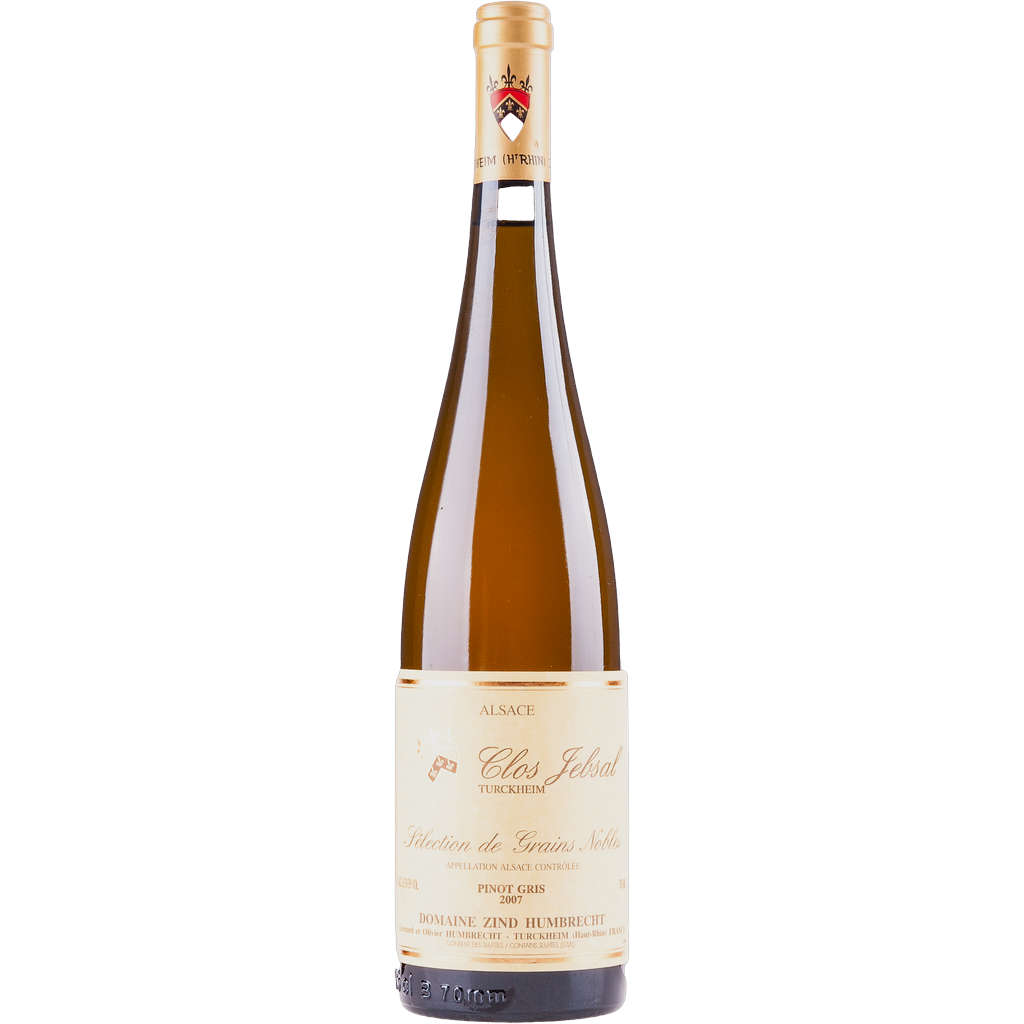
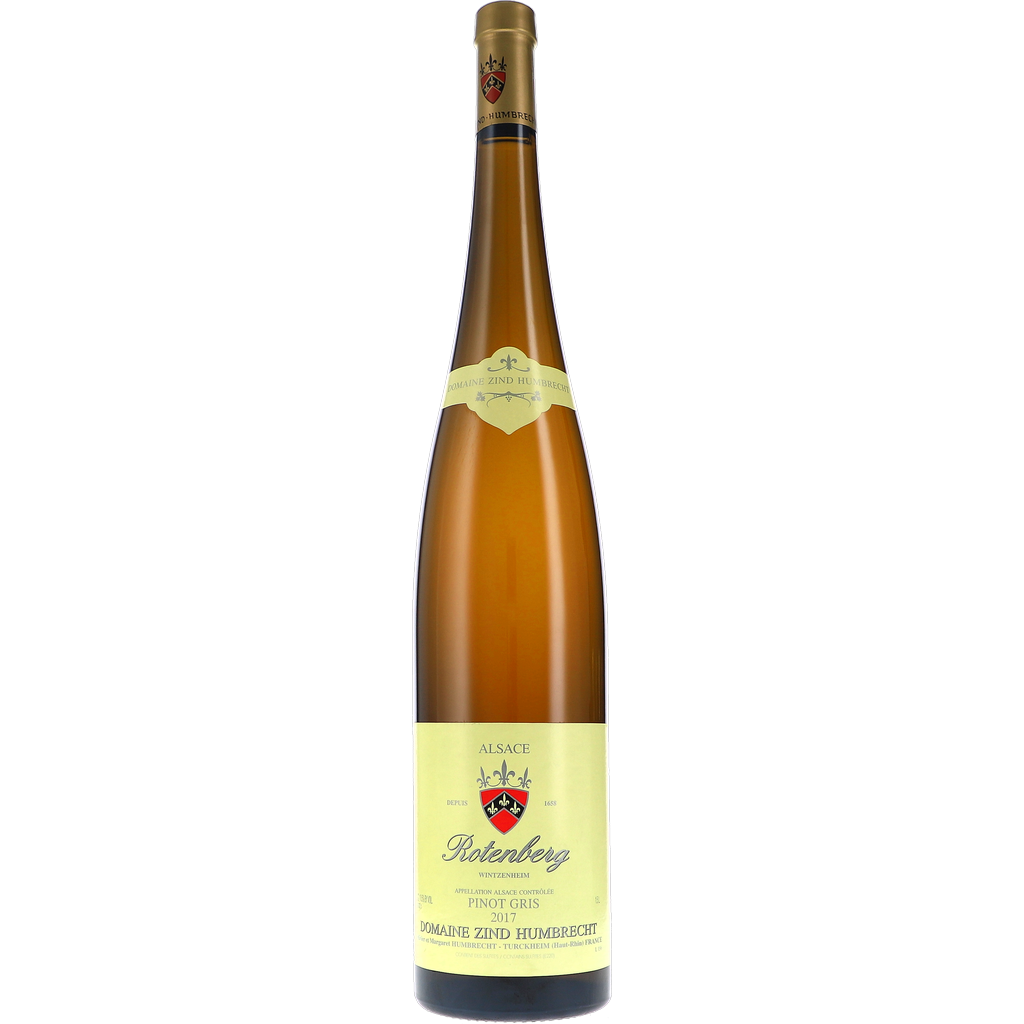
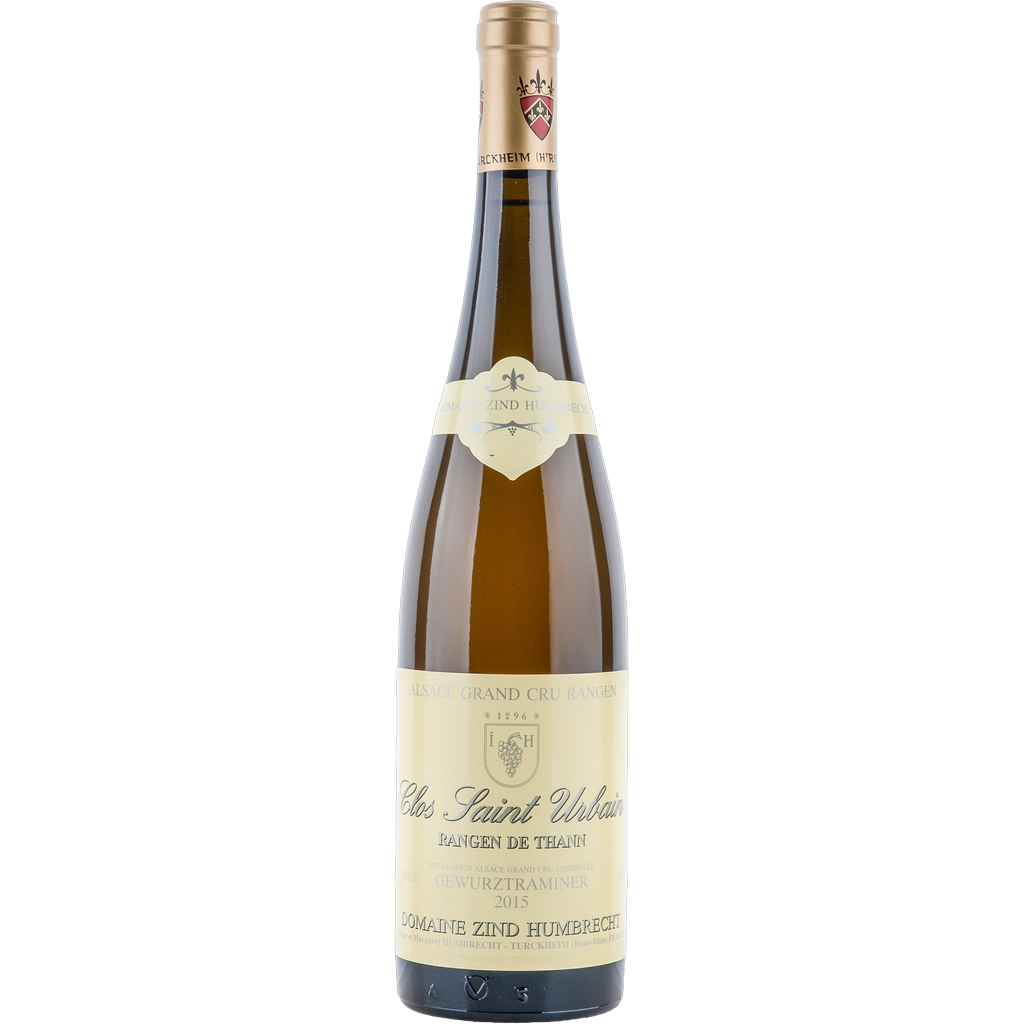
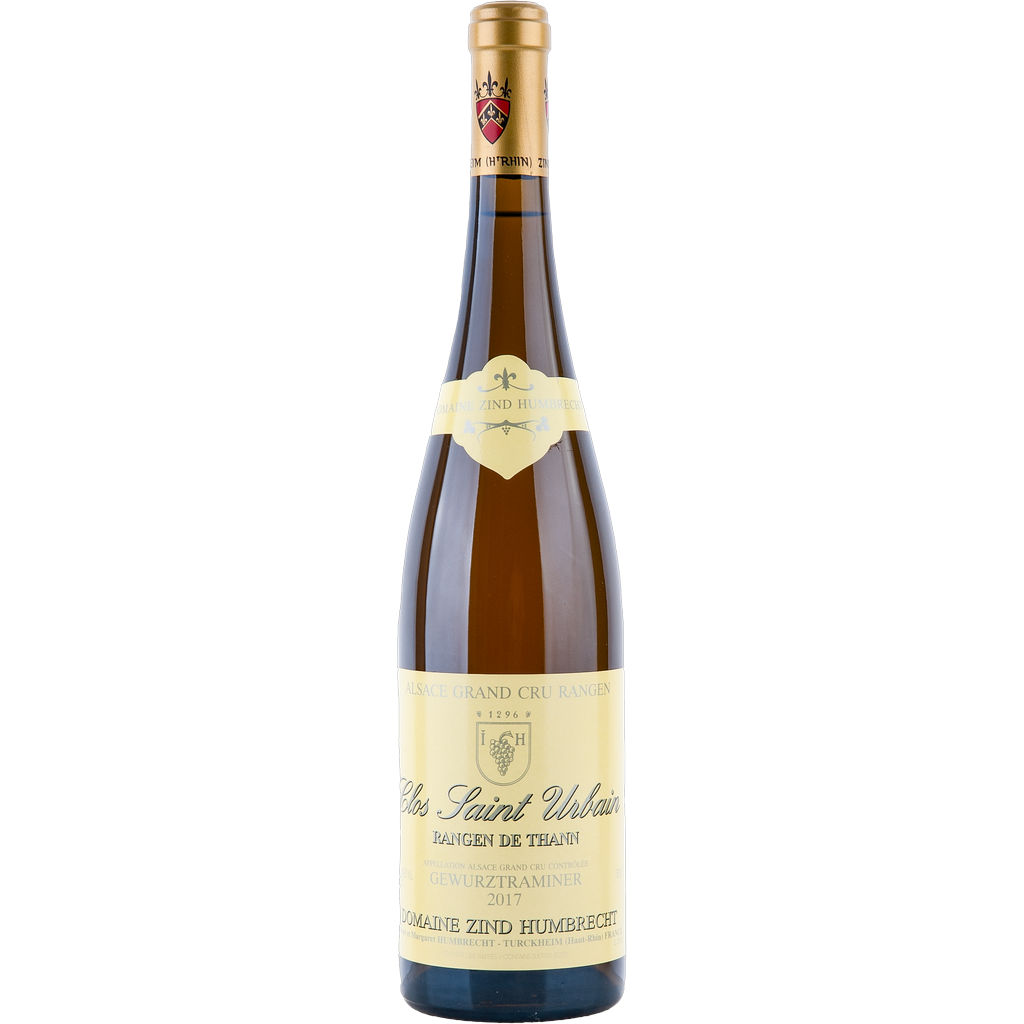
Humbrecht in Gueberschwihr, Zind in Wintzenheim
The Humbrecht family was already making wine at the time of the Thirty Years' War, and from 1947 Émile Zind supplied the Hôtel de Paris in Monte Carlo directly. In 1959, Léonard Humbrecht and Geneviève Zind married, and the two estates became the Domaine Zind-Humbrecht. In the early 1960s it covered fewer than five hectares, growing to forty by the mid-1990s. In 1981, Léonard Humbrecht became the first winemaker in France to install cooling systems in his wooden casks; he is also responsible for the 1.2 hectares of Riesling on limestone around Gueberschwihr.
Olivier Humbrecht, Master of Wine
In 1989, Olivier Humbrecht, then 26, returned from London, where he had earned the title of Master of Wine and met his Scottish wife Margaret, and took over the estate. Seven years later, conversion to biodynamic farming began, initially on five hectares. He calls biodynamics a "therapy to help the vines forget stress," and he chairs Biodyvin. On the steepest plots, with slopes of up to 45 degrees, the Jura gelding Nikita pulls the plough. Since 2019, Pierre-Emile Humbrecht has worked alongside him as the eleventh generation.
Rangen de Thann, Brand, Clos Windsbuhl
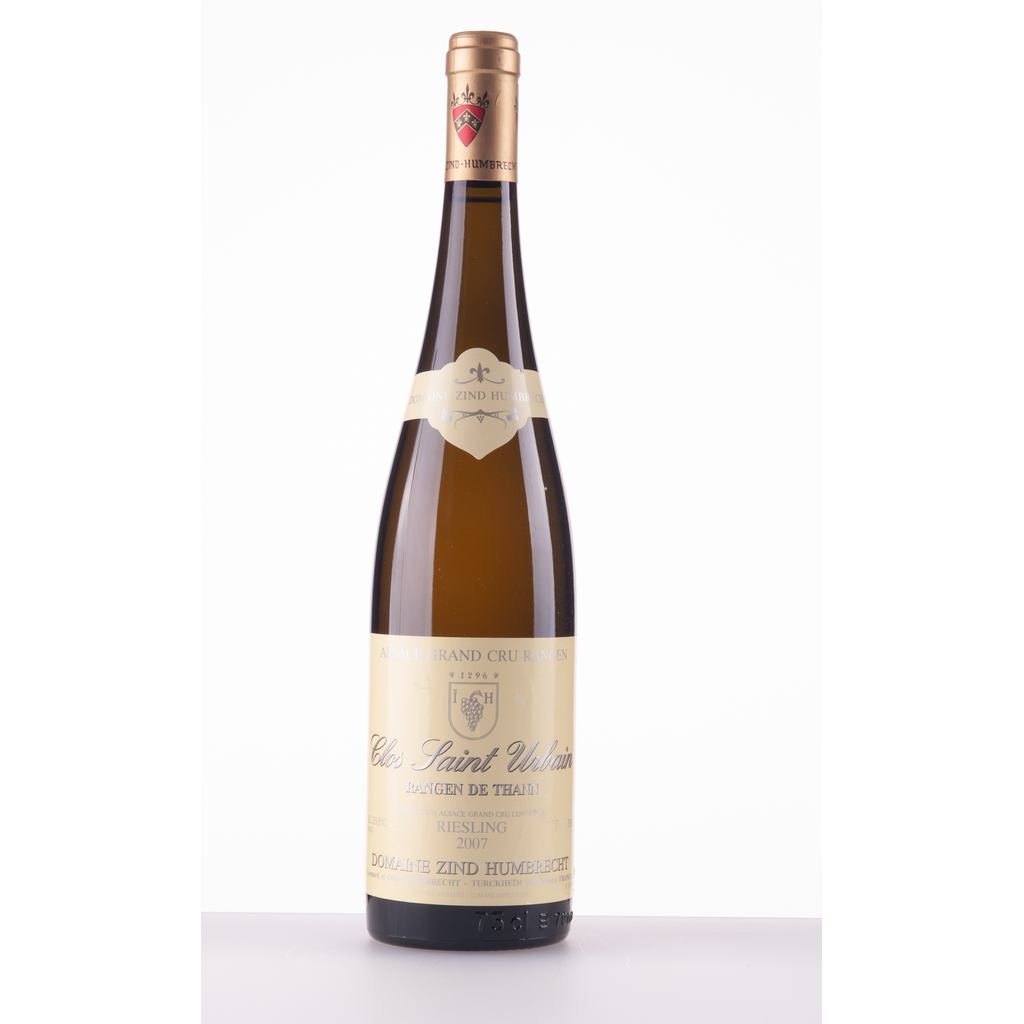
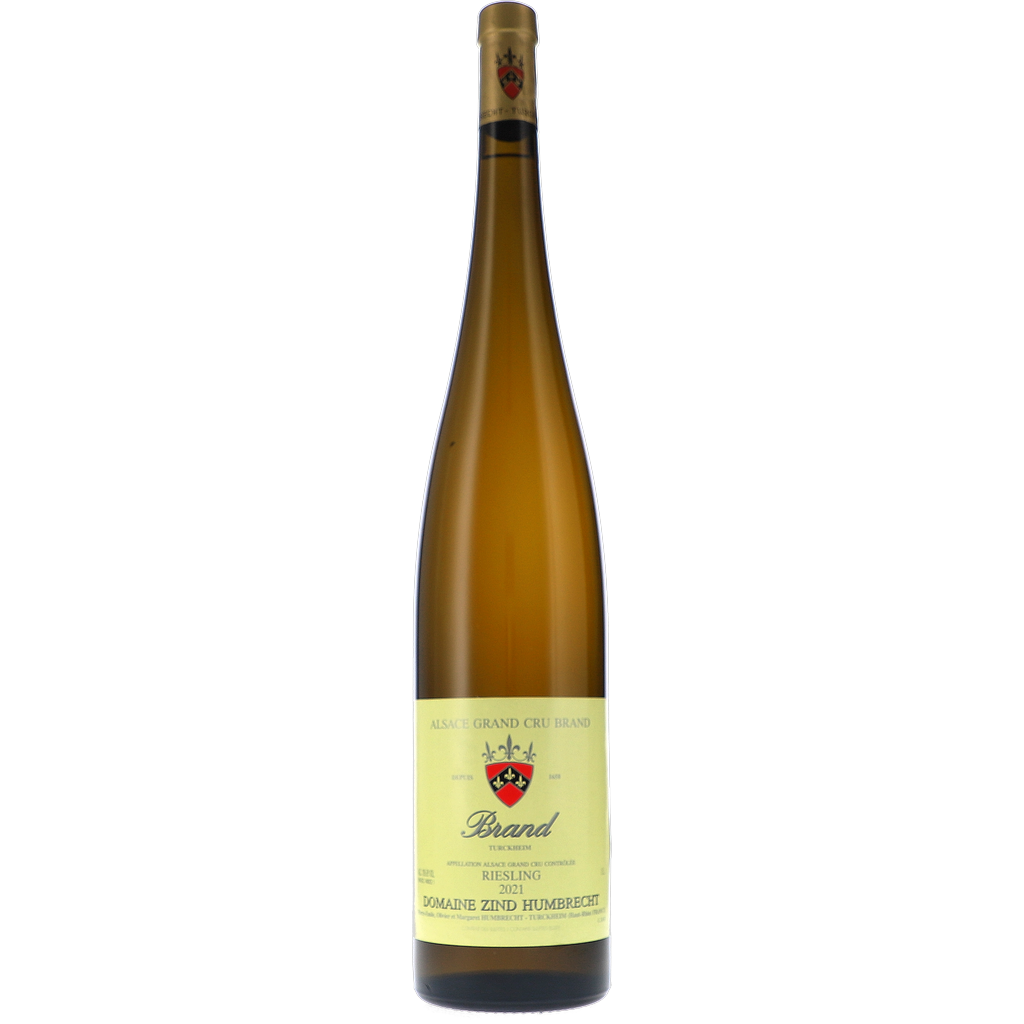
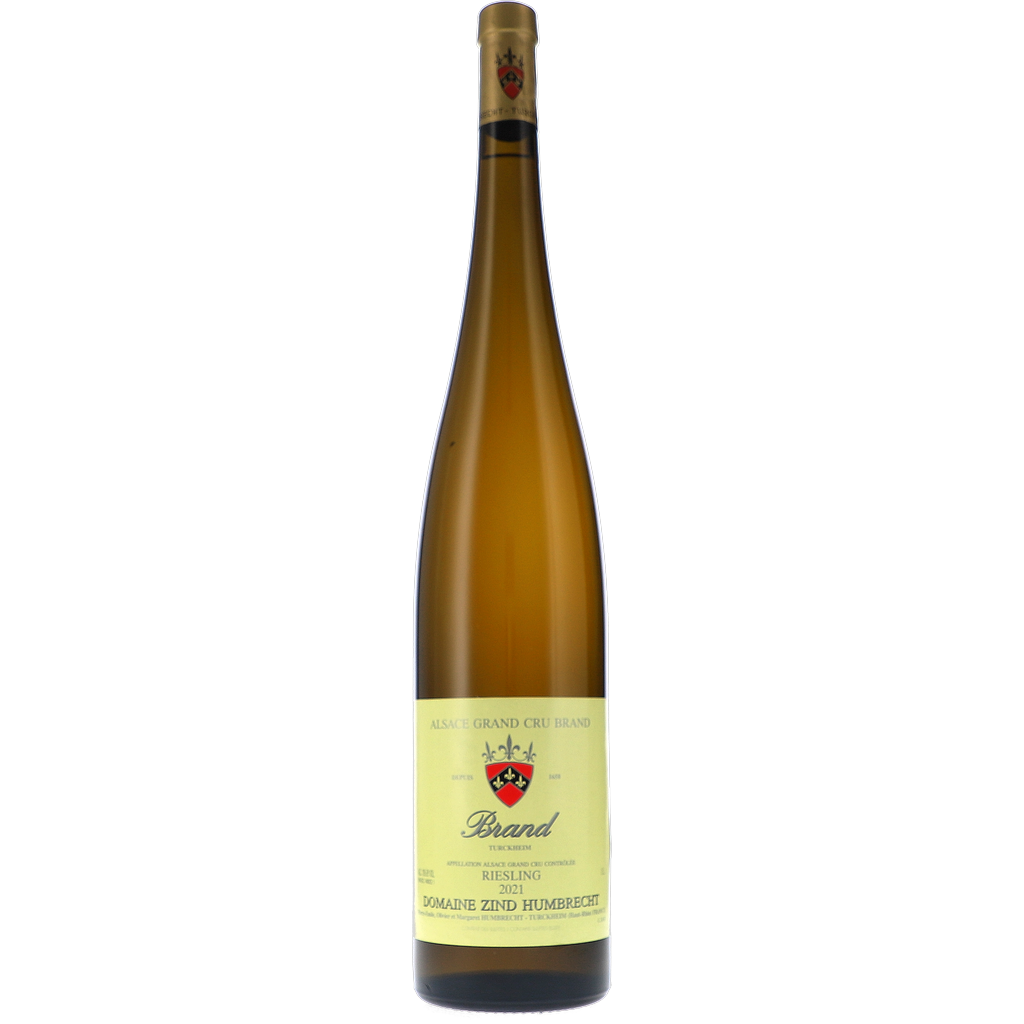
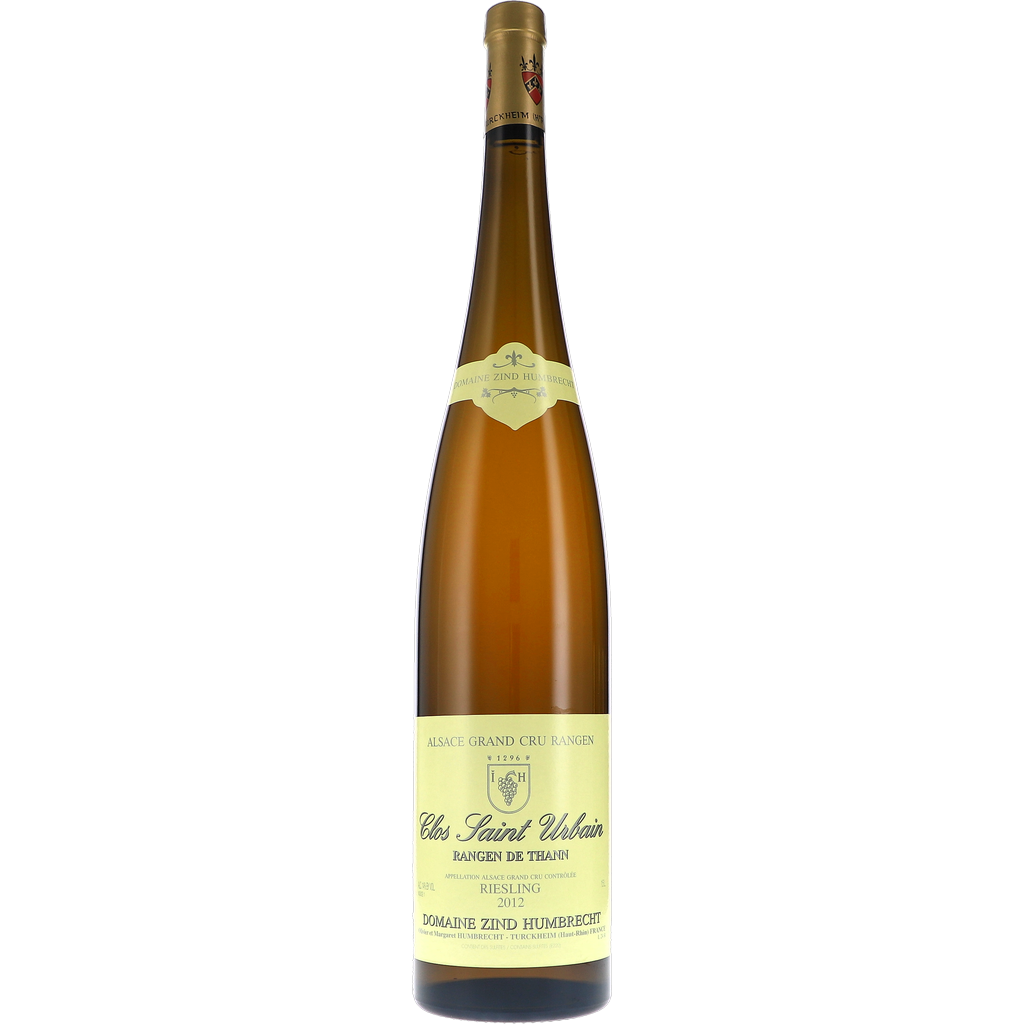
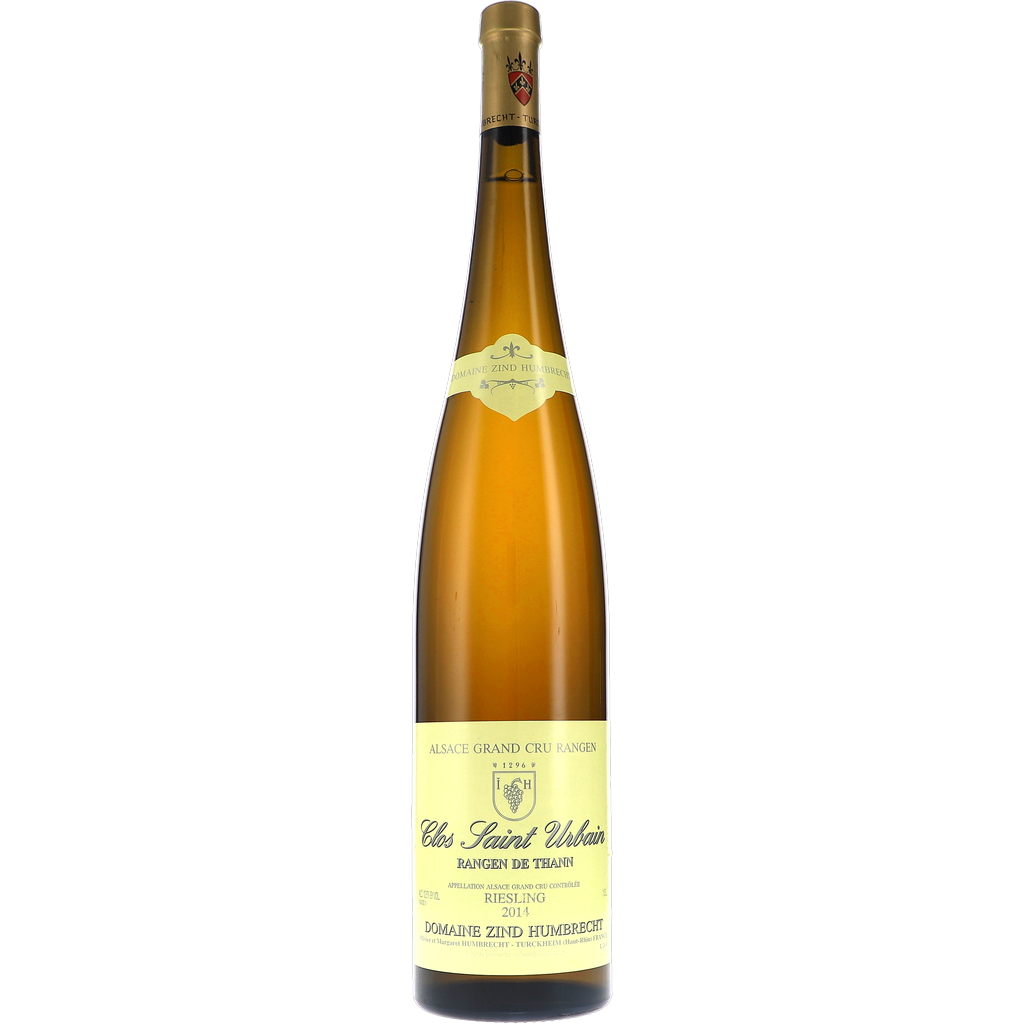
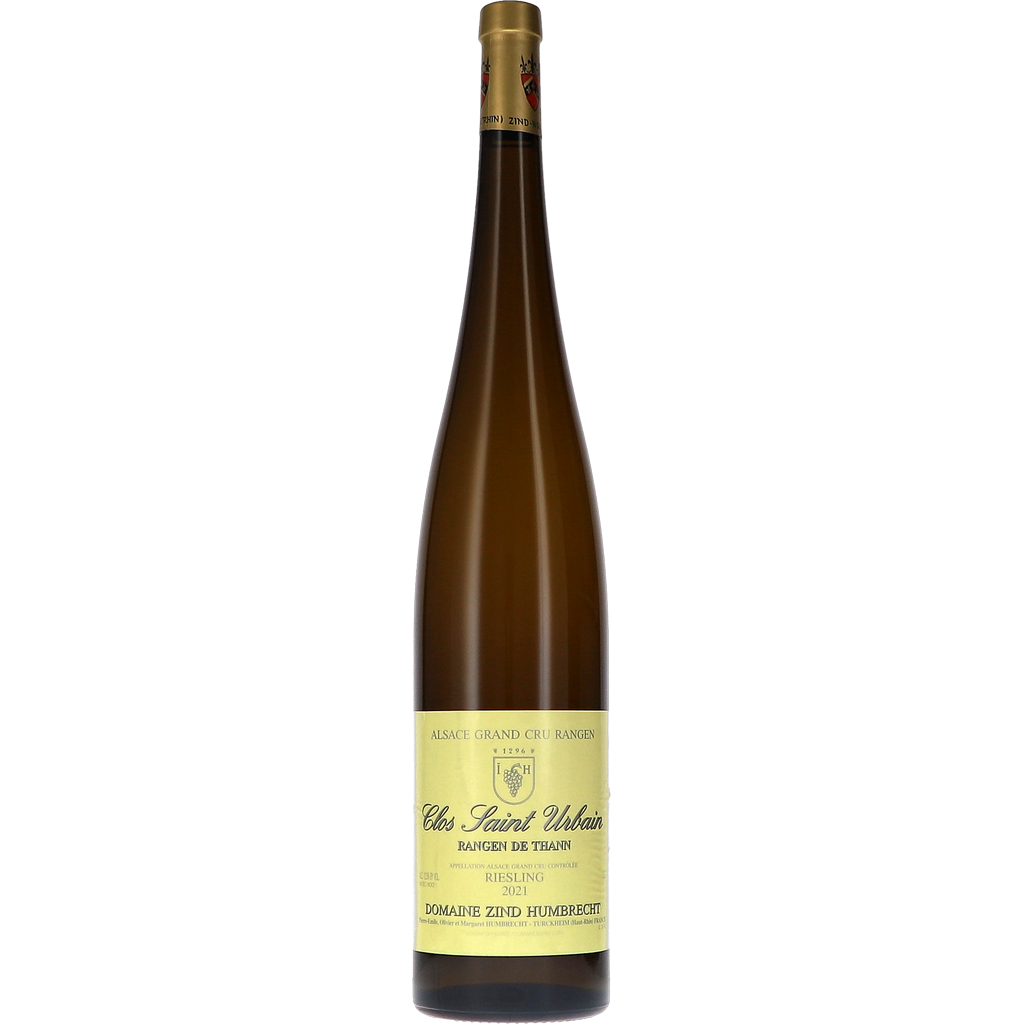
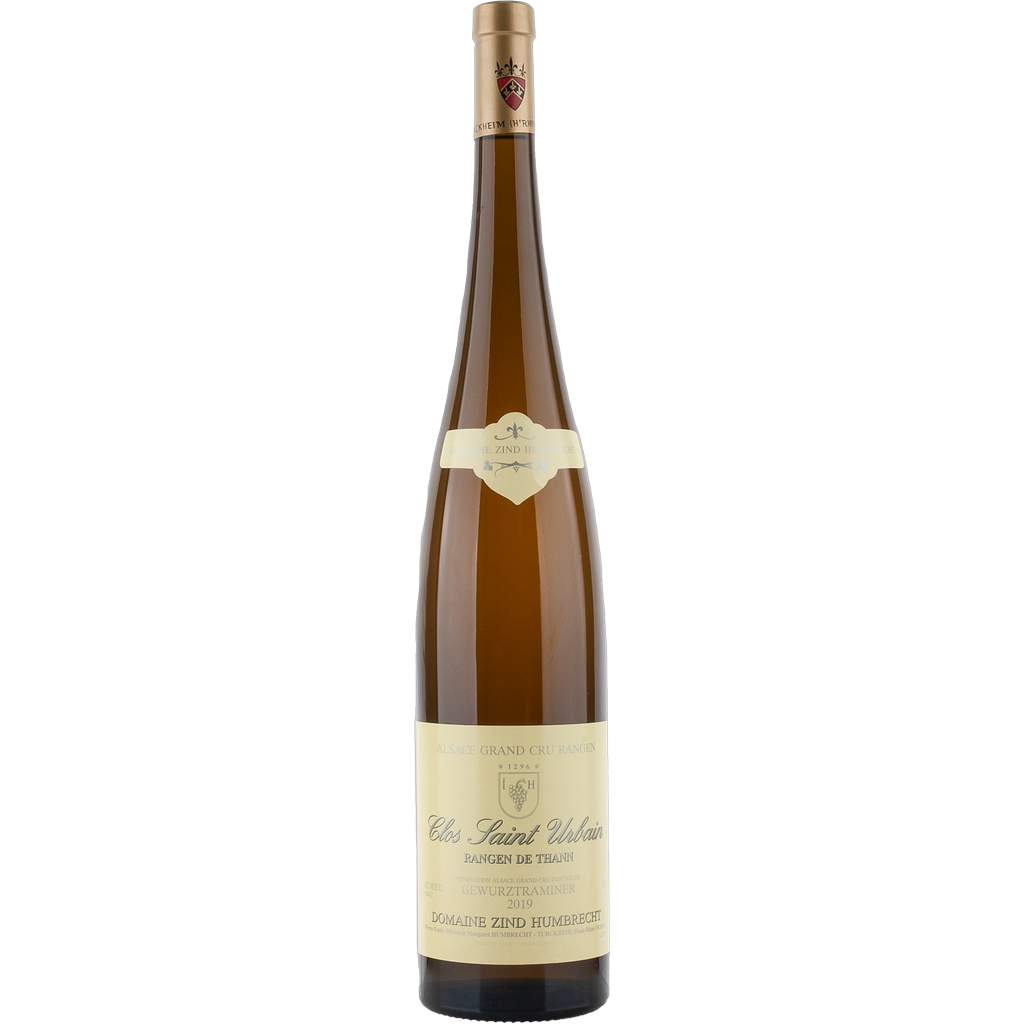
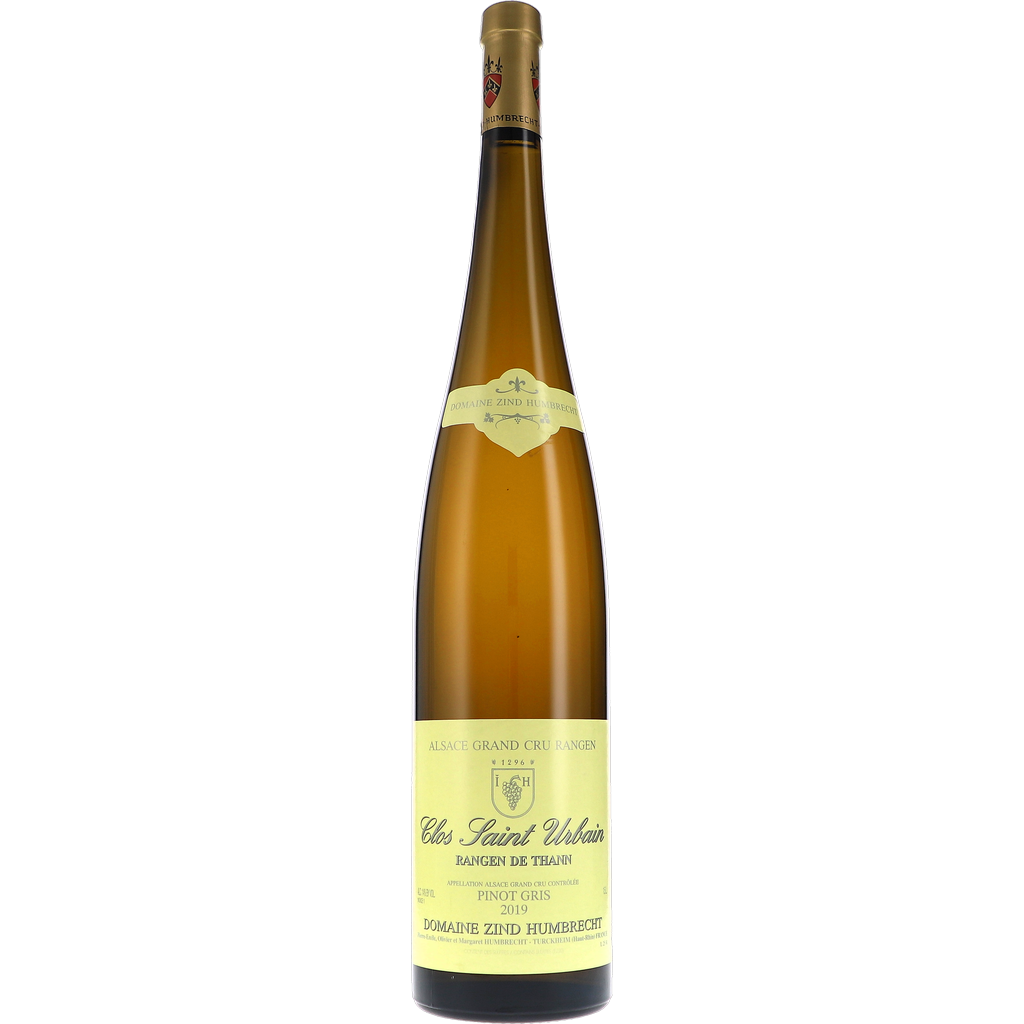
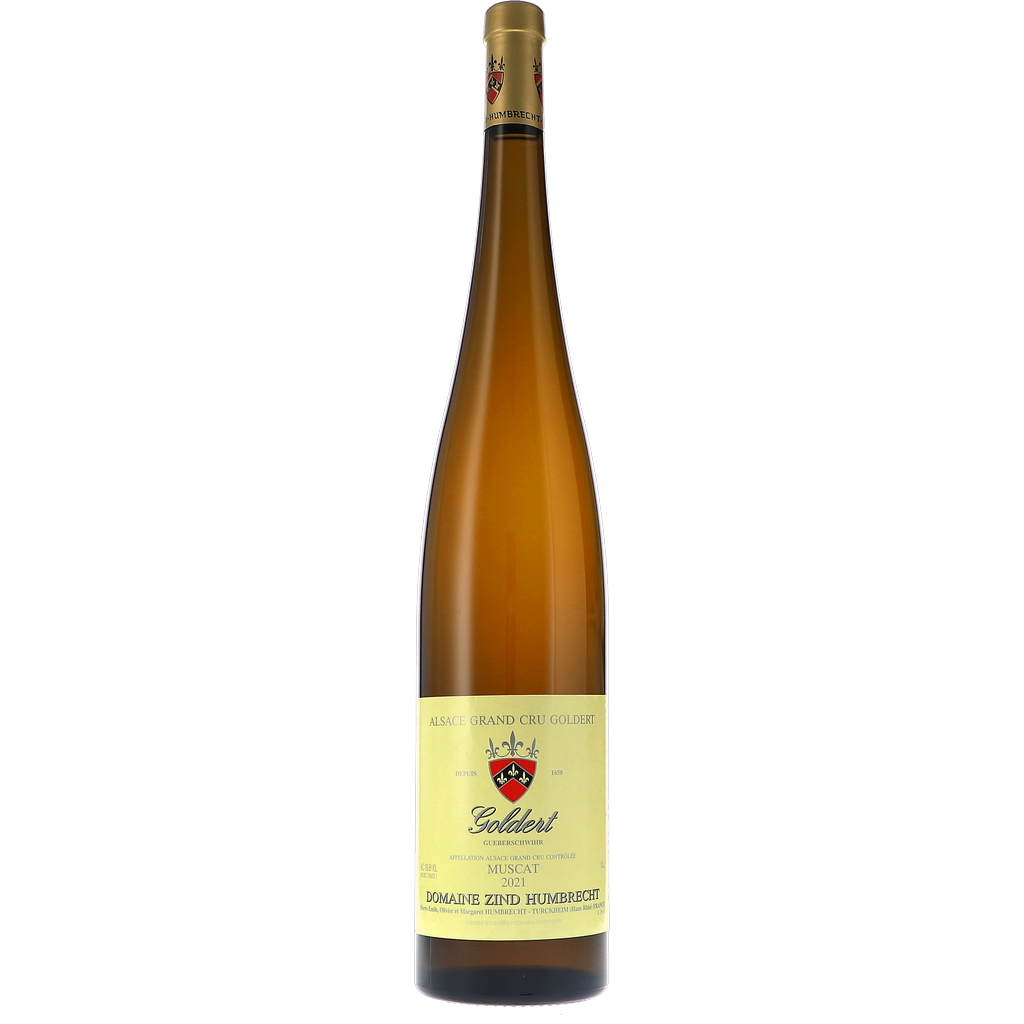
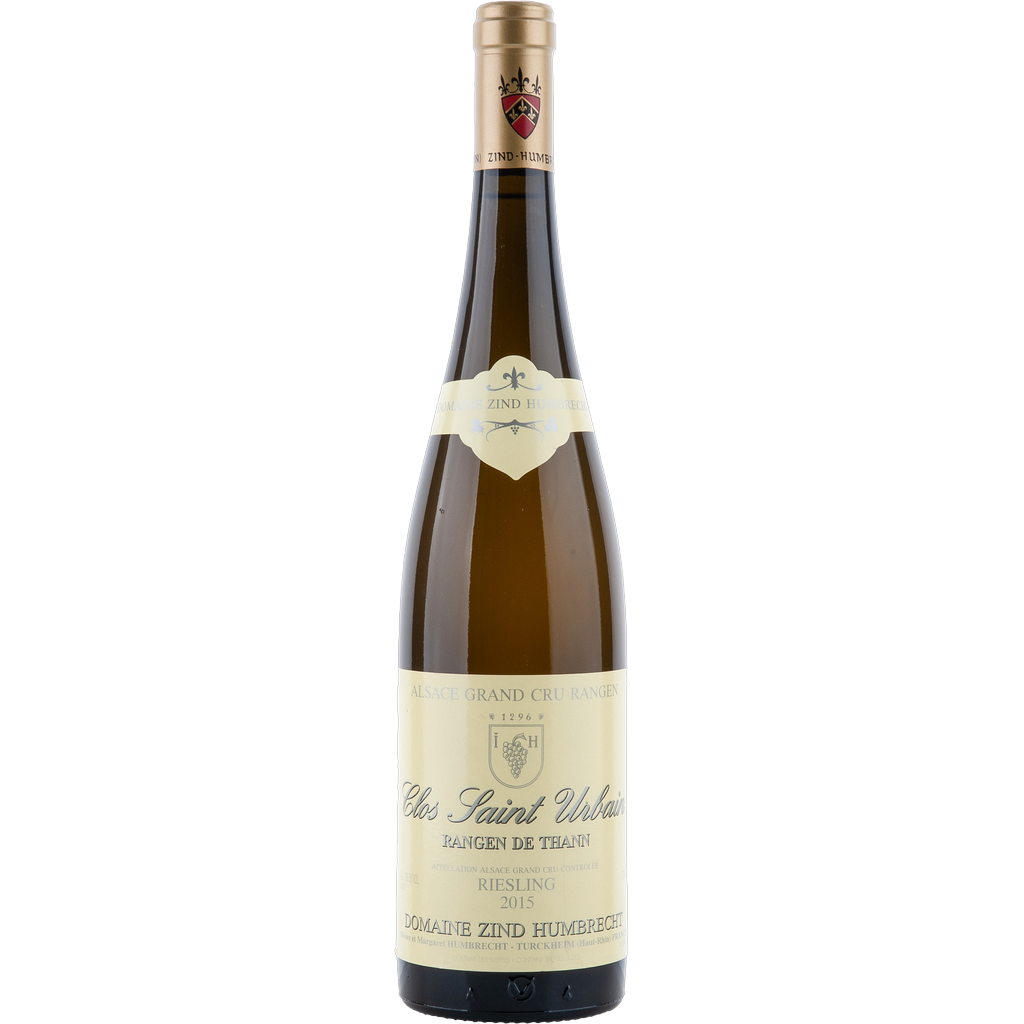
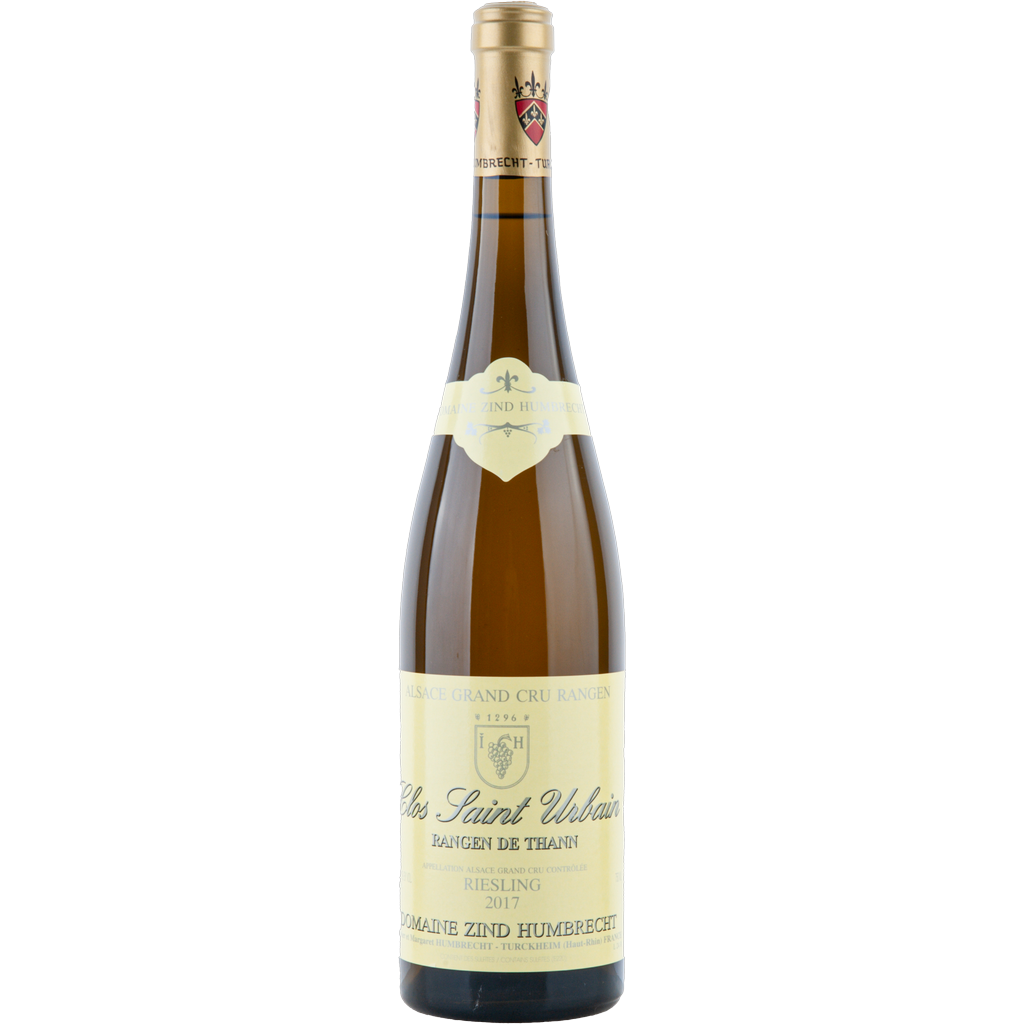
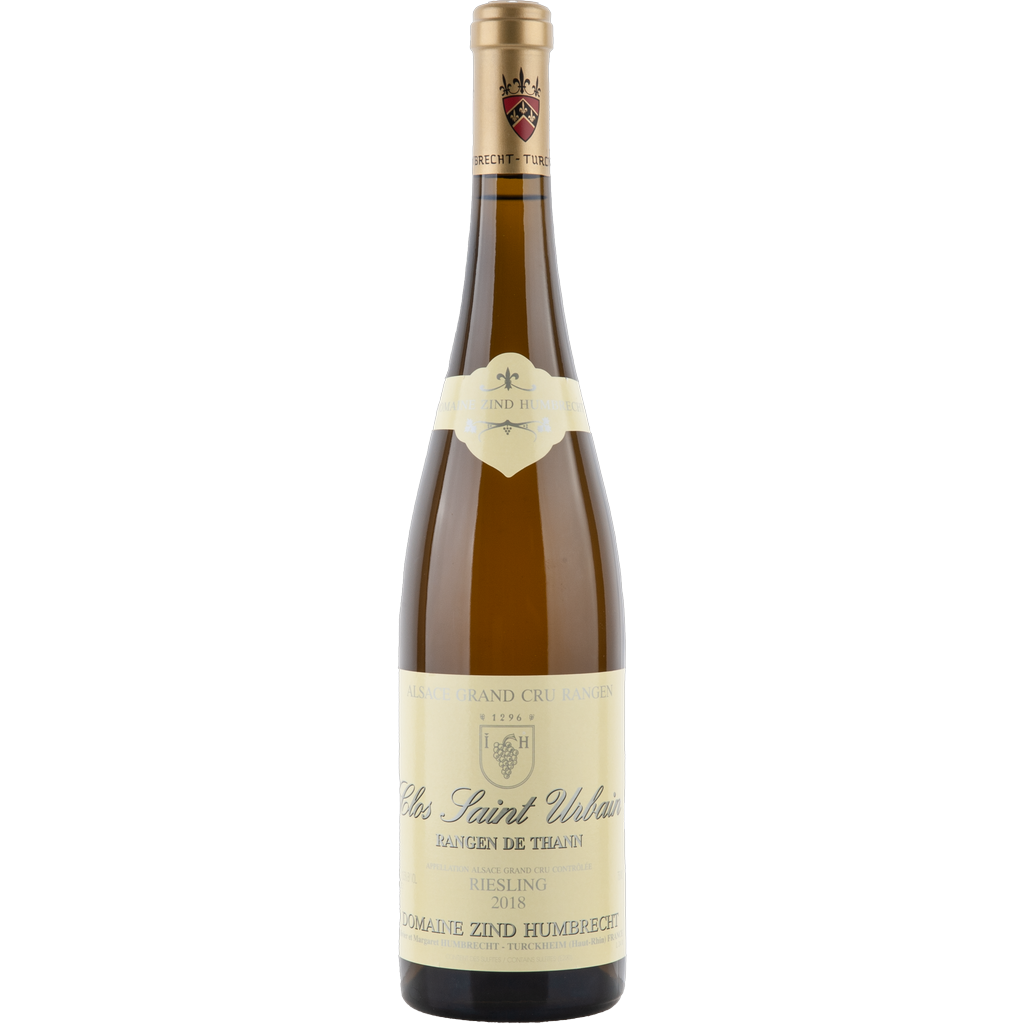
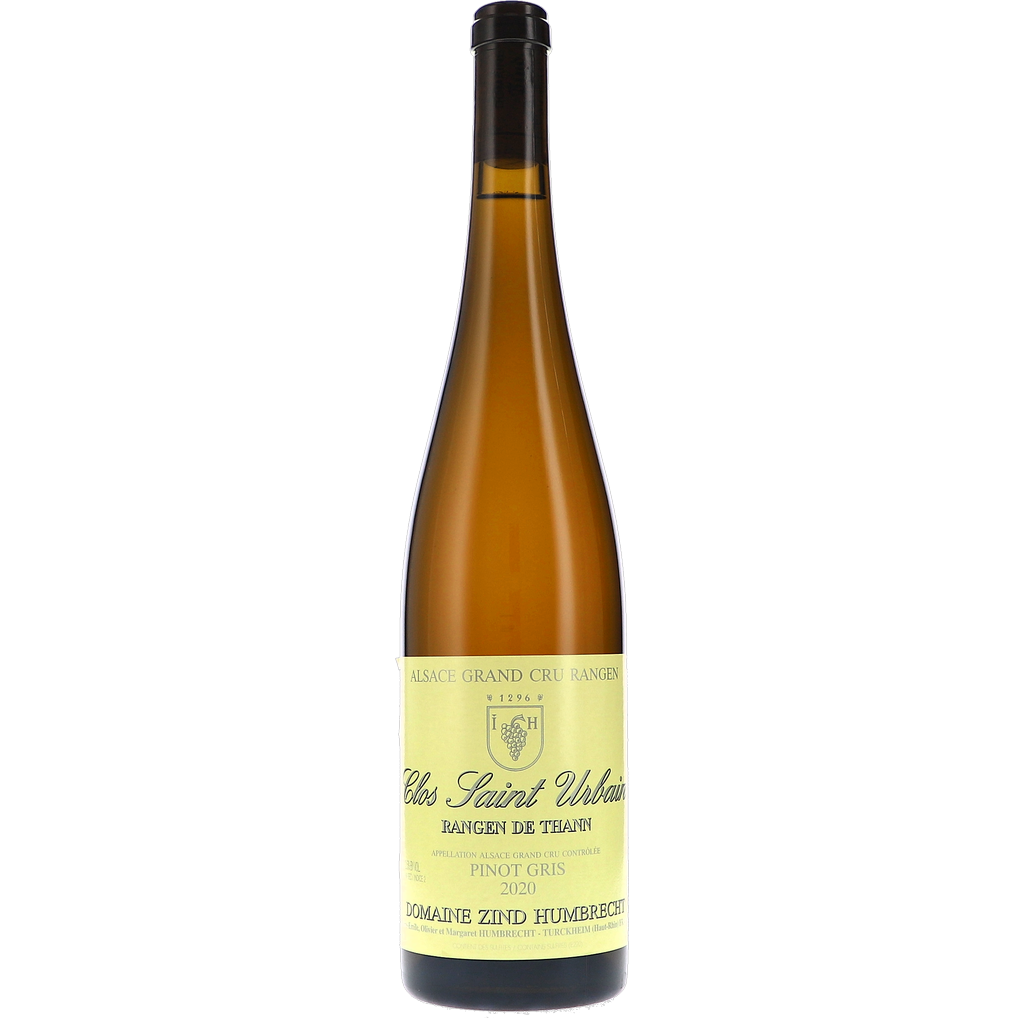
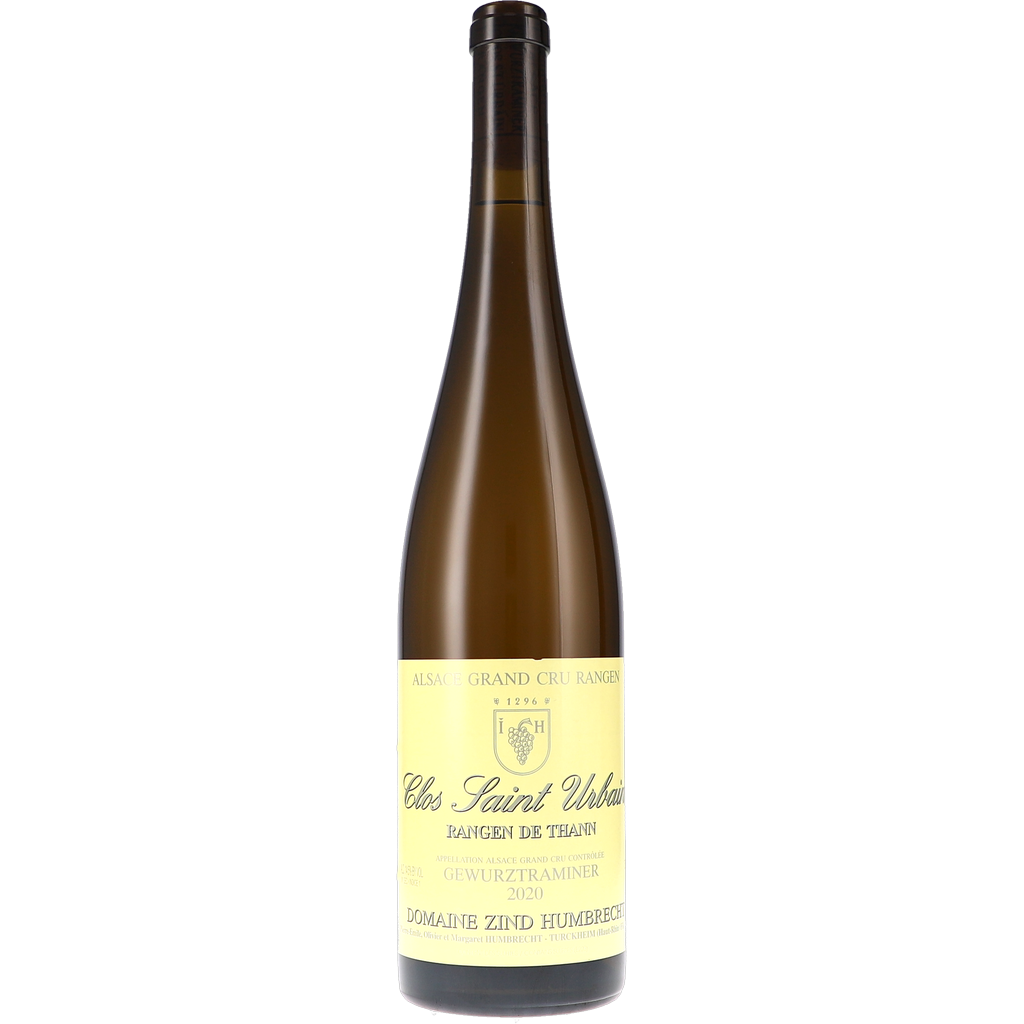
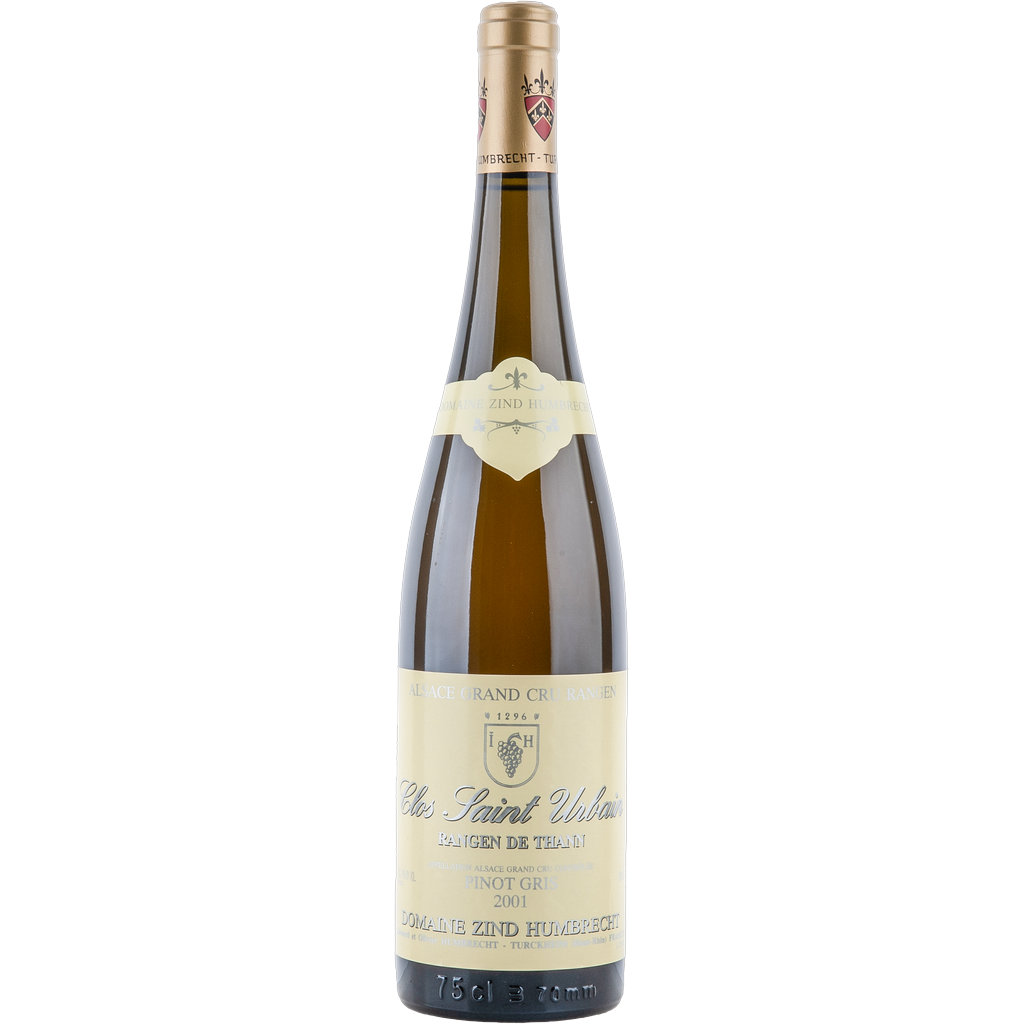
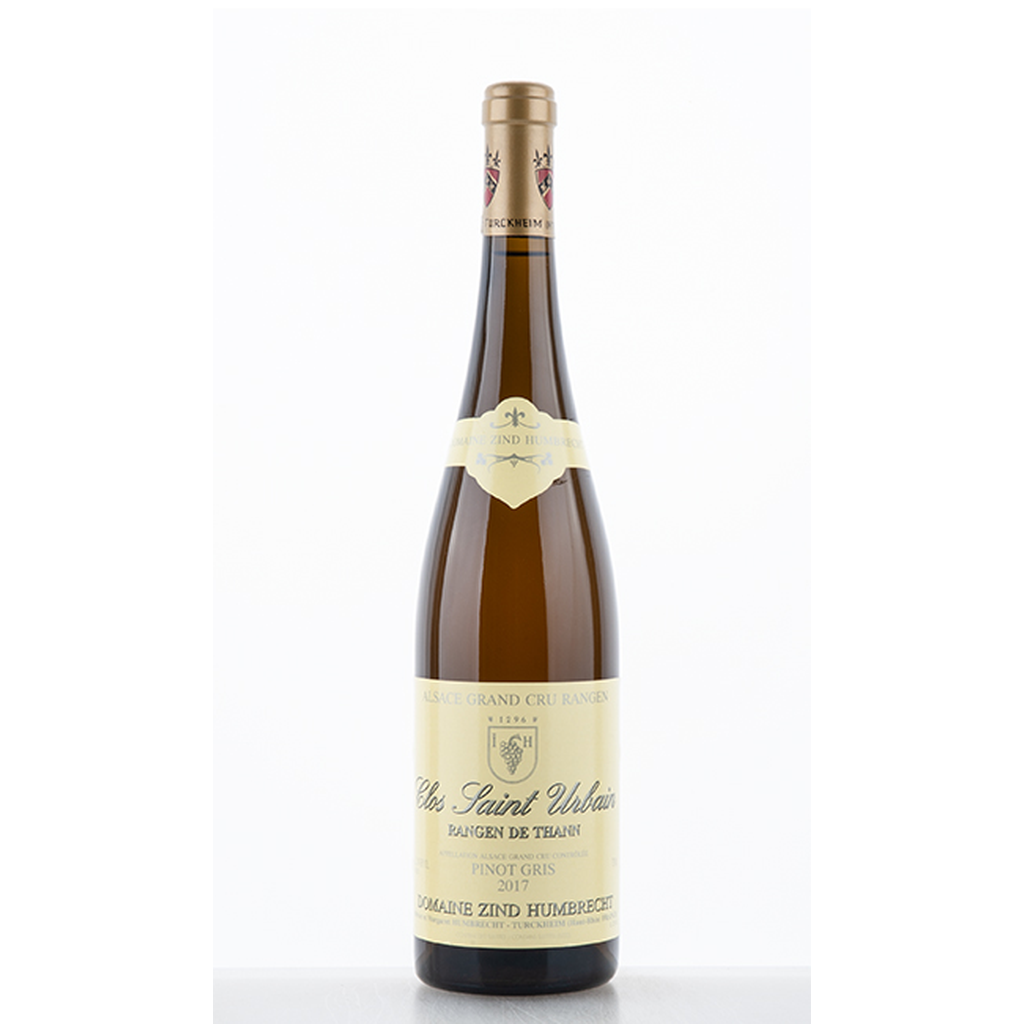
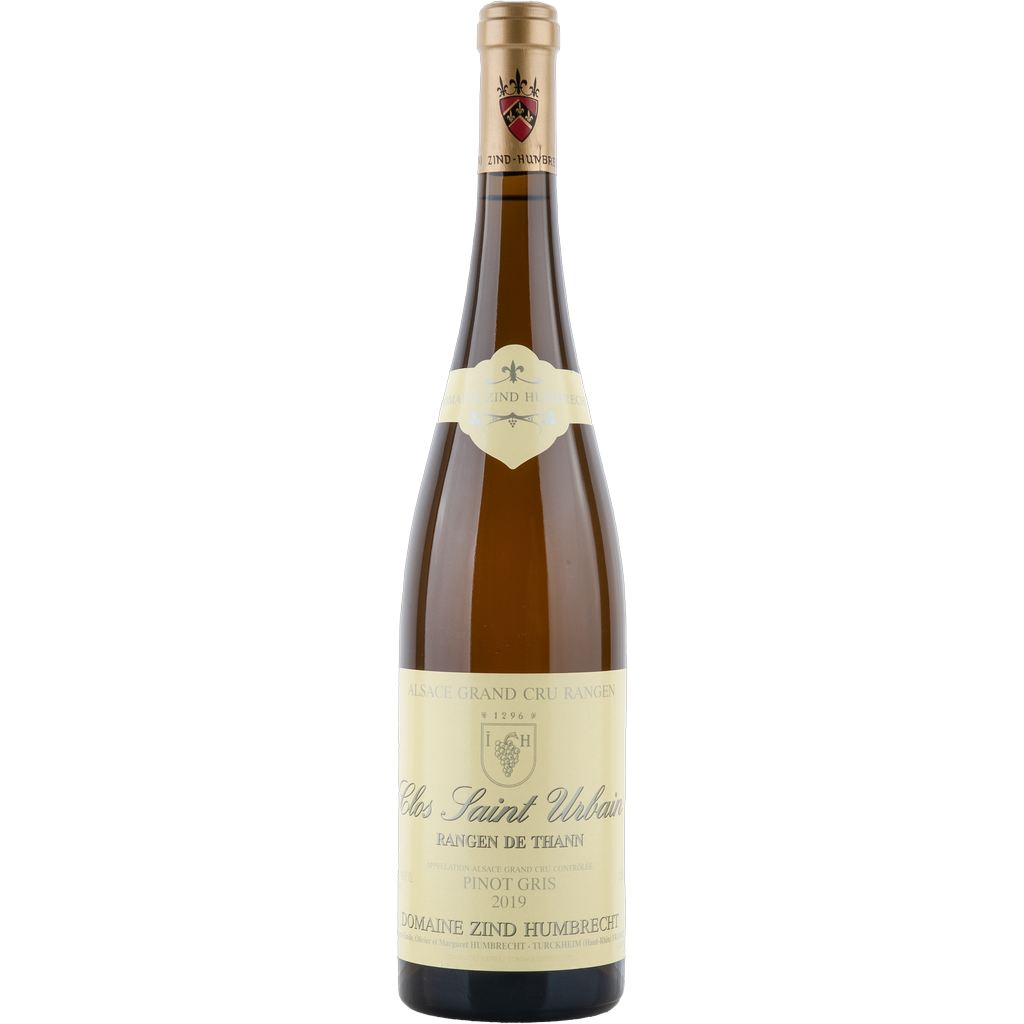
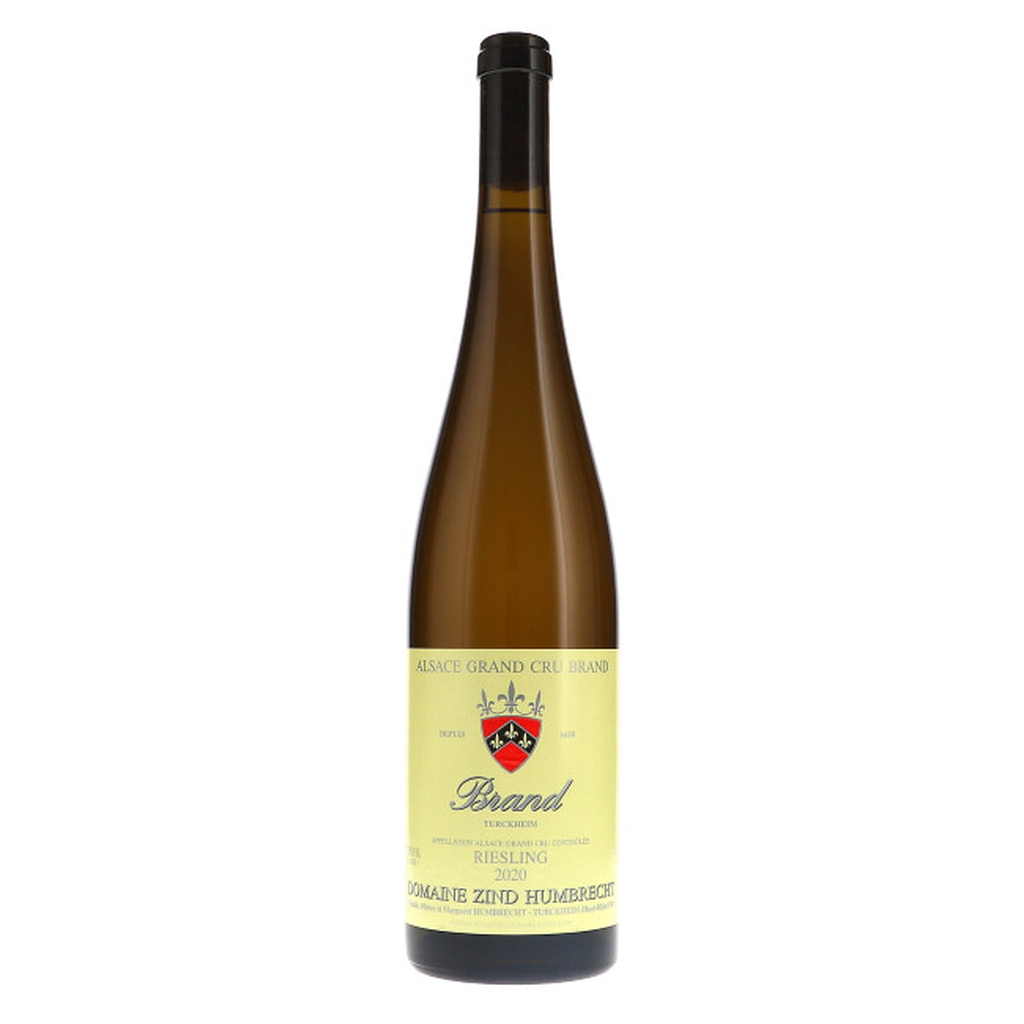
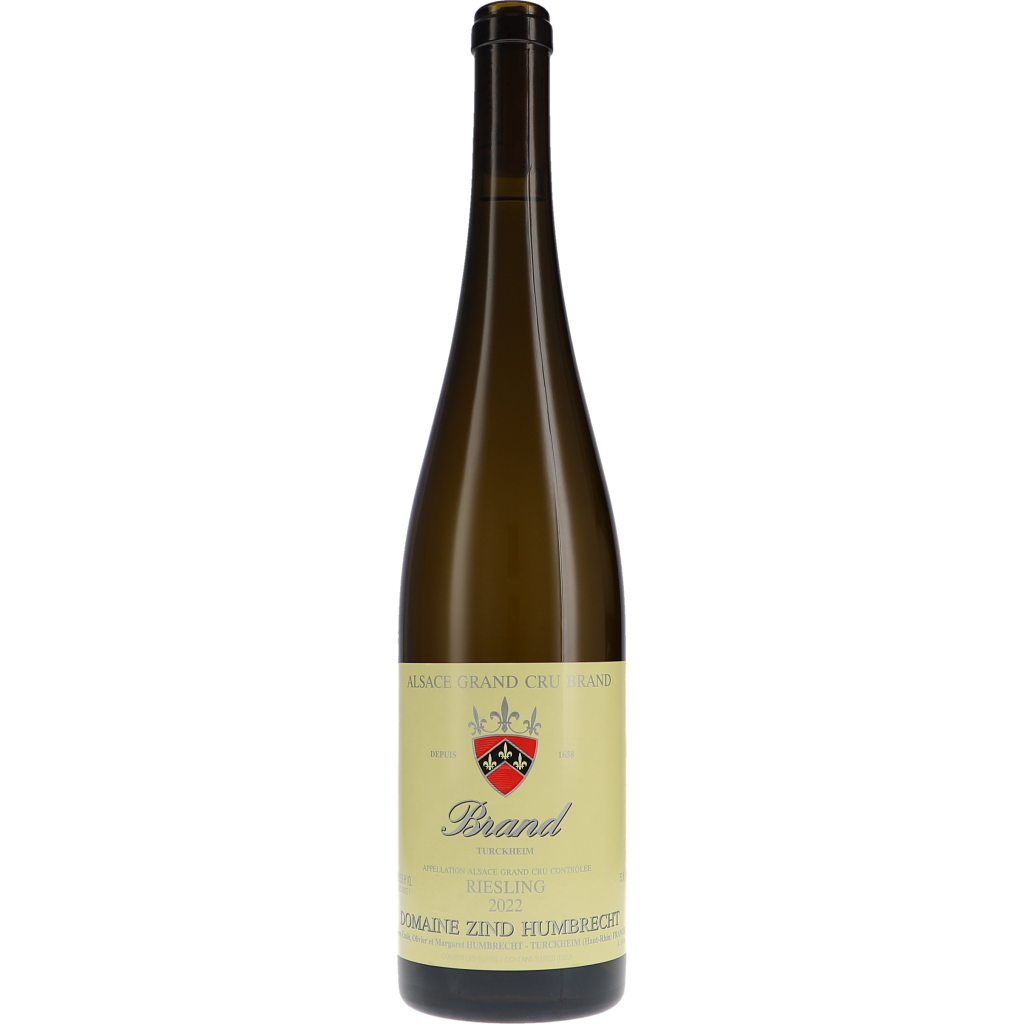
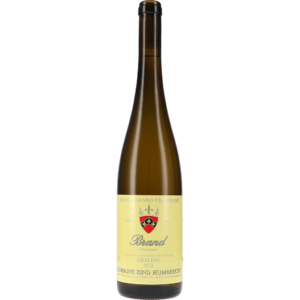
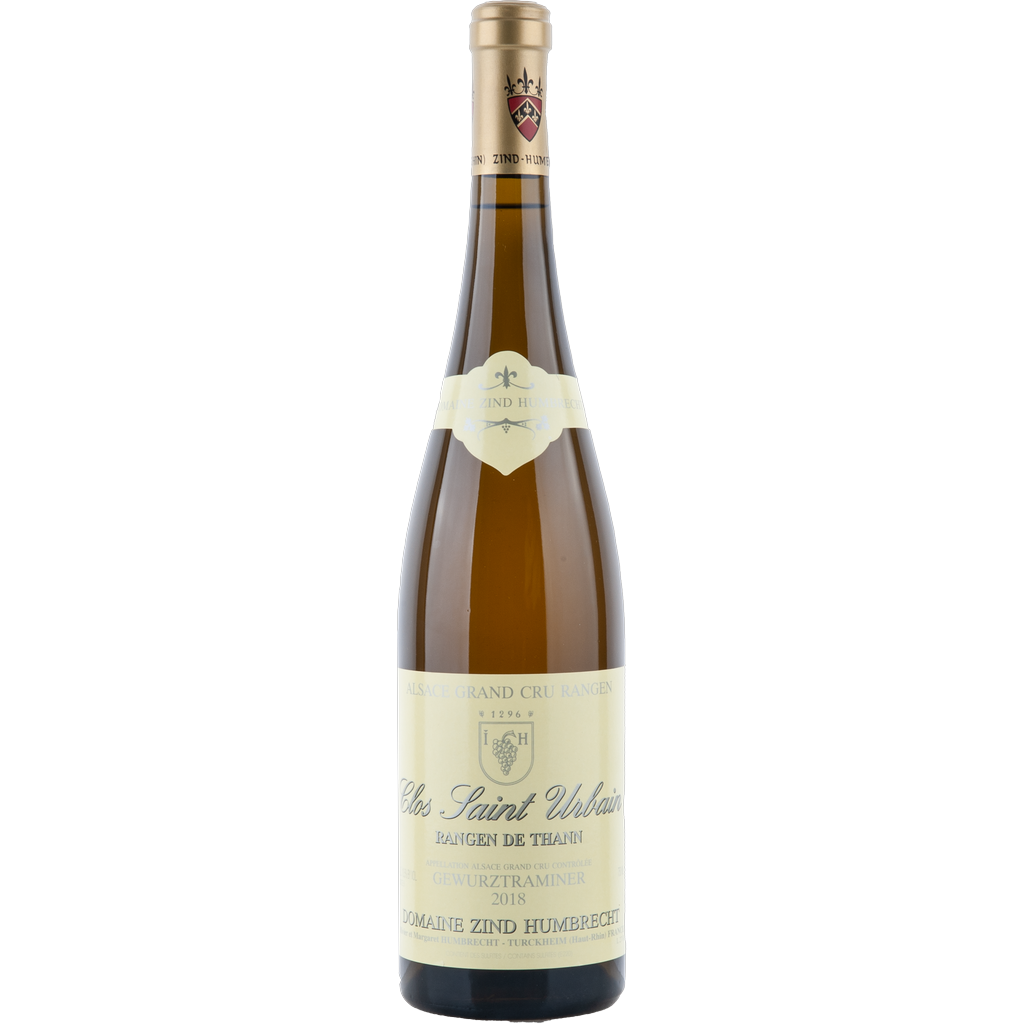
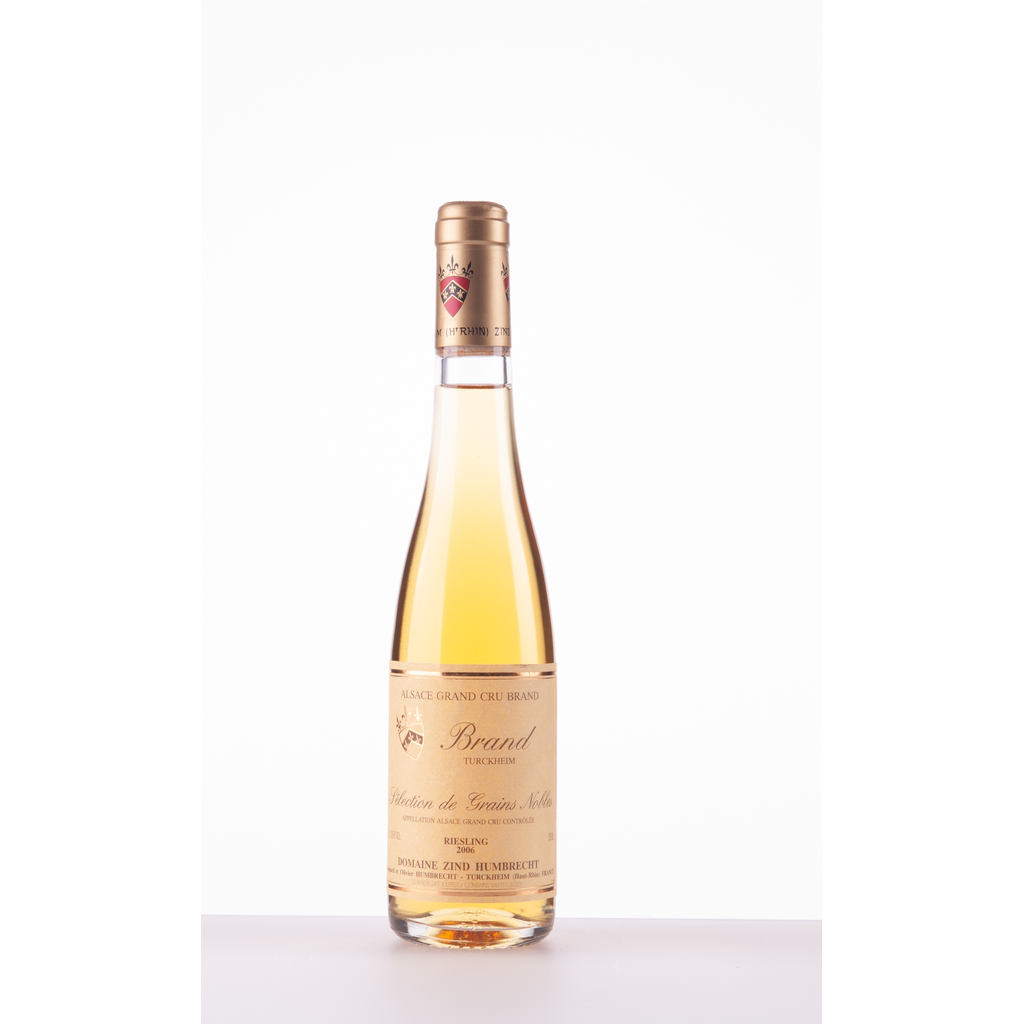
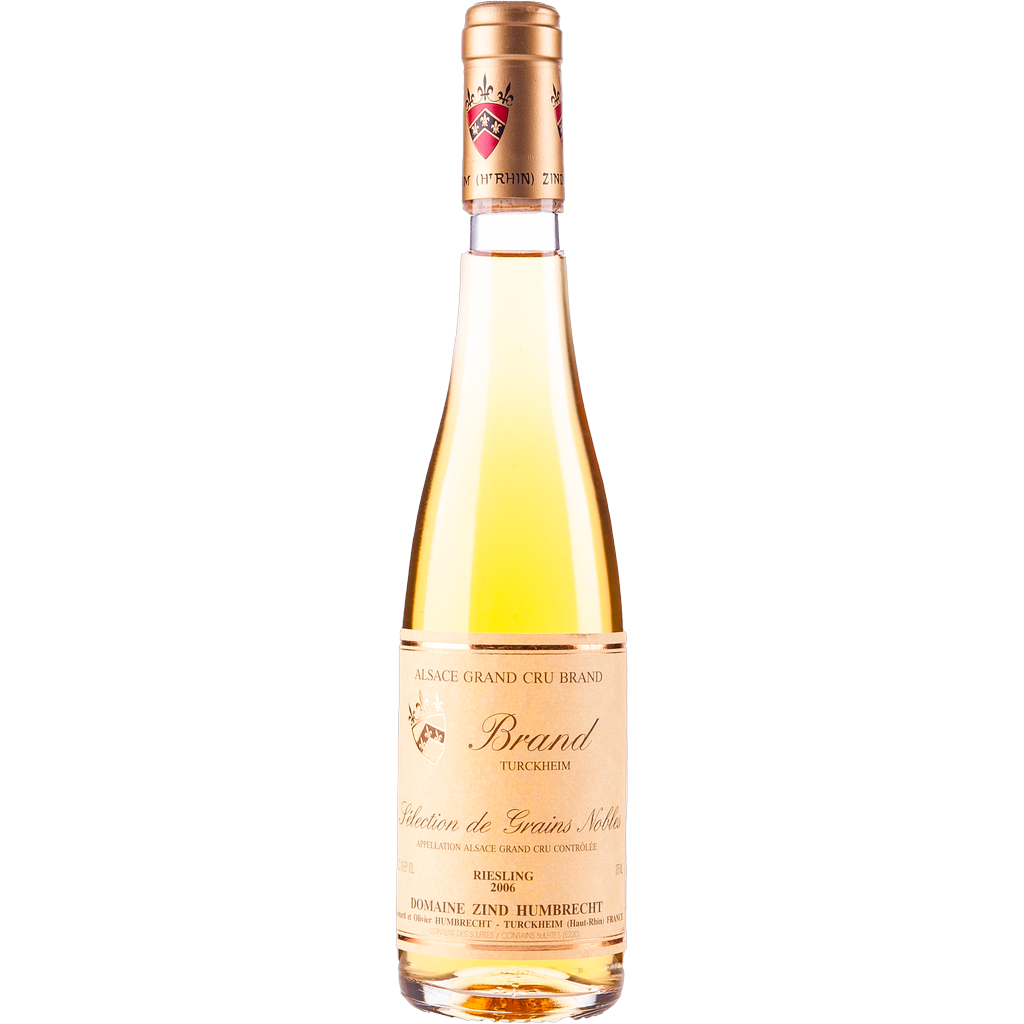
The Rangen de Thann drops at a 68 percent gradient above the town of Thann, the steepest vineyard site in Alsace, 5.5 hectares of volcanic rock; the estate's plot is called Clos Saint-Urbain. The Brand near Turckheim sits on granite, while Hengst and Goldert lie on limestone.
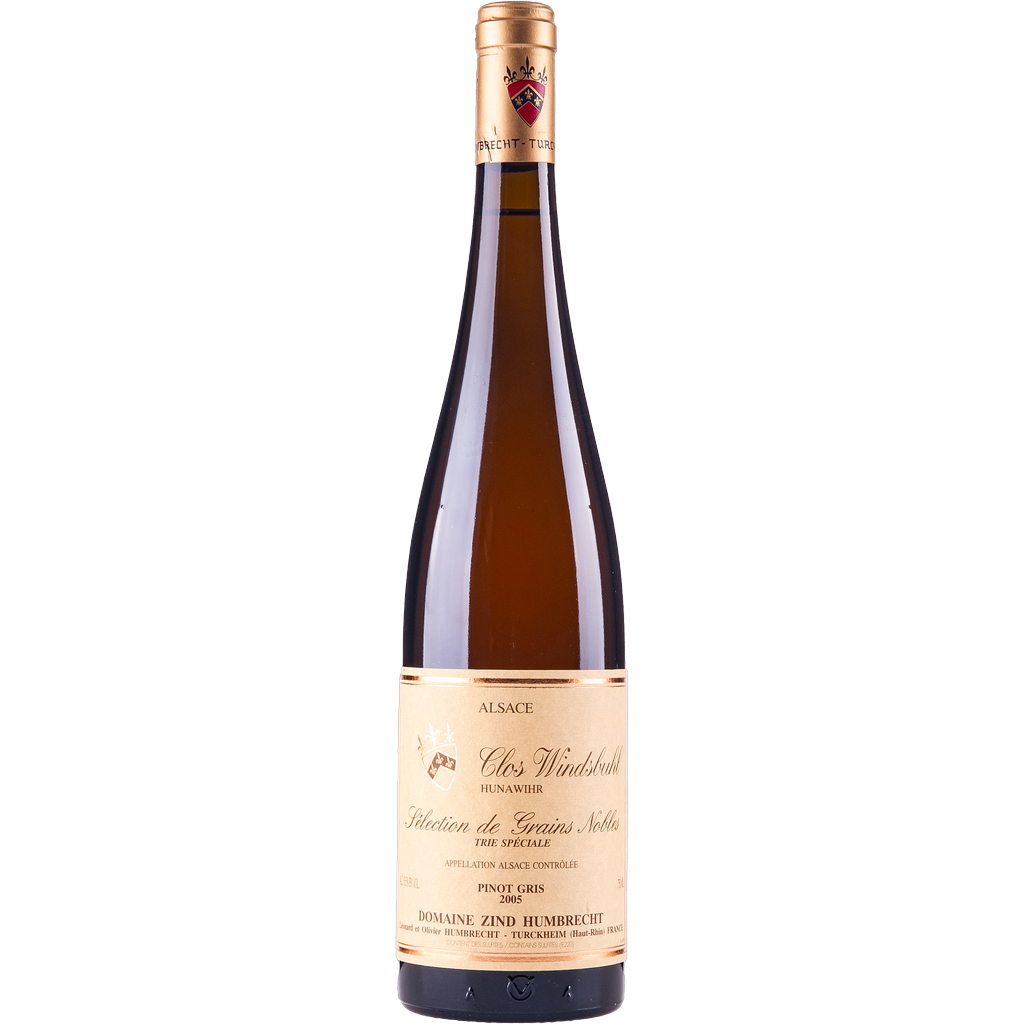
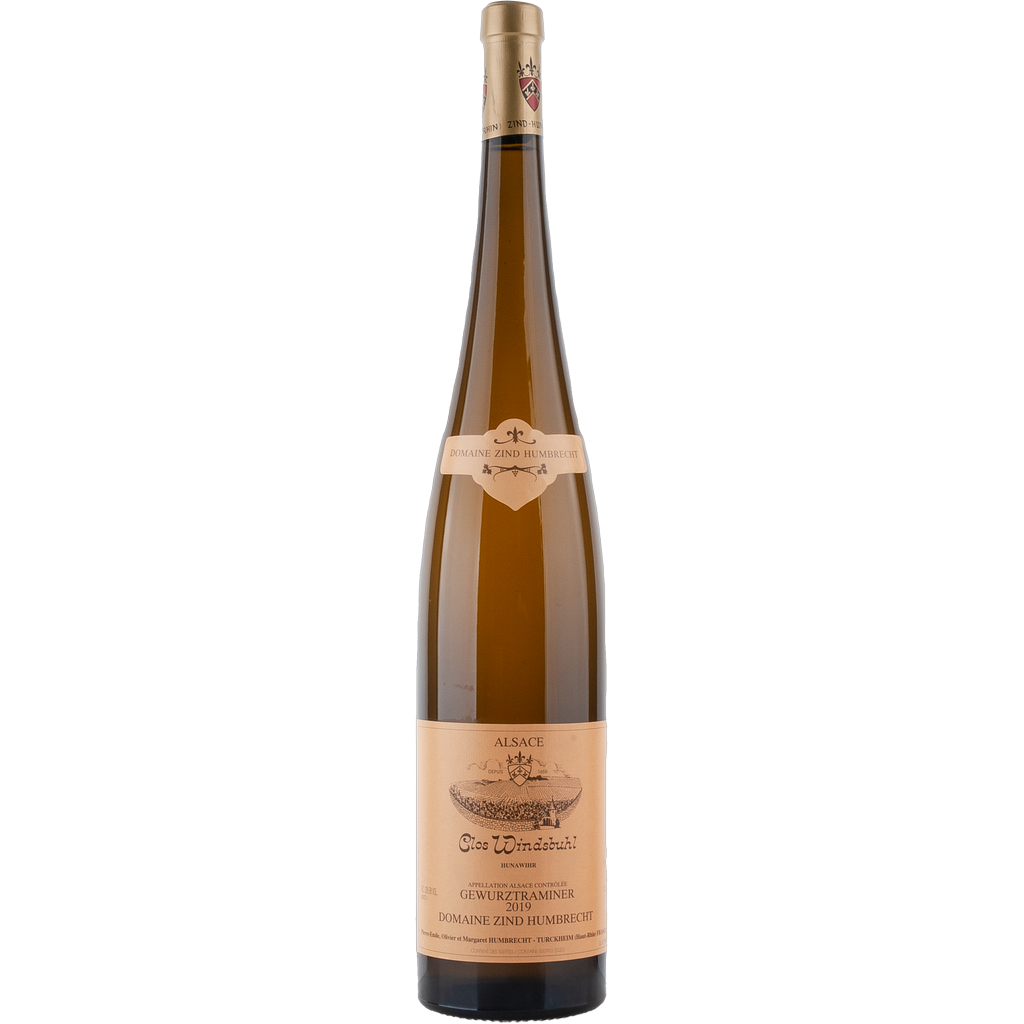
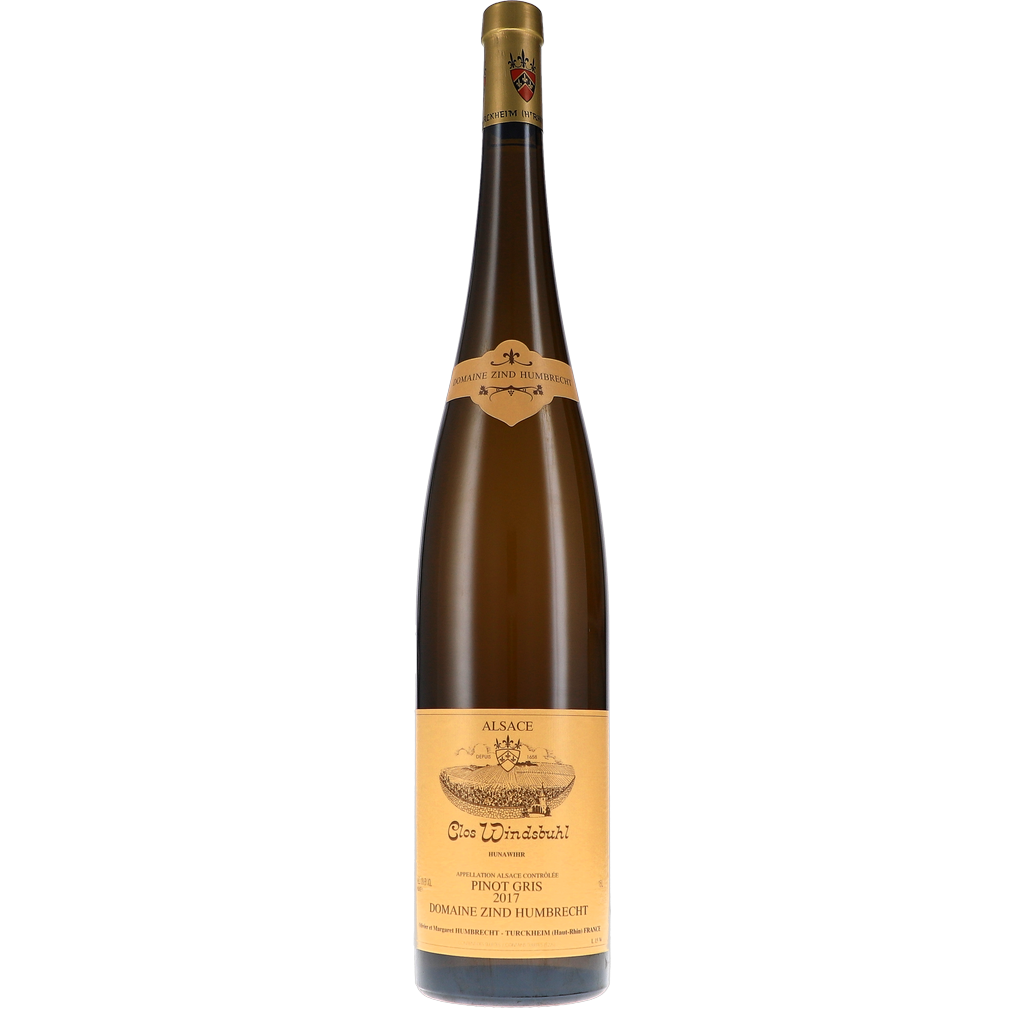
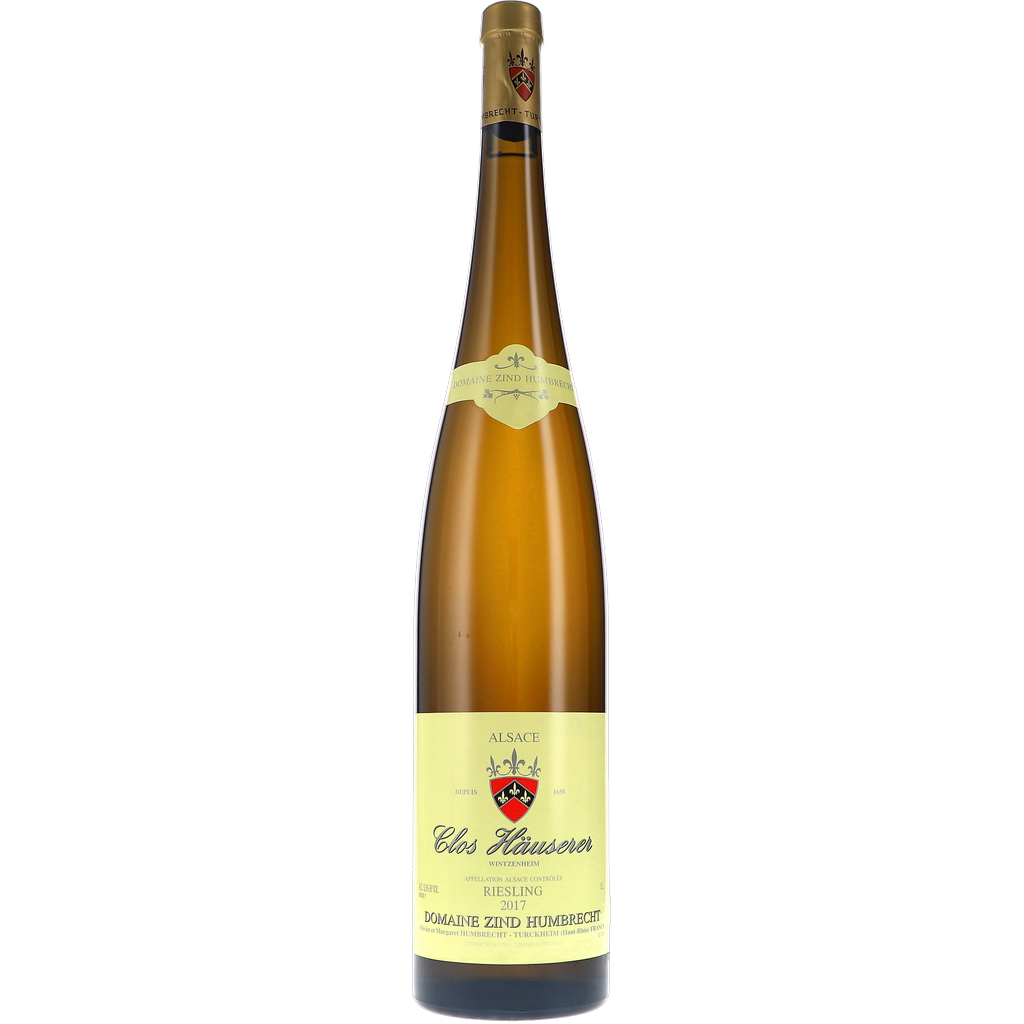
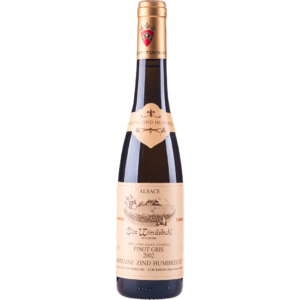
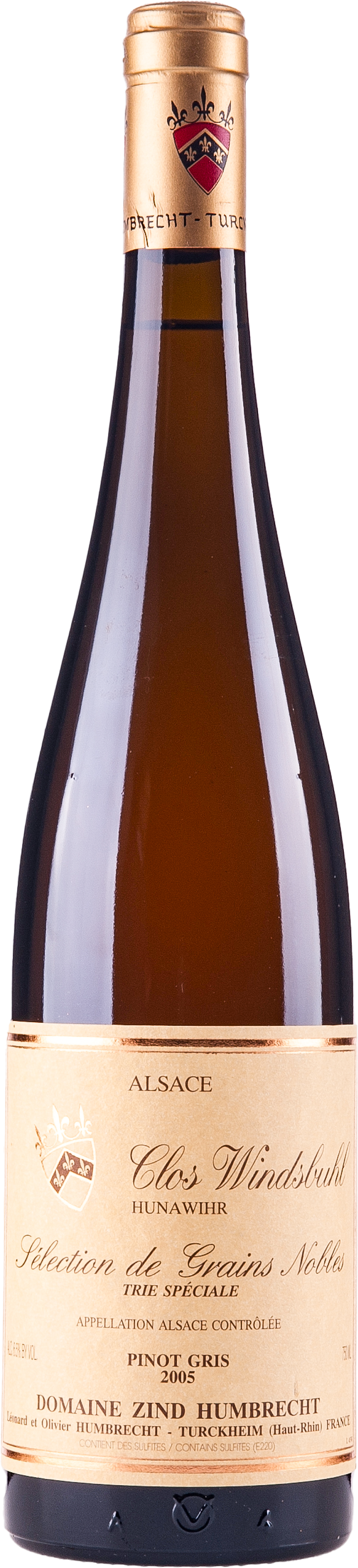
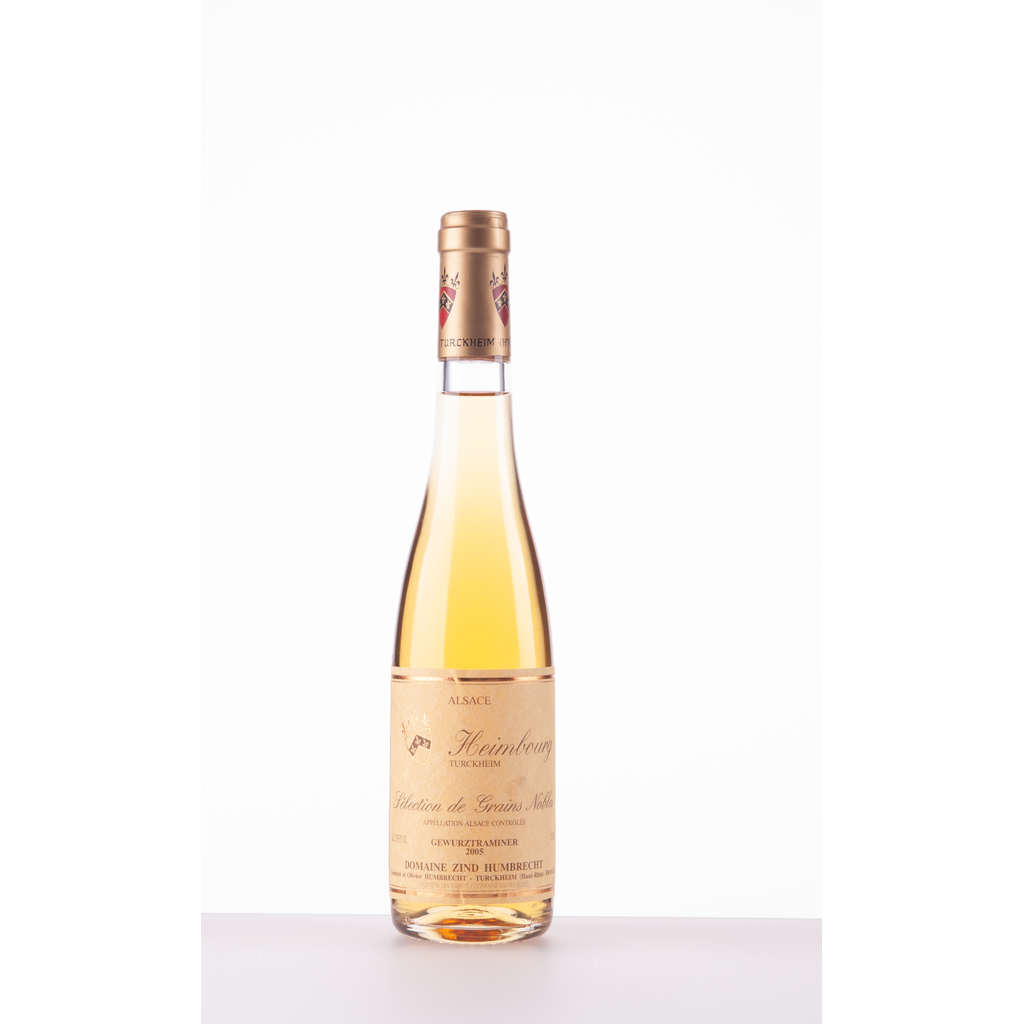
The monopole Clos Windsbuhl lies on shell limestone, facing south to southeast on a moderate slope; Pinot Gris, then known as "Tokayer," is documented there as early as 1759, and the vines there average 54 years of age. The Heimbourg above Turckheim measures 7.5 hectares, 4.5 of which belong to the estate, on calcareous Oligocene rock; the upper plots planted with Pinot Gris catch the late evening sun in August and September, and their vines average 38 years of age. Clos Häuserer and Clos Jebsal complete the picture.
Cellar, lees and limestone
The winery stands right in the middle of the vineyards and was rebuilt to suit the needs of these wines. Fermentations run long and steady, the wines rest on the lees for at least six months, the Pinot Gris from the Heimbourg on full lees in young wooden casks; botrytis does not occur in the dry wines. Limestone soils retain water and ripen later, their Rieslings carry more acidity and a lower pH, ferment slowly and occasionally retain residual sugar. The Riesling Roche Calcaire brings together several plots too small to be vinified separately.