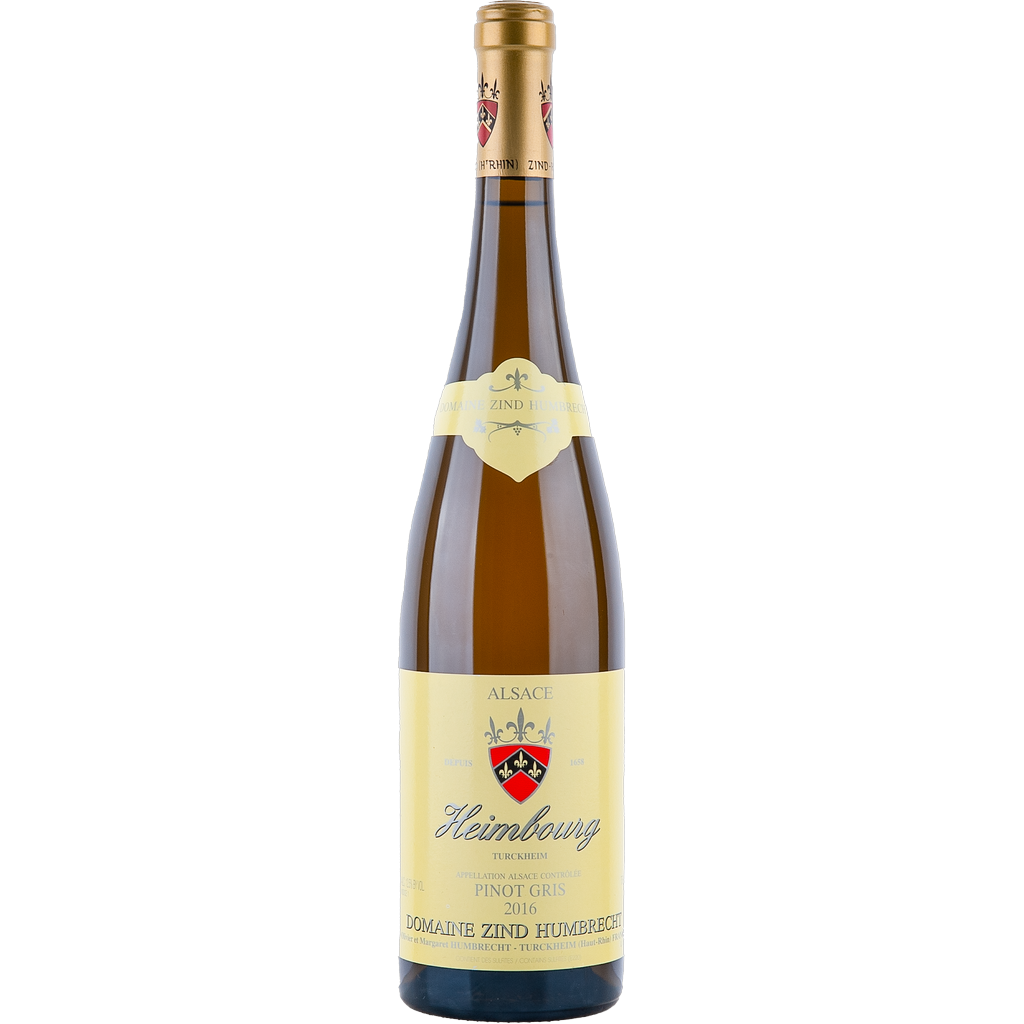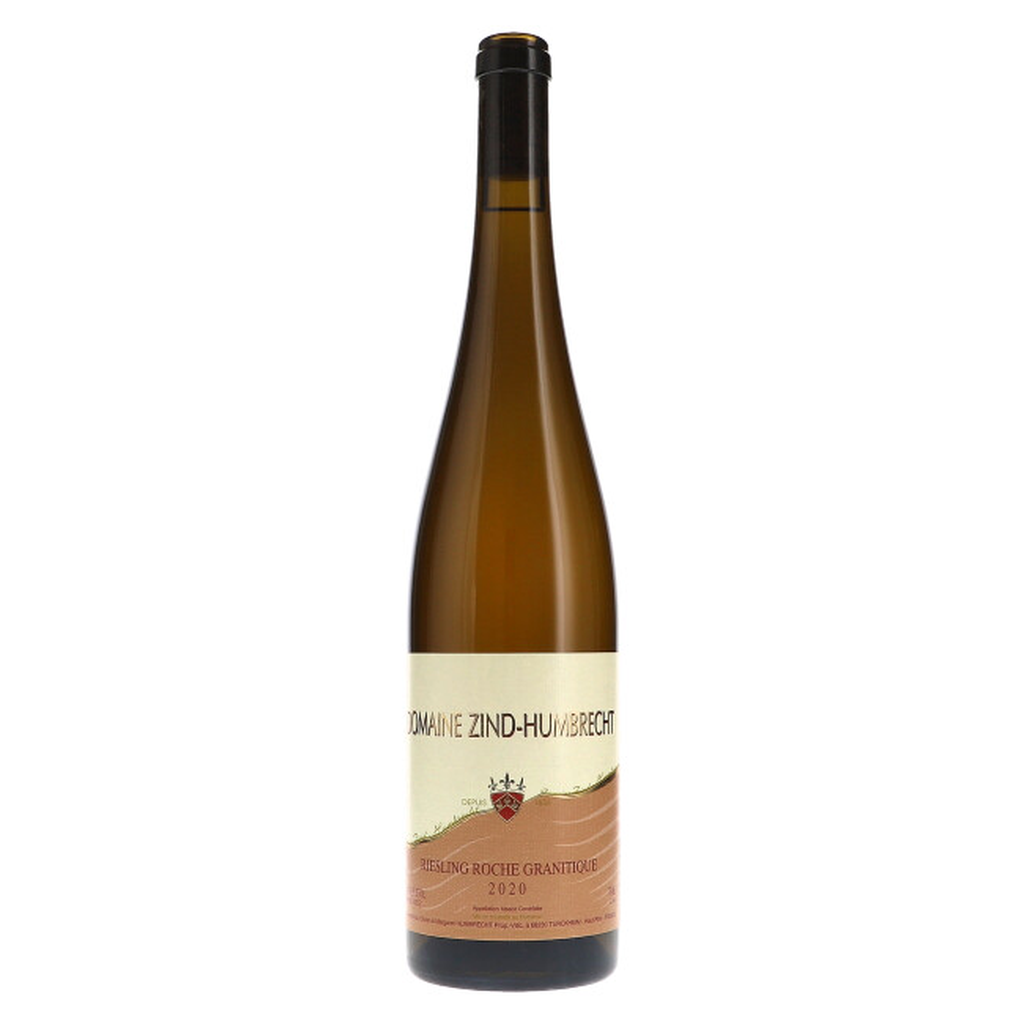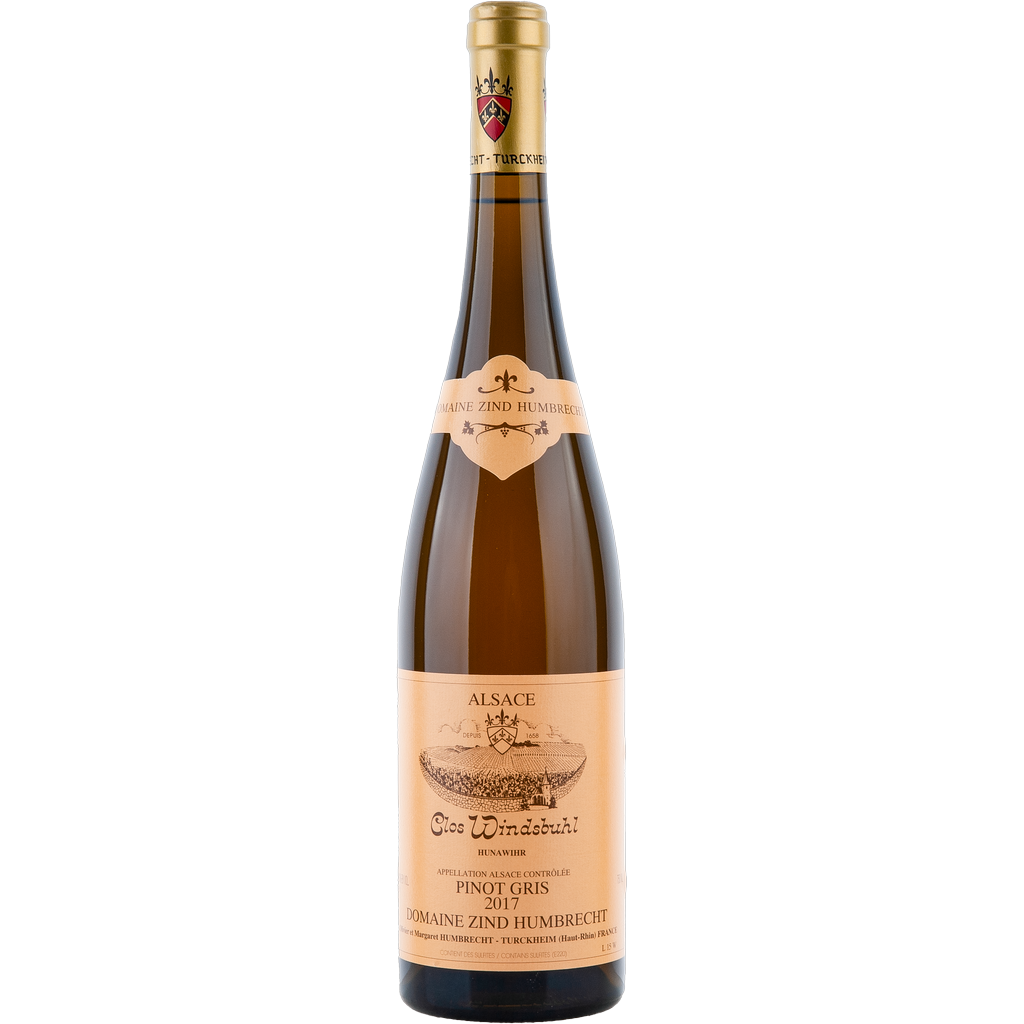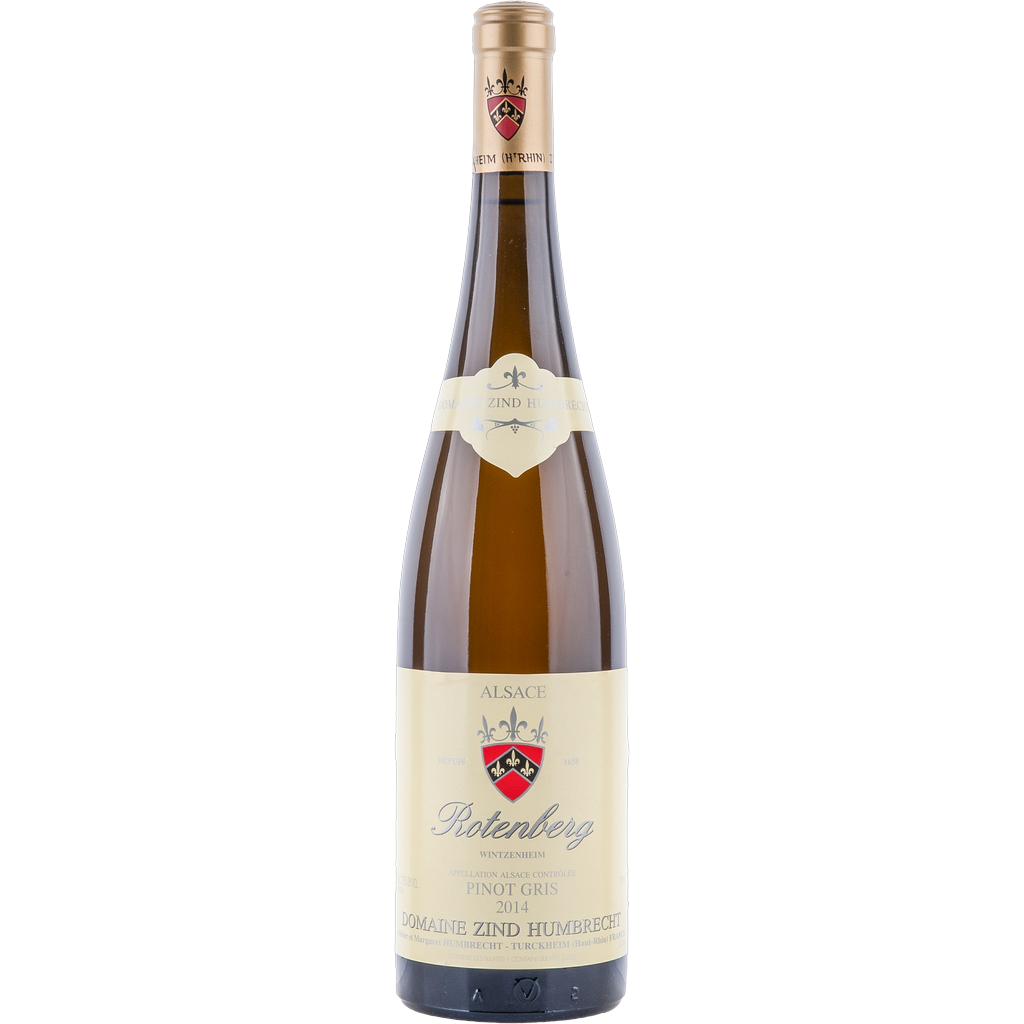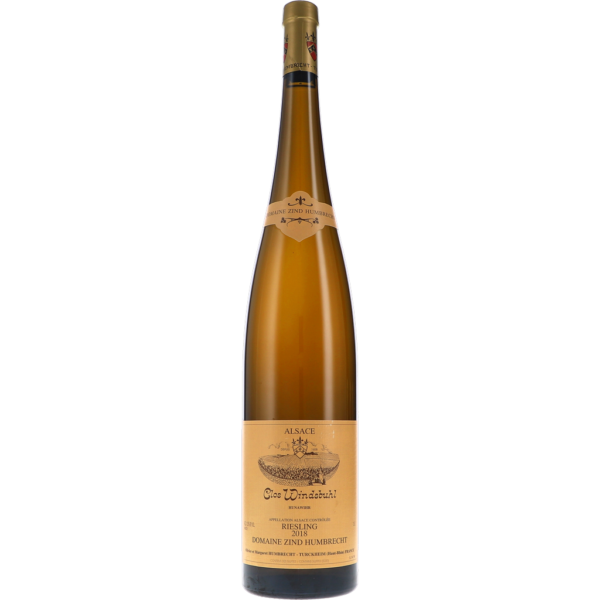
Riesling Clos Windsbuhl 2018 1500ml Magnum
The Riesling Clos Windsbuhl 2018 from Domaine Zind-Humbrecht grows on a high-elevation monopole site at the forest's edge in Alsace, on ancient sedimentary limestone, and places minerality ahead of fruit.
CHF 161.50
Prices in CHF, including customs duty and all import charges, plus shipping CHF 15 (free from 12 bottles or CHF 300) — no further charges on delivery.
Available for Switzerland
Magnum — counts as 2 bottles in the case.
✓ On your wishlist. — View wishlist
About this wine
Character
A Riesling that initially holds back the fruit, putting density, depth and minerality to the fore instead. Striking, very dry, precisely built.
Terroir and origin
The Clos Windsbuhl, a monopole site of Domaine Zind-Humbrecht, lies high up at the forest's edge on ancient sedimentary limestone from the secondary period, where the climate favours late ripening. The magnesium-rich soil gives the structure a grainy element and an acidity that occasionally brings fermentation to a premature halt.
Grape variety and vinification
Pure Riesling, 12.5% vol., dry. Olivier Humbrecht, the first Frenchman to hold the title of Master of Wine, farms 42 hectares biodynamically; the conversion began in 1996 with the first five hectares. Yields run between 30 and 40 hectolitres per hectare, the wines rest on the lees for at least six months and leave the cellar only after one to two years of ageing.
On the palate
Very dry and precise, with assertive spice and crystalline salinity that sets the saliva flowing immediately. Nutty, spicy and leesy notes lead, while the fruit stays in the background with citrus and apple skin. On the nose, first almonds, pale nuts, wine lees, delicate smoke and light tobacco, later pomelo, pink grapefruit and small red apples.
Food pairings
Risotto with white truffle, turbot in a fennel crust with riesling-shallot sauce and caviar, or young pheasant on savoy cabbage with smoked bacon and riesling sauce.
Special features
The 1500 ml magnum slows the ageing process. Anyone opening the bottle now should decant it at least a day in advance and pour it, not too cold, into large Burgundy glasses. A few more years in the cellar will bring further complexity.