Trapet Alsace
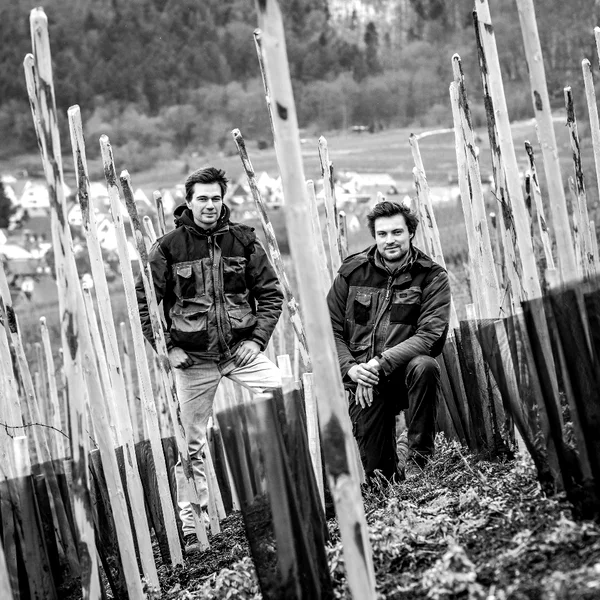
Domaine Trapet Alsace in Riquewihr farms 15 hectares in Alsace, including parcels in the four Grands Crus Schlossberg, Schoenenbourg, Sonnenglanz and Sporen. Andrée Trapet took over her parents' estate in 2002 and runs it with her husband Jean-Louis Trapet according to biodynamic principles; since 2018 day-to-day work has been in the hands of their sons Pierre and Louis. Riesling, Gewürztraminer, Pinot Gris and Auxerrois grow on soils ranging from granite to shell limestone, and are vinified dry, with vibrant acidity. Alongside these are the macerated Ambre wines that Pierre and Louis Trapet have brought into the cellar.
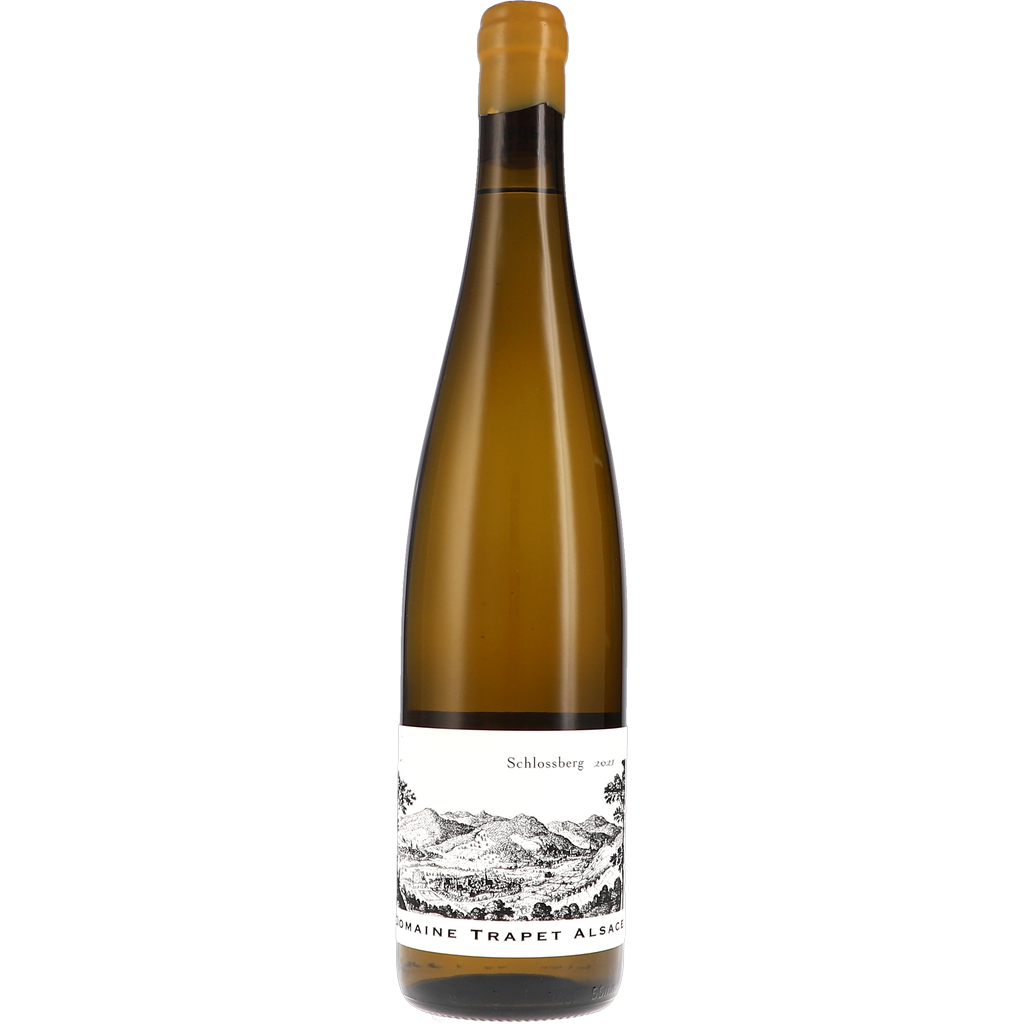
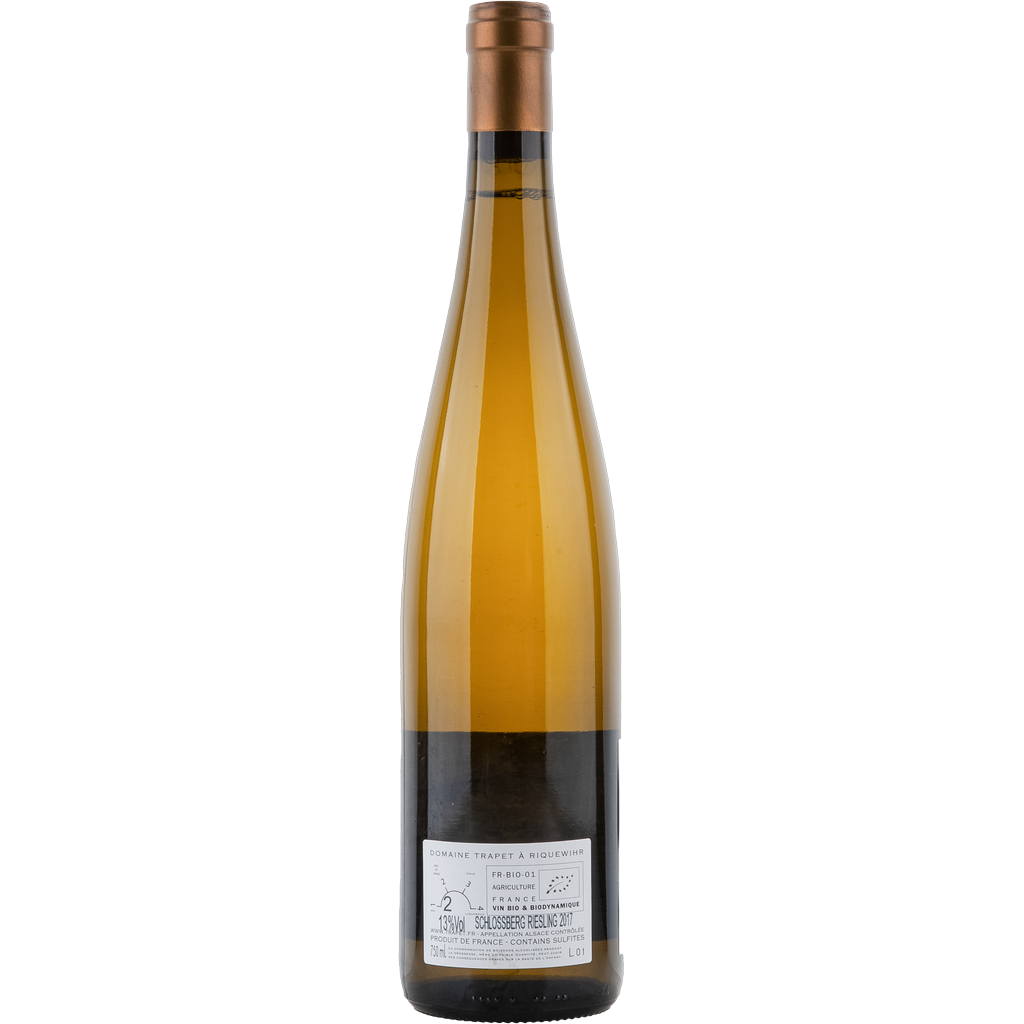
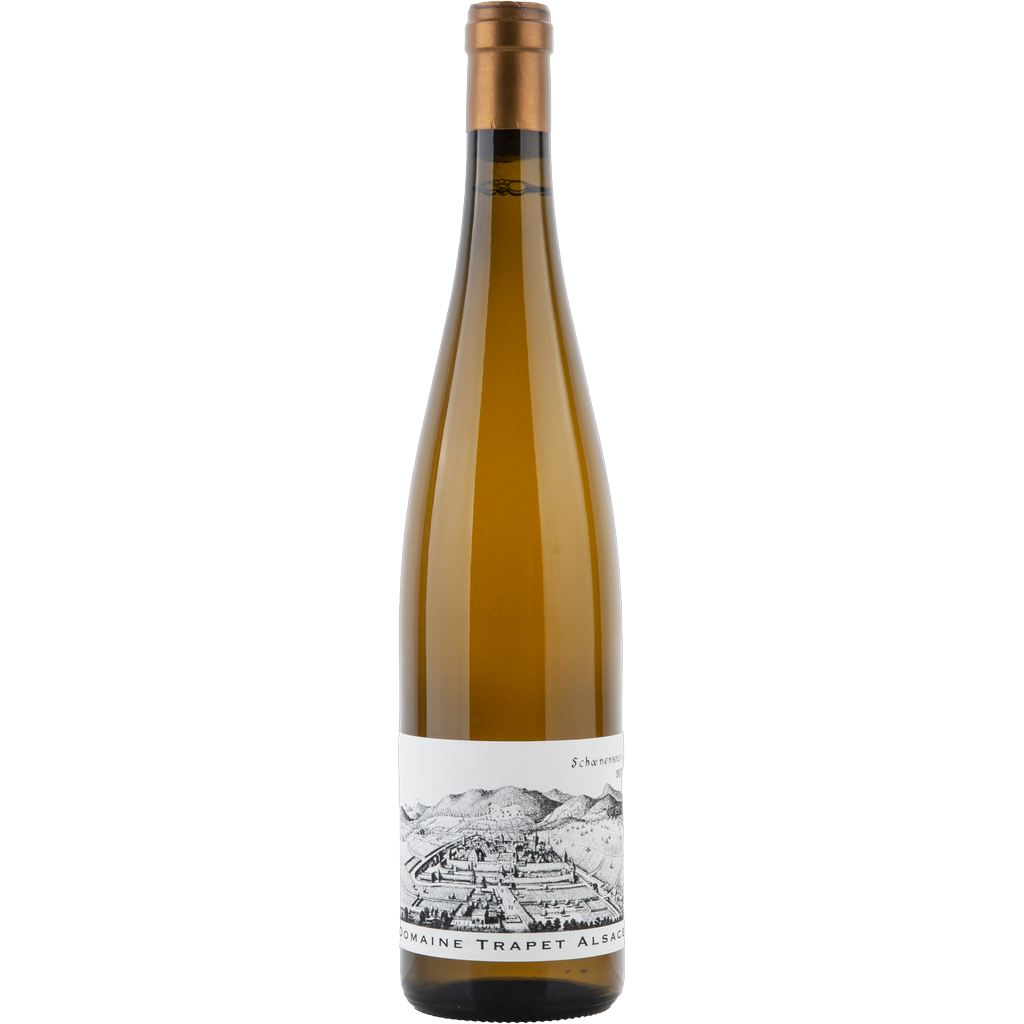
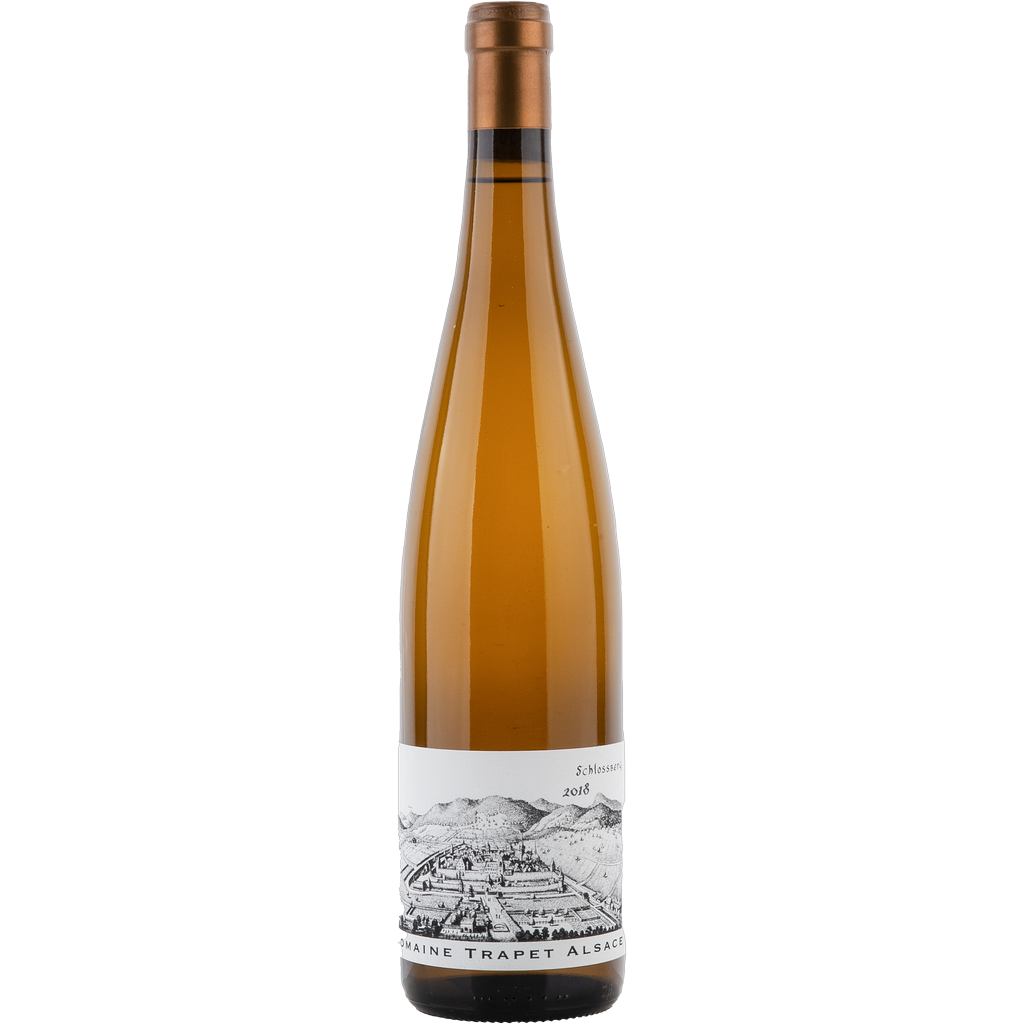
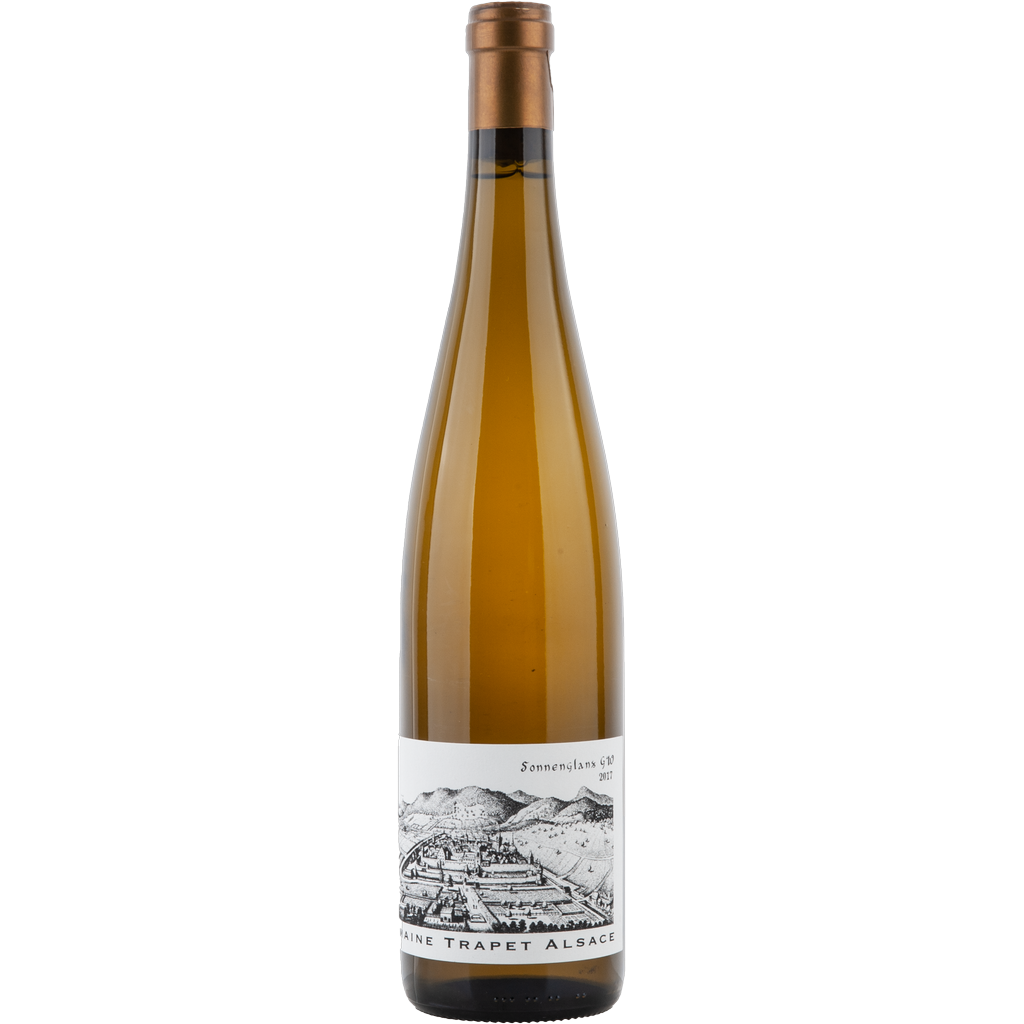
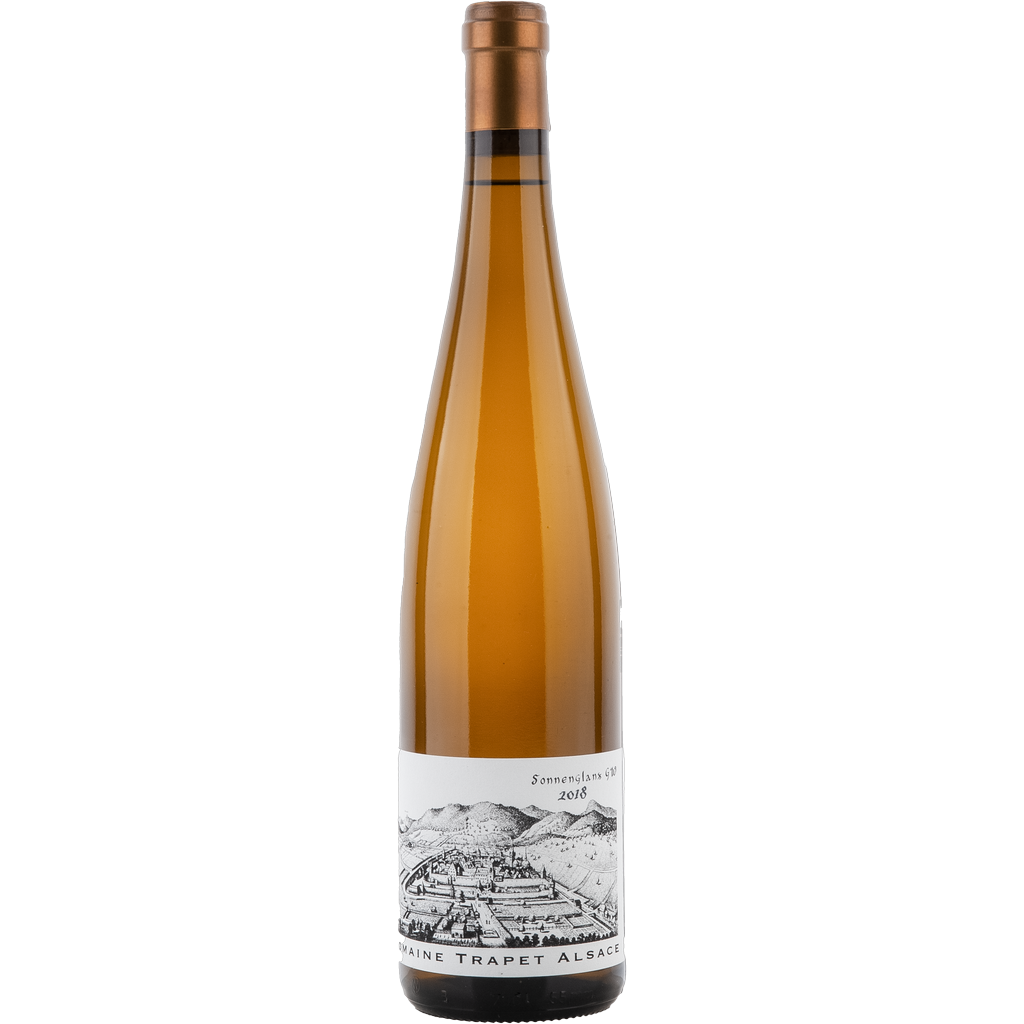
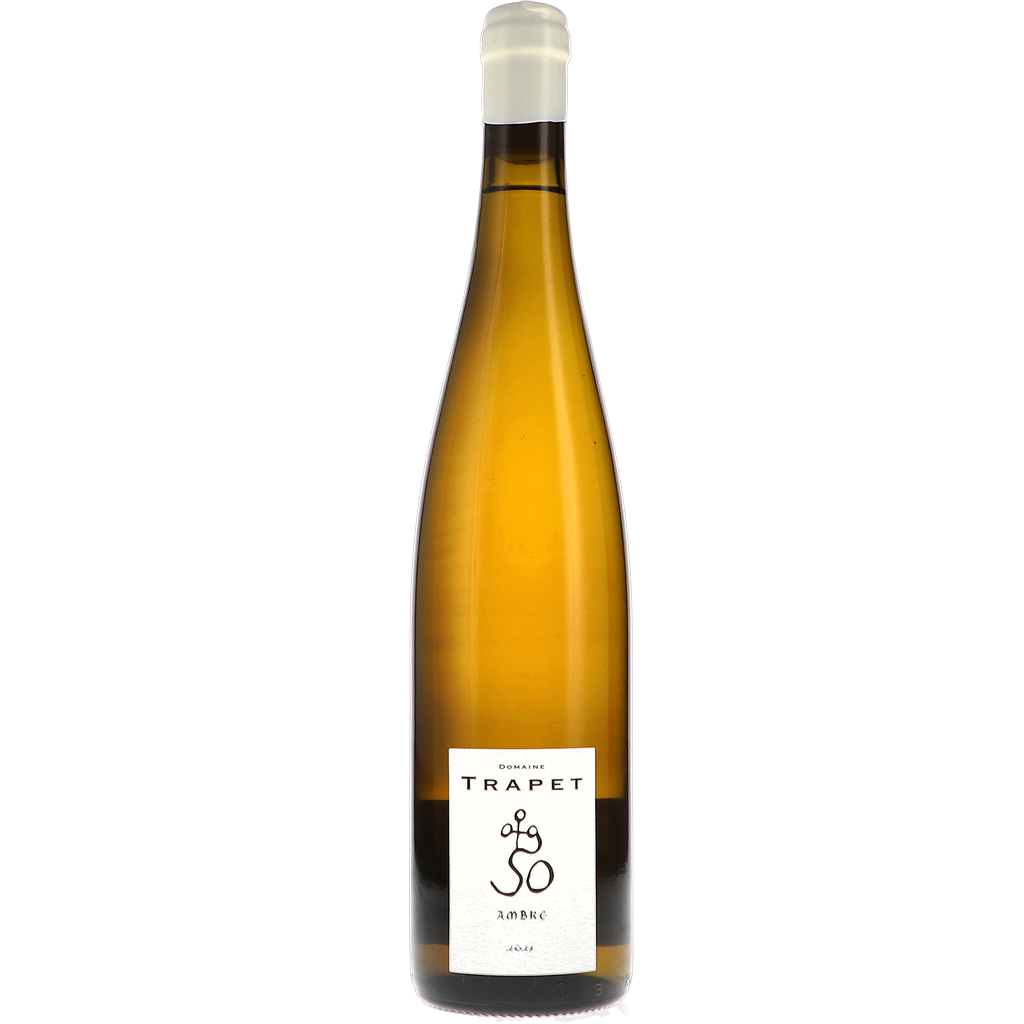
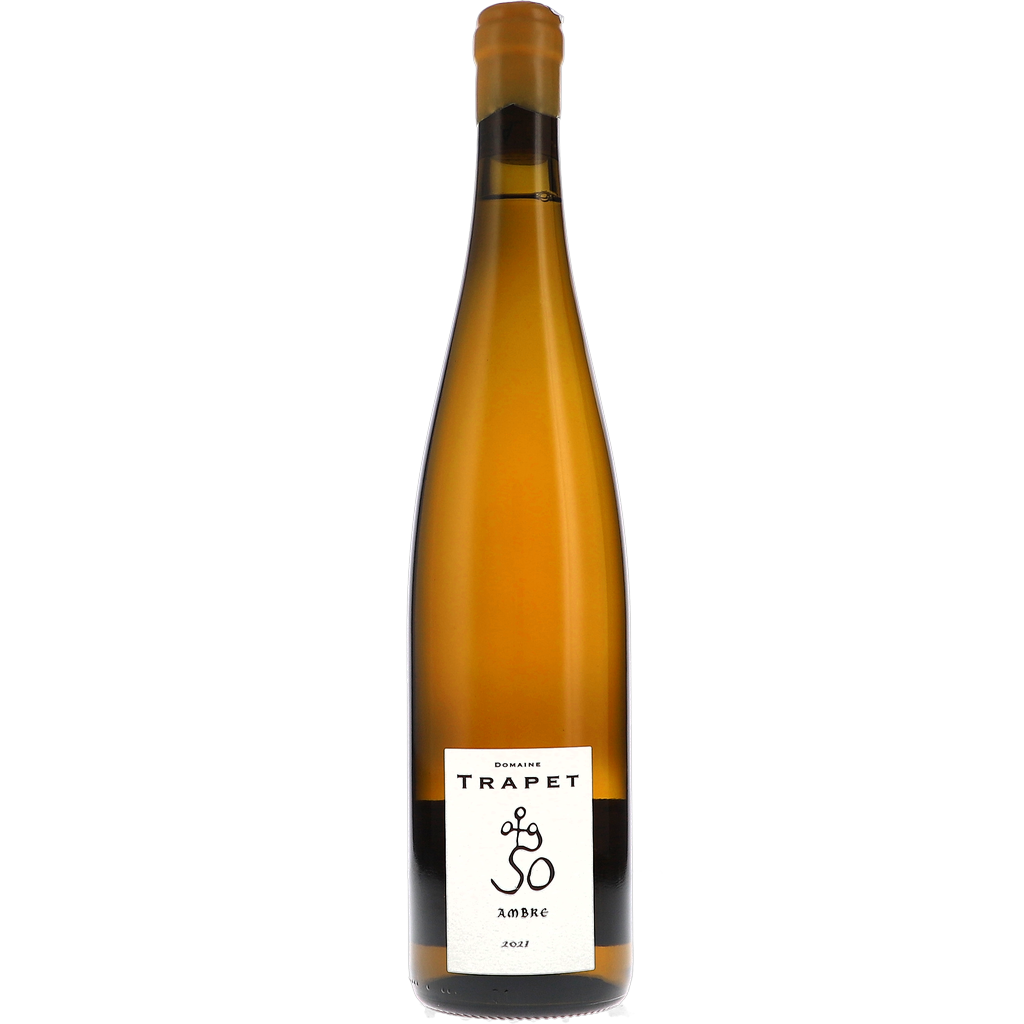
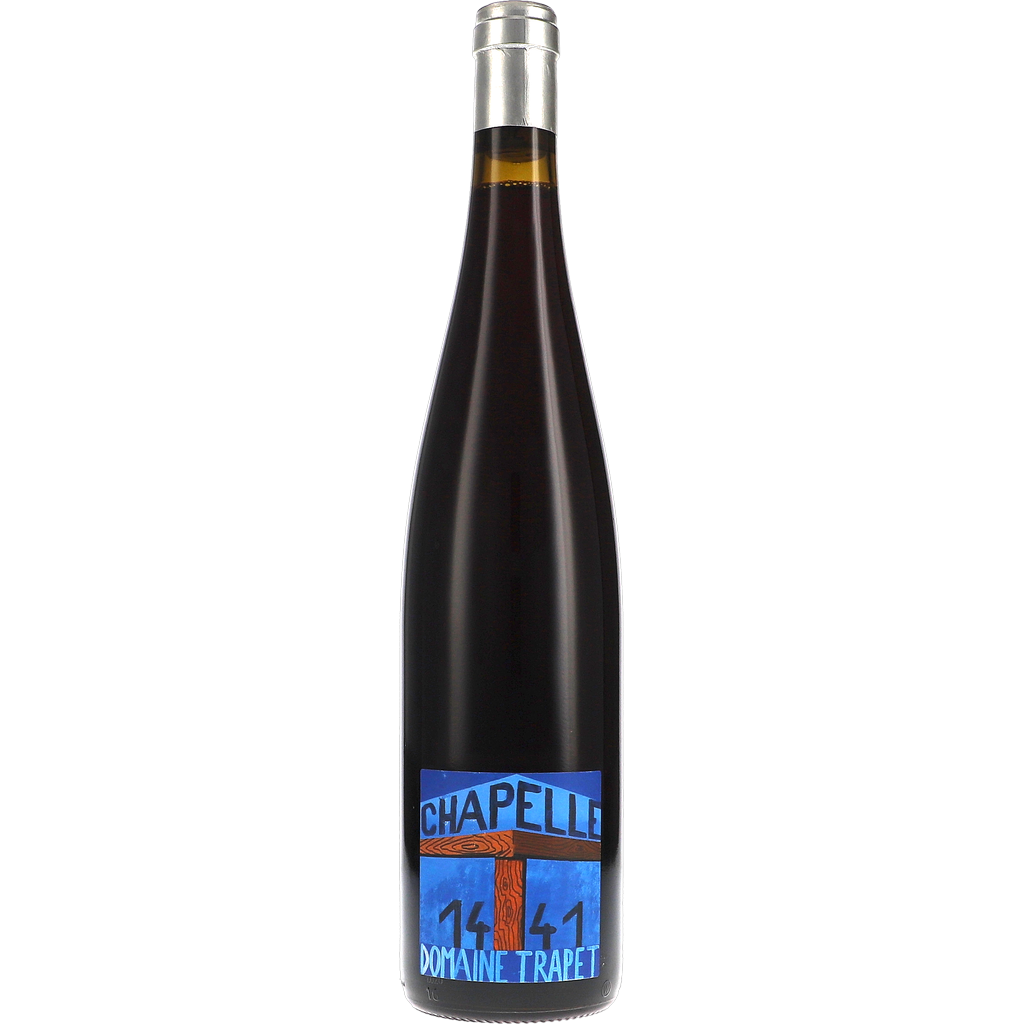
Andrée Trapet and her parents' estate
Andrée Trapet comes from a winegrowing family in Riquewihr; in 2002 she took over her parents' estate and reoriented it. Her credo is to "preserve the expressive power and diversity of the vineyards for future generations." Together with her husband Jean-Louis Trapet, who runs Trapet Père & Fils in Gevrey-Chambertin, she works biodynamically in Alsace. Since 2018 the sons Pierre and Louis Trapet have taken over day-to-day work in Riquewihr, and the family commutes between the two estates.
Schlossberg, Schoenenbourg, Sonnenglanz and Sporen
Fifteen hectares are spread across sites whose soils range from granite to shell limestone, four of them Grands Crus. The Schlossberg, north of Kientzheim, stretches from 230 to 350 metres in altitude and is so steep that it has been terraced. Granite defines it, together with a mix of greywacke and sandstone, and Thannenkirch granite in its northern section. The soils are strikingly mineral-rich, and the Riesling Schlossberg Grand Cru turns out taut and dry.
The Schoenenbourg sits on marl and yields complex, long-lived rieslings. In the Sonnenglanz, on clay and limestone, Gewürztraminer and Pinot Gris grow more opulent, while the heavy clay soils of the Sporen lend power. The wines from these sites are vinified dry and retain a vibrant acidity.
Échalas and work in the vineyard
In the vineyards, échalas support each vine individually, the traditional wooden stakes of Alsace; they demand more work than a wire-trellis frame but treat the vine more gently. The soils are cover-cropped, copper and sulphur are kept to a minimum, and biodynamic preparations strengthen the vines' vitality.
The Ambre wines of Pierre and Louis Trapet
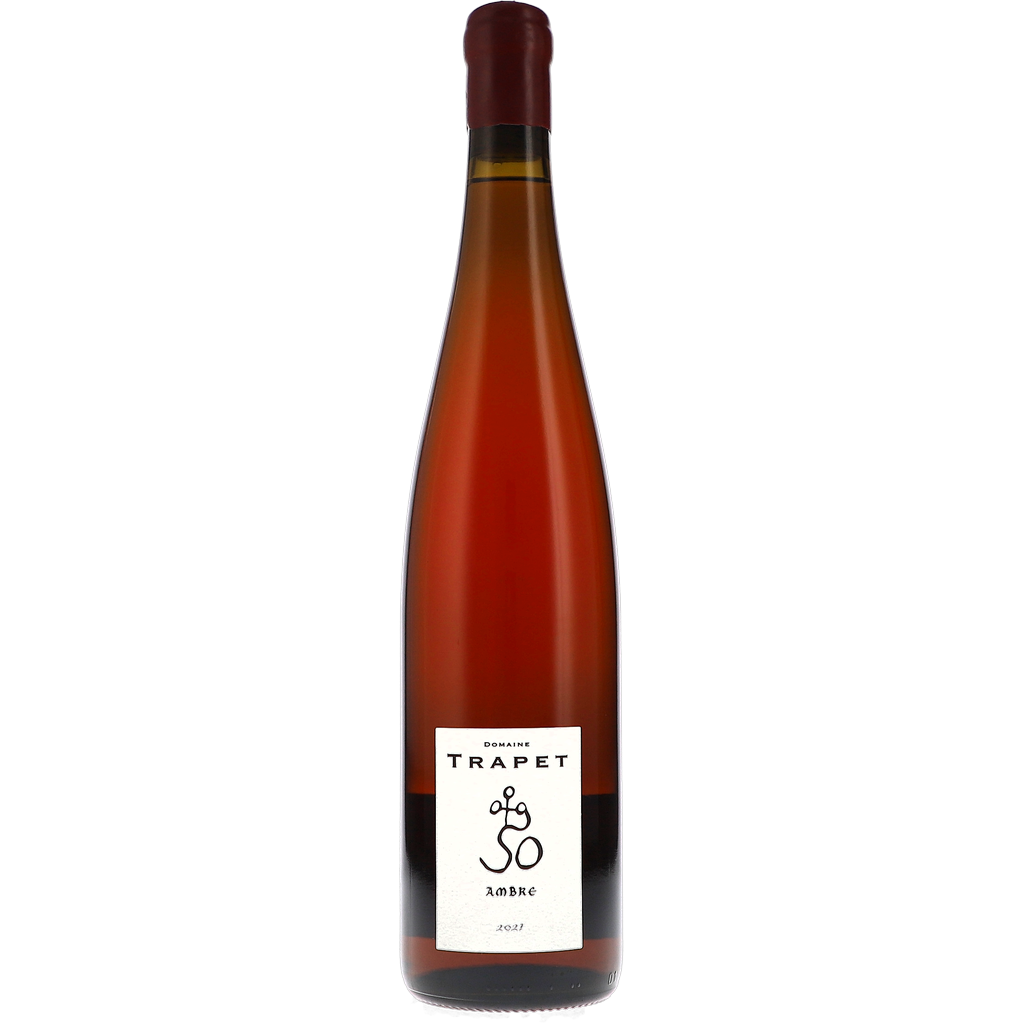
Pierre and Louis Trapet work with a taste for experimentation, most evident in the Ambre series, macerated white wines that count among the orange wines. The Ambre Blanc is made from Muscat from the Grand Cru Schoenenbourg, fermented on the skins, and stays comparatively dry. The Ambre Orange comes from skin-fermented Gewürztraminer from the clay-sandy terroir of Pflixbourg near Colmar, ferments in amphorae and then spends over a month on the skins. The Ambre Jaune starts from Riesling, the Ambre Rouge from Pinot Noir and Pinot Gris.
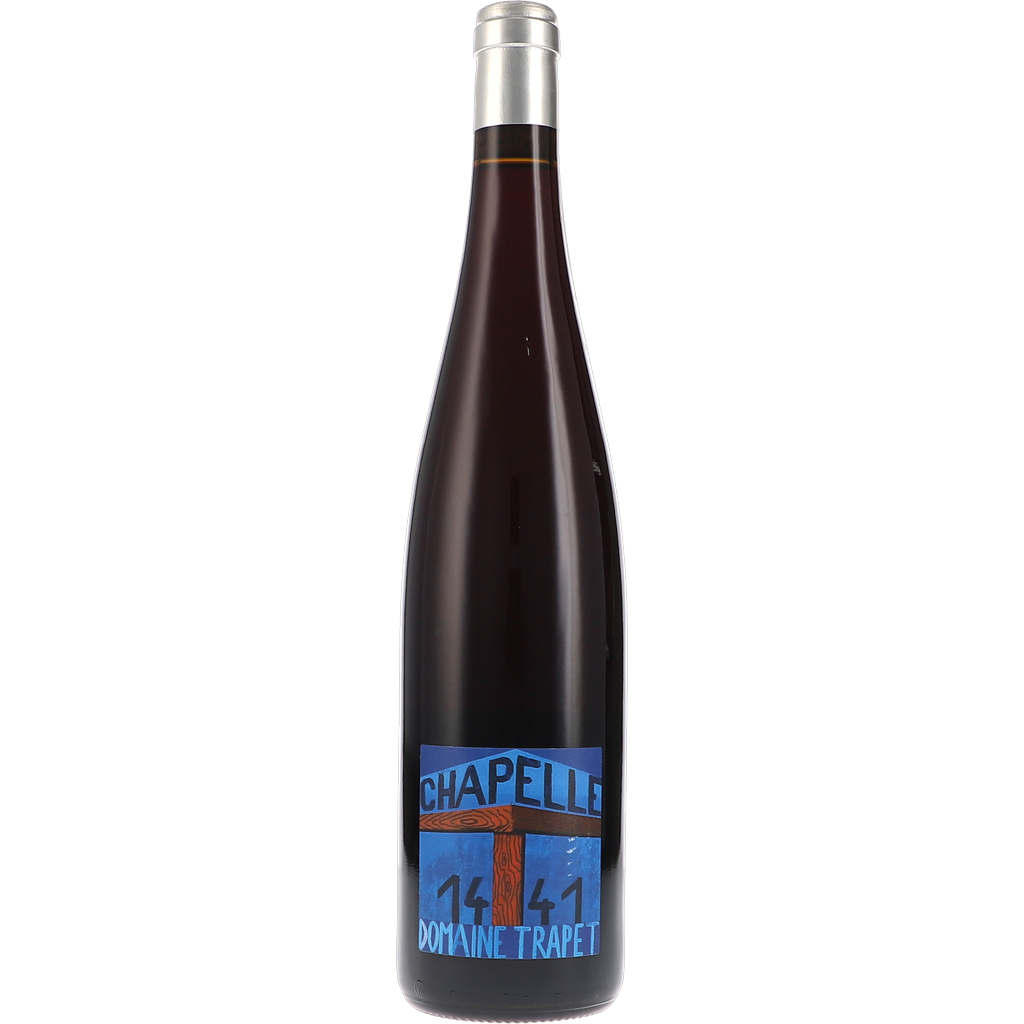
Alongside these stands the Chapelle 1441 rouge, a Pinot Noir from Alsace; its name marks the year the chapel in Riquewihr was built.