- Producer
- Trapet Père & Fils
- Grape variety
- Pinot Noir (Spätburgunder)
- Region
- Burgund
- Country
- France
- Vintage
- 2022
- Alcohol
- 12.5 % vol
- Volume
- 0.75 l
- Item no.
- 9910222157
Shipped with DHL Express — customs cleared to your door. · Flat-rate shipping CHF 15.00 — free from 12 bottles or CHF 300.00. · Pay by TWINT or card.
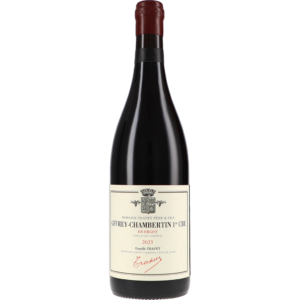
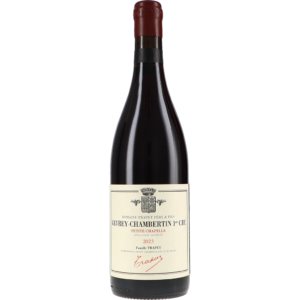
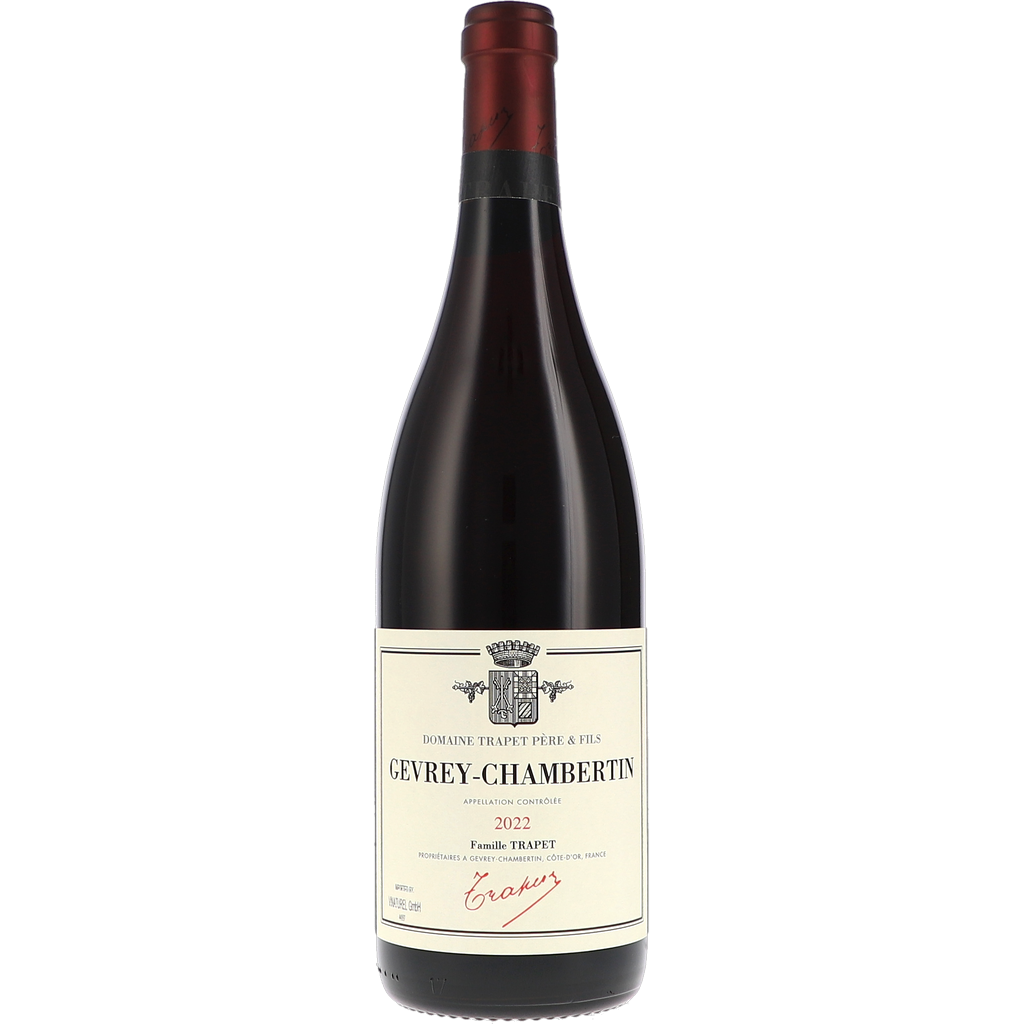
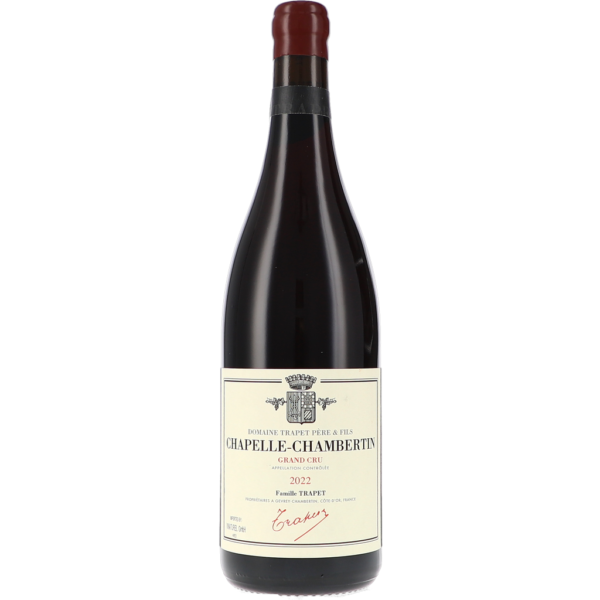
Chapelle-Chambertin Grand Cru 2022
Single-varietal Pinot Noir from the Grand Cru vineyard Chapelle-Chambertin in Gevrey-Chambertin, grown by a domaine that has farmed biodynamically since 1996.
CHF 676.00
Prices in CHF, including customs duty and all import charges, plus shipping CHF 15 (free from 12 bottles or CHF 300) — no further charges on delivery.
Available for Switzerland
✓ On your wishlist. — View wishlist
About this wine
Character
A Grand Cru that does not seek its greatness through power. 12.5% Vol., dry, fine-grained tannin, aromatic depth rather than opulence. Jean-Louis Trapet leads the domaine in its seventh generation according to a principle that also shapes this wine: to guide, never to force.
Terroir and origin
Chapelle-Chambertin lies in Gevrey-Chambertin on the Côte d'Or. Alongside Chambertin and Latricières-Chambertin, this vineyard is one of the three Grand Crus that form the heart of the domaine's 18.5 hectares. Bottling takes place on site, on the route de Beaune.
Grape variety and vinification
Single-varietal Pinot Noir. For the Grand Crus, Jean-Louis Trapet ferments 50 to 100 percent whole clusters, and the cellar work relies on gravity and minimal intervention. New oak is capped at 50 percent, meant to carry the wine, not overwrite it.
On the palate
The opening is silky, carried by cherry and raspberry, with violet above. Spice notes of cinnamon and clove, plus an earthy tone of undergrowth, lend depth. Vibrant acidity and finely polished tannin hold the medium body together, and the finish remains long and mineral.
Food pairings
Well suited are roasted pigeon and coq au vin. On the cheese side, an aged Époisses or a spicy Comté bridge to the wine's earthy side.
Special features
Since 1996, Jean-Louis Trapet has farmed the vines biodynamically, out of conviction rather than as a label. The pioneering spirit reaches back further still: in the 1880s, Arthur Trapet secretly grafted vines onto American rootstock, then forbidden, legalized in 1888 and today the foundation of viticulture.