Trapet Père & Fils
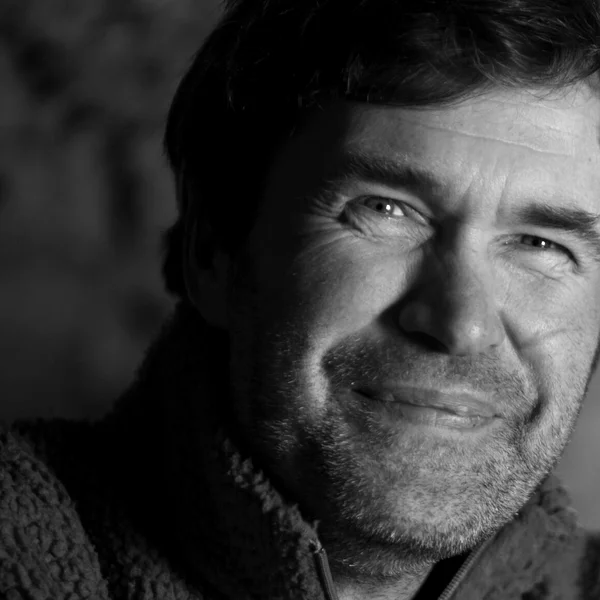
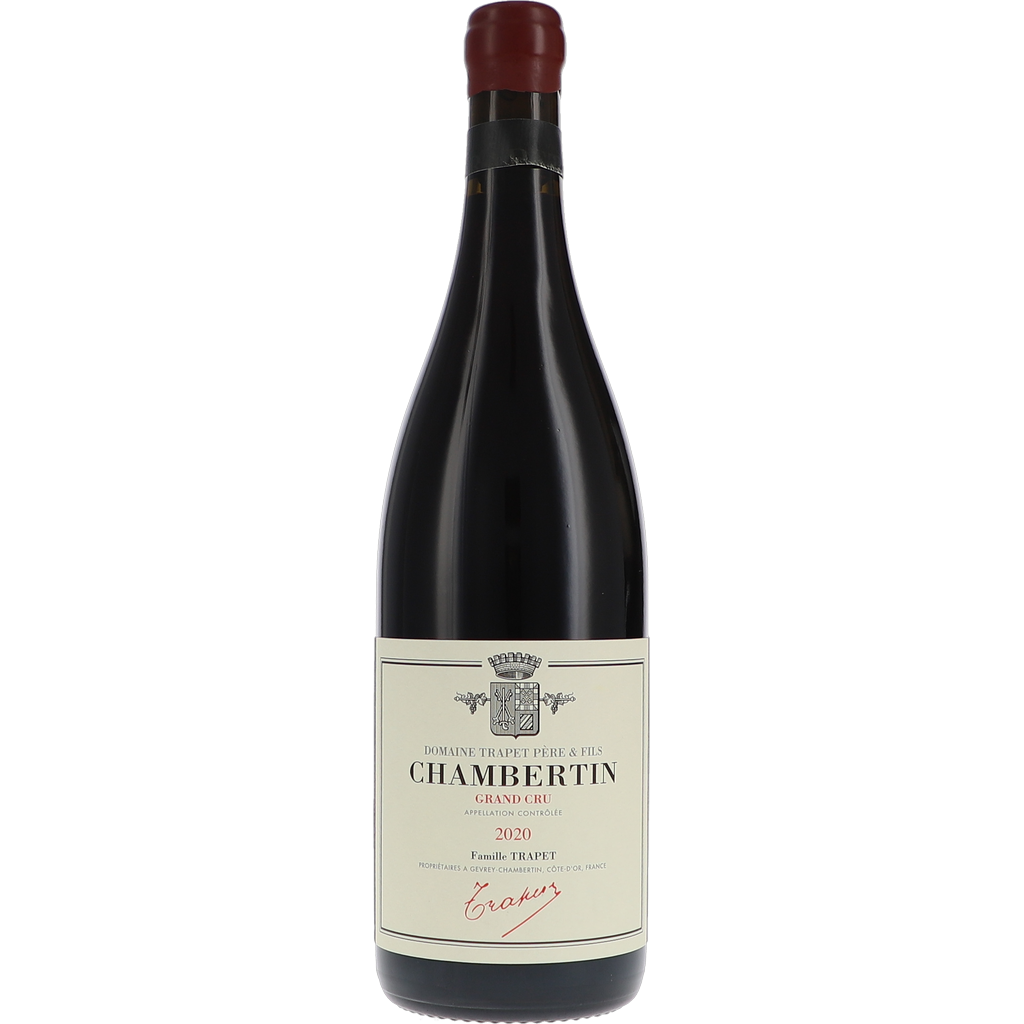
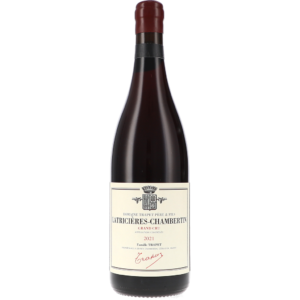
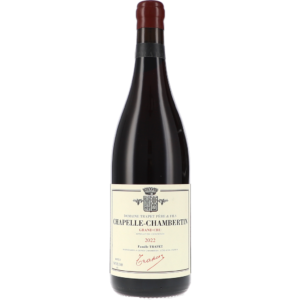
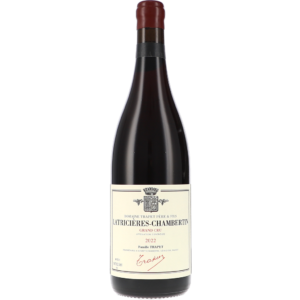
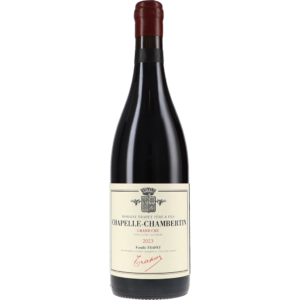
Trapet Père & Fils is the Trapet family estate in Gevrey-Chambertin, spanning 18.5 hectares along the Côte de Nuits with three grands crus. Jean-Louis Trapet leads it in the seventh generation; he converted the estate to biodynamic farming in 1996 and received Demeter certification in 2009. Chambertin, Chapelle-Chambertin and Latricières-Chambertin form the core of the estate, complemented by premiers crus from Gevrey-Chambertin and Pinot Noir from Marsannay. The wines show aromatic depth and a fine-grained tannin that lets each parcel's origin shine through. In Riquewihr, his wife Andrée's hometown, the couple also farms Trapet Alsace.
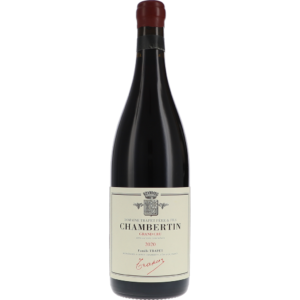
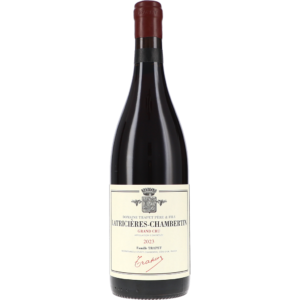
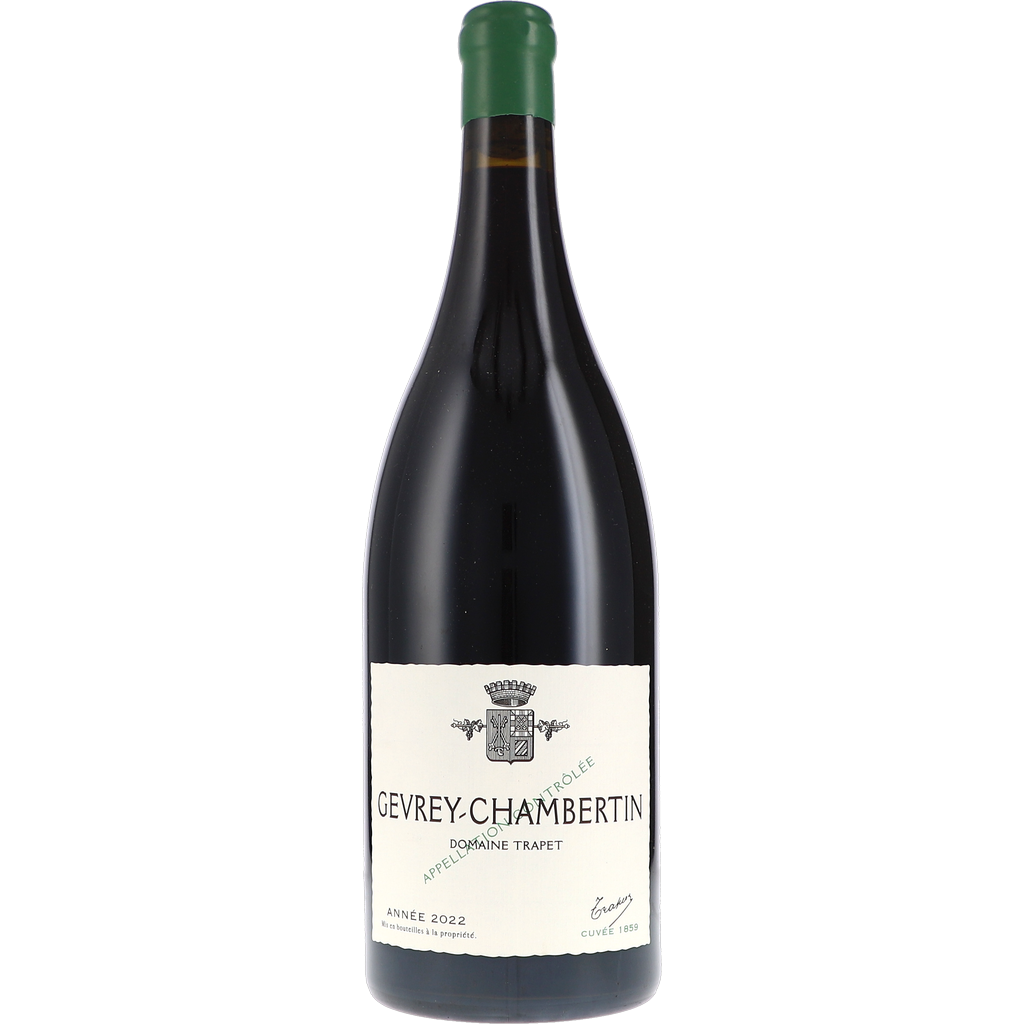
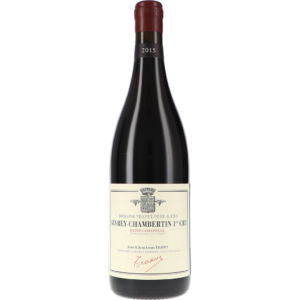
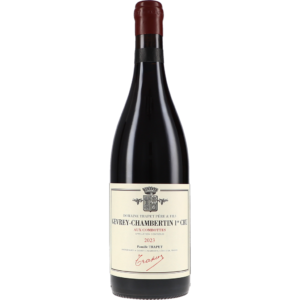
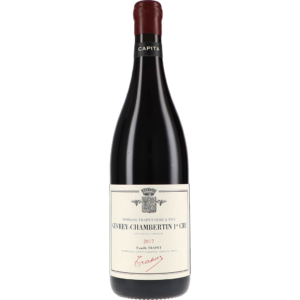
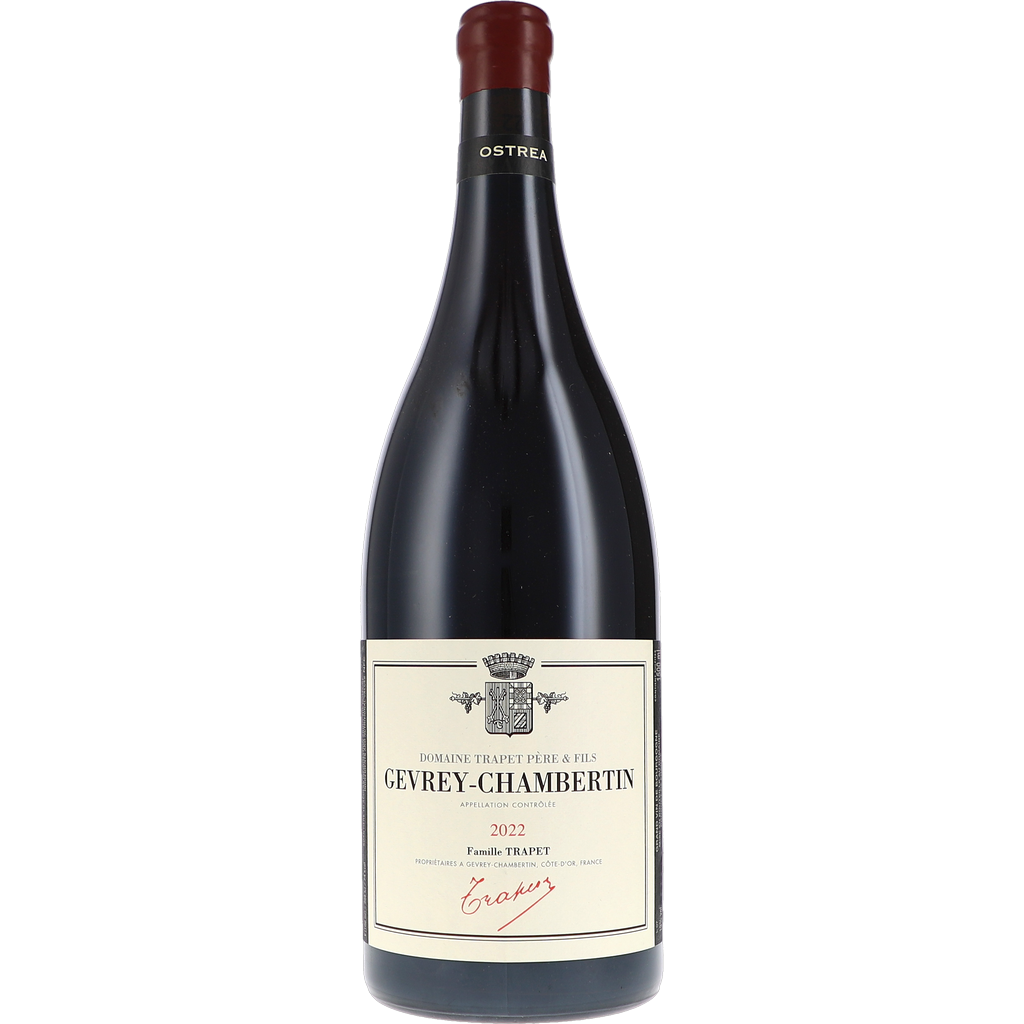
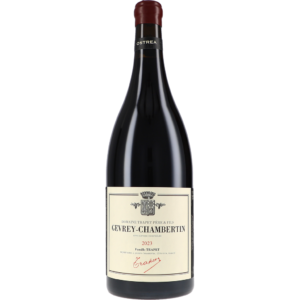
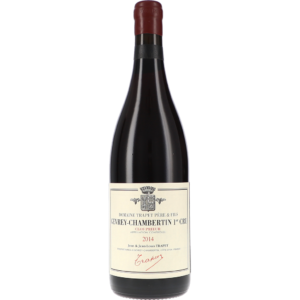
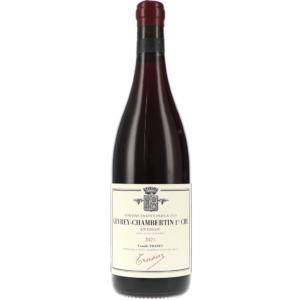
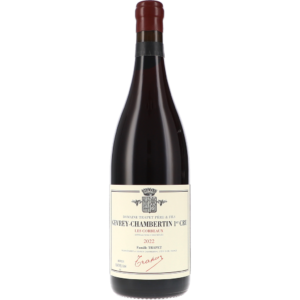
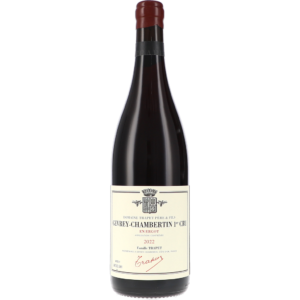
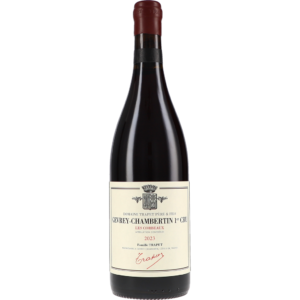
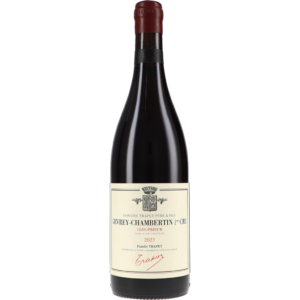
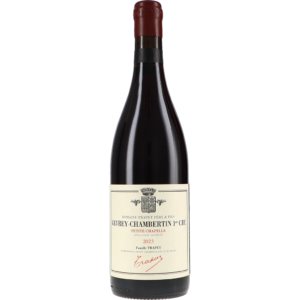
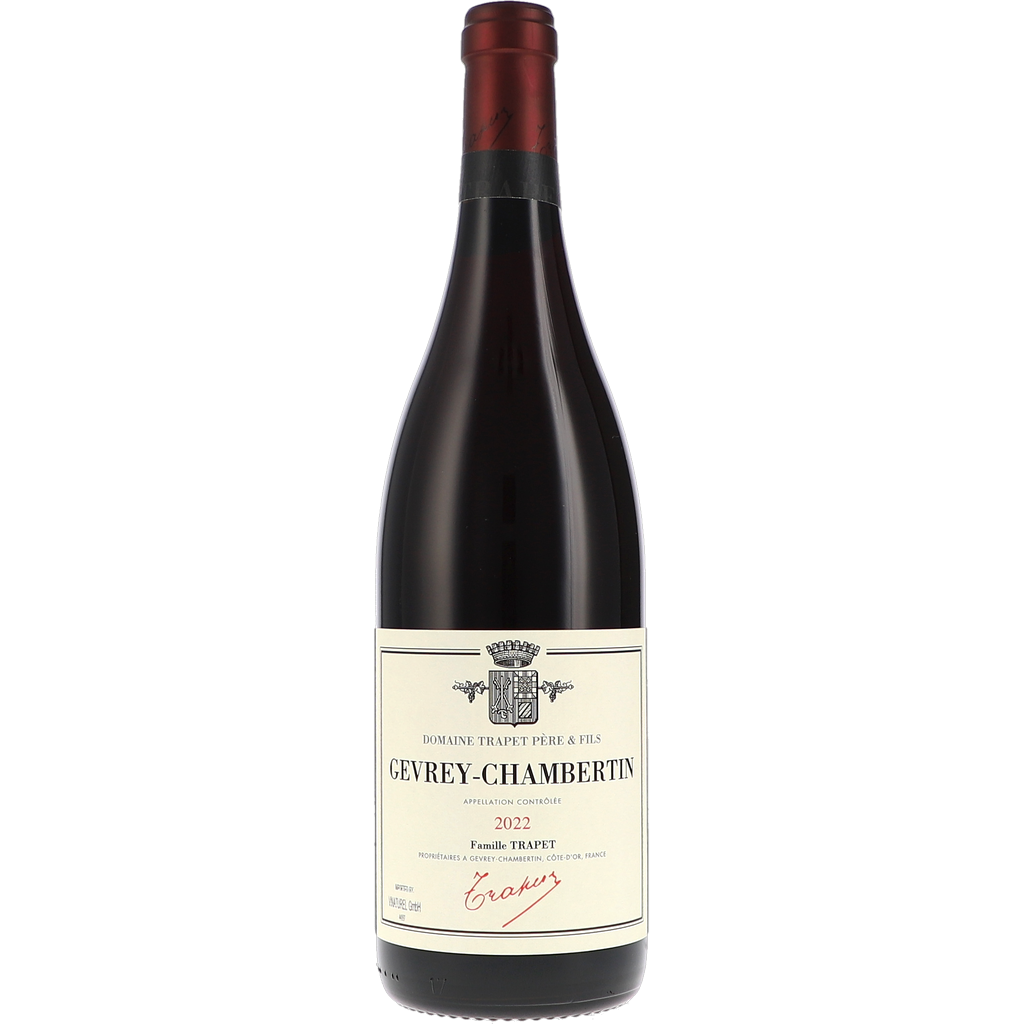
The Trapet family since 1859
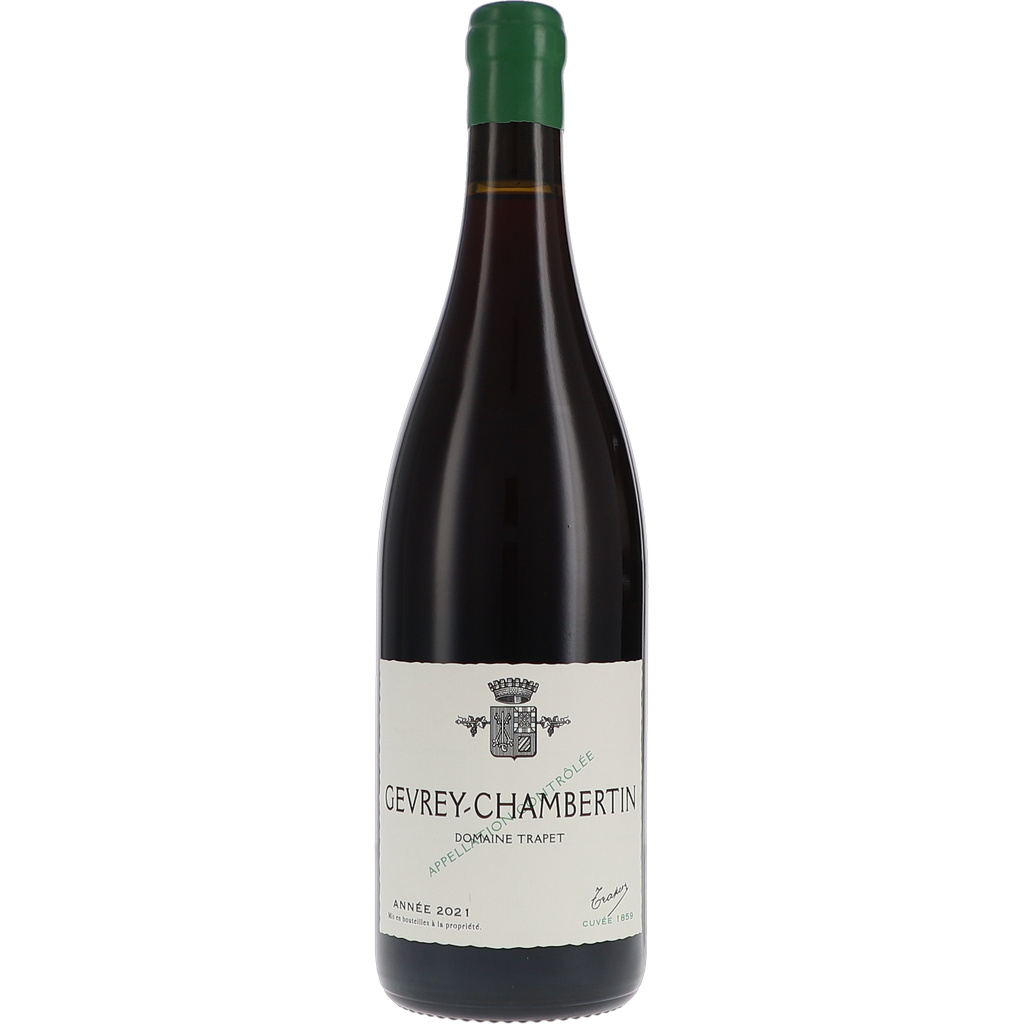
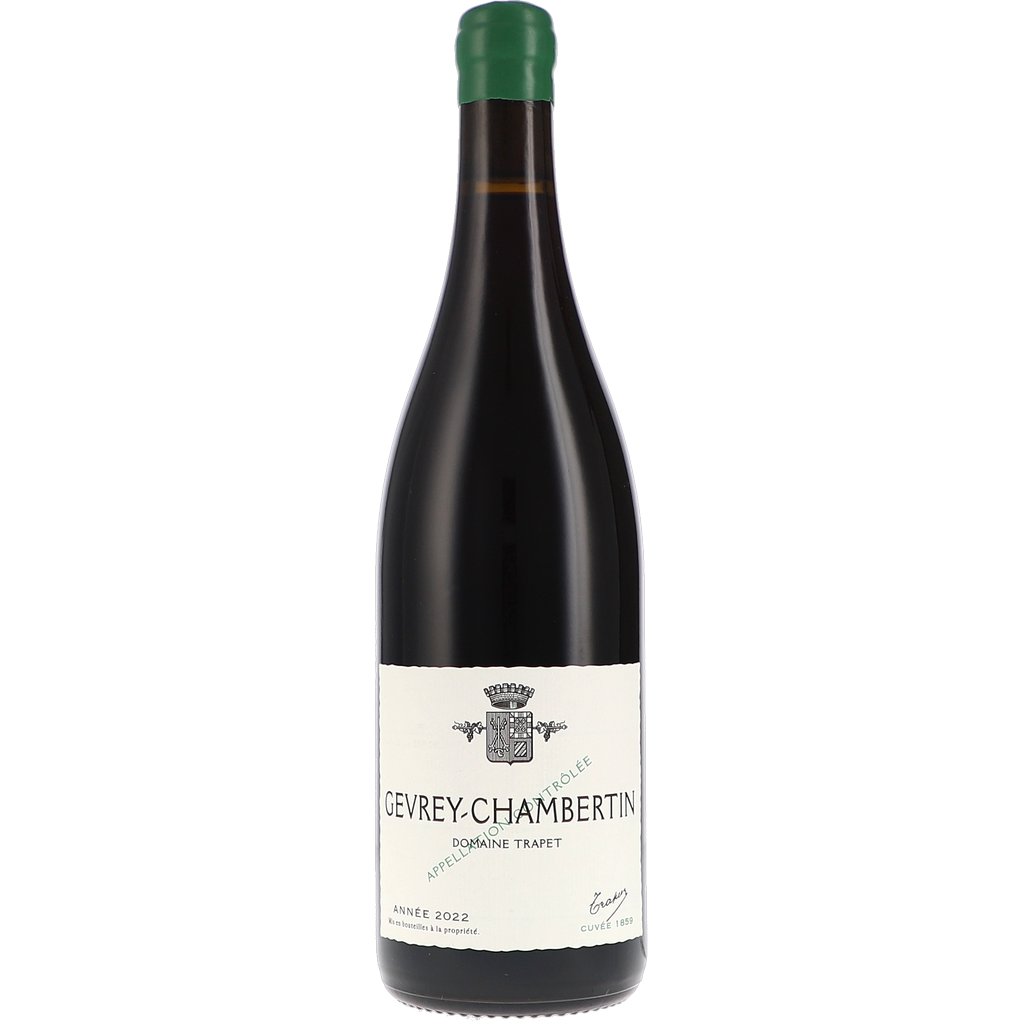
From his forebears, Jean-Louis Trapet inherited a saying: "Les hommes passent et la terre reste" — people pass, the land remains. The family acquired its first vineyard, "en Dérée", in 1859, and the Gevrey-Chambertin cuvée "1859" carries that date in its name. When phylloxera devastated the vineyards of Burgundy in the 1880s, Arthur Trapet secretly grafted his vines onto American rootstock, a practice forbidden at the time; the method was legalized in 1888.
The sites in Gevrey-Chambertin
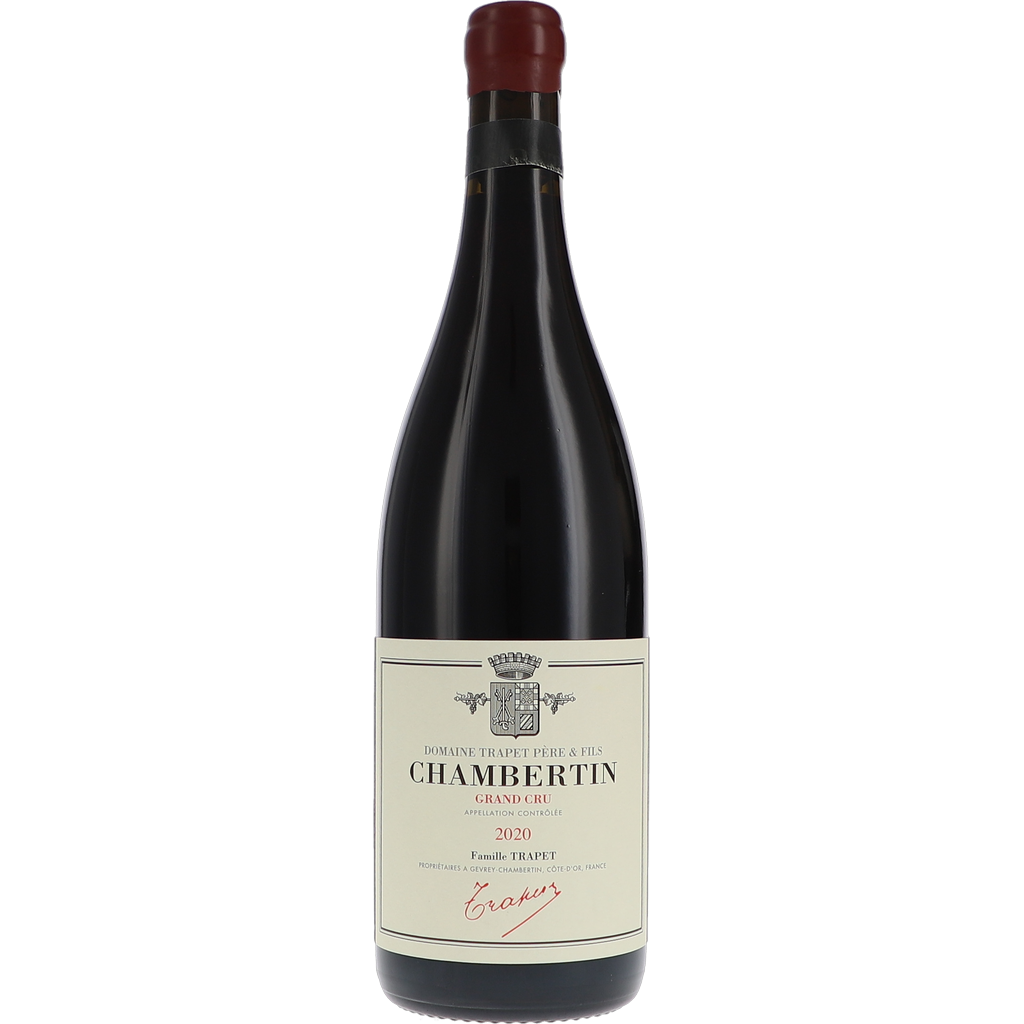
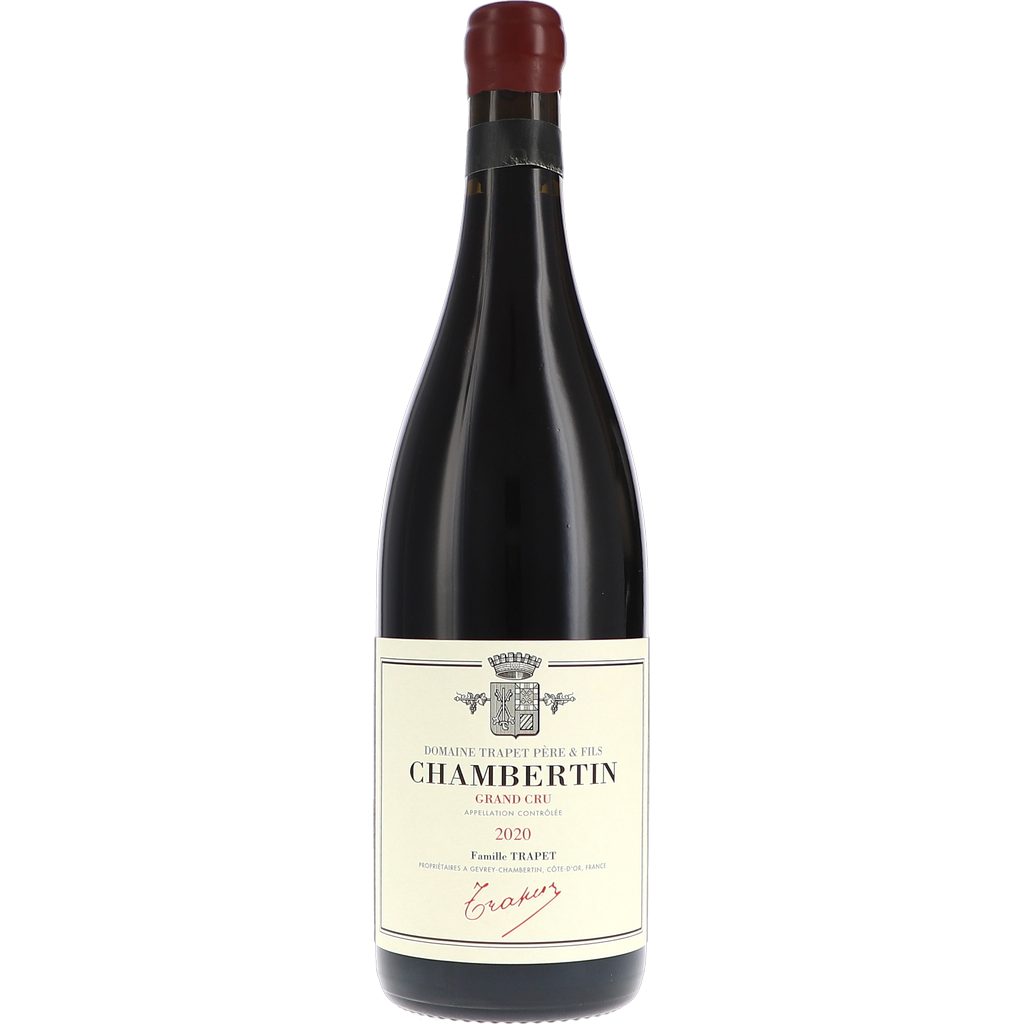
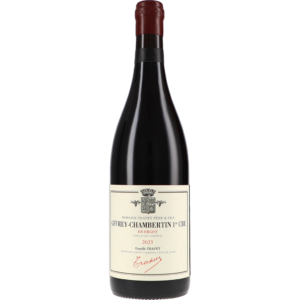
The Chambertin Grand Cru comes from just under two hectares across three parcels, some planted with century-old vines. Chapelle-Chambertin and Latricières-Chambertin round out the grands crus, while the commune also yields the premiers crus Petite-Chapelle, Clos Prieur, En Ergot, Combottes, Les Corbeaux, Alea and Capita.
Fossil oyster shells that Jean-Louis Trapet found in his vineyards gave the Cuvée Ostrea its name; ostrea is Latin for oyster. These soils once lay beneath the sea, and the wine carries a saline, chalky minerality beneath its cherry fruit.
Marsannay and the winemaking
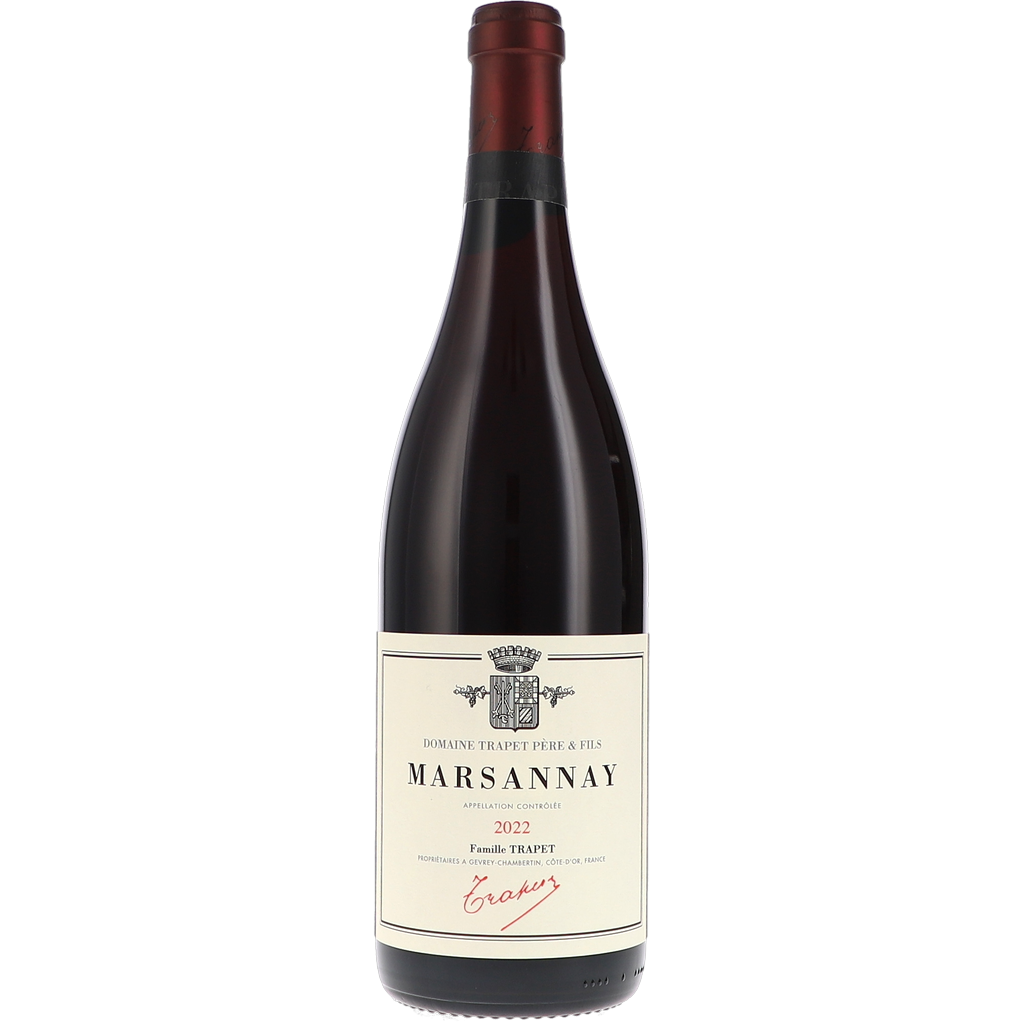
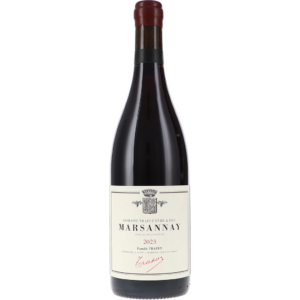
For the Marsannay rouge, Trapet Père & Fils harvests Pinot Noir from three parcels, including Les Grasses Têtes and Grand Poirier, some with vines over fifty years old. The soils contain limestone and clay; the parcels are picked and vinified separately, meeting only in the cellar.
After hand-harvesting, fermentation begins spontaneously, with a varying proportion of whole clusters. Extraction and pigeage remain gentle. The wine ages in French oak barrels, most of them already used. Jean-Louis Trapet uses new barrels only in part, and bottling takes place without filtration.
Biodynamics since 1996
Jean-Louis Trapet converted the estate to biodynamic farming in 1996, followed by Demeter certification in 2009. In the vineyard he works the soil with precision and observes the vines; in the cellar the grapes move by gravity. The grands crus ferment with 50 to 100 percent whole clusters; new oak there reaches at most 50 percent, and 20 to 25 percent for the village wines.
The A Minima is a Passetoutgrain made from Pinot Noir and Gamay planted together in a single parcel. Harvest, vinification and aging proceed without sulfur, with only a minimal dose added at bottling. Jean-Louis Trapet dedicates the wine to Jules Chauvet, the father of the natural wine movement. In the Guide des meilleurs vins de France, Trapet Père & Fils holds three stars, the highest rating.