Jérôme Galeyrand
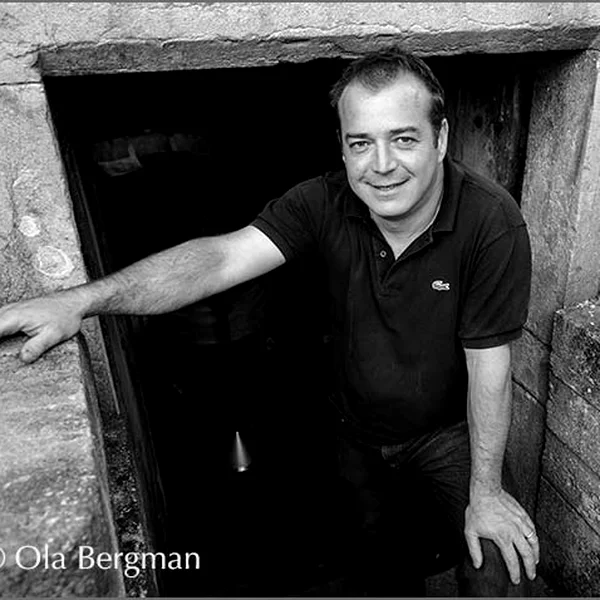
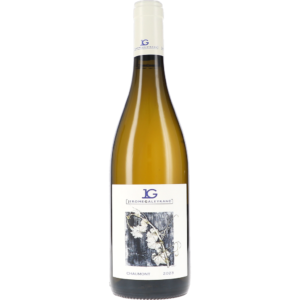
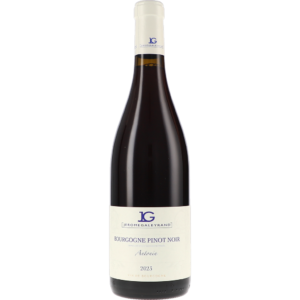
Domaine Jérôme Galeyrand in Saint-Philibert farms 5.25 hectares in the northern Côte de Nuits, from Marsannay through Fixin to Gevrey-Chambertin. Jérôme Galeyrand came to Burgundy without a winemaking family behind him and bought his first plot in 2002, 0.05 hectares. He farms seventy percent of his vineyard area organically, partly biodynamic and certified since 2019, with the remaining thirty percent following sustainable principles. He ploughs the soils mechanically and uses no pesticides. In the cellar he ferments with indigenous yeasts and ages the wines in used oak barrels with little new wood. In 2020 he received a star in the Guide des Meilleurs Vins de France.
A newcomer in Saint-Philibert
Jérôme Galeyrand hails from the Loire and arrived in Gevrey-Chambertin, in Burgundy, with no winemaking background in his family. He had spent eight years in the food industry, in the cheese trade, and found his way to wine through a love of good food. From 1996 he helped with the harvest in Gevrey-Chambertin; he then quit his job, enrolled at the wine school in Beaune, and in 2002 bought his first plot, 0.05 hectares. In September of that same year he vinified for his own account for the first time. A good twenty years later, the domaine comprises 5.25 hectares, based in Saint-Philibert, east of Gevrey-Chambertin. The harvest is brought in each year with a group of well-trained friends.
Sites in Marsannay, Brochon and Gevrey-Chambertin
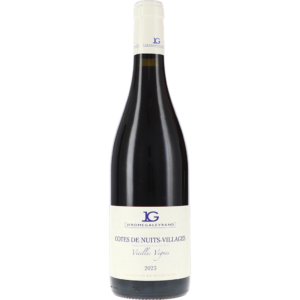
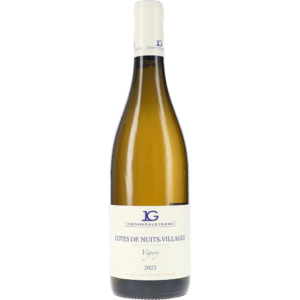
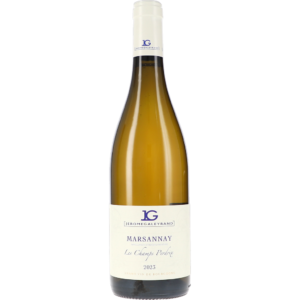
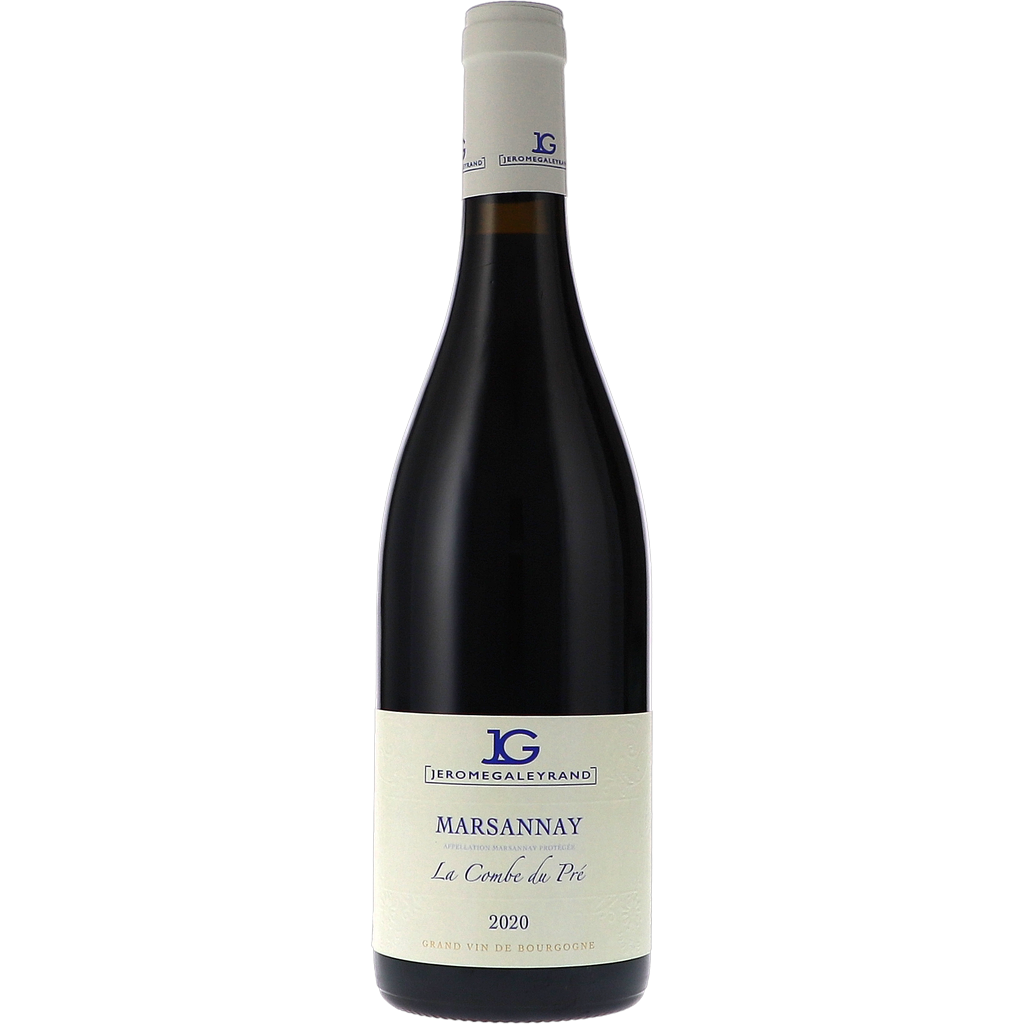
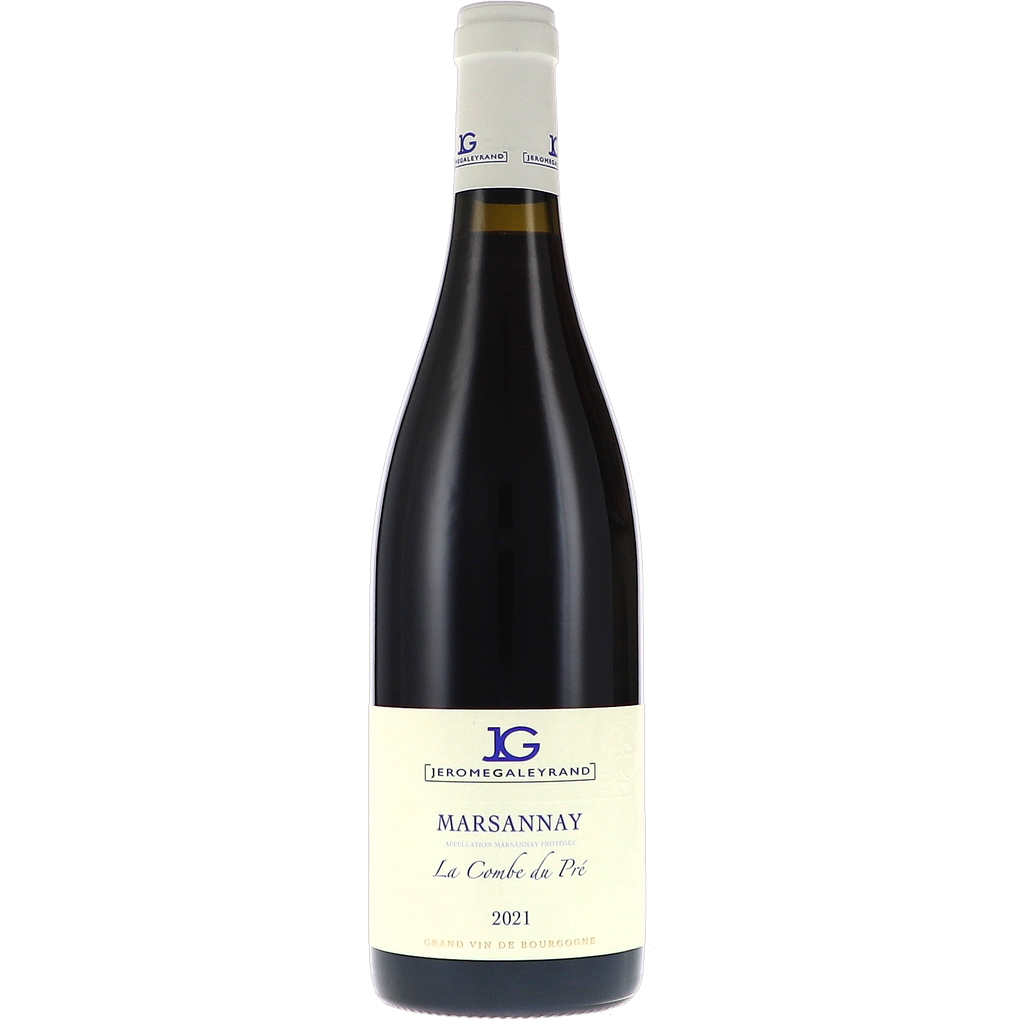
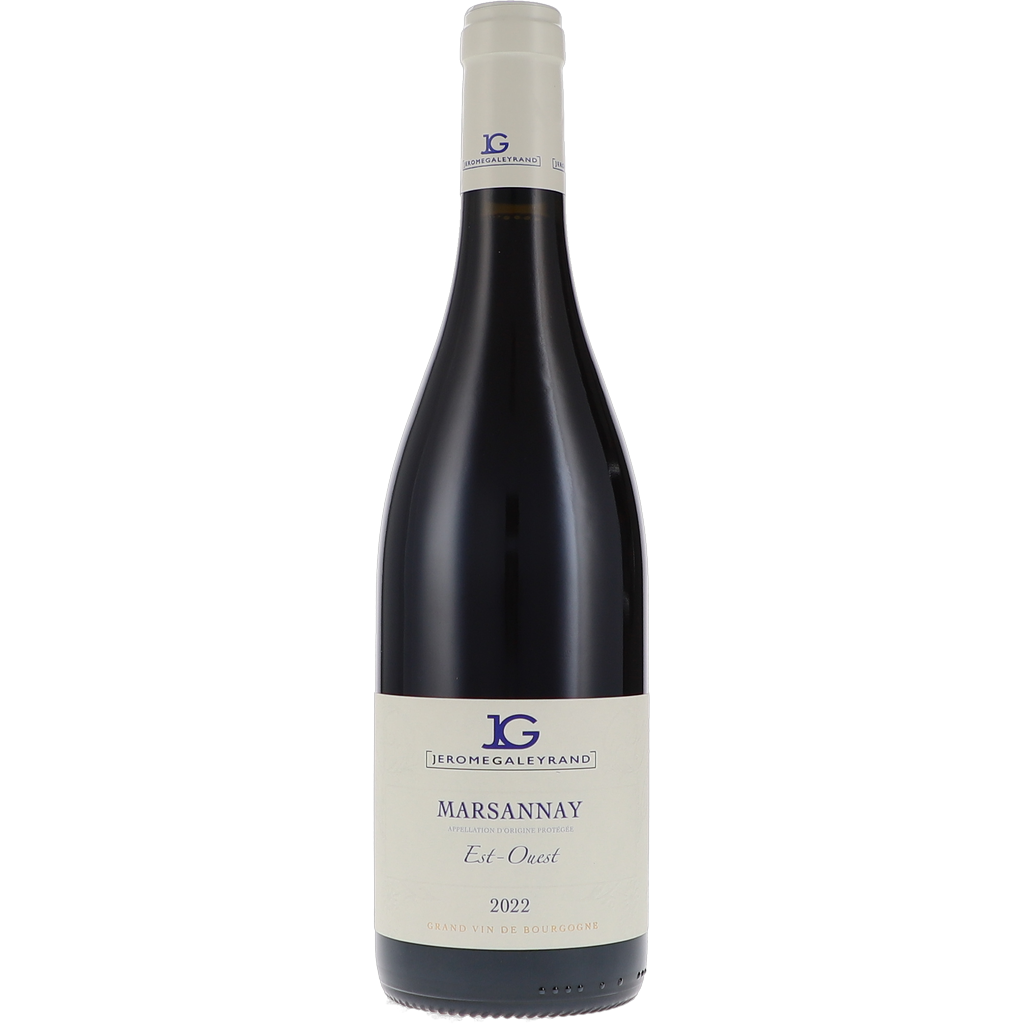
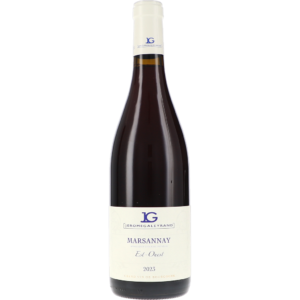
The plots are spread across several appellations of the northern Côte de Nuits. The Marsannay "Est-Ouest" comes from vines planted in 1980 across two differently oriented plots on the mid-slope, mainly from La Combe du Pré, Marsannay's highest-lying climat, together with Les Echezeaux. There the soil is Ostrea acuminata marl, a marly limestone formed from small oyster fossils, held together by a fine-grained, clay-rich matrix. The Côte de Nuits-Villages "Vieilles Vignes" comes from 0.36 hectares in the En Vignois climat in Brochon, southeast-facing on the mid-slope, planted in 1947 and 1960.
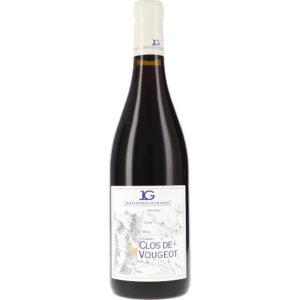
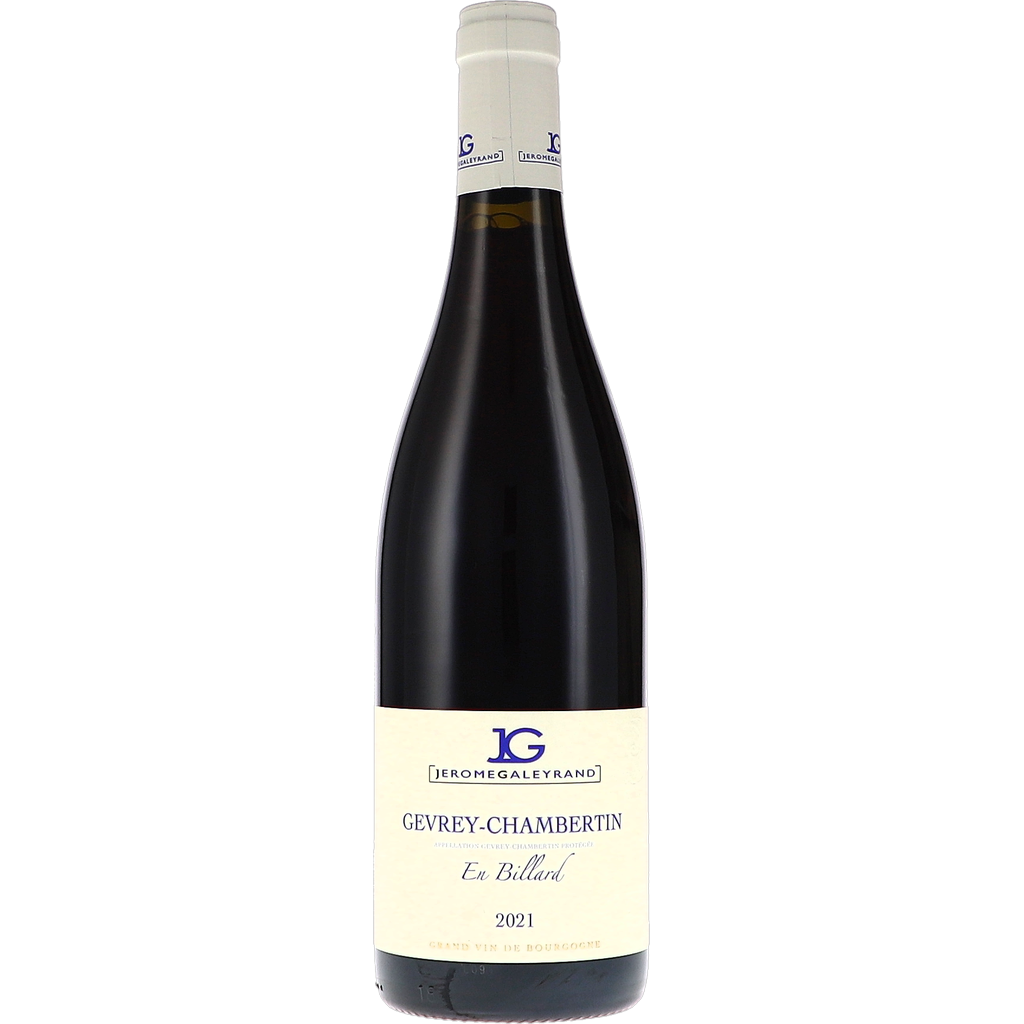
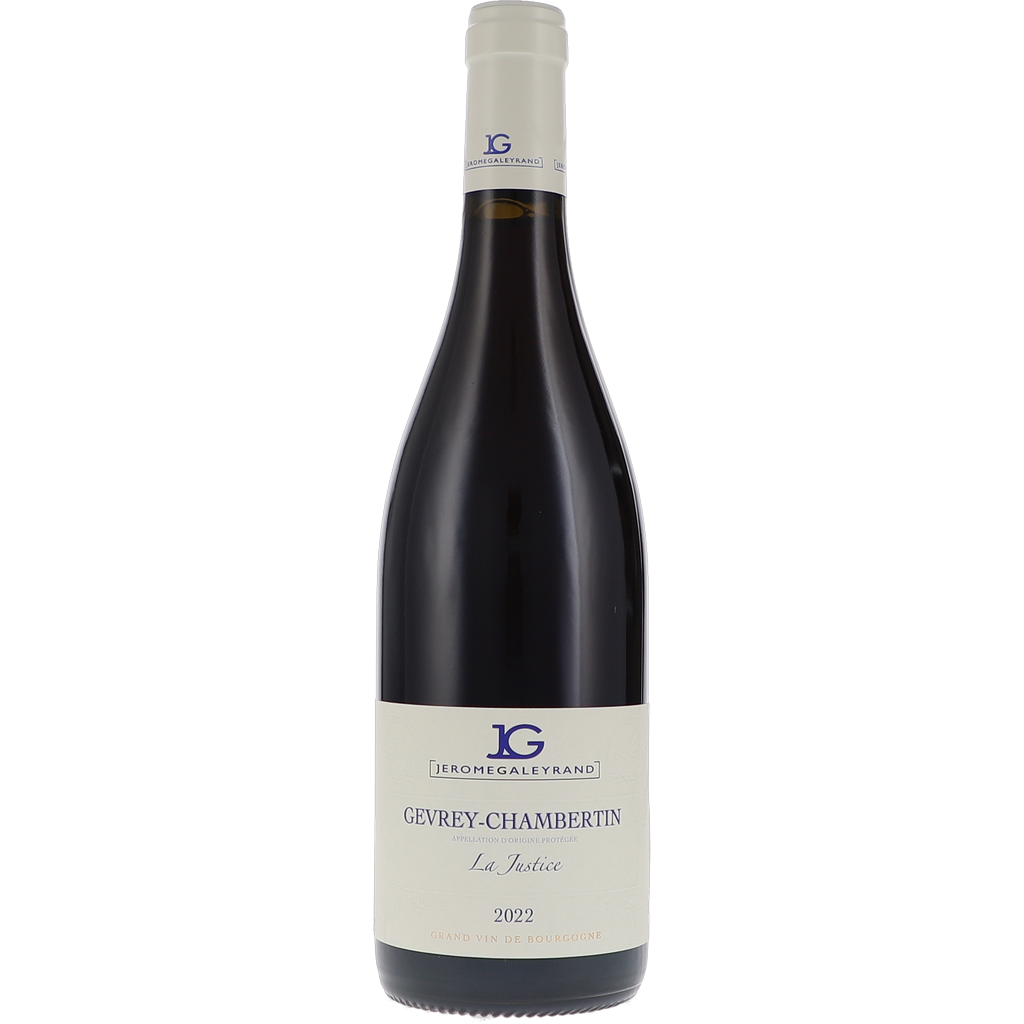
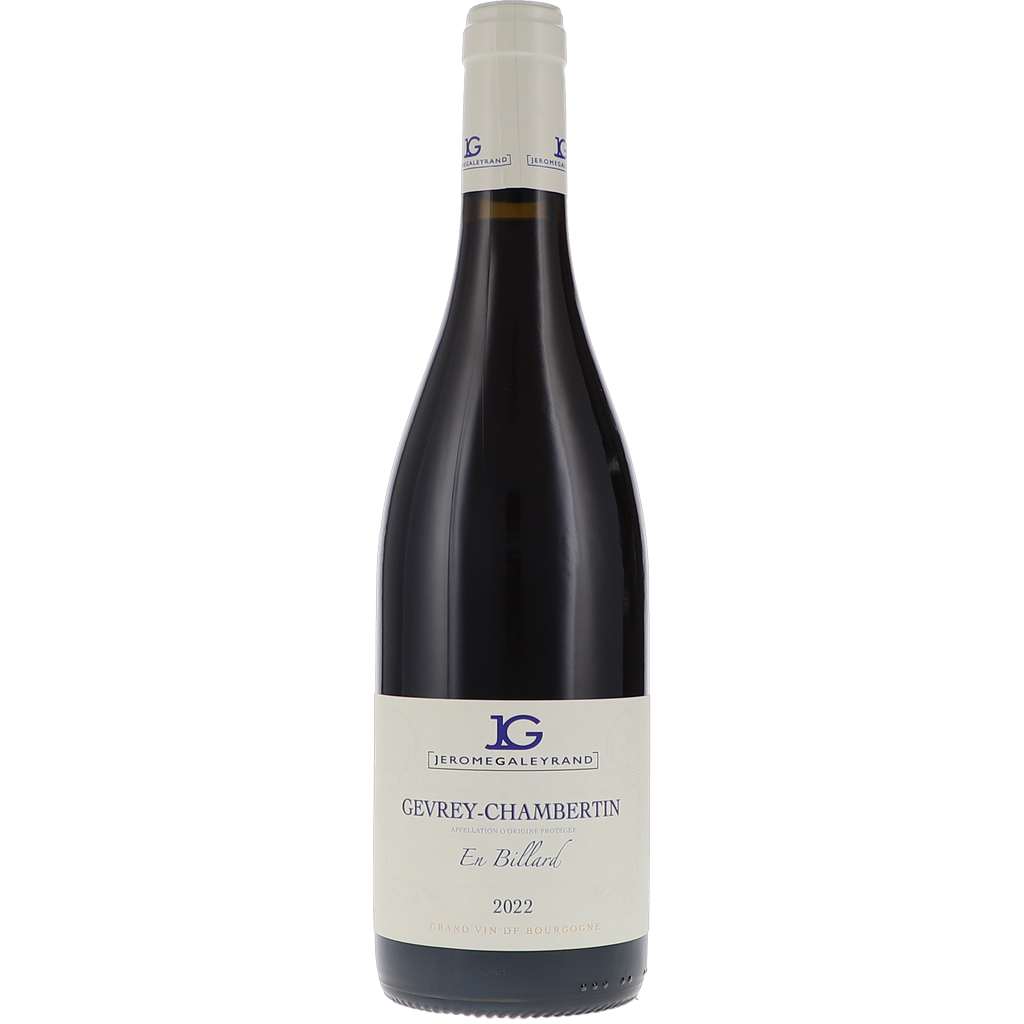
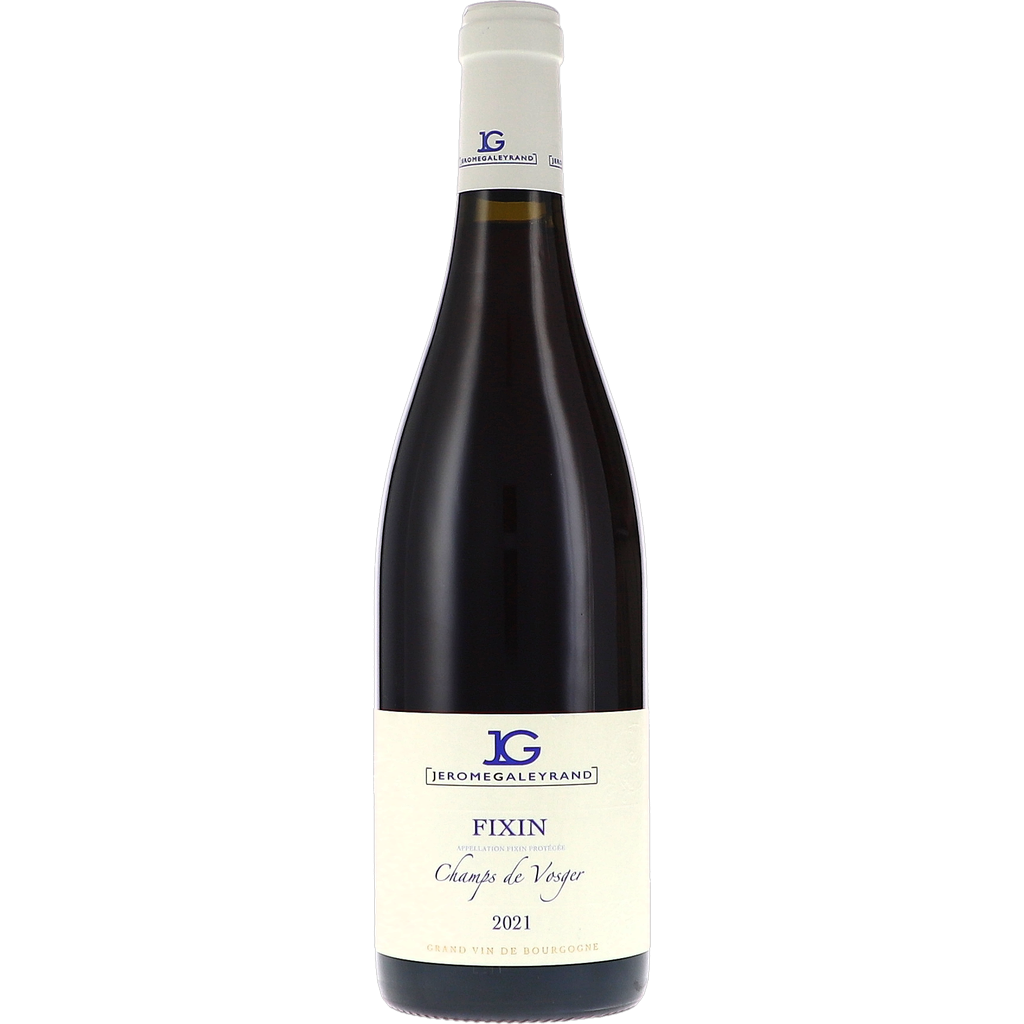
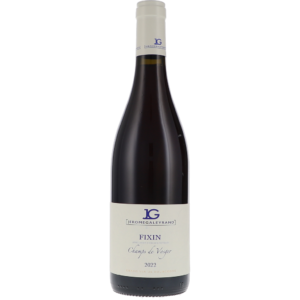
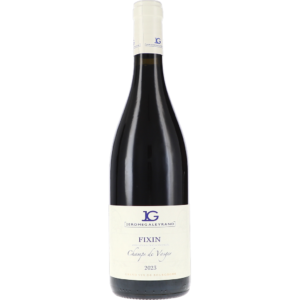
From Gevrey-Chambertin come "La Justice" and "En Billard," the latter showing a silky texture along with dark cherry, forest floor, and a touch of spice. The Fixin "Champs de Vosger" brings depth and structure and ages for a long time. A Clos Vougeot Grand Cru rounds out the range.
Chardonnay and Aligoté
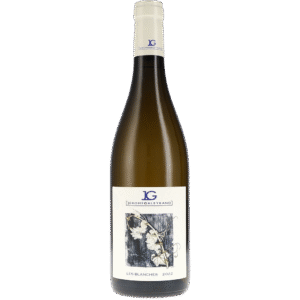
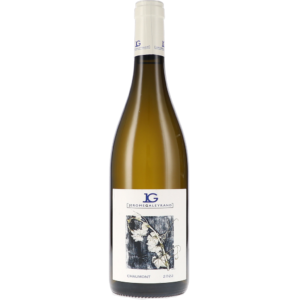
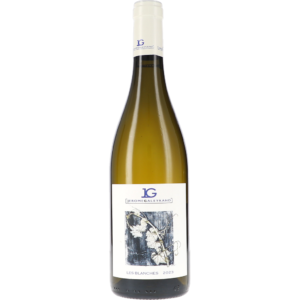
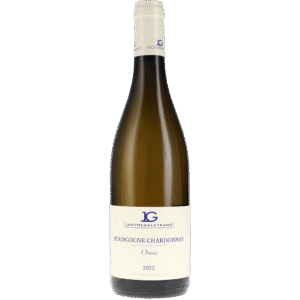
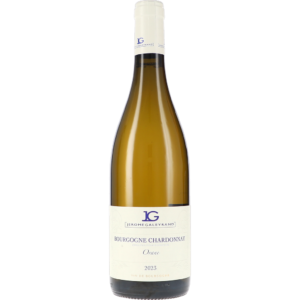
Jérôme Galeyrand harvests the Bourgogne Chardonnay "Orane," named after his daughter, from 0.42 hectares in Brochon, Flagey-Echezeaux, and Gilly-lès-Cîteaux. The grapes are crushed as whole clusters and pressed in a mechanical basket press, fermentation takes place in tank, and ageing runs twelve months in used 228-litre oak barrels. The Bourgogne Aligoté "Chaumont" grows on vines planted in 1964 in the Côte Chalonnaise between Mercurey and Givry, on the mid-slope on white marl; it is pressed in a vertical wooden press, after which the wine matures for twelve months in barrel with 20 percent new wood and a further two months in tank, with no addition of sulfur. Alongside it stands an Aligoté "Les Blanches."
Fermentation and ageing
"Nous travaillons le jus de raisin frais sans procédé technologique et œnologique," says Jérôme Galeyrand: he works with fresh grape juice, without technological or oenological processes. He ferments with indigenous yeasts, forgoes fining and enzymes, and doses sulfur very sparingly. Depending on the cuvée and vintage, destemming ranges from fully destemmed grapes to whole clusters; the Pinots generally go into tank 85 percent destemmed, after a brief week of cold maceration, and age for twelve to sixteen months in used 228-litre barrels with around 20 percent new wood. The wood comes from French forests. Vinification takes place in a small cellar at his home, yielding around two thousand cases depending on the vintage.