Bruno Clair
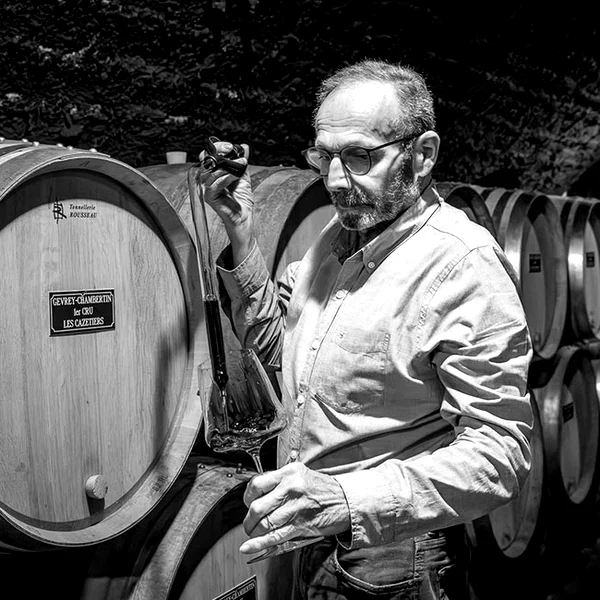
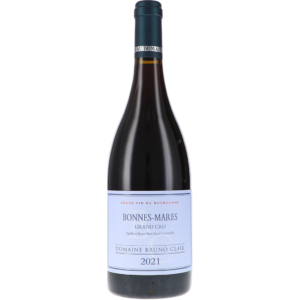
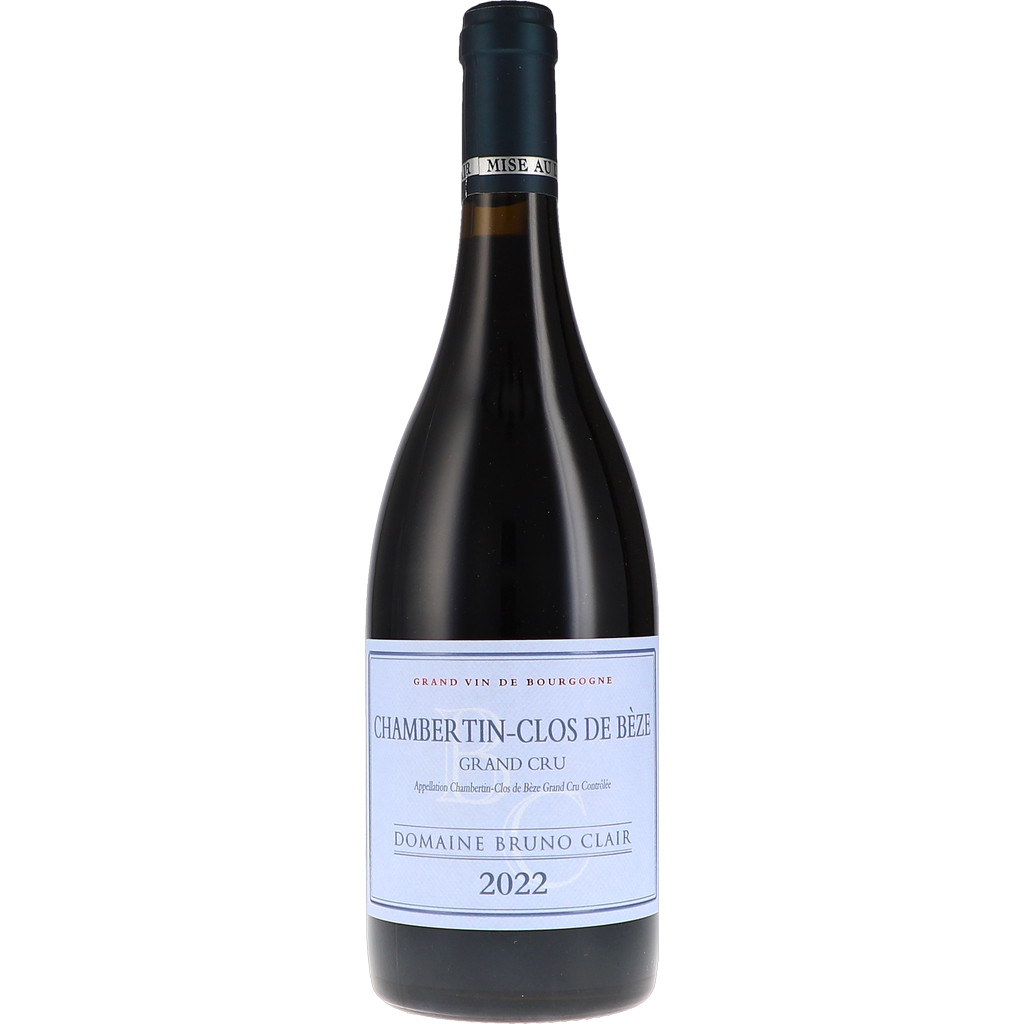
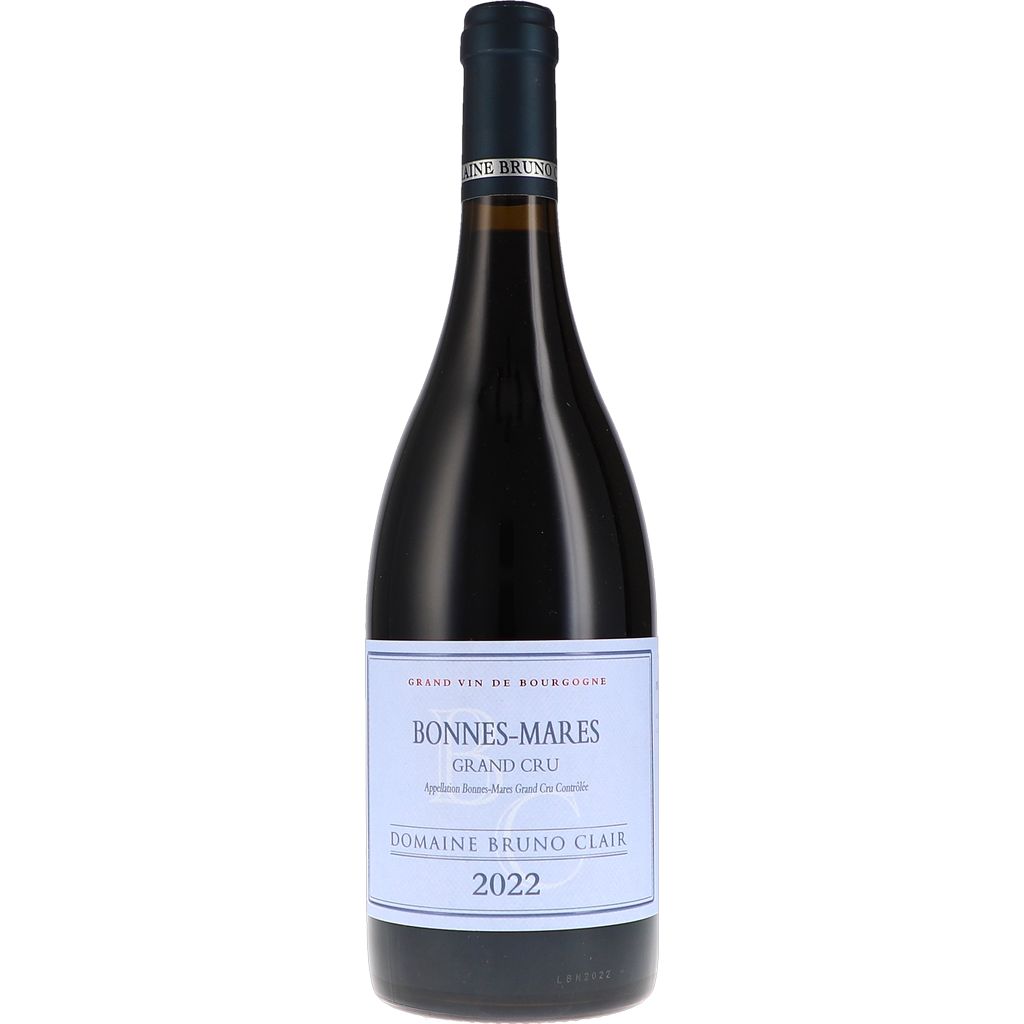
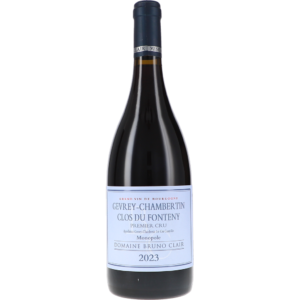
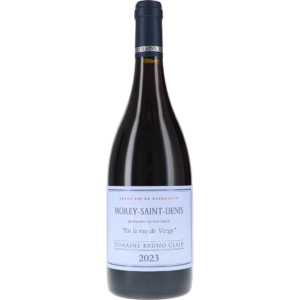
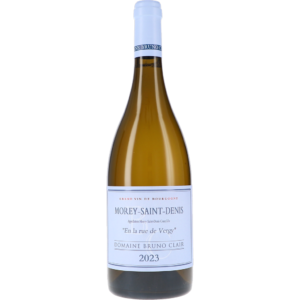
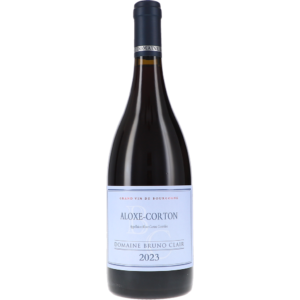
Domaine Bruno Clair in Marsannay-la-Côte farms 27 hectares across eight villages of the Côte d'Or, producing 32 appellations. Bruno Clair founded the estate in 1979, initially receiving seven hectares after the dissolution of Domaine Clair-Daü, which his grandfather had built up. Today the estate includes Chambertin-Clos de Bèze with vines planted in 1912, Bonnes-Mares, the Clos Saint-Jacques in Gevrey-Chambertin, and Corton-Charlemagne. In the cellar, the wines ferment spontaneously and age 18 to 20 months in barrel. The reds show silky tannin and a saline edge. Son Edouard joined in 2010, followed by Arthur and Margaux in 2018.
The legacy of Clair-Daü
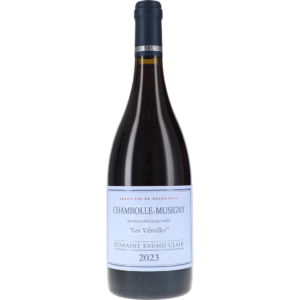
In 1919, Joseph Clair married Marguerite Daü, uniting the two families' vineyards in Marsannay. Under the name Clair-Daü arose an estate that for decades bottled wines from Chambertin-Clos de Bèze, Bonnes-Mares and Musigny, until family disputes led to its dissolution in 1985. Bruno Clair, a grandson of Joseph Clair, had founded his own estate in 1979 and received seven hectares in the split. Chambolle-Musigny followed in 1990, Corton-Charlemagne in 1993, and further parcels in Bonnes-Mares in 2006. Today the estate spans 27 hectares across eight villages, based in Marsannay-la-Côte.
Grands crus and old vines
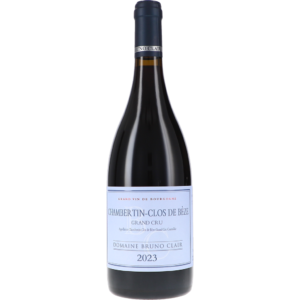
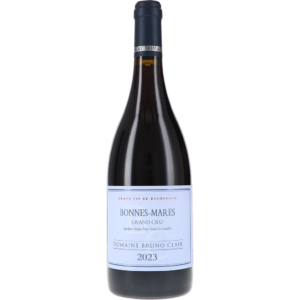
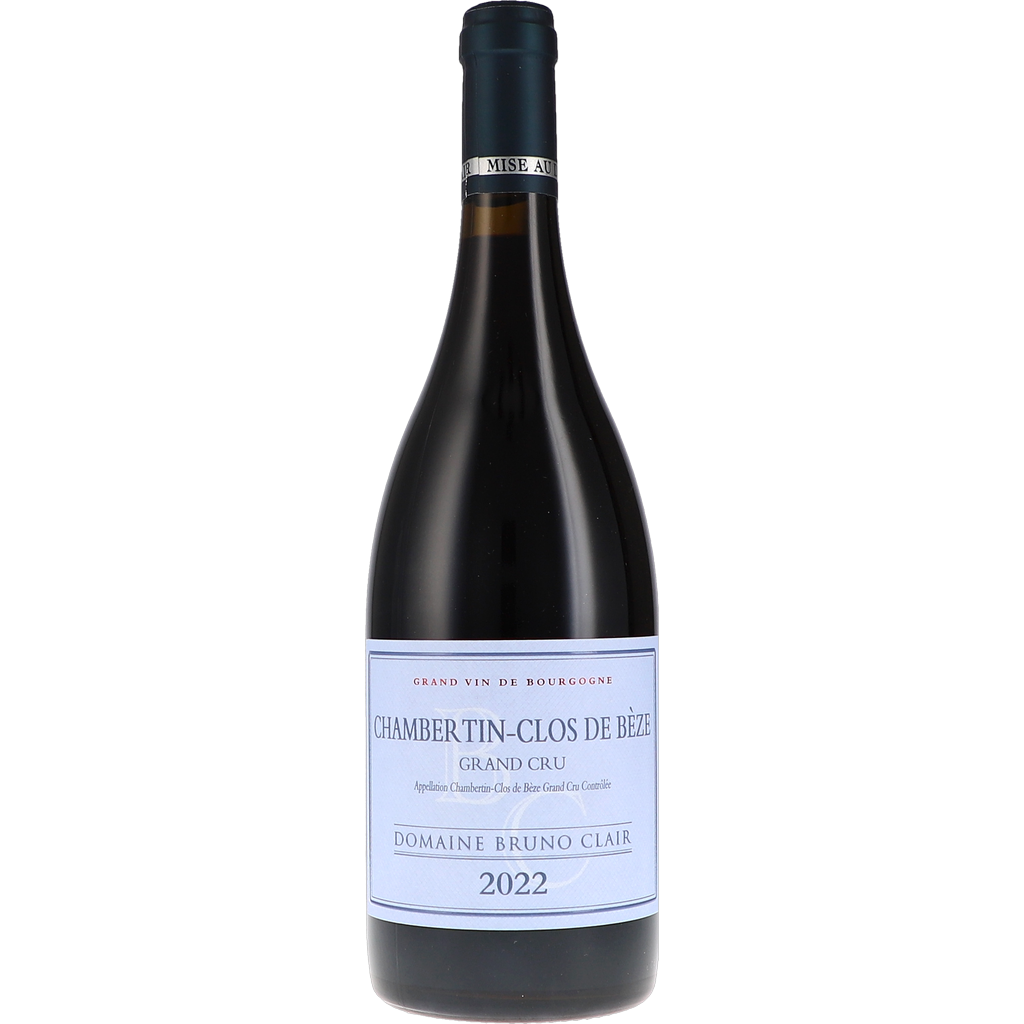
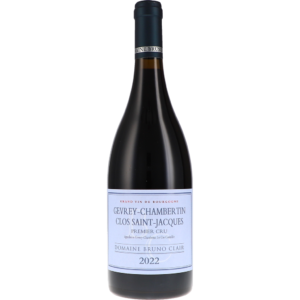
In the Côte de Nuits, part of the Chambertin-Clos de Bèze comes from vines planted in 1912, yielding tiny crops. The 1.64 hectares of Bonnes-Mares bring darker spice, graphite, and a broad tannic structure. The Clos Saint-Jacques in Gevrey-Chambertin comes out cooler, with a tighter line and plenty of length.
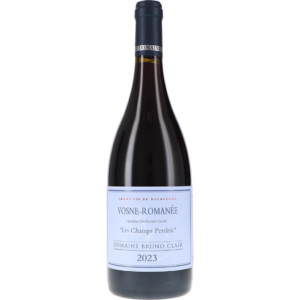
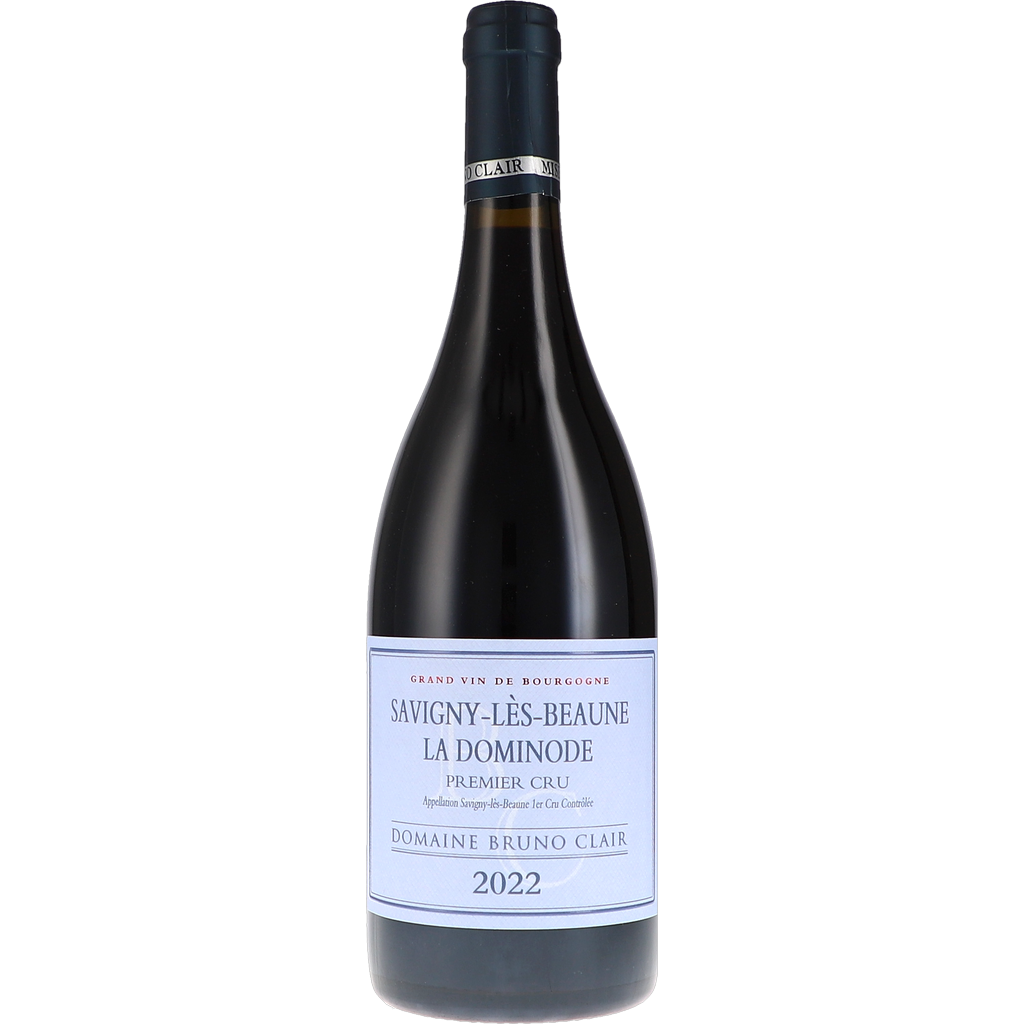
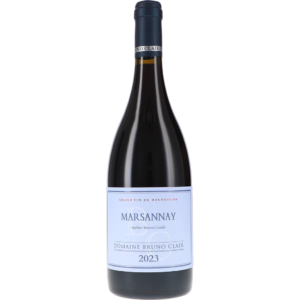
In Savigny-lès-Beaune, the estate holds 1.14 hectares in the premier cru La Dominode, a plot within Les Hauts Jarrons, east-facing on clay-and-stone soil, originally planted in 1902 and replanted vine by vine ever since. The Vosne-Romanée "Les Champs Perdrix" grows on 0.85 hectares of lean marl facing east and southeast, at an average altitude of 320 metres, with vines dating from 1948. In Marsannay itself, 1.4 hectares of clay and limestone facing southeast yield the Marsannay rouge.
Fermentation and ageing
Fermentation begins spontaneously with the estate's own yeasts, in open wooden vats, the cap of skins punched down by hand, extraction kept measured. For the reds, 20 to 50 percent whole clusters go into the fermentation vat, for the Marsannay rouge 10 to 20 percent. The wines then age 18 to 20 months in barrique, with the share of new oak ranging by appellation from 20 to 50 percent — around 20 for the Marsannay rouge, about 30 for the Vosne-Romanée, and just over 40 for La Dominode. Clarification is left to time; the wines rest long enough to be bottled without further intervention.
Edouard, Arthur and Margaux
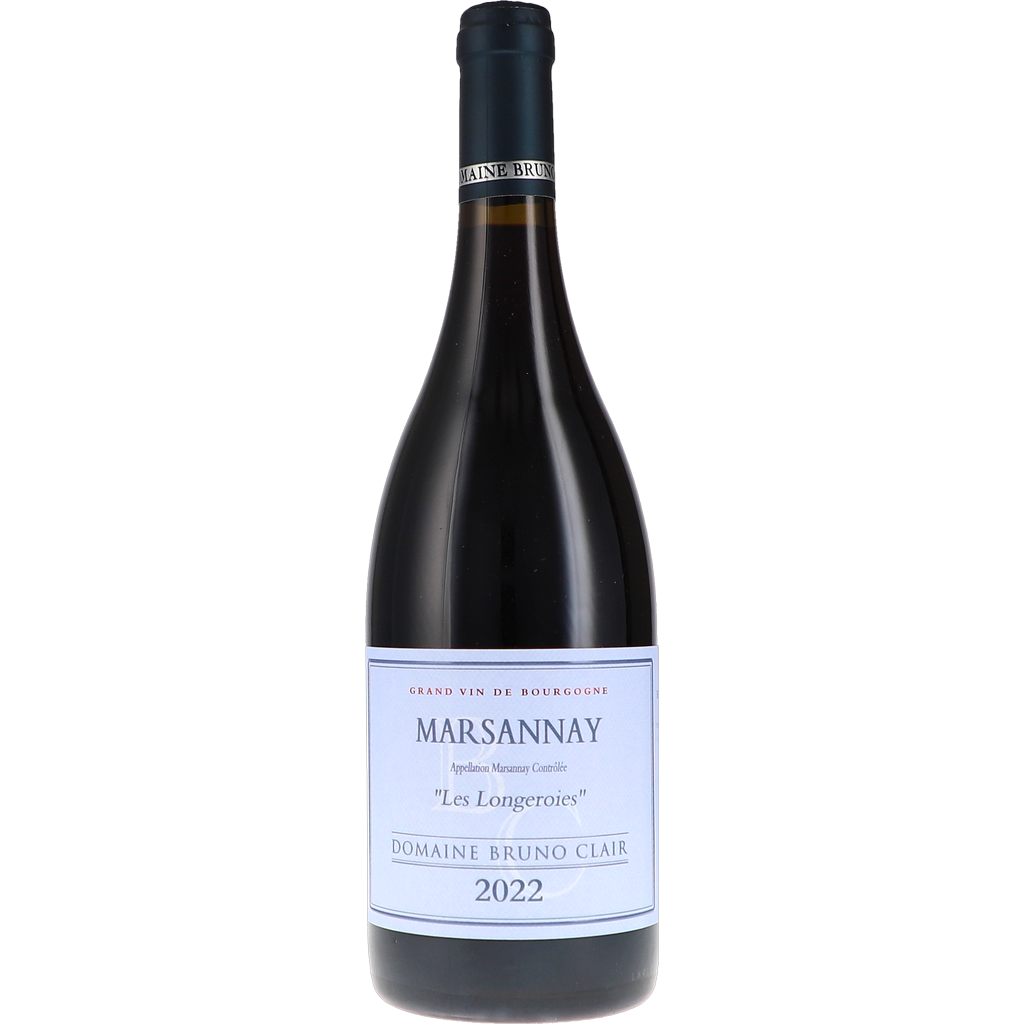
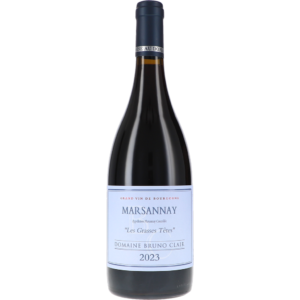
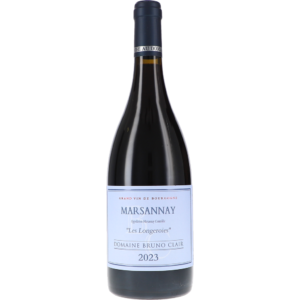
Edouard joined in 2010, followed by Arthur and Margaux in 2018. Edouard is responsible for the vineyards and vinification, Arthur for cellar ageing, Margaux for shipping and logistics. The younger generation's changes have been measured: higher proportions of whole clusters, less sulphur. Cover crops and the rejection of herbicides have long been part of the work in the vineyards. From Marsannay, beyond the village wine, come the sites Les Longeroies and Les Grasses Têtes, each bottled separately.