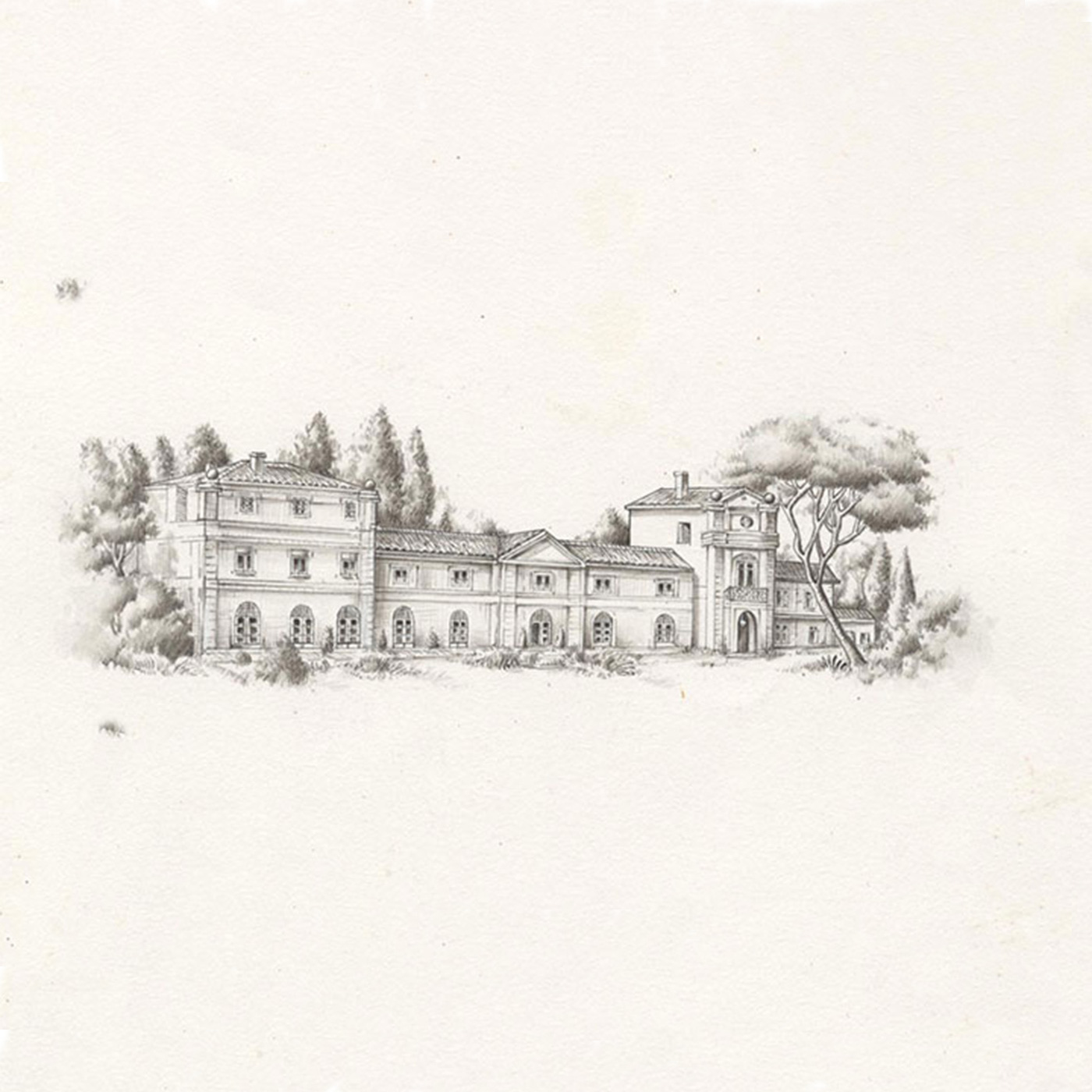
Château La Nerthe embodies the living history of
Châteauneuf-du-Pape. As one of the oldest and most prestigious estates in the region, named by Alexandre Dumas as the only Châteauneuf among the great red wines of France, it combines historical significance with modern viticulture. Across 92 hectares spread over four distinct soil types, the estate cultivates all 13 permitted grape varieties of the appellation under the precise leadership of Rémi Jean. Fully converted to organic farming since 1998, La Nerthe produces four exceptional wines today – two white and two red Châteauneuf-du-Pape.
A story of aristocratic winemaking tradition
The history of
Château La Nerthe is inseparable from the development of Châteauneuf-du-Pape. When the Tulle de Villefranche family of Avignon acquired the property in 1560, they laid the foundations for a 300-year dynasty of viticultural excellence. Construction of the imposing château from 1736 marked the start of a golden era in which La Nerthe rose to become one of the most important estates of the southern Rhône. It was
the first estate in the region to bottle its wines, from 1782, a revolutionary step that underlined their exceptional quality and carried its reputation as far as London, Moscow and the United States.
The phylloxera catastrophe at the end of the 19th century proved a turning point. Joseph Ducos, who took over the estate in 1877, turned out to be a visionary saviour. His pioneering work with American rootstocks and his planting of 10 of today's
13 permitted grape varieties inspired his neighbour Baron Le Roy de Boiseaumarié to create France's first AOC. Since 1985 the Richard family of wine merchants has carried the legacy to new heights with substantial investment.
A terroir of exceptional diversity
La Nerthe's
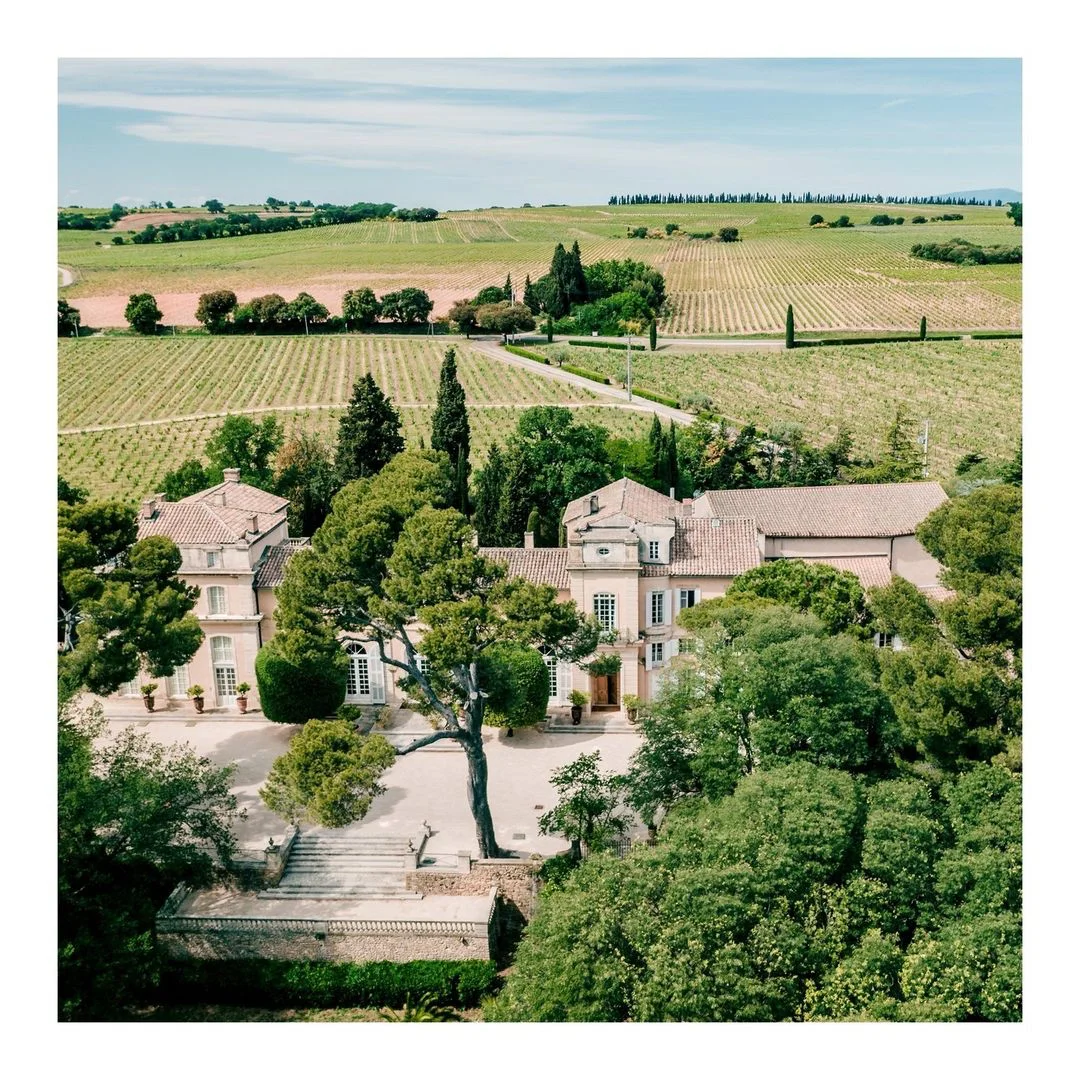
92 hectares of vines are divided between two distinctive main sites. Sixty hectares surround the château itself, while a further 32 hectares lie on the prestigious
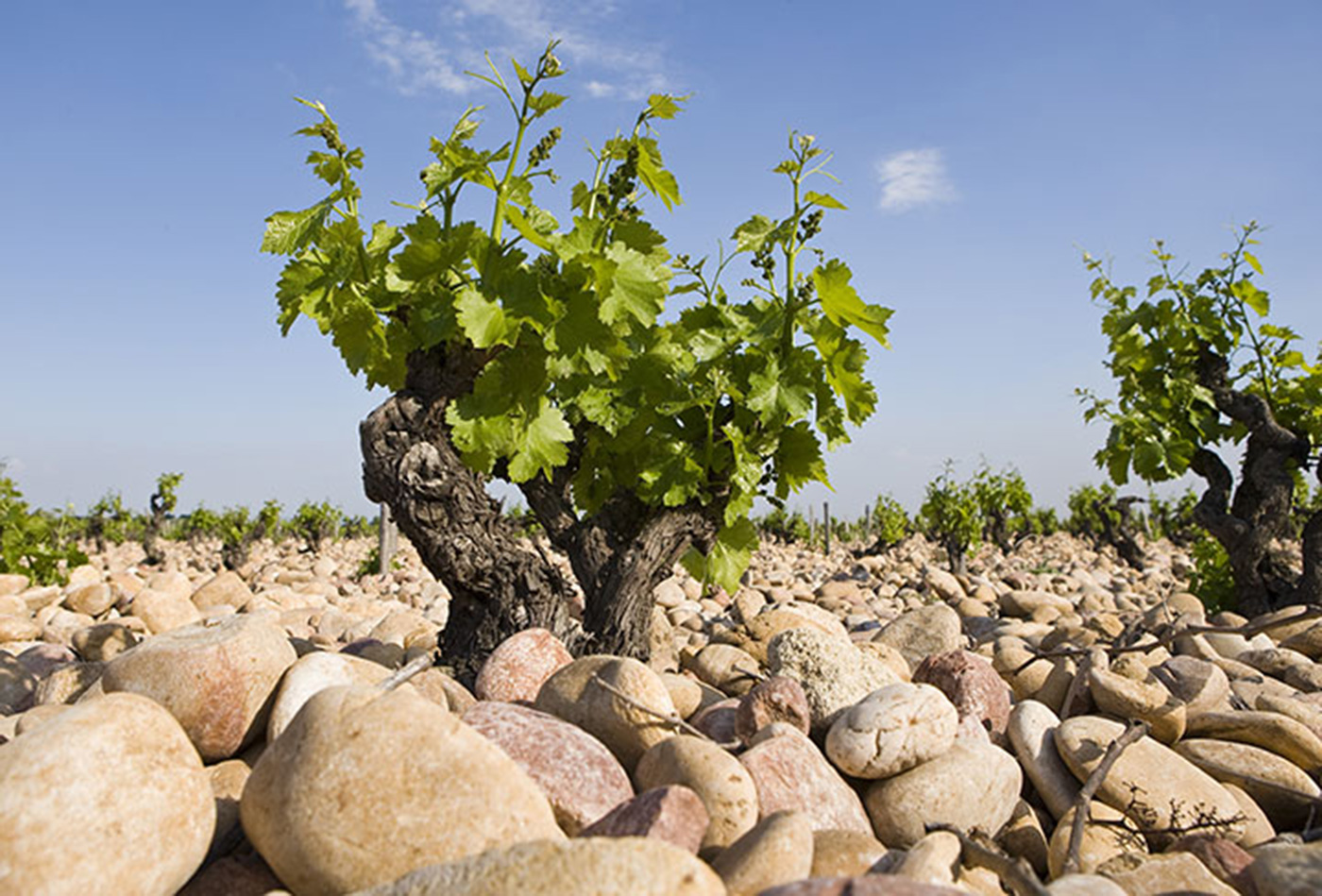
Plateau de La Crau. This natural diversity across 57 different parcels reflects the full range of terroirs found in Châteauneuf-du-Pape. Around the château, sandy, marly and clay-limestone soils dominate, strewn with the characteristic
galets roulés. On the wind-exposed plateau of La Crau, a dense layer of clay beneath the rounded stones creates ideal conditions for Grenache, while Mourvèdre develops its elegant tannic structure in the damper southern sites.
Particularly noteworthy are the historic vineyards of Clos de Beauvenir and Les Cadettes below the château. The calcareous Clos is planted mainly with white varieties, above all Roussanne and
Grenache Blanc; the
Clos de Beauvenir Blanc 2022 expresses this origin with mineral precision. Les Cadettes, by contrast, is home to the estate's oldest vines, including
Grenache Noir planted in 1935.
Organic viticulture and minimal intervention
Château La Nerthe is one of the pioneers of
organic viticulture in the region, having converted as early as 1998. Under the direction of Rémi Jean, the estate follows an uncompromising approach to quality without synthetic fertilisers, herbicides or pesticides. Harvesting is done by hand, precisely at optimum ripeness and parcel by parcel, so as to preserve the character of each micro-terroir.
Vinification follows traditional principles combined with modern know-how. A historic pioneer of destemming, La Nerthe has practised this technique since the 1800s.
Spontaneous fermentation with natural yeasts is initiated by a gentle cold maceration. Extraction during fermentation is controlled by careful pumping over or pigeage, always with the aim of achieving maximum aromatic complexity within an elegant tannic frame. The twelve months of ageing in a variety of vessels, from barriques to stone tanks, continue to be carried out parcel by parcel before Rémi Jean composes the final blend.
Clos des Papes, the appellation's other great organic estate, also takes this patient approach.
The estate and its wines
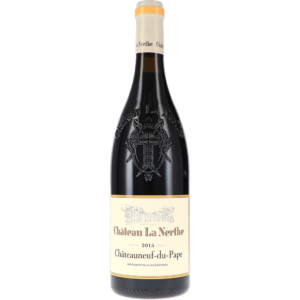
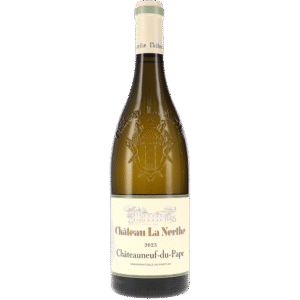
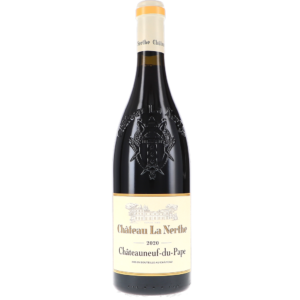
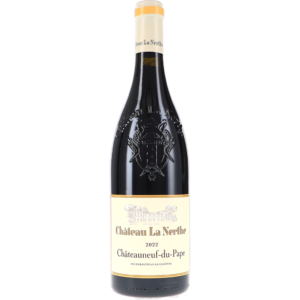
La Nerthe's portfolio centres on four exceptional Châteauneuf-du-Papes: two whites and two reds. The
Châteauneuf-du-Pape Blanc 2023 reflects the appellation as a whole, in a distinctive interpretation that puts fruit, roundness and balance to the fore. The
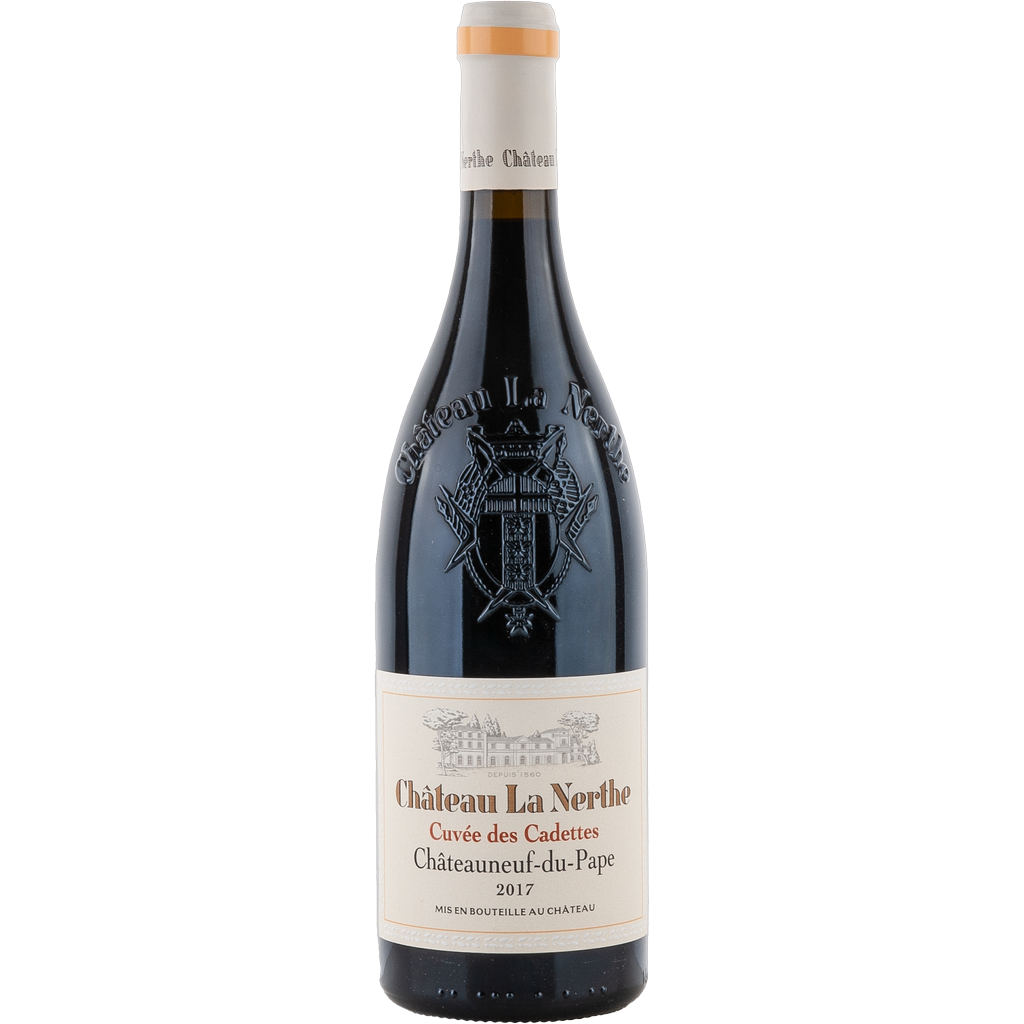
Cuvée des Cadettes Rouge 2017, from the oldest vines, stands apart from the mass of powerful Châteauneufs through its exceptional finesse and complexity.
All four wines are
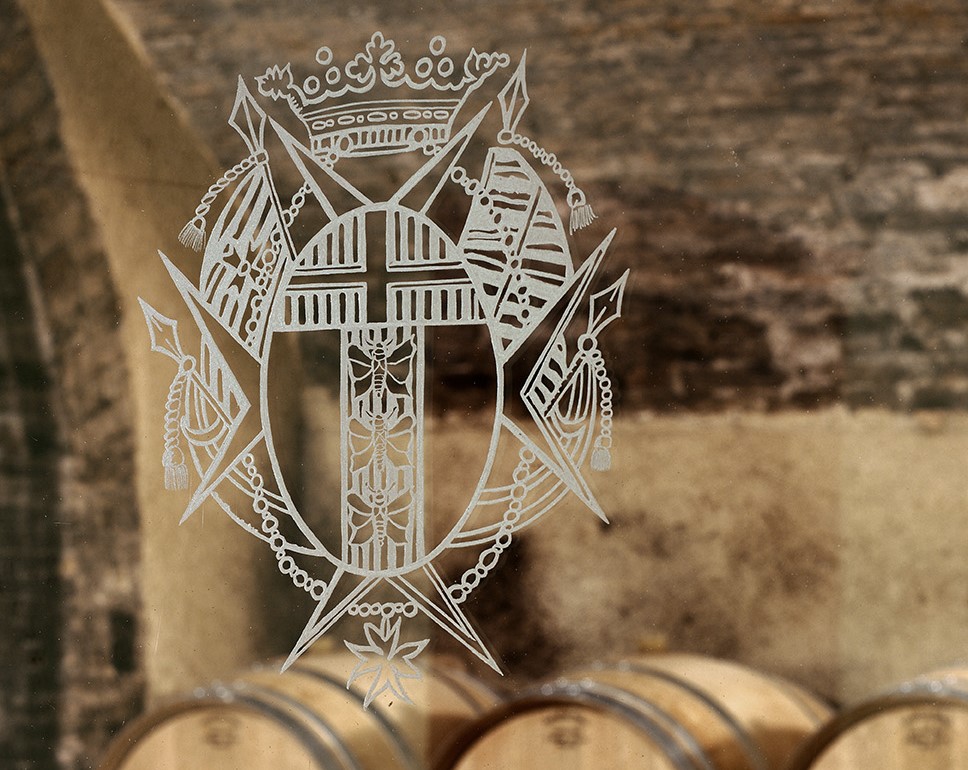
Mediterranean grands crus of the highest calibre, uniting southern warmth with a profound expression of terroir. After ten or more years in bottle they gain further dimensions of complexity and refinement. The estate's own bottle bearing the coat of arms, introduced in 2001, underlines the distinct character of this historic icon of wine.