Marcoux
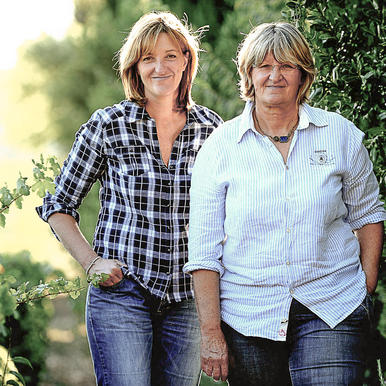
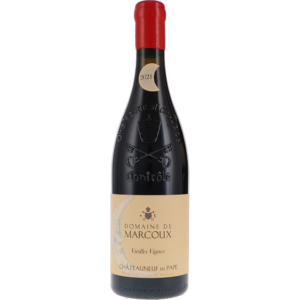
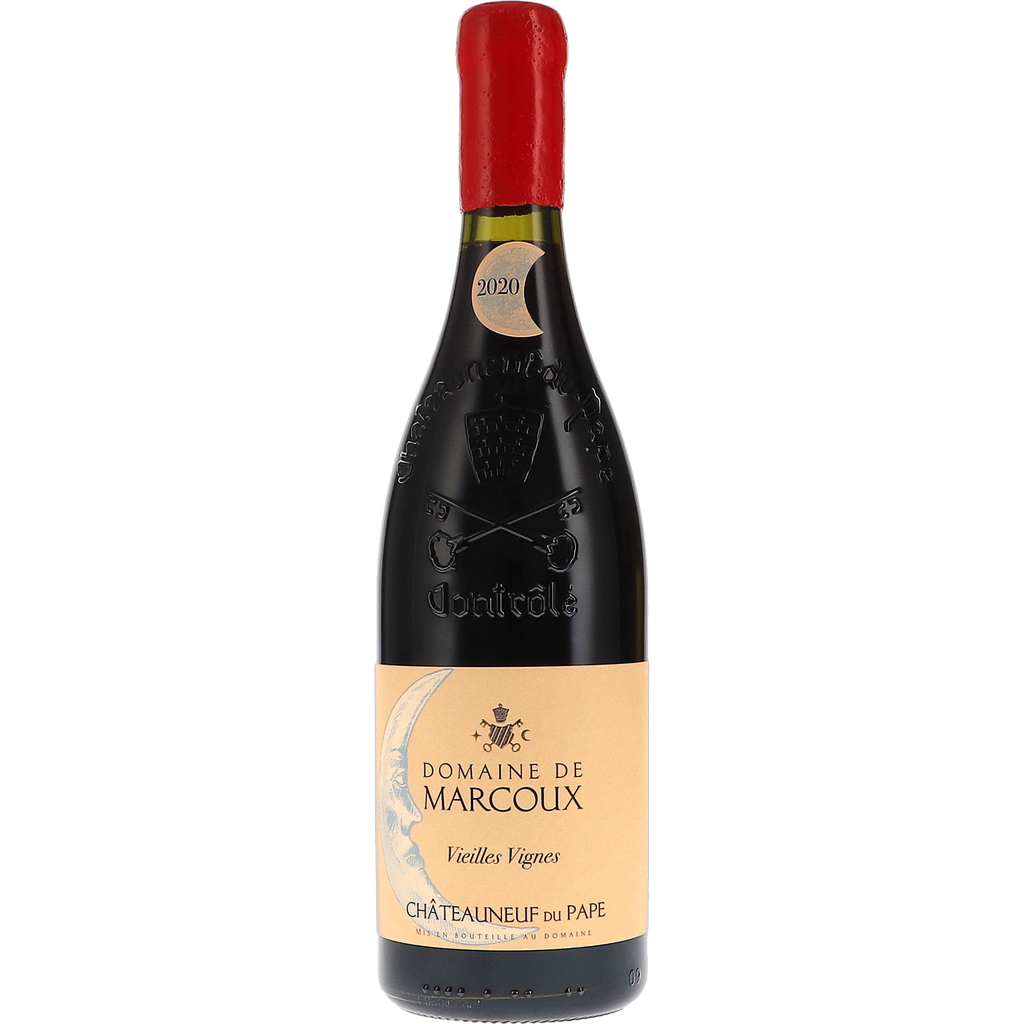
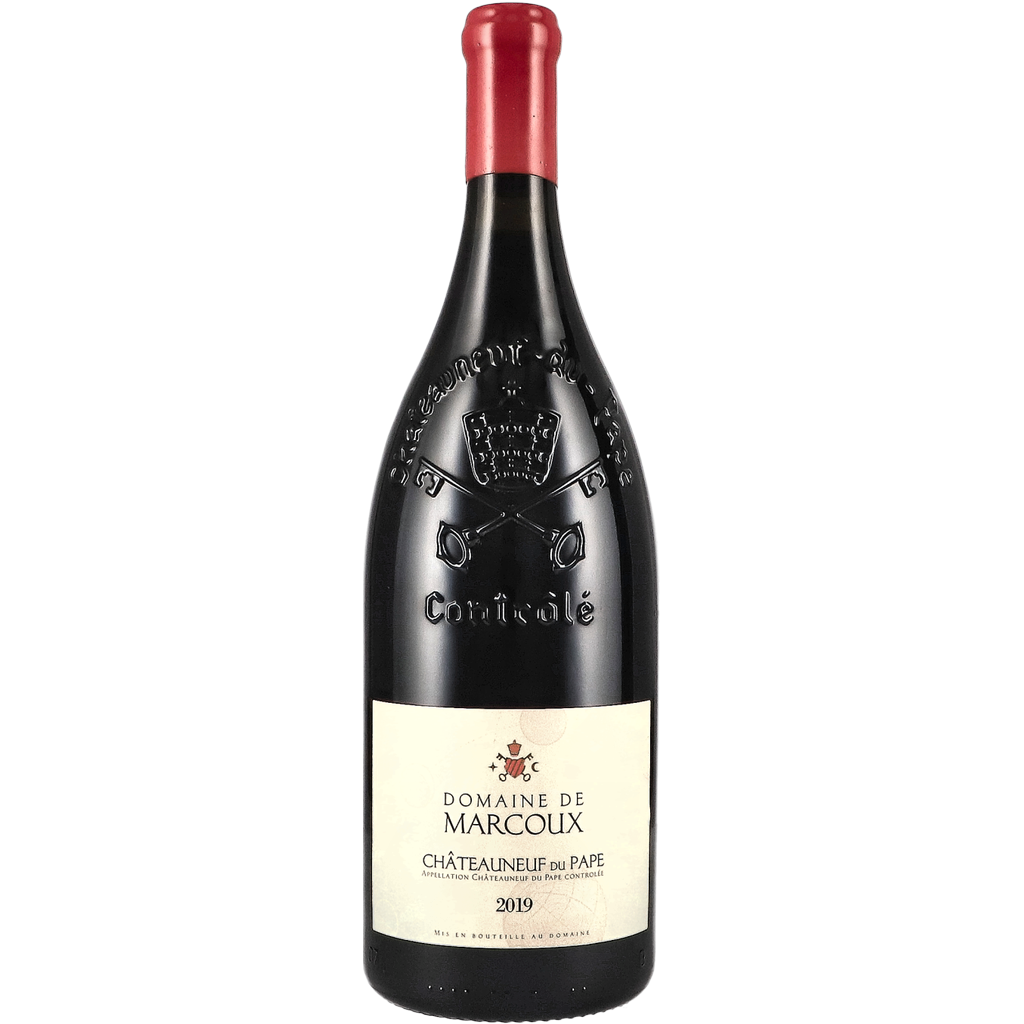
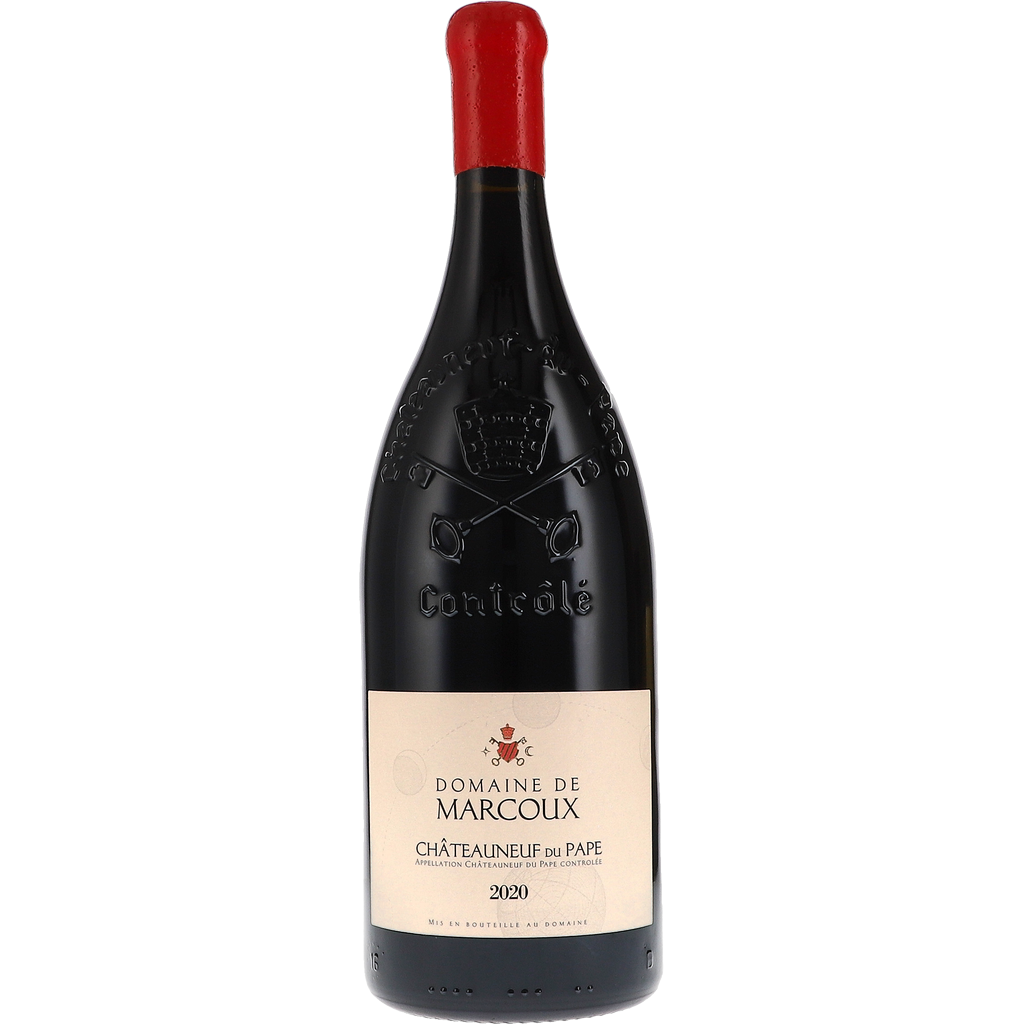
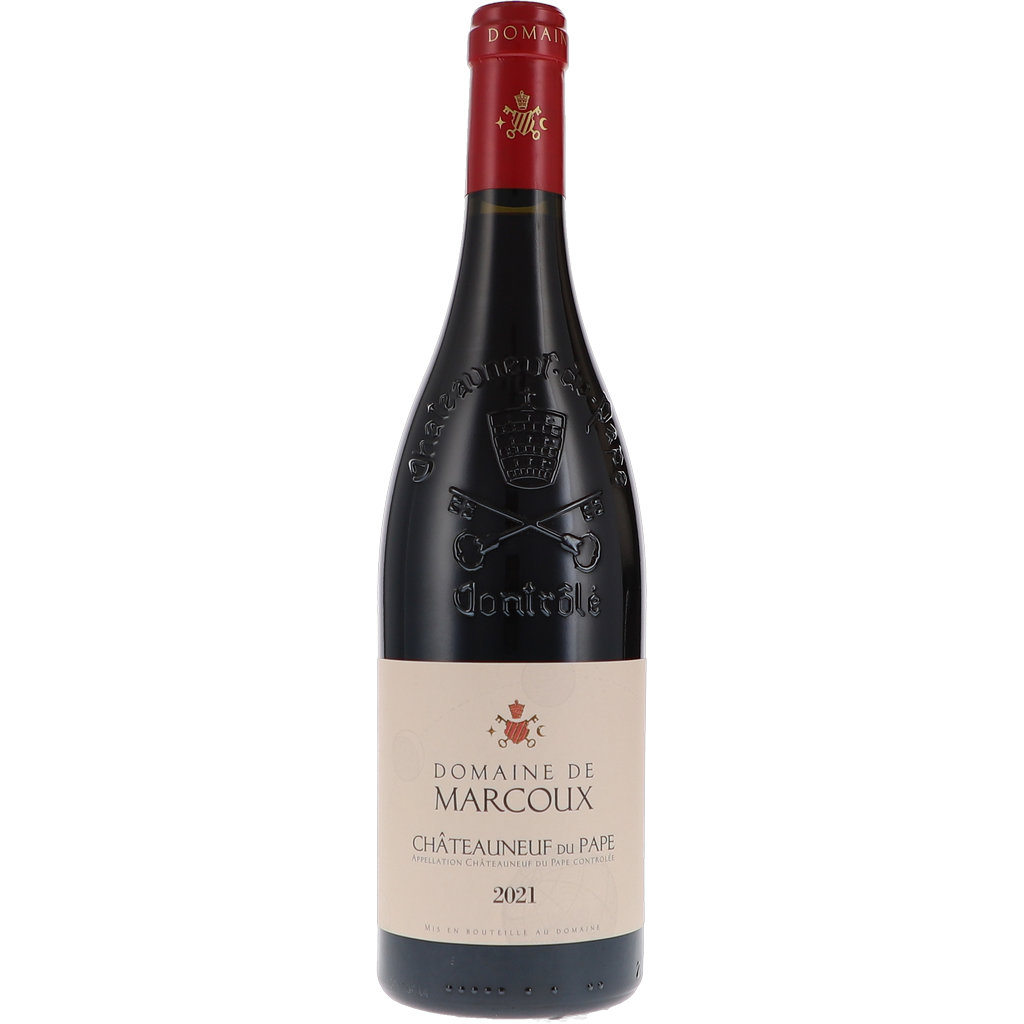
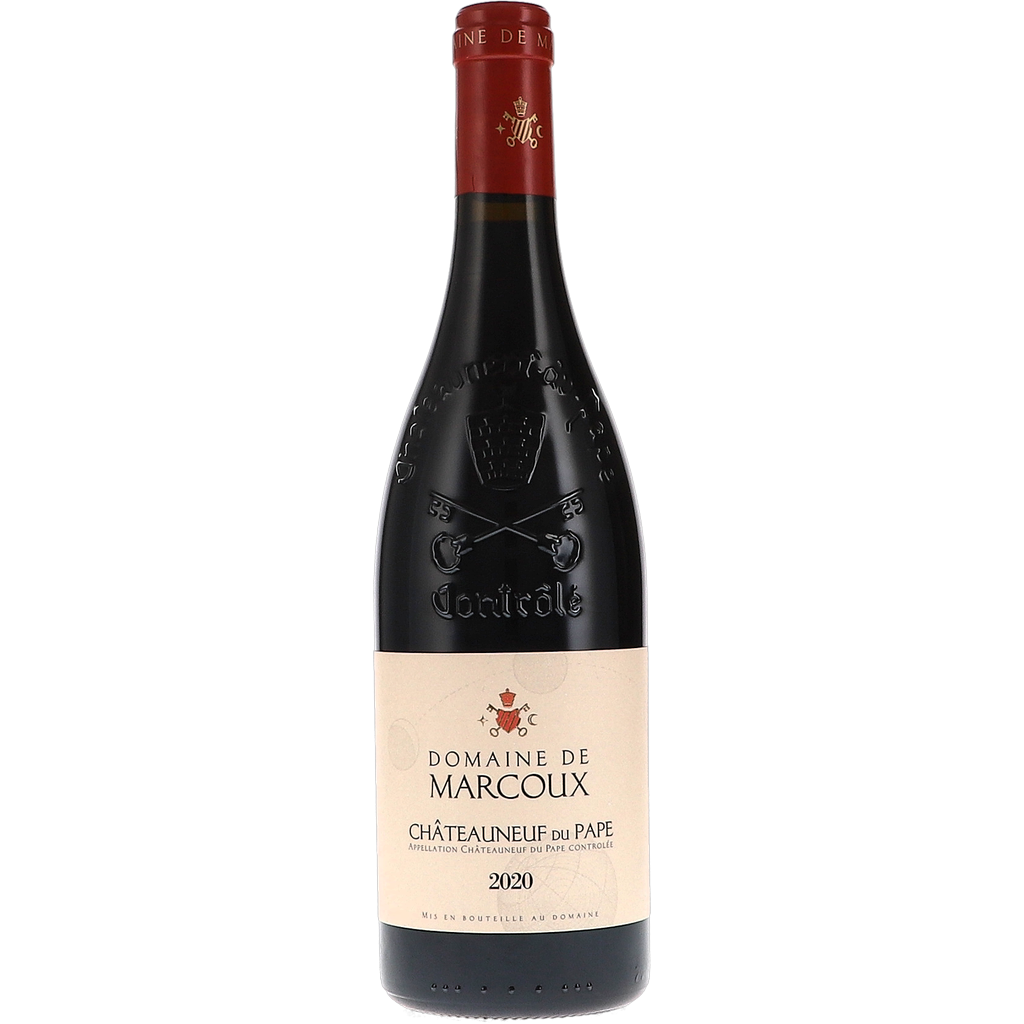
Domaine de Marcoux in Châteauneuf-du-Pape farms 18 hectares across seven different terroirs of the appellation. Sophie Armenier and her son Vincent Estevenin run the estate, and the Armenier family already appears in the village's tax registers in 1344 as winegrowers. Since 1990, Marcoux has worked biodynamically, one of the first estates in the region to do so. In the cellar, maceration lasts four to six weeks, followed by eighteen months of ageing in historic concrete tanks, Stockinger casks and, more recently, amphorae. The Châteauneuf-du-Pape Vieilles Vignes is made from Grenache vines documented since 1900; the white Châteauneuf-du-Pape comes from three small parcels on the western slope of the village hill.
The Armeniers in Châteauneuf-du-Pape
A tax register from 1344 names the Armenier family in Châteauneuf-du-Pape, already as winegrowers at that time. From there the line continues to the present day. When Elie Armenier died in 1980, his wife and son Philippe carried the legacy forward, and in 1989 Philippe Armenier gave the estate the name Domaine de Marcoux and began taking an interest in biodynamics. François Bouchet became his mentor; from 1990 the work in the vineyard followed his principles, at a time when biodynamics was still viewed with scepticism along the Rhône.
Sophie and Catherine Armenier, then Vincent Estevenin
Philippe Armenier went to California to work there as a consultant in biodynamic viticulture. His sisters Sophie and Catherine took over, Sophie the cellar, Catherine the 18 hectares of vineyards across the seven terroirs; 1996 was their first vintage together. "You cannot capture an expression of terroir if the vines haven't formed deep roots," says Sophie Armenier. Today her son Vincent Estevenin works alongside her in the vineyard, among other things with a Saint-Chamond, a tracked vehicle that fits between the narrow rows of the old Grenache gobelet vines.
The sites and the grape varieties
The Châteauneuf-du-Pape rouge blends Grenache, Mourvèdre, Syrah and Cinsault, drawing its power from the terroirs of galets roulés. For the Châteauneuf-du-Pape Vieilles Vignes, only Grenache is harvested, from pre-phylloxera vines documented since 1900.
Around six percent of the appellation is planted with white grape varieties, and the proportion at Marcoux is similarly high. The Châteauneuf-du-Pape Blanc comes essentially from three parcels: Les Esqueirons, 0.50 hectares of Roussanne planted in 1987, Les Bosquets, 0.35 hectares of Bourboulenc, both on the western slope of the village hill, plus a Clairette parcel of about 20 ares that has been in use since 2020. The soils carry clay, colluvium and limestone from the Barremian stage of the Cretaceous.
Harvest, sorting, ageing
The grapes are checked three times: during hand-harvesting, when transferring to the trailer, and at the sorting table in the cellar. For the white, they arrive in 50-kilo crates, are destemmed and pressed, and the must ferments at around 17 degrees in stainless steel. For the reds, fermentation is left to natural yeasts, and maceration lasts four to six weeks. Eighteen months of ageing follow, formerly exclusively in the estate's historic concrete tanks, now supplemented by casks from Stockinger in Austria and, more recently, by amphorae.