Chêne Bleu
Chêne Bleu cultivates vineyards on Mont Ventoux in the Rhône, at altitudes of 550 to 630 metres around the Domaine de la Verrière, a medieval priory. Xavier and Nicole Rolet bought the abandoned estate in 1993 and restored it over ten years; they have farmed biodynamically from the outset. Jean-Louis Gallucci vinifies Grenache, Syrah, Roussanne and Viognier parcel by parcel in a cellar cut twelve metres into the rock. Warm days and cool nights extend ripening, and the wines retain drive and acidity as a result. The red flagships are named after the medieval lovers Abélard and Héloïse.
The Domaine de la Verrière on Mont Ventoux
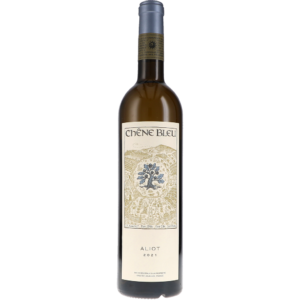
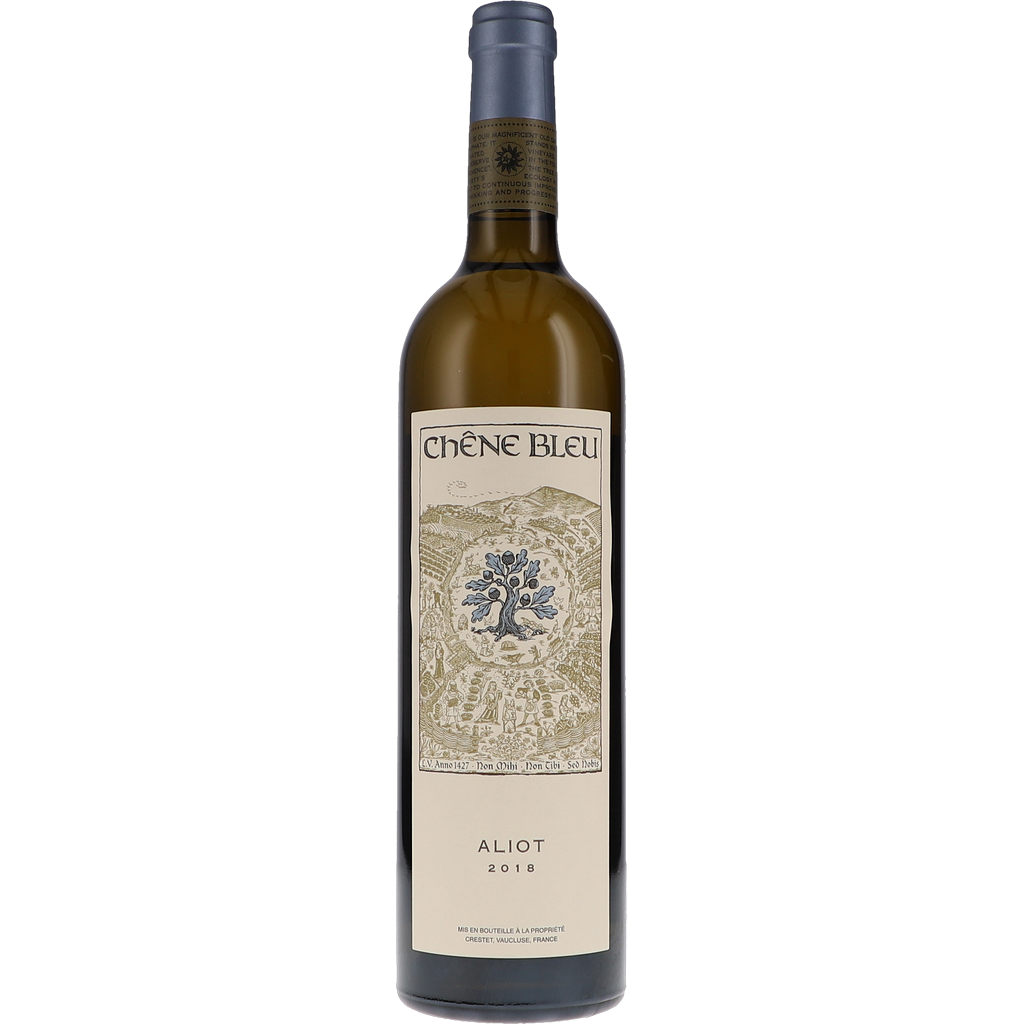
The medieval priory where Chêne Bleu now works had stood for forty-five years without water or electricity, caught up in an inheritance dispute, when Xavier and Nicole Rolet bought it in 1993. The restoration took ten years. The estate's history includes Aliot de Montvin, a nobleman who built a glassworks here in 1427; the white flagship Aliot is named after him, a cuvée made from roughly two-thirds Roussanne with Grenache Blanc and Marsanne.
Xavier and Nicole Rolet
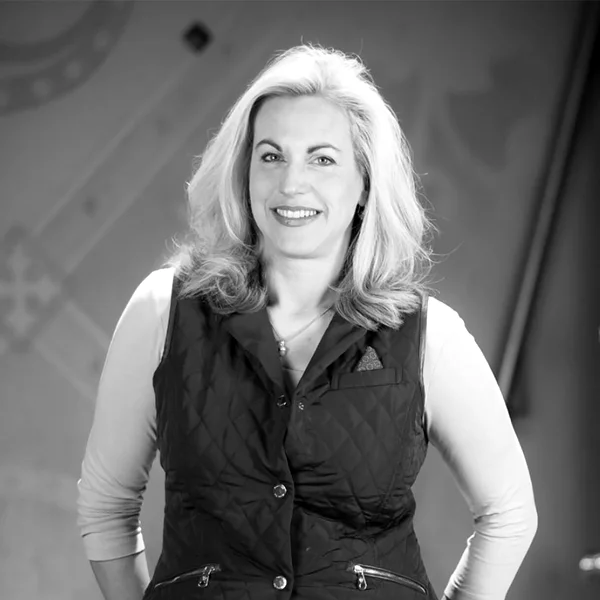
Xavier Rolet, later CEO of the London Stock Exchange, keeps bees on the estate; they form part of the biodynamic work in the vineyard. Nicole Rolet was a political adviser, trained in winemaking at UC Davis and was appointed Chevalier de Tastevin; she describes her approach as "the haute couture of winemaking." The wines are made by Jean-Louis Gallucci, who brings experience from the Loire and Italy. Zelma Long oversees the vinification, while Claude and Lydia Bourguignon guide the work on the soils.
Altitudes between 530 and 630 metres
The parcels sit high enough that the nights stay cool while Mediterranean warmth prevails by day, stretching out the ripening period accordingly. The Viognier grows at 550 metres on a north-facing slope, on very stony clay with limestone, from twenty-year-old vines; after gentle pressing it ferments spontaneously and ages for eight months in demi-muids. The Roussanne, Grenache Blanc and Marsanne that make up the Aliot grow at the same altitude and aspect and are aged in the same way. For Le Rosé, roughly two-thirds Grenache Noir from sixty-year-old vines at 530 metres and one-third Mourvèdre from twelve-year-old vines go straight into the press, again grown on clay and limestone; the wine ferments spontaneously and ages in used barrels.
The cellar cut into the rock
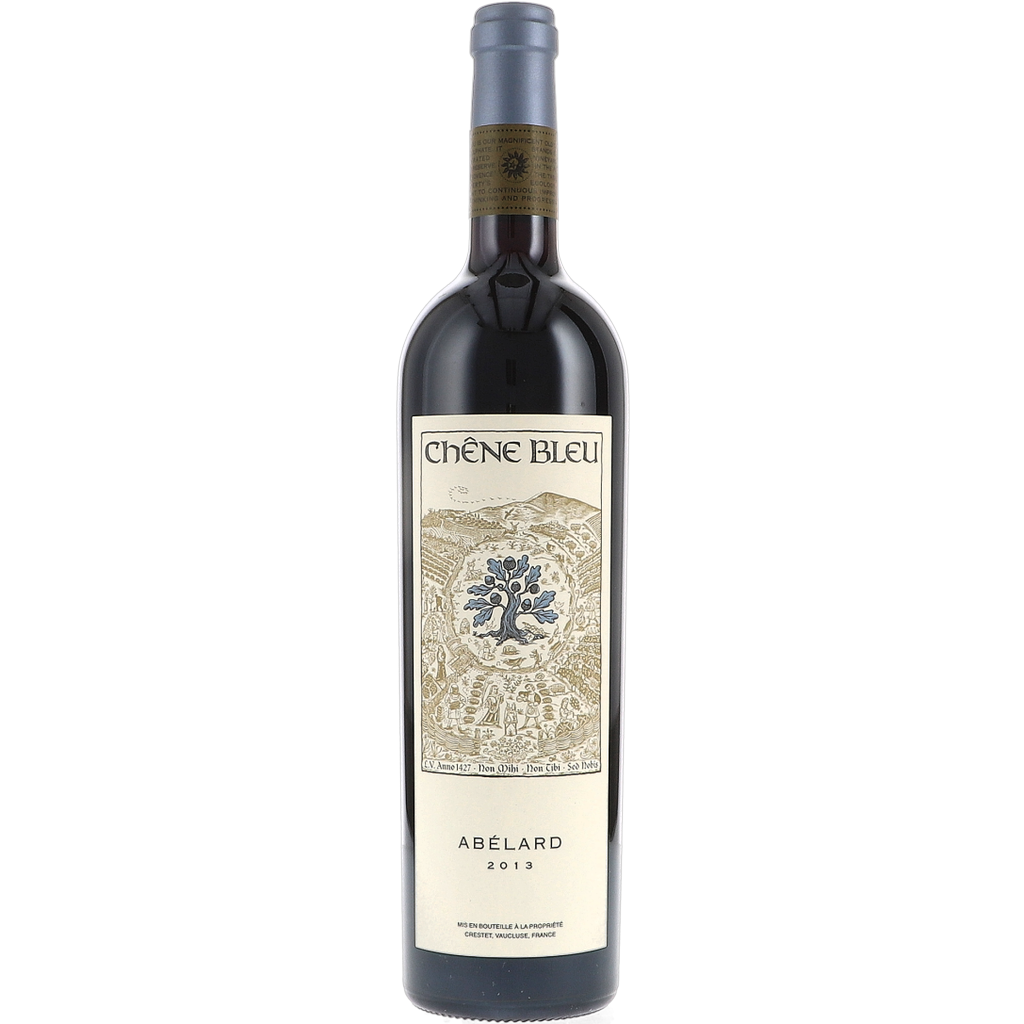
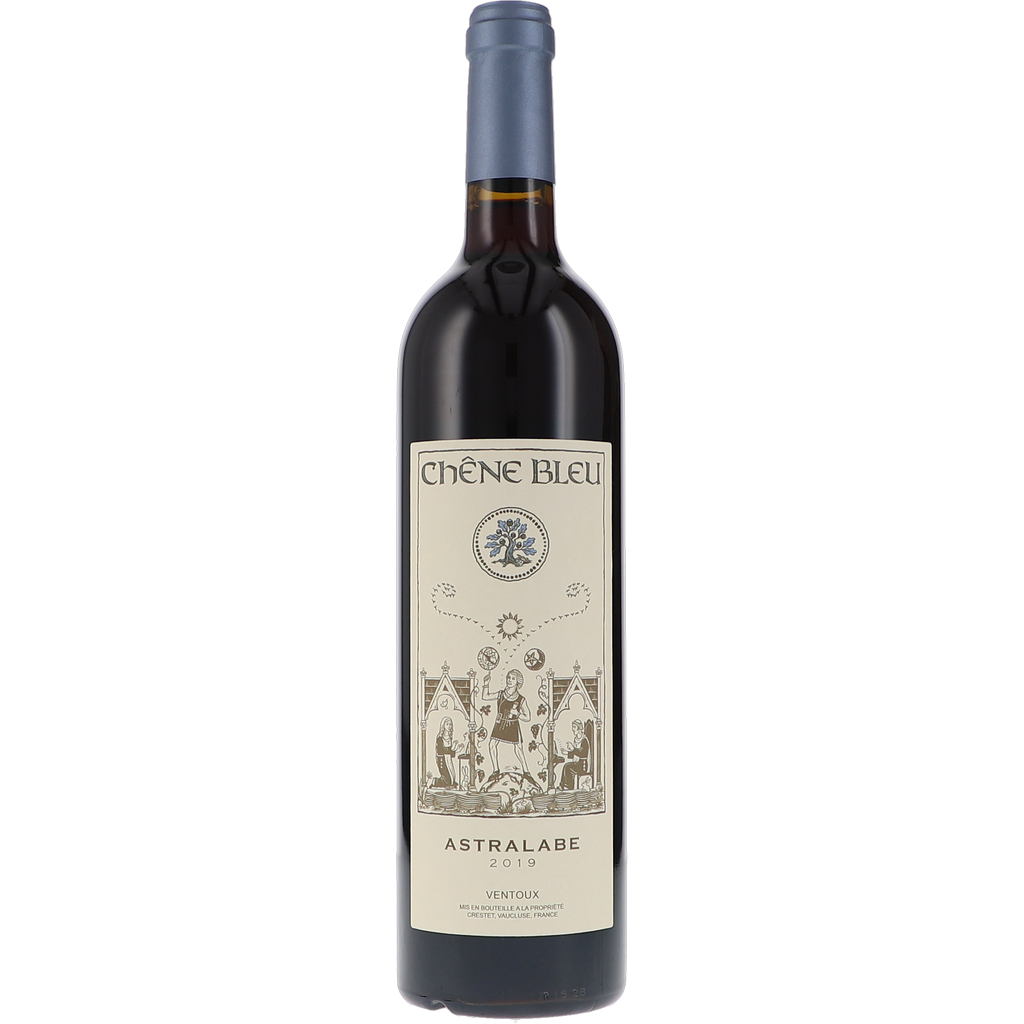
Cut twelve metres into the rock, the cellar spreads across four levels, and the grapes move through it by gravity. A double selection precedes fermentation, with each parcel vinified separately. This is how the red flagships Abélard and Héloïse, made from Grenache and Syrah, and the Astralabe rouge, made from the same varieties, come about. Michel Bettane called the first vintages of these wines "the birth of a new grand cru."