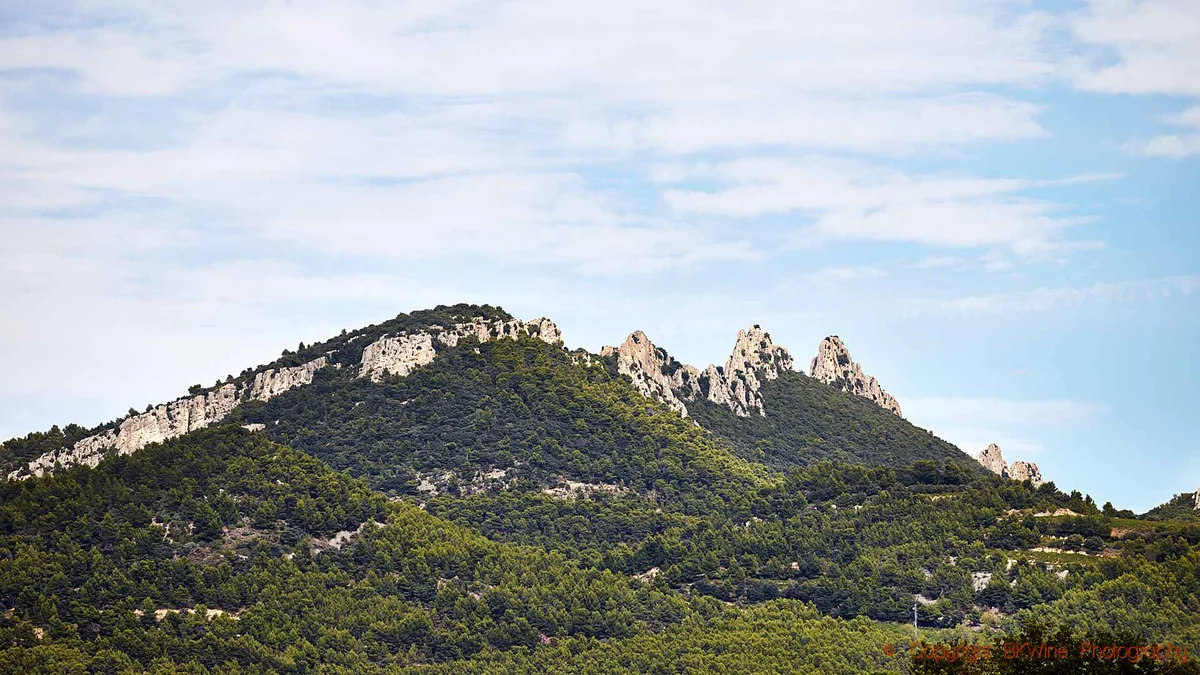
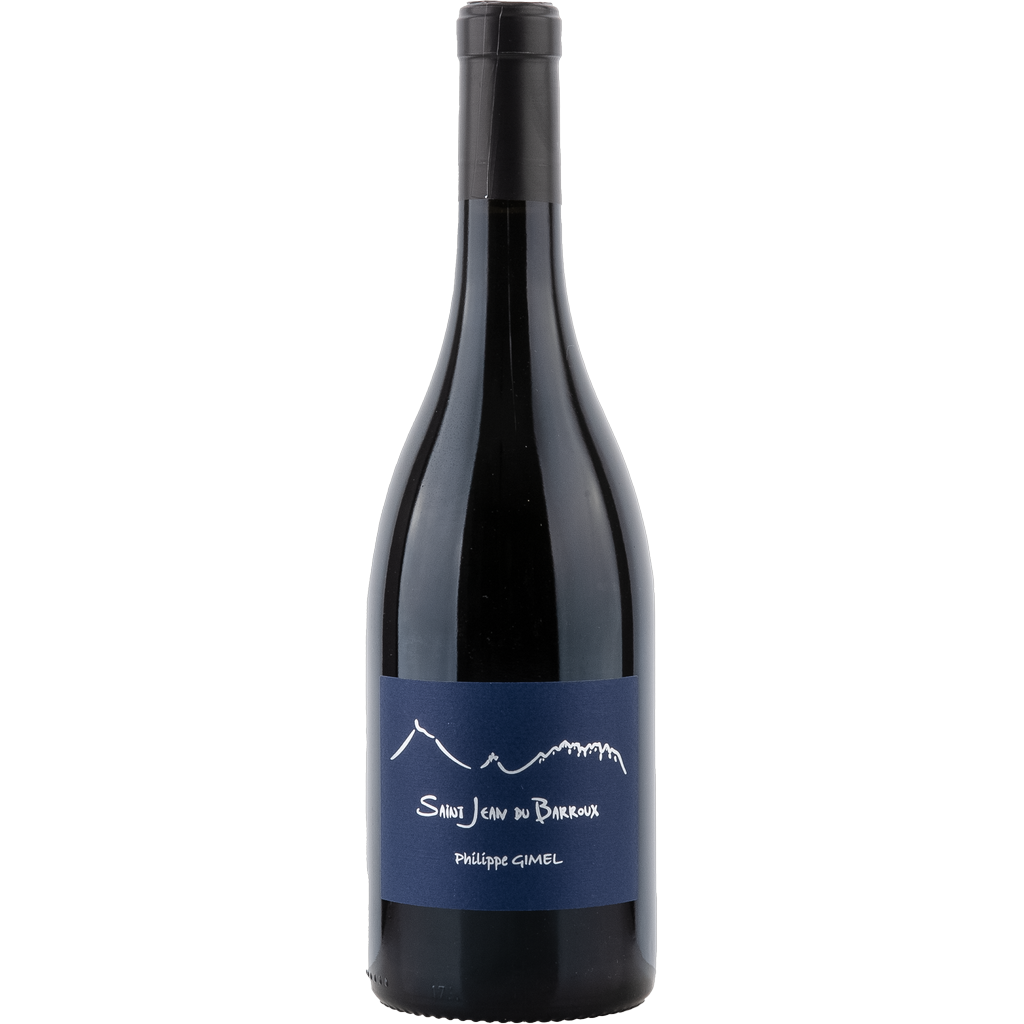
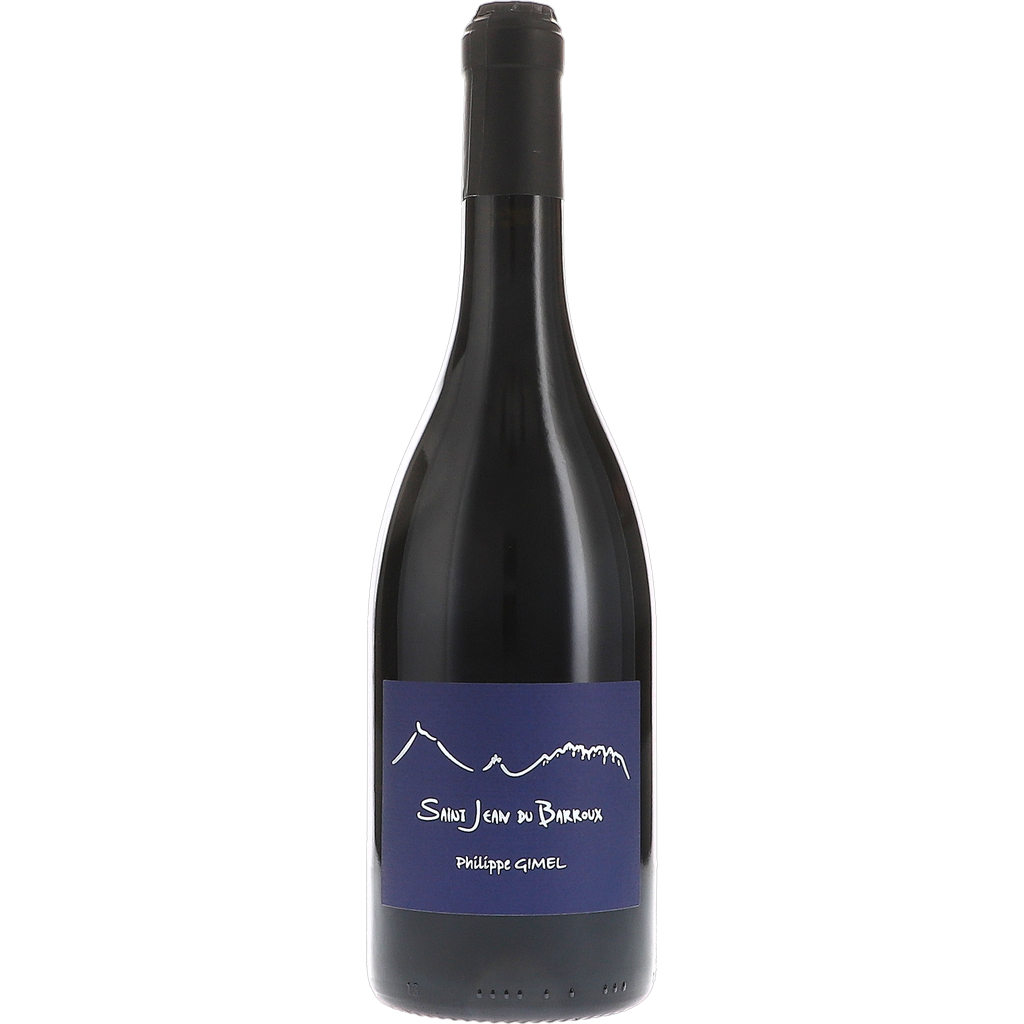
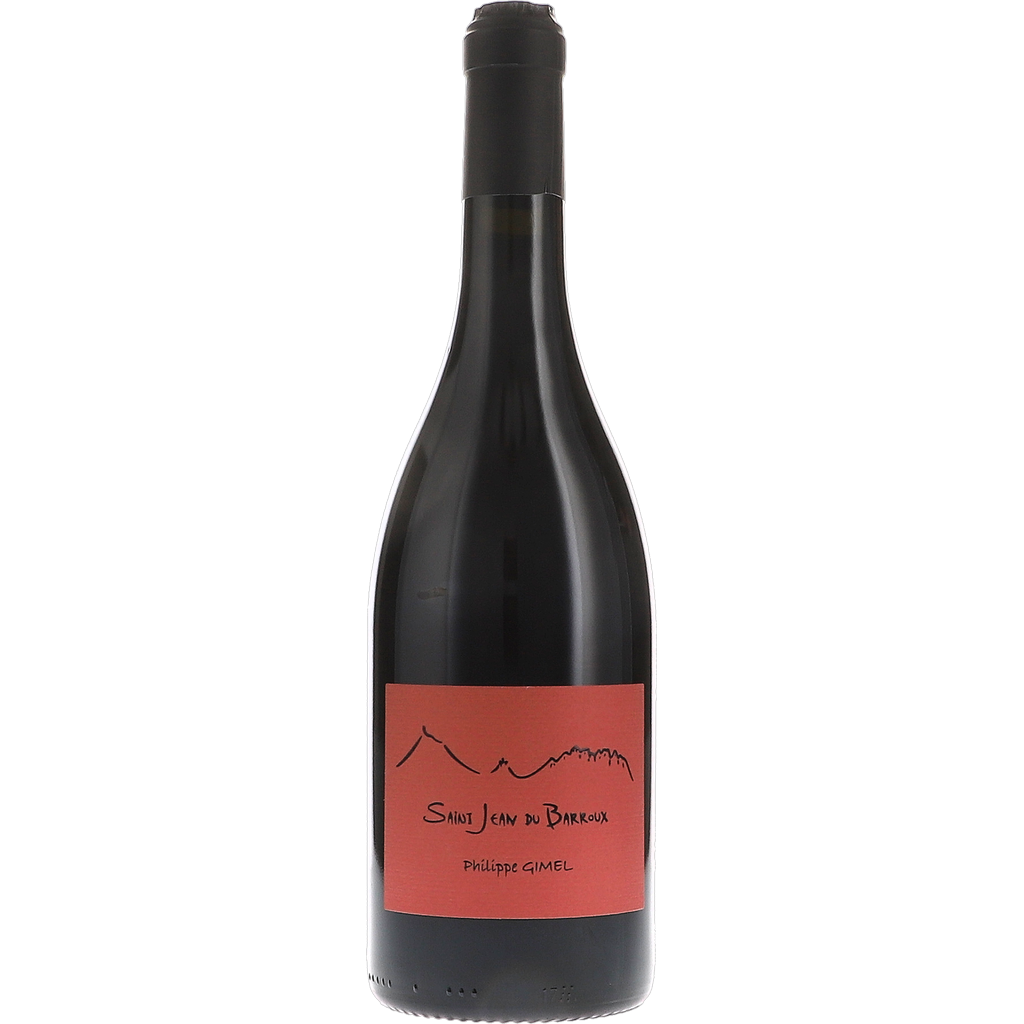
Saint Jean Du Barroux
A pharmacy student who throws it all away to become an oenologist – and then roams the Provence with the renowned geologist Claude Bourguignon in search of the perfect vineyard. This is how the story of Domaine Saint Jean du Barroux begins, Philippe Gimel's domain at the foot of Mont Ventoux.
What he found here in 2003: twelve hectares of old vines, no infrastructure, no cellar. What he made of it: one of the most exciting estates in the entire Rhône. His organically certified vineyards, situated between 300 and 500 metres in altitude, resemble gardens more than production sites – interwoven with hedgerows, surrounded by fruit trees and aromatic herbs.
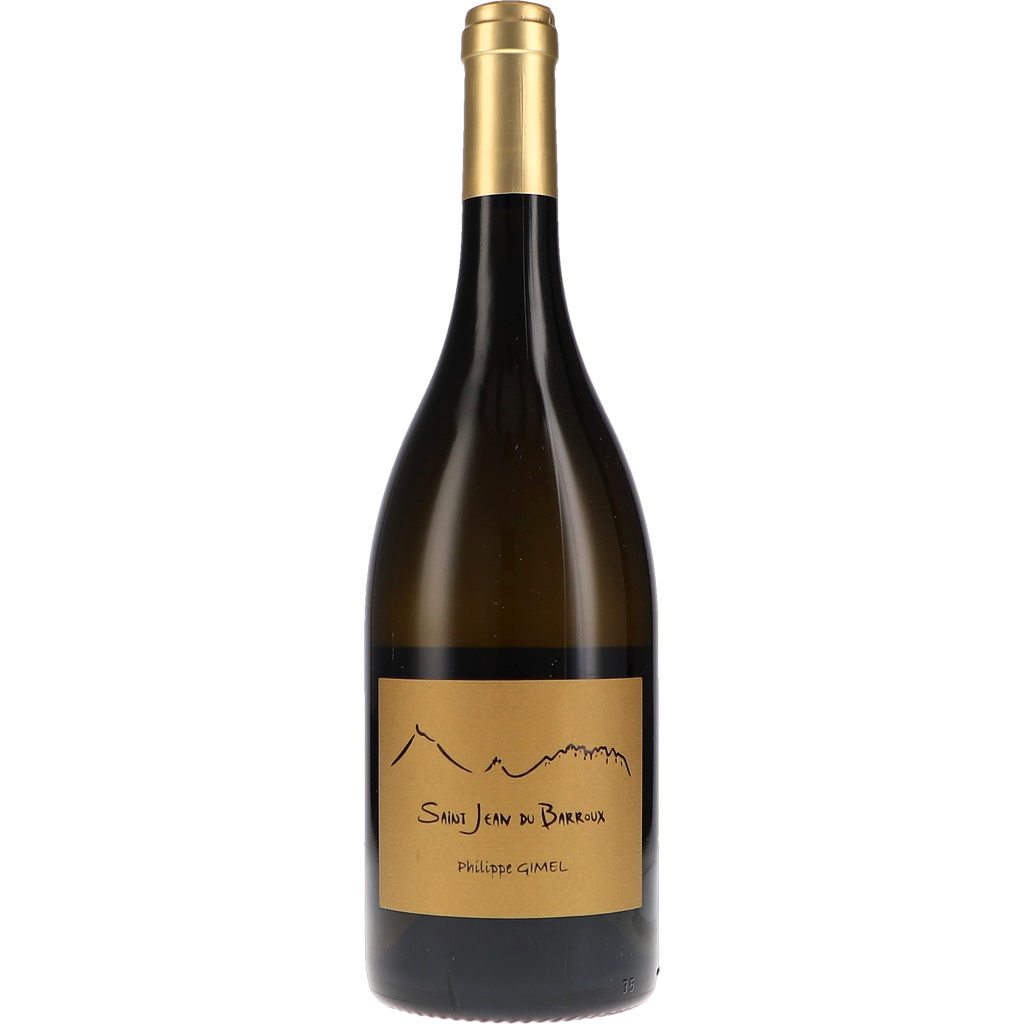
The extraterrestrial of the Ventoux
Locally, Philippe Gimel is known as "the alien", and it is meant very much as a compliment. Before founding his own estate he learned from the best: at Château de Beaucastel in Châteauneuf-du-Pape, at Pierre-Bise in the Loire and at Domaine de la Janasse. What he absorbed there now shapes his own philosophy: uncompromising quality, even when the price is his personal comfort. In the early years Gimel literally lived in his small cellar. Every euro he saved went into the vines. Today he farms a good 16 hectares, 12.5 of them under vine and the rest woodland and orchard. His yields of around 20 hectolitres per hectare are extremely low even by biodynamic standards.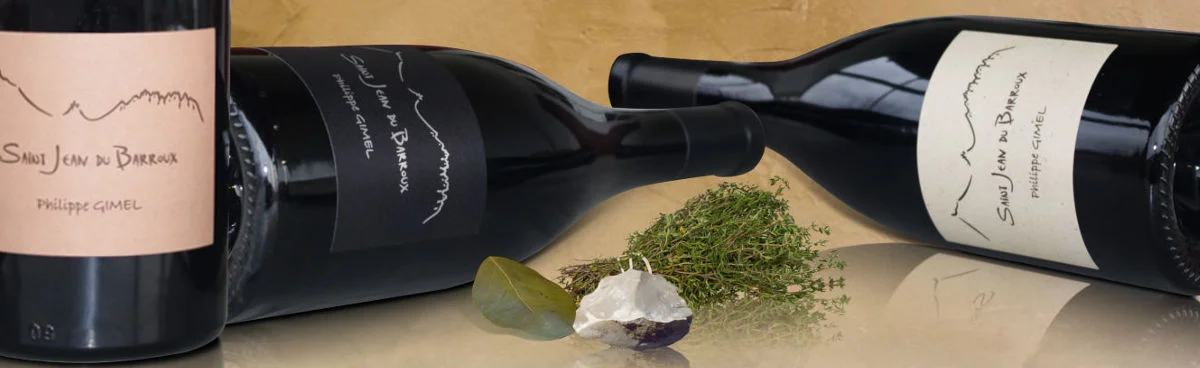
Six geological layers
What Claude Bourguignon found here reads like a geology textbook. Gimel's parcels contain up to six different rock strata, much as in Chavignol in the Sancerrois. Grenache, Carignan and Cinsault thrive on the paler, sandy soils, while the darker, stonier sites higher up are reserved for Syrah and Grenache. The vines average more than 40 years of age. Wild herbs grow between the rows, bees hum and birds nest. The cool nights at 400 metres (Adrien Roustan makes the same use of them at d'Ouréa on the other side of the Dentelles) give the wines a freshness that is rare in the southern Rhône.The art of berry size
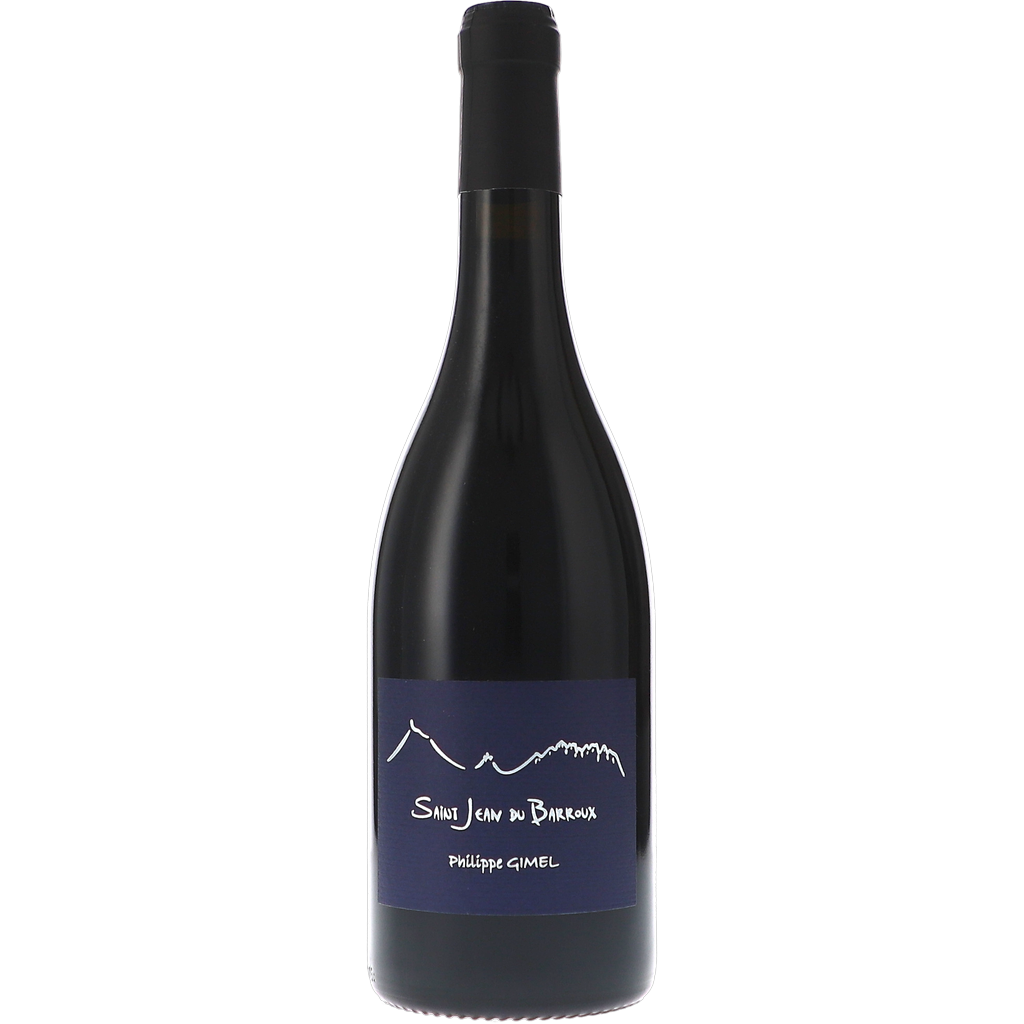
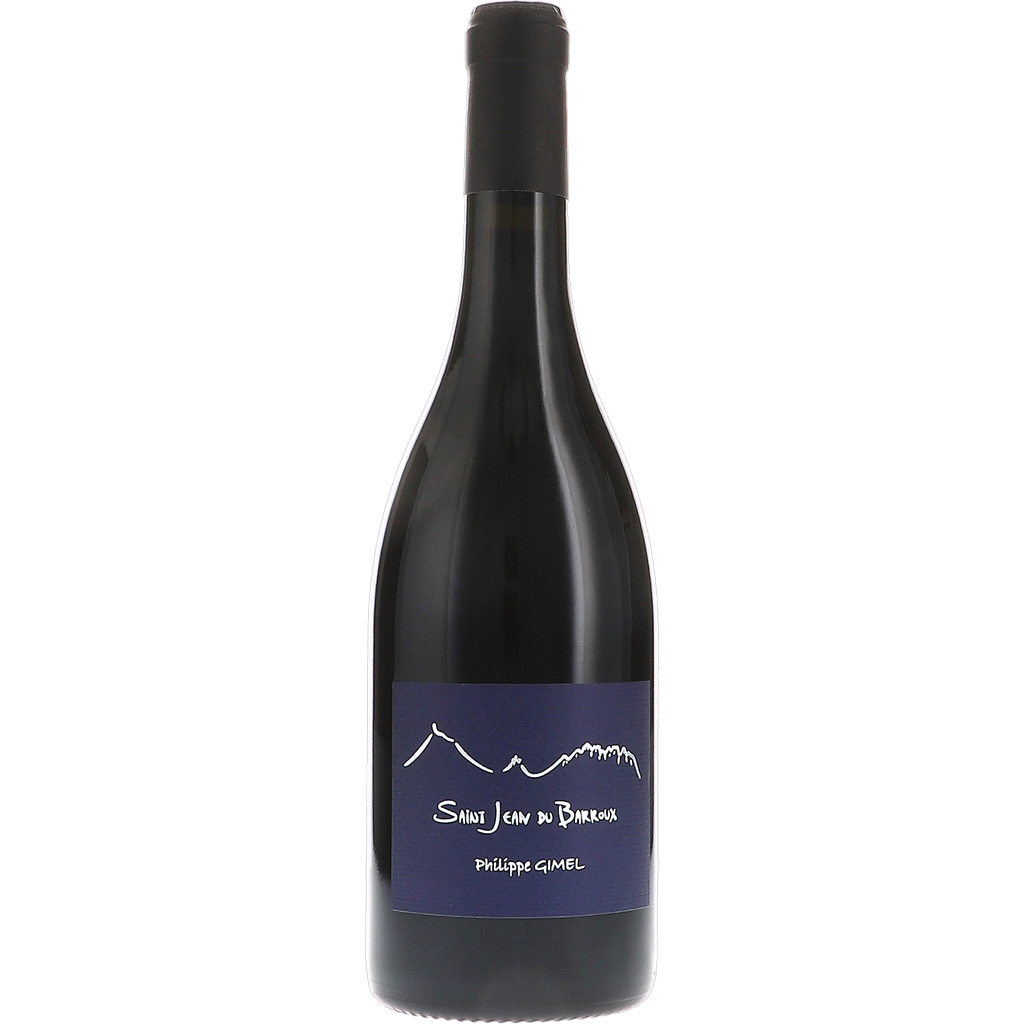
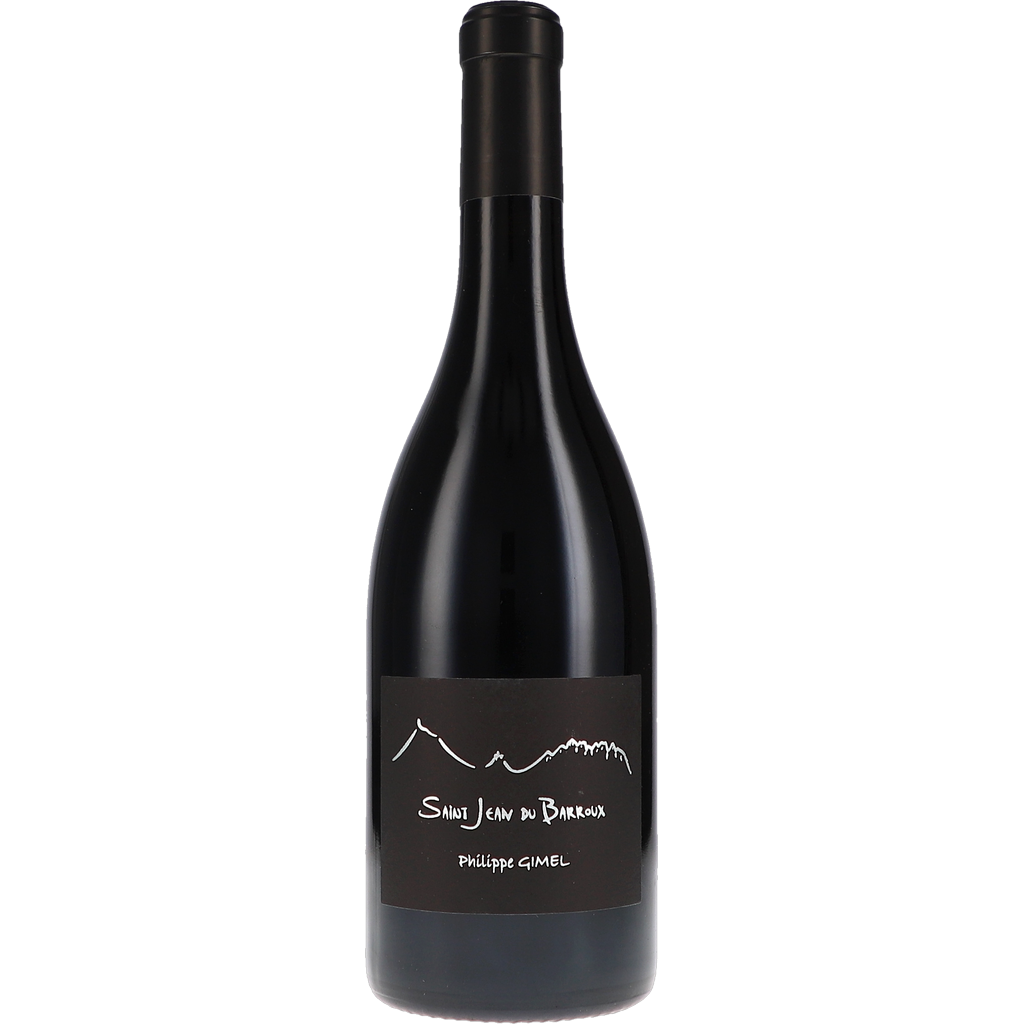
Gimel's signature: he separates the grapes not by parcel but by berry size. The larger, juicier grapes become La Source, aged for 18 months in concrete. The smaller berries, partly fermented with their stems, become L'Argile (24 months). And the very smallest, with a high proportion of stems, make La Pierre Noire: powerful and spicy, aged for 36 months. You will look in vain for oak here. All the wines mature in concrete tanks, which put pure fruit expression in the foreground. Gimel is convinced that his white La Montagne, made from Grenache Blanc, Bourboulenc and Clairette, needs eight years in bottle before it is released.