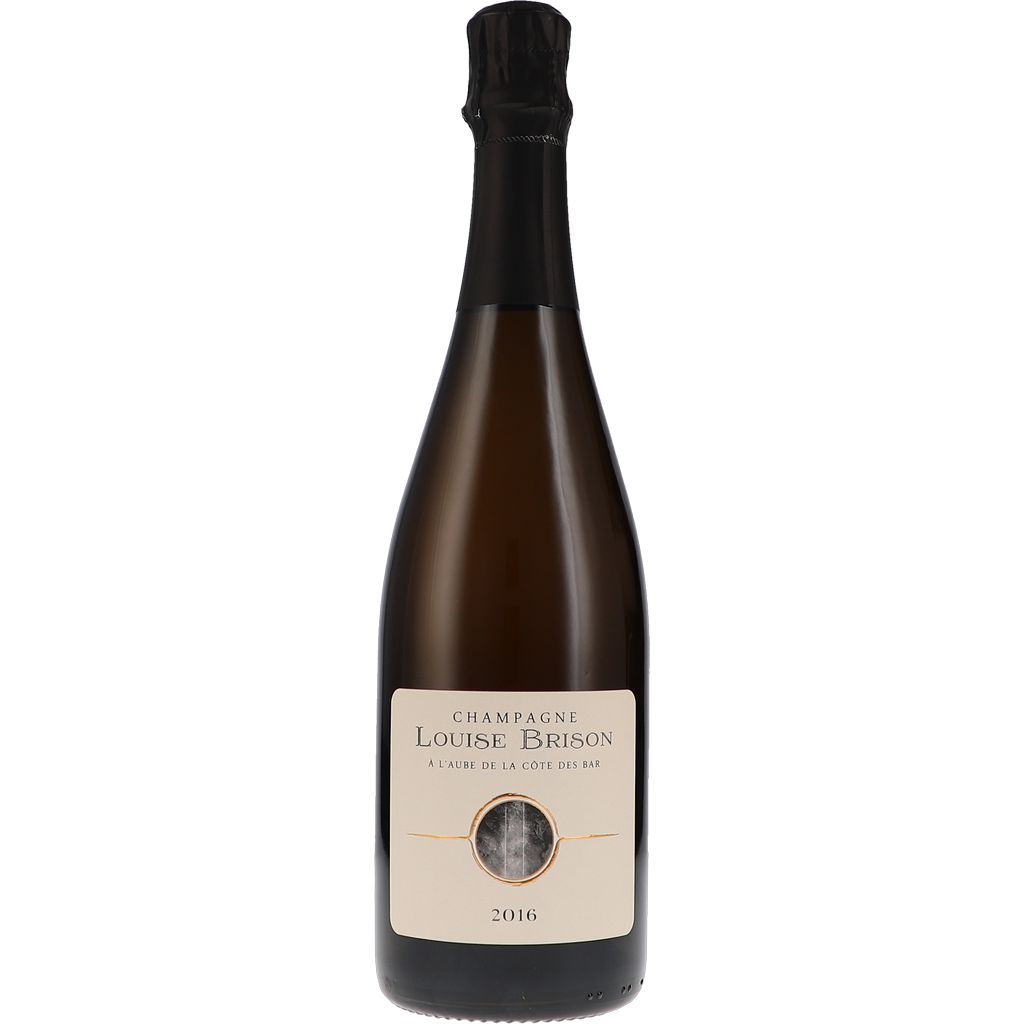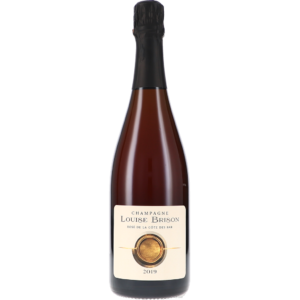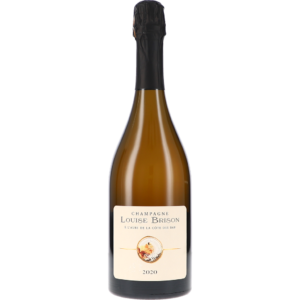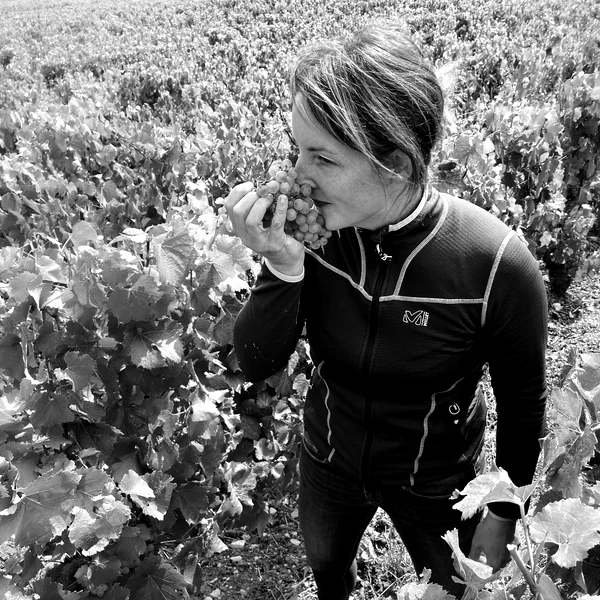
Whoever opens the bottle drinks a hundred years of family history. Champagne Louise Brison, named after the great-grandmother who was already tending vines here around 1900, is today run in the fourth generation by Delphine Brulez – agricultural engineer, oenologist, and member of "Les Fa'bulleuses", a collective of exclusively female Champagne winemakers.
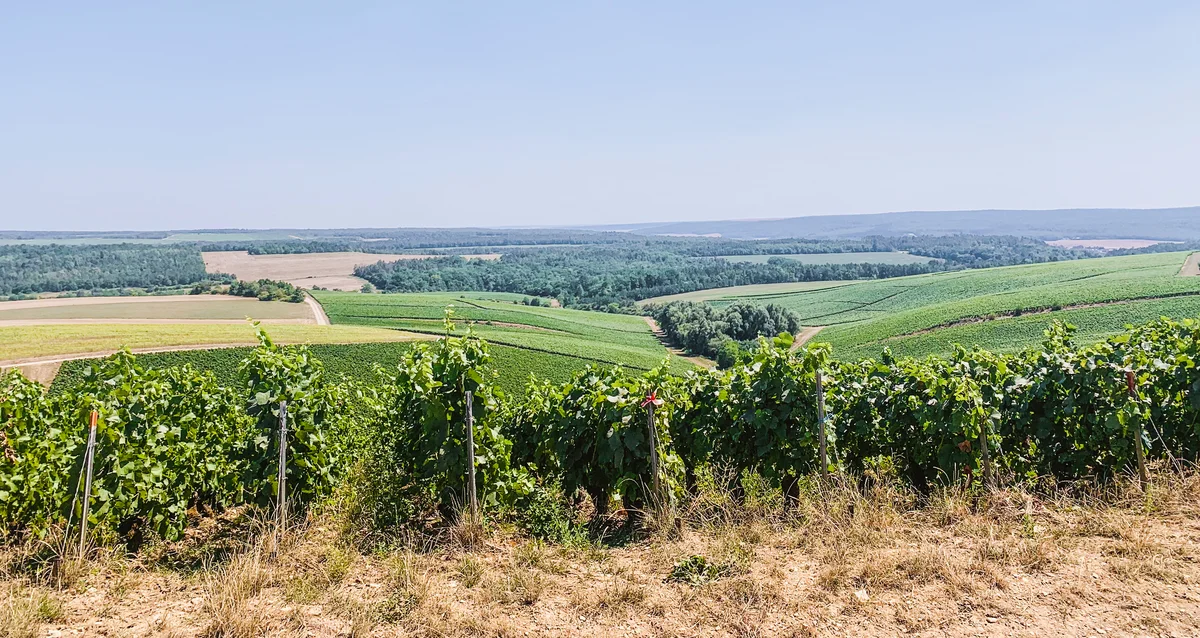
The vineyards around Noé-les-Mallets in the
Côte des Bar rest on Kimmeridgian limestone – the same rock that defines Chablis. Closer to Auxerre than to Reims, this southerly terroir yields Champagnes distinguished by mineral precision and unexpected depth.
Five years of patience, at least
While the Champagne regulations require three years on the lees, the wines at Louise Brison rest for at least
five years on the lees. Delphine Brulez puts it plainly: at three years old her Champagnes are still babies. Only the additional maturation develops the creamy texture and complex aromatics for which the house is known. The
À l'Aube de la Côte des Bar is a model expression of this philosophy.
Chablis terroir in a Champagne glass
The
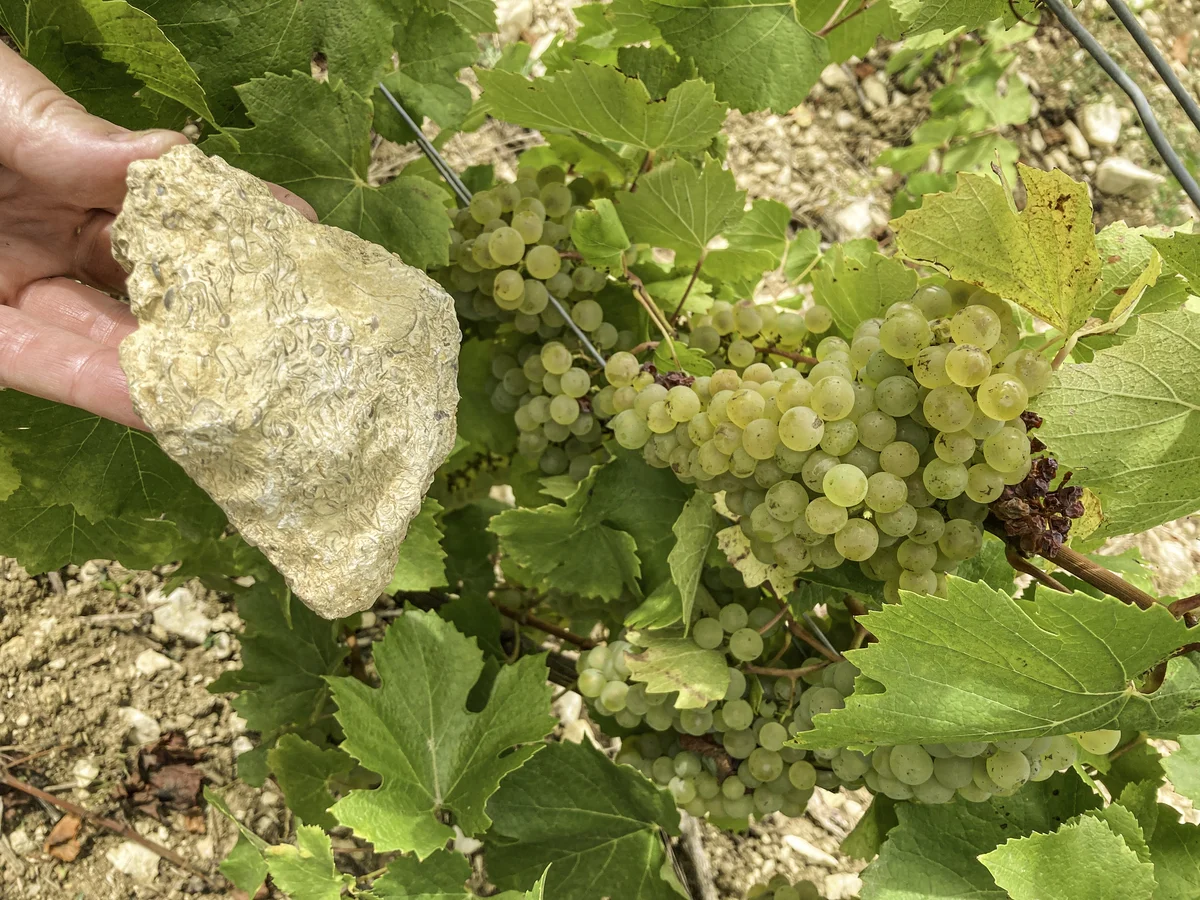
Kimmeridgian soils of the Côte des Bar are geological siblings of Chablis. Hidden in the limestone layers are fossils of the oyster Exogyra virgula, a 150-million-year-old legacy that shows in the glass as fine minerality. 70 per cent
Pinot Noir and 30 per cent
Chardonnay grow on south-east-facing slopes at altitudes between 280 and 320 metres.
Living soils instead of chemicals
The estate has been
certified organic since 2017, and organic farming has been practised since 2011. The results can be measured: under Delphine's direction the share of beneficial mycorrhizal fungi in the soil rose from 18 to 70 per cent. She follows the
Simonit-Sirch method of gentle pruning; a third of the work in the vineyard is devoted to the secateurs alone.
Olivier Horiot, a neighbour in the Côte des Bar, shares this conviction about living soils.
No compromises, no dosage
All the Champagnes are
vintage wines. All are
Brut Nature, without dosage and without added sugar. Fermentation takes place in used Burgundy barrels with wild yeasts, and Delphine separates the musts into four press fractions, finer than is usual. The result: Champagnes of crystalline clarity in which terroir is not a marketing term but something you can taste. The
Chardonnay de la Côte des Bar shows this with particular elegance.