Clandestin
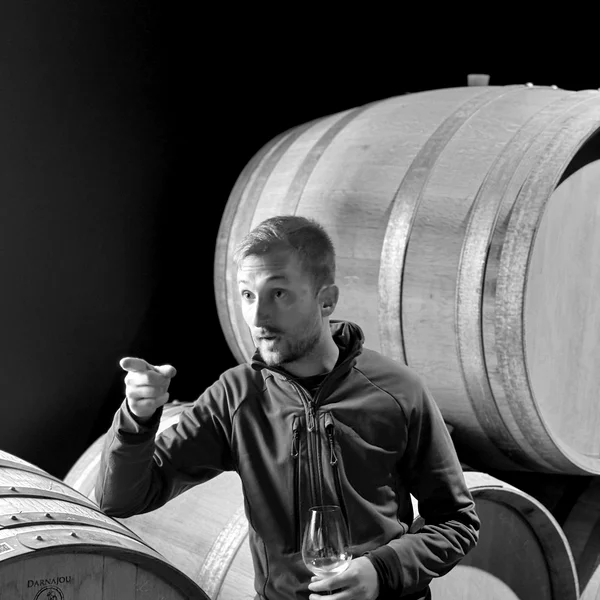
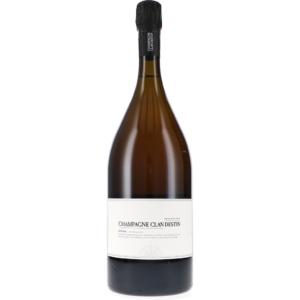
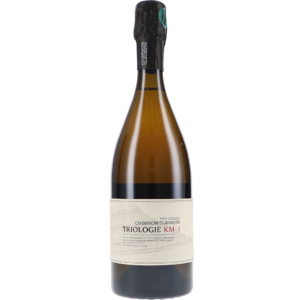
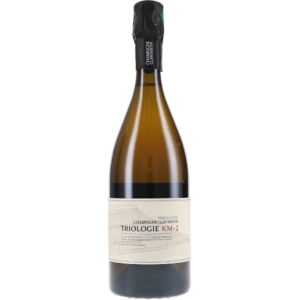
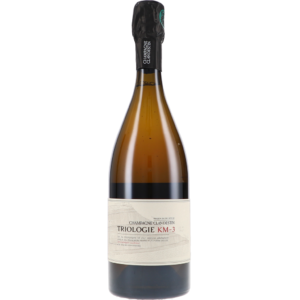
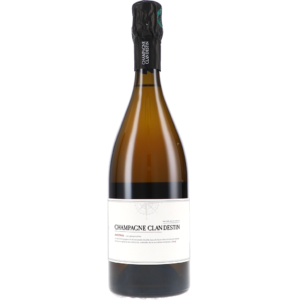
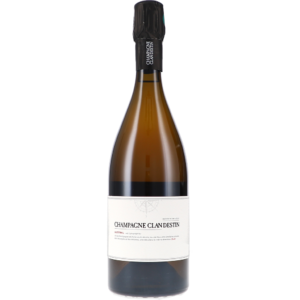
Clandestin is Benoît Doussot's micro-négoce in Landreville in the Côte des Bar, turning organic grapes into Champagnes without dosage. The grapes come from twelve hectares spread across nine villages, from growers whose plots sit on Kimmeridgian limestone and Portlandian marl between 140 and 220 metres of altitude. In the cellar, Benoît Doussot presses whole clusters, lets fermentation start spontaneously, and vinifies each plot separately while gravity moves the wines. All the Champagnes remain Brut Nature and are bottled unfiltered.
Landreville in the Côte des Bar
Benoît Doussot comes from Nuits-Saint-Georges and completed his training at the Lycée Viticole in Beaune; in the summer of 2015 he moved to the Côte des Bar in the south of Champagne, where he started his own project, Clandestin. His winery in Landreville was completed in 2023 and built over two levels, so that grapes and wines move from one stage to the next without pumping.
Twelve hectares across nine villages
Clandestin is a micro-négoce with no vineyards of its own. The grapes come from twelve hectares of vines across nine villages, supplied by eleven growers working organically. Many of these plots once went to cooperatives. Benoît Doussot now seeks them out deliberately, supports the growers through conversion, pays for the grapes accordingly, and lets them taste the finished Champagne. The requirements are vines of at least twenty years and even sun exposure across the plot; only flawless fruit is processed, which makes dosage unnecessary.
The soils are Kimmeridgian marl and Portlandian limestone, the sites lie at roughly 140 to 220 metres, with a focus on cooler north- and west-facing slopes above Buxières-sur-Arce. Together with soil scientists Claude and Lydia Bourguignon, Benoît Doussot had the plots studied according to their geology and has vinified them separately ever since.
In the cellar at Landreville
Whole clusters are pressed, and the base wines ferment spontaneously with their own yeasts. Ageing lasts fifteen months in used oak casks, with Benoît Doussot favouring larger formats because they keep the wines leaner and require less sulphur. After bottle fermentation, the Champagnes rest on the lees for at least fifteen months and are disgorged without dosage.
BORÉAL, AUSTRAL and Les Passagers
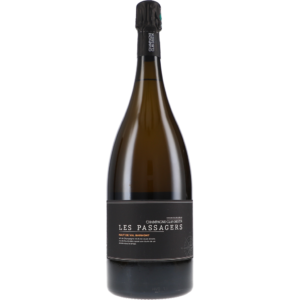
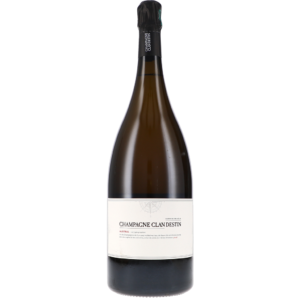
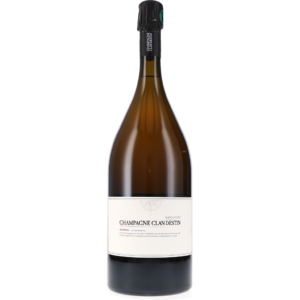
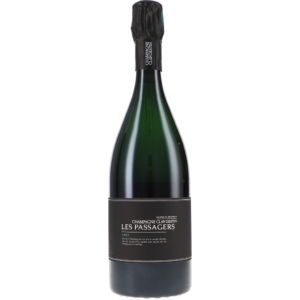
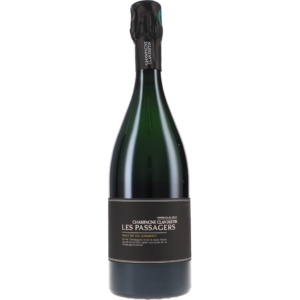
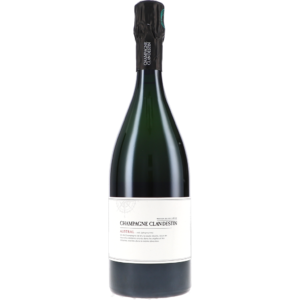
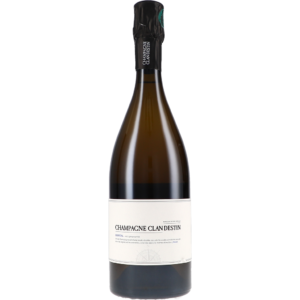
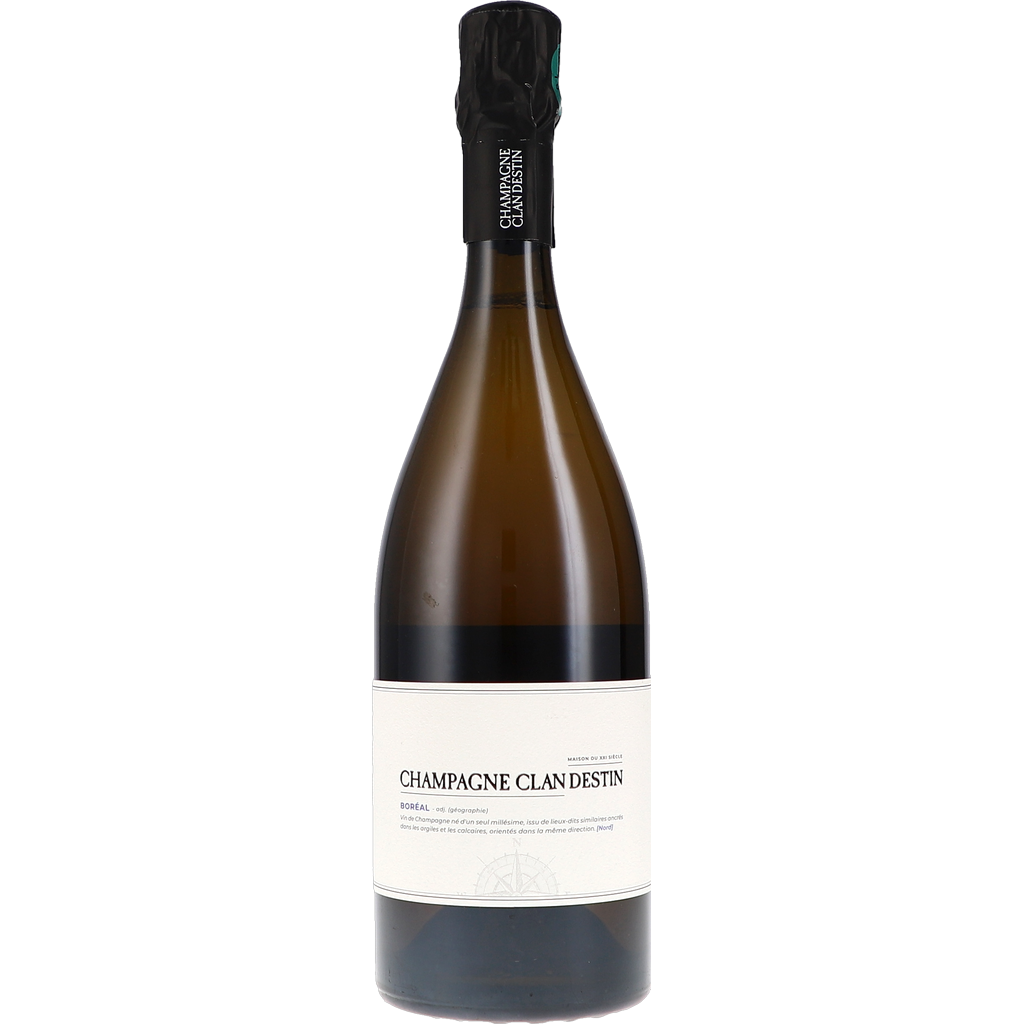
BORÉAL is a single-varietal Pinot Noir from three north-facing plots on clay and limestone, with wild strawberry notes and a saline freshness. AUSTRAL comes from the limestone-rich south-facing sites near Buxières-sur-Arce, also pure Pinot Noir, and shows more layers and more depth. Under Les Passagers, Benoît Doussot groups Champagnes from vineyards whose grapes may vary from year to year, since they are not under permanent contract. The Blanc de Blancs Fiole grows in a Chardonnay plot in Ville-sur-Arce at 234 metres, clay over Kimmeridgian limestone, adding an almond note alongside its saline tension; Haut de Val Barmont is likewise a hand-harvested Blanc de Blancs, aged fifteen months in oak casks and disgorged without dosage. Both are made in tiny quantities and may remain one-off wines.