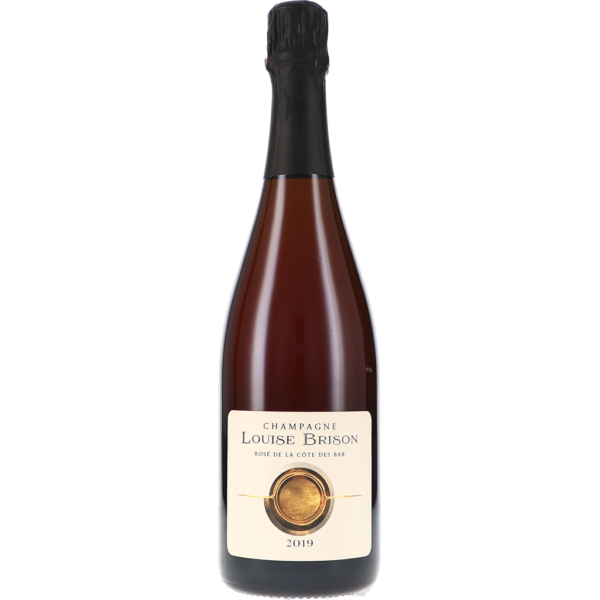
- Producer
- Louise Brison
- Grape variety
- Pinot Noir (Spätburgunder)
- Region
- Côte des Bar
- Country
- France
- Vintage
- 2019
- Alcohol
- 13 % vol
- Volume
- 0.75 l
- Item no.
- 9920385024
Shipped with DHL Express — customs cleared to your door. · Flat-rate shipping CHF 15.00 — free from 12 bottles or CHF 300.00. · Pay by TWINT or card.
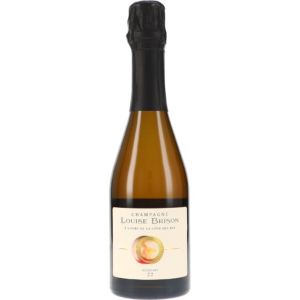
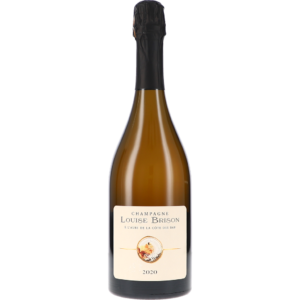
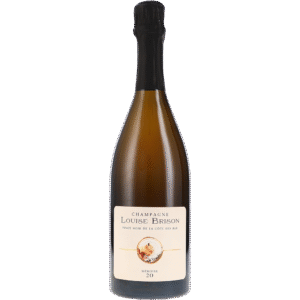
Rosé de la Côte des Bar Brut Nature 2019
A single-varietal Pinot Noir from the Côte des Bar, made using the saignée method and bottled without dosage.
CHF 57.00
Prices in CHF, including customs duty and all import charges, plus shipping CHF 15 (free from 12 bottles or CHF 300) — no further charges on delivery.
Available for Switzerland
✓ On your wishlist. — View wishlist
About this wine
Character
The Rosé de la Côte des Bar Brut Nature 2019 is a single-varietal Pinot Noir from the Côte des Bar in the southern Champagne region, made using the saignée method and bottled without dosage. Delphine Brulez runs Champagne Louise Brison in the fourth generation; founded in 1910, the house bottles vintage wines exclusively, all as Brut Nature.
Terroir and origin
The vineyards lie around Noé-les-Mallets at around 320 metres altitude, on south-east-facing slopes. The soil consists of Kimmeridgian limestone and marl topped with a layer of clay; the limestone layers contain fossils of the oyster Exogyra virgula, around 150 million years old.
Grape variety and vinification
Organically farmed Pinot Noir, a practice Delphine Brulez has followed since 2011 and had certified in 2017. The base wine fermented with wild yeasts in used Burgundy barrels, was then transferred to stainless steel and bottled for the second fermentation. It was disgorged without dosage, after at least five years on the lees.
On the palate
Intense, matte strawberry red, fine perlage. On the nose, grapefruit and blood orange zest, redcurrant, cranberry, pomegranate and dried cherry, alongside ginger, forest floor, chalk and a bittersweet note of amaro; with air, roasted almond and almond pastry notes emerge. The tannin from the saignée stays fine, the texture is textured and enlivened by taut acidity. Candied red fruit and red cider apple, chalky minerality and pronounced salinity lead into a long, bitter-fruity finish with a fine extract sweetness.
Food pairings
A Champagne for the table: seared scallops, salmon tartare, braised guinea fowl or duck breast with cranberries.
Distinctive features
Delphine Brulez is an agricultural engineer and oenologist, and a member of the winegrowers' collective Les Fa'bulleuses. She prunes the vines using the Simonit-Sirch method; under her guidance, the share of mycorrhizal fungal network in the soil rose from 18 to 70 percent.