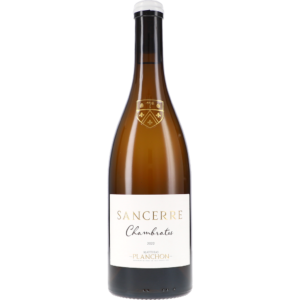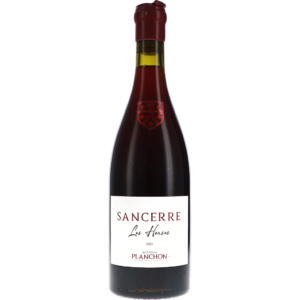
To bear the name Planchon is to bear responsibility. The family has been tending vineyards in Sancerre since 1573, and one ancestor made wine history: Jules Émile Planchon identified phylloxera in 1868 and, with his solution – grafting onto American rootstocks – saved European viticulture from ruin.
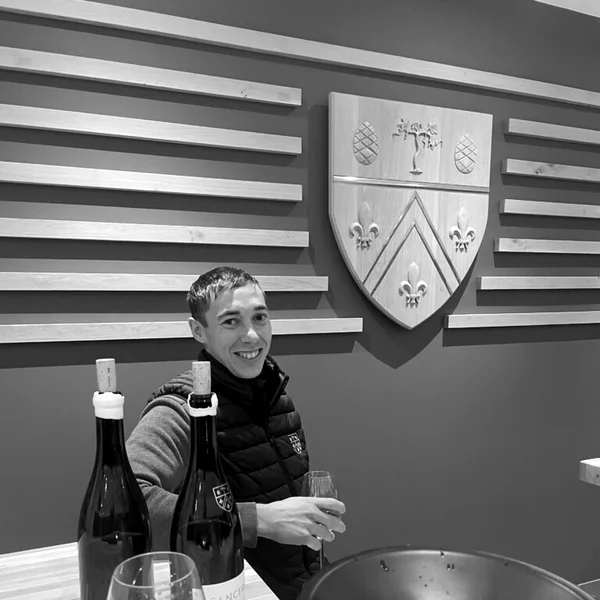
Matthias Planchon grew up amongst these vines. He trained under Alphonse Mellot in Sancerre and Geantet-Pansiot in Burgundy before taking over the family vineyard sites in 2012. Seven years later, in 2019, he bottled his first vintage under his own label. His cellar sits right in the lieu-dit “Le Paradis” – a name that also graces his top cuvée. What Matthias describes as “l’eau de roche”, rock water, defines all his wines: a mineral salinity that speaks of silex and limestone.
A legacy that carries obligations
On 15 July 1868, Jules Émile Planchon knelt in a vineyard near Saint-Martin-de-Crau and examined the roots of sick vines. What he found would change the wine world forever: phylloxera. His solution, grafting European scions onto resistant American rootstocks, saved millions of hectares of vineyards from destruction.
Matthias carries this legacy with care. The 5.5 hectares across ten parcels have belonged to the family for generations, and he has farmed them biodynamically since 2018. He is in no hurry, preferring to grow slowly and carefully rather than make compromises.
Minerality you can taste
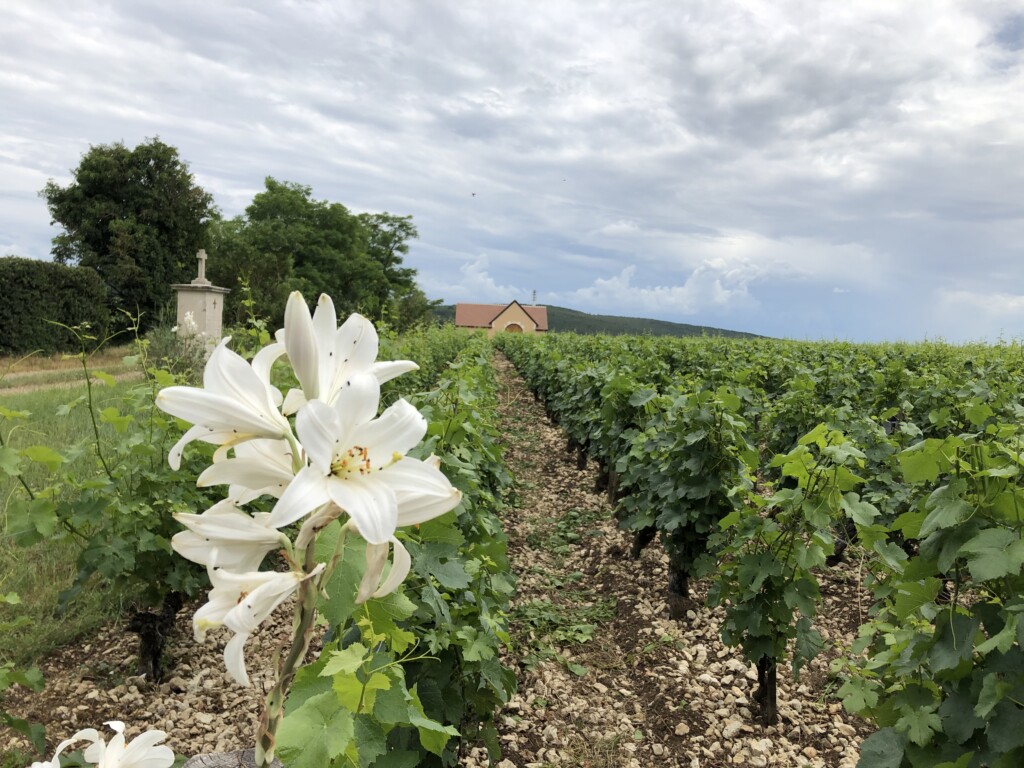
"L'eau de roche" is how Matthias describes the character of his wines: rock water. The soils explain what he means: half silex in the lieu-dit Perruches, half Oxfordian limestone in the Le Paradis site. The Sauvignon Blanc vines are fifty years old and deeply rooted. One hectare of Pinot Noir in Les Herses yields red wines of Burgundian elegance.
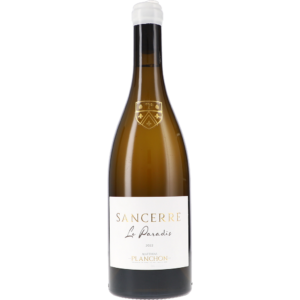
The
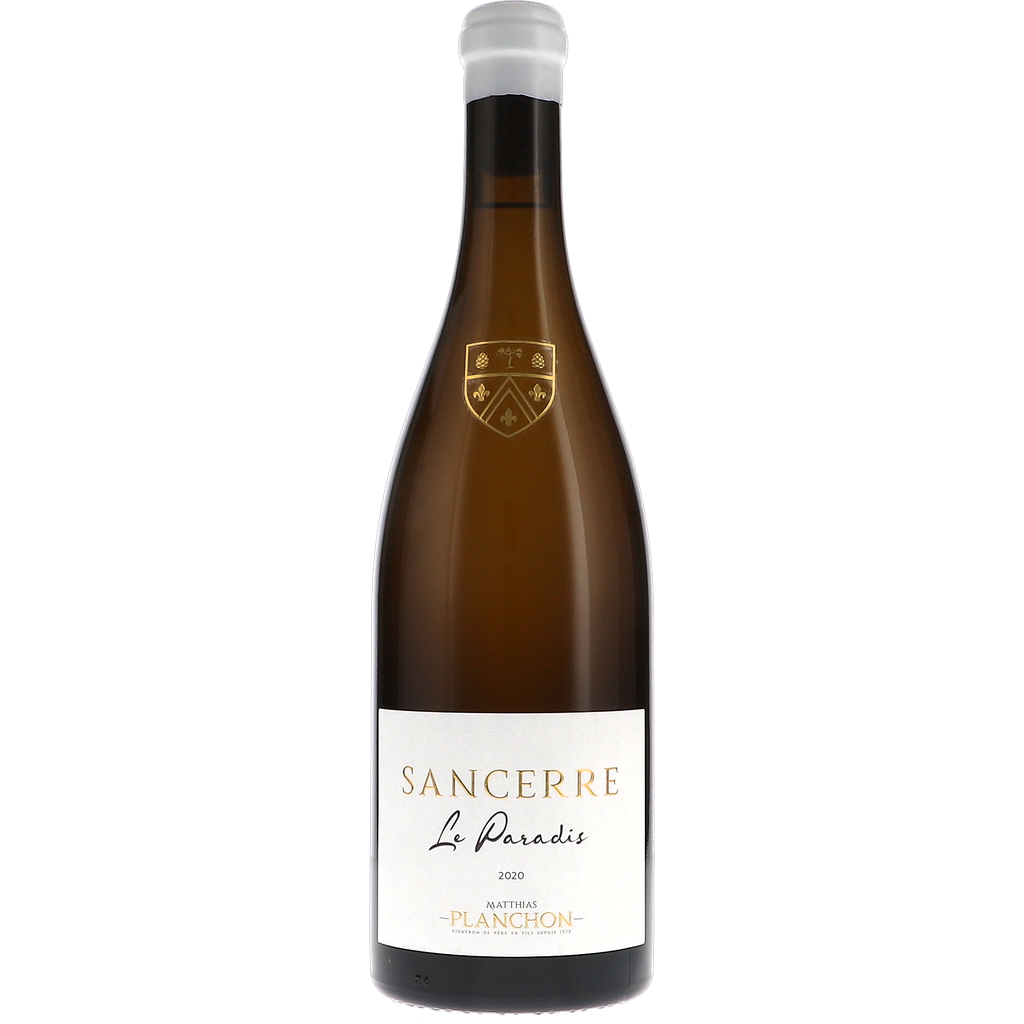
Sancerre blanc "Le Paradis" comes from even older vines, 55 years old, and expresses this mineral precision with particular clarity: steely and cool, yet silky from long lees ageing.
Time as an ingredient
While other growers bottle after six months, Matthias takes twice as long. His white wines spend a full year on the fine lees in stainless steel and large wooden casks, then another year in steel. The
Sancerre blanc "Les Herses" 2022 even spent eighteen months on its lees.
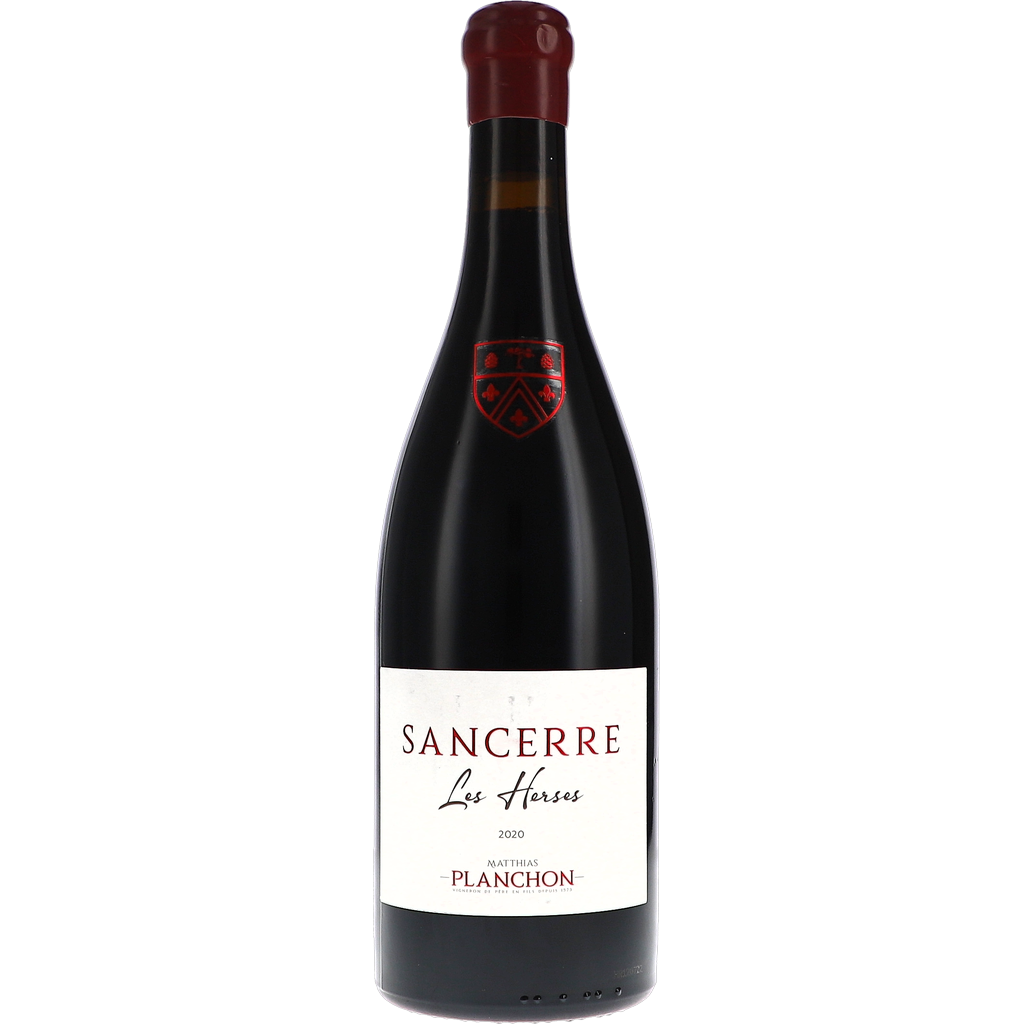
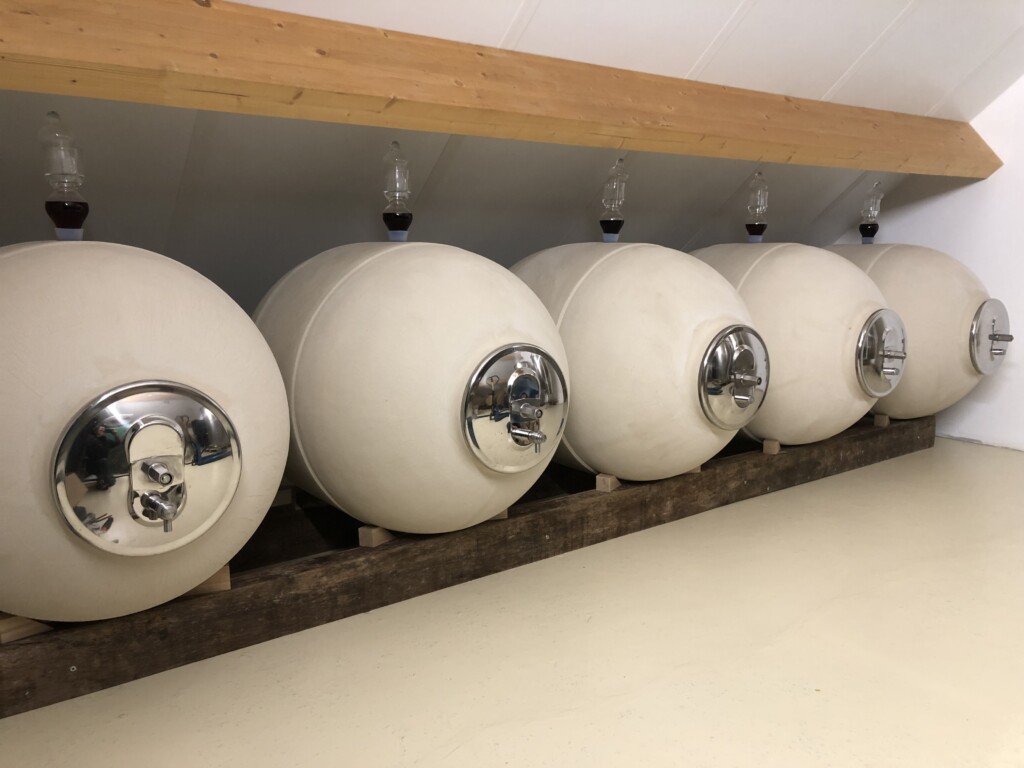
The red wines follow a similar rhythm: a year in ceramic tanks and small barriques, then another year in steel. The result is convincing. The
Sancerre rouge "Les Herses" combines juicy cherry fruit with fine, polished tannins and shows what Pinot Noir can achieve in the Loire.
A little Burgundy
Matthias sees Sancerre as a "little Burgundy", a region that can reflect differences in terroir just as precisely. That is why he vinifies each parcel separately and bottles only site-specific wines. With just 22,000 bottles a year, he is one of the smallest producers in the appellation.
He sums up his philosophy in a simple sentence: "Healthy vines for wines with character." Anyone who appreciates the mineral clarity of
Claude Riffault will find a kindred spirit in Matthias Planchon.