Quinta de la Quietud
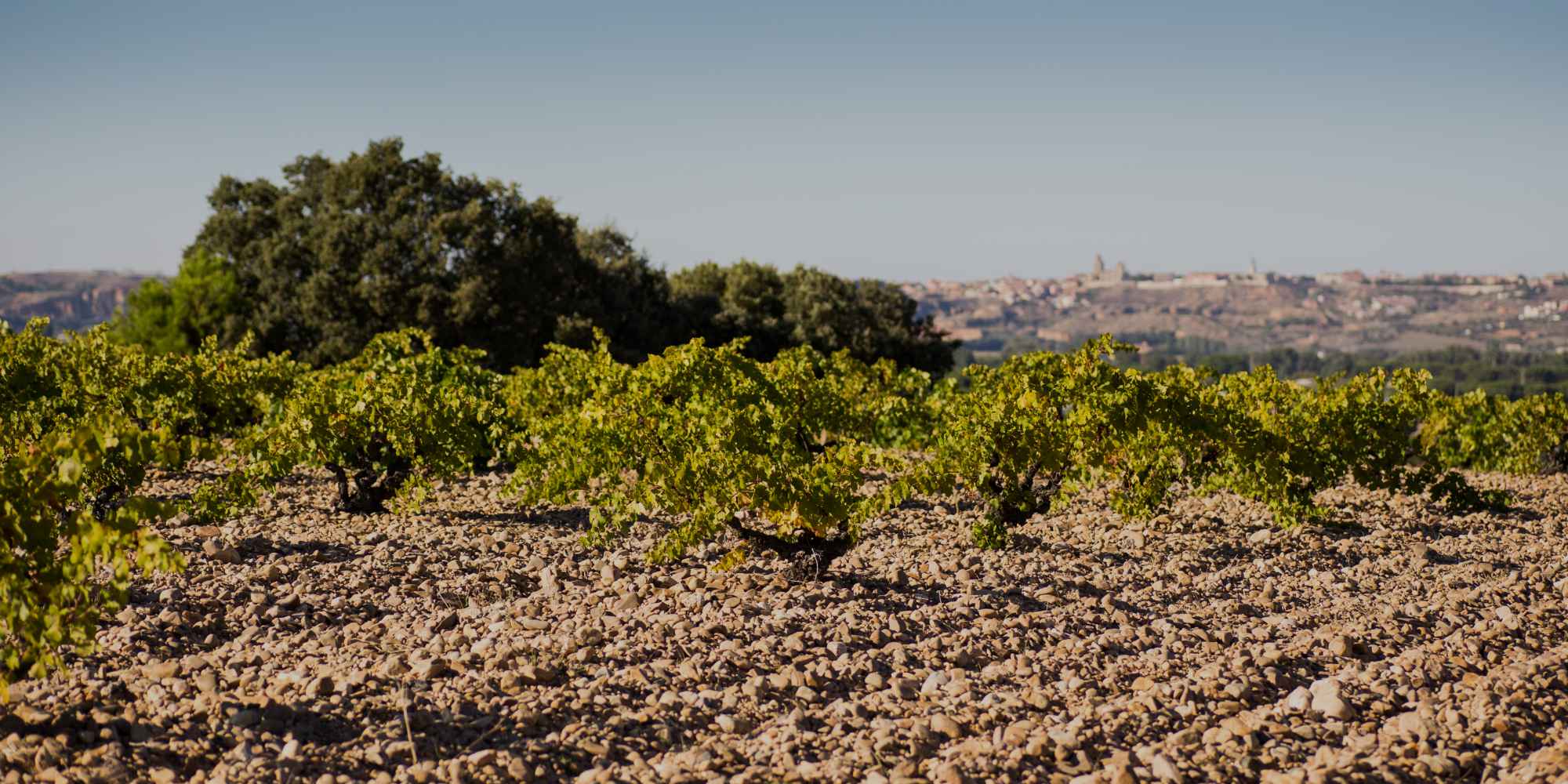
When Jean-François Hébrard left Bordeaux and the Rhône Valley, it was for sandy soils in Spain – and vines from 1900. Quinta de la Quietud sits 700 metres above sea level south of the Duero, where phylloxera-free sandy soils allow bush vines over 100 years old to thrive. Horses plough between the gobelet-trained vines, native yeasts ferment without the addition of sulphur – cult wines born of absolute stillness.
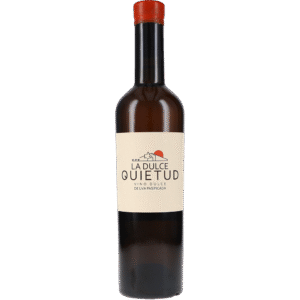
The Frenchman Who Left Bordeaux for Bush Vines
Jean-François Hébrard had achieved everything a French oenologist can achieve: training in Bordeaux, work at Château Haut-Brion and Château Cheval Blanc, then a successful consultancy in the Rhône Valley for top producers such as Janasse and Fortia in Châteauneuf-du-Pape. In 1999 the French founders Didier Belondrade and Brigitte Lurton lured him to Toro, for a project crazy enough to be worth leaving his homeland for. In 2001 Spanish investors led by the former FC Barcelona and Real Valladolid footballer Eusebio Sacristán took over the estate, and Hébrard stayed on as the soul of the project. Today he also advises the Galician estate Attis on its Albariño wines.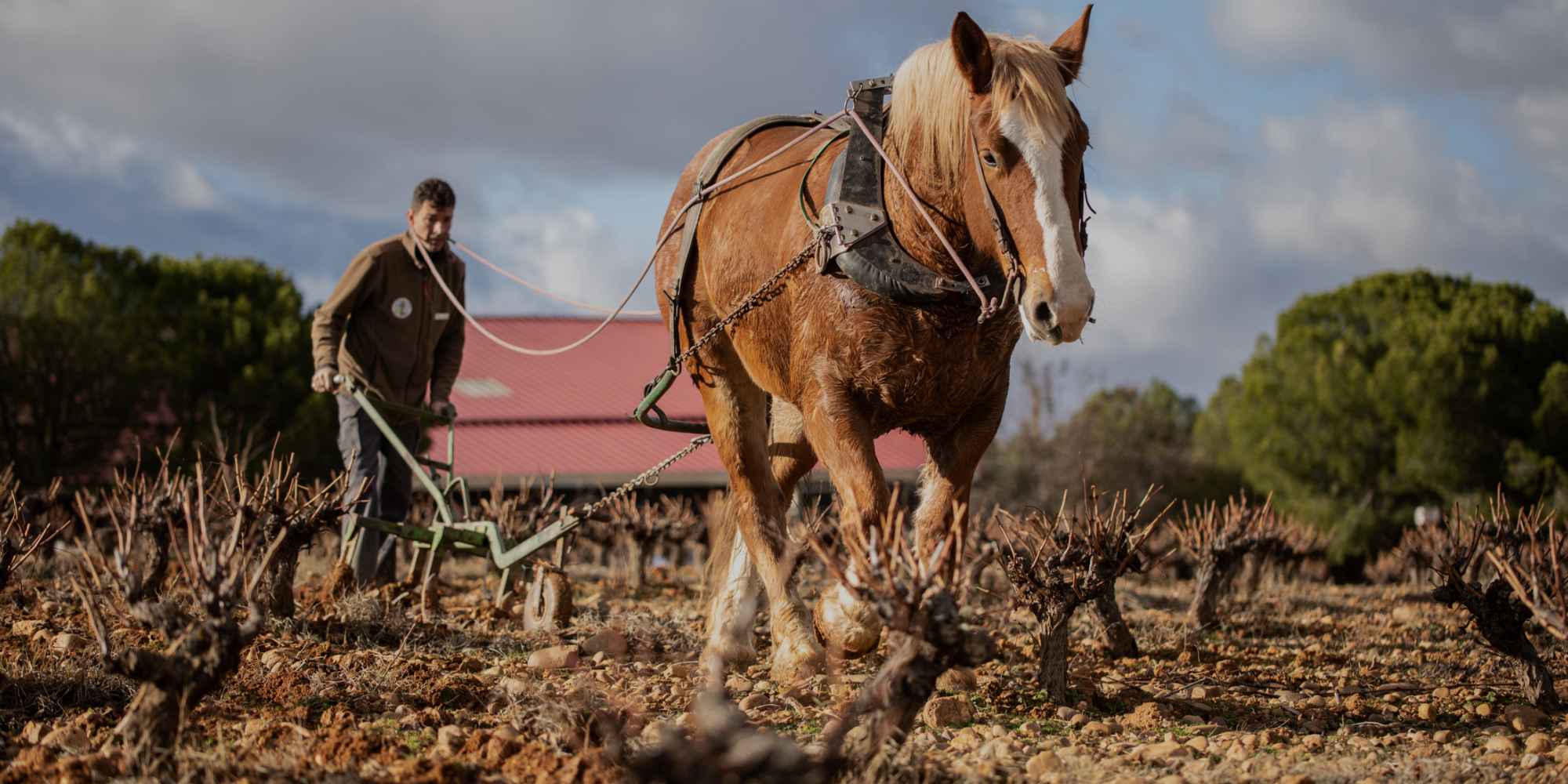
100-Year-Old Vines Thanks to Sandy Soils
What drew Hébrard to Toro was a geological miracle: with a sand content of 55-85%, the sandy soils are naturally phylloxera-free. While vines all over Europe had to be grafted onto American rootstock, the original bush vines planted between 1900 and 1920 still grow on their own roots here. The estate farms 22 hectares at 700 metres above sea level, 97% of them planted with Tempranillo, known locally as Tinta de Toro, and 3% with white varieties such as Malvasia and Albillo. The extreme continental climate swings between -11°C in winter and +37°C in summer, with only 350 mm of rain a year.Horses Instead of Tractors, Nature Instead of Chemicals
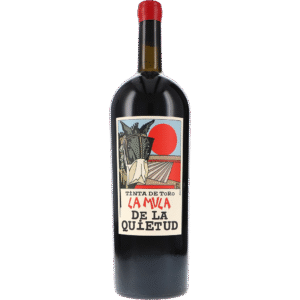
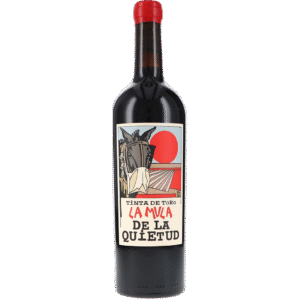
The estate has been certified organic since 2002 but has long been working biodynamically. Horses plough between the old gobelet vines, which have to cope without irrigation. At 20-40 hl/ha, yields remain extremely low. In the cellar, Hébrard relies on spontaneous fermentation with native yeasts and adds no sulphur at all. The cult wine La Mula de la Quietud 2020 matures for 30 months in 100% new French oak and comes exclusively from the oldest parcels, which date back to the early 1900s.