Valdemonjas
Stalls, circle, balcony – whoever maps the vineyard parcels at Valdemonjas finds themselves in a theatre. The winery in the Ribera del Duero unites music and wine: Charo's violin shapes the quality control, whilst the Moyano family tends the vines. On the Golden Mile, between Vega Sicilia and Pingus, pure Tempranillo is crafted – organically certified, in an award-winning bodega, entirely off the grid.
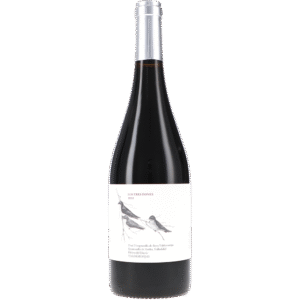
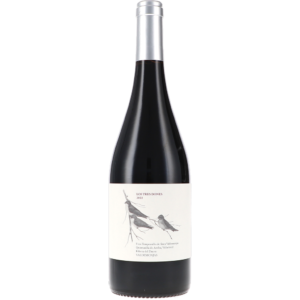
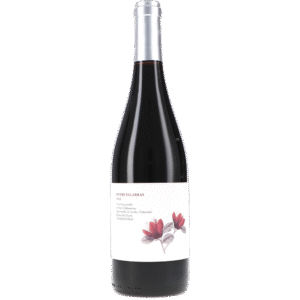
Where music shapes the wine
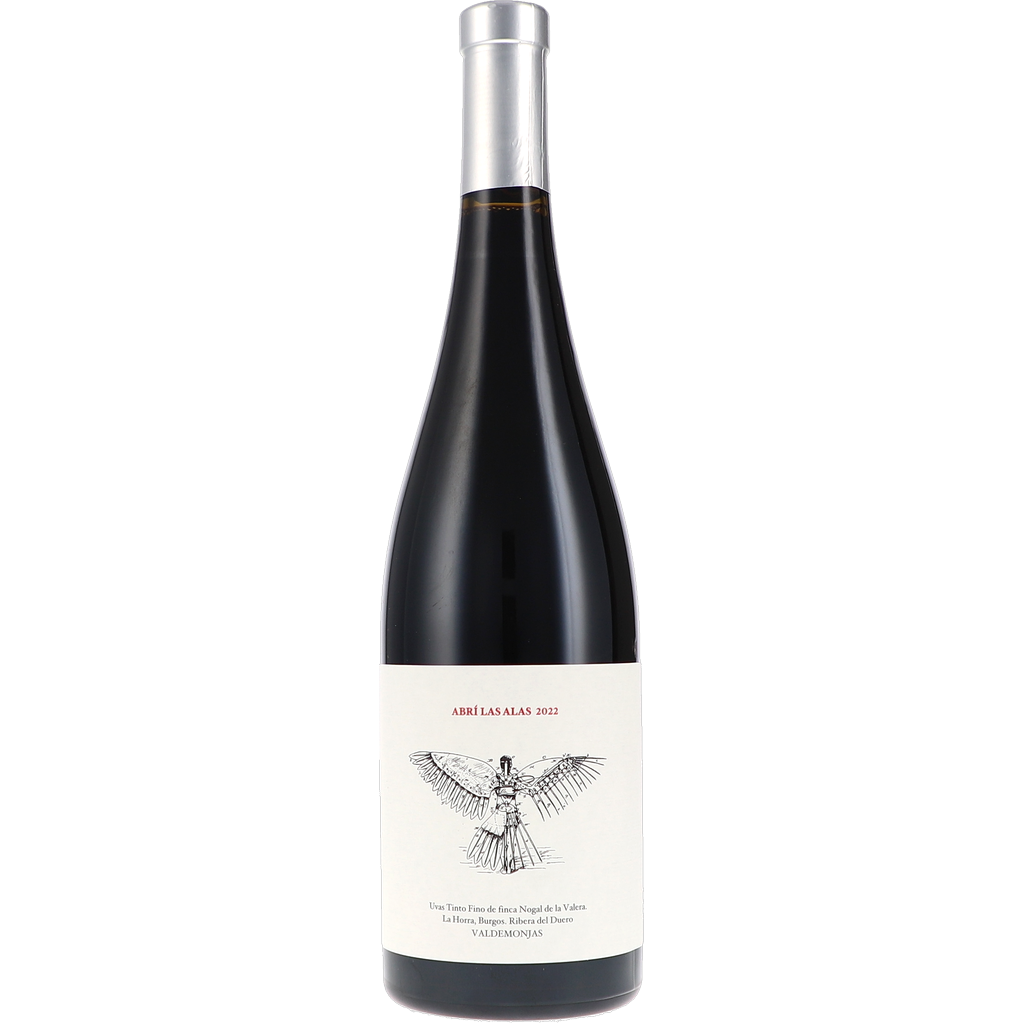
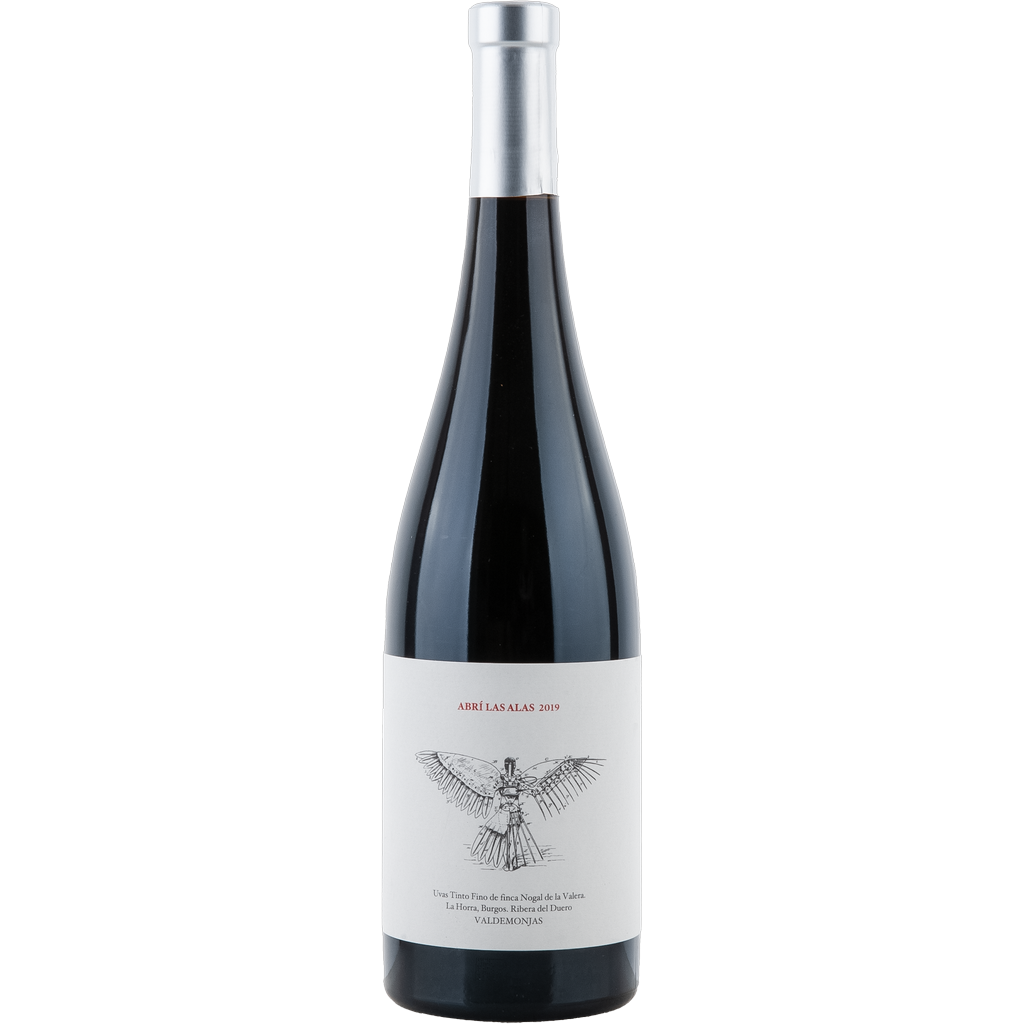
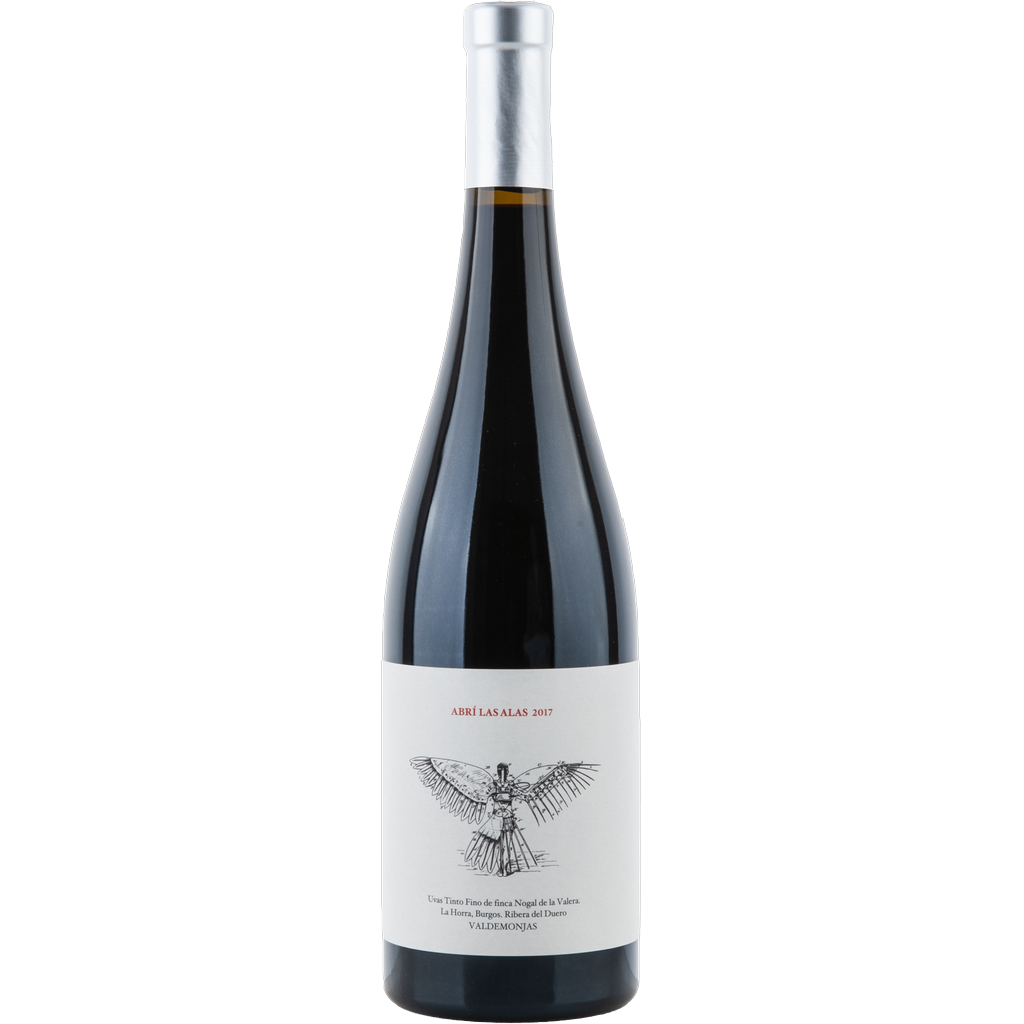
Charo Agüera played violin in the Spanish National Orchestra for more than three decades. Today she sits in front of the barrels with her eyes closed, judging whether a wine has found the right balance. Her husband Alejandro Moyano discovered these nine hectares in Quintanilla de Arriba in 1997, when sugar beet was growing here. He had just left Abadía Retuerta, where he had spent five years as director building up more than 200 hectares. What he was looking for was a project of his own: manageable and uncompromising. The parcels bear names such as Palco, Anfiteatro and Platea, a tribute to Charo's world. Each is picked and fermented separately, because clay, limestone, marl and chalk alternate here within the smallest of spaces. On the north-facing slope, at 700 to 750 metres, the nights cool the Tempranillo grapes and preserve their acidity. The result: wines with tension and freshness that stand apart from the often opulent style of the region.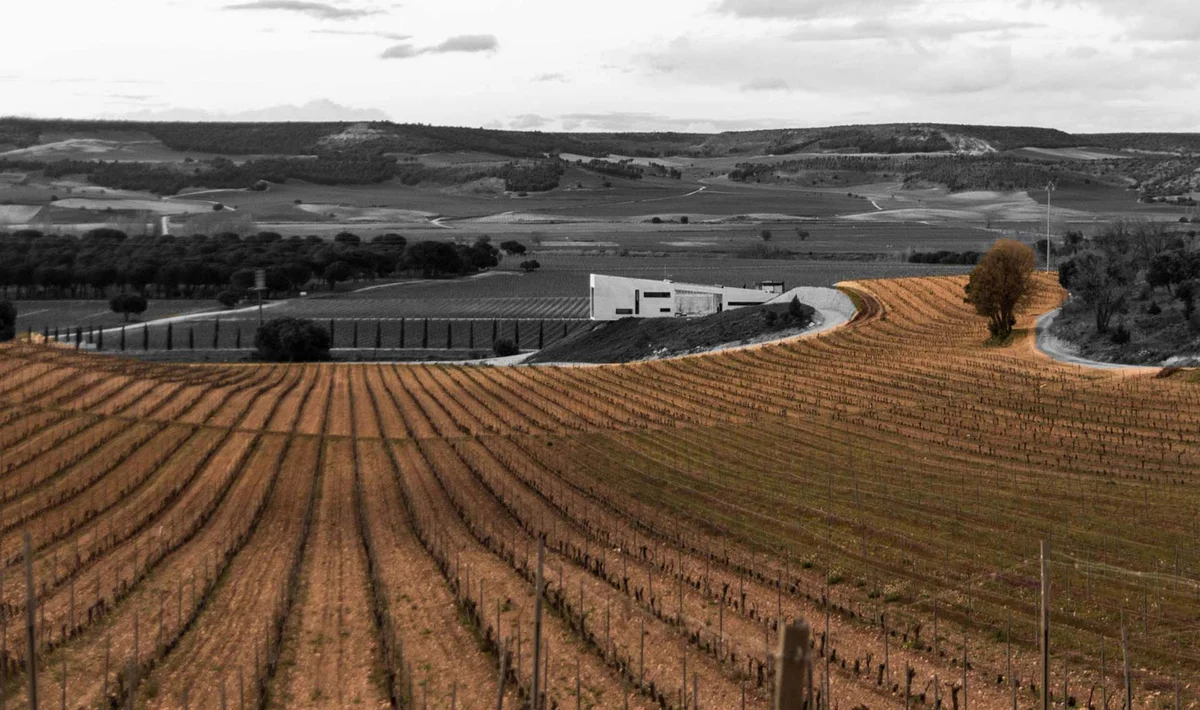
Architecture as a statement
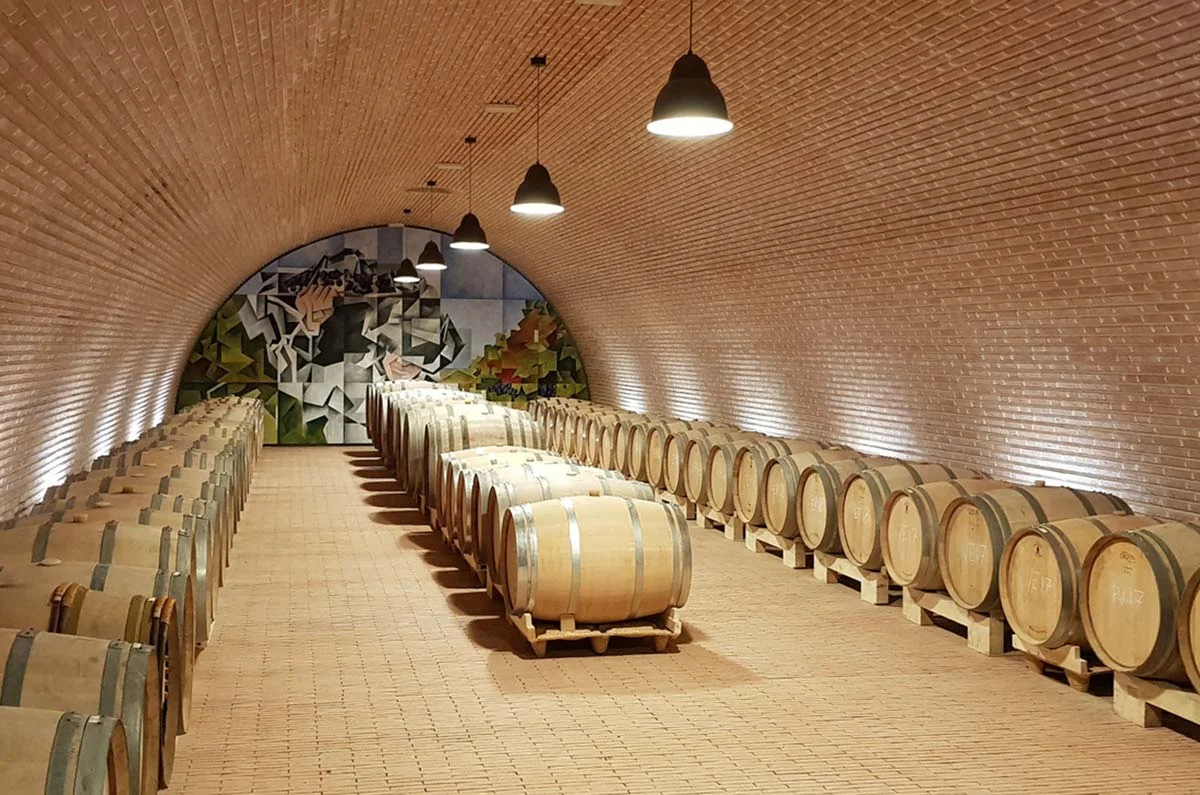
In 2014 the Moyanos commissioned two young architects who had begun their careers at Foster + Partners: Ana Agag and Silvia Paredes. In 2016 their design won two Architizer A+ Awards in New York at once, as Jury Winner and Popular Choice. The building emerges from the hillside like a sculpture, and its slanted roof collects rainwater for the winery. Photovoltaic panels supply 90 to 95 per cent of the electricity. The bodega is connected neither to the public grid nor to the mains water supply. Inside, gravity carries the grapes from station to station: no pumps, no mechanical stress. The oval cement tanks allow gentle micro-oxygenation. Below lies the vaulted cellar, built using a 2,000-year-old technique: Arab brick and porous lime mortar keep temperature and humidity constant without air conditioning. A mural by the artist Julio Sendino adorns the end wall.