Abbatucci
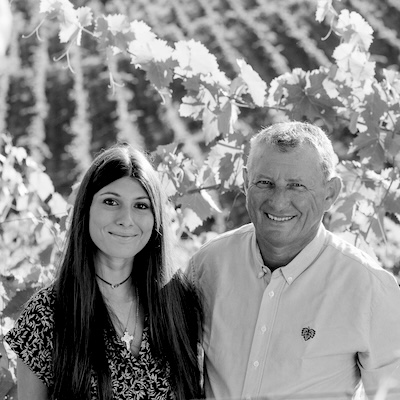
Domaine Comte Abbatucci lies in the Taravo valley in Corsica and farms around twenty hectares of granitic sandy soils. Jean-Charles Abbatucci took over the estate in 1992 and has worked biodynamically since 2000, ploughing with a horse, keeping a flock of sheep for ground cover, and using preparations made from medicinal herbs. The vineyard is planted with native Corsican varieties, many drawn from the collection of eighteen varieties his father Antoine assembled in the 1960s: Sciaccarellu, Niellucciu, Barbarossa, Bianco Gentile and Brustiano. Because French AOC regulations only permit these varieties to a limited extent, the wines are sold as Vin de France.
The Taravo Valley
The vineyards of Domaine Comte Abbatucci lie at around 150 metres of altitude in the Taravo valley on Corsica, on granitic sandy soils with a natural north and northeast exposure. A century ago, Jean-Charles Abbatucci's grandfather planted the first five hectares here with Sciaccarellu, Niellucciu, Barbarossa and Carcaghjolu neru. Alongside the vines, the estate also includes olives, fruit and vegetables, forestry, and its own restaurant.
Antoine Abbatucci and the eighteen varieties
Antoine Abbatucci was president of the Corsican chamber of agriculture. In the 1960s he saw the heritage of Corsican viticulture under threat as international varieties advanced. He therefore assembled an ampelographic collection of eighteen native varieties. Among the whites are Bianco gentile, Brustiano, Genovese and Riminese, and among the reds Carcajolo Nero, Minustello and Morescono. After taking over the estate, Jean-Charles Abbatucci restructured the vineyards and fenced them against wild boar. Today his daughter Faustine owns and farms the domaine together with him.
Horse, sheep and seawater
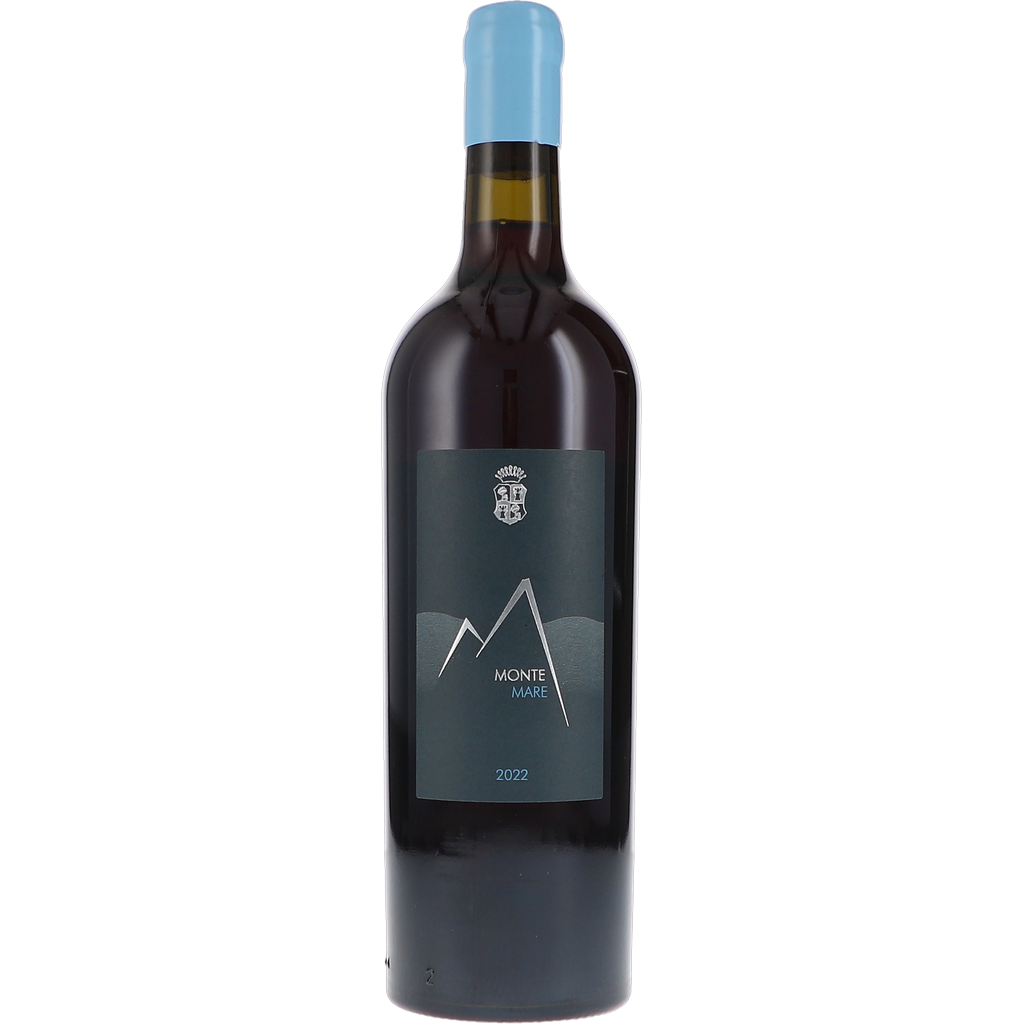
Jean-Charles Abbatucci has worked biodynamically since 2000. A horse plough loosens the soil, a flock of sheep provides ground cover and fertilises the rows, preparations made from medicinal herbs and minerals strengthen the vines, and the work follows Maria Thun's calendar. On certain experimental plots, seawater replaces copper and sulphur; the Monte Mare comes from such plots. Using the chip-budding technique, he regenerates old vines and changes variety without uprooting, so the established root structure is preserved.
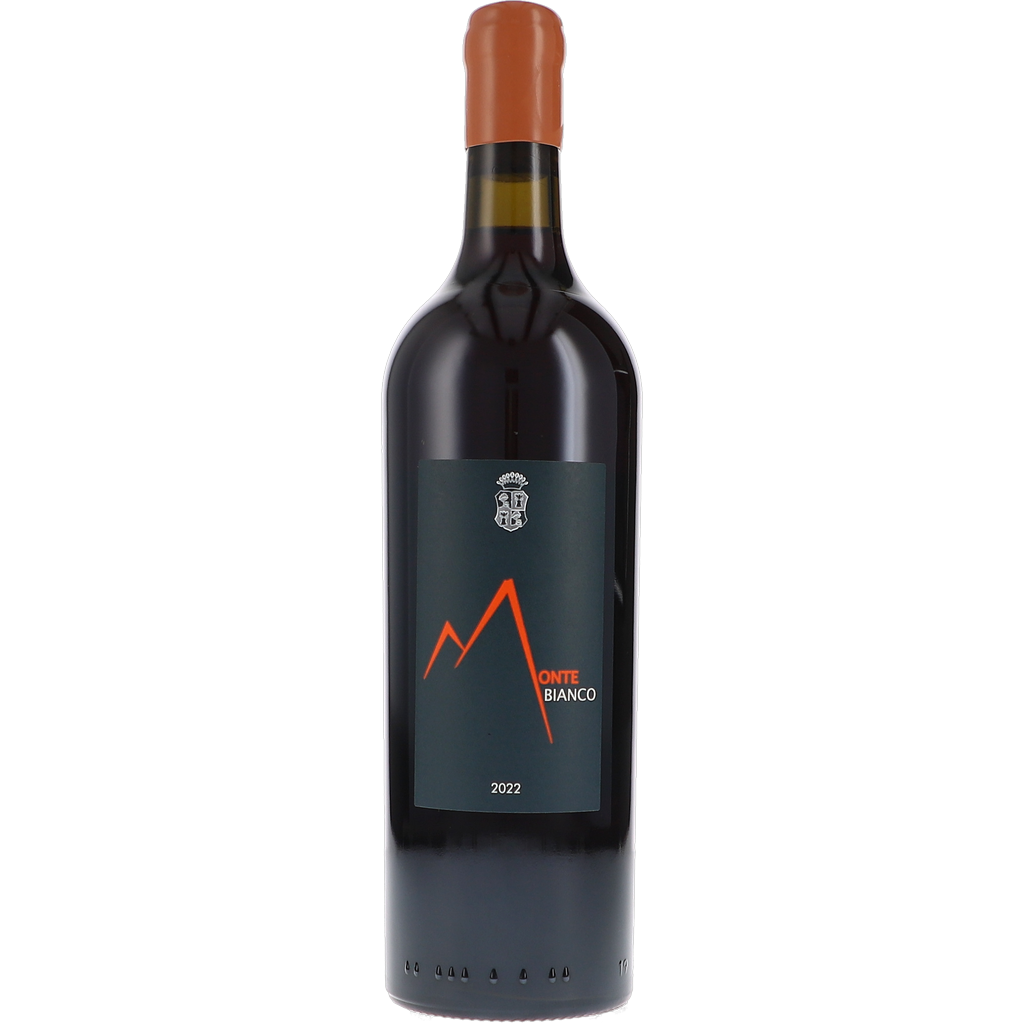
On the Monte Bianco plot, Bertrand Cervera, first violinist of the Orchestre National de France, plays violin over the vines. "Through the dance of the plant world, I want to give my wines a vibrating dimension," explains Jean-Charles Abbatucci. The aromas of the maquis return in the grapes — immortelle, myrtle and fennel — and the harvest is done by hand into small crates.
Cellar and wines
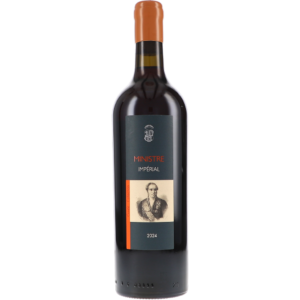
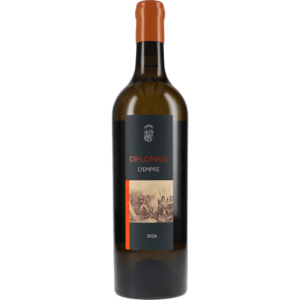
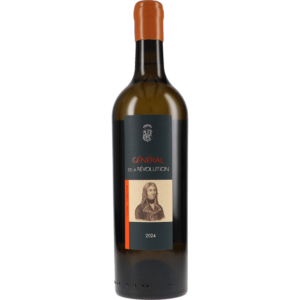
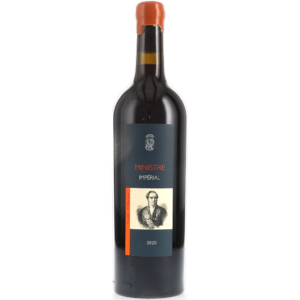
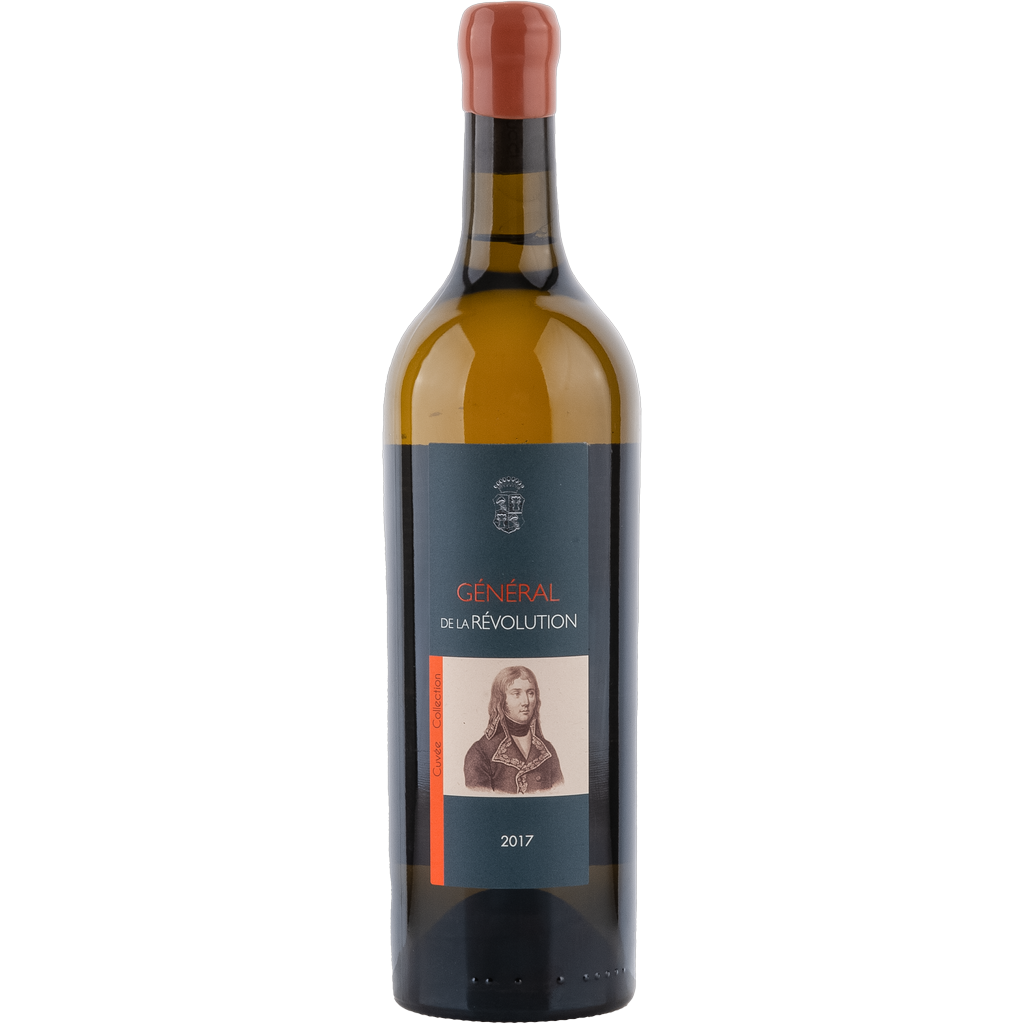
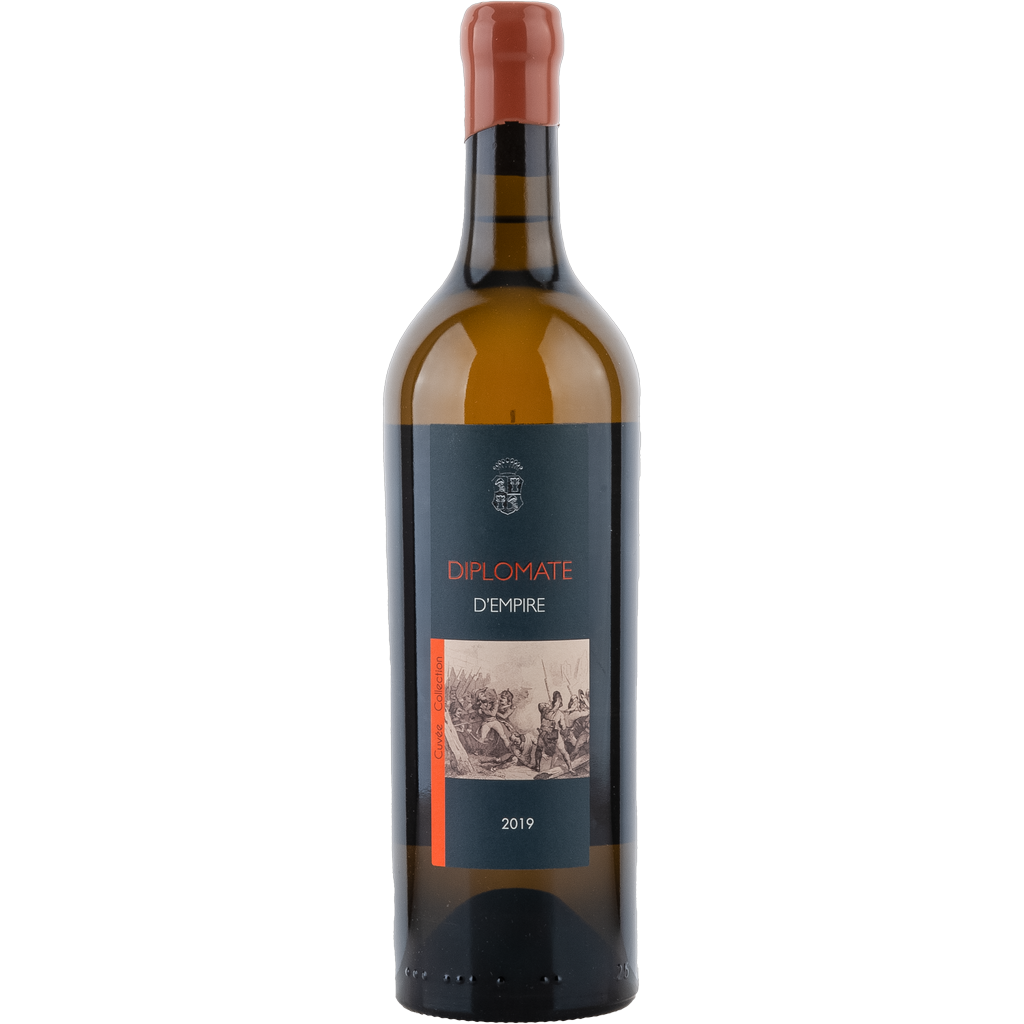
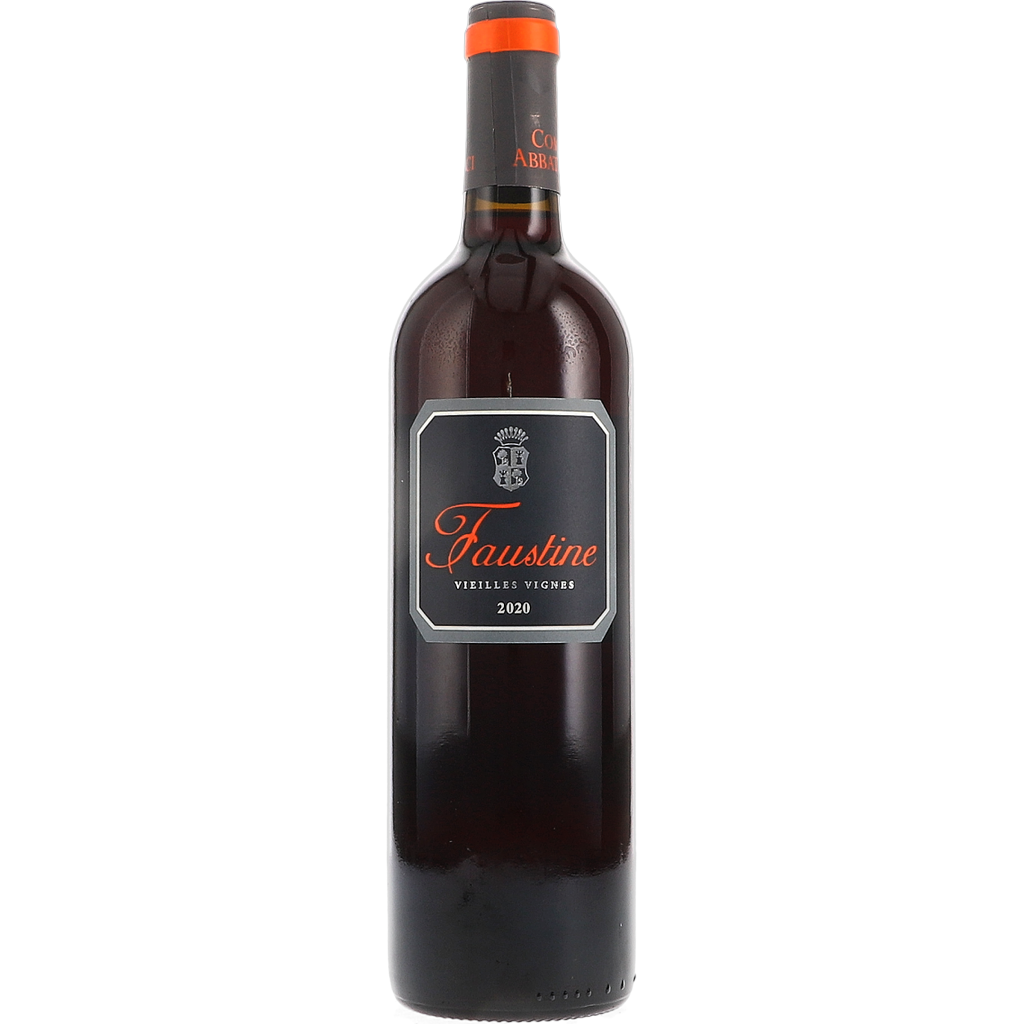
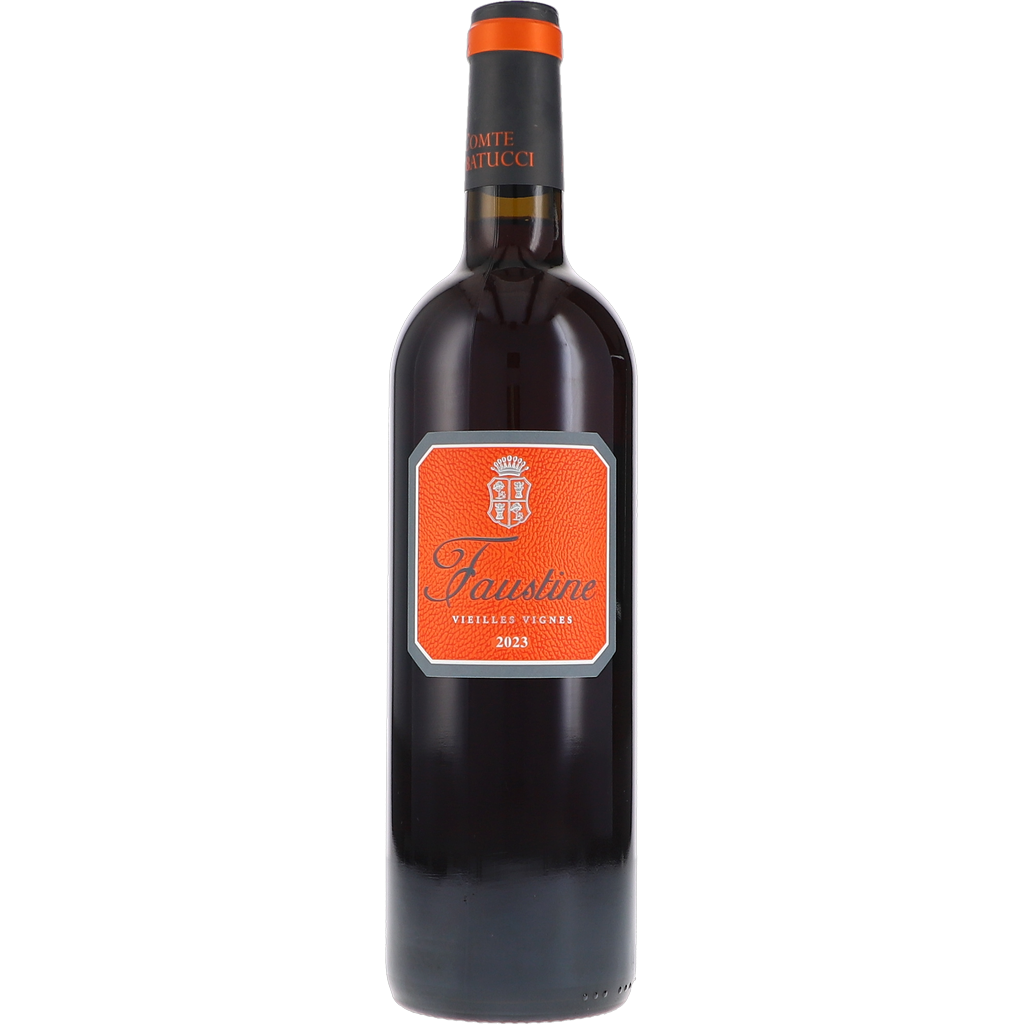
Général de la Révolution, Diplomate d'Empire and Ministre Impérial are named after ancestors of the family. The Faustine Vieilles Vignes Rouge bears the daughter's name and blends 70 percent Sciaccarellu with 30 percent Niellucciu from plots on granite, harvested at around 25 hectolitres per hectare. The grapes are brought in by hand in the early morning, destemmed and spontaneously fermented over forty days, after which the wine ages for five months in stainless steel and concrete, unfined and lightly filtered.
The Ministre Impérial blends Niellucciu, Sciaccarellu, Morescono, Montanaccia, Carcajolo Nero and Aléaticu; the must stays on the skins for several weeks, with regular punching down and pumping over of the cap, and the wine ages in conical oak vats and small oak barrels before being assembled in steel tanks after about a year. In the Général de la Révolution, Vermentinu stands alongside Rossola Brandica, Riminese, Carcaghjolu Biancu, Biancone and Paga Debbiti. "The character of the Général is truly full of tension and minerality, with great length on the palate," says Jean-Charles Abbatucci; young, this white wine remains discreet, gaining in breadth with age, as herbs of the maquis and citrus fruit emerge.