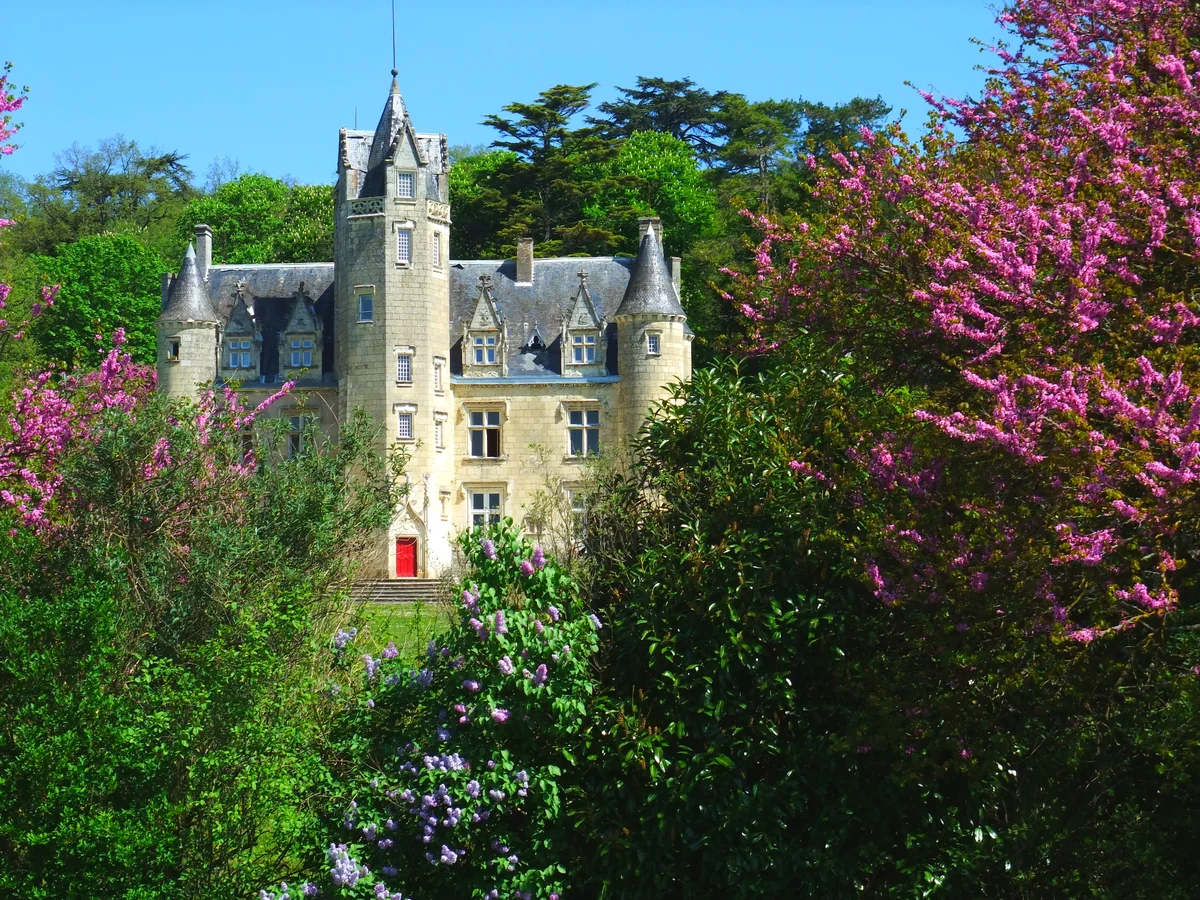
A Gothic château, 500 years of family history, and a grape variety that reveals its most elegant side here:
Château de Coulaine in Chinon is the antithesis of the muscular Bordeaux Cabernet. Here,
finesse, silkiness and cool spice reign supreme. Jean de Bonnaventure now runs the estate, where wine has been made since the 14th century.
Pioneers of Organic Viticulture
When Etienne de Bonnaventure took over the estate in 1988 with just 1.2 hectares, organic farming was still a foreign concept in Chinon. Together with his wife Pascale – originally an art historian and restorer – he expanded the vineyard area to today's
19 hectares. In 1997 came organic certification, the first in the entire appellation. According to family tradition, the vineyards had never been treated with chemicals for centuries. The Gothic château itself dates from the 15th century and today serves as both wine cellar and family residence.
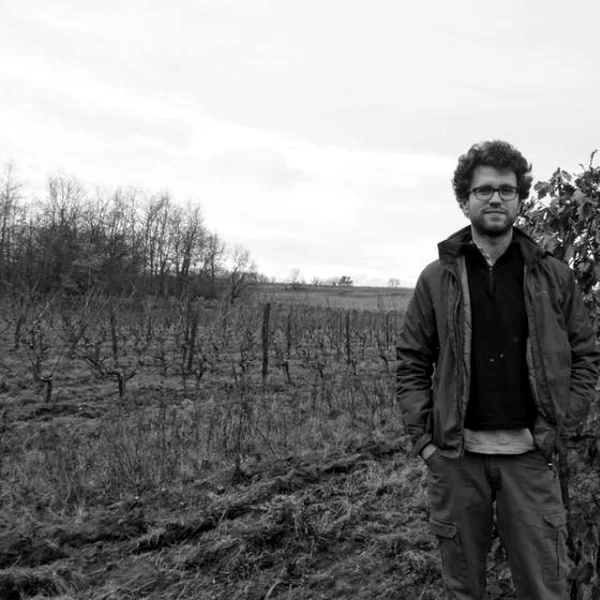
In 2017, Etienne handed over to his son Jean, who as an agricultural engineer and oenologist continues the same philosophy: minimal intervention, maximum expression of terroir. The third generation is now working towards biodynamic certification.
Cabernet Franc in Its Most Elegant Form
The
Chinon Bonnaventure is the entry point into the world of Coulaine:
blackcurrant, cherries, paprika, pepper and liquorice – a textbook
Cabernet Franc, where the tannin carries the fruit rather than masking it. Fermentation is spontaneous, ageing in used barriques.
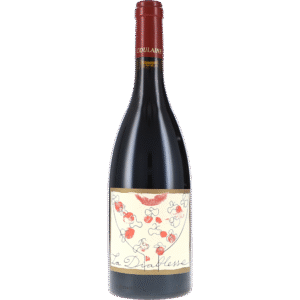
The
La Diablesse comes from 80-year-old vines on a north-facing site – a wine full of energy and with enormous ageing potential. Together with
Charles Joguet, Coulaine is among the benchmarks for Chinon.
Chenin as a White Counterpoint
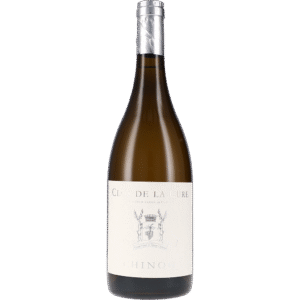
The only white wine in the portfolio,
Les Pieds Rôtis, is a pure Chenin Blanc: ripe stone fruit, a hint of honey, yet cool and mineral. A white wine that proves the Loire doesn't only excel with reds. The grapes come from a single parcel with 40-year-old vines.
Terroir of Sandstone and Clay
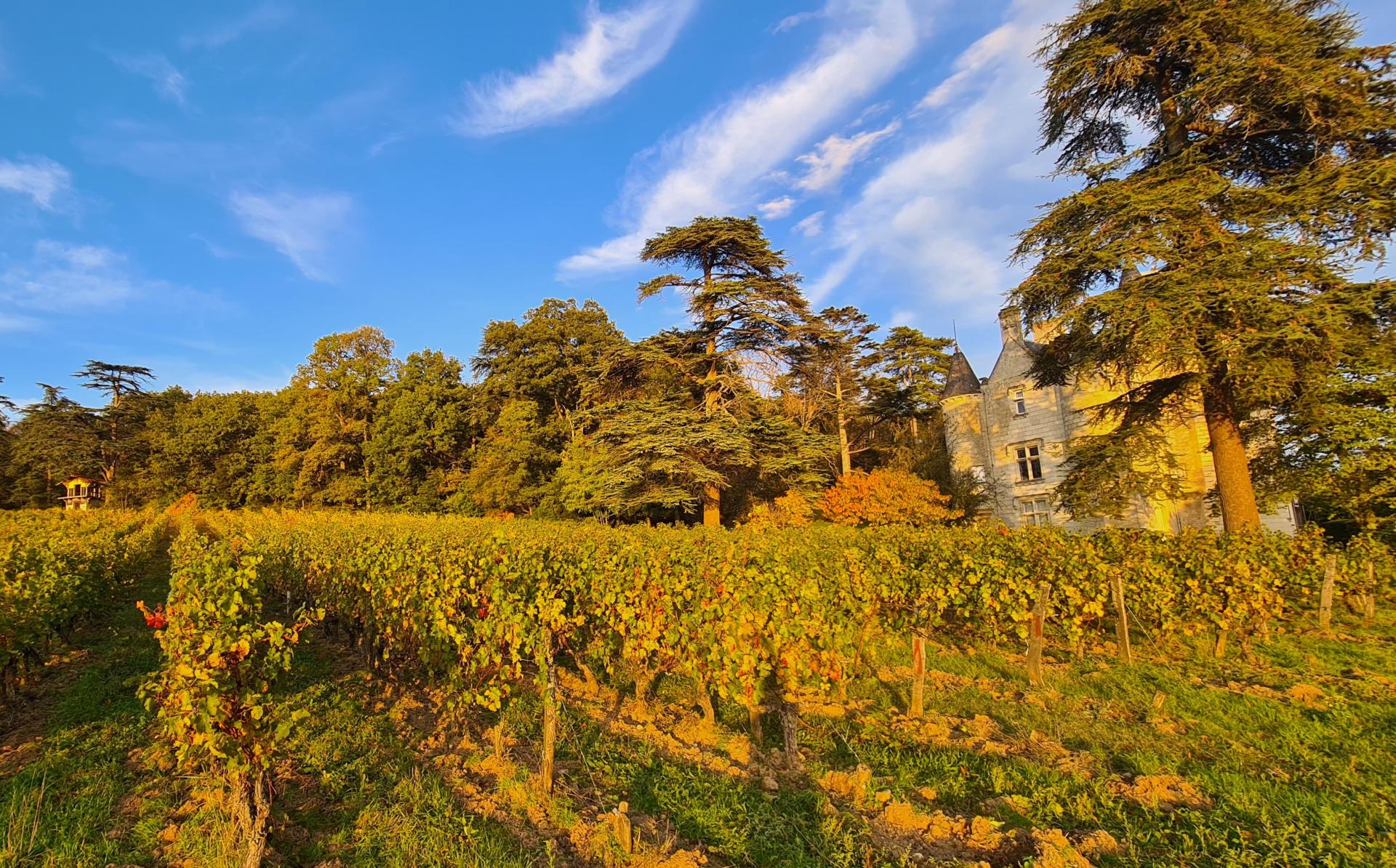
The vineyards lie on the plateaux of Chinon, on
clay-limestone and sandstone over a porous chalk bed. The continental climate with Atlantic influence ensures slow ripening – the foundation for wines that unite power and elegance. Low yields of around 35 hl/ha and hand-harvesting are a matter of course.