Forgeurac
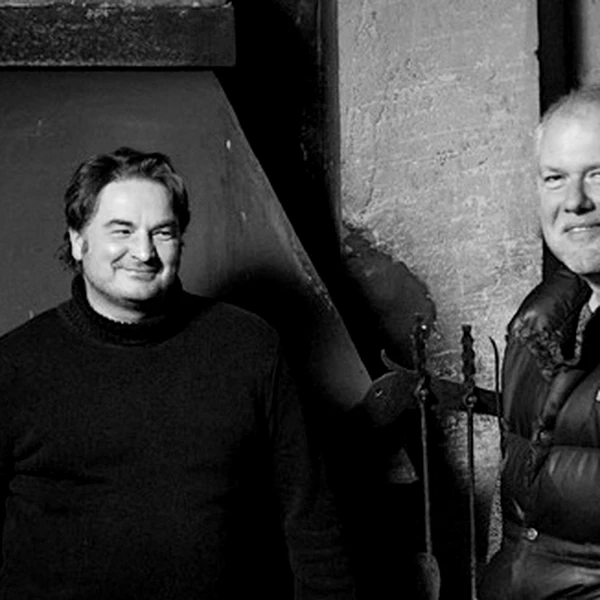
Forgeurac is the estate of Marco Pfliehinger and Uwe Lange in St. Leon-Rot, 2.5 hectares in Baden, farmed entirely by hand. The two have made wine together since 2015; they met while studying viticulture in Geisenheim, Uwe Lange after years as a music lecturer, Marco Pfliehinger as a soil scientist with a doctorate on terroir's influence on aging notes. Their parcels lie on weathered granite, Jurassic limestone and Keuper marl, the cellar housed in a 17th-century vault that was once the village forge. The name was formed from forge and the ending of French appellations. The estate works along biodynamic principles, and all wines are released as Badischer Landwein.
Marco Pfliehinger and Uwe Lange
Uwe Lange played cello and jazz double bass for years and worked as a music lecturer; at thirty he began studying viticulture in Geisenheim. There he met Marco Pfliehinger, a soil scientist who earned his doctorate on terroir's influence on aging notes. Both had worked in Burgundy, Uwe Lange as a Demeter inspector, Marco Pfliehinger as a geologist. The two call their wines stubborn and headstrong, much like themselves; since 2015 they have made wine together in St. Leon-Rot.
The cellar beneath the old forge
The vault dates from the 17th century and lies beneath Uwe Lange's house, where the village forge once stood. Here the wines age in used barriques and pièces, bottling is done by gravity and hose, and corking by hand. Forgeurac has no pumps, filters or tractors. At six every morning, Uwe Lange stirs the horn silica preparation, just as he saw done hundreds of times as a Demeter inspector.
The grapes go into small wooden vats whole or partially destemmed depending on the vintage, are briefly foot-trodden and fermented on the skins for around three weeks with moderate pigeage. Pressing is done on an old basket press, drawn off through the broquereau by gravity. Fermentation and malolactic fermentation proceed spontaneously; there is no fining or filtration, and sulfur stays at no more than 30 milligrams, depending on the vintage.
Granite, Jurassic limestone and Keuper marl
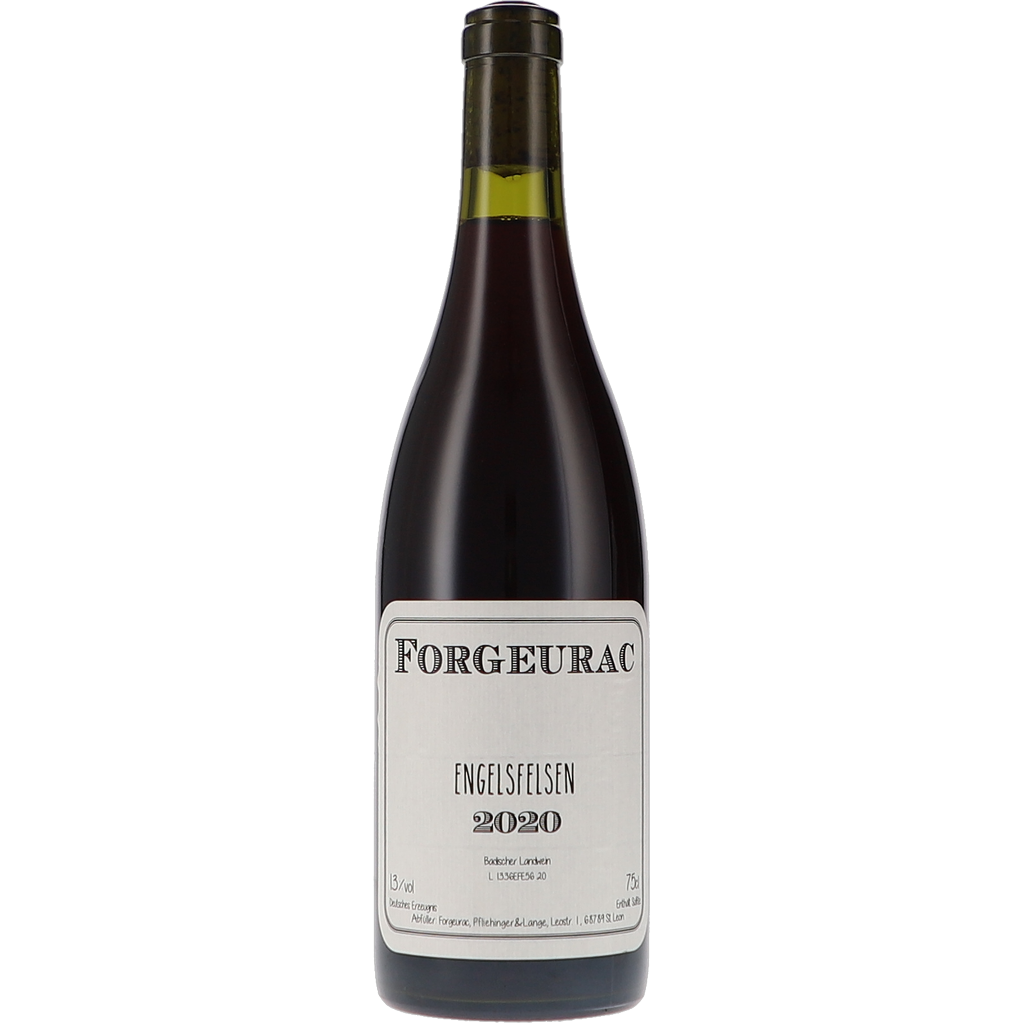
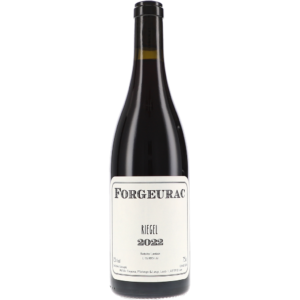
The parcels demand manual labor. In the Bühlertal, Marco Pfliehinger and Uwe Lange farm steep terraces no tractor can reach, and the Engelsfelsen brings granite minerality from terraces at 350 meters. In the Kraichgau they found shell limestone whose soil smells of celery and carrots. The Riegel, renamed from Riegelberg for wine-law reasons, grows on red granite in a steep, densely planted vineyard. The topsoil is only a few centimeters deep, beneath it begins pure rock. The vines are old and deeply rooted.
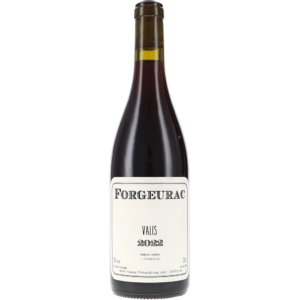
The Stein, formerly Steinsatz, is an old Pinot Noir site in Rauenberg in the Kraichgau. The soil formation belongs to the Keuper and combines red clay rock with limestones that appear as dolomite; the hard dolomite weathers slowly, and the clay layers within it nourish the vines. The Walis lies near Efringen-Kirchen in Blansingen in the Markgräflerland, set high on Jurassic limestone above an old limestone quarry, south-facing, with a view of the Rhine.
Villages and single-vineyard wines
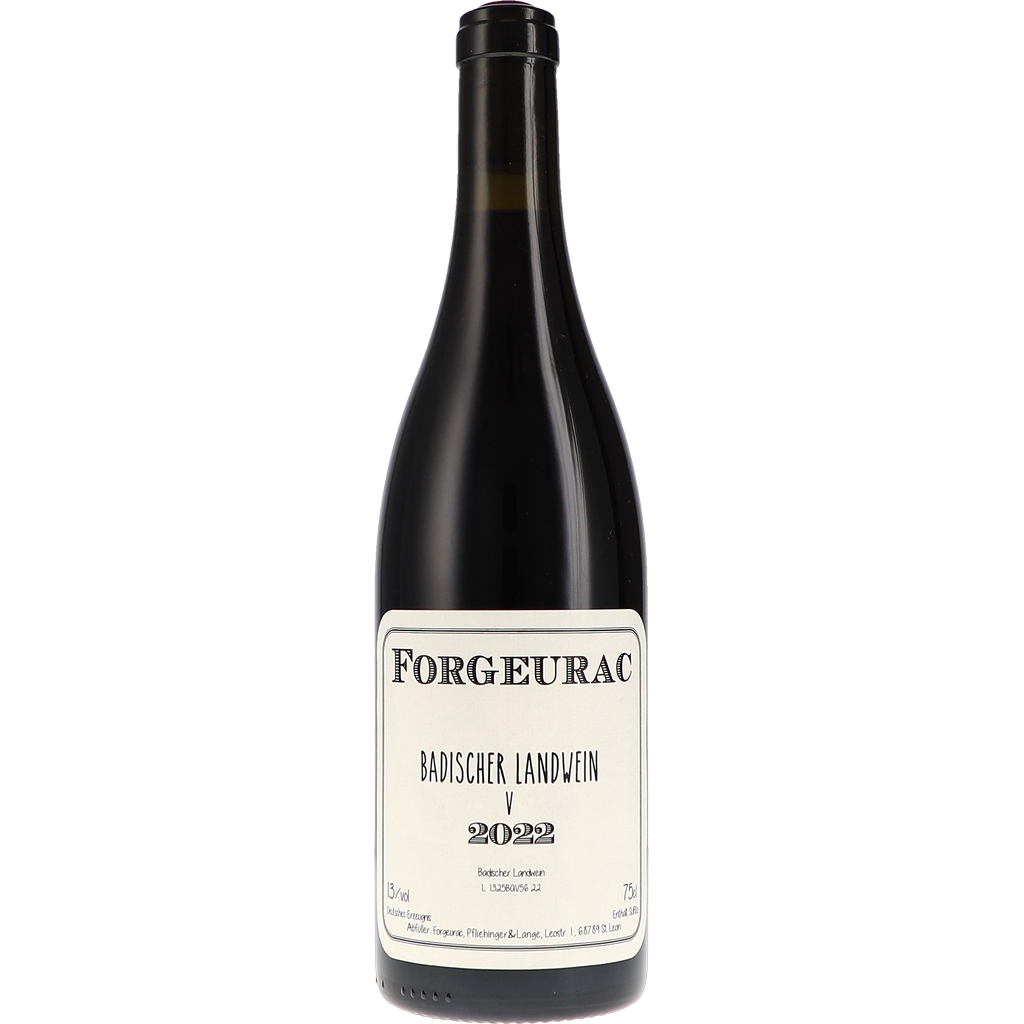
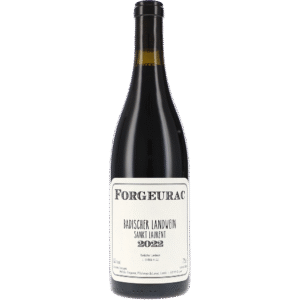
The Badischer Landwein "V" is the Villages, a cuvée from various sites within one village, showing the character of a place in a given year, something the two found especially compelling; the Badischer Landwein brings together the terroirs of Baden. For the Sankt Laurent Village from the Hasselbach site, the grapes ferment one hundred percent with stems included; the soil is limestone with a high clay and iron content and is therefore very red, and yields run around 20 hectoliters per hectare. There is no saignée for concentration, so the wine retains its fresh acidity and a moderate alcohol content.