Franz Keller
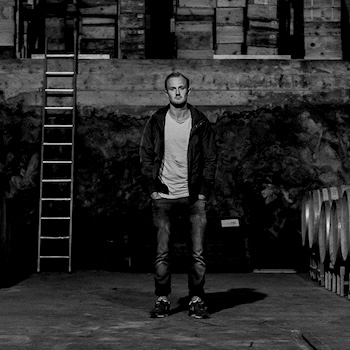
Weingut Franz Keller farms 35 hectares of volcanic soils on the Kaiserstuhl in Baden, spread across six VDP Grosses Lagen. The estate has existed since 1892, and Friedrich Keller has run it since 2016, in the fourth generation. The vine genetics of many plots originate in Burgundy, and Friedrich Keller calls the result "Baden Burgundy": Pinot Noir, Chardonnay and Pinot Gris, spontaneously fermented and aged, depending on the site, in barriques or large wooden casks. Fritz Keller, restaurateur and former president of the German Football Association (DFB), embodies the guiding principle "as little as possible, as much as necessary". The estate also runs the restaurant Schwarzer Adler, which has held a Michelin star continuously since 1969.
35 hectares on the Kaiserstuhl
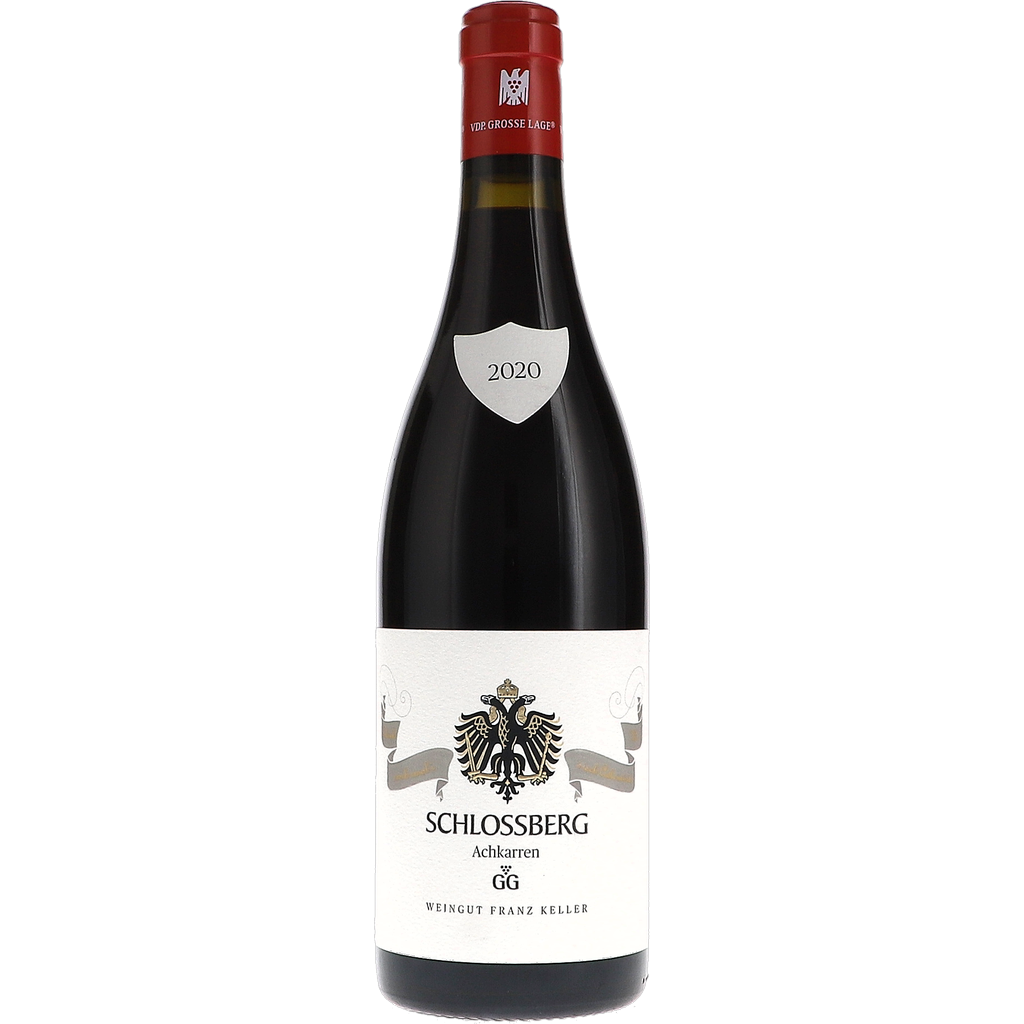
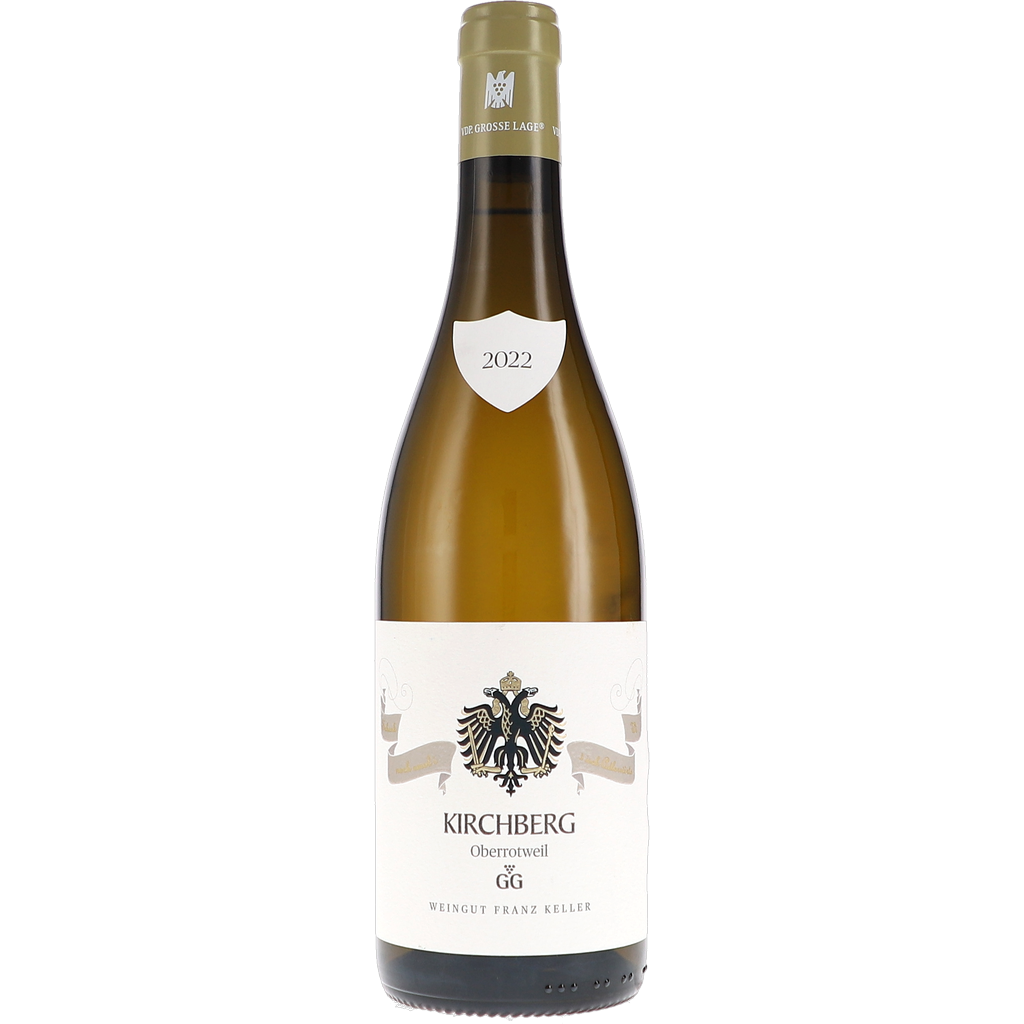
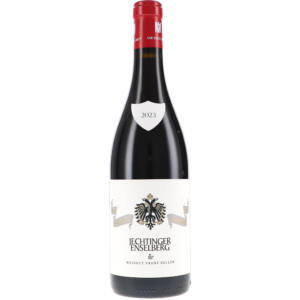
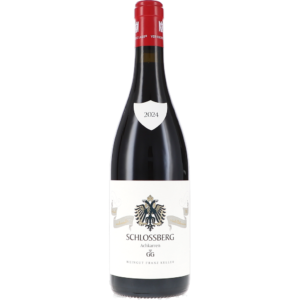
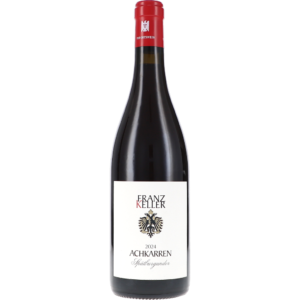
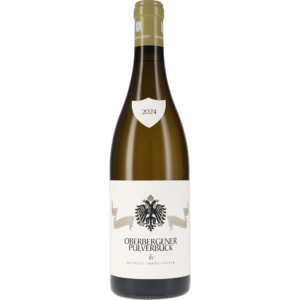
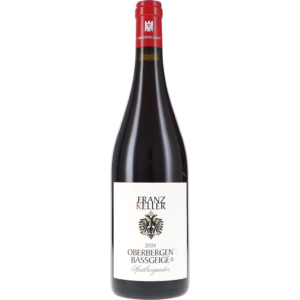
Franz Keller farms 35 hectares on the Kaiserstuhl, on volcanic subsoil that translates into pronounced minerality in the wines. Six VDP Grosses Lagen form the peak of the estate's holdings, from the Achkarrer Schlossberg to the Kirchberg in Oberrotweil; added to these are Erste Lagen such as the Enselberg in Jechtingen, the Pulverbuck and the Bassgeige in Oberbergen. Pinot Noir, Chardonnay, Pinot Gris and Pinot Blanc share these slopes, and Friedrich Keller sums up this situation with the term "Baden Burgundy".
Schlossberg, Kirchberg, Eichberg
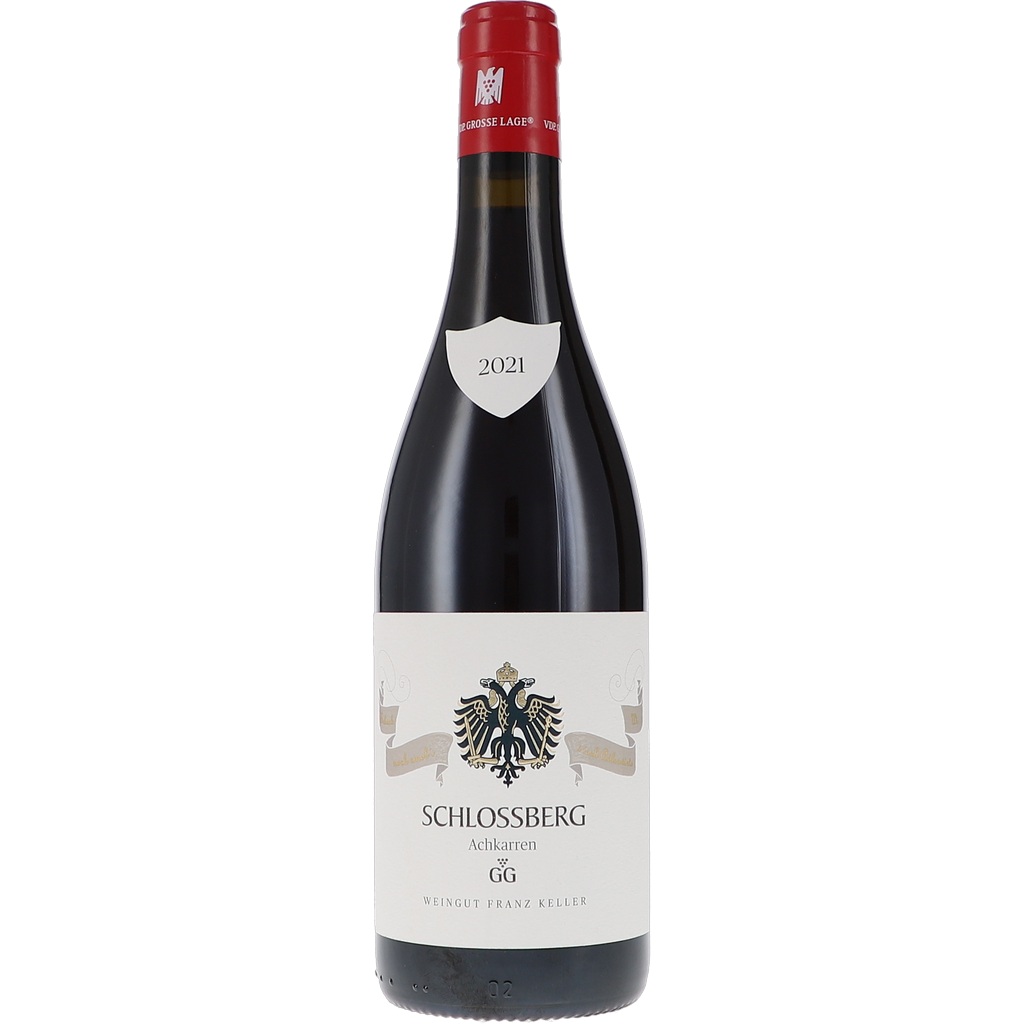
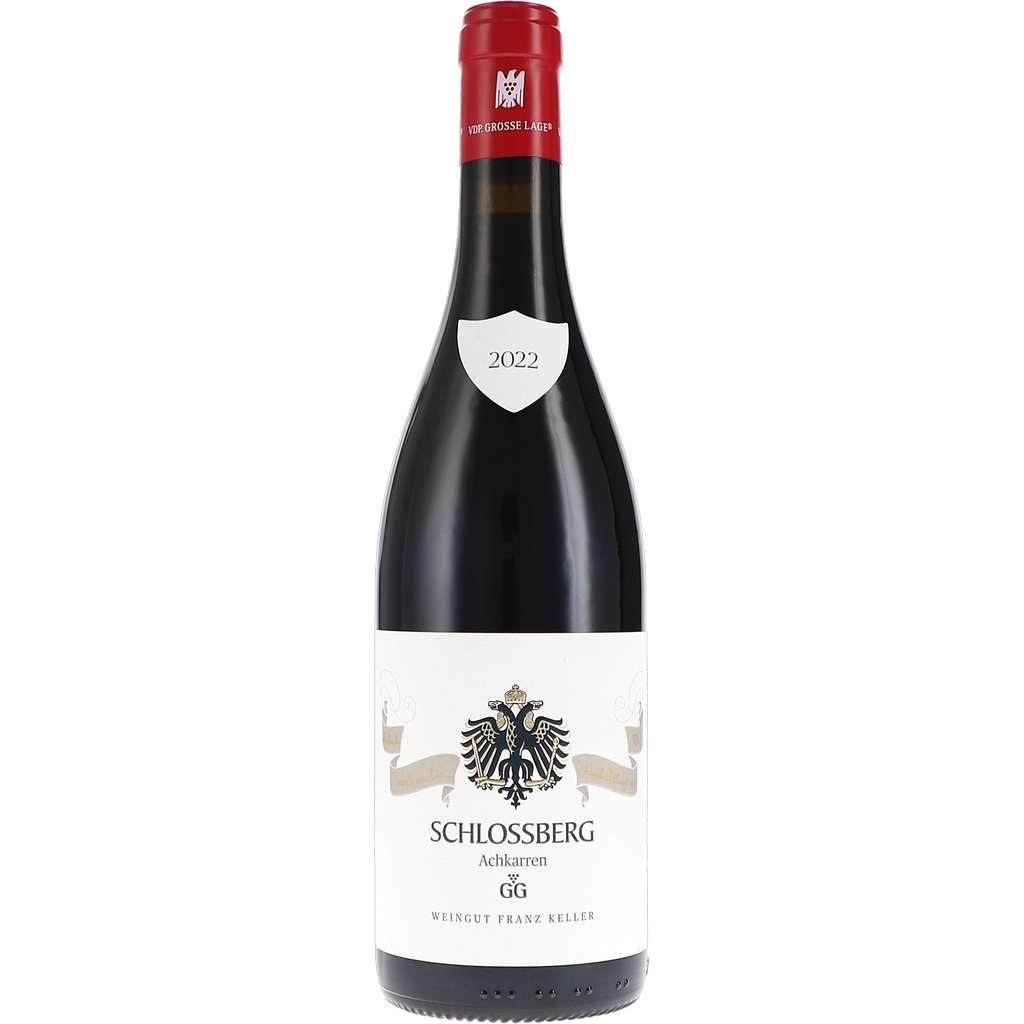
The Achkarrer Schlossberg is defined by black volcanic earth, by tephrite; dry-stone walls up to four metres high secure the plots. The Pinot Noir vines there are 20 to 30 years old and come from a sélection massale; the wine ferments spontaneously and matures for 18 months in French barriques with 35 percent new wood. At the heart of the same site, on a steep, wind-sheltered plot on calcareous tuff rock, grows Pinot Gris of old genetic stock, likewise propagated through sélection massale; this Grauburgunder GG spends twelve months in large wooden casks and a further six in steel tank, each time on full lees.
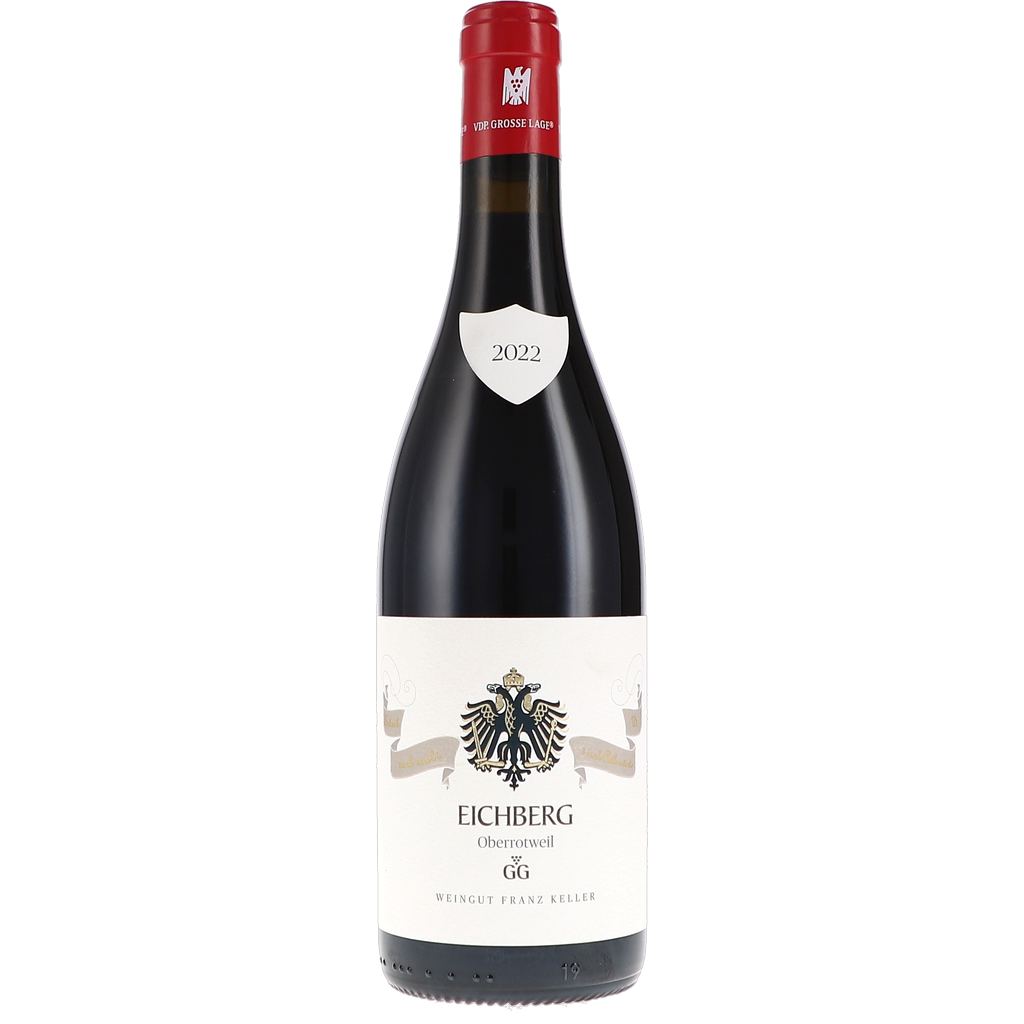
The Oberrotweiler Kirchberg faces southwest, its soil lighter, calcareous volcanic scree. The site was planted in the early 1990s with genetic material from Burgundy's finest sites; the Chardonnay ferments spontaneously down to zero grams of residual sugar, matures for twelve months in oak barrels with a 35 percent share of new wood and then a further six months in steel tank on full lees. In the Oberrotweiler Eichberg, planted in 1994 with Burgundian clones, the Pinot Noir grows on black volcanic rock and matures for 18 months in French barriques with 45 percent new wood.
The 2013 winery
Since 2013, Franz Keller has worked in a winery built in terraces into the slope, where the grapes follow gravity. The roof is planted with native species from the Badberg nature reserve, and the technology stays in the background inside. Uwe Barnickel and Christian Häuber oversee the ageing and keep the sites separate, so that the difference between tephrite, tuff and volcanic scree remains legible in the wine.
Four generations and the Schwarzer Adler
Friedrich Keller has led the winery since 2016, in the fourth generation, and is gradually converting the vineyards to organic farming with biodynamic elements, which for him is a precondition for lasting quality. He holds firm to rigorous site selection and minimal intervention in the cellar.
The restaurant Schwarzer Adler has held its Michelin star continuously since 1969, now for more than 55 years, and Fritz Keller represents this side of the house. Irma Keller cooked there as the first female German chef to hold a Michelin star, with her Franco-Baden cuisine; to this day, the family regards Franz Keller's wines as companions to this cuisine.