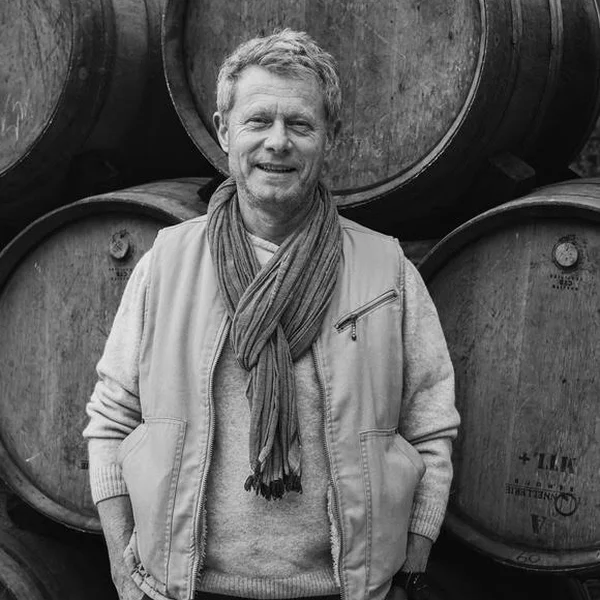
An estate called Pommerol in Pommard – that would have caused confusion. So the name Lejeune remained, even though the Jullien de Pommerol family steered its fortunes for a long time. Founded in 1783, the estate passed from aunts to nieces over five generations. In the former monastery of the Saint Sacrement brotherhood, which was secularised after the Revolution, stands one of the oldest open wooden vats in Burgundy – encircled by 17 hoops of white birch. Here, grapes are still trodden by foot. The domaine has been organically certified since 2021, and since 2023 Louis de Belleroche has been managing the 8.7 hectares – with respect for tradition and the ambition to reveal Pommard’s Premiers Crus in all their depth.
From religious house to domaine: 240 years of history
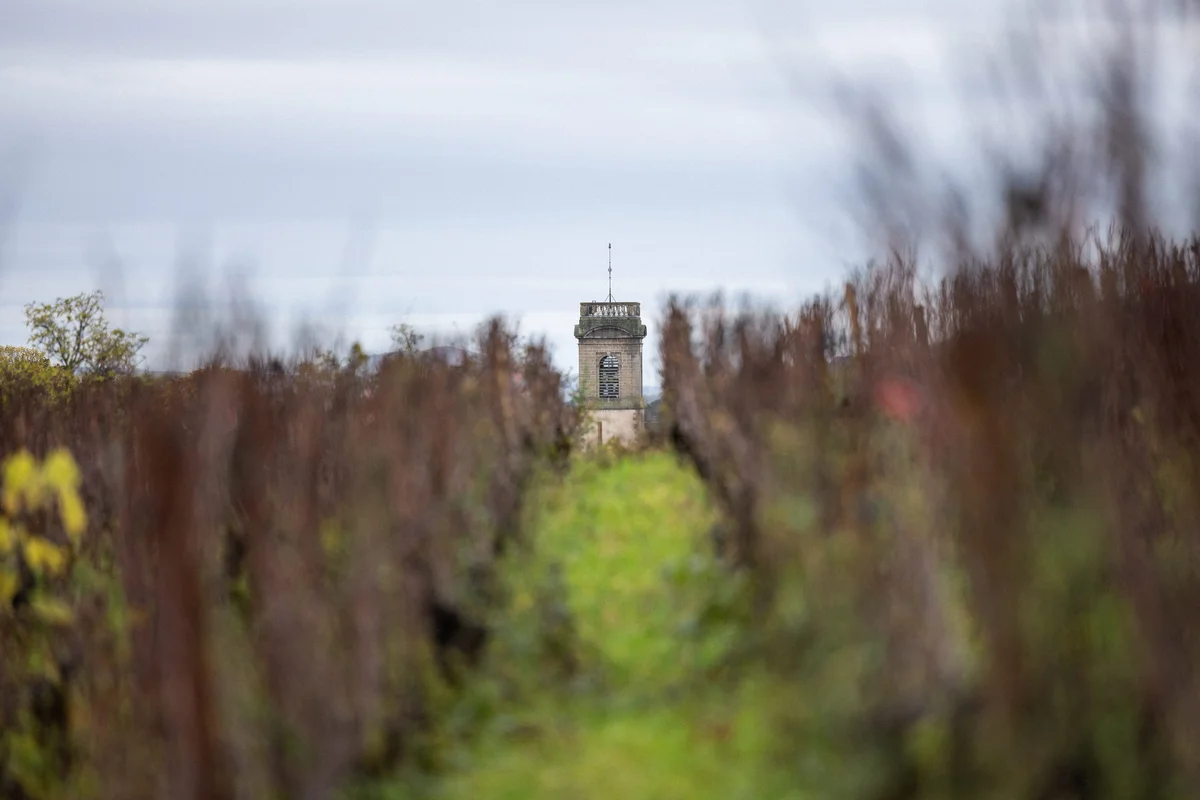
The buildings on the church square in Pommard once belonged to the
Confrérie du Saint Sacrement, a religious brotherhood. Sold off as church property after the French Revolution in 1793, the estate was acquired by Maxime Lejeune, who expanded it to 50 hectares. Inheritance divisions reduced the holding to six hectares before the Jullien de Pommerol family enlarged it again to ten. François Jullien de Pommerol, professor of oenology at the Lycée Viticole in Beaune, shaped the domaine from 1977 with scientific precision and traditional handwork. His son-in-law
Aubert Lefas continued on this course, with a lightness of touch that gave the wines a new elegance.
The oldest wooden vat in Burgundy
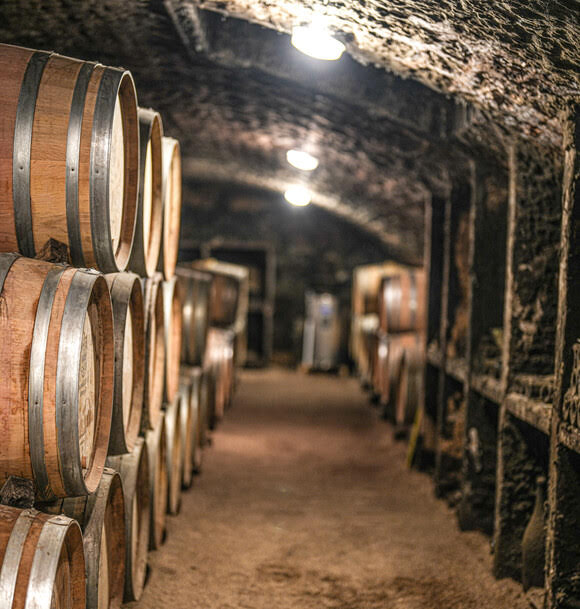
In the domaine's cellar stands an
open wooden vat bound by 17 hoops of white birch, the oldest of its kind in the entire region. This is where fermentation takes place as
macération semi-carbonique: 20 to 40 per cent whole bunches are trodden by foot, and the juice begins to ferment above the mass of skins. After three to four weeks of contact, the wine is aged in barrels with no more than 20 per cent new oak. No fining, no filtration, only light sulphuring. The
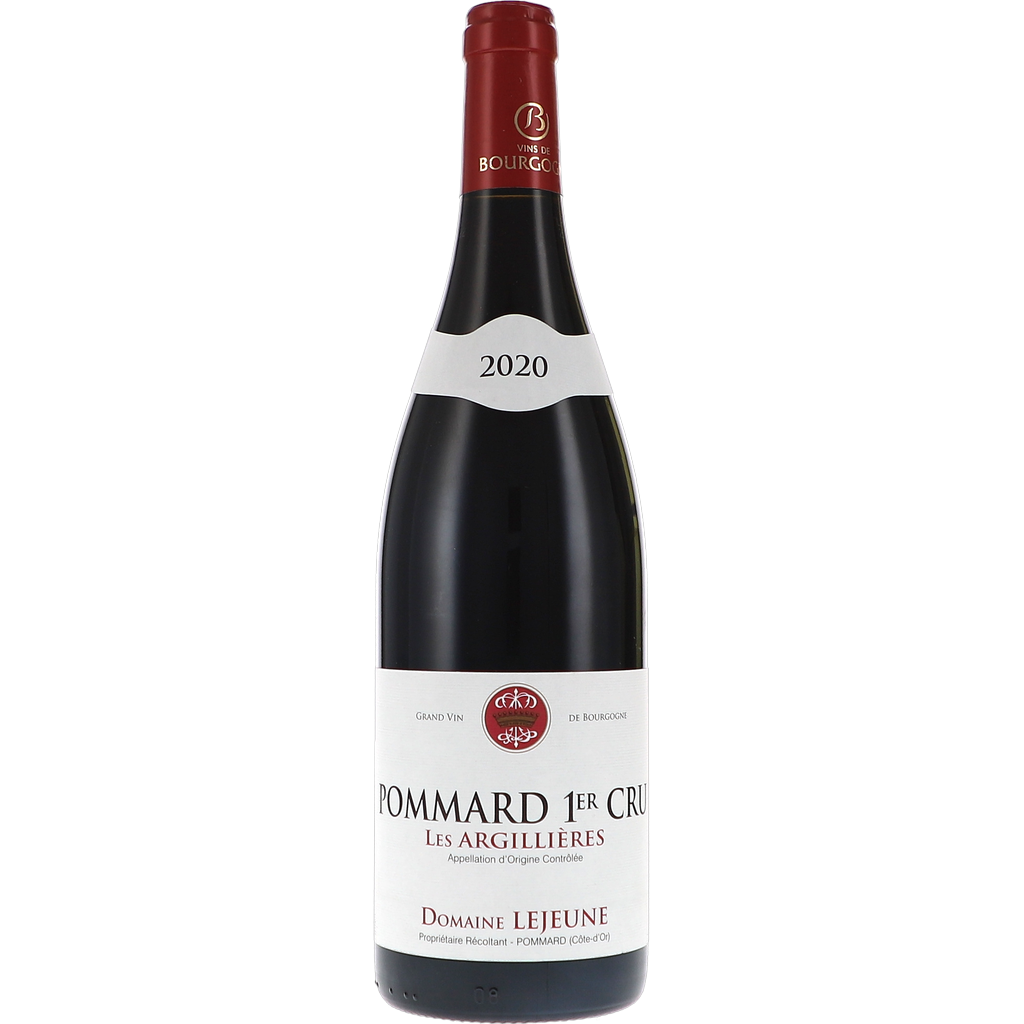
Pommard 1er Cru „Les Argillières" exemplifies this style: high-toned, agile, with fascinatingly lively acidity.
Three premiers crus, three characters
At the heart of the domaine are three
premier cru sites: 1.4 hectares in Les Argillières, 1.1 hectares in Les Poutures and 0.25 hectares in Les Rugiens Bas, the last regarded as
primus inter pares, the finest terroir in all of Pommard. A high iron oxide content colours the soil red and gives the wines their characteristic depth. With its higher clay content, the Pommard 1er Cru „Les Poutures" is fuller and darker, while the
Pommard 1er Cru „Les Argillières“ offers a contrast of wild strawberry, sour cherry and a cool, salty vein. What unites them is the typical
earthiness of Pommard, set within fruit and elegant oak.
Organic farming and a new chapter
Aubert Lefas gave up chemical treatments early on.
Official organic certification followed in 2021. Only sulphur and copper in the vineyard, indigenous yeasts in the cellar, minimal sulphur at bottling. Parts of the vineyards are ploughed with horses, for less soil compaction and more "good farming sense", as they put it at the domaine. In 2023
Louis de Belleroche took over the management. The philosophy remains the same: Pommard in its most elegant form, with earthiness and vitality in balance. Anyone who knows neighbours such as
Jean-Marc & Thomas Bouley knows that this corner of the Côte de Beaune is Pinot Noir country of the first order.