Boris Champy
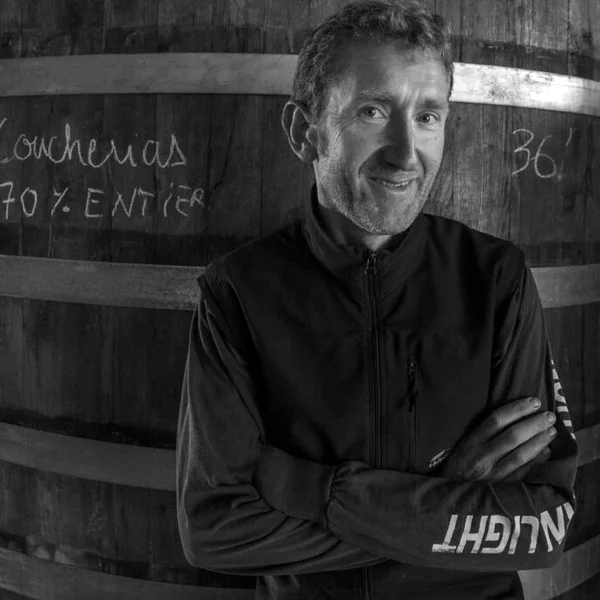
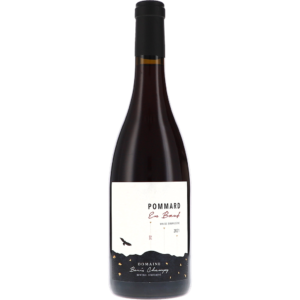
Domaine Boris Champy farms twelve hectares in the Hautes-Côtes de Beaune, along with parcels in Pommard and two Premiers Crus in Beaune. The estate was the first in Burgundy to be Demeter-certified in 1984 and has farmed biodynamically ever since; Boris Champy took it over from Didier Montchovet in 2019. His vineyards lie between 377 metres at Le Clou and 421 metres at Le Bignon, planted with Chardonnay, Pinot Noir, Aligoté and Gamay, much of it from old sélections massales of vines predating phylloxera. The wines ferment spontaneously and age mostly in used pièces and in large oak foudres.


Boris Champy and the 2019 takeover
Boris Champy is an oenologist who spent ten years working in California's Napa Valley, then served as technical director for a négociant in Beaune and as manager of an estate in Burgundy. A pilgrimage along the Camino de Santiago to Santiago de Compostela marked the start of his reorientation, and in 2019 he took over the estate from Didier Montchovet. The traditional greeting of pilgrims on the Camino gave the Fine de Bourgogne Ultreïa its name.
Vineyards between 377 and 421 metres
The vineyards range in altitude from 377 metres at Le Clou in Nantoux to 421 metres at Le Bignon in Bouze; the grapes there ripen a week later than in the Côte de Beaune, which preserves freshness in the wines. The Montagne de Cras vineyard in Nantoux lies at 382 metres; its name derives from the Celtic word for pebble, and pebbles indeed run through the limestone, marly limestone and clay soil. Its Chardonnay yields Montagne 382. Of the site's four hectares, three are planted with vines, while the fourth holds scree, hedgerows and fruit trees, with orchids and rare tree species growing in the grassy meadows.
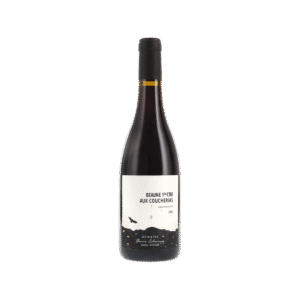
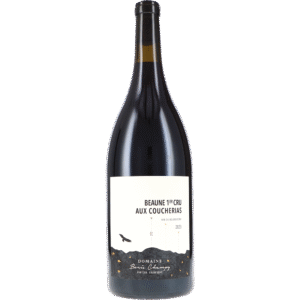
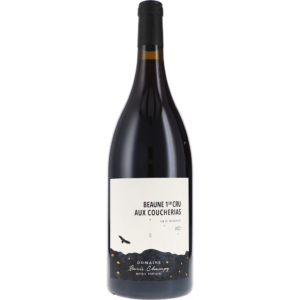
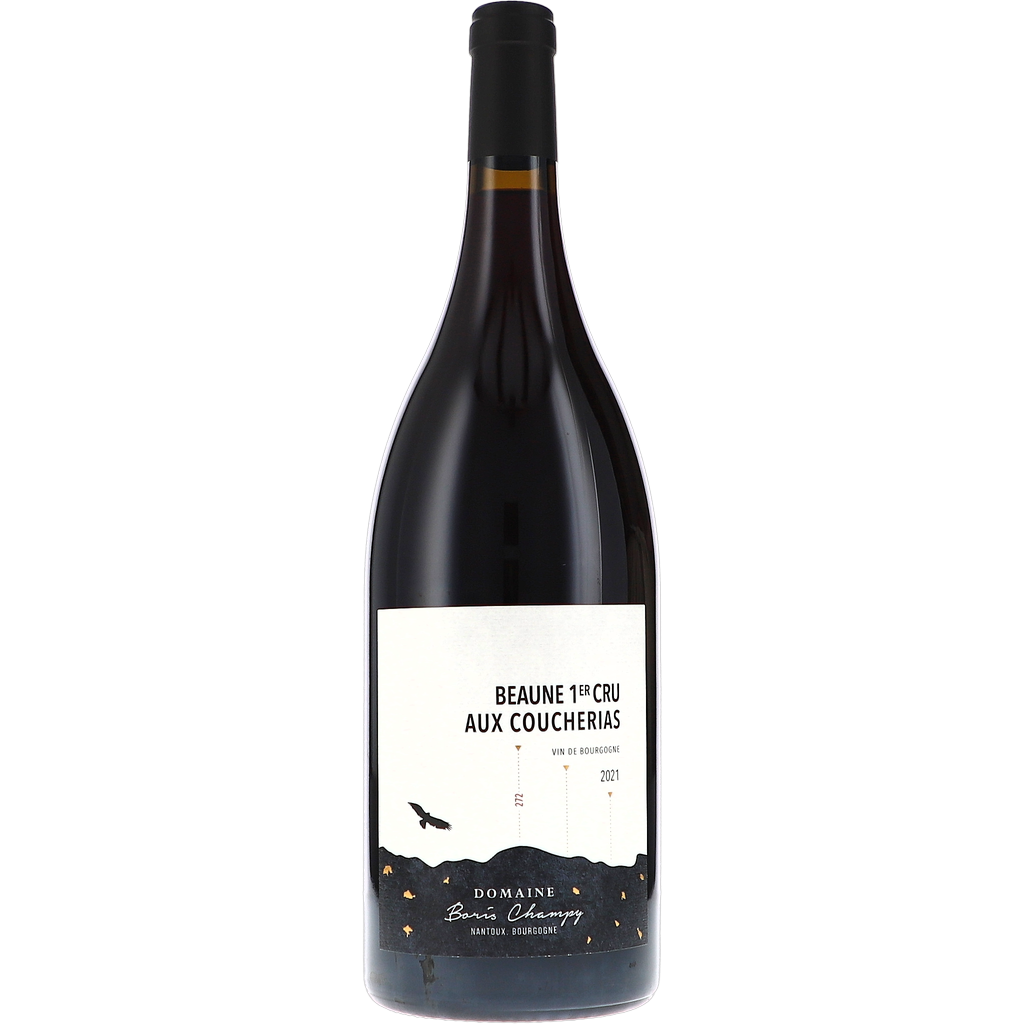
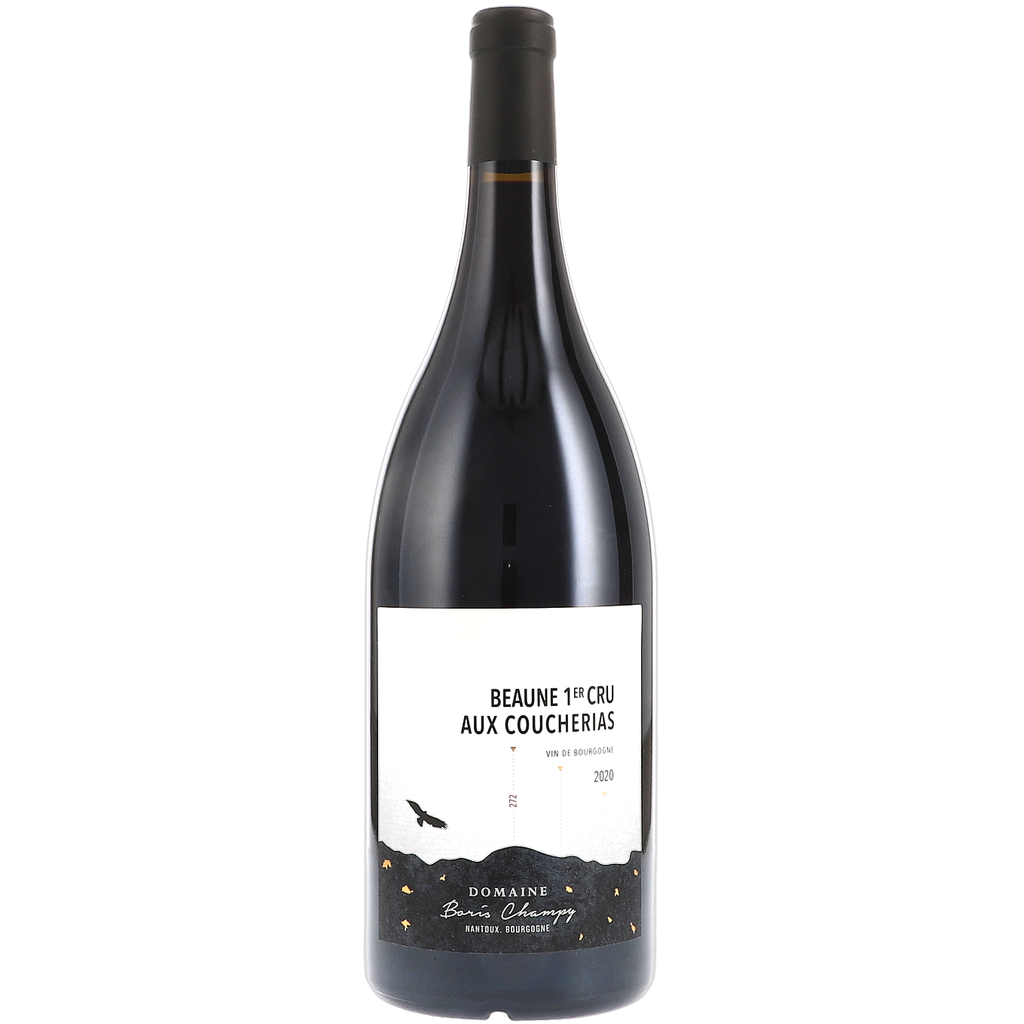
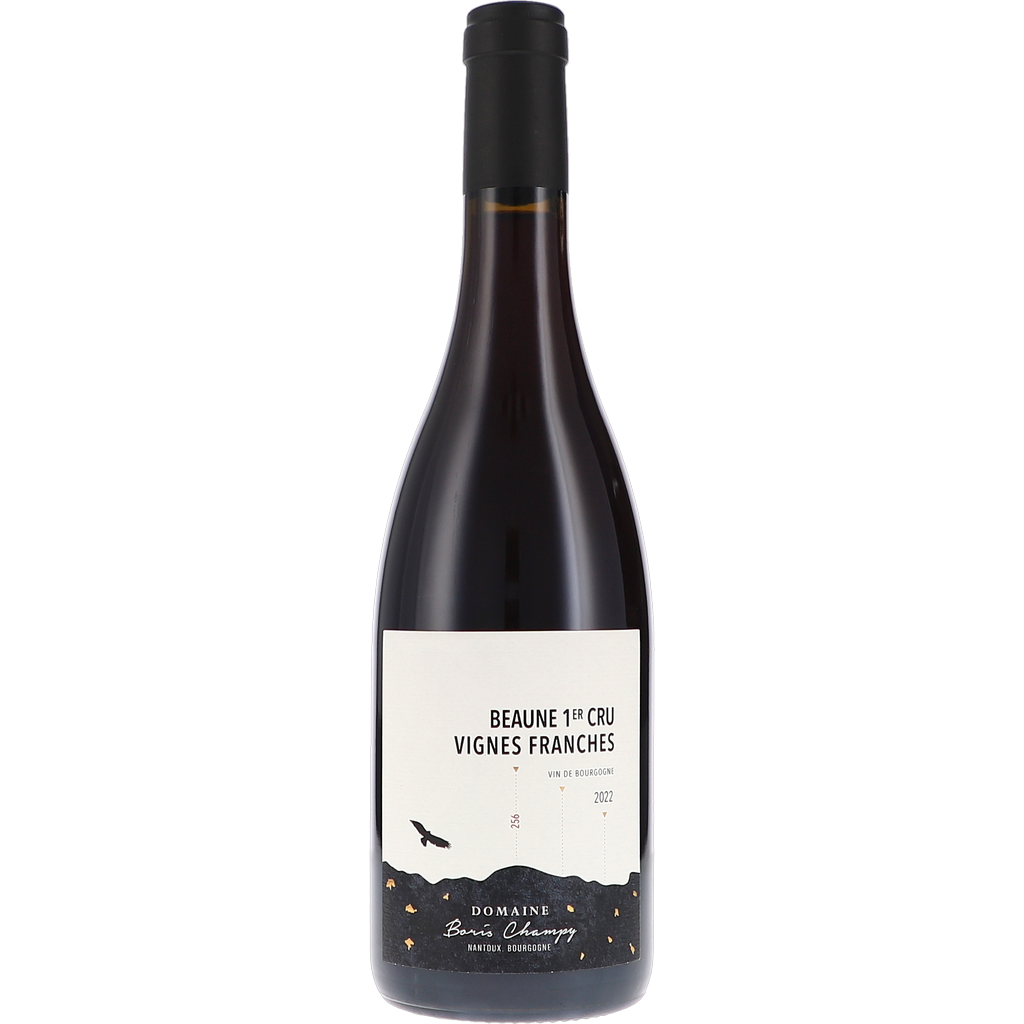
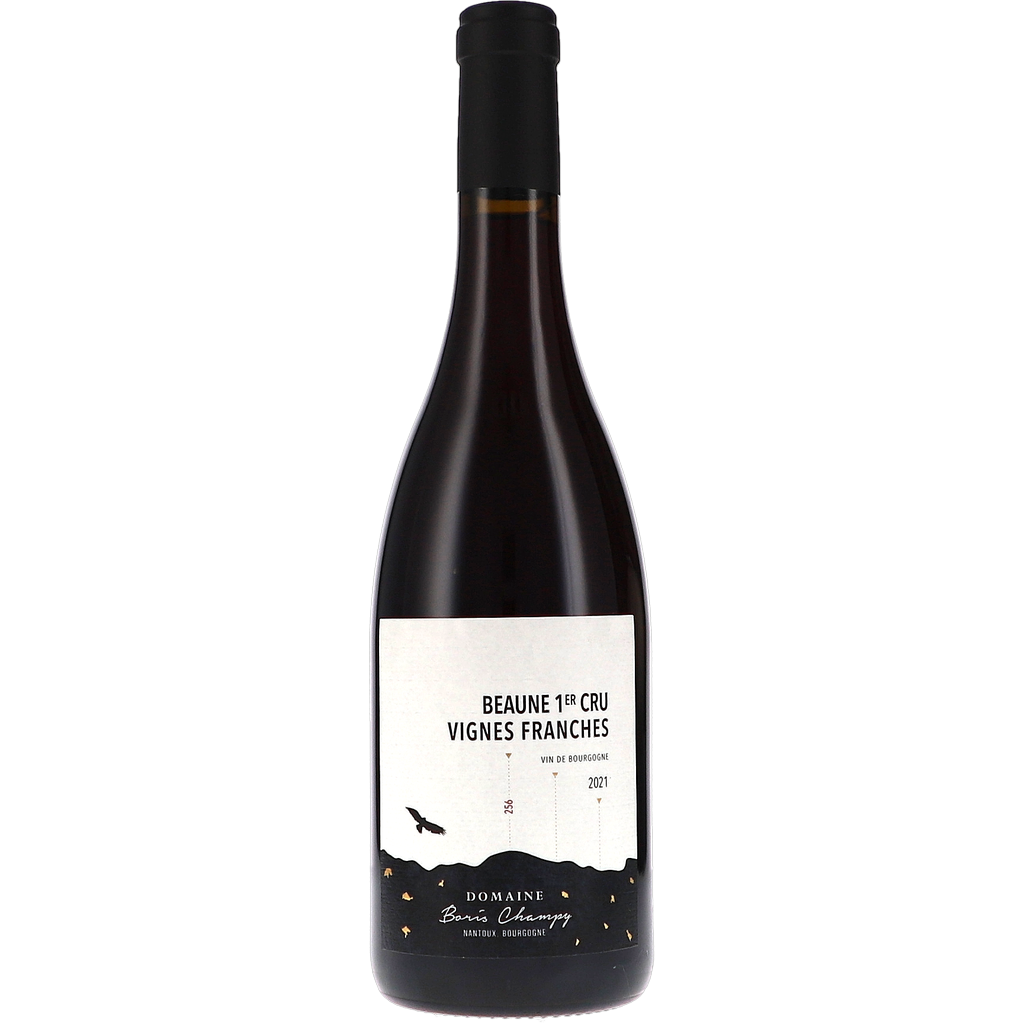
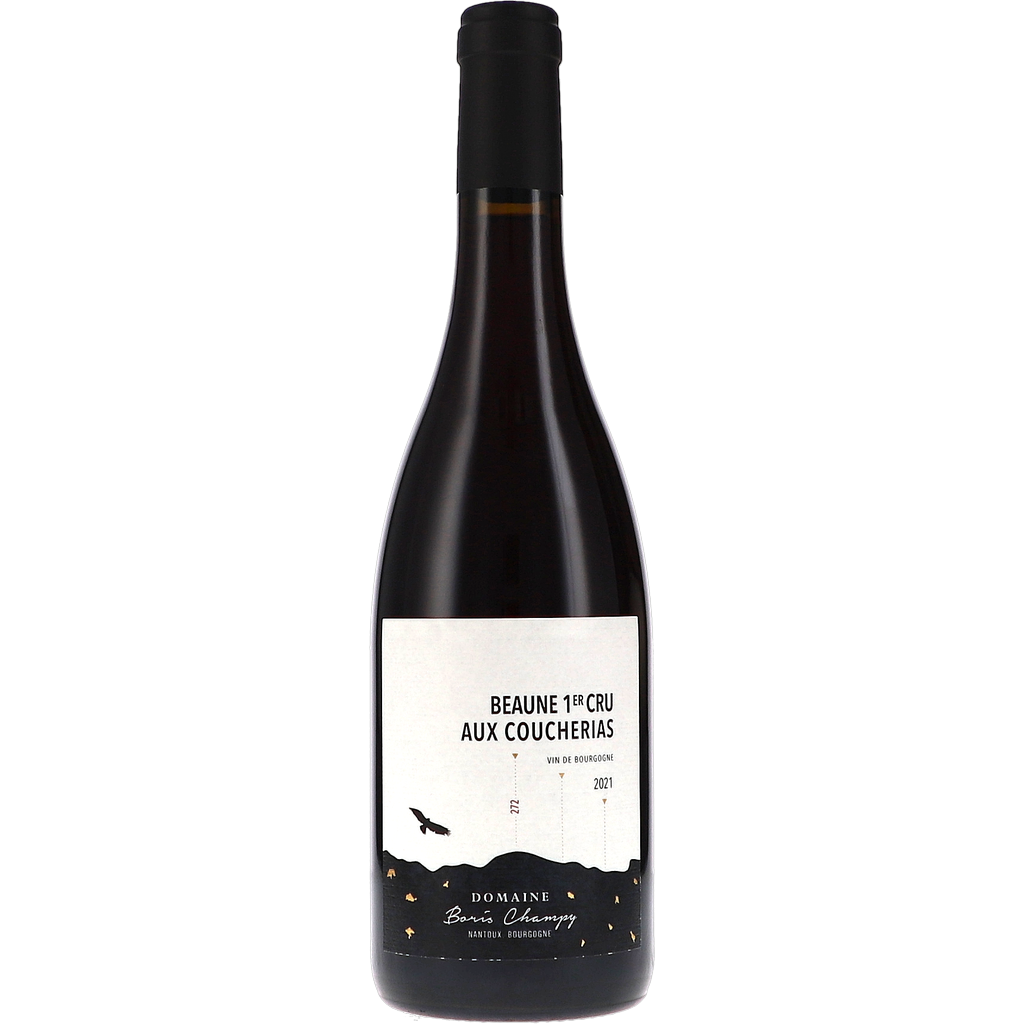
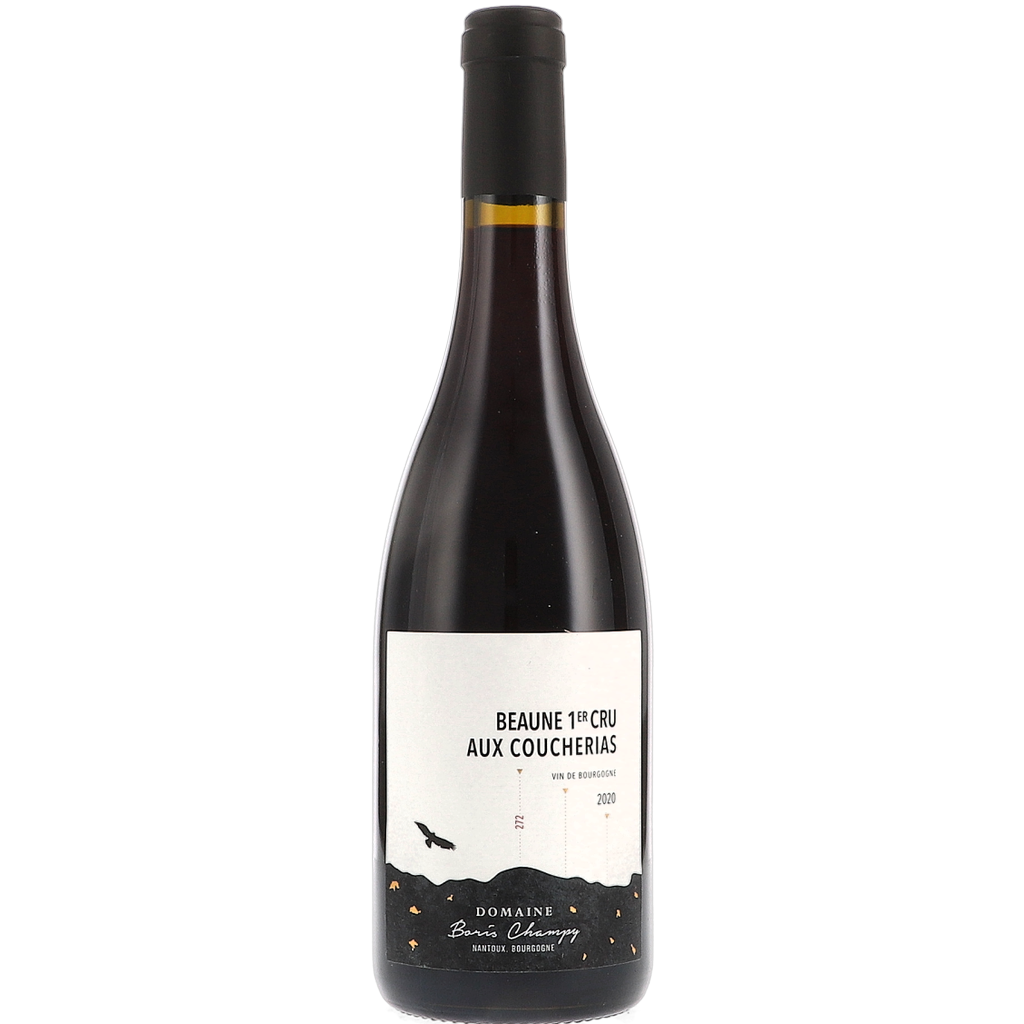
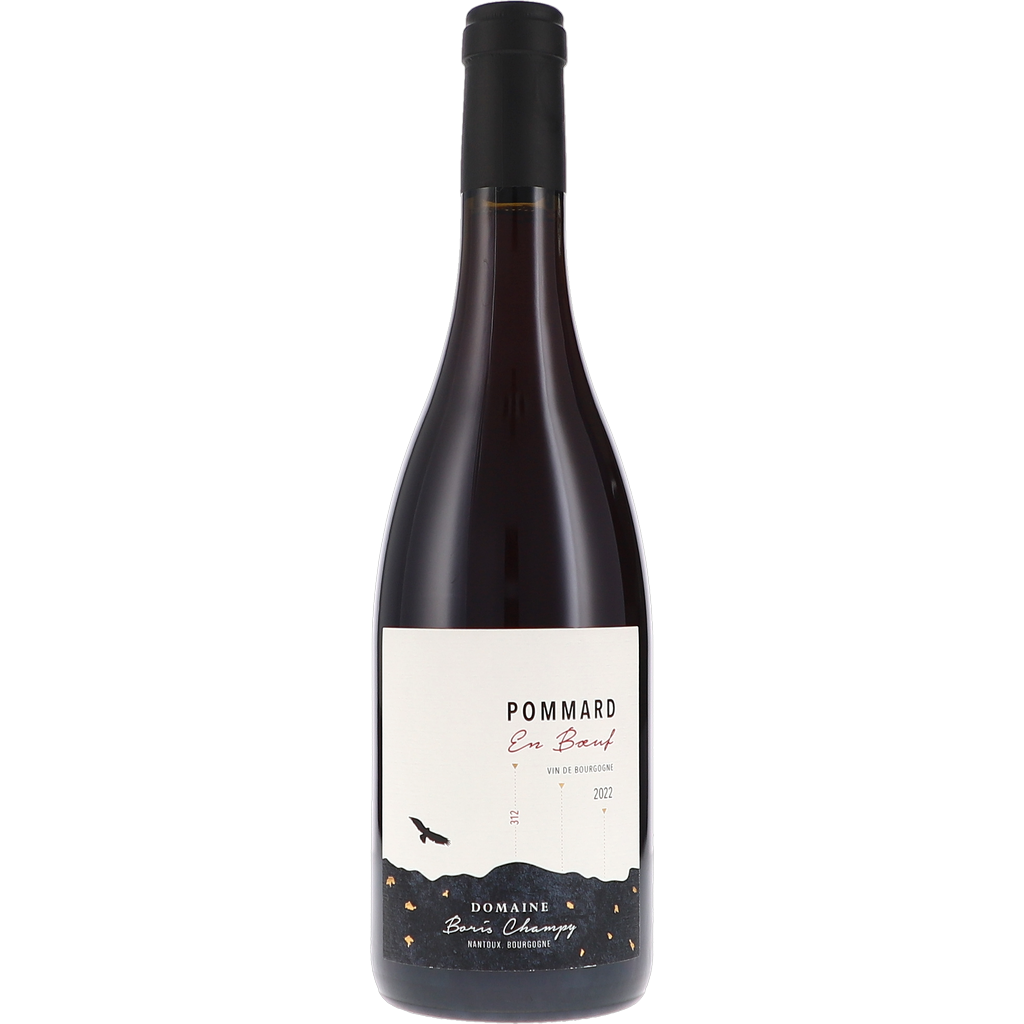
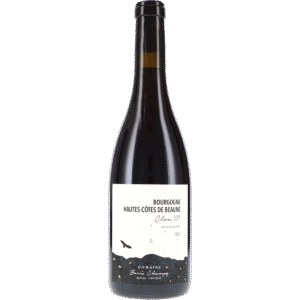
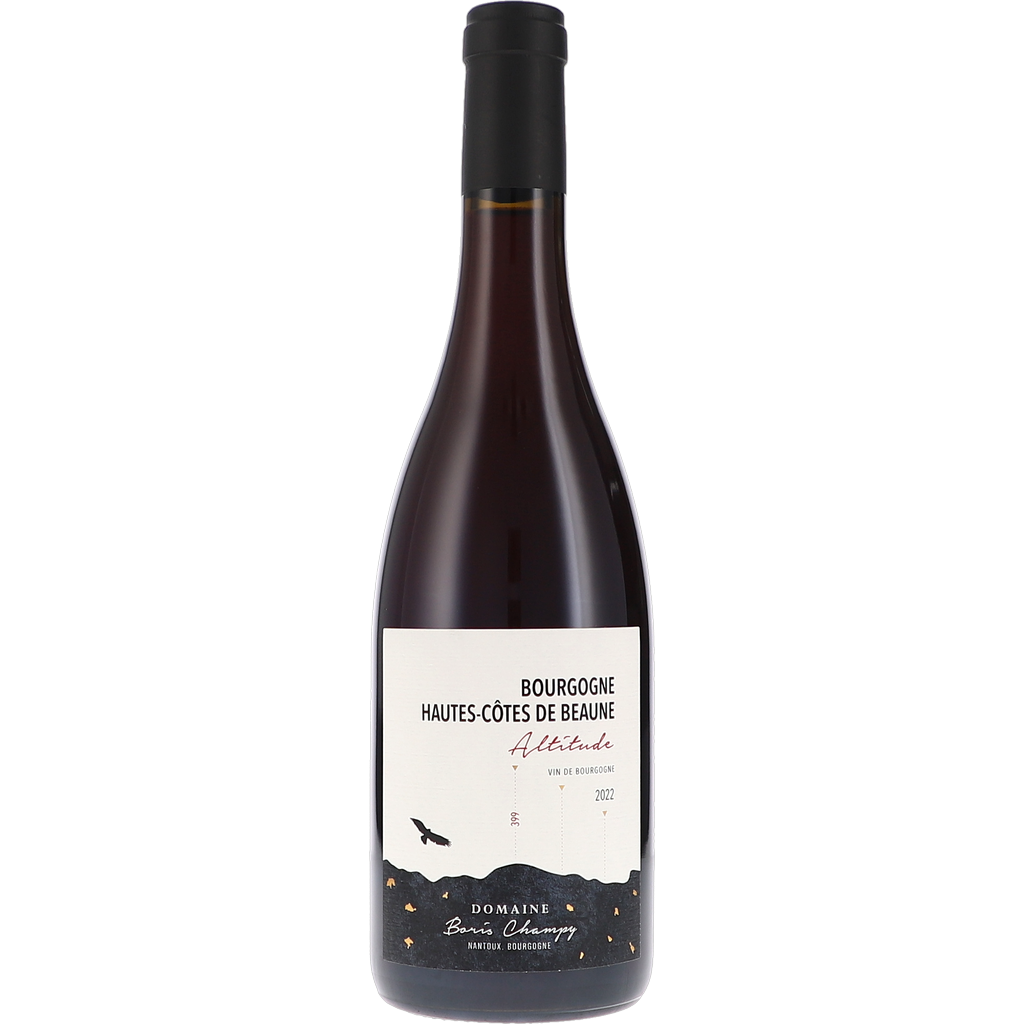
The soils at Le Clou and En Bignon, the parcels for Altitude, show red clay and white clay rich in marl; some of these vineyards were planted as early as the 1980s. These are complemented by parcels in Pommard and the Beaune Premiers Crus Aux Coucherias and Vignes Franches.
Sélections massales and 10,000 vines per hectare
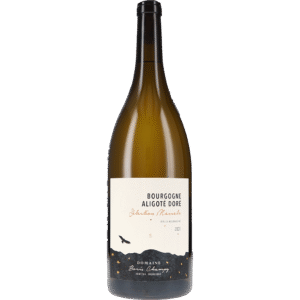
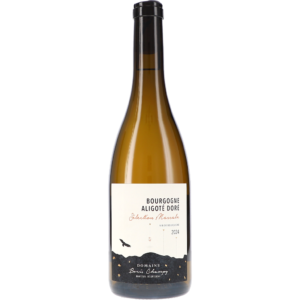
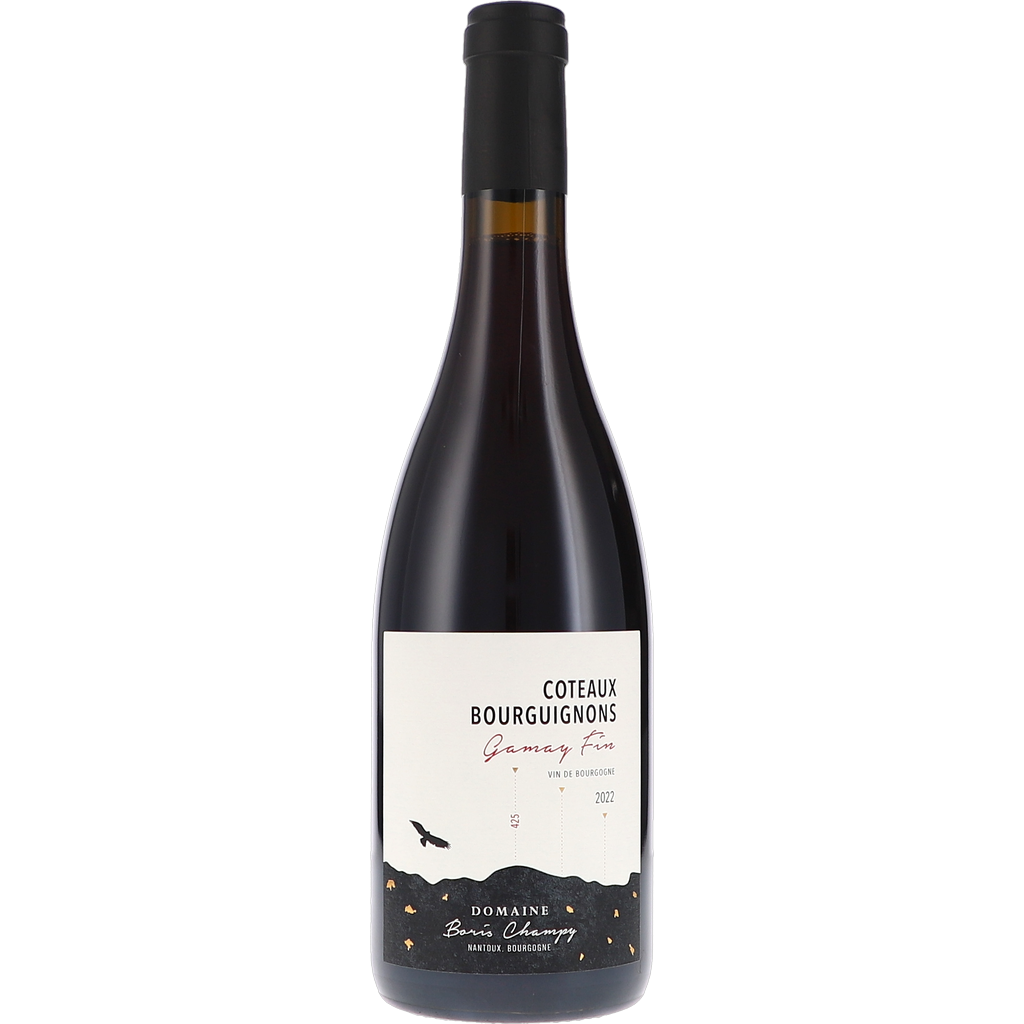
Planting density is 10,000 vines per hectare, trained in Guyot and lyre systems. The plant material comes from old sélections massales, some from vines predating phylloxera. The Bourgogne Aligoté Doré grows in a vineyard above 400 metres, where the sélection massale bears golden berries, which gives the wine its name; the Gamay for the Coteaux Bourguignons Gamay Fin stands in three parcels of the Hautes-Côtes de Beaune, likewise from old sélections massales.
These vineyards have been farmed biodynamically since 1984. Boris Champy prepares the biodynamic preparations in a self-built tisanière, and hedgerows, stone walls, orchards and sheep are part of the landscape around Nantoux.
Spontaneous fermentation and ageing in foudre
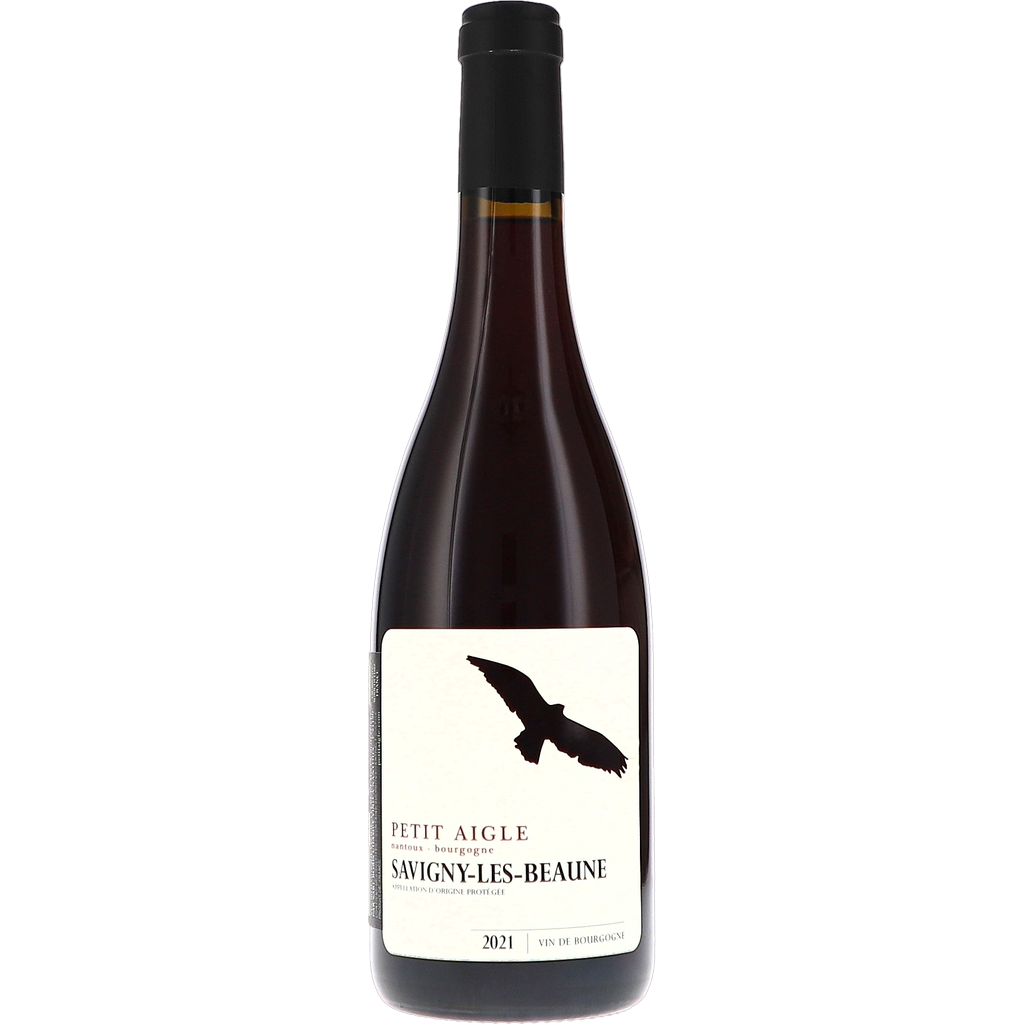
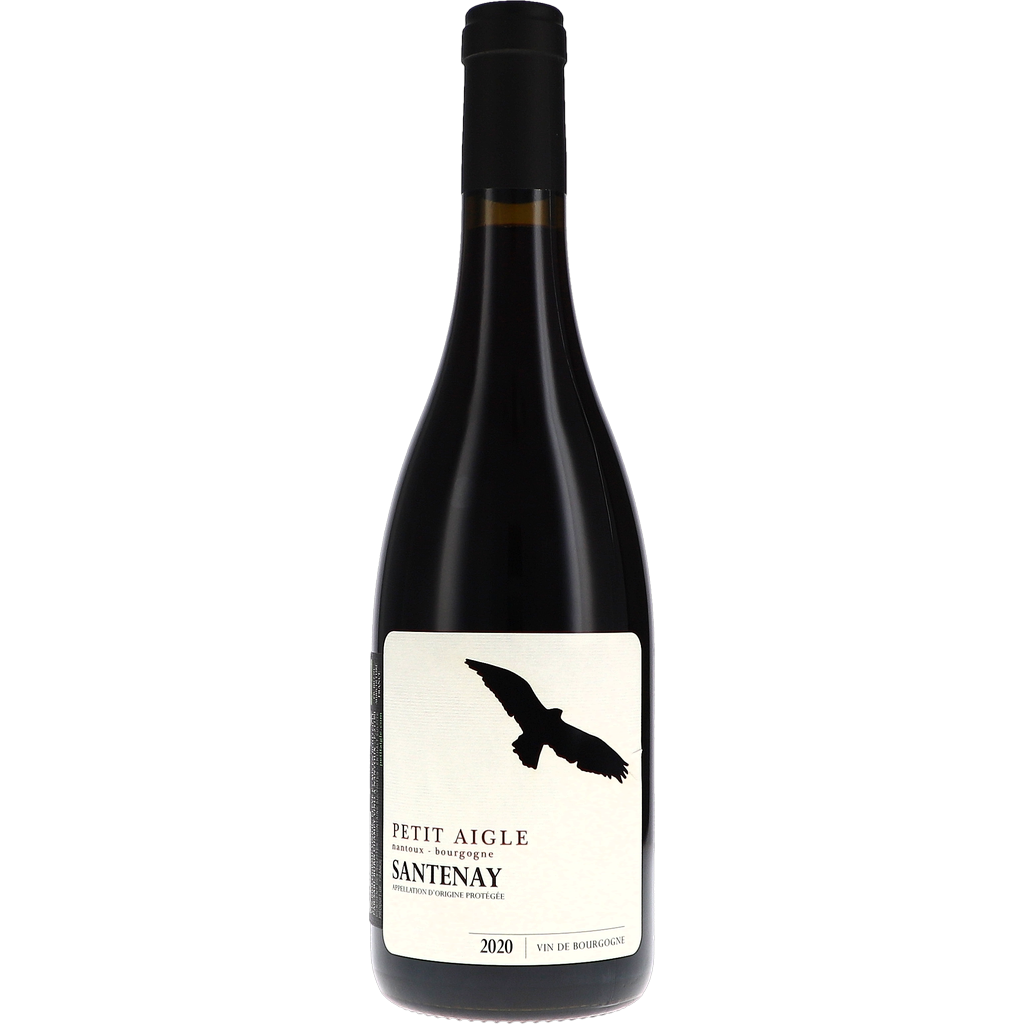
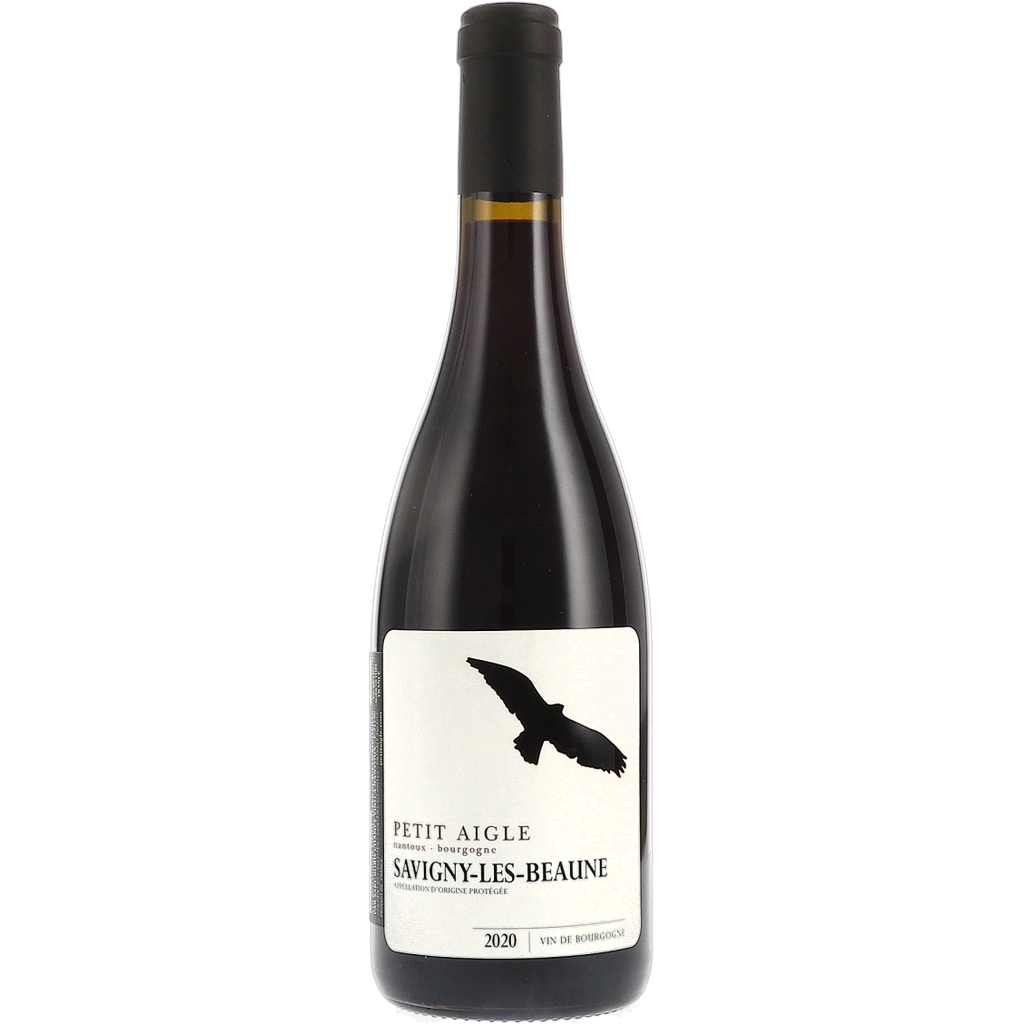
The wines ferment spontaneously with their own native yeasts. For the Pinot Noir, Boris Champy uses a portion of whole clusters and extracts gently; ageing lasts twelve months in foudre, 15 percent of it in new oak. Half of the Gamay goes into carbonic maceration as whole clusters, ferments in a wooden fermenter with nine days on the skins, and then ages for around twelve months in old pièce and foudre. The Aligoté spends twelve months, 70 percent in used pièces on the lees and 30 percent in stainless steel, while the Chardonnay from Montagne de Cras ages in pièces with 15 percent new oak and 35 percent second-fill, with occasional bâtonnage. These are complemented by the Crémant de Bourgogne Élévation 424 and the second label Petit Aigle from Savigny-lès-Beaune and Santenay.