Rémi Jobard
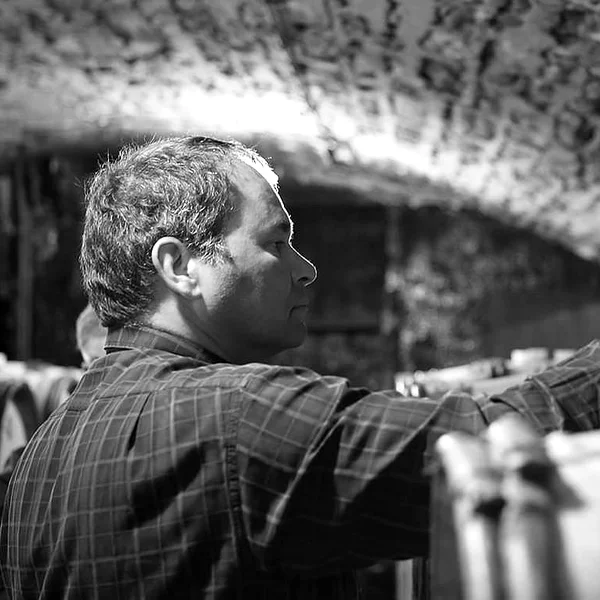
Domaine Rémi Jobard farms nine hectares in Meursault in the Côte de Beaune, along with premier cru parcels in Monthélie and Volnay. Rémi Jobard runs the estate, whose winemaking tradition, according to the earliest records, dates back to the 16th century. He presses the chardonnay grapes for six to twelve hours at low pressure and ages the wines in 600-litre casks made by the Austrian cooper Stockinger. Chemical fertilisers and pesticides were removed from the vines in 1994, herbicides in 1998, and the entire estate is Ecocert certified. The guiding theme of his work is Meursault's limestone soils. His chardonnays stay lean and mineral as a result.
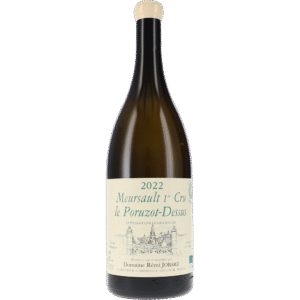
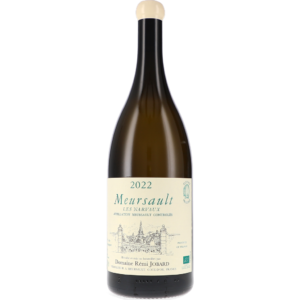
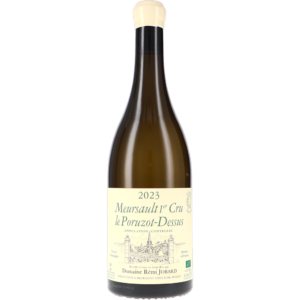
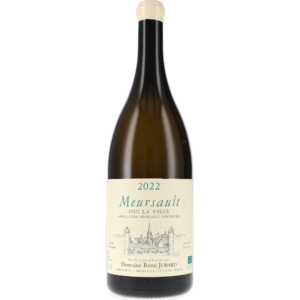
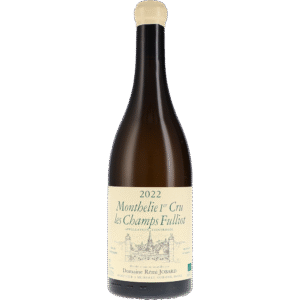
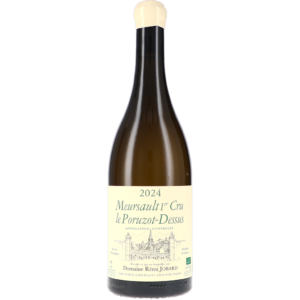
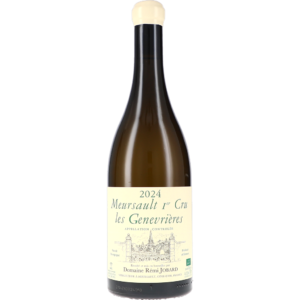
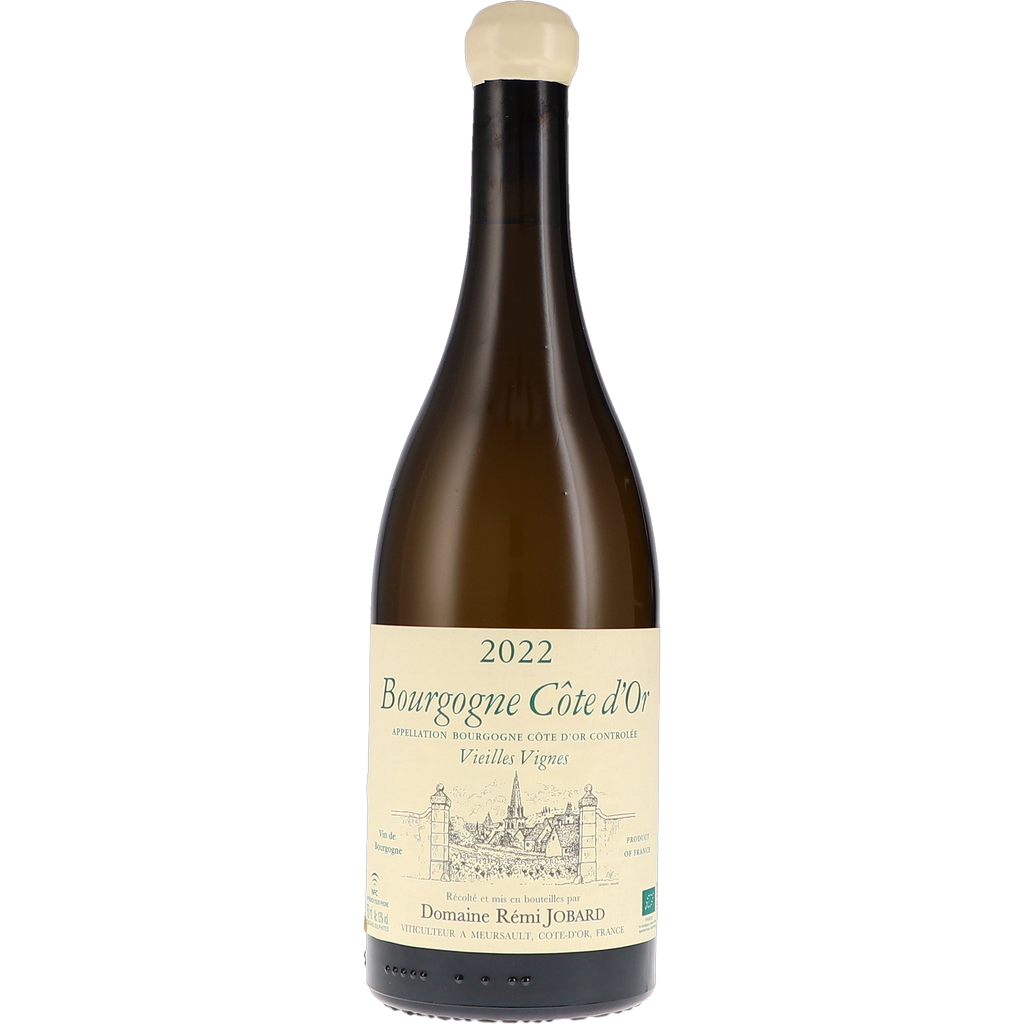
Nine hectares in Meursault
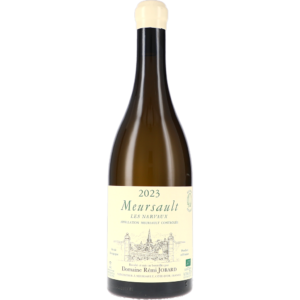
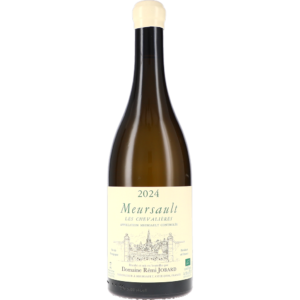
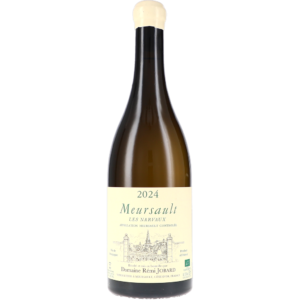
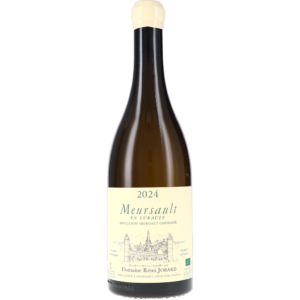
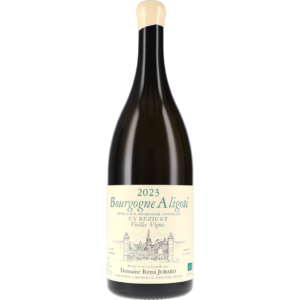
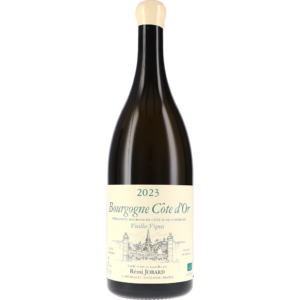
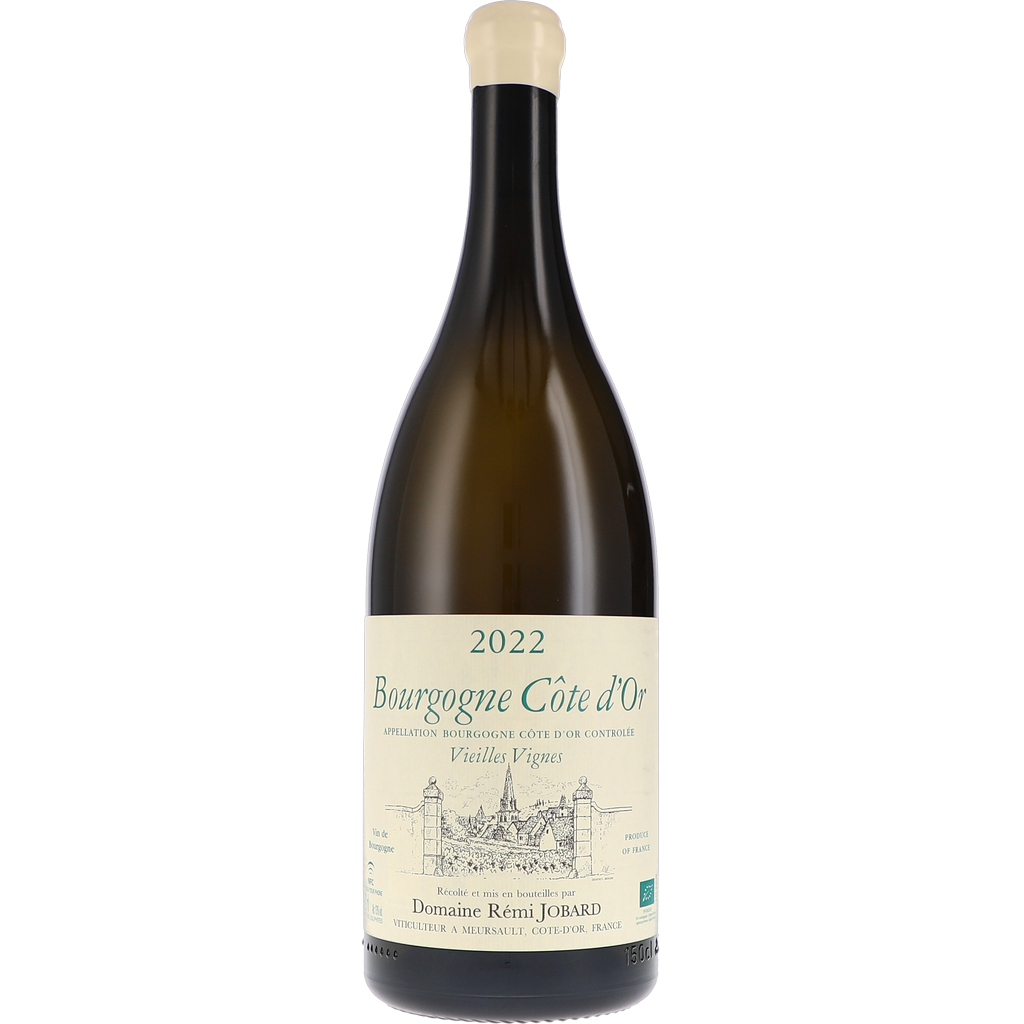
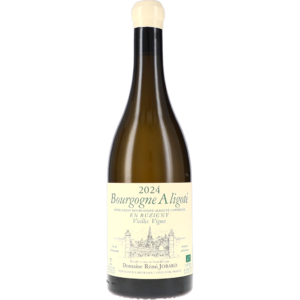
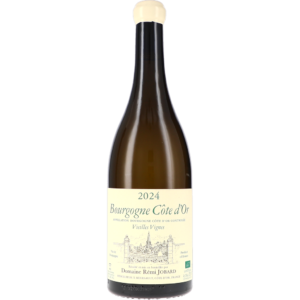
Around two and a half hectares lie in the village's village-level sites, each bottled separately: Sous la Velle, Les Chevalières, Les Narvaux and En Luraule. Further vines stand in sites bordering Meursault, the source of the Bourgogne Côte d'Or Vieilles Vignes. This appellation was only introduced a few years ago and restricts the production zone to the core of the Côte d'Or. Rémi Jobard harvests the Aligoté from old vines at En Buzigny.
Work in the vine rows
Fertilisation has been exclusively organic for around thirty years, with certification for organic farming following in 2008. Rémi Jobard works the vine rows by hand and keeps them under cover crop; cordon pruning limits yields. In Les Charmes and in Monthélie he works biodynamically, with strict yield control and selective hand-picking. He describes what he aims to achieve in his own words: "We have the privilege of owning great terroir in Meursault. Everything I do in the vineyard and in the cellar serves to let that terroir express itself transparently and without disguise."
Premiers crus in Meursault and Monthélie
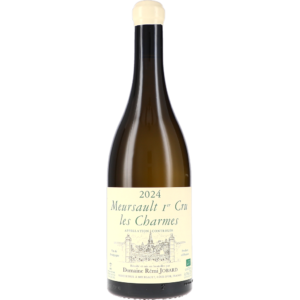
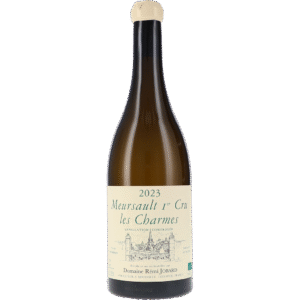
Les Charmes lies on the southern edge of Meursault, at 260 to 280 metres and with a south-east exposure. The soils there consist of stony limestone marl with a high flint content. The wine gains richness, while the limestone keeps it mineral. Les Genevrières takes its name from the juniper bushes that once grew here, and from old vines yields a taut minerality. Le Poruzot-Dessus sits high on the slope between 230 and 280 metres, where clay-rich soils produce wines of power and ageing potential. Les Narvaux and Le Poruzot-Dessus are also made as Élevage Prolongé, with extended ageing.
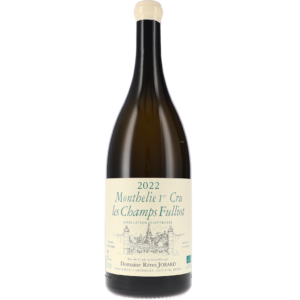
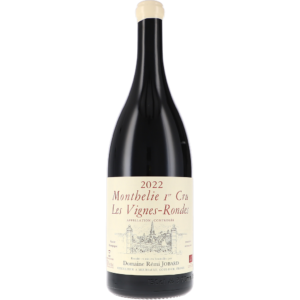
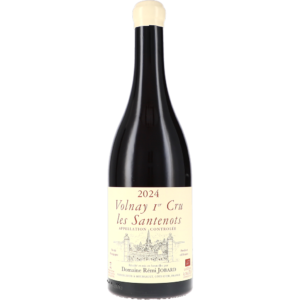
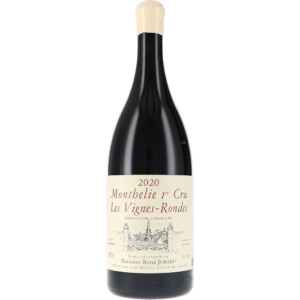
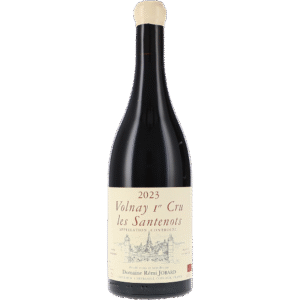
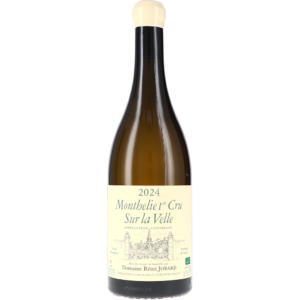
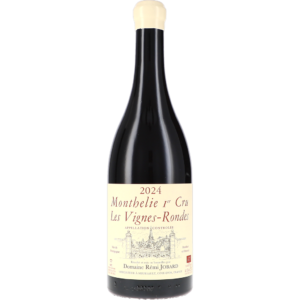
In Monthélie, Sur la Velle lies above Volnay, facing south-east on limestone-and-clay soil; Les Champs Fulliots, at 250 to 300 metres, is among the higher-lying parcels and ages half in barriques, half in older foudres. Rémi Jobard harvests the Pinot Noir in Volnay 1er Cru Les Santenots and in Monthélie 1er Cru Les Vignes-Rondes.
Six to twelve hours of pressing
Two large presses stand in the vaulted cellars, both sized to process the grapes over many hours at low pressure. What is picked in the morning is pressed by Rémi Jobard for at least six hours, while the afternoon harvest is often pressed overnight, a full twelve hours. Fermentation starts spontaneously with indigenous yeasts.
The wines are aged in 600-litre half-casks built by the cooper Stockinger, using wood sourced from France, Austria and Slavonia. This volume means less wood contact per litre and a slower exchange of oxygen. After around twelve months in wood, no more than a fifth of it new, the wines rest a further six months in stainless steel tanks, and are bottled unfiltered with minimal sulphur. Their stability comes from two winters of maturation.