Rougeot Père & Fils
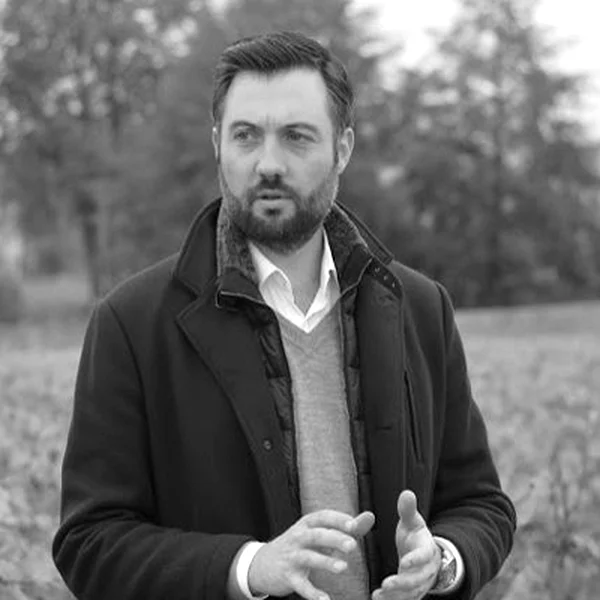
Domaine Rougeot Père & Fils in Meursault farms 12.6 hectares along the Côte de Beaune, with parcels in Volnay, Pommard and Saint-Romain. Pierre-Henri Rougeot took over the estate in 2016 and has since produced only quality wines, some of them without added sulfur. The estate has been organic-certified since 2020, and conversion to Demeter biodynamic certification has been underway since 2021. In the vineyard he works by hand, and in the cellar with his own yeasts, long ageing without bâtonnage and without filtration; the Pinot Noirs ferment unstemmed, as whole clusters. The wines show a saline length and a fruit character behind which the parcel remains recognizable.
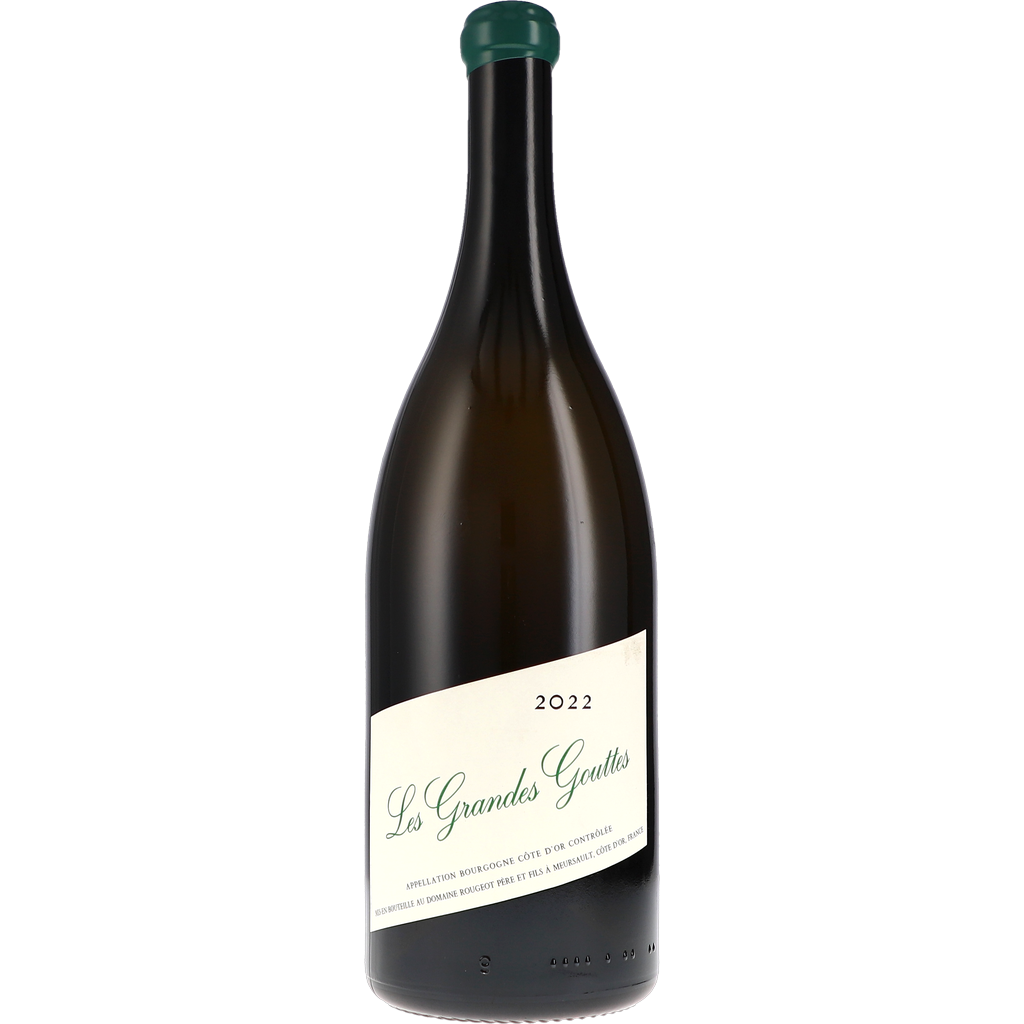
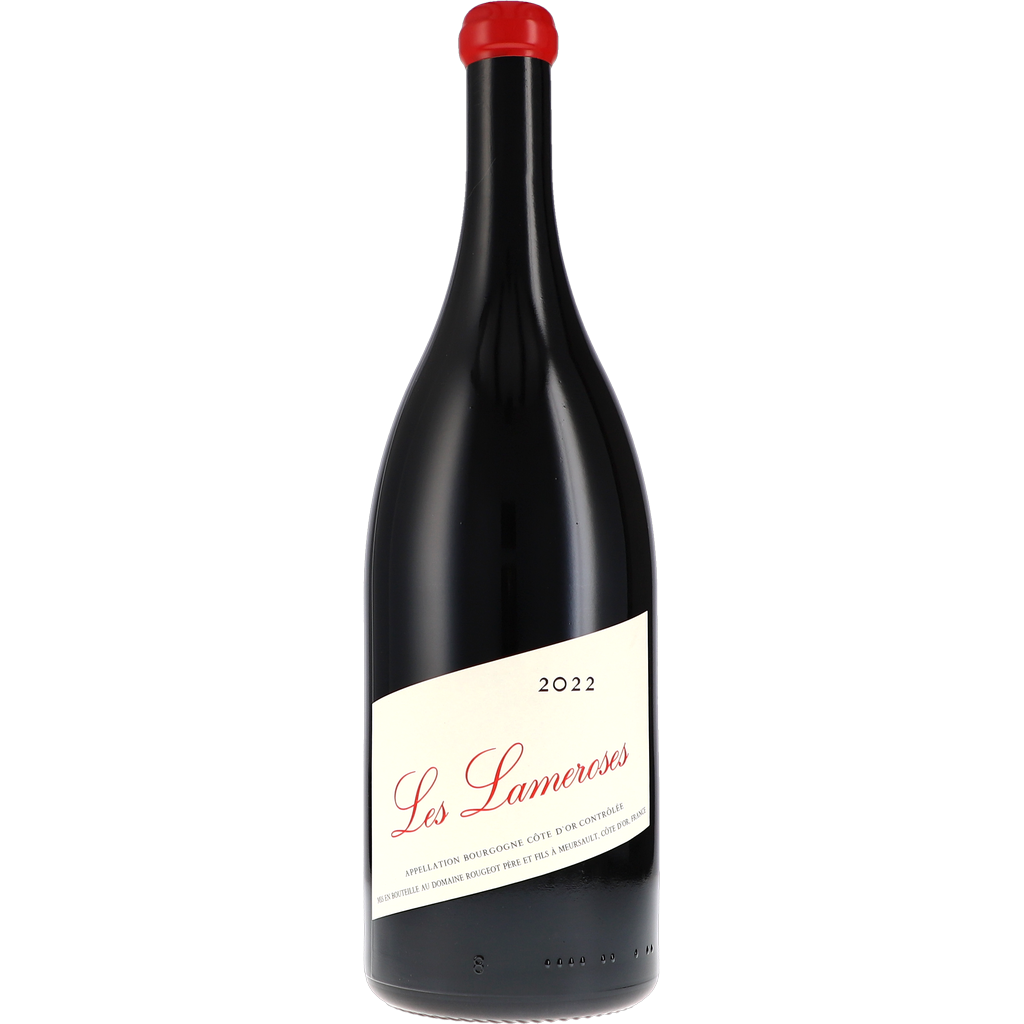
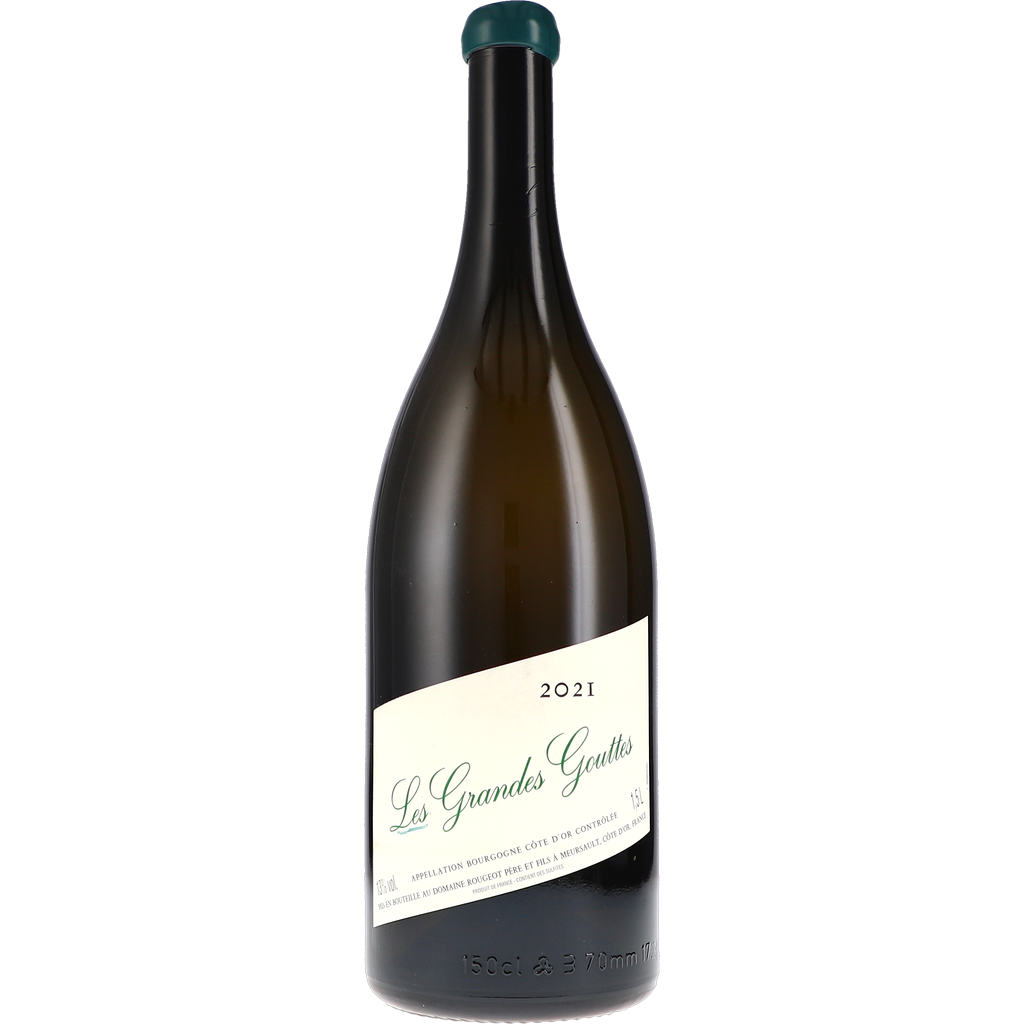
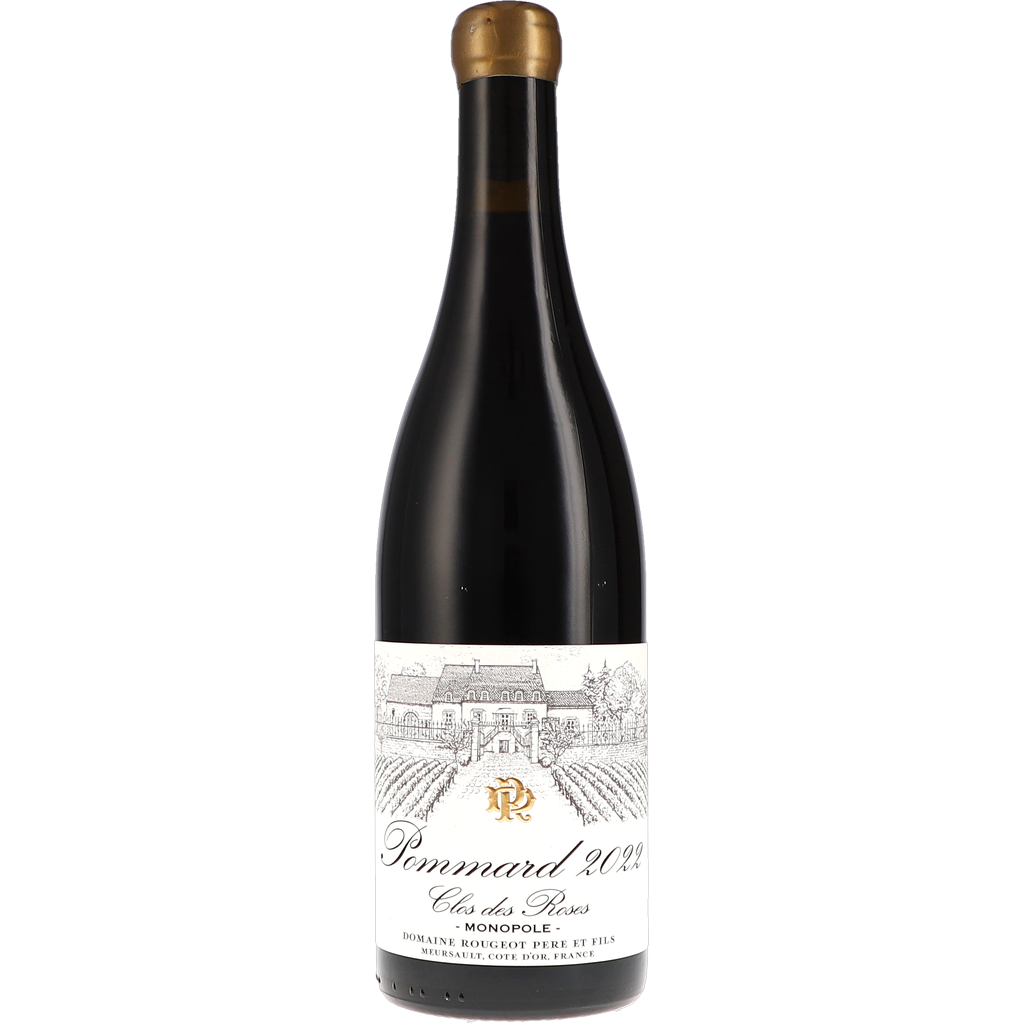
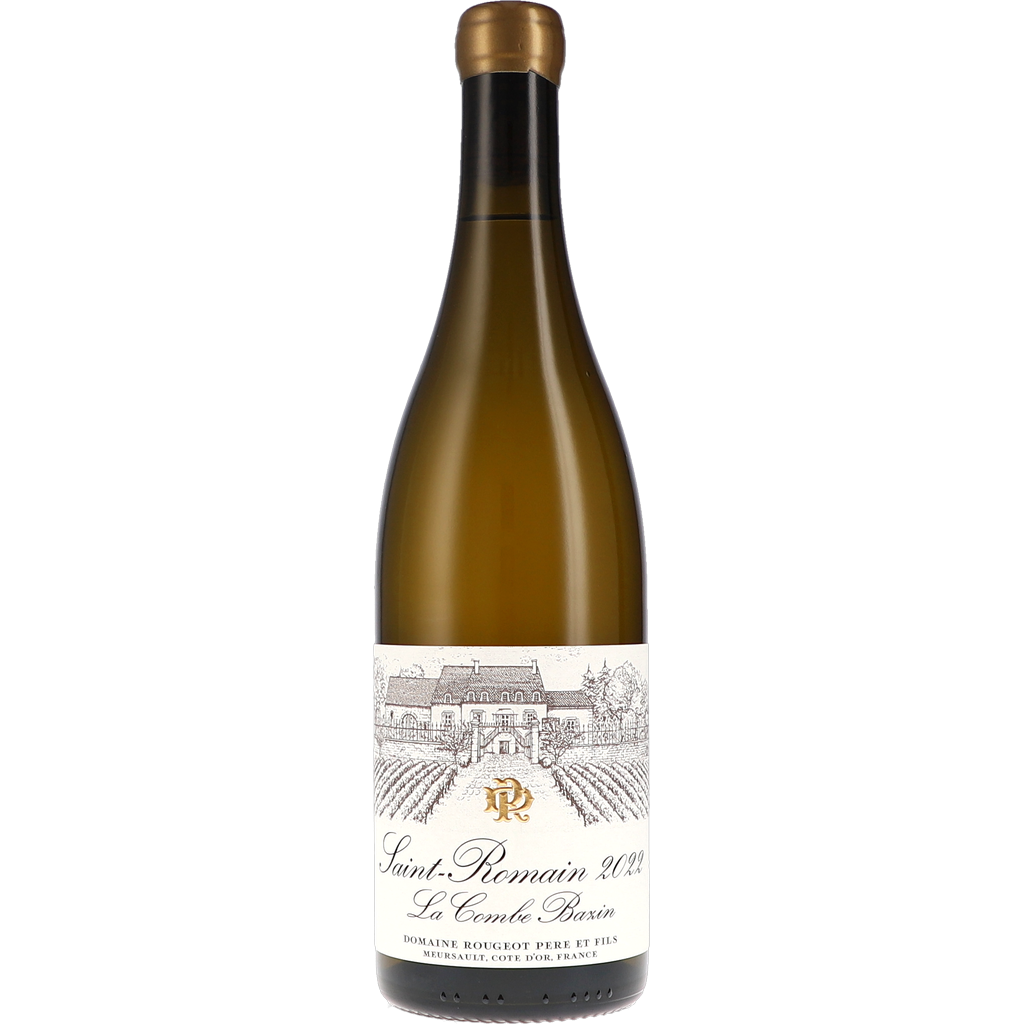
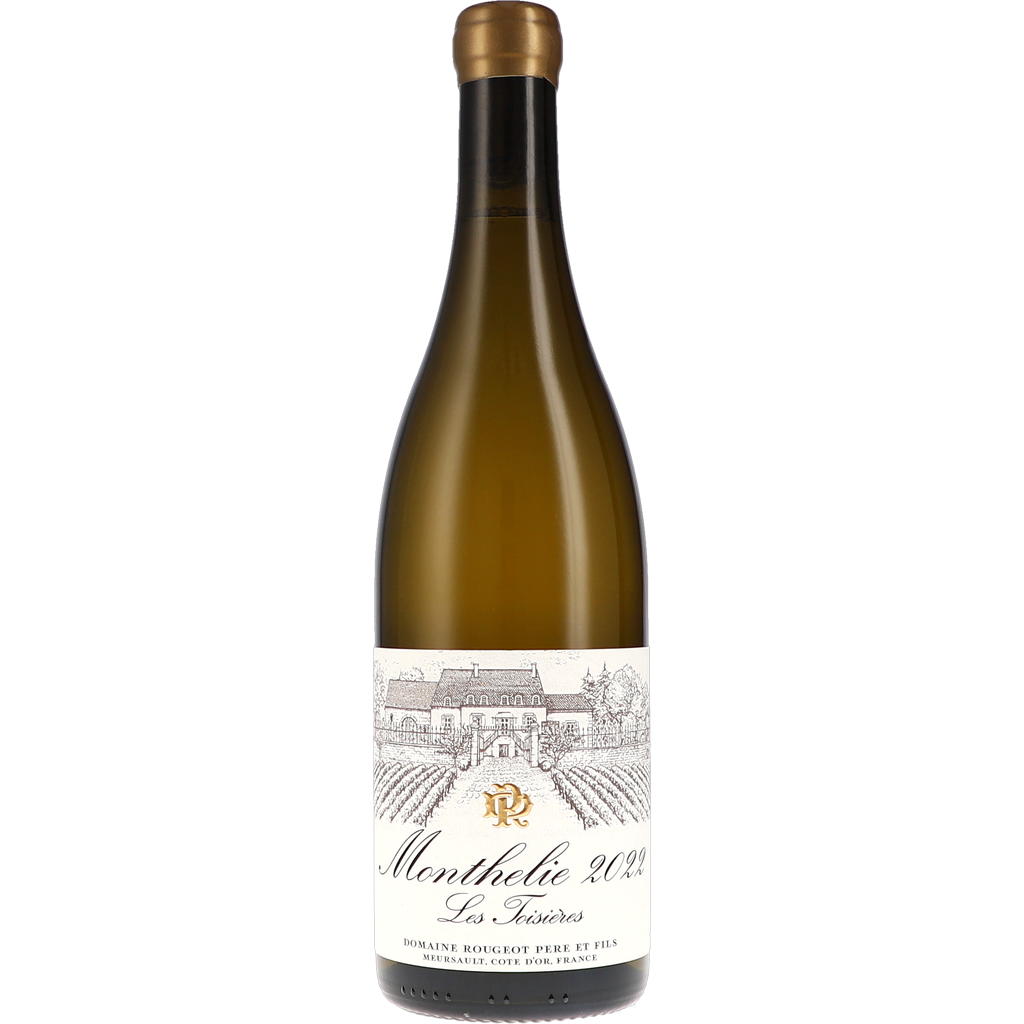
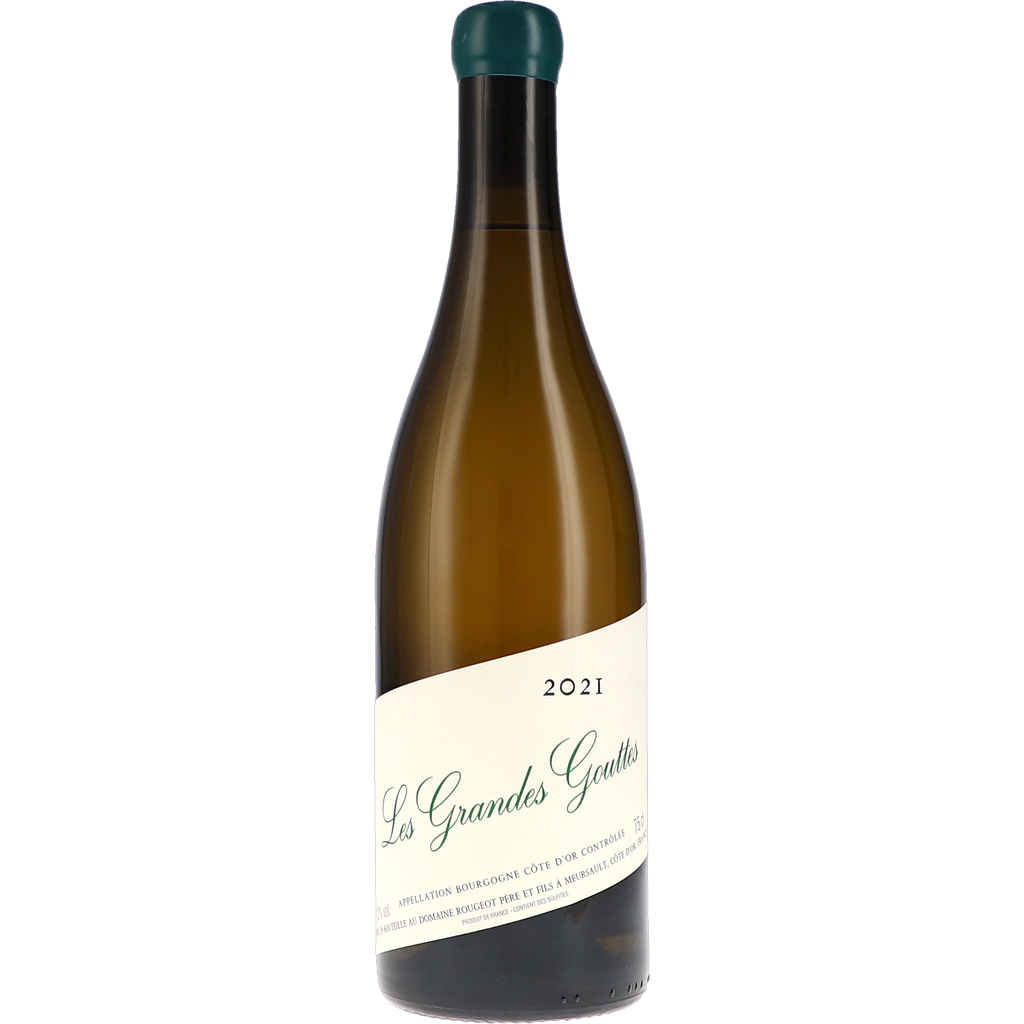
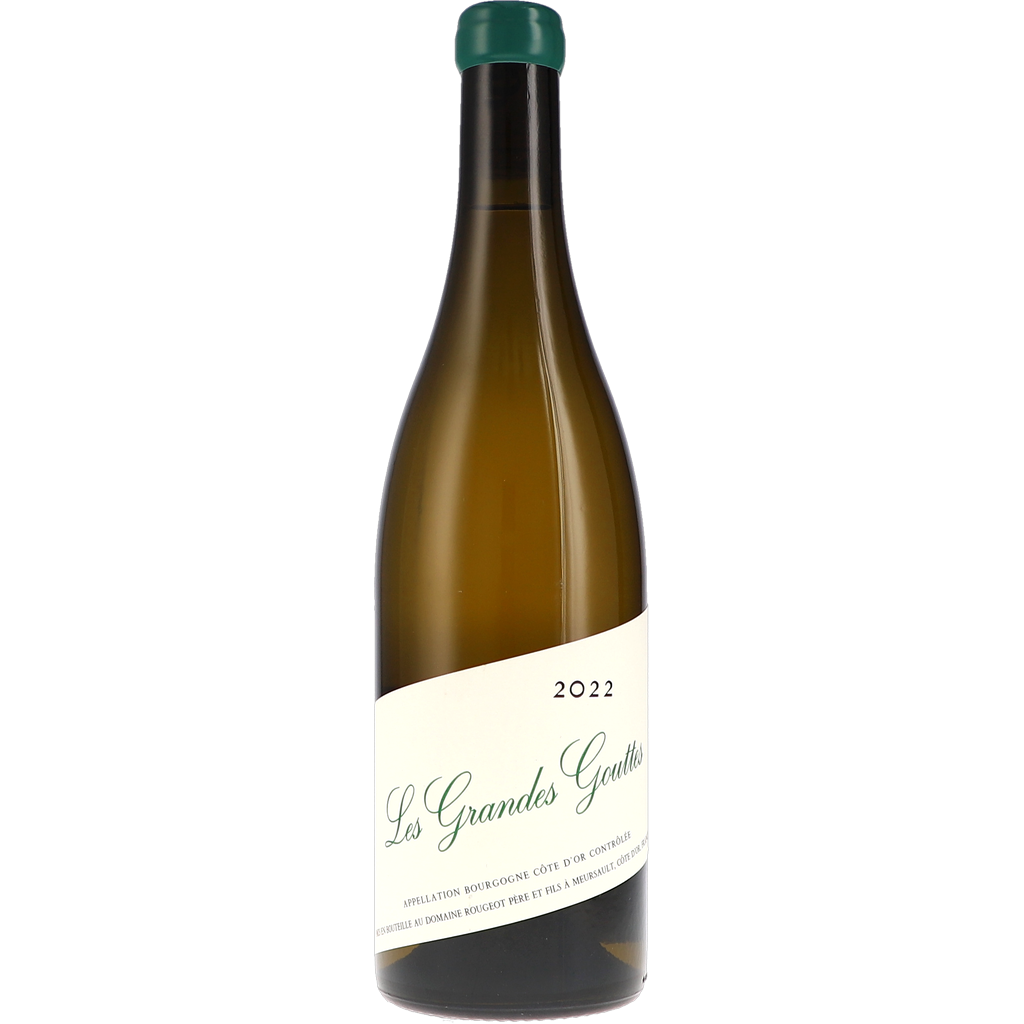
Meursault, Hubert and Marc Rougeot
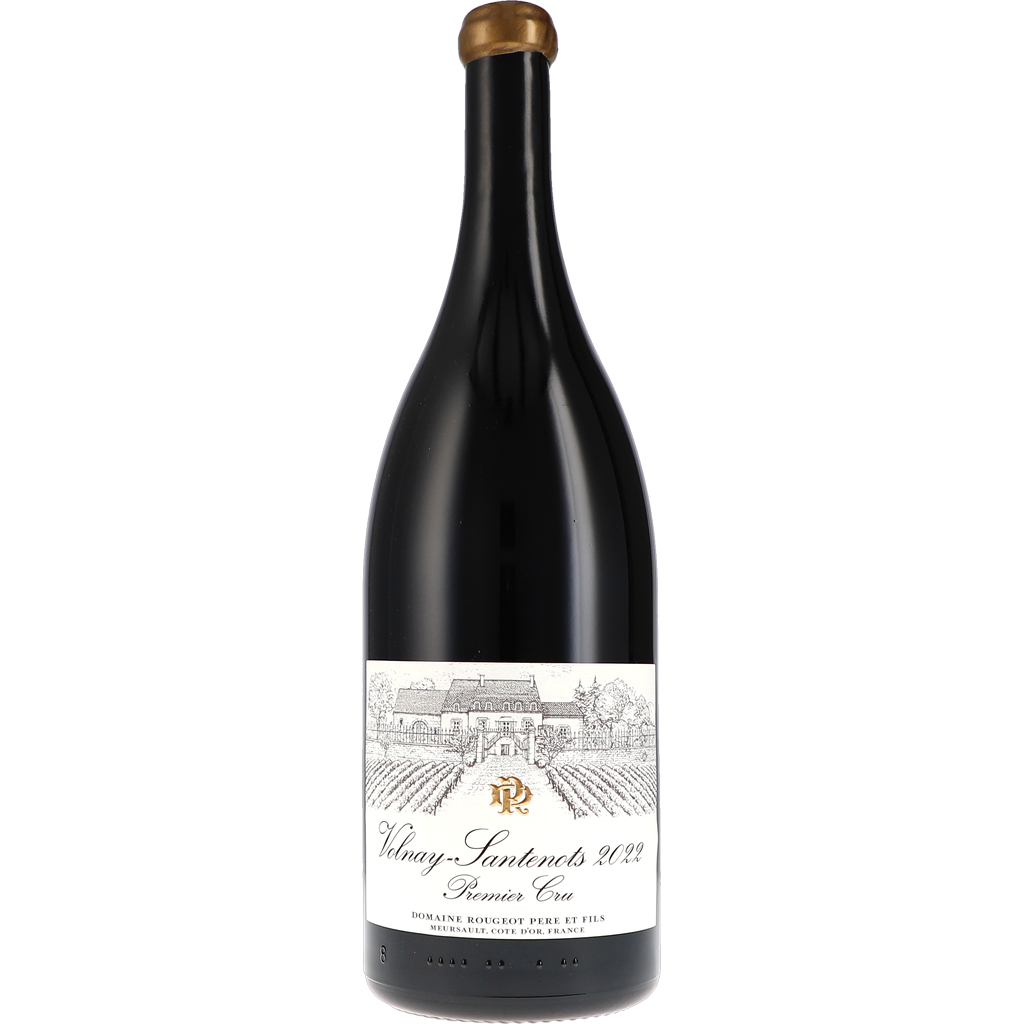
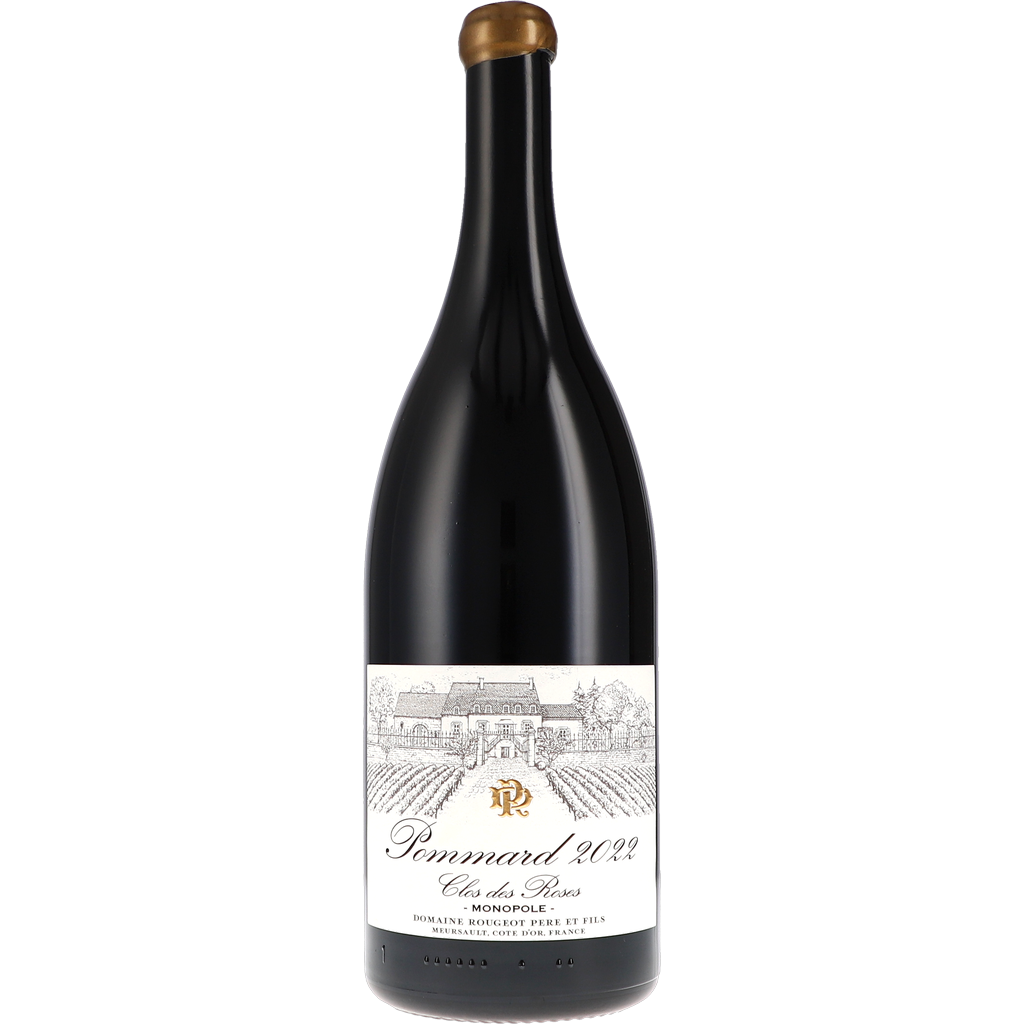
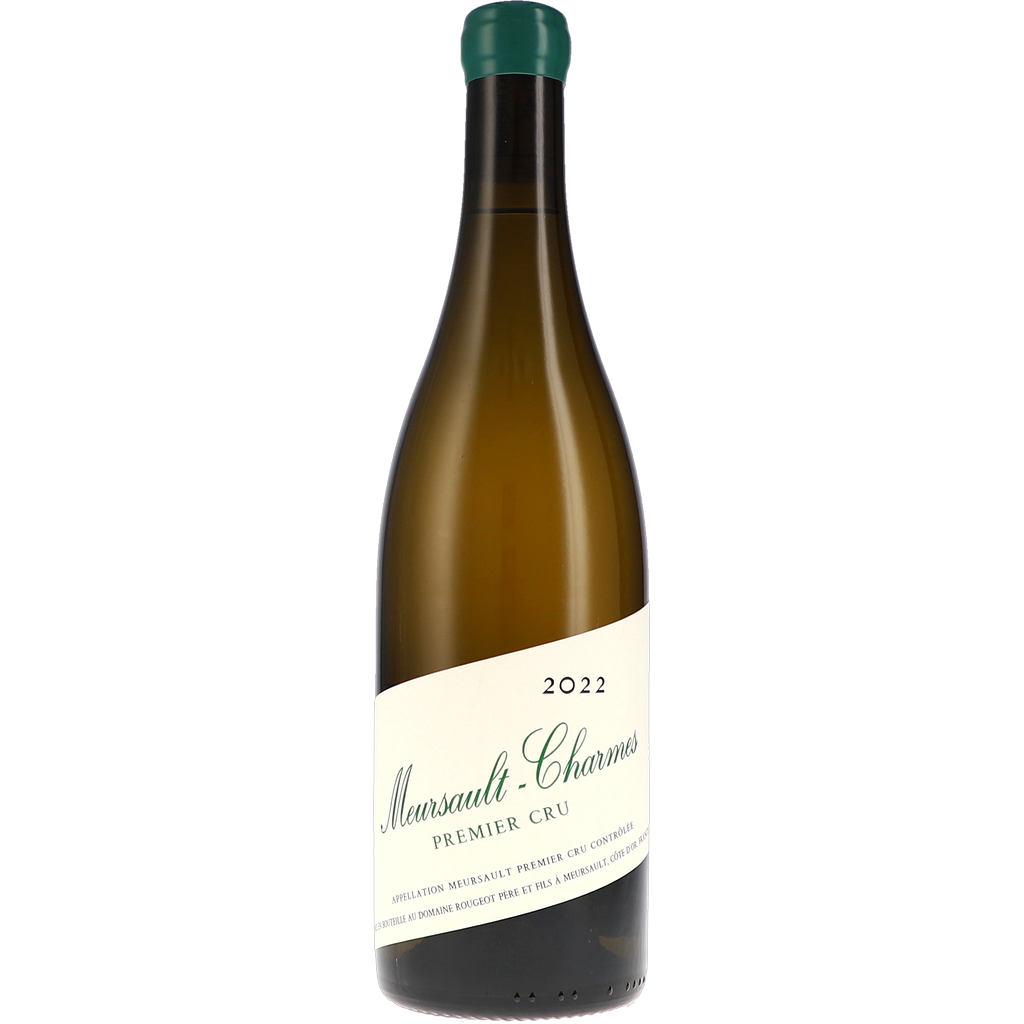
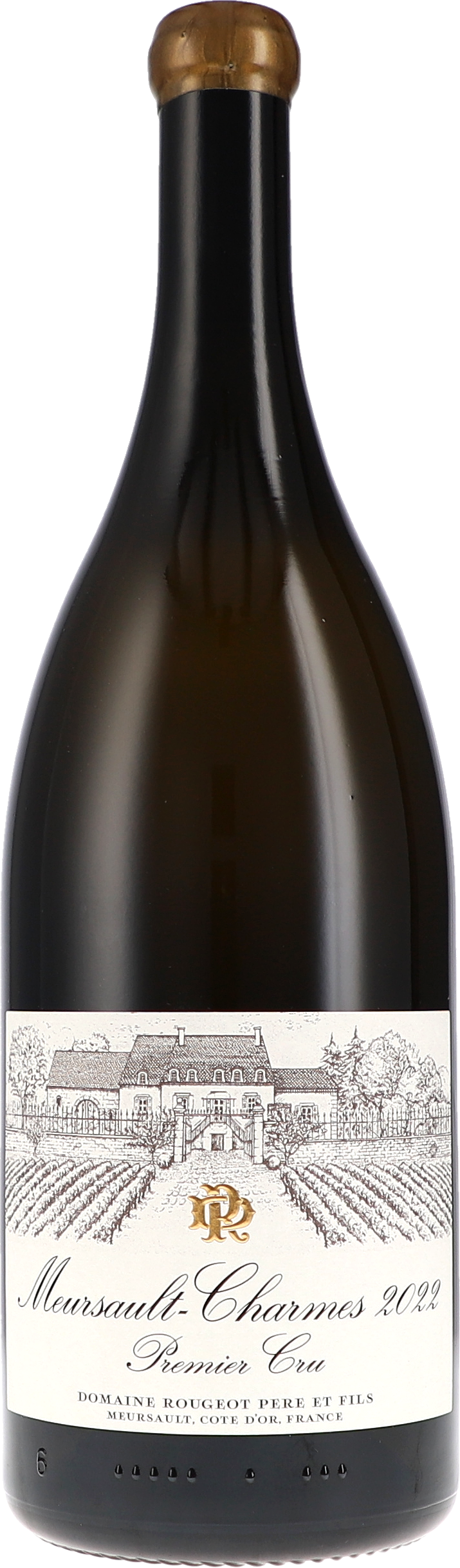
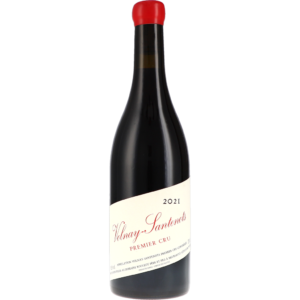
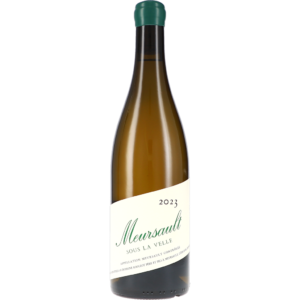
Pierre-Henri Rougeot's grandfather, Hubert Rougeot, expanded the estate in the 1960s and served as mayor of Meursault for 25 years. Under his father, Marc Rougeot, the wines were sold to French supermarkets. In 2016 Pierre-Henri Rougeot took over the 12.6 hectares, ended that business and redirected the domaine toward quality wines, many of them without added sulfur and recognizable by their diagonally striped labels.
The parcels, from Pommard to Saint-Romain
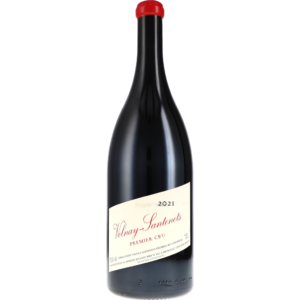
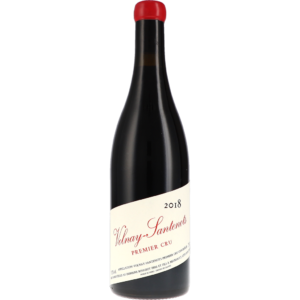
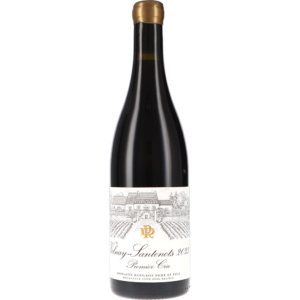
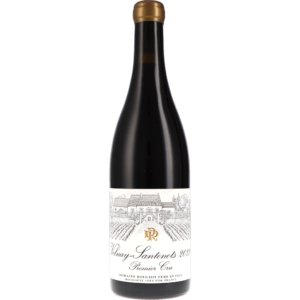
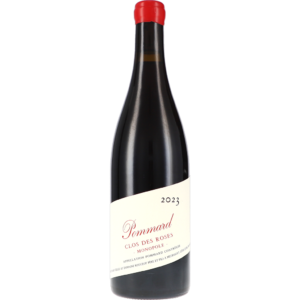
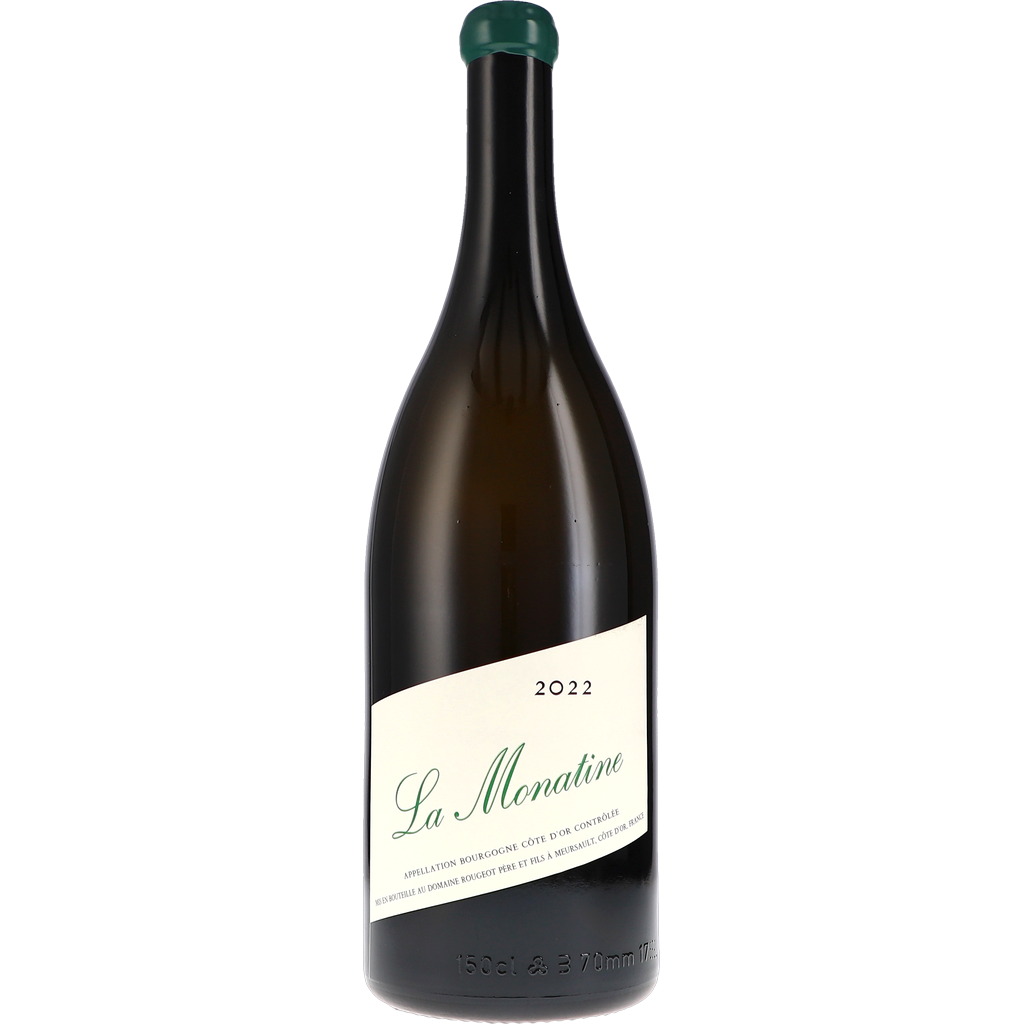
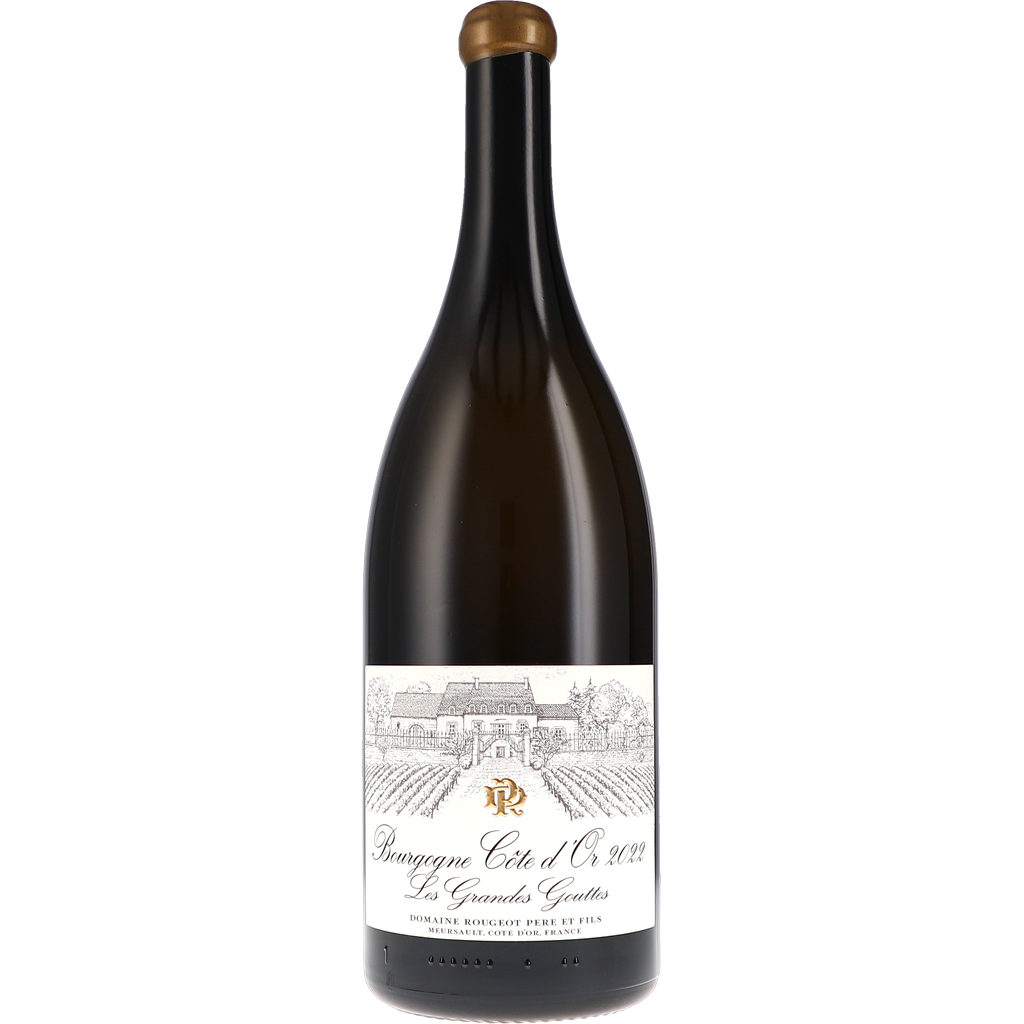
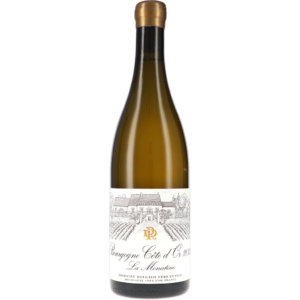
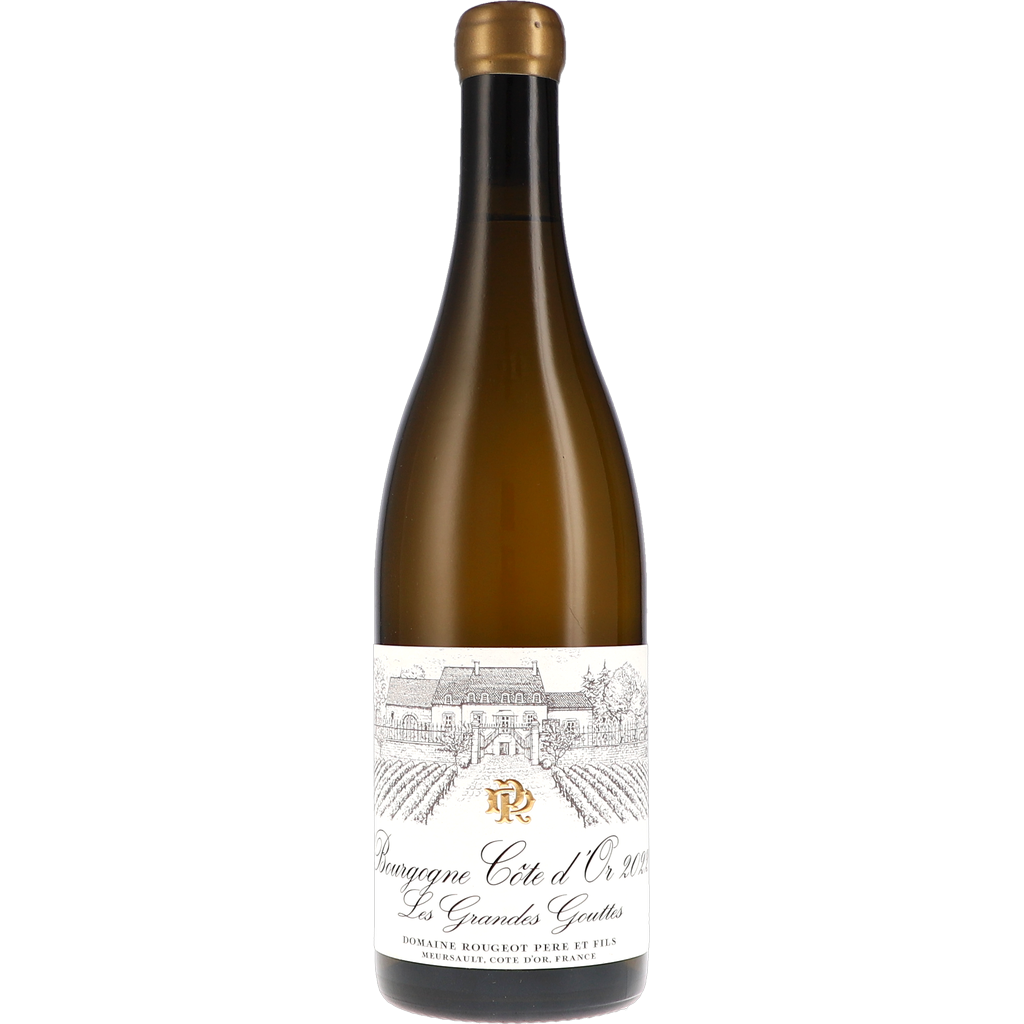
In Pommard lies Clos des Roses, a monopole held solely by the family, while Volnay supplies the Volnay-Santenots Premier Cru. Meursault provides the Meursault-Charmes Premier Cru and the flat village site Sous la Velle, 2.2 hectares of limestone-rich clay with Chardonnay vines 50 to 55 years old. In the lower part of the commune lie, on 0.85 hectares, the 30- to 50-year-old vines of En La Monatine, and to the south, on the border with Puligny-Montrachet and about 500 meters below the Premier Cru Charmes, the 1.5 hectares of Les Grandes Gouttes. Planting density everywhere is 10,000 vines per hectare.
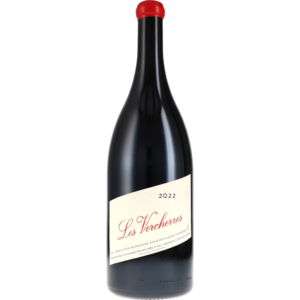
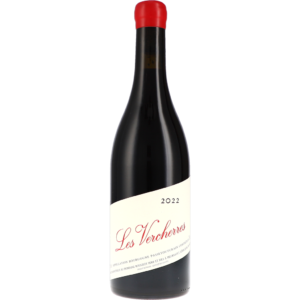
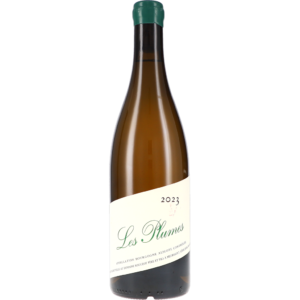
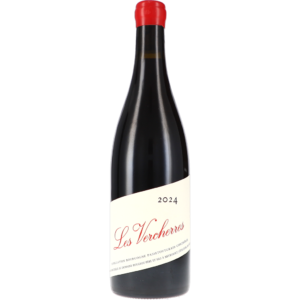
La Combe Bazin in Saint-Romain spans one hectare and sits at around 400 meters on a steep limestone slope; the Chardonnay vines there are 60 and 85 years old. Monthélie supplies the white Les Toisières, a 40-year-old mixed planting in Meursault yields the Bourgogne Passetoutgrain Les Vercherres, made from 70 percent Gamay and 30 percent Pinot Noir, and Meursault also provides a Bourgogne Aligoté, Les Plumes.
Handwork in the vineyard, organic since 2020
Pierre-Henri Rougeot works the vines by hand, with only minimal use of tractors. Premox, the premature oxidation of white wines, occurred repeatedly in certain parcels and prompted the conversion. Rougeot Père & Fils has been organic-certified since 2020, and the Demeter conversion has been underway since 2021. He sums up his approach in one sentence: "There can be no good wine from bad soil."
Cellars from the 18th century
The cellars were built in the 18th century for the Hospices de Beaune. The white grapes go whole and unpressed into the pneumatic press, the must settles cold for two days, and alcoholic and malolactic fermentation take place in barrel with the estate's own yeasts. The wines then age for 18 months without bâtonnage in 228-liter barrels one to ten years old, with 15 percent new oak for the Sous la Velle and the La Combe Bazin, and rest for two months in steel before bottling. There is no fining or filtration.
The Pinot Noirs go into the fermentation vat unstemmed, as whole clusters, and ferment spontaneously; for the Passetoutgrain Les Vercherres, maceration lasts eight to ten days, accompanied by one to two punch-downs and pump-overs daily, followed by seven to eight months in barrel. During ageing the wines receive no sulfur; Pierre-Henri Rougeot decides on any addition at bottling depending on the vintage.