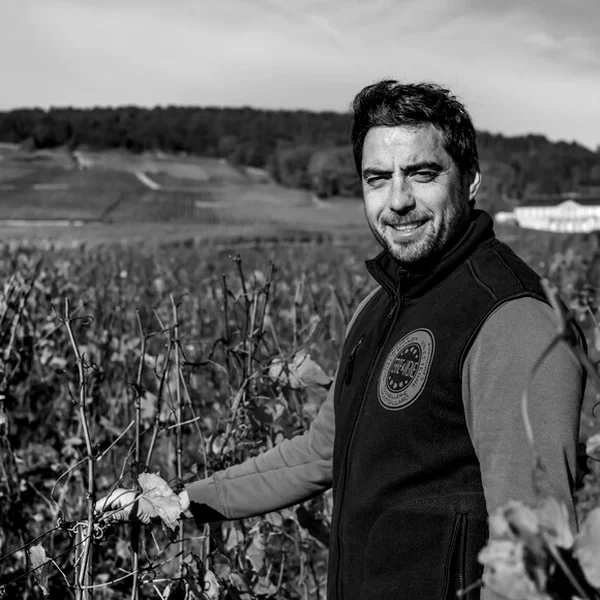
Anyone who watches Thomas Bouley at work in the vineyard understands his wine. Every vine receives individual attention, every bunch is inspected as though everything depended on it – which it does. In 2002, at just twenty years of age, he joined his father Jean-Marc and vowed to lead the domaine in Volnay to the very top. Today his name is mentioned in the same breath as Frédéric Lafarge’s. Eight hectares are spread across 29 parcels in Volnay, Pommard and Beaune – a mosaic of Burgundian vineyard sites that Thomas interprets with the utmost diversity. Organic farming without certification, biodynamic influences without dogma, and wood used with great sensitivity: never more than 50% new casks, so that fruit and elegance take centre stage.
29 parcels, one creed: precision in the vineyard
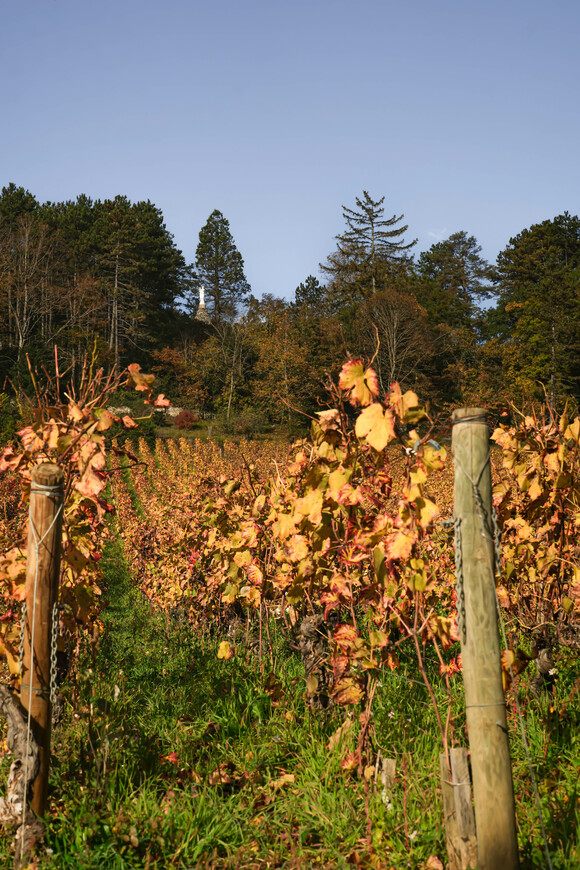
Volnay is Pinot Noir country. Lying between its neighbours Pommard and Meursault, this appellation produces wines that win you over with finesse rather than power. Thomas Bouley has taken this to heart. Across his
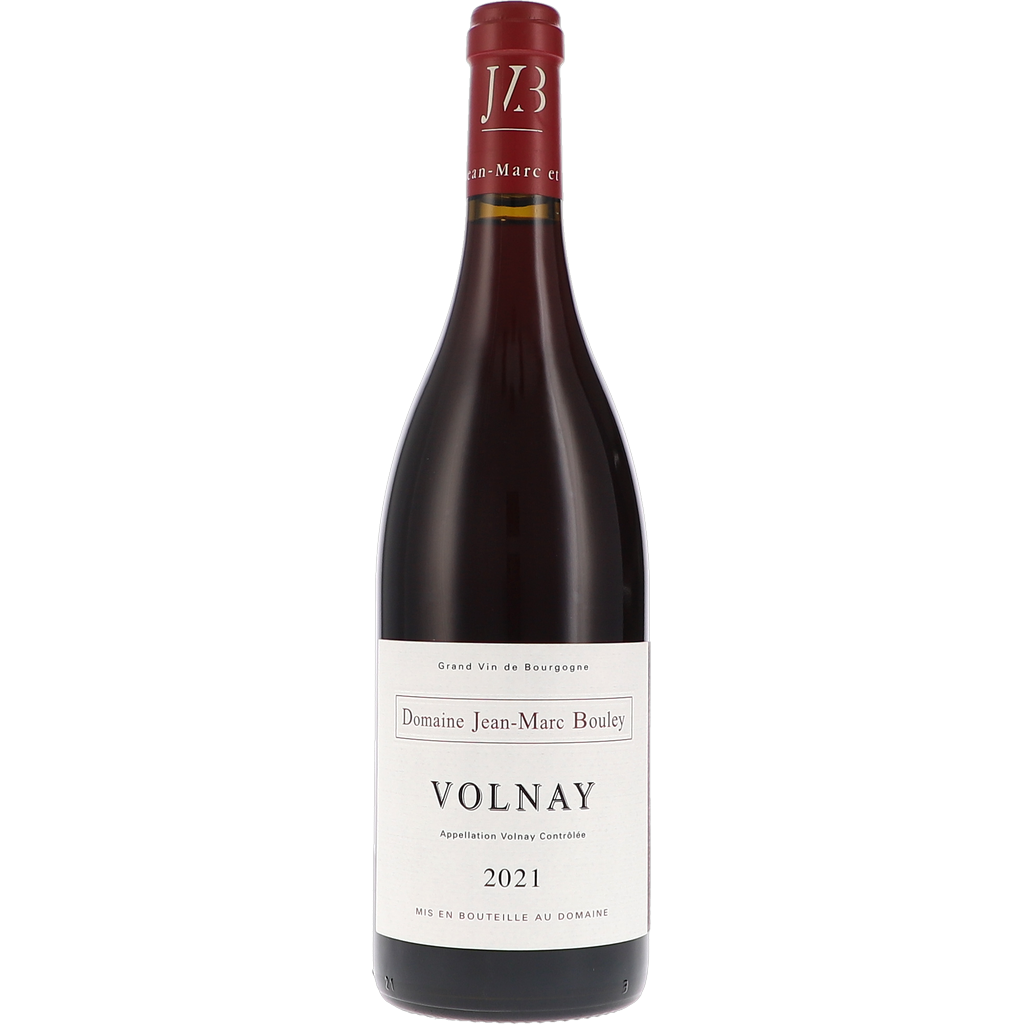
29 different parcels a team works so meticulously that a single worker is sometimes responsible for only a few hectares. Cover crops in winter against erosion, weeds in summer to regulate moisture: traditional methods that he combines with modern knowledge. The
Volnay AOC shows, even at entry level, what this meticulousness leads to: a Pinot Noir of silky texture with aromas of sour cherry and violet.
Organic without a label, biodynamic without dogma
Thomas does without synthetic products and herbicides; since joining the estate he has converted consistently. He deliberately holds no
official organic certification, but he documents his practice on his word of honour. Cosmic rhythms inform pruning and bottling, without him submitting fully to the biodynamic rulebook. "It's about healthy grapes," he says, "not ideology." He keeps yields low and handwork high. He shares this philosophy with colleagues such as
Chandon de Briailles, also based in the Côte de Beaune.
Wood as a tool, not a flavour
The wine press praises his
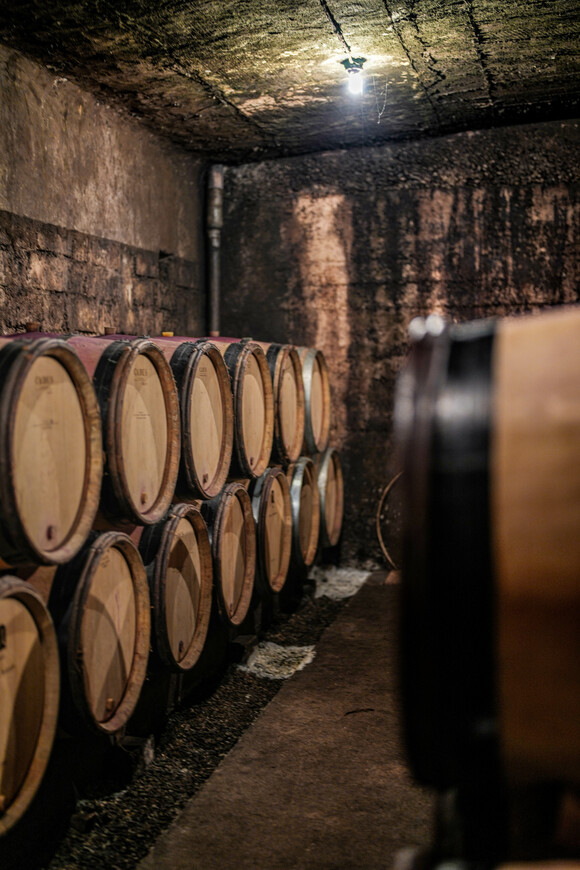
deft touch with oak. Depending on the vintage, the wines spend 15 to 20 months in oak barrels, with new oak kept below 50%. For his Premiers Crus such as the
Volnay 1er Cru "Carelle sous la Chapelle" he chooses barrels that frame the fruit rather than overlay it. Whole-bunch and spontaneous fermentation are standard; fining and filtration are the exception. The result is wines full of energy that thrill when young and can age for decades.
From Volnay to Pommard: the range
The top wines are
Volnay Les Caillerets and
Pommard Les Rugiens, two Premier Cru sites that show the full extent of Thomas's skill. But the
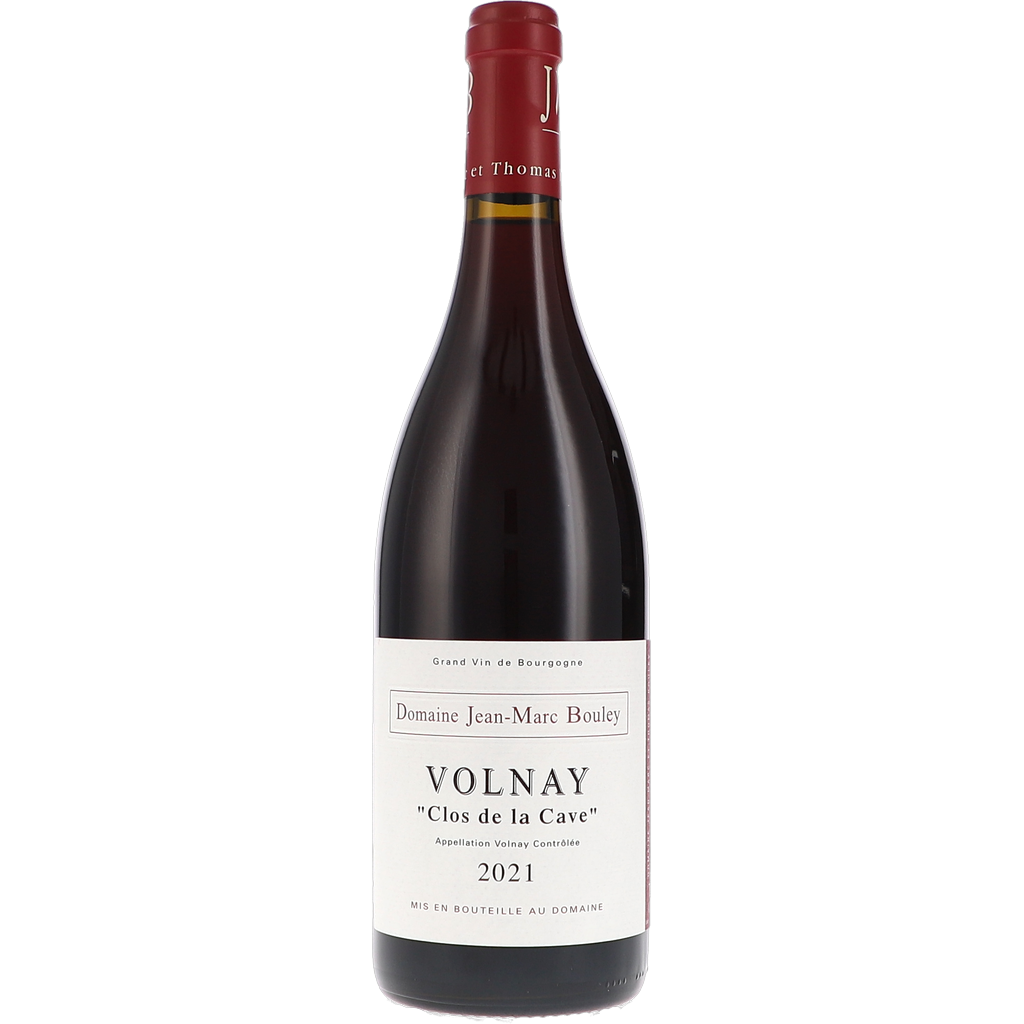
Volnay "Clos de la Cave" also deserves attention: silky and finely drawn, with sour cherry, raspberry and violet, whole-bunch and spontaneously fermented. The range is rounded off by a remarkable Aligoté, crisp and mineral, the perfect way into the world of the Bouleys. Be warned, say connoisseurs: it is habit-forming.