Chandon de Briailles
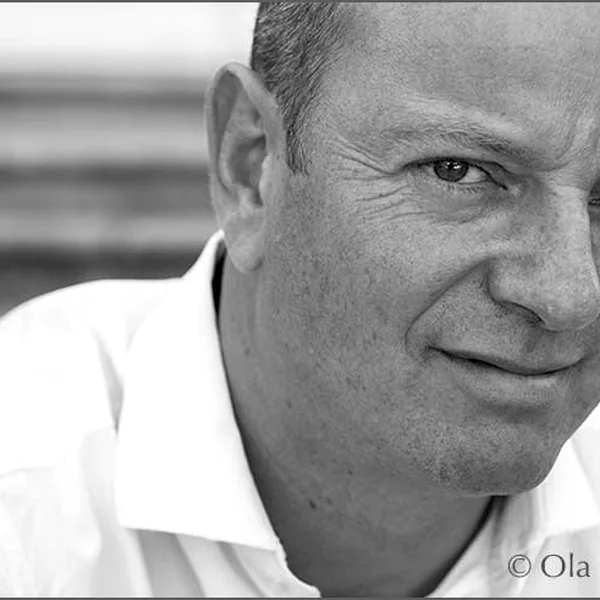
Domaine Chandon de Briailles in Savigny-lès-Beaune farms 13.7 hectares across twelve vineyard sites in the Côte de Beaune, including parcels in Bressandes and Clos du Roi on the Corton hill. Siblings Claude and François de Nicolay run the estate, which has been in family hands since 1834; François is responsible for the vineyards and sales, while Claude has vinified in the cellar since 1988. Since 2005 both have worked biodynamically, and four horses pull the plough through the vine rows. In the cellar, grapes are largely left unstemmed, and the wines are neither fined nor filtered; some are bottled without any addition of sulphur.
The de Nicolay family
The de Nicolay family took over the estate in Savigny-lès-Beaune in 1834; the name Chandon de Briailles entered the family through the great-grandmother, who was related to a Champagne house. The shift on which today's work is built was begun by Nadine de Nicolay, mother of Claude and François: in 1989 she banned all synthetic products from the vineyards.
Claude de Nicolay studied oenology in Dijon and gained experience in Oregon and New Zealand; she has run the cellar since 1988. François de Nicolay ran a wine shop in Paris and returned to Savigny-lès-Beaune in 2001. In 2005 the siblings converted to biodynamics. Against mildew they used skimmed milk, a method now permitted in certified organic viticulture. Since 2011 the entire estate has been Demeter-certified.
Twelve sites across three villages
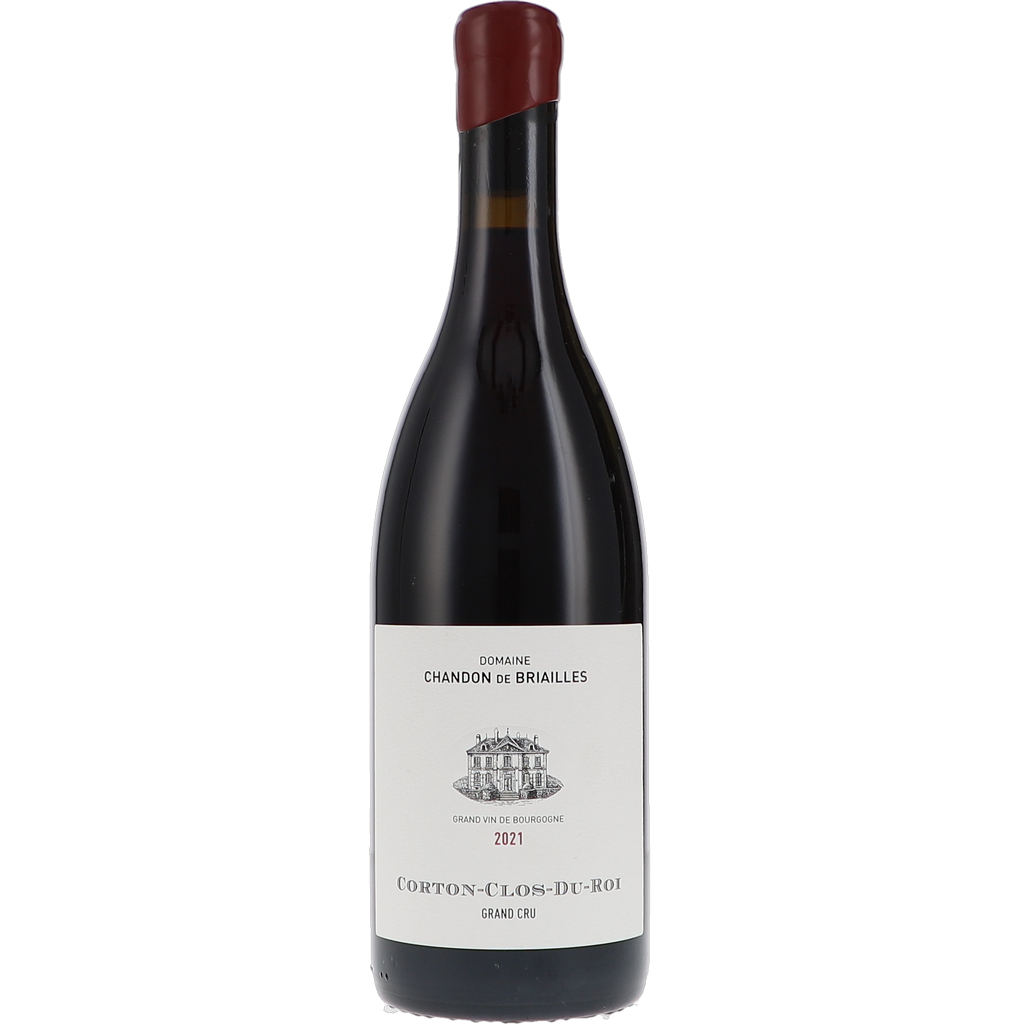
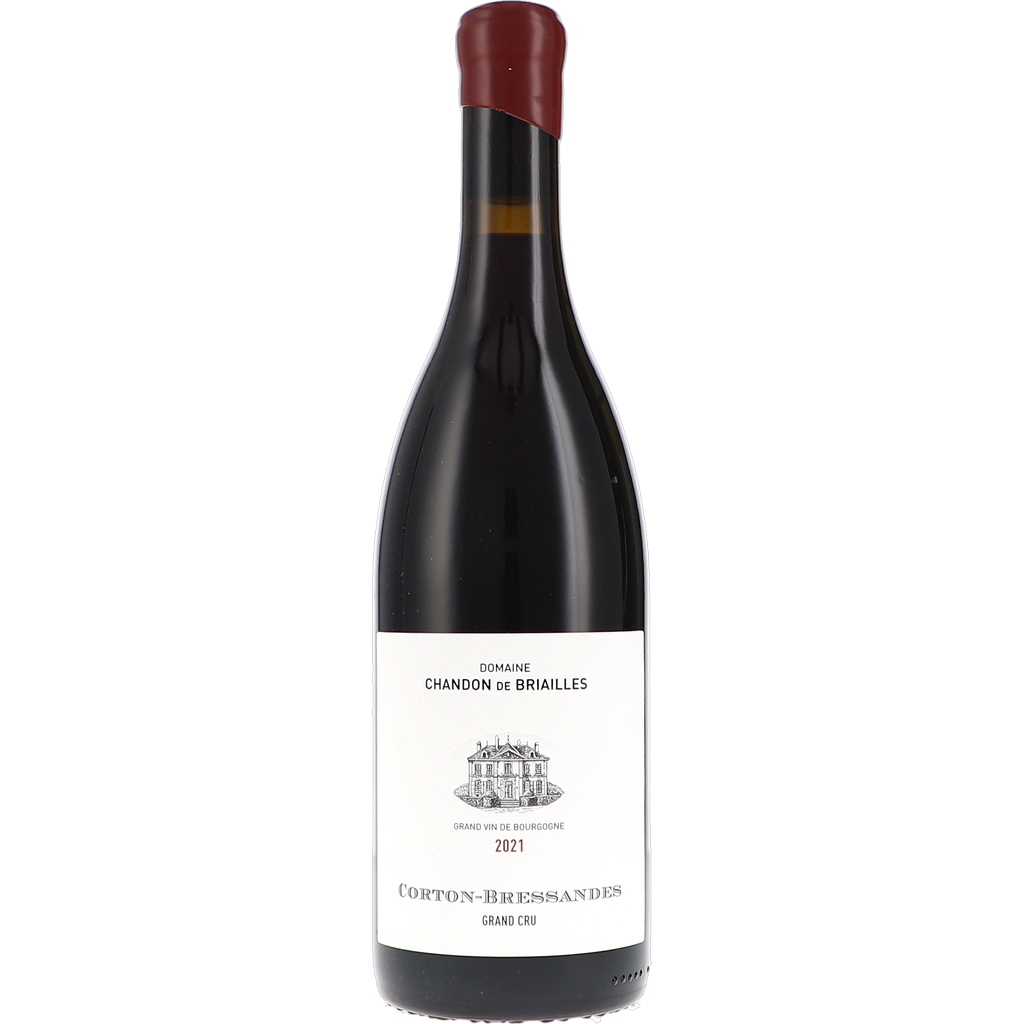
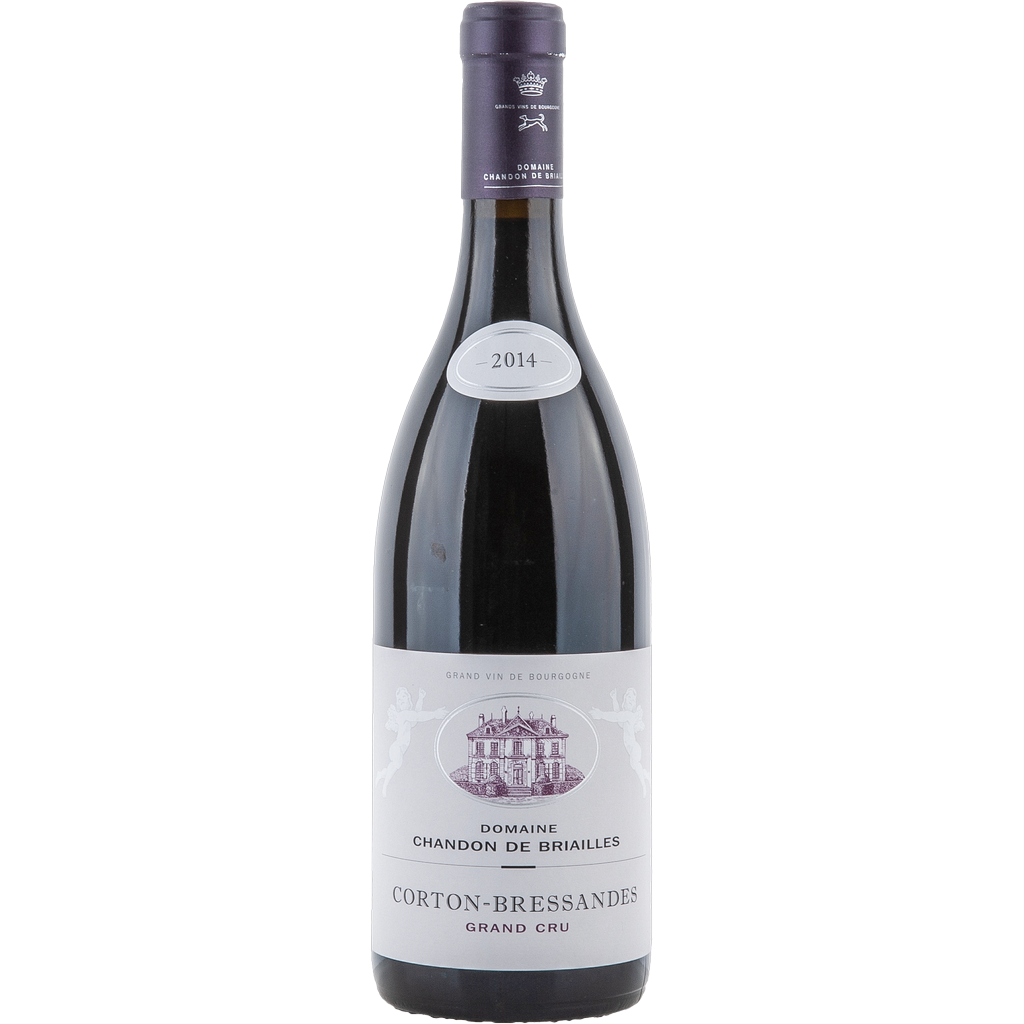
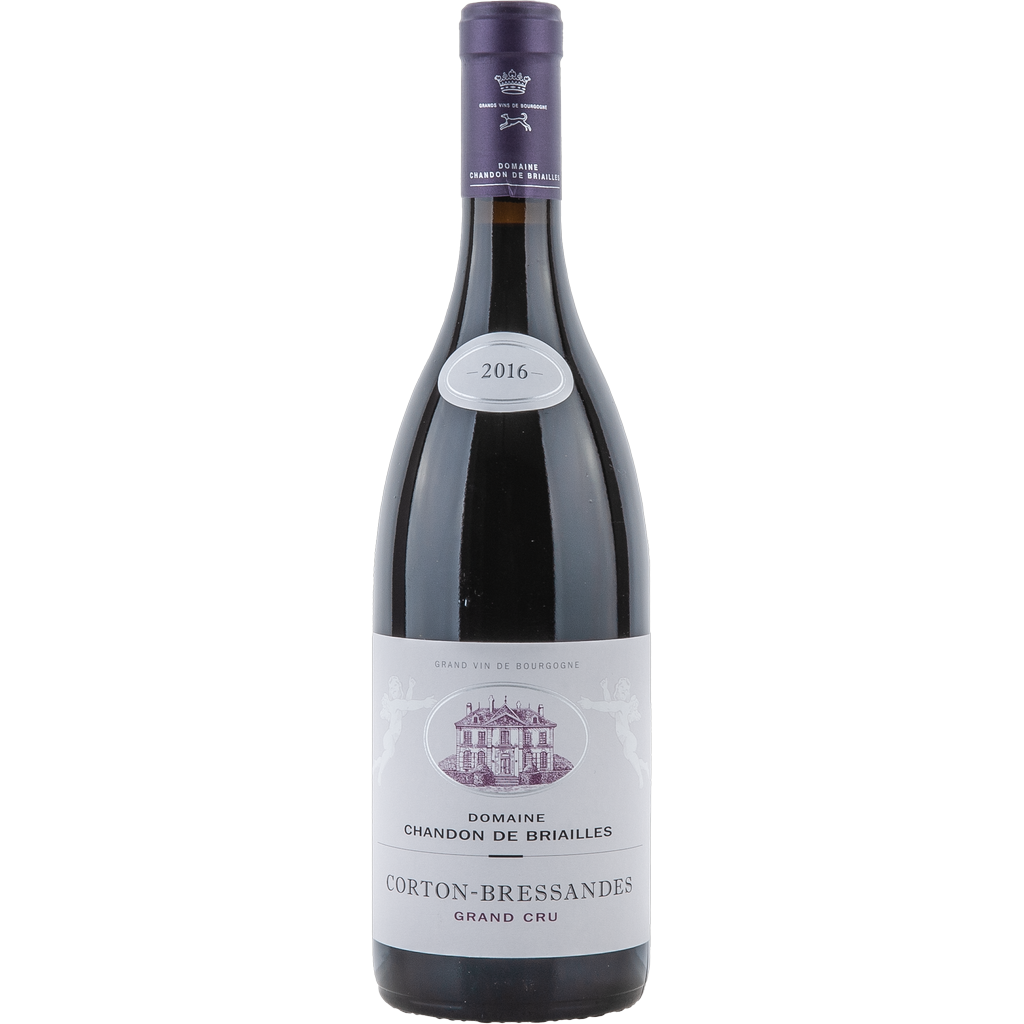
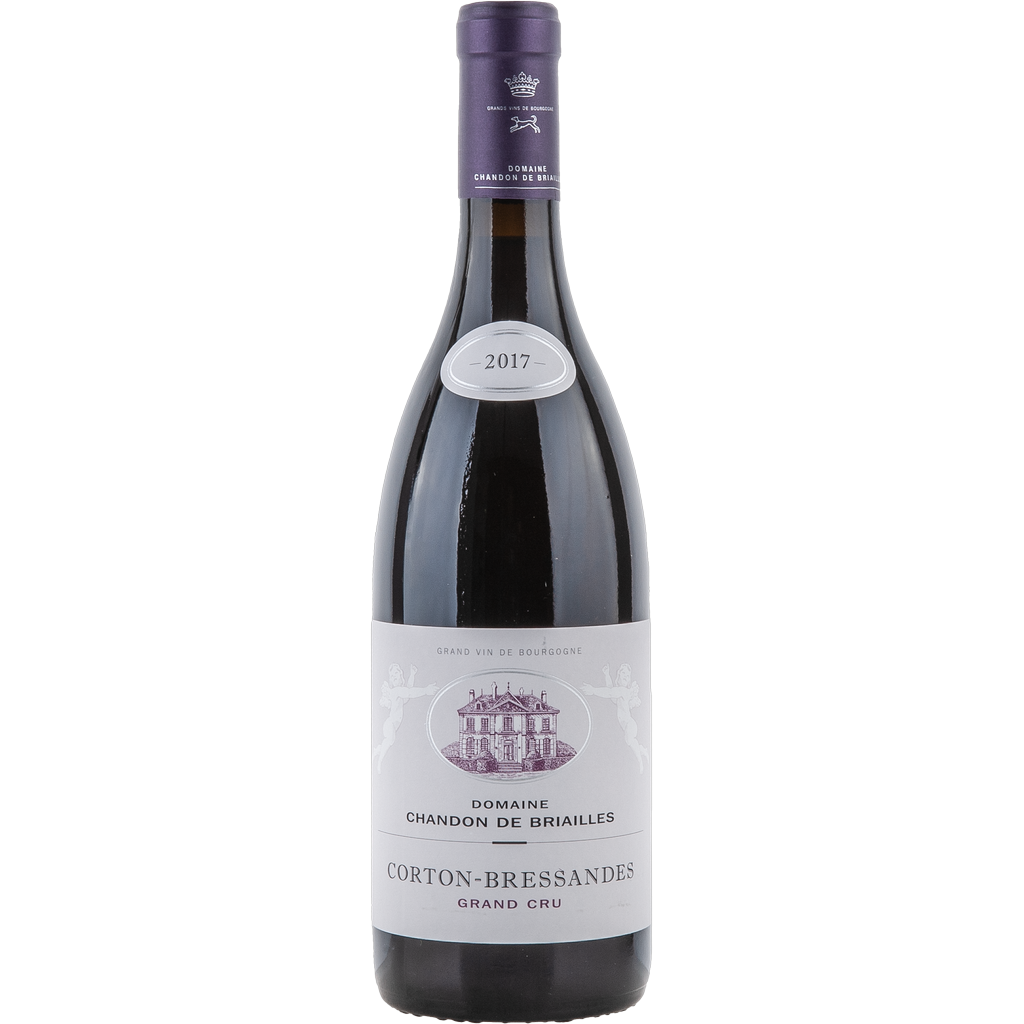
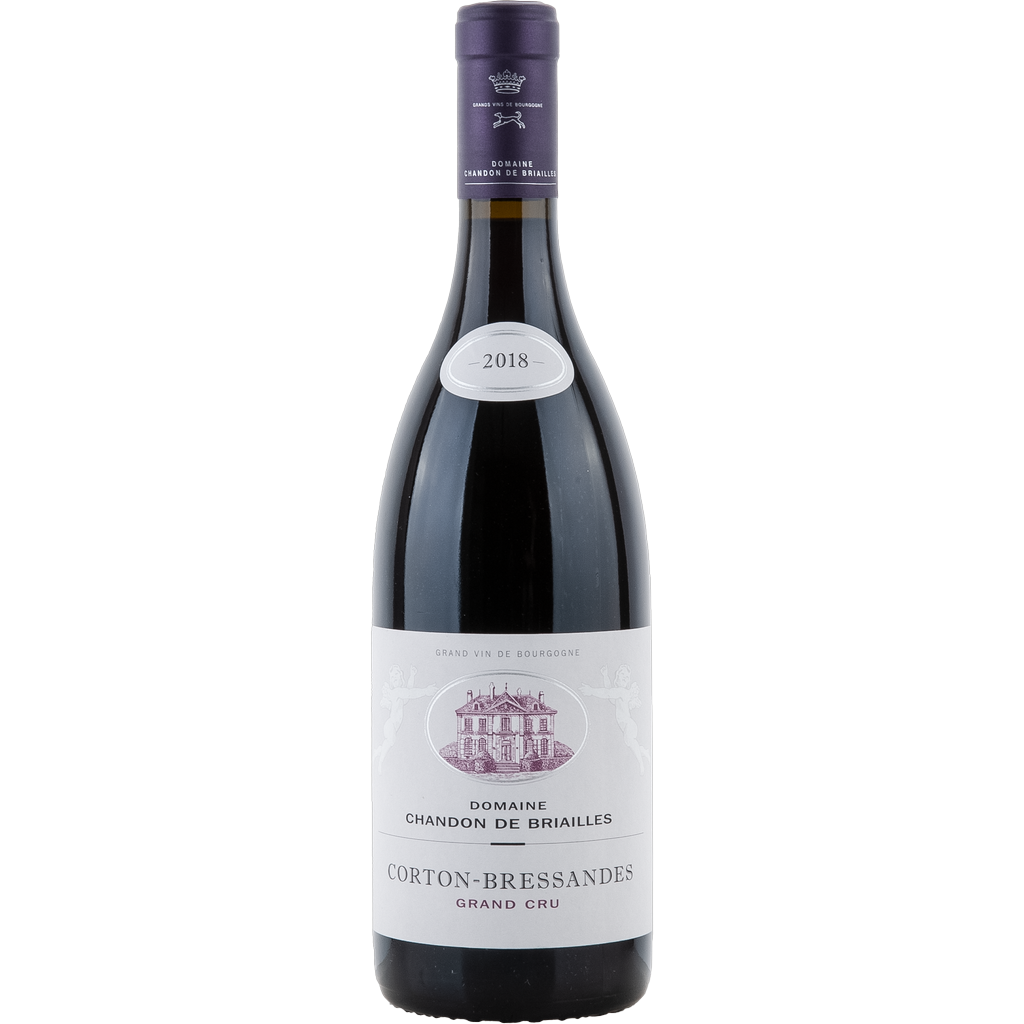
The vineyards lie in Savigny-lès-Beaune, Pernand-Vergelesses and Aloxe-Corton. On the Corton slope the estate owns parcels in Bressandes, Clos du Roi and Maréchaudes, the basis for Corton-Bressandes Grand Cru and Corton-Clos-du-Roi Grand Cru. In the Corton-Bressandes the house style comes through, with silky tannin, floral notes and mineral depth. William Kelley of the Wine Advocate notes that these wines fulfil the full potential of Corton Grand Cru.
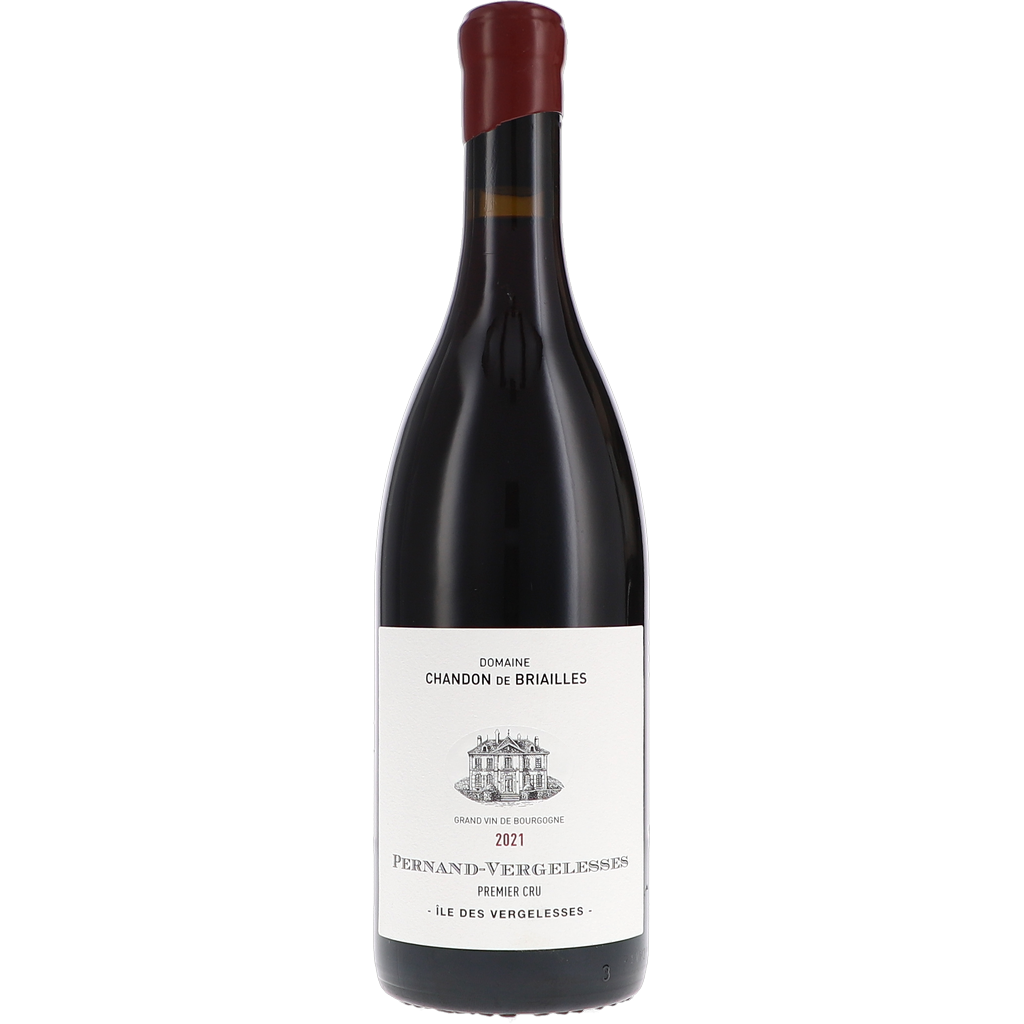
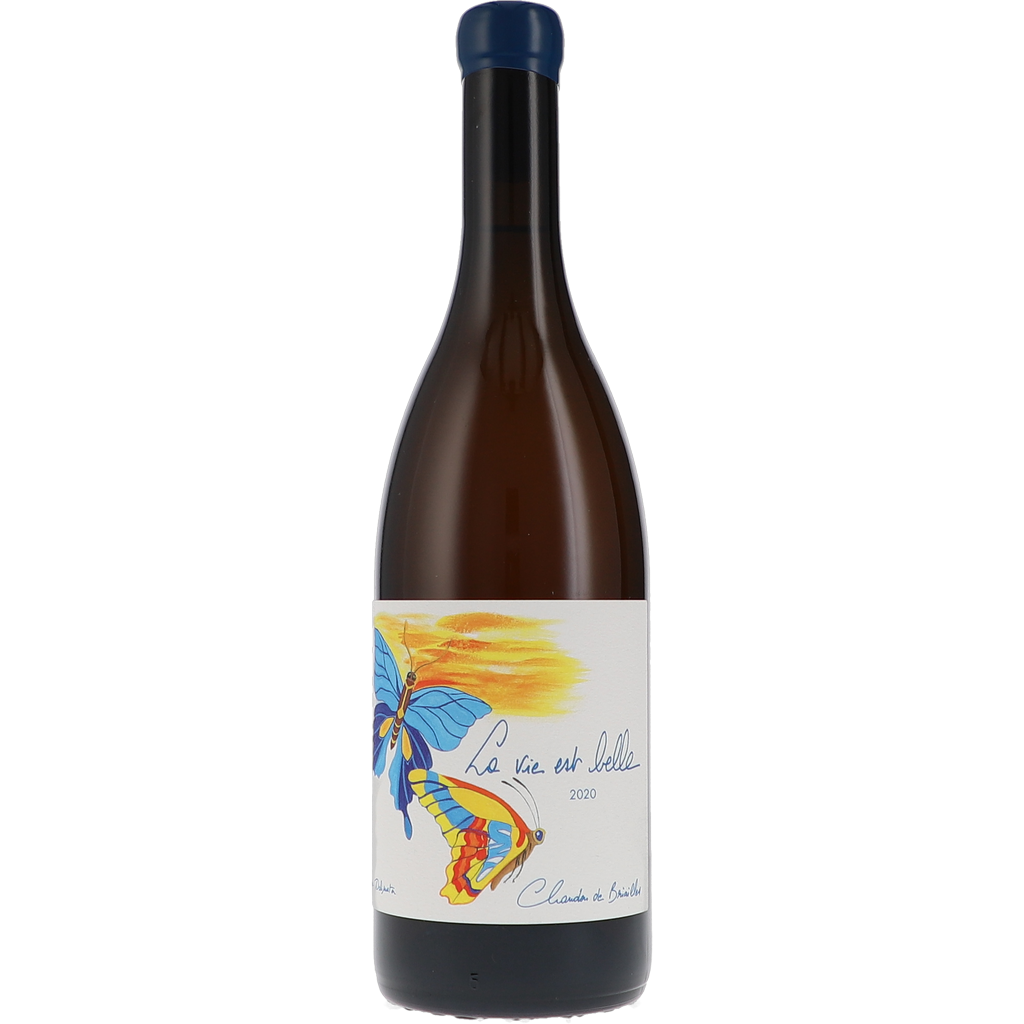
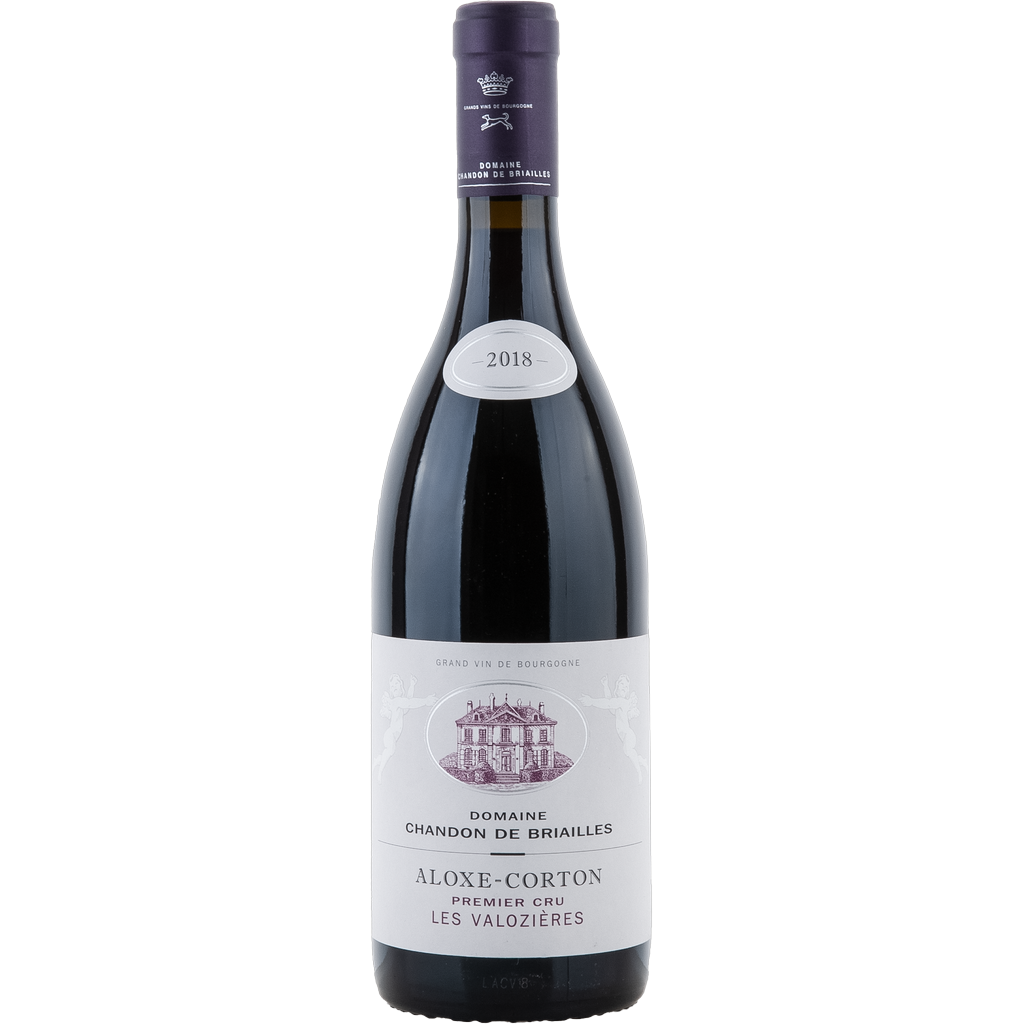
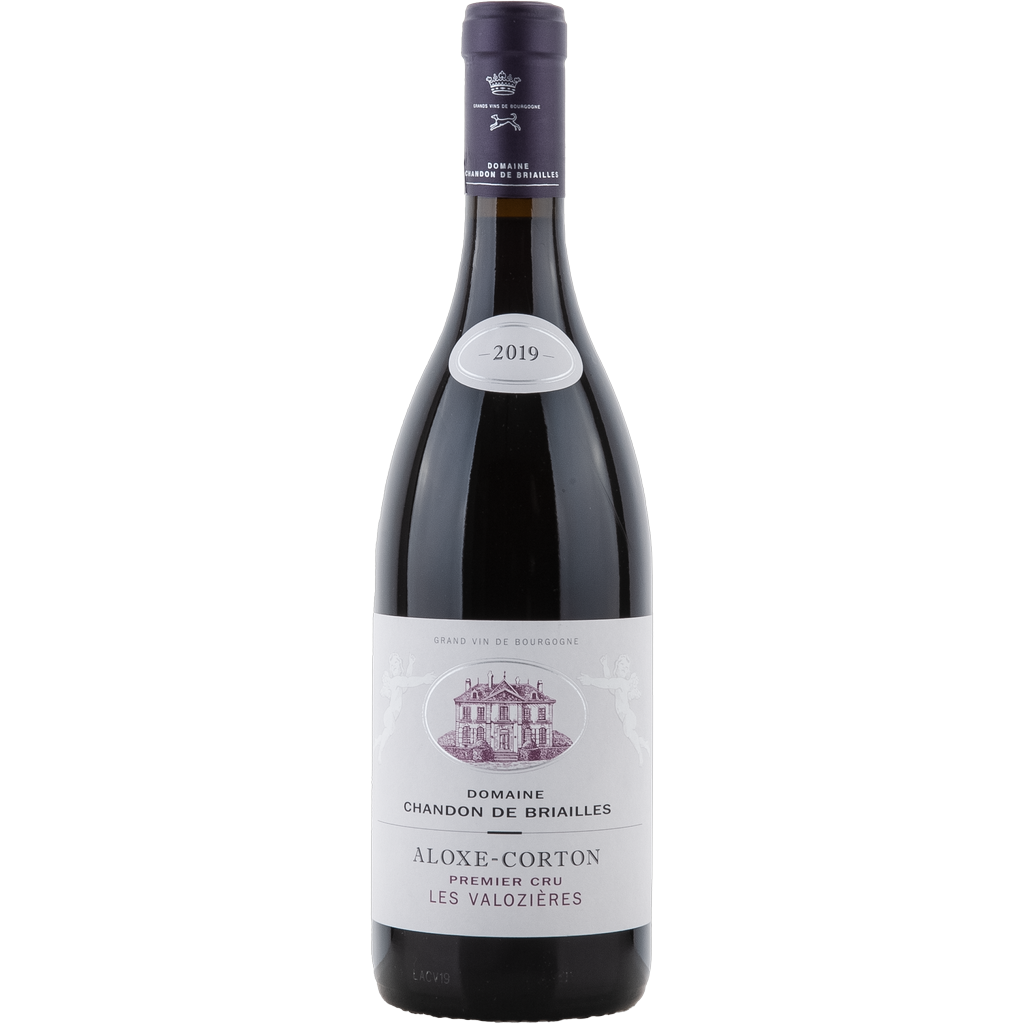
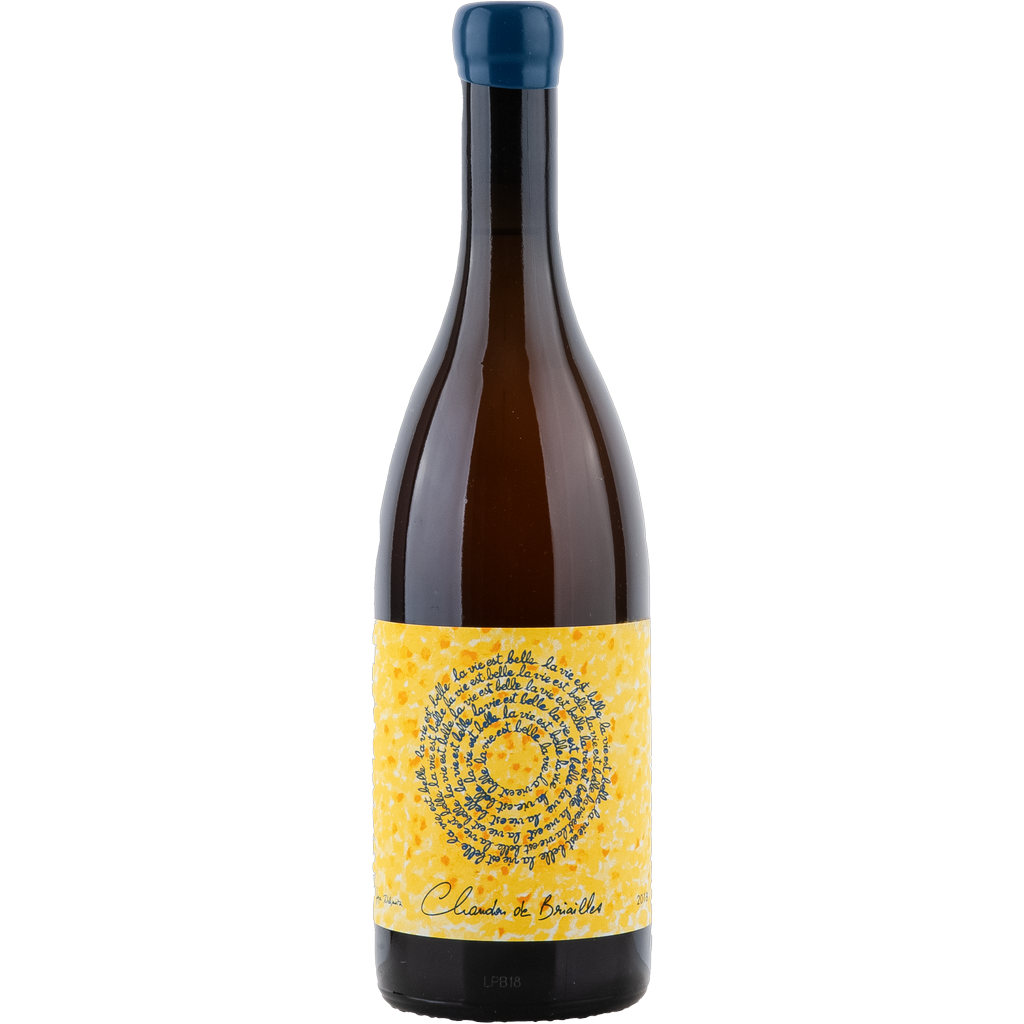
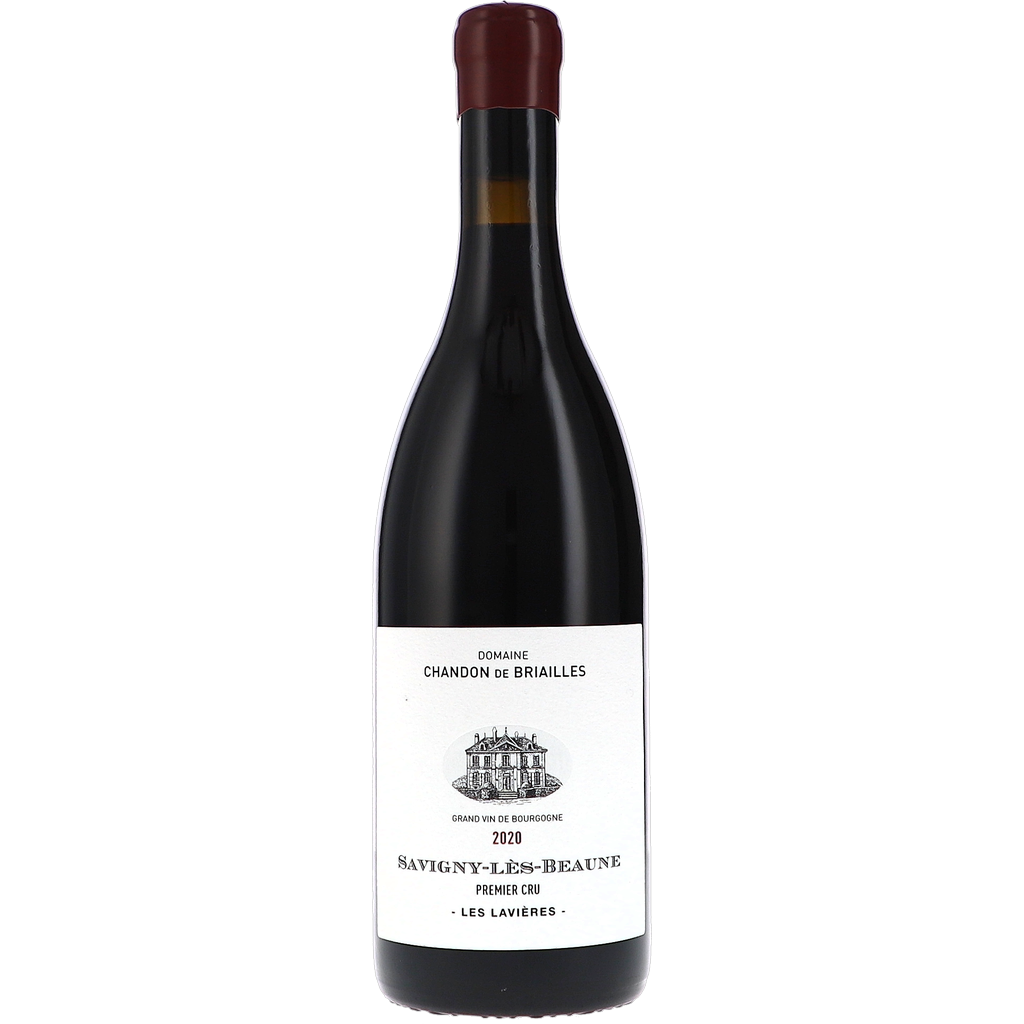
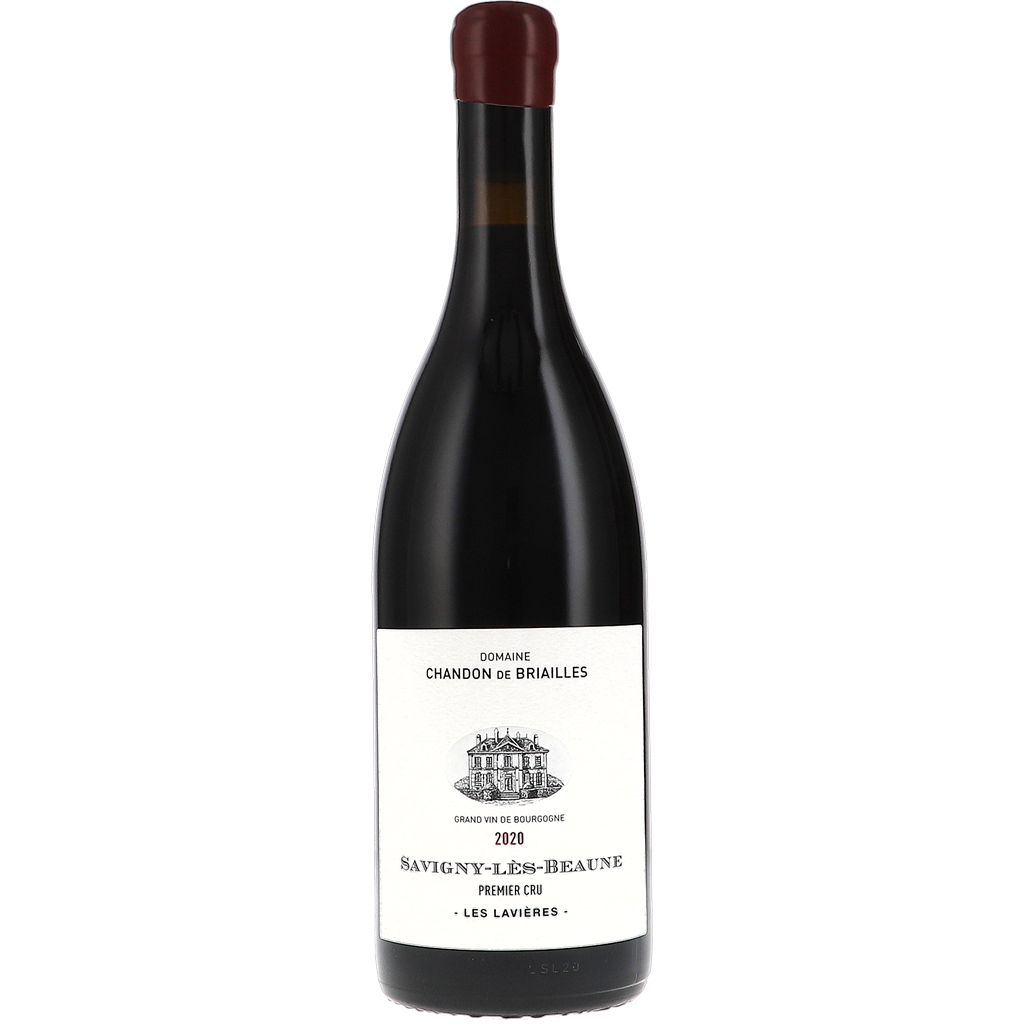
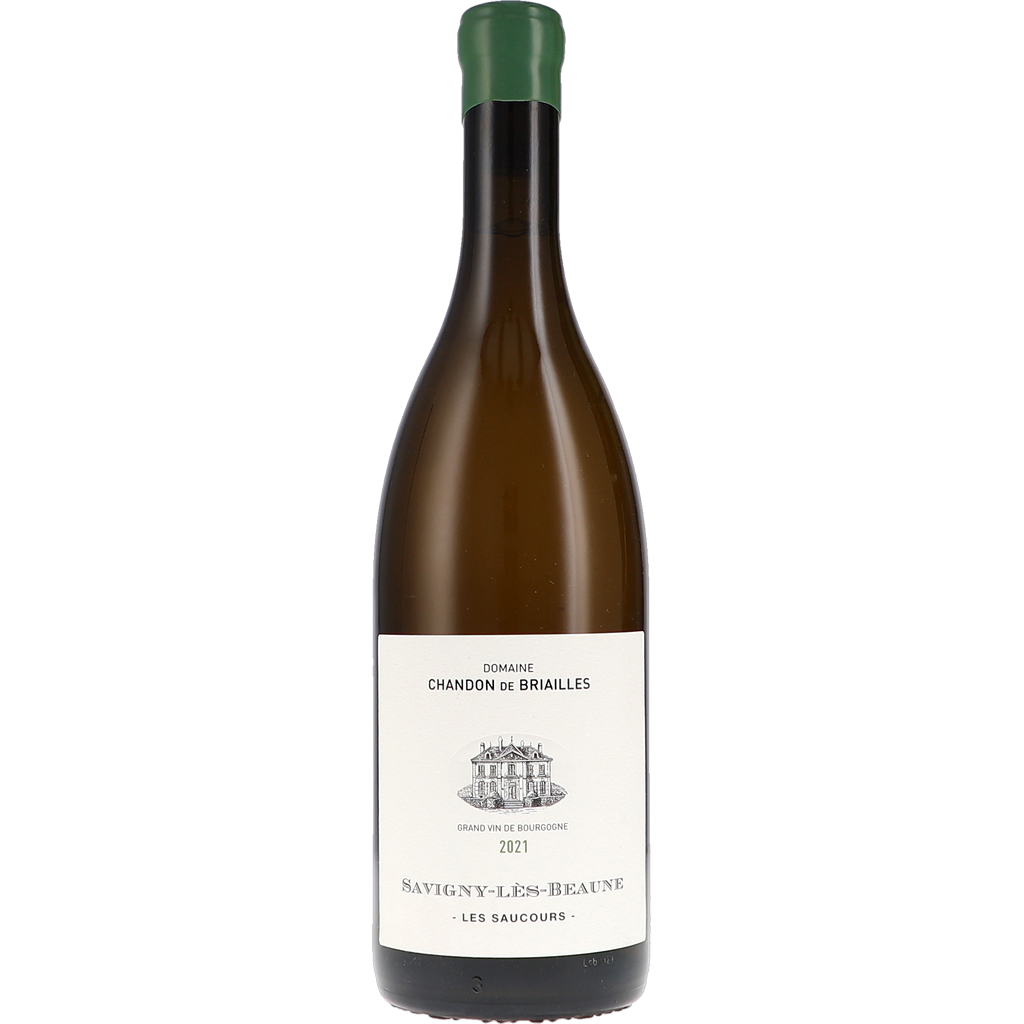
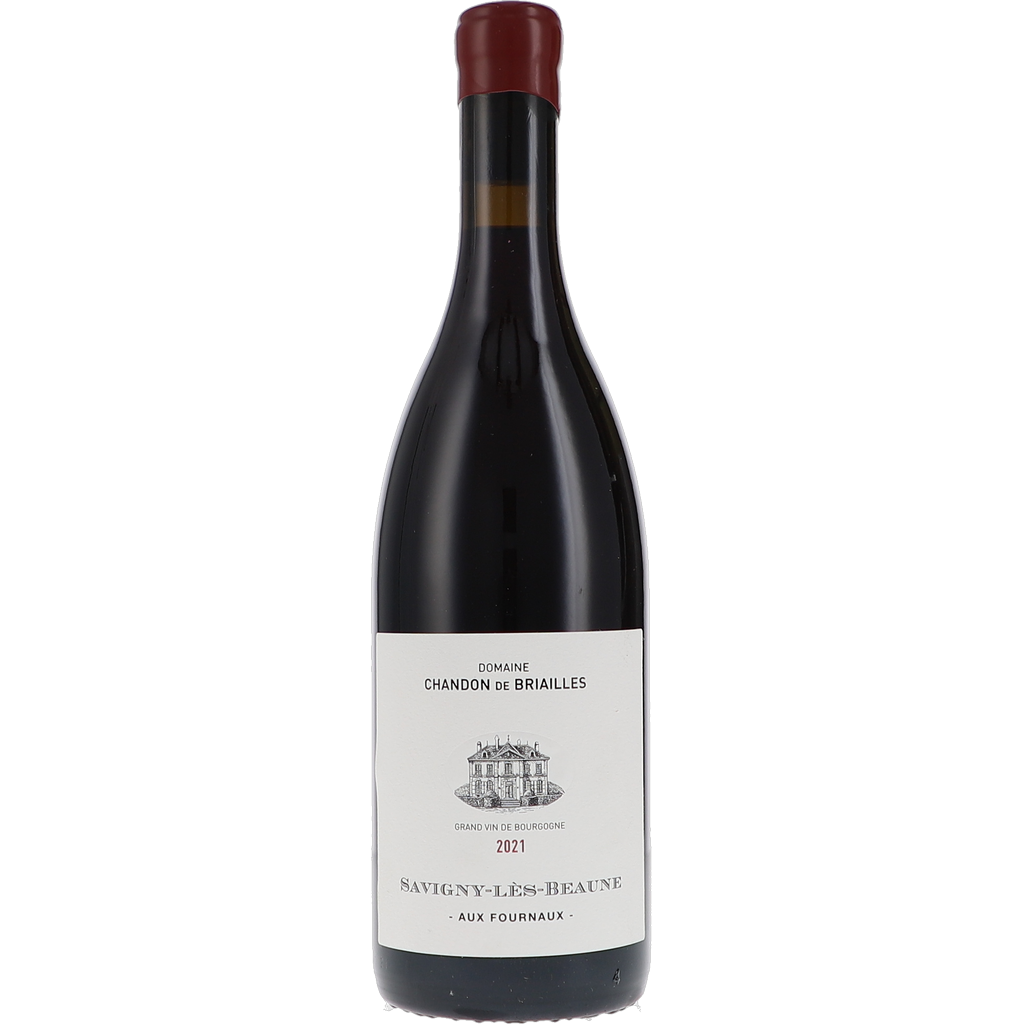
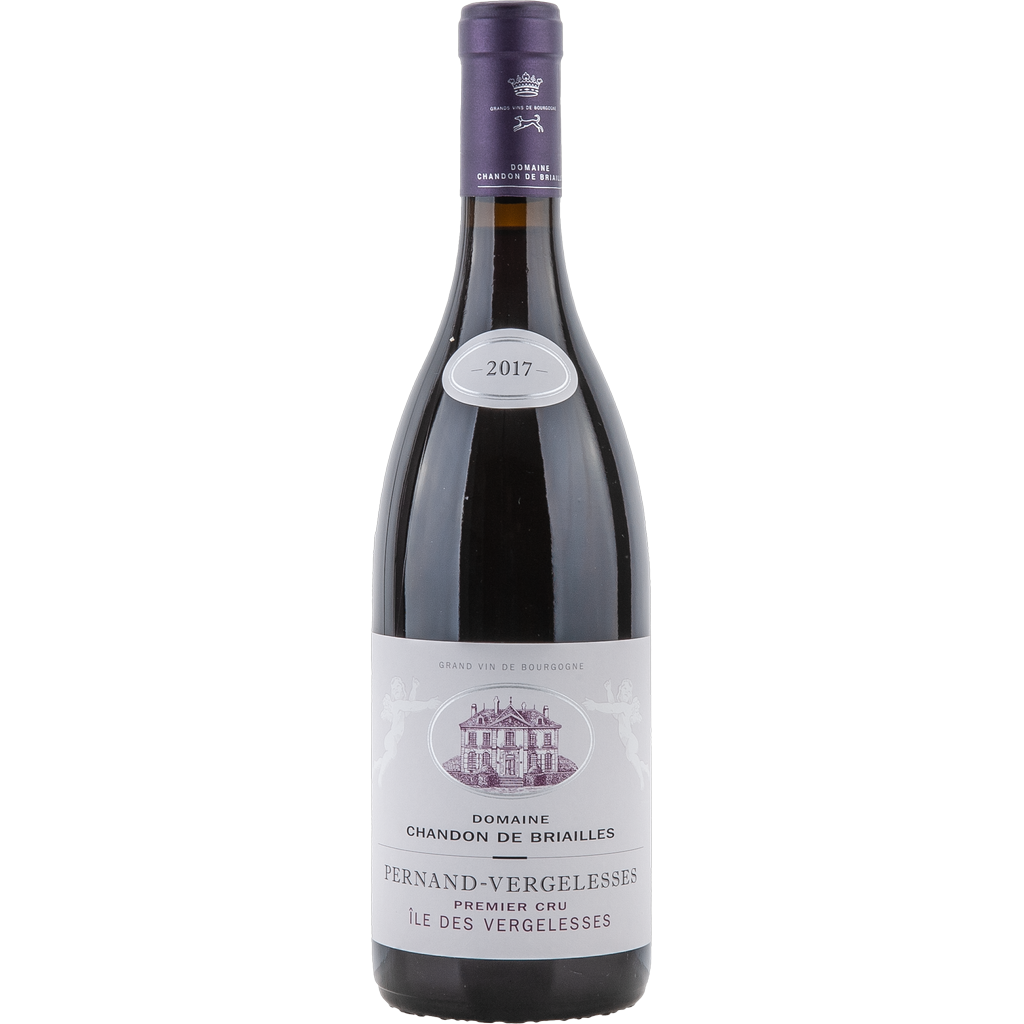
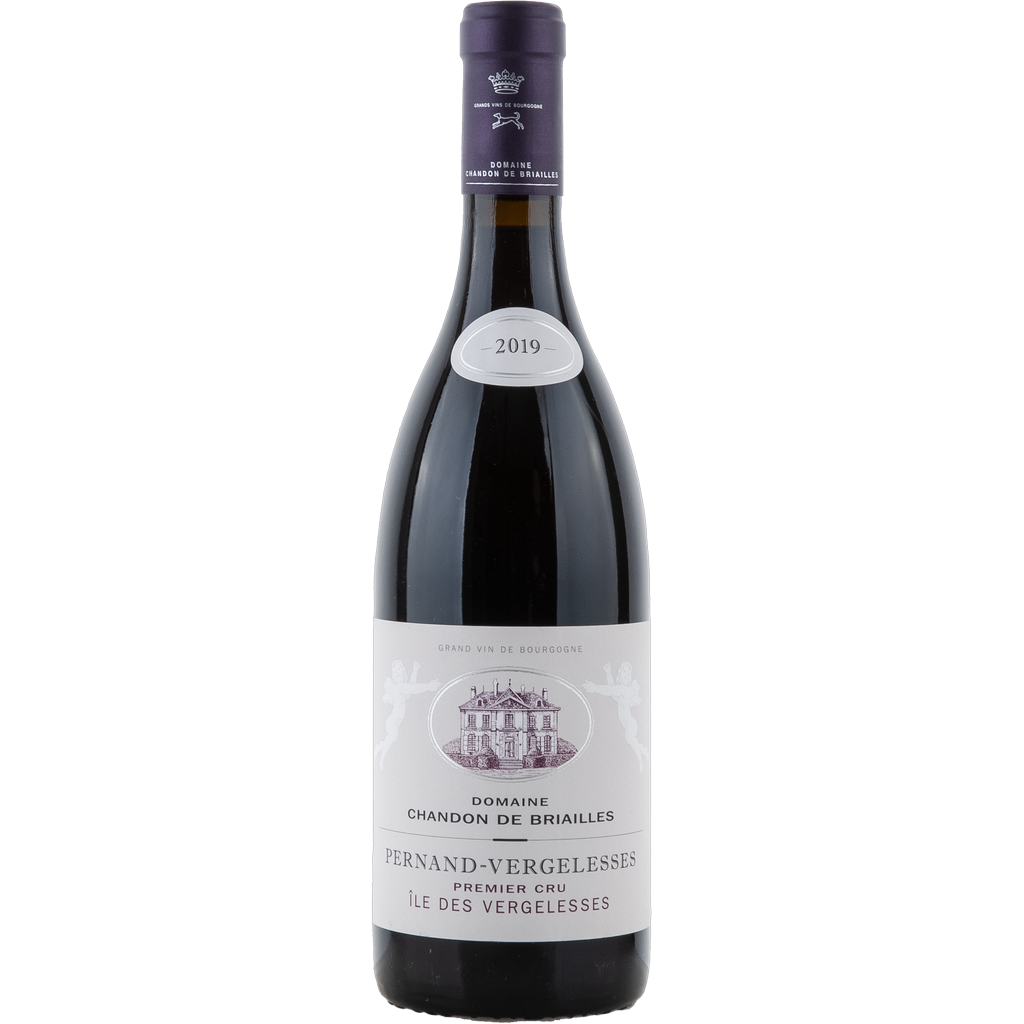
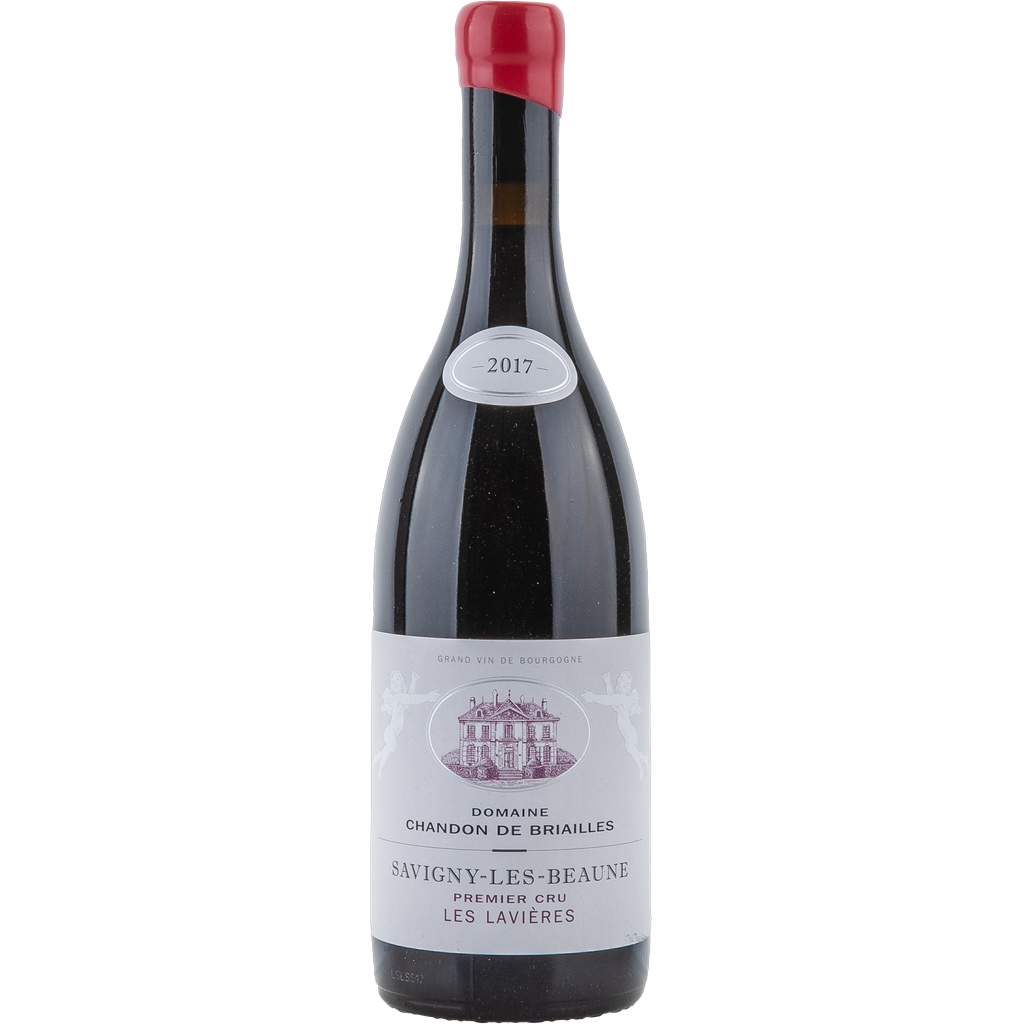
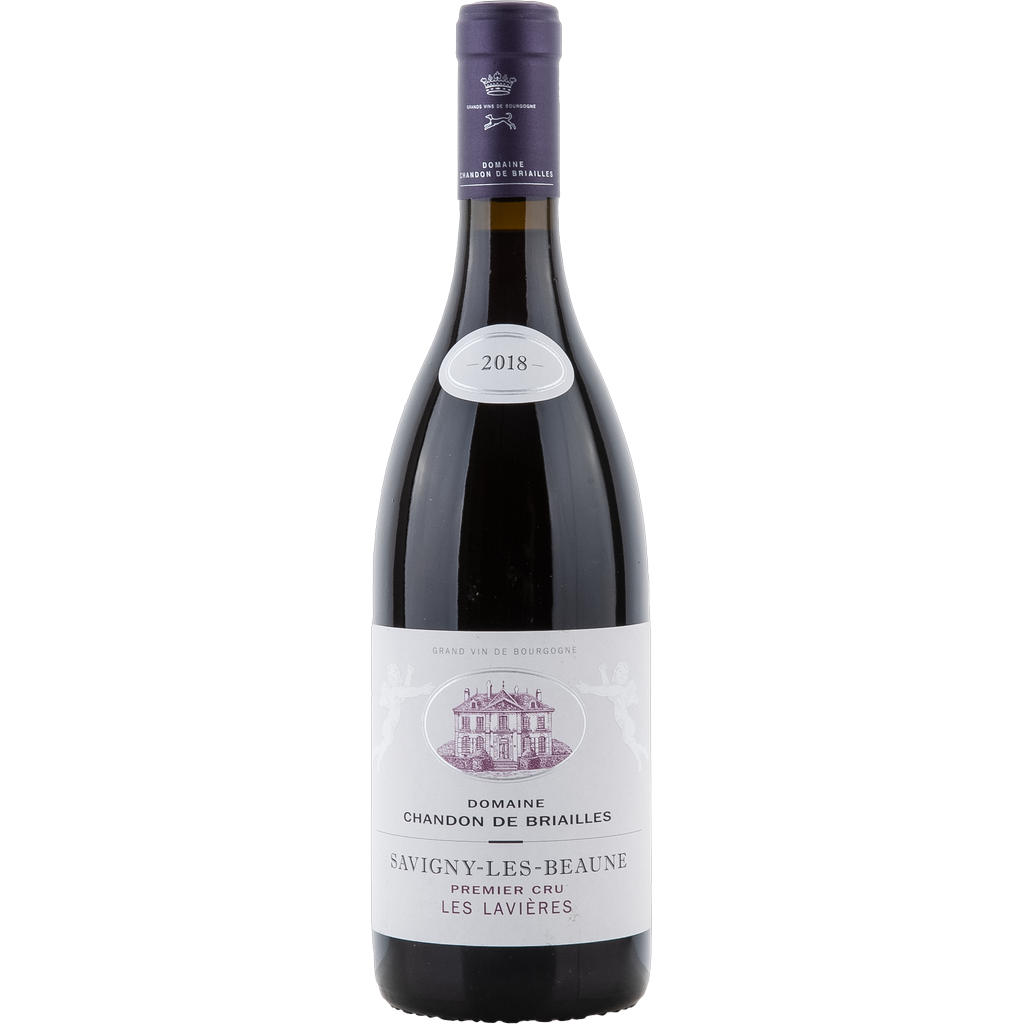
From the Île des Vergelesses in Pernand-Vergelesses come a Pinot Noir and, under the name La vie est Belle, a Pinot Blanc. In Savigny-lès-Beaune lie the premier cru Les Lavières, the site Aux Fourneaux and the white Les Saucours, and in Aloxe-Corton the premier cru Les Valozières. Chardonnay also grows in Corton-Charlemagne.
Horses in the vine rows
Diva, Epi, Farandole and Gipsy are the names of the four horses used to work the entire vineyard area, including the rows on the Corton hill. There is one worker for every hectare.
The 12th-century cellar
The vaulted cellar in which the wines mature was built by monks from the Abbey of Cîteaux in the 12th century. Claude de Nicolay now barely destems Pinot Noir and Chardonnay; since 2011 whole-cluster fermentation has been standard, with the proportion depending on the vintage. The Chardonnay grapes are pressed slowly as whole clusters in barriques and tonneaux, while the reds ferment in wooden vats. New oak stays just above 15 percent. The red wines age 14 to 20 months in barrel, the whites up to 28 months.
Bottling takes place without fining or filtration, often straight from the barrel and with minimal sulphur use; since 2017 Claude de Nicolay has dispensed with sulphur entirely for selected cuvées, including the Pernand-Vergelesses premier cru Île des Vergelesses. François de Nicolay calls the house style "neo-classical," meaning wines with little visible oak and long ageing potential.