Lebendige Weine Switzerland & Liechtenstein

Burgenland · Österreich

Meinklang

A cow adorns every label. At Meinklang, this is the programme: over 300 Angus cattle graze on the meadows of the Michlits family, their manure fertilising the soils. At the lowest point of Austria, in Pamhagen in Burgenland, the extended family runs a Demeter estate that weaves together viticulture, livestock farming, and arable cultivation. Werner Michlits and his wife Angela vinify wines that taste as agriculture should: spontaneously fermented and full of life.
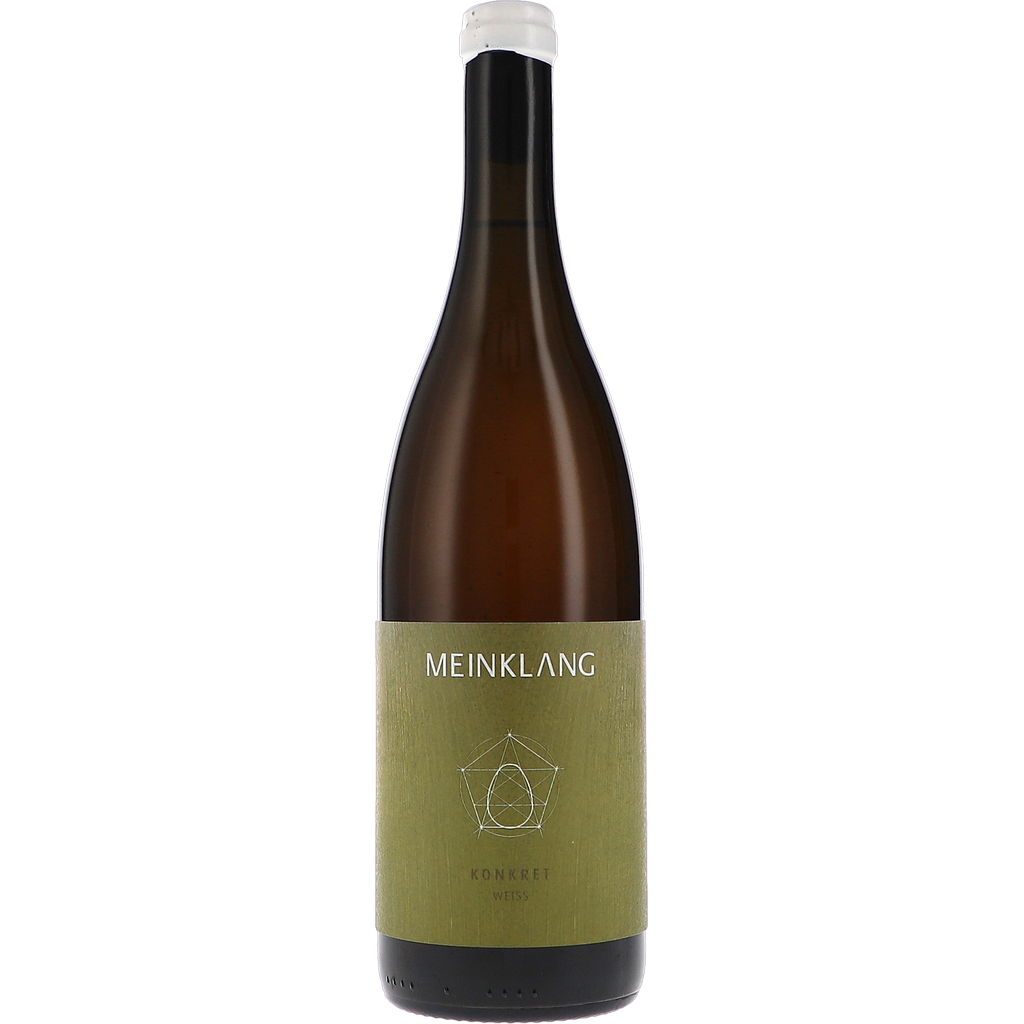
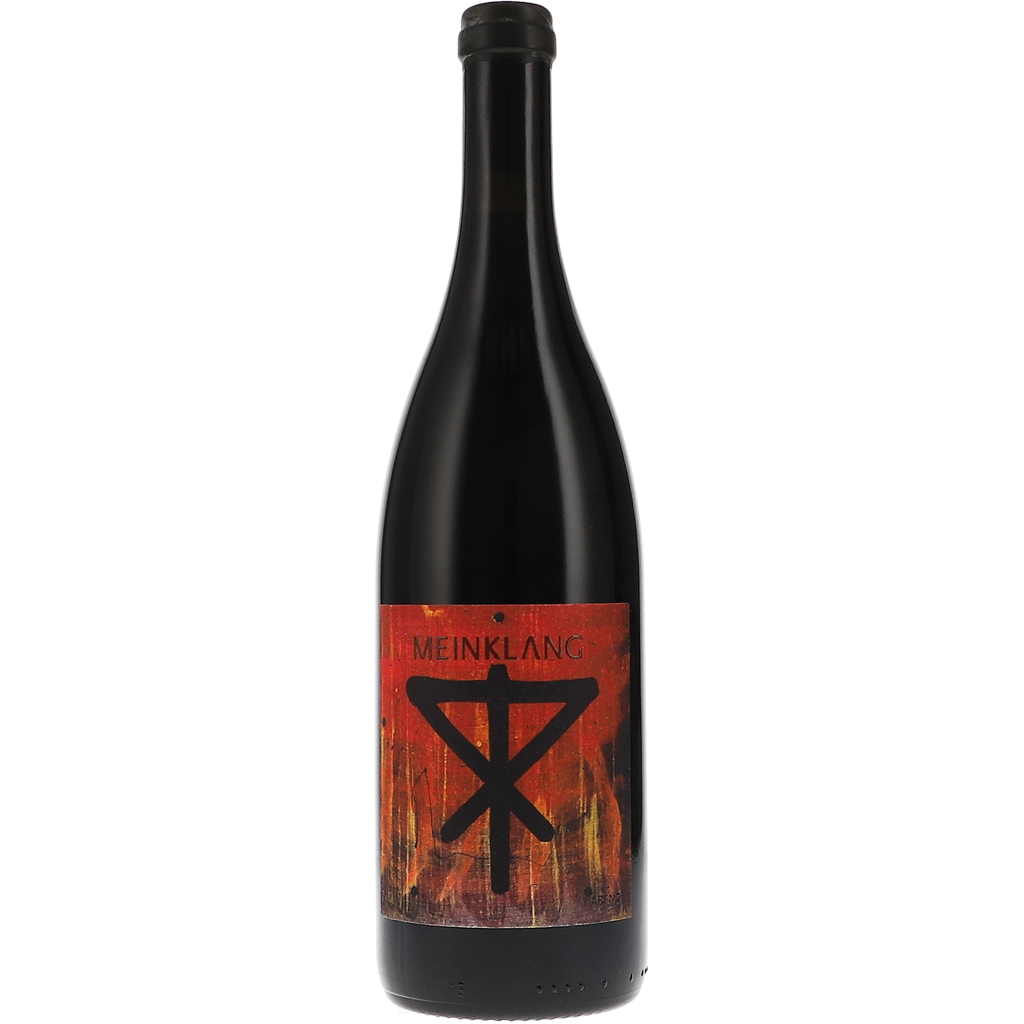
The wines

2 wines View all

Where cattle graze between the vine rows

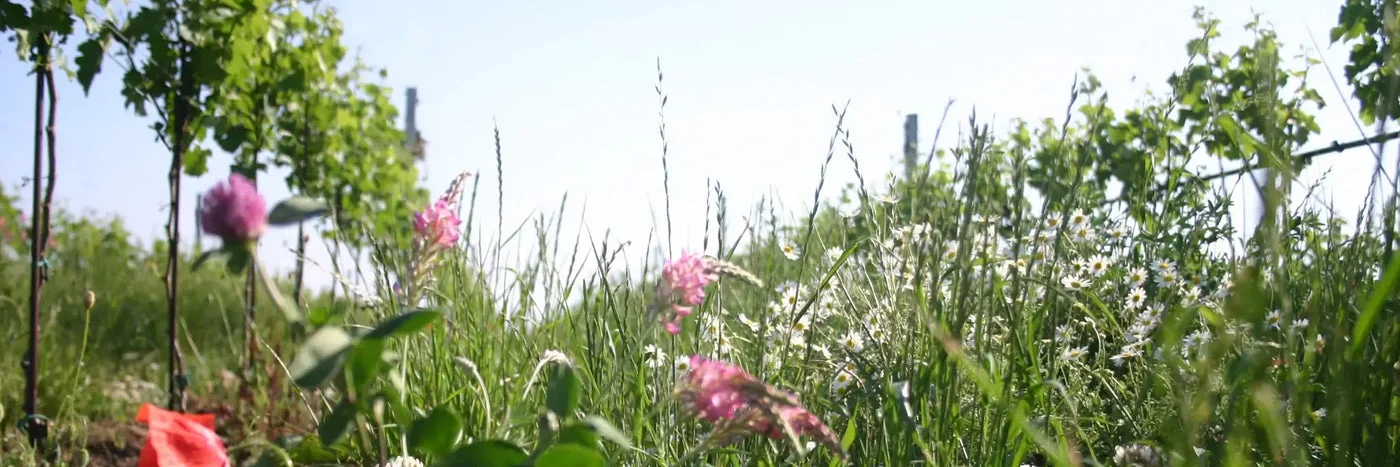
Pamhagen lies at Austria's lowest geological point, and it is here that the Michlits brothers have been proving since 2001 that winegrowing can be more than monoculture. Werner looks after the 30 hectares of vineyards, Hannes the grain, and the youngest the cattle in Hungary. The parents? Tirelessly in the thick of it. The whole extended family and their children live under one roof, in a renovated farmhouse. Demeter certification here is not a badge but a lived reality: cow horns filled with fermented manure rest in the earth over the winter. Herbal preparations based on Rudolf Steiner's teachings enliven the soils. The cattle provide the manure and the grain feeds the animals, a cycle that has sustained itself for generations. Wild flowers and biodiversity between the vine rows at Meinklang
Concrete eggs and gravity

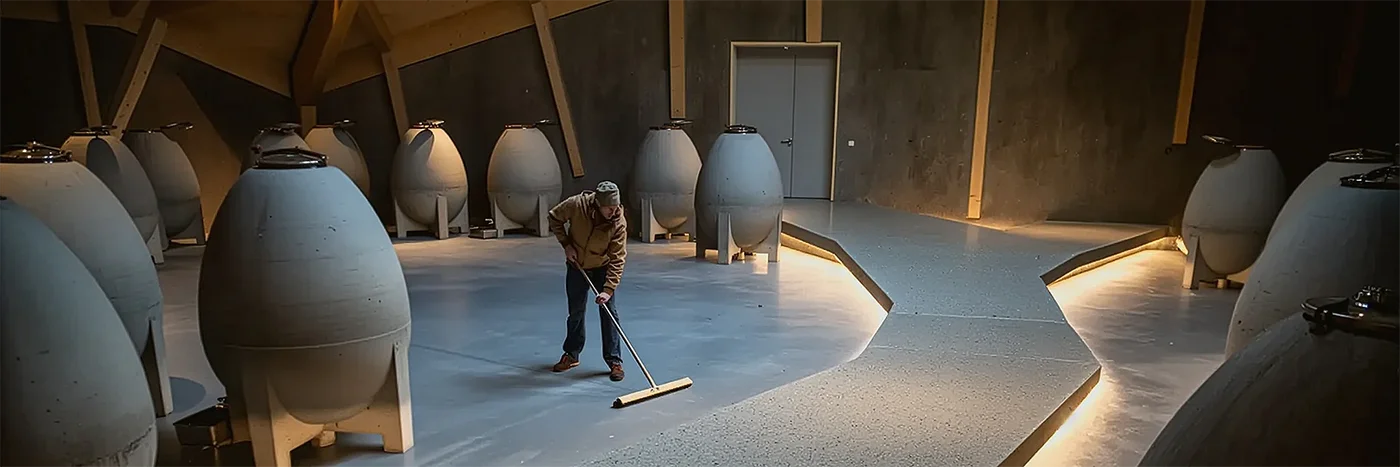
Patience rules in the cellar. Werner works exclusively with gravity: no pumps, no rush. The grapes go into egg-shaped concrete vessels, whose form allows a natural circulation during fermentation. Spontaneously fermented, unsulphured and unfined, this is where wines such as the Graupert Grauburgunder are made, a Pinot Gris left to its own devices, which is exactly why it tastes so alive. Egg-shaped concrete vessels in the Meinklang cellar
From Lake Neusiedl to the volcano

The flat steppe landscape around Lake Neusiedl shapes the classic varieties: Grüner Veltliner, Blaufränkisch, Zweigelt and Sankt Laurent. But the Michlits family think further: on the Hungarian side, on the slopes of the extinct Somló volcano, they grow Hárslevelü and Juhfark, varieties long forgotten elsewhere. The Burgenlandweiß and the Burgenlandrot embody this philosophy in everyday drinking: uncomplicated, easy-drinking wines that nonetheless have depth. Those who want to dig deeper will find in the Graupert Zweigelt a red wine that shows what happens when you give a wine time and peace.

A farm as an organism

The name says it all: "Mein" stands for Werner's personal signature, "Klang" (sound) for harmony with nature. The cow motif on the labels, designed by the artist Nikolaus Eberstaller, symbolises this cycle and is one of the most fitting images of biodynamics there is. Angela and Werner have not only built up a farm but also founded a Waldorf school in the region. The anthroposophical philosophy runs through their lives, from the classroom to the vineyard. Weingut Heinrich, just a few kilometres away in Burgenland, also works according to biodynamic principles; the region has become a hotspot for living wines. From natural wine bars in Paris to top restaurants in Copenhagen, Meinklang wines appear on lists where authenticity counts. Here you can taste what a farm can be when it is conceived as a living organism.

More estates from Burgenland