Heinrich
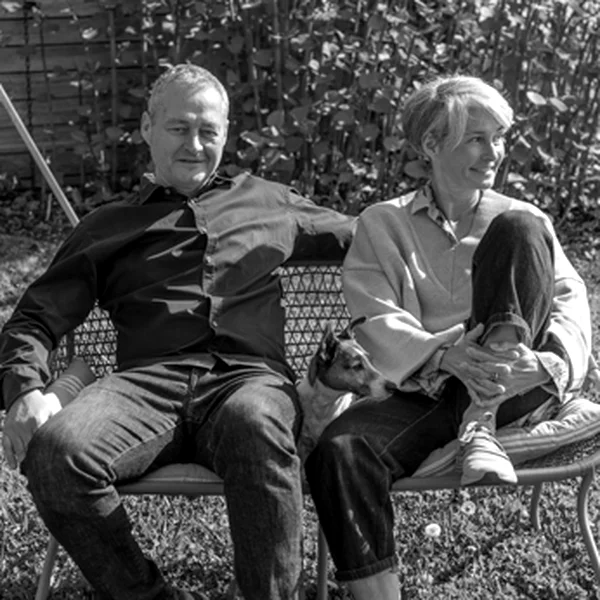
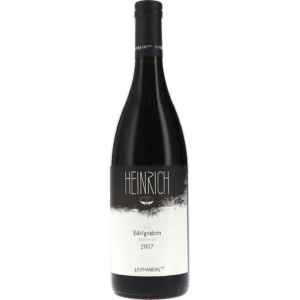
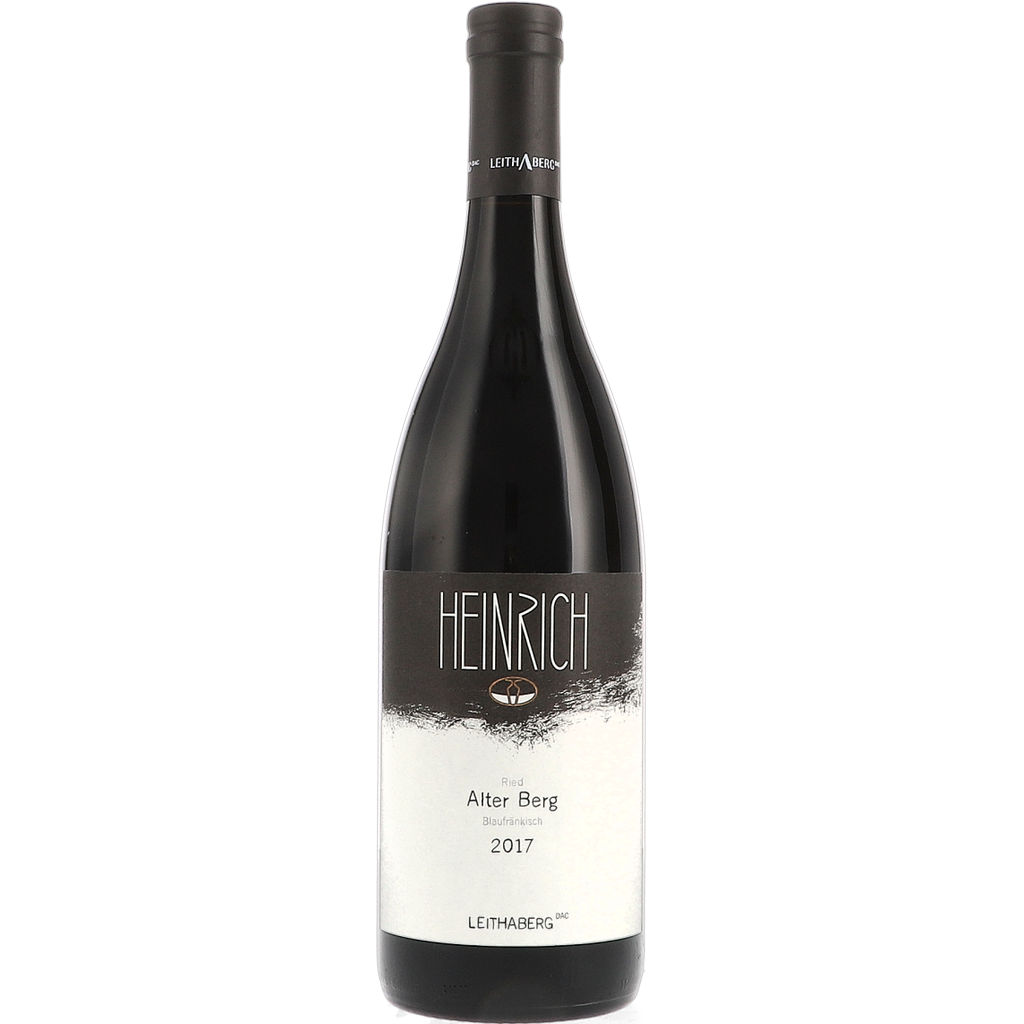
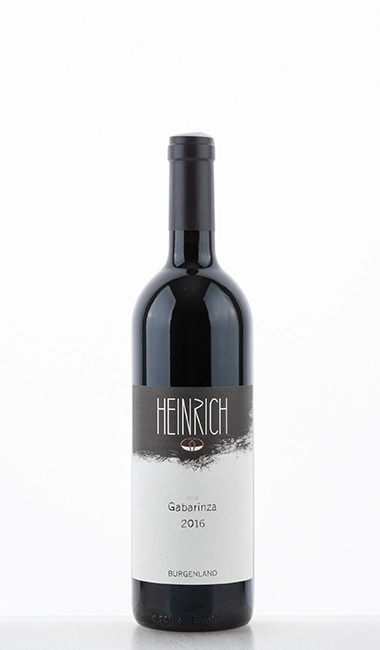
Weingut Heinrich in Gols on Lake Neusiedl farms around a hundred hectares in Burgenland, owned and leased parcels on the Leithagebirge and on the Parndorf Plateau. Gernot and Heike Heinrich started in 1990 with two hectares, converted to biodynamic farming in 2006 and are among the founding members of the respekt-BIODYN association; the estate has been Demeter-certified since 2017. Blaufränkisch from the single vineyards Alter Berg, Edelgraben and Gabarinza sits alongside the Freyheit line, in which the white wines stay on the skins for up to fourteen days. In the cellar, the wines mature in amphorae and in large vessels of used wood.
Gernot and Heike Heinrich in Gols
The two met in a beer garden in Salzburg: Gernot Heinrich, who studied oenology even though his parents tried to talk him out of becoming a winemaker, and Heike Heinrich, who came from fashion and PR. In 1990 they started in Gols with two hectares of their own vines, alongside the small family estate. In the years that followed they bought up the steep, stony parcels that others gave up, on the Leithagebirge with its limestone slopes and on the Parndorf Plateau with its gravel and red shale. Today they farm around a hundred hectares in Burgenland, owned and leased, entirely biodynamic.
Gernot and Heike Heinrich spent many evenings reading Rudolf Steiner's lectures together, before meeting biodynamics expert Andrew Lorand in 2006 prompted the conversion of the whole estate. They are among the founding members of the respekt-BIODYN association, and the estate has been Demeter-certified since 2017.
Blaufränkisch on the Leithagebirge
Gernot and Heike Heinrich were among the first to export Austrian red wines. The Alter Berg in Winden am Leithagebirge is a southeast-facing hillside site: forest cools it from above, Lake Neusiedl lies below, cherry trees stand among the rows, and the sparse limestone holds fossils from the primordial sea. The Blaufränkisch Leithaberg DAC from this site is picked by hand, ferments spontaneously for three weeks on the skins, is gently basket-pressed and then matures in amphora and in used 500-litre oak barrels.
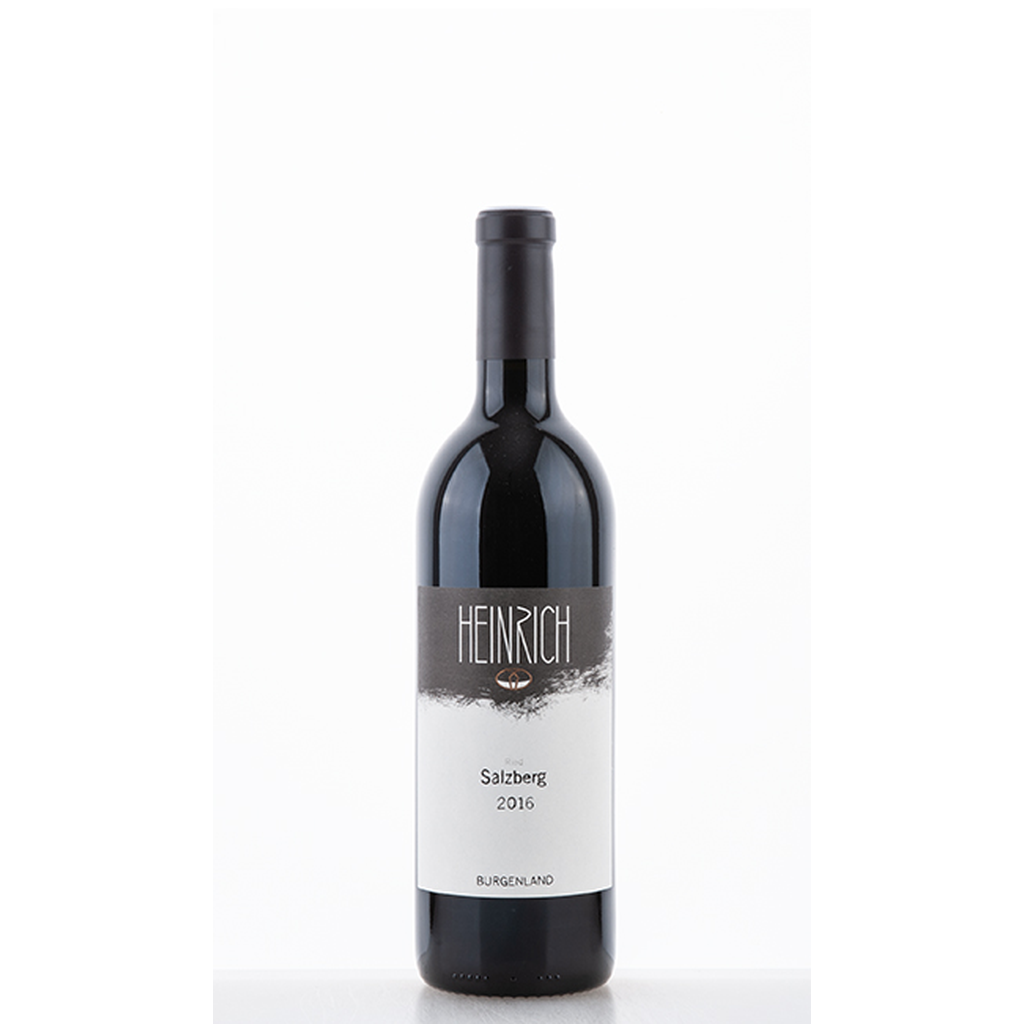
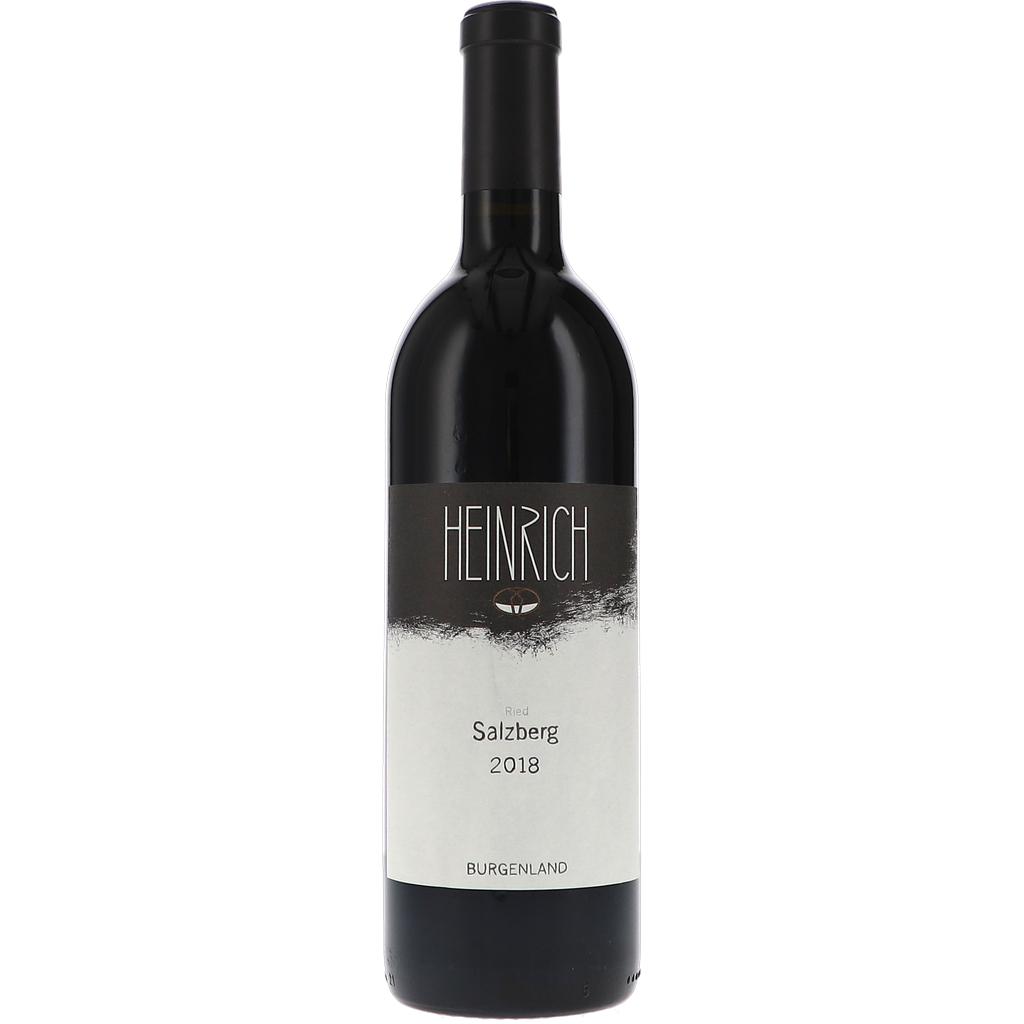
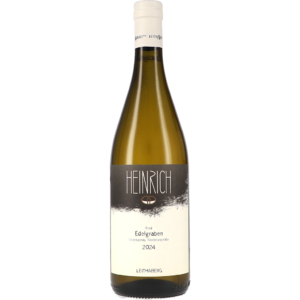
The Salzberg lies directly above the winery, facing due south, with soils ranging from clay-silt to limestone to sandy gravel. The dry site produces small, thick-skinned grapes. Blaufränkisch and Merlot ferment here spontaneously for three weeks in open wooden fermenters on the skins and mature for 48 months in 500-litre barrels, bottled unfined and unfiltered. Edelgraben and Gabarinza round out the series of single vineyards, which ranges from the cool limestone of the Leithagebirge to the warmer gravel soil near Gols.
The Freyheit line and skin contact
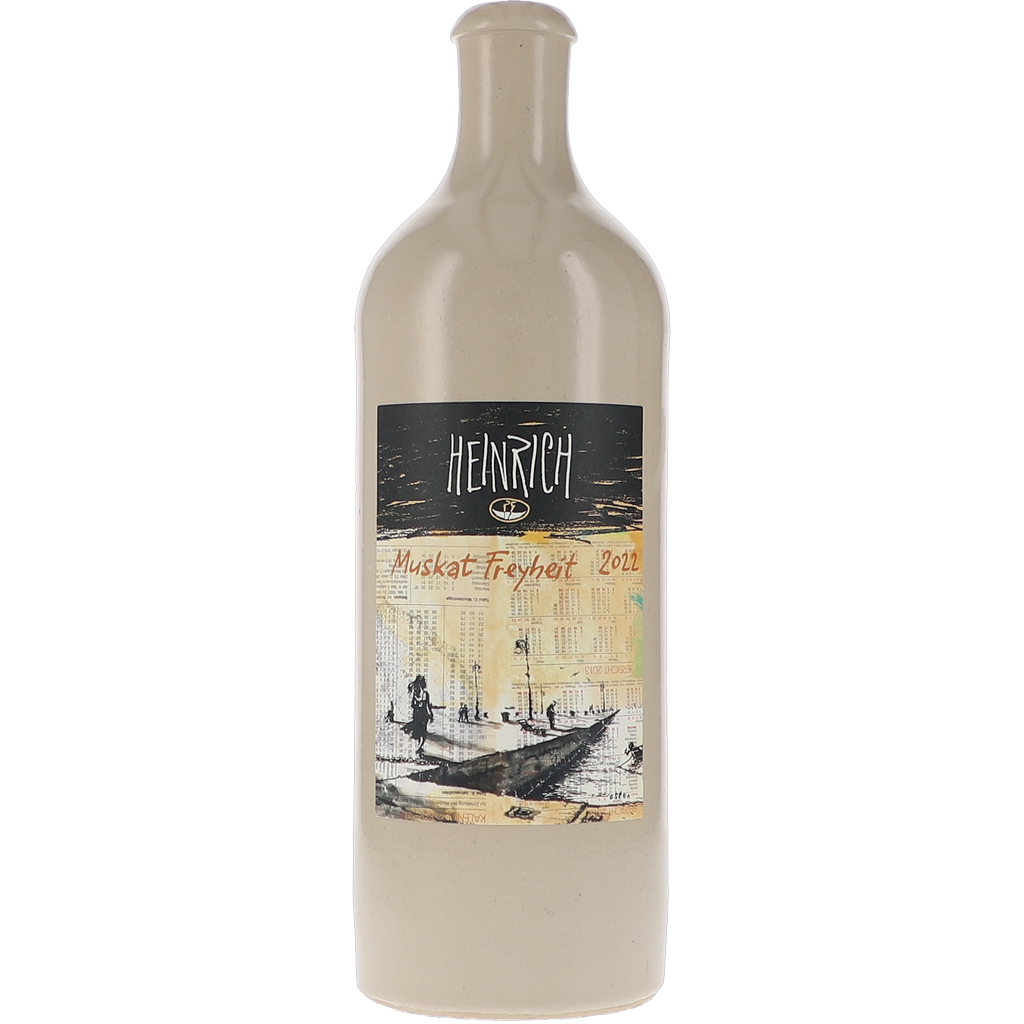
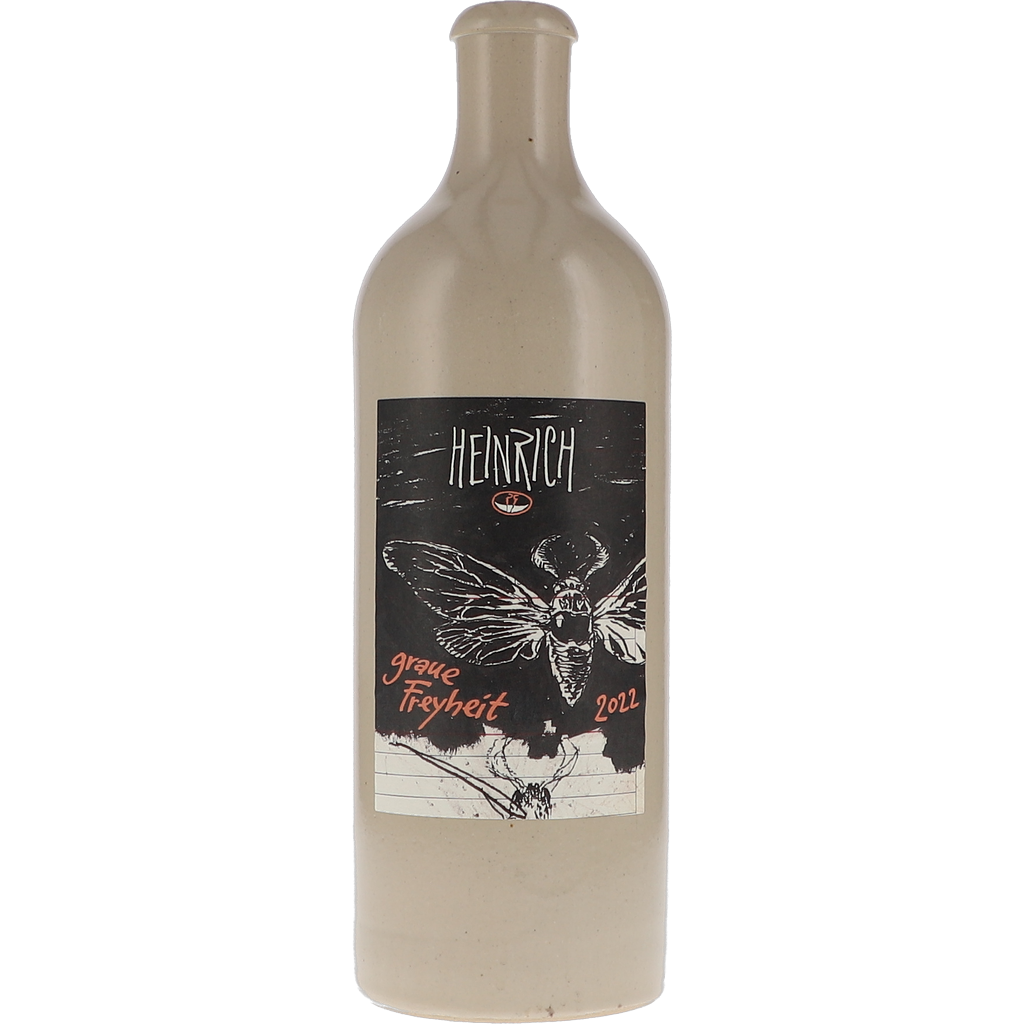
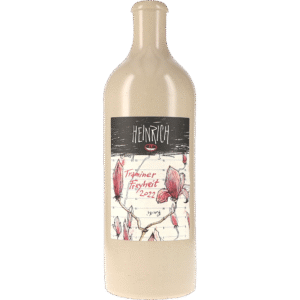
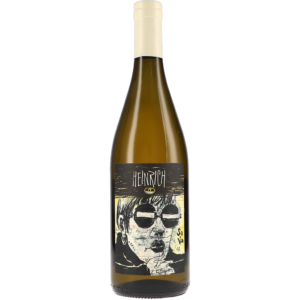
For the orange wines of the Freyheit line, the white wines stay on the skins for up to fourteen days. The Graue Freyheit combines Pinot Gris, Pinot Blanc, Chardonnay and Neuburger; its colour comes from the skin contact of the Pinot Gris, which grows on crystalline schist and quartzitic schist on the Hackelsberg in Jois and the Spiegel in Winden. Pinot Blanc and Chardonnay come from the limestone- and schist-rich east-facing slopes of the Leithagebirge, mainly from the Edelgraben in Breitenbrunn and the Alter Berg in Winden. Picking runs from late August to mid-September, after which the wine matures for 17 months in amphorae and large used oak barrels. In the Muscat Freyheit, lychee and rose petal sit alongside a dry, taut body. The Pinot Freyheit grows on mica schist and limestone, ferments 70 percent with whole clusters on the skins and matures for over a year with natural yeast in amphorae.
Amphorae and barrels in the cellar
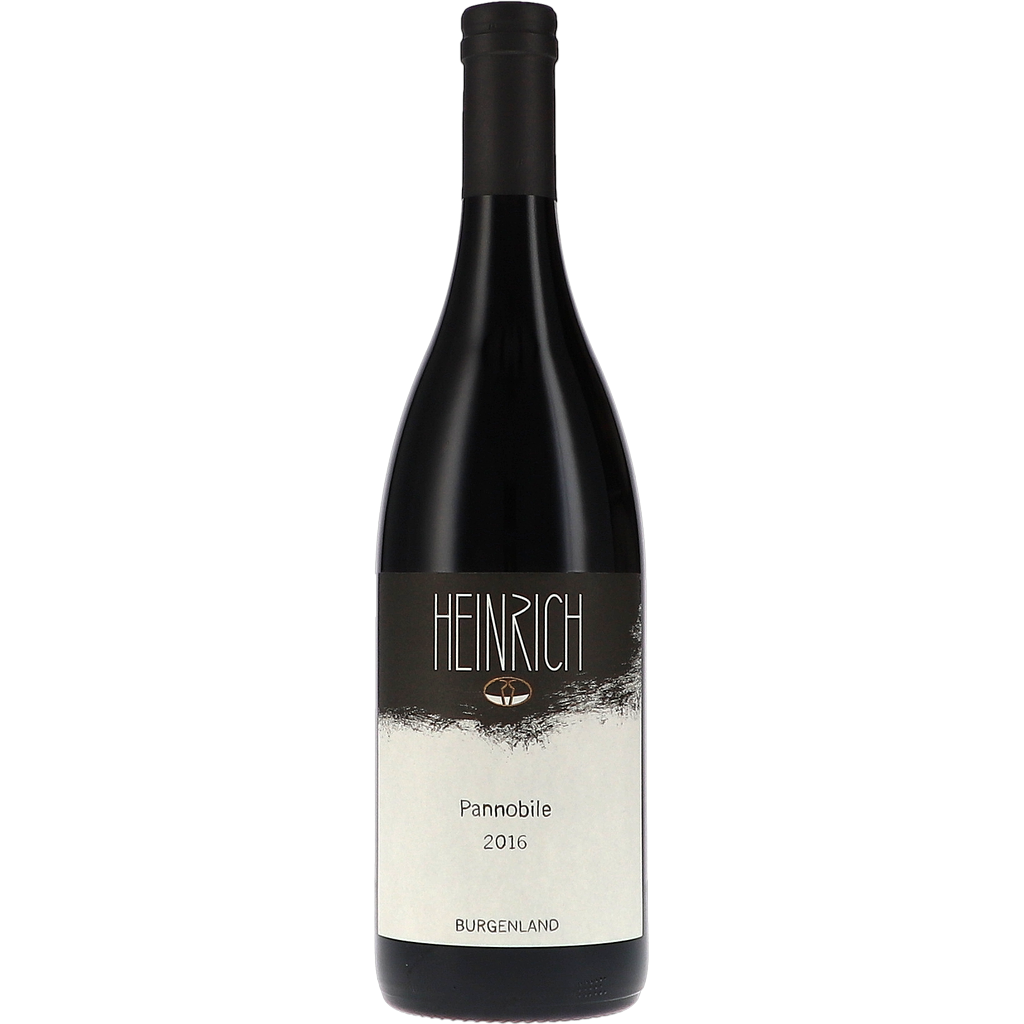
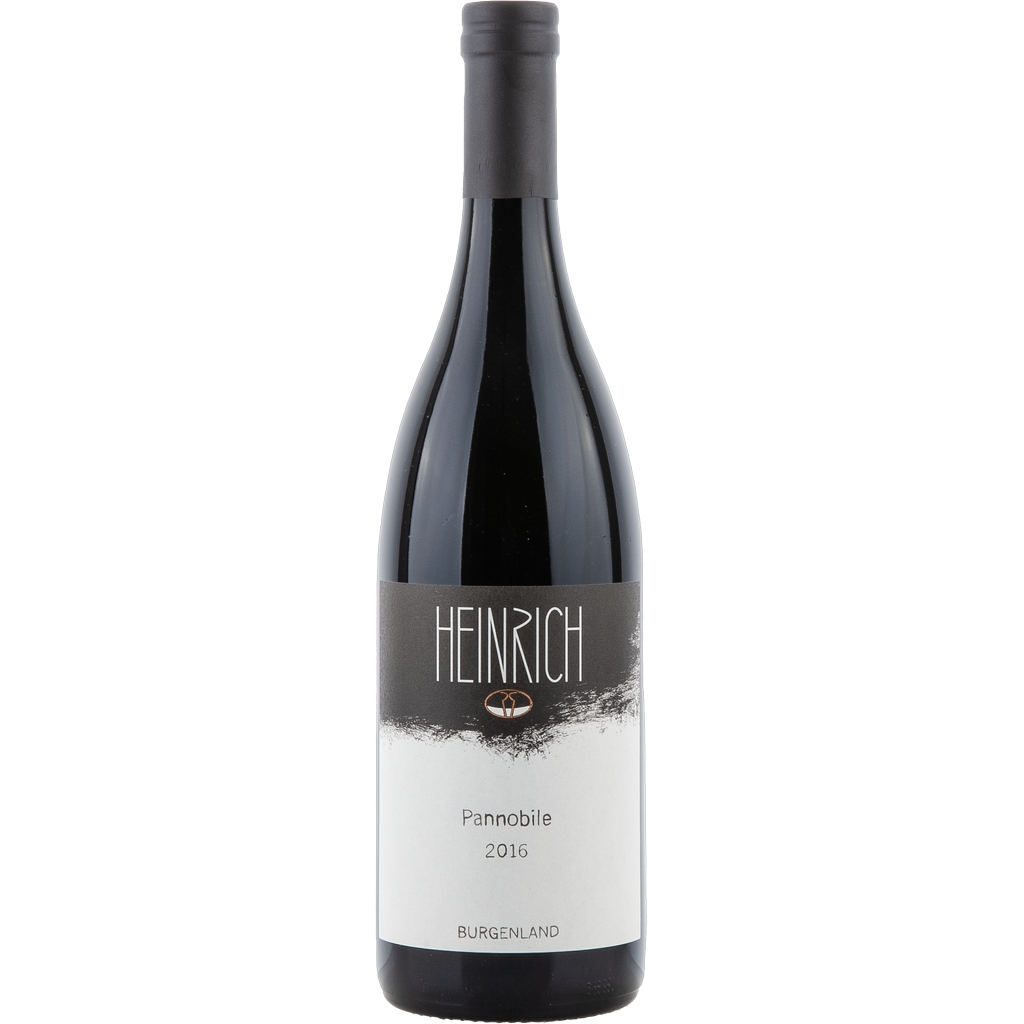
In the cellar the wine moves without pumps, by gravity alone. Clay amphorae are increasingly taking over the role of small wooden barrels, since they allow for gentle oxidation without imparting wood aromas; alongside them stand large vessels of used wood from local cooper Klaus Pauscha. For the Pannobile, the blend of Blaufränkisch and Zweigelt, and for the Salzberg, wood remains indispensable; with the years in the cellar, notes of tobacco and dark cherry emerge.