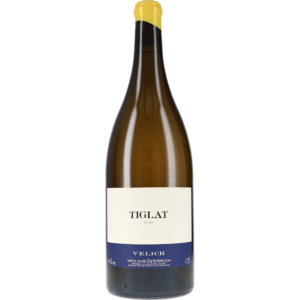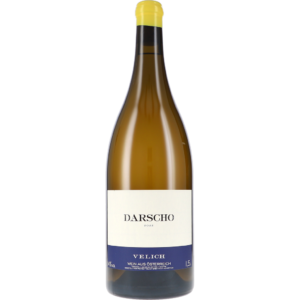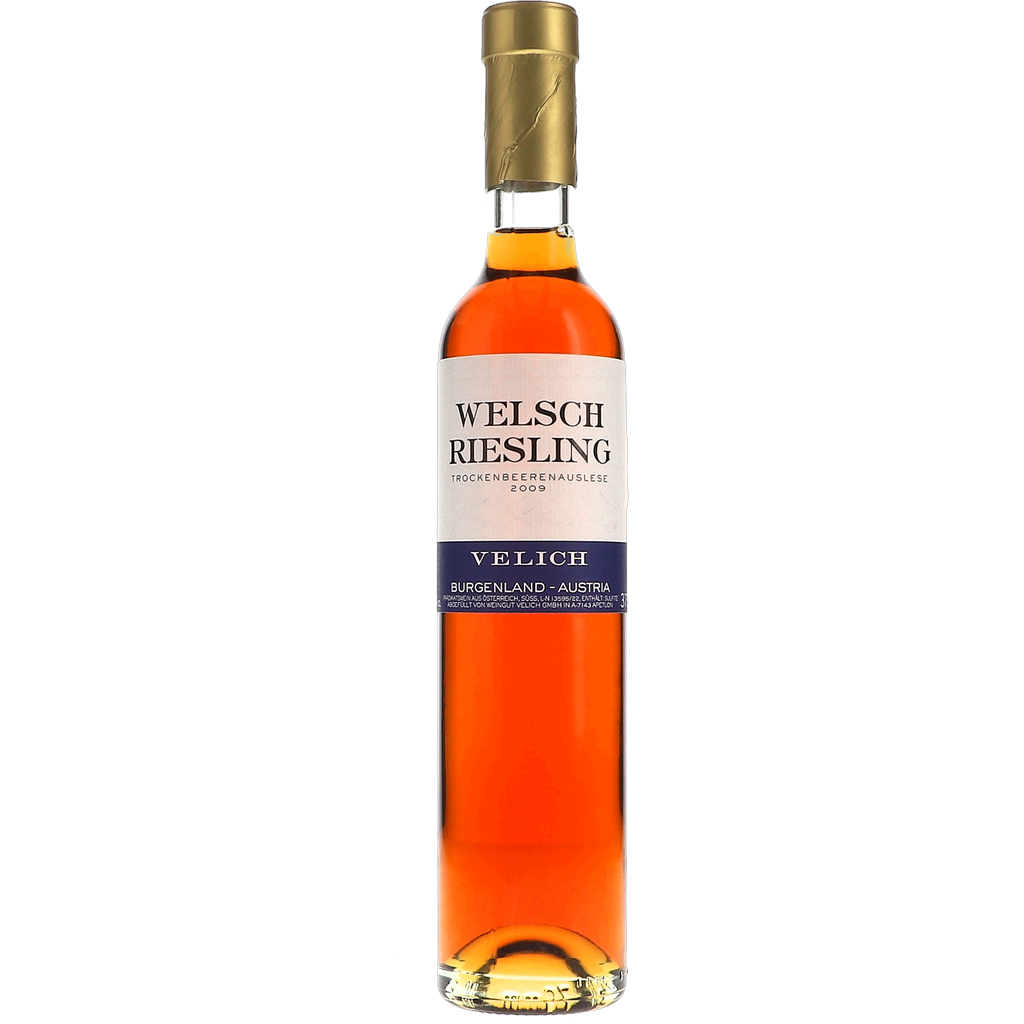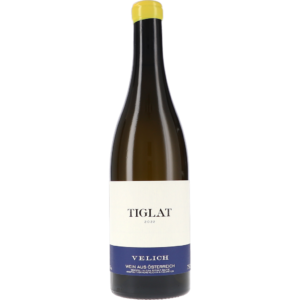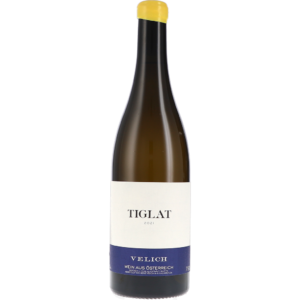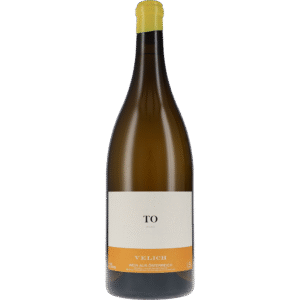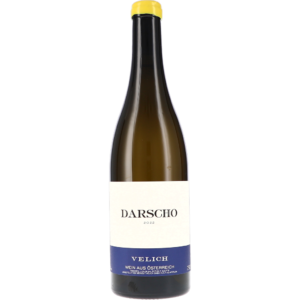
Concentration and finesse, two seemingly contradictory qualities, come together on the eastern shore of Lake Neusiedl in white wines of almost telepathic clarity. In the Burgenland village of Apetlon, Heinz Velich, initially together with his brother Roland, has created a winery that sets international standards without denying its regional roots. His Chardonnays Tiglat and Darscho are regarded as Austrian benchmarks: grown on calcareous soils and aged with the patience that great wines simply demand. Yet the sweet wines and the dry specialities from Welschriesling and Muskat Ottonel also show what becomes possible when craftsmanship meets instinct. These are wines that set out not to impress but to convince.
Precision by the Pannonian Sea
Burgenland is hardly short of talented winemakers: names such as
Moric or
Heinrich have put the region on the world map. Yet what Heinz Velich, initially together with his brother Roland, has achieved since the early 1990s occupies a special place. While many of his peers shine with Blaufränkisch or Zweigelt, he has devoted himself to
white wine, with an uncompromising rigour that has few equals in Austria.
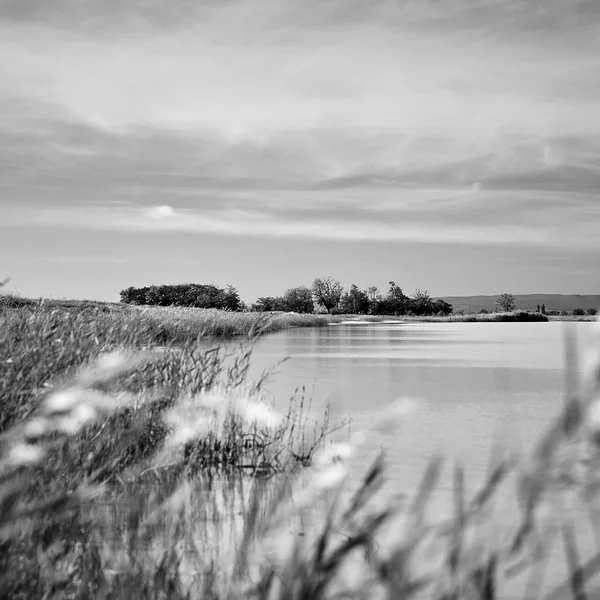
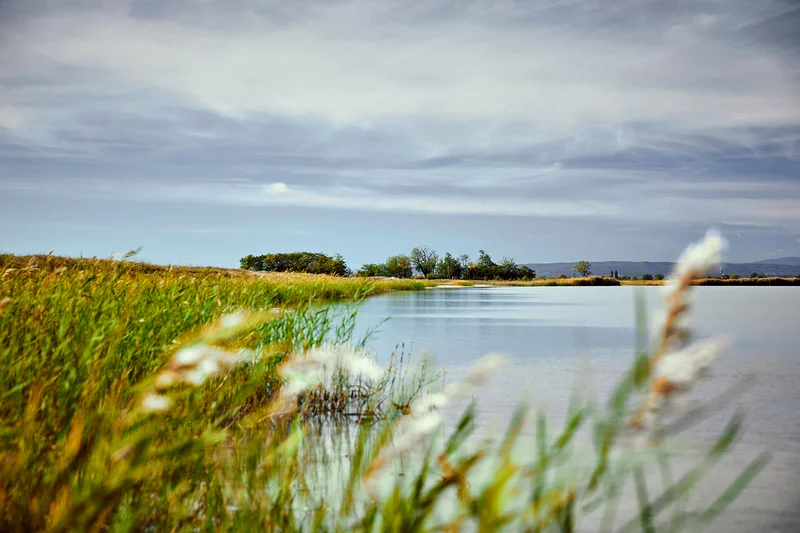
Apetlon, the brothers' home village, lies at the south-eastern tip of Lake Neusiedl, where the Pannonian climate makes itself felt most strongly: hot, dry summers, cold winters, extreme swings in temperature. The soils consist of
limestone and gravel interspersed with sand, a combination that seems to draw Chardonnay almost by magic. Heinz Velich, the winemaker, and his brother Roland, who later founded his own estate, Moric, understood early on that something extraordinary was possible in this unassuming corner of Austria.
Chardonnay as a Life's Work
Tiglat and
Darscho are more than single-vineyard wines: they represent two different ways of approaching the variety. Tiglat, named after a Hungarian word for various species of bird, comes from lime-rich soils and is tauter and more mineral, almost ascetic in its youth. Darscho, by contrast, grown on somewhat deeper soils, reveals more fruit and texture without giving up any precision.
Both wines undergo
spontaneous fermentation with wild yeasts, are aged in Burgundian barrels and mature considerably longer than most Austrian white wines before they are released. That patience shows: the wines never come across as loud or pushy, but unfold slowly, layer upon layer, combining power with elegance. Anyone looking for international comparisons will inevitably think of the Côte de Beaune, yet Velich does not copy; he interprets, with a Burgenland accent.
Beyond the Chardonnay Universe
However much the two flagships shape the estate's reputation, its true versatility shows in the other wines. The
Welschriesling, for instance, so often underrated in Austria, becomes a wine of beguiling clarity in Velich's hands: lively acidity, subtle fruit, a touch of herbal spice. It proves that this variety can do far more than end up in spritzers and Heuriger wines.
The
Muskat Ottonel also deserves attention: a rarity in its dry form, aromatic without seeming perfumed, with the tension that marks Velich wines in general. And then there are the sweet wines: when conditions are right, Velich makes Beerenauslese and Trockenbeerenauslese that have nothing in common with heavy, cloying sweetness and are closer to liquid gold, shot through with acidity and minerality.
Craftsmanship Without Compromise
Velich is not an estate for the impatient. The wines need time, in the cellar and in the bottle. Heinz Velich works with
minimal yields, selects meticulously and does without oenological tricks. Spontaneous fermentation, long lees ageing, a light hand with sulphur: none of this is marketing talk, it is everyday practice. The wines are neither fined nor filtered unless absolutely necessary.
This way of working links Velich with peers such as
Nittnaus, who likewise put their faith in authenticity and terroir. But while other winemakers experiment and keep reinventing their styles, Velich remains remarkably true to itself. That is not stubbornness but consistency: the certainty of having found the right path.
What remains in the end are wines that do not crave approval. They are what they are: honest, precise, profound. Burgenland in the glass, without folkloric trimmings. Chardonnay that can stand comparison with any French model. White wine that proves Austria can do far more than Grüner Veltliner.