Moric

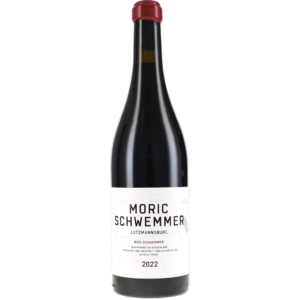
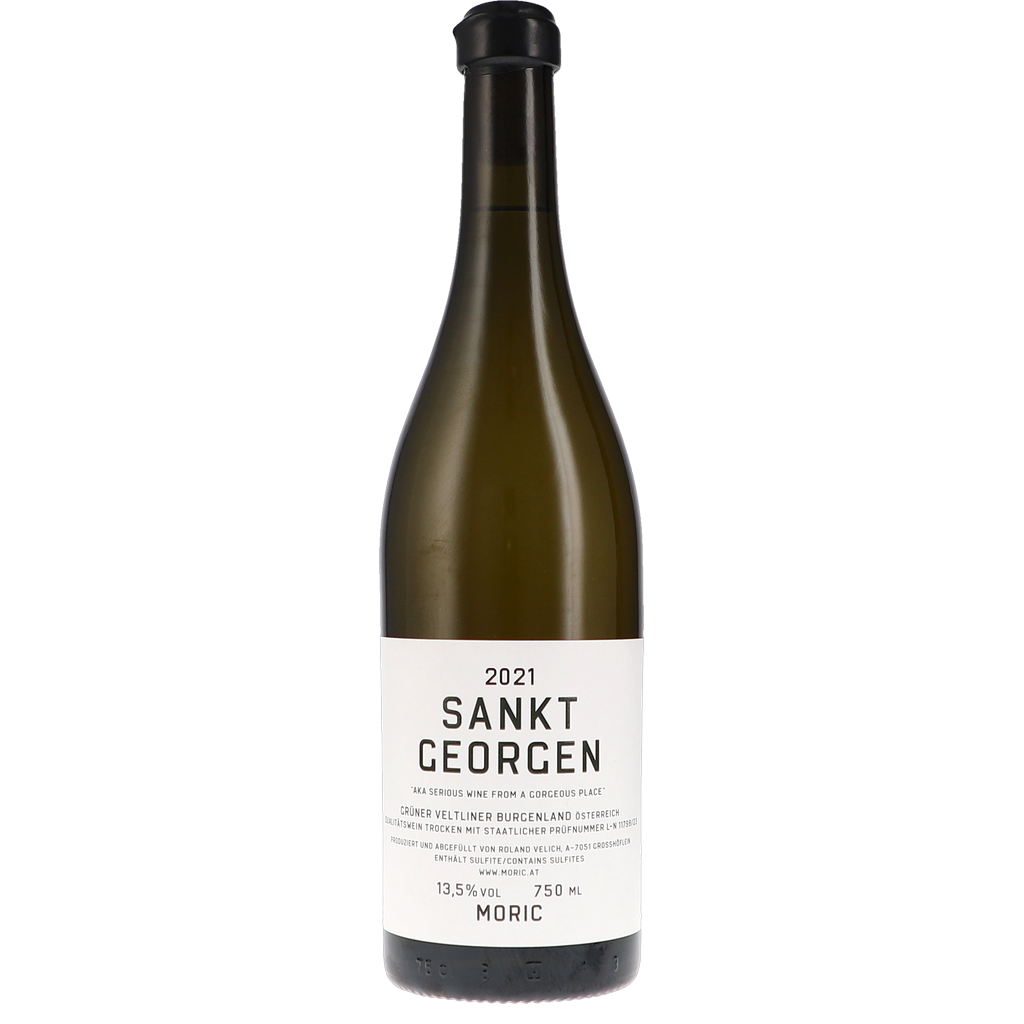
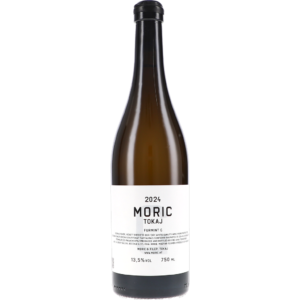
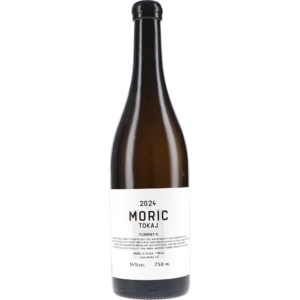
Moric is Roland Velich's winery in Burgenland, farming 22.5 hectares planted predominantly to Blaufränkisch. The first vintage came in 2001 from Lutzmannsburg, where the vines grow on a prehistoric volcano. The Kirchberg, Schwemmer and Maissner sites each yield their own wine, alongside Blaufränkisch from Neckenmarkt and Zagersdorf and Grüner Veltliner from Sankt Georgen bei Eisenstadt. Velich farms biodynamically and ferments spontaneously in open wooden vats. Ageing takes place in large, used wood. A Furmint from Tokaj rounds out the range, the result of collaboration with Hungarian winemakers.
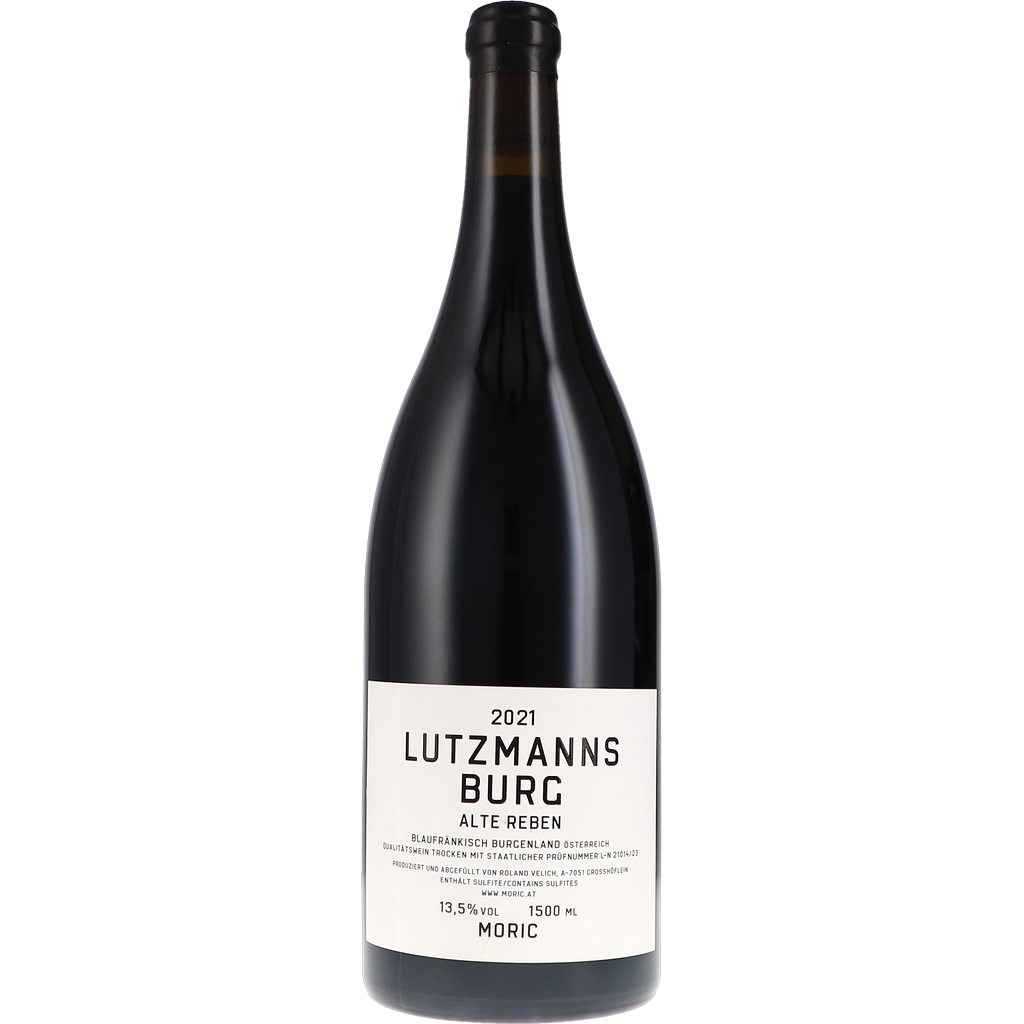
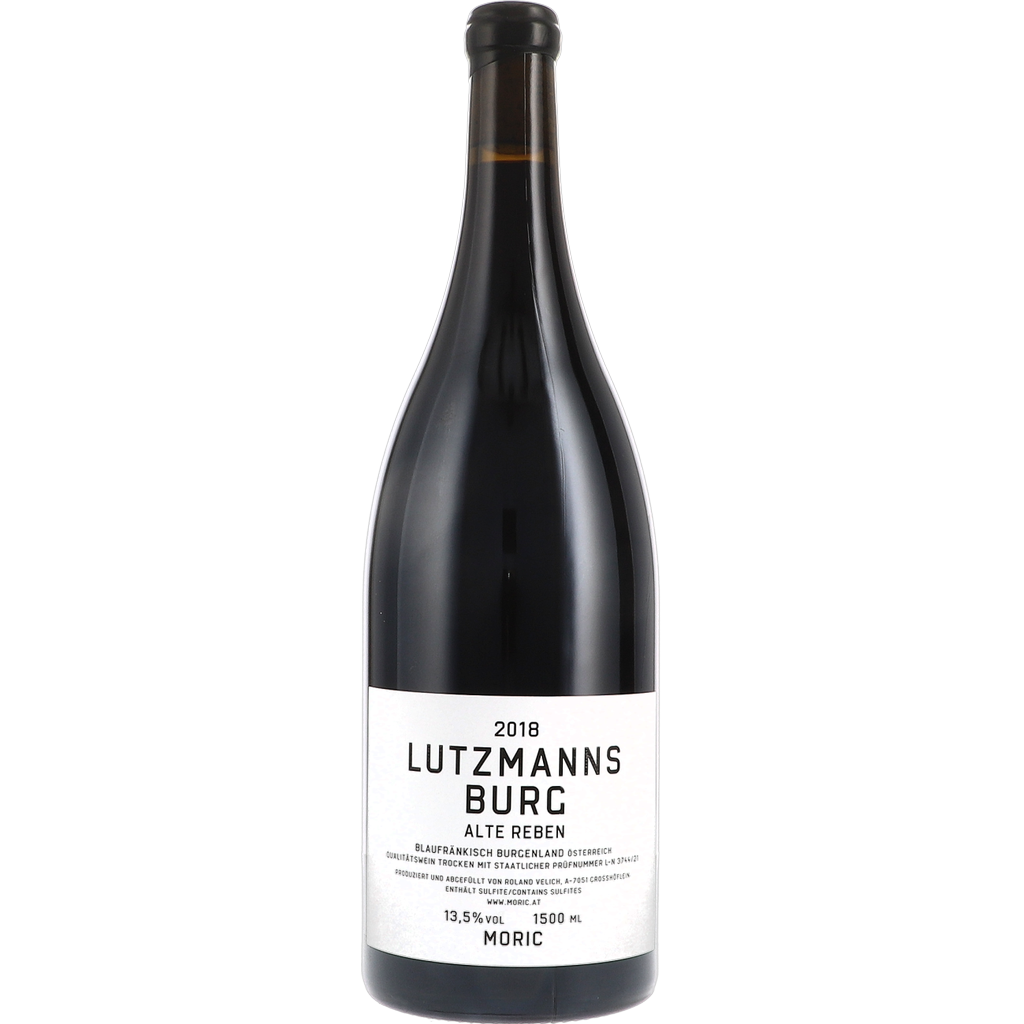
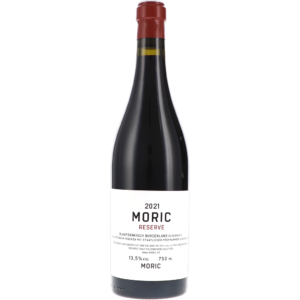
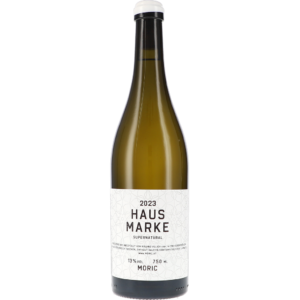
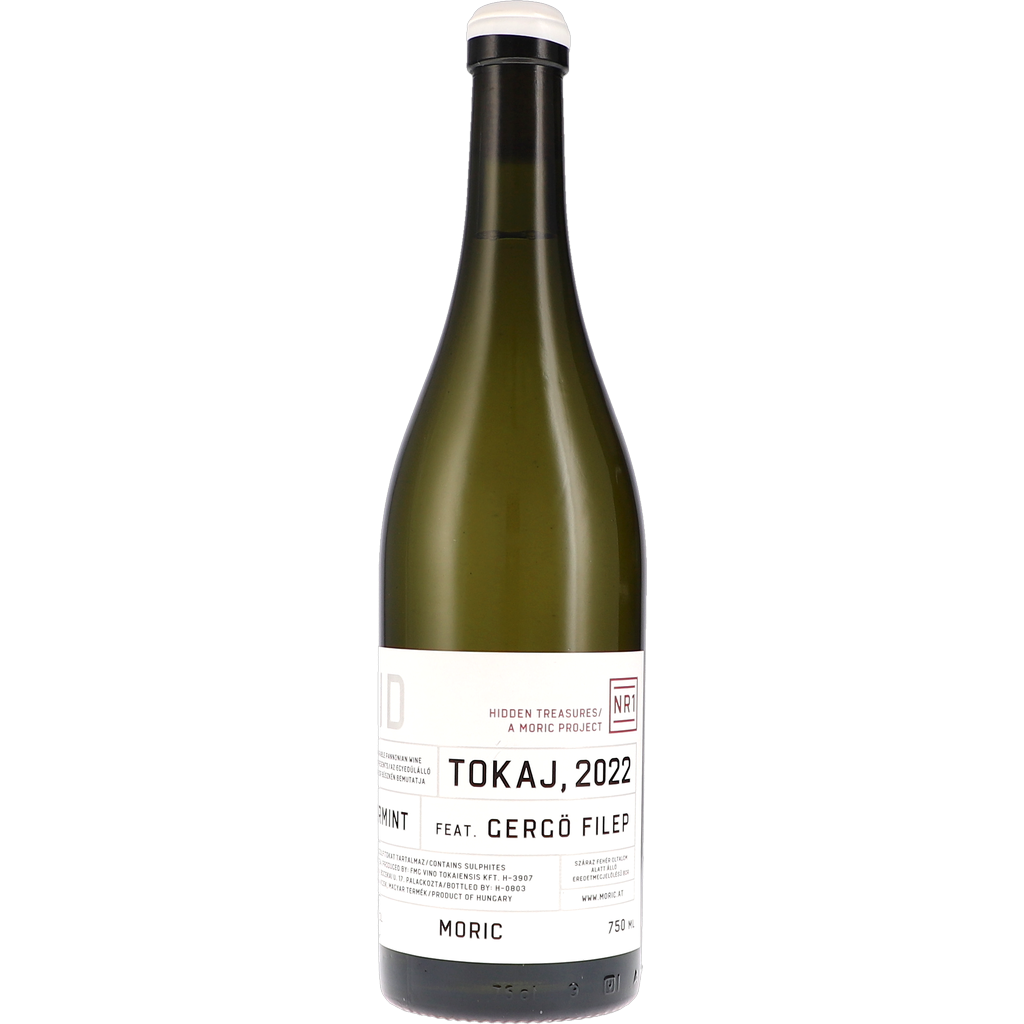
Roland Velich and the name Moric
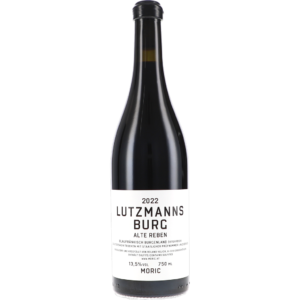
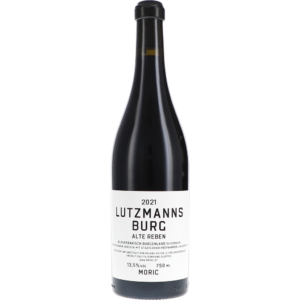
Roland Velich worked as a ski instructor and a croupier before wine became his profession. Together with his brother, he initially ran the family winery; in 2001 he founded Moric, and it began with the Lutzmannsburg Alte Reben. Moric is pronounced like Moritz, and since that vintage it has stood for Blaufränkisch from old plantings whose origin remains recognisable in the glass. Velich's ambition applies just as much to the simpler wines and the house label Supernatural weiss. They have their own character and great potential.
Lutzmannsburg and the old vines
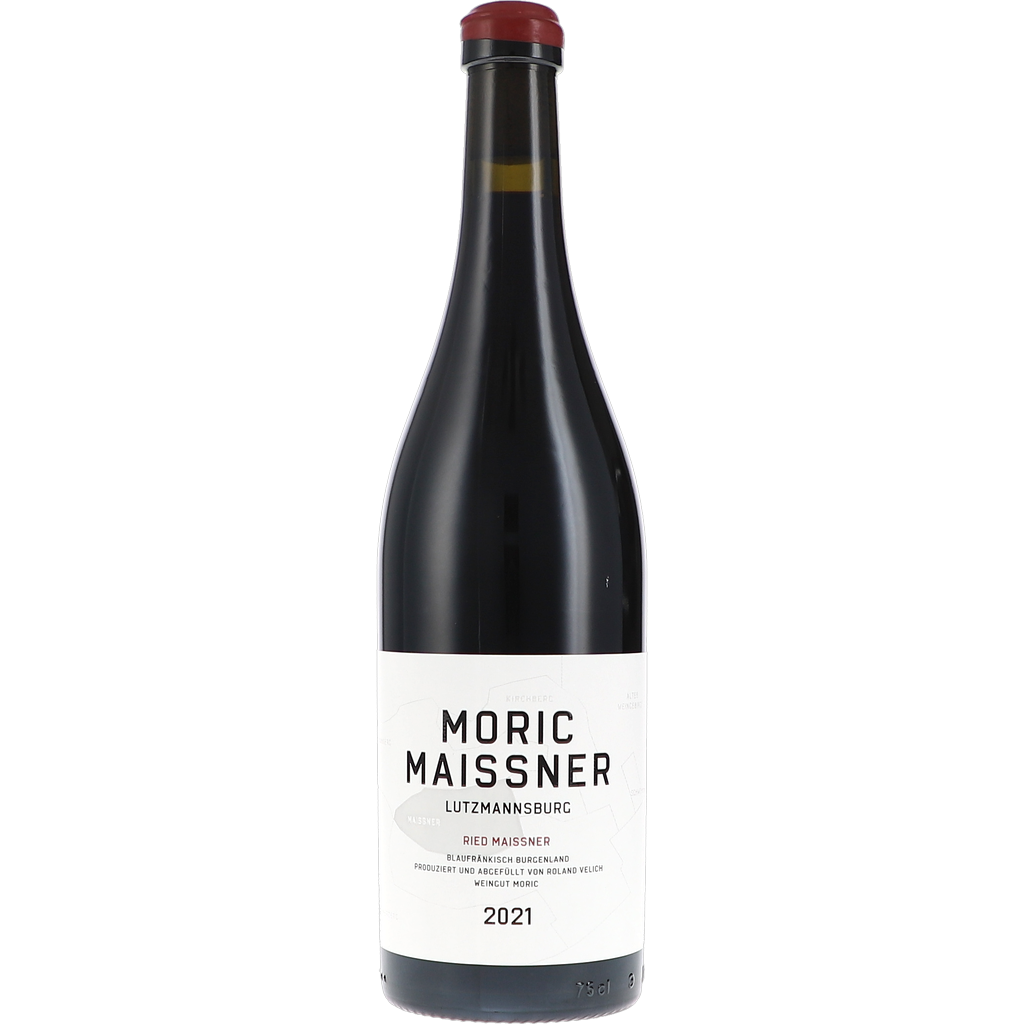
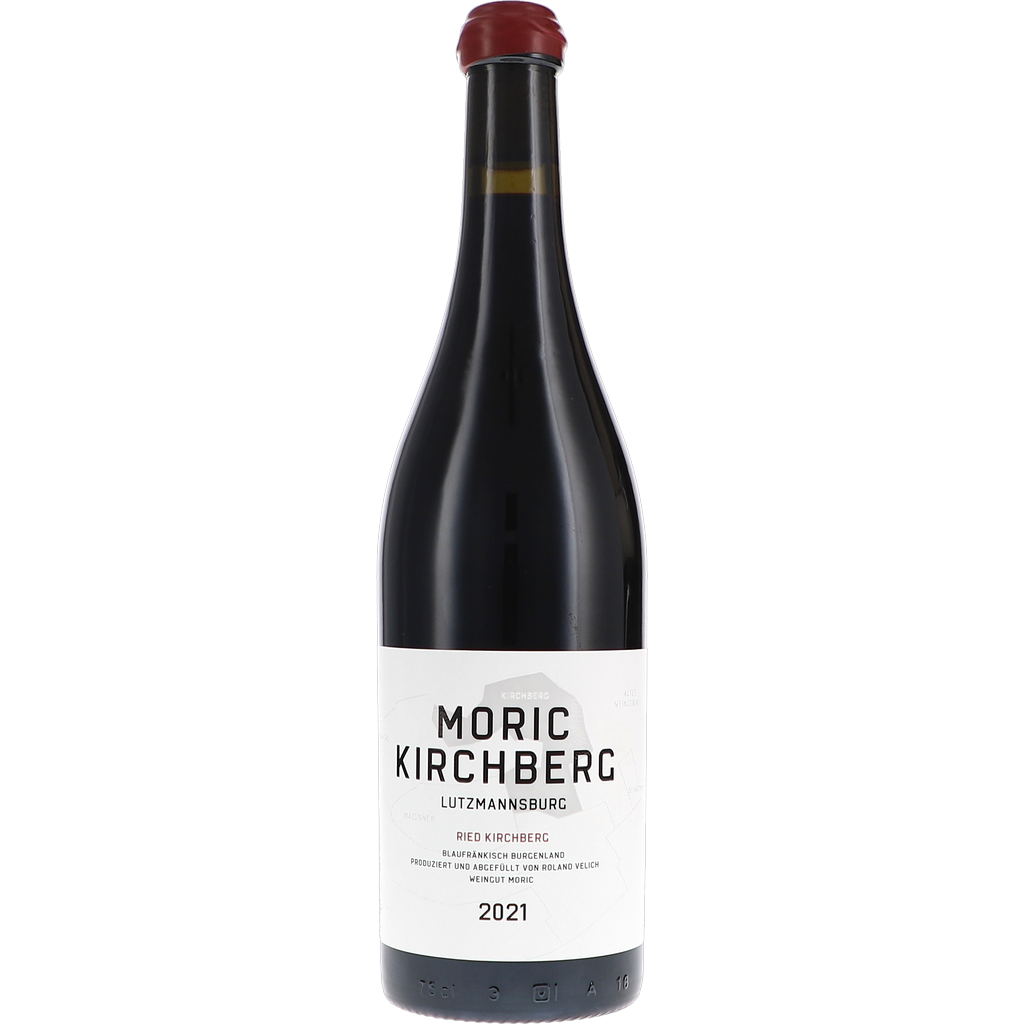
In Lutzmannsburg, the vines are rooted in a prehistoric volcano. The iron-rich soils leave a mineral trace in the Blaufränkisch. The sites lie far apart from one another. The Kirchberg is steep and limestone-rich, the Maissner a clay plateau. The Schwemmer likewise yields its own wine.
Many vines are 50 to 110 years old, dating from a time when Blaufränkisch had not yet been bred for yield. They carry small crops and produce dense wines. Velich also harvests old vines in Neckenmarkt; the Neckenmarkt Alte Reben was the first red wine from Austria to receive 95 Parker points.
Biodynamic work and vinification
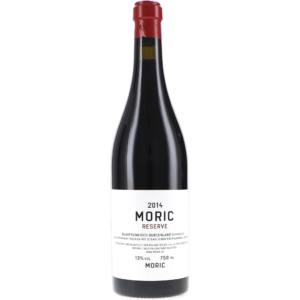
Velich farms the vineyards biodynamically and keeps interventions to a minimum. The grapes ferment spontaneously, maceration lasts 22 days, after which the wine ages 20 months on fine lees. There is no fining or filtration. The Lutzmannsburg Alte Reben tastes of wet limestone and black cherries, while the Blaufränkisch Burgenland stays cool in tone. The Moric Reserve is made by the same principles.
Zagersdorf, Sankt Georgen and Tokaj
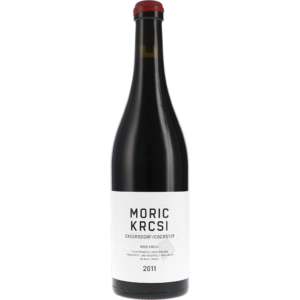
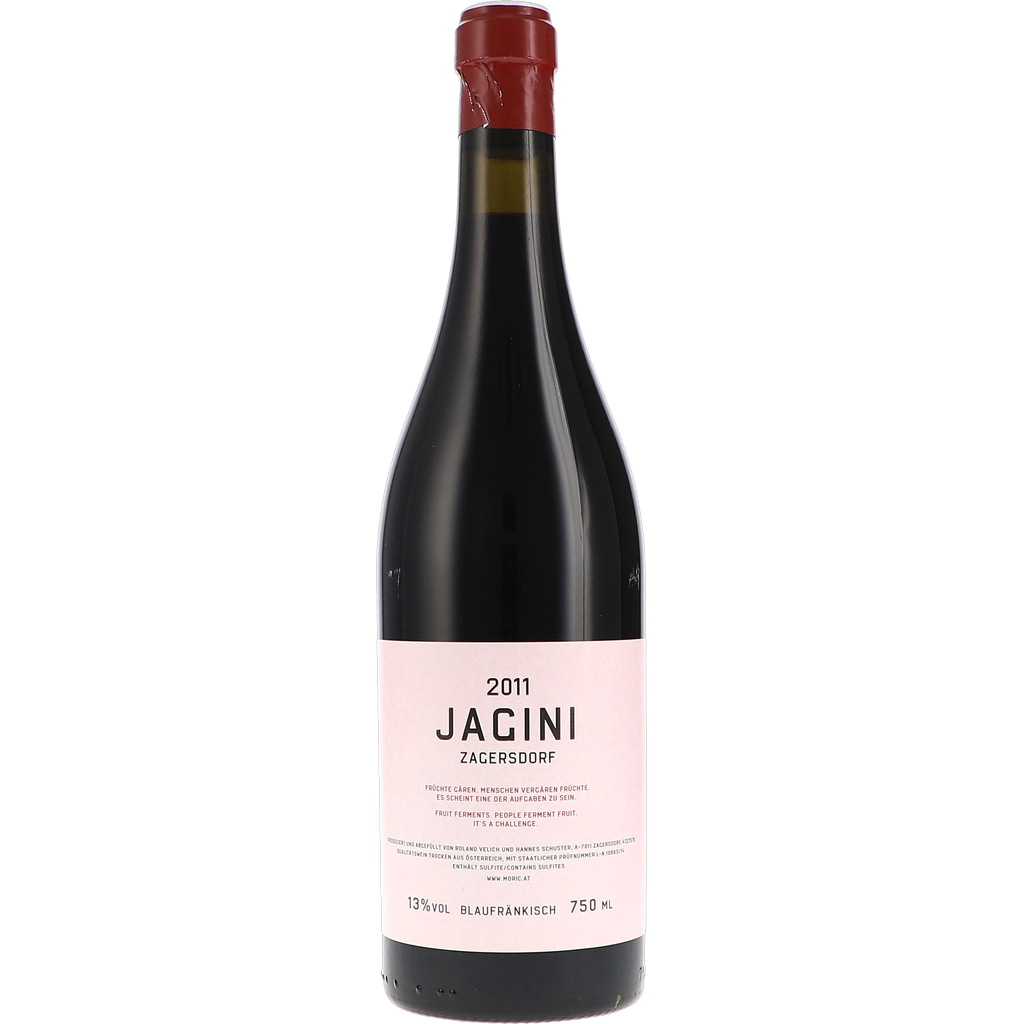
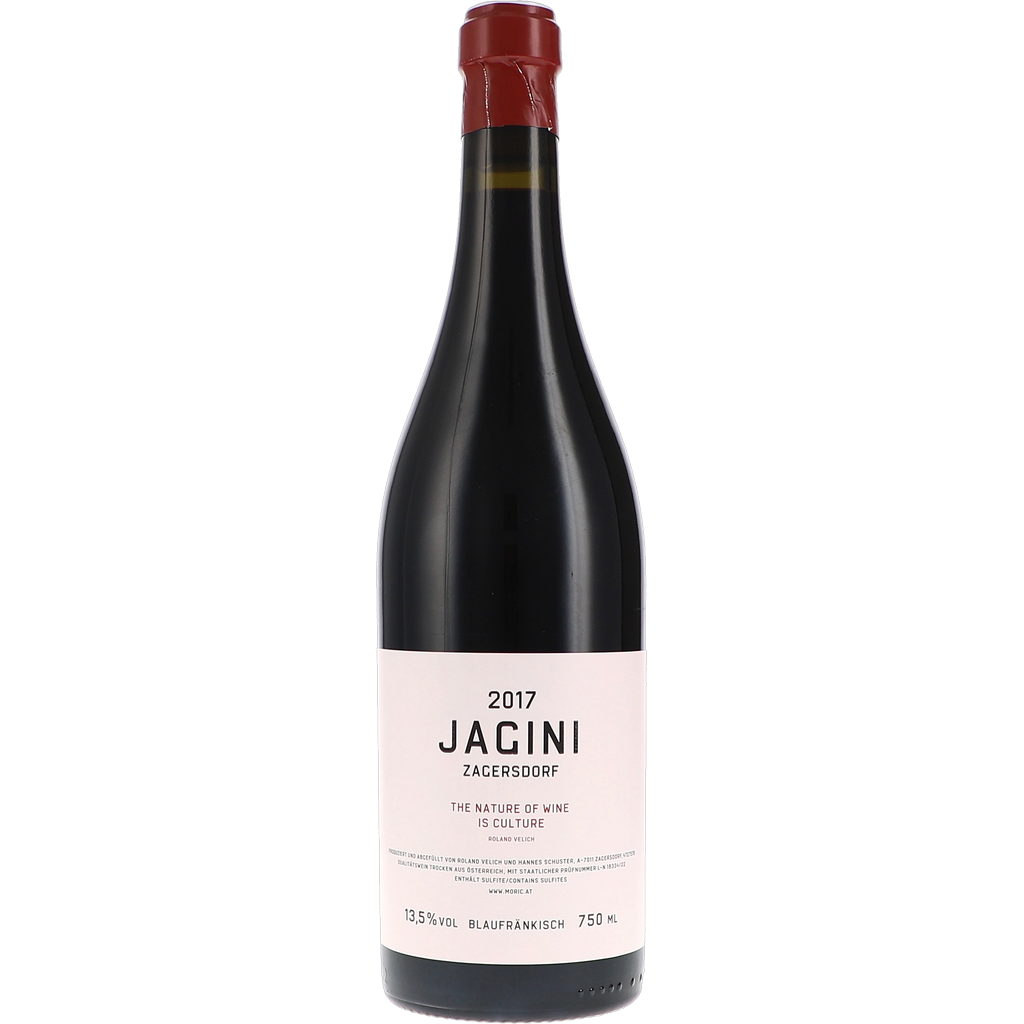
In Zagersdorf, Velich secured the last old Blaufränkisch vines. The Jagini Zagersdorf is made there as a joint project from 60-year-old plantings, fermenting spontaneously and ageing four years in wooden barrels. The Zagersdorf/Cogrštof Ried Krcsi comes from the same village.
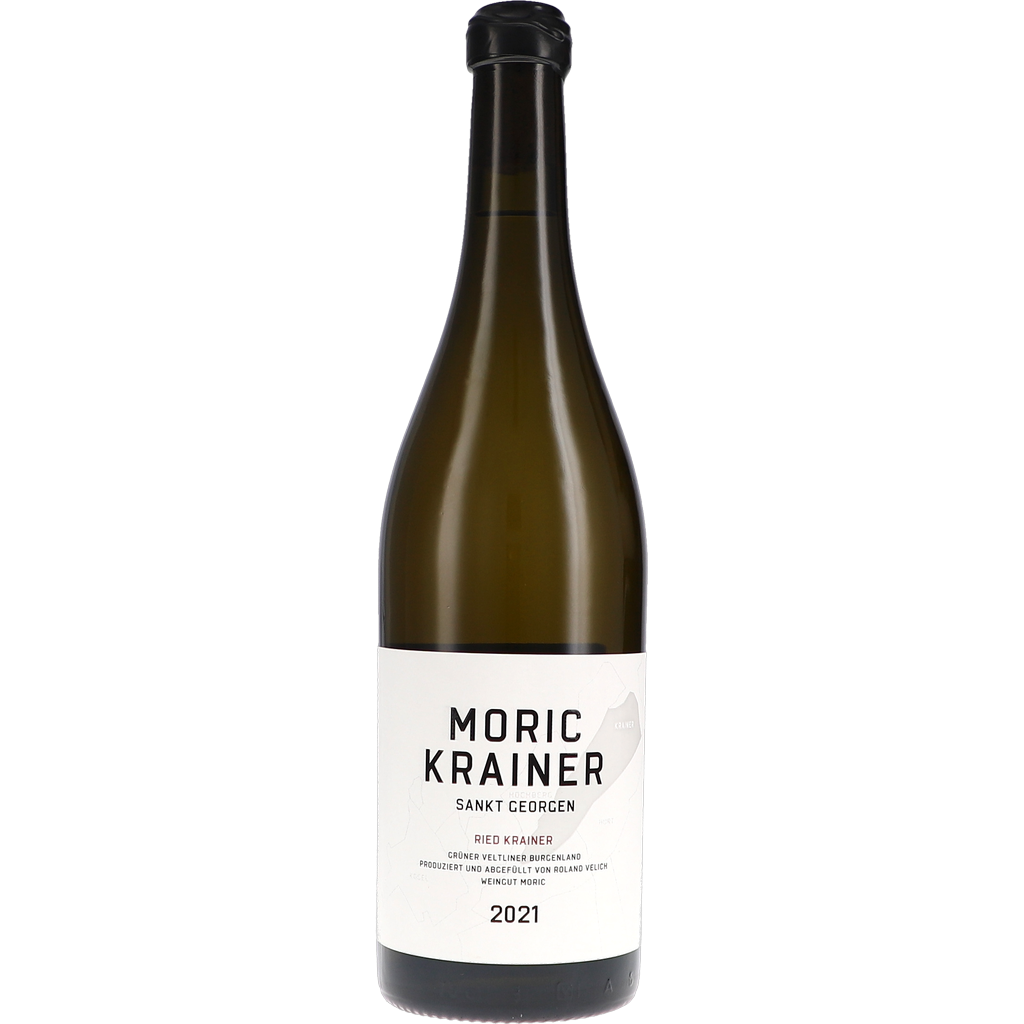
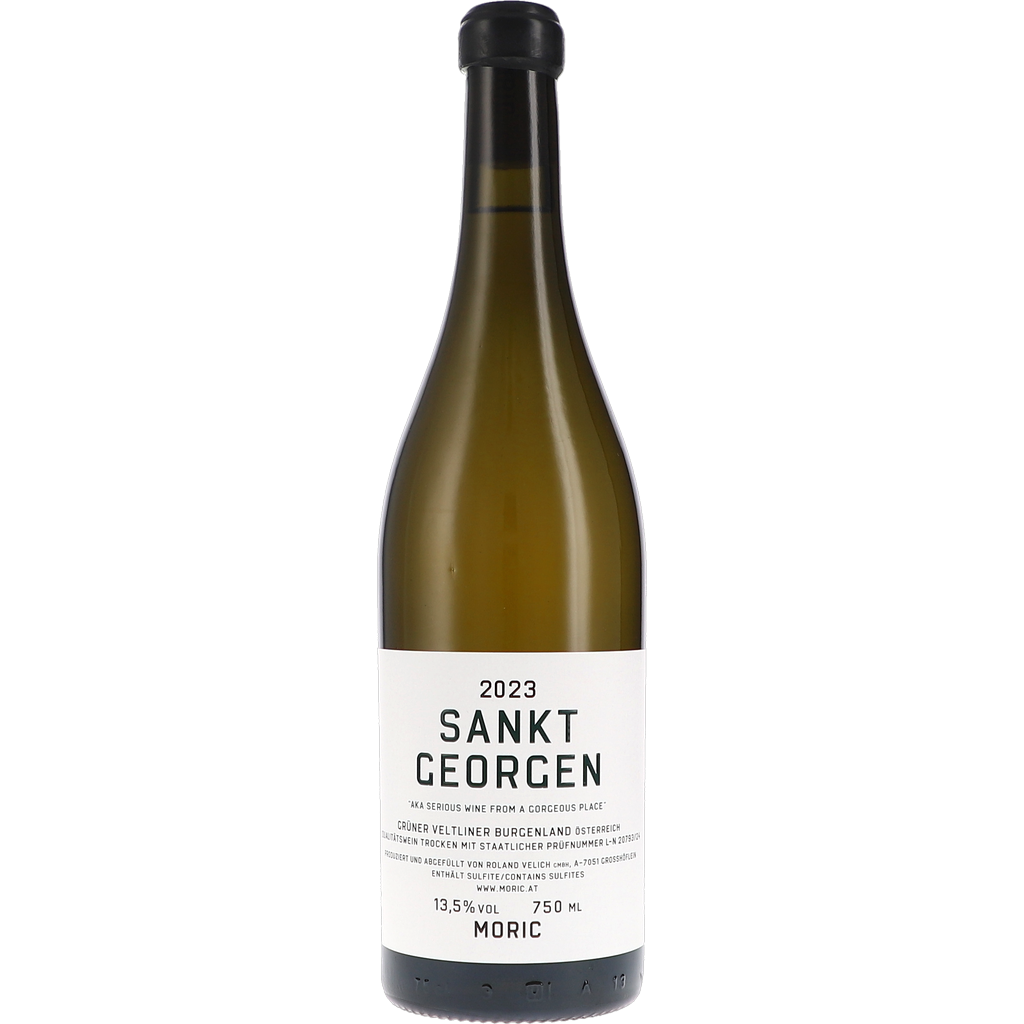
In Sankt Georgen bei Eisenstadt, Velich owns small, old plots of Grüner Veltliner. The Sankt Georgen ferments spontaneously, ages in 500-litre barrels, and remains unfined and barely filtered. Another Grüner Veltliner comes from the Krainer site. Through the Hidden Treasures Project, Velich also collaborates with Hungarian winemakers; Furmints such as the Turoska and the Hasznos come from Tokaj as part of this work. Falstaff named Roland Velich Winemaker of the Year in 2023.