Alta Alella
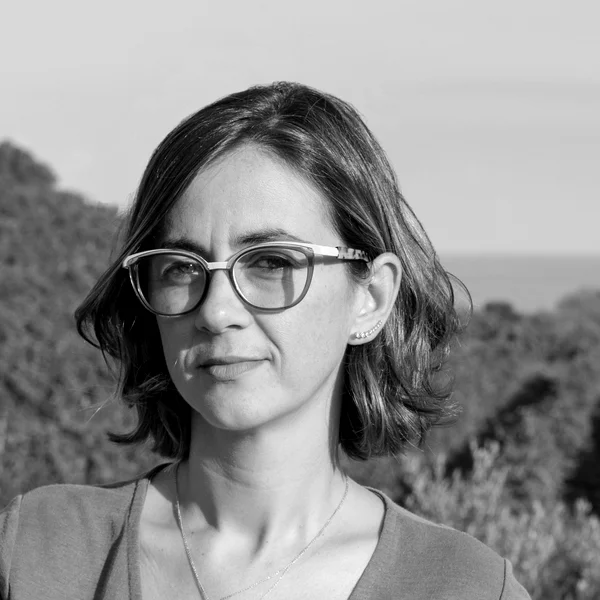
Alta Alella farms 50 hectares in the Serralada de Marina Natural Park, two kilometres from the Mediterranean and fifteen from Barcelona. Josep Maria and Cristina Pujol-Busquets bought the overgrown Can Genís estate in 1991 and rescued vines that were sixty years old at the time; their daughters Mireia and Georgina now run the estate in the second generation, organic from day one. The main grape variety here is called Pansa Blanca, the local name for Xarel·lo in Alella, grown on Sauló, a sandy granite soil almost free of limestone. The sparkling wines age long on the lees, are made without dosage, and carry a saline, chalky trace.
Can Genís in the Serralada de Marina Natural Park
The estate lies nestled within the Serralada de Marina Natural Park, where hawks and lizards live among the vine rows, two kilometres from the Mediterranean and fifteen kilometres from the Ramblas in Barcelona. Josep Maria and Cristina Pujol-Busquets found an overgrown estate with old vines here in 1991 and started with two hectares. That has grown to fifty, with further vineyards still being added. Mireia and Georgina Pujol-Busquets now run Alta Alella in the second generation.
Sauló, the granite sand of Alella
Sauló is the name of the weathered granite sand on which the vines in Alella grow; it contains almost no limestone and drains water quickly. It gives the wines an edgy acidity and low pH values. Yields stay below 6000 kilograms per hectare, with individual plots yielding even less. The autochthonous Pansa Blanca thrives here, the base for the house's Cava.
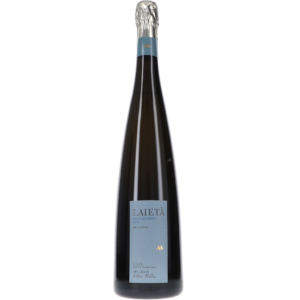
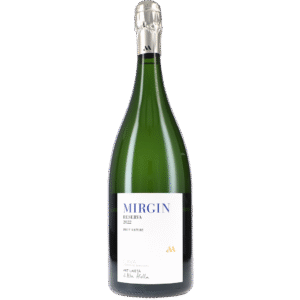
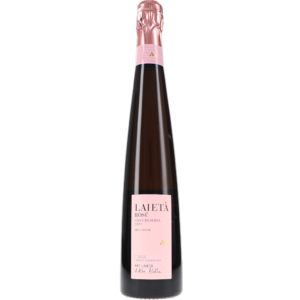
The Mirgin Reserva Brut Nature is crafted from Pansa Blanca with Macabeo and Parellada and rests 35 months on the lees, bottled with zero grams of dosage. For the Laietà Gran Reserva Brut Nature, Xarel·lo, Chardonnay and Pinot Noir grow at 100 to 220 metres of altitude, facing southeast; the three varieties ferment separately in stainless steel at a controlled 15 degrees, followed by 44 months on the lees. The Laietà Rosé Gran Reserva Brut Nature comes solely from Monastrell, called Mataró here, cold-macerated for ten hours to set the colour, and ages 46 months on the lees.
Vallcirera, a Paratge Qualificat
In 1992, Josep Maria and Cristina Pujol-Busquets planted their first own vines in Vallcirera. The AX155 and AX160 plots sit at 90 metres of altitude, facing southeast towards the sea, with Pansa Blanca and Chardonnay planted side by side. Vallcirera is the only organically farmed Paratge Qualificat in Catalonia and the only one located within a protected nature reserve.
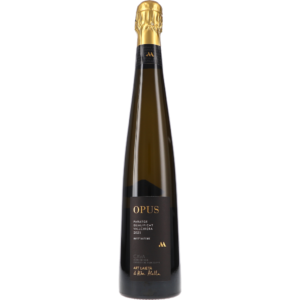
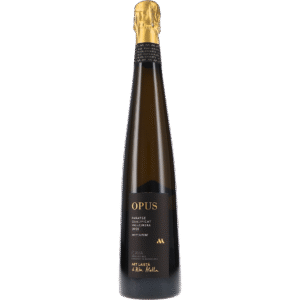
In the Mirgin Opus Paratge Qualificat Vallcirera Brut Nature, the Chardonnay first goes into second-use oak barrels, the Xarel·lo into stainless steel; after four months the two are blended and spend over forty months on the lees. Disgorgement is done by hand, the wine stays at zero grams of dosage and is sealed with natural cork. In the Peñín Guide it received the highest score of any Cava with Paratge Qualificat status.
Celler de les Aus and the Dolç Mataró
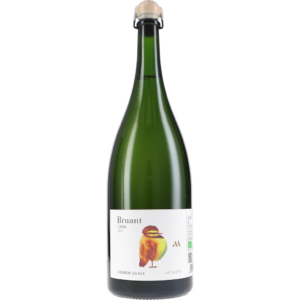
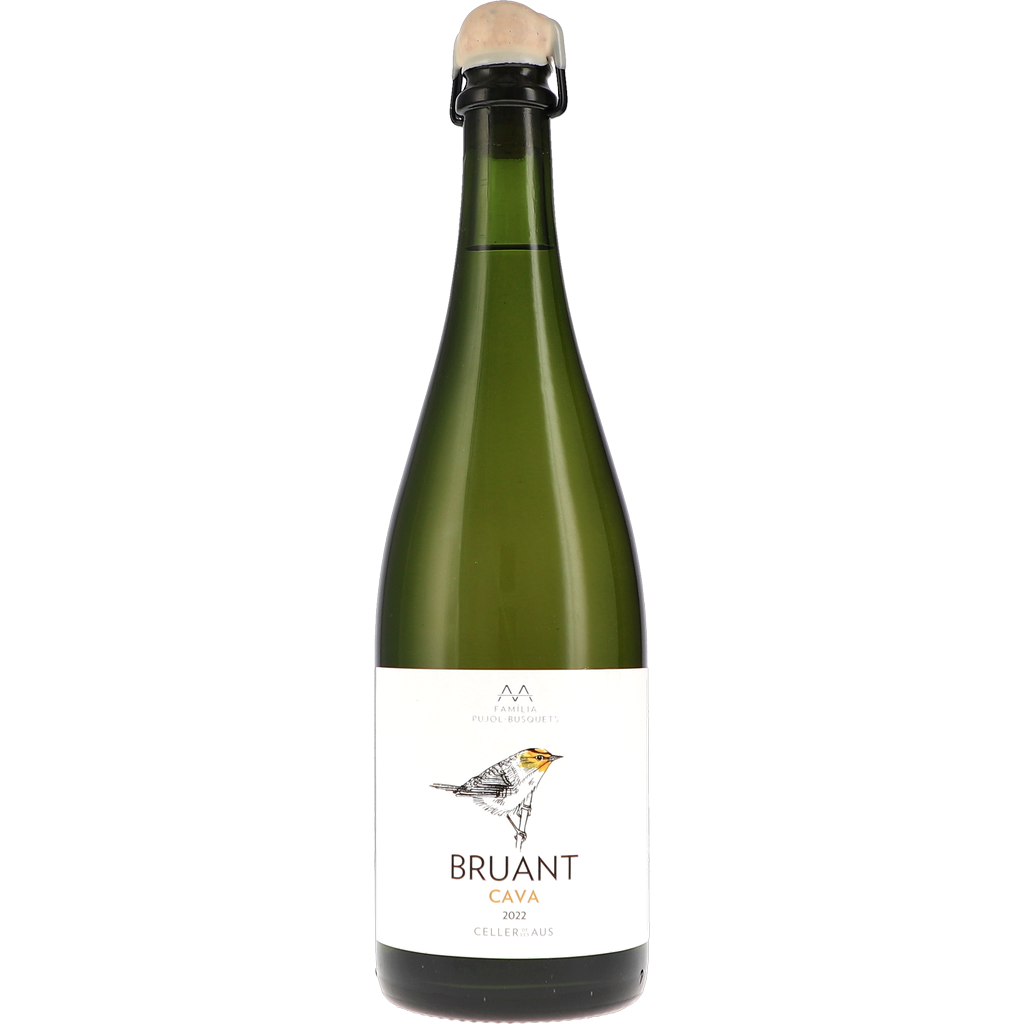
In 2006, Alta Alella bottled Spain's first sulphite-free Cava. In 2012, Mireia founded the Celler de les Aus project, named in Catalan after the birds of the natural park. The wines in this line receive no sulphites; the AUS Bruant Brut Nature brings pear and lees notes to the glass and keeps well for years.
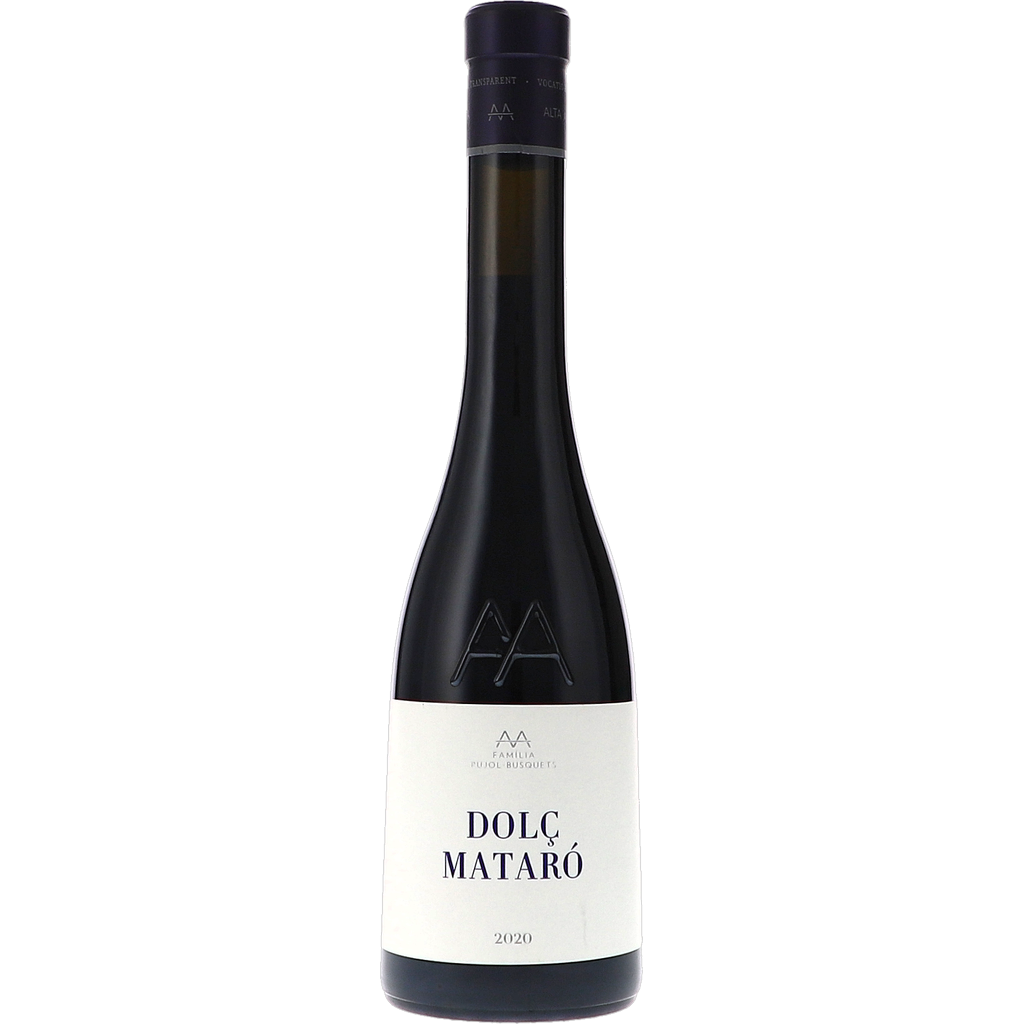
Alongside the sparkling wines, the estate tends the Dolç Mataró, a sweet wine made from slightly dried Mataró grapes, known elsewhere as Mourvèdre. Its sweetness comes solely from the grape, without fortification; the glass offers ripe plum and a touch of rosemary.